Aparna RMC

Author: user

  • Building Resilience: The Role of Ready-Mix Concrete in Disaster-Resilient Construction

    Building Resilience: The Role of Ready-Mix Concrete in Disaster-Resilient Construction

    In the face of increasing climate uncertainties and natural disasters, the importance of resilient construction practices cannot be overstated. One of the chief components in achieving disaster resilience is ready-mix concrete, a versatile material that significantly enhances the structural integrity of buildings. This blog explores the crucial role of ready-mix concrete in disaster-resilient construction and how it contributes to building a safer and more sustainable future.

    Understanding Ready-Mix Concrete

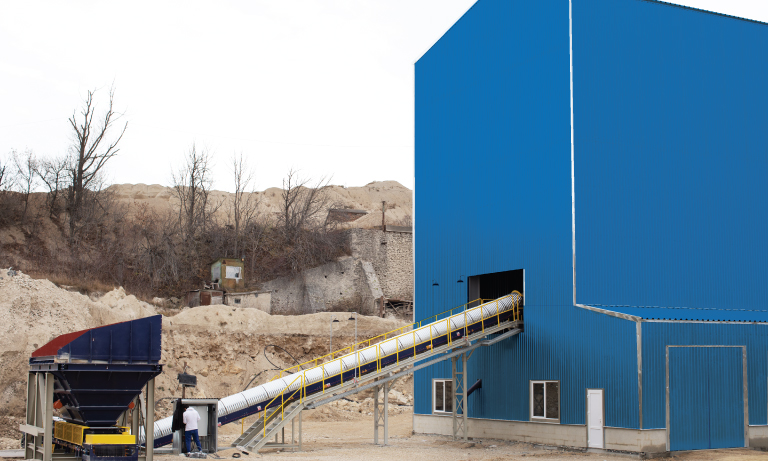
    Ready-mix concrete is a precise and consistent solution that is prepared in a controlled environment, usually a batching plant. It is composed of carefully proportioned ingredients including cement, aggregates, water, and admixtures. The controlled mixing process ensures uniformity and consistency, resulting in a high-quality product that surpasses traditional on-site mixed concrete in strength and durability. The mix is produced through careful measurement and precise mixing in high-tech infrastructural facility which makes it better controlled, stronger and more consistent than on-site mixed concrete.

    Strength in Structure

    One of the primary reasons ready-mix concrete is essential for disaster-resilient construction lies in its superior strength characteristics. Buildings constructed with ready-mix concrete are better equipped to withstand the forces exerted by earthquakes, cyclones, and other natural disasters. The material’s robustness helps prevent structural failures, providing a critical layer of protection for occupants. The robustness is achieved  through careful technologically equipped mixing in batches with the help of industrial experts which isn’t found in on-site mixing.

    How does RMC’S Rapid Deployment and Efficiency figure in Disaster Management?

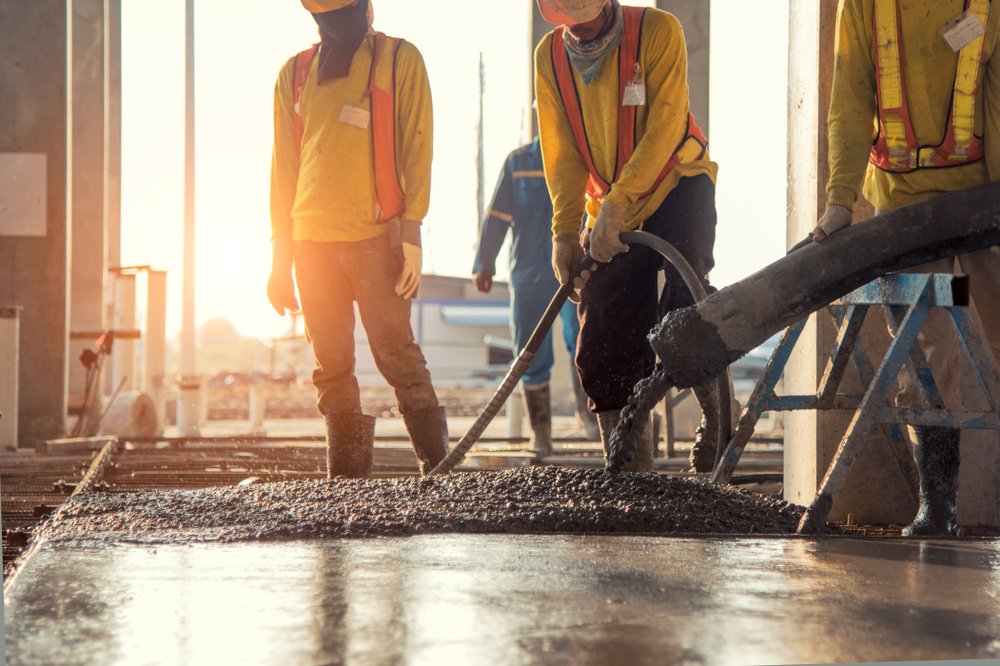
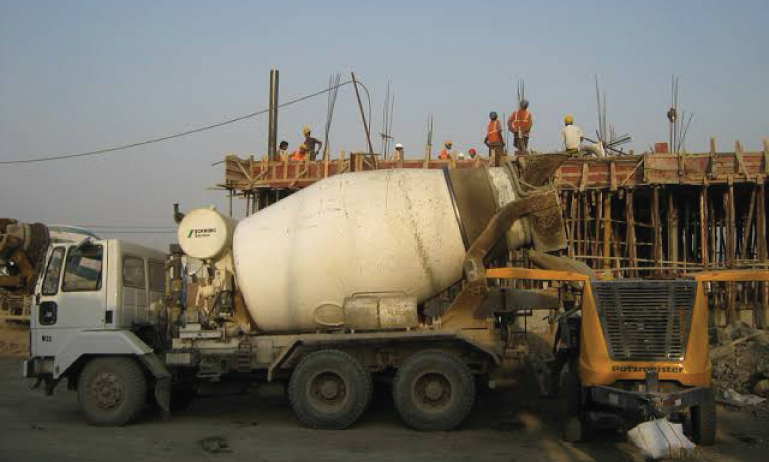
    In the aftermath of a disaster, time is of the essence. Ready-mix concrete offers a rapid and efficient solution, as it can be transported to the construction site and poured immediately. This speed of deployment is crucial for emergency response efforts, enabling the quick reconstruction of essential infrastructure and minimizing disruptions to communities affected by disasters.    

    How does Ready-Mix Concrete maintain Consistency and Quality Control?

    Consistency is key to ensuring the structural integrity of buildings, especially in

    disaster-prone areas. Ready-mix concrete’s controlled production process eliminates the variability associated with on-site mixing. This consistency not only enhances the

    material’s strength but also facilitates precise engineering calculations, ensuring that

    structures meet or exceed safety standards.

    Is Ready-Mix Concrete truly a friend of the environment?

    Ready-mix concrete exhibits remarkable resistance to environmental factors such as fire, corrosion, and moisture. This resistance is pivotal in disaster-resilient construction, as it helps maintain the structural integrity of buildings even in adverse conditions. The material’s durability ensures that structures remain safe and habitable for an extended period, reducing the need for frequent repairs or reconstruction.

    Ready-Mix Concrete is Sustainable and Cost-Effective

    Beyond its resilience, ready-mix concrete contributes to sustainable construction

    practices. The controlled production process minimizes waste, and the durability of the material reduces the need for frequent replacements. Additionally, the energy efficiency associated with ready-mix concrete production makes it an environmentally friendly choice.

    Conclusion

    In the face of an unpredictable climate and the increasing frequency of natural disasters, the construction industry must prioritize disaster resilience. Ready-mix concrete emerges as a vital enabler in this endeavour, offering unparalleled strength, efficiency, and sustainability. By incorporating this advanced building material into construction practices, we can build communities that are better equipped to face the challenges of the future, creating a safer and more resilient world.

    Through innovation and collaboration, we here at Aparna RMC are making buildings that are more disaster-resilient and sustainable.
  • How Quality Control Ensures Strength and Consistency in RMC

    How Quality Control Ensures Strength and Consistency in RMC

    When construction demands predictable strength, reliability, and on-time project completion, ready-mixed concrete (RMC) becomes the material of choice. But these benefits don’t happen by chance – rigorous quality control at every phase of production separates premium RMC from the inconsistent results produced by on-site mixed batches.

    Conventional mixed concrete, even when done with care, cannot compete with the level of accuracy and control achieved in a modern RMC batching plant. Variations in raw material sources, batch proportions, and even basic mixing techniques make site-mixed concrete a risk in projects where uniform strength, workability, and durability are non-negotiable.

    In contrast, high-grade RMC suppliers approach their materials, design, and production with almost scientific precision. Their facilities prioritize testing, technology, and a multi-level approach to quality assurance. These collective efforts contribute to a final product that delivers consistent and guaranteed concrete for your project requirements.

    How RMC Quality is Tested

    A dedicated plant team works to manage quality, with dedicated QA/QC staff overseen by the Quality Assurance/Quality Control Manager. Quality control of ready-mixed concrete may be divided into three phases. Each phase of production plays an integral part:

    1. Forward Control:

    Forward control and consequent corrective action are essential aspects of quality control. Forward control includes the following.

    Ingredient Test:  Suppliers don’t skip incoming material verification. Whether it’s the cement arriving from a trusted source, aggregates of various sizes, sand, supplementary cementitious materials, or carefully measured admixtures, all are tested against industry standards before reaching the plant’s systems.

    Raw Material Inspection:  Bulk cement storage silos prevent moisture damage, while dedicated stockpiles segregate aggregates of different grades. Even water purity is actively managed to avoid introducing contaminants into the mix.

    Calculated Design: Mix design software allows engineers to fine-tune proportions based on the target strength (e.g. M25, M40 grade concrete) and other performance needs. They factor in desired workability, exposure conditions, and even local material characteristics.

    Precision Equipment:  Automated batching plants meticulously weigh and dose ingredients according to the computer-designed measures, avoiding human error that might happen during manual operations.

    2. Immediate Control

    Immediate control in concrete quality control refers to taking immediate action to control the quality of concrete that is being produced or delivered right after.

    Production Control:

    Process Parameter Scrutiny: Technicians diligently track batch size, water-cement ratio, mixing time, and other processing variables. Every step must align with the specifications of the mix design to ensure concrete meets its engineered target strength and workability.

    Batch Inspection: Before a truck pulls away, visual inspection is mandatory. Experienced eyes assess the concrete’s uniformity, cohesion, and overall consistency. This preliminary check can expose segregation, insufficient mixing, or workability issues.

    Product Control:

    RMC plants don’t rely solely on observation. These tests provide critical quantitative data:

    Slump Test: This widely used test determines the flowability and ease of placement of concrete. Different cone shapes are common (e.g., standard slump cone, K-Slump Tester) depending on the concrete type. Target slump values for various applications are defined in standards and adjusted during the production phase if needed.

    Density, Temperature, and Air Content: For specialized RMC, fresh concrete density (how much it weighs per unit volume) is often tested. Temperature significantly impacts setting time and must be closely controlled, even using iced water or chilled aggregates in hot weather. In freeze-thaw environments, air entrainment testing verifies that microscopic air bubbles have been correctly introduced to the mixture, enhancing durability.

    3. Retrospective Control:

    Retrospective control is concerned with those factors that influence the control of production. This might involve various procedures:

    Quality Sample Testing: One of the most important retrospective tests is crushing cubes or cylinders of hardened concrete after 28 days. This isn’t possible to do until days or weeks after the concrete is placed, but it indicates if it actually achieved the strength grade it was designed for.

    Strength Check-ups: Testing might also revisit initial properties like the slump test results, air content, or aggregate properties from previous batches. Analyzing why they differed and how they influenced strength provides valuable insights.

    Materials Checks: Retrospective control extends beyond the concrete itself. Regular ‘weighbridge’ audits compare incoming raw material (cement, aggregates) at the plant versus the quantity of concrete that was transported out by trucks. Stockpiles are periodically measured to spot discrepancies.

    Diagnosis and Correction: This isn’t just collecting data for the sake of it. The goal is identifying patterns. Are strength results drifting lower over time? Maybe specific equipment needs recalibration or material sources are inconsistent. These findings prompt proactive changes to avoid errors before they cause larger problems.

    Choose Quality; Choose Aparna RMC

    The next time your project needs concrete, don’t simply focus on the price. Look for RMC suppliers that prioritize quality control from materials to pouring. Their focus will contribute to your project’s long-term success and structural integrity for years to come. Aparna RMC is known for superior service enabled by digital tools, along with an ISO Certified process that guarantees consistent quality and timely delivery across its 29 plants spread across four states.

  • Innovation in Construction: Revolutionizing Construction with Self-Compacting Concrete

    Innovation in Construction: Revolutionizing Construction with Self-Compacting Concrete

    Innovations in Concrete Technology

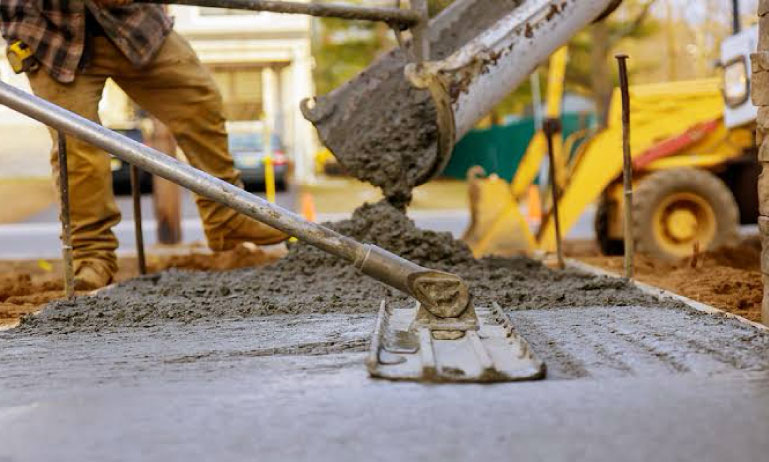
    Concrete technology has made remarkable strides in the construction industry in recent years. One such innovation that has made good progress is self-strengthening concrete. In contrast to conventional concrete, self-compacting concrete is specifically designed to flow and strengthen without external forces. 

    Self-compacting concrete is produced by a balanced combination of aggregate, cement and superplasticizer. These superplasticizers give concrete exceptional flowability and volume, allowing it to fill complex shapes quickly and into tight spaces. The result is a robust and durable concrete that eliminates the need for manual compaction, saving time and effort during construction. 

    Innovations in concrete technology, especially self-consistent concrete, have transformed the construction industry. This is not only a practical but an aesthetic choice as well. With its unique flow rates, design flexibility and increased durability, SCC has been a game changer in the construction industry.

    Why should you use Self-Compacting Concrete? 

    self-compacting concrete has many advantages over regular concrete, making it popular in the construction industry. Its self-consistent properties ensure uniform distribution of aggregate, cement, and other materials throughout the construction, reducing differences in strength and quality. The excellent followability of the concrete makes construction fast and convenient. Construction time is significantly reduced because concrete can fill narrow spaces without requiring manual compaction.

    Self-compacting concrete is dense and securely compacted, making it a highly impermeable material that reduces the risk of water penetration and reinforcing steel corrosion. This increases the structural lifespan and reduces long-term maintenance expenditures. Overall, the benefits of self-compacting concrete, such as homogeneity, faster building, improved workability, increased durability, and environmental friendliness, make it an appealing choice for builders and contractors.

    Enhancing Construction Efficiency with Self-compacting Concrete

    Self-compacting concrete has proven to be a game-changer in enhancing construction efficiency. Using self-compacting concrete minimizes the risk of defects and inconsistencies in the concrete structure. This, in turn, results in structurally sound and aesthetically pleasing structures that meet the highest construction standards.

    Furthermore, the efficient placement of the material reduces the need for additional surface treatments or repairs. The smooth and uniform texture of self-compacting concrete eliminates the need for excessive finishing or polishing, saving time and resources. This not only improves construction efficiency but also enhances the overall quality of the finished project.

    Another critical aspect of self-compacting concrete is its ability to reduce noise pollution. Eliminating external vibration or compaction equipment significantly reduces noise levels on the construction site, creating a more pleasant working environment for the workers and minimizing disturbance to nearby residents or businesses. 

    Maximizing Profits with self-compacting concrete

    self-compacting concrete (self-compacting concrete) improves construction efficiency and positively impacts the bottom line of leading companies like Aparna RMC. Using self-compacting concrete can reduce costs by reducing labor requirements and project timelines. One of the main cost-saving benefits of self-compacting concrete is the elimination of manual compaction. 

    Additionally, using self-compacting concrete can minimize the risk of defects and structural failures. The uniform distribution of aggregates and cement in self-compacting concrete ensures consistent quality and strength throughout the structure. This reduces the likelihood of costly repairs or rework, further maximizing profits.

    Moreover, the durability of self-compacting concrete contributes to long-term cost savings. The dense and impenetrable nature of self-compacting concrete reduces the risk of water penetration and corrosion, increasing the lifespan of the structures and reducing maintenance costs. This offers substantial cost-saving opportunities for construction companies, allowing them to maximize profits through reduced labor costs, faster project completion, minimized risk of defects, and long-term durability.

    Aparna RMC’s Success with Self-compacting Concrete

    Aparna RMC is a prime example of a company that has leveraged the benefits of self-compacting concrete to drive success in construction projects. By adopting self-compacting concrete Aparna RMC, has improved efficiency, quality, and customer satisfaction. Using such innovative materials has allowed us to stand out from the crowd and serve all the needs of the construction industry.

    Aparna RMC’s success with self-compacting concrete is a testament to its transformative power. By embracing this innovative technology, Aparna RMC has been able to drive efficiency, improve quality, and achieve commercial success in the construction industry.

    Excerpt

    Discover how self-compacting concrete can revolutionize construction projects, improve efficiency, and elevate the overall flow of your projects!

  • Building a Sustainable Future: The Role of Ready-Mix Concrete in Green Construction

    Building a Sustainable Future: The Role of Ready-Mix Concrete in Green Construction

    Sustainability has become a cornerstone of modern construction practices, driven by the urgent need to mitigate the environmental impact of the built environment. As the construction industry evolves, materials play a crucial role in determining the ecological footprint of a project.

    One such material that has gained prominence for its sustainable attributes is ready-mix concrete. This versatile and eco-friendly construction material is proving to be a key player in advancing green building practices.

    How Does RMC Reduce Environmental Impact?

    Ready-mix concrete offers a more sustainable alternative to traditional on-site mixed concrete. The production process of ready-mix concrete is highly efficient, with precise measurements of ingredients that reduces waste and minimizes the environmental impact. This results in lower energy consumption and fewer greenhouse gas emissions compared to the traditional mixing process on construction sites.

    What steps does RMC take in Energy efficiency?

    The production of ready-mix concrete is conducted in specialized RMC batch plants, allowing for a more controlled and energy-efficient process. These plants are equipped with advanced technology to optimize resource utilization, including water and energy. Additionally, the transportation of ready-mix concrete from the RMC batch plant to the construction site is often more efficient, contributing to energy savings.

    How does the Green Manufacturing of RMC help Sustainability Projects?

    Another factor in low-carbon ready-mix concrete’s environmental friendliness is the production process. Advanced production techniques are employed to optimize energy use and material sourcing, further lowering its carbon footprint. Energy-efficient procedures are being adopted by more of our modern concrete production plants. Using renewable energy sources and streamlining the production process are two ways to do this. Responsible Material Obtaining: Sustainability is taken into consideration while obtaining raw materials. To cut down on emissions associated with transportation, this entails choosing suppliers who use environmentally friendly mining and processing techniques as well as employing locally produced resources.

    How does Waste Reduction in RMC help achieve Sustainability?

    Traditional on-site concrete mixing can lead to overordering of materials and increased waste. Ready-mix concrete addresses this issue by providing a precisely measured and mixed product,

    significantly reducing waste at construction sites. This not only minimizes the environmental impact but also is cost-effective for construction projects.

    How Durable is RMC? Does this durability help the environment?

    Green building practices emphasize the importance of durability and longevity in construction materials. Ready-mix concrete, when properly designed and installed, offers exceptional durability, it’ll last you years on end without the need for frequent repairs and replacements. This longevity contributes to sustainable practices by extending the lifespan of structures and reducing the overall demand for raw materials. As materials last longer there will be less use for repairs and consequently, less production is required which makes RMC a key contributor to sustainability.

    How does RMC’s use of recyclable material as ‘Sustainable Aggregates’ help Sustainability?

    Ready-mix concrete can be customized to include sustainable aggregates, such as recycled materials like crushed concrete or Ry ash. The use of these recycled components not only diverts waste from landfills but also reduces the demand for virgin materials, further contributing to the sustainability of the construction industry.

    What does RMC do for Water Conservation?

    Water scarcity is a growing concern globally, making water-efficient construction materials essential for sustainable building practices. Ready-mix concrete can be designed to require less water during the mixing process, contributing to water conservation efforts in construction projects.

    Does RMC help achieve LEED Certification and Green Building Standards?

    The Leadership in Energy and Environmental Design (LEED) certification and other green building standards provide guidelines for environmentally responsible construction. Ready-mix concrete aligns with these guidelines, with its eco-friendly features, and its reduced carbon footprint. This makes RMC the top choice for projects aiming to achieve sustainable certifications.

    Conclusion

    The choice of construction materials is paramount in the quest for sustainable and green building practices. Ready-mix concrete stands out as a key contributor to eco-friendly construction, offering reduced environmental impact, energy efficiency, waste reduction, and the flexibility to incorporate sustainable aggregates. As the construction industry continues to evolve, the adoption of ready-mix concrete is not just a step forward; it’s a solid foundation for building a sustainable future.

  • 5 Benefits of Using Ready-Mix Concrete for Infrastructure Projects

    5 Benefits of Using Ready-Mix Concrete for Infrastructure Projects

    Concrete is invaluable in the construction of bridges and key infrastructure, including roads, skyscrapers, and robust highways we drive on every day. The inherent durability and reliability of the structure it creates make it fit for use for decades to come.

    Among infrastructure construction materials that need to be versatile, reliable, cost-effective and sustainable, ready-mix concrete stands out as the most practical and reliable choice for concrete solutions. Its simplicity is its strength, offering a pre-mixed blend of cement, water, and aggregates that eliminates the uncertainties of on-site mixing. The precision in its composition provides consistent quality, and the flexibility in its design makes it a highly dependable option for builders and engineers alike.

    Discussed below are the key benefits of using a ready mix concrete for your infrastructure construction projects and why it would be the best choice for you:

    1. Reduced construction time and cost

    Concrete plays a major role in the overall budget and time in construction projects, particularly infrastructure projects, accounting for 30% – 50% of the total cost. In the fast-paced construction world, time and budget savings are crucial, and Ready-Mix Concrete (RMC) helps  in achieving both. Traditional on-site concrete mixing involves multiple steps and uncertainties, leading to potential delays and increased costs.

    RMC revolutionises the process by pre-mixing concrete off-site and delivering it precisely when needed timely. This approach can save up to 50% on labour costs and reduce project duration by 15%, according to a study by the National Ready Mixed Concrete Association of the United States.

    These benefits will be more substantial in large-scale projects, such as infrastructure projects, where RMC accelerates various construction phases, leading to earlier completion, reduced costs, and faster occupancy.

    2. Consistency and Quality

    When it comes to infrastructure constructions such as bridges, highways, and skyscrapers, consistency and quality are paramount. It is crucial that they’re sturdy, reliable, and don’t require a lot of maintenance. Ready-Mix Concrete (RMC)  delivers concrete with superior and consistent strength, longevity and long-lasting reliability.

    Unlike traditional on-site mixing, RMC is produced in controlled batching plants under stringent quality control measures. Precise proportions of cement, aggregates, water, and admixtures are meticulously measured and blended using advanced technology. This ensures flawless consistency and high quality in every batch and avoids any human error and material variations that can be made on-site mixing.

    The American Concrete Institute (ACI) emphasises that the key to achieving strong, durable concrete rests on the careful proportioning and mixing of the ingredients, and a properly proportioned concrete mixture will possess the desired durability and strength for the hardened concrete. This can be only achieved perfectly with Ready Mix Concrete.

    3. Labour Efficiency and Safety

    Ready-Mix Concrete (RMC) significantly boosts labour efficiency in large-scale infrastructure projects. By simplifying the mixing process and delivering concrete directly to the site, RMC cuts out the need for on-site mixing, saving time and effort for construction workers.

    According to a research report on preprints.org, RMC adoption in infrastructure projects can improve efficiency and reduce construction time. Additionally, a study by Straits Research highlights that RMC is a promising material for the construction and transportation sectors, offering efficiency and durability.

    Moreover, RMC minimises the need for manual handling of heavy materials like cement and aggregates, reducing the risk of workplace injuries and enhancing overall safety on the construction site.

    4. Reduced Material Waste

    Ready-Mix Concrete (RMC) is the most sustainable option for large-scale infrastructure projects. Compared to on-site mixing which often leads to overestimating materials and creating massive spillovers, RMC is precise and efficient. It’s made in advanced plants with computer-aided designs, cutting the risk of wastage by up to 10% (source: NRMCA, 2023). When RMC arrives at the construction site, it does so in trucks with precise pumping systems, cutting down spills and reducing waste by about 5% (source: ERMCA, 2021). Plus, there are no leftover concrete issues since RMC delivers exactly what’s needed.

    Unlike on-site mixing methods, RMC can reduce transportation emissions by requiring fewer truck trips. It also enables builders to minimise wastage and use resources wisely, being more environmentally friendly in infrastructure construction.

    5. On-time Delivery of Ready to Use Concrete

    For an infrastructure project wherein any delay can ripple through budgets, schedules, and reputations of the builder,  it is indispensable to get the resources and materials on time to finish the project on the proposed date. RMC allows the builders to finish the project on time due to the timely delivery of ready-mix as per specific requirements. The process of making RMC includes the latest technology which accelerates the overall process and allows the project to finish on time.

    Furthermore, the on-time delivery of RMC enhances overall project management. It allows for better coordination of construction activities and is a tangible benefit that directly influences project timelines, labour efficiency, and project productivity.

    Why Choose Aparna RMC for Infrastructure Projects?

    Aparna RMC is a fast-growing ready-mix concrete supplier in the country with a proven track record of being associated with some of South India’s largest infrastructure projects, contributing to them through the supply of its high-quality concrete solutions.

    Aparna RMC brings in the innovation and scope needed to match the grand vision of these infrastructure projects, such as roads, highways, airports, metro projects, bridges and more. From providing need-based customised grades and the required volumes according to the timelines, Aparna RMC is the partner of choice to accomplish landmark projects while saving significant time and costs.

  • RMC vs Traditional On-Site Mixing: A Cost-Benefit Analysis 

    RMC vs Traditional On-Site Mixing: A Cost-Benefit Analysis 

    The construction industry is constantly evolving, and one of the critical decisions builders face is whether to use Ready-Mix Concrete (RMC) or stick to traditional on-site mixing methods. Both approaches have their advantages and drawbacks, and understanding the cost-benefit analysis is crucial for making informed decisions. In this blog, we will explore the key factors that contribute to the cost-effectiveness of RMC compared to traditional on-site mixing. 

    Does choosing Ready-Mix Concrete save construction time? 

    One of the most significant advantages of Ready-Mix Concrete is its time efficiency. Ready-mix concrete is produced in a controlled environment, allowing for precise batching and quality control. This results in a faster construction process compared to traditional on-site mixing, where the concrete must be mixed on the spot.

    Time is money in the construction industry, and RMC can significantly reduce construction timelines, leading to potential cost savings. 

    How does Ready-Mix Concrete reduce your Labour Costs? 

    Traditional on-site mixing requires a dedicated team for the entire concrete mixing process, including batching, mixing, and transportation. In contrast, RMC suppliers handle the entire concrete production process, minimizing the need for on-site labour. This reduction in labour requirements can lead to substantial cost savings, especially on larger construction projects. 

    Does RMC provide better quality than On-Site Mixing? 

    Quality control is a critical aspect of any construction project. Ready Mix Concrete, being produced in controlled environments with stringent quality standards, often results in a more consistent and high-strength concrete mix compared to on-site mixing. This can lead to fewer issues during construction, reducing the likelihood of rework and additional costs associated with poor-quality commercial concrete. 

    How do you keep your construction site waste efficient and clean?

    On-site mixing may result in material waste due to inaccuracies in batching, overordering of raw materials, and spillage during the mixing process. RMC suppliers, on the other hand, precisely measure and batch the concrete, reducing the risk of material waste. This efficiency can translate into cost savings for the builder and contribute to a more sustainable construction process helped through sustainable RMC. 

    Ready-Mix Concrete cuts out your Equipment Costs 

    Investing in on-site concrete mixing equipment can be a significant upfront cost for construction companies. Ready Mix Concrete eliminates the need for such equipment, allowing builders to allocate resources to other critical aspects of the project.

    While there is a cost associated with purchasing ready-mix concrete, it may still be more economical than investing in and maintaining specialized mixing equipment. 

    How price-effective is Ready-Mix Concrete transportation compared to On-site Mixing? 

    Ready-Mix Concrete is delivered to the construction site in ready-to-use form, reducing the need for transportation of raw materials to the site. This can result in lower transportation costs compared to traditional on-site mixing, where multiple trips may be required to transport raw materials and the final product.

    As there are many raw materials required for on-site mixing, purchasing concrete, concrete additives, cement, sand, gravel, and water and getting them transported to the concrete site becomes hectic, burdensome and most of all very expensive. Reduced transportation requirements can also contribute to a smaller environmental footprint through the use of sustainable Ready Mix Concrete. 

    Using RMC is Space-effective and clean 

    Ready Mix Concrete only requires suitable access for the RMC bulk truck but in traditional on-site mixing storage of concrete, cement, gravel and other materials results in the usage of a lot of space. Whereas in Ready Mix Concrete you’re relieved of the hassle of buying, storing and mixing concrete, gravel, water and other materials. It becomes a space-effective manoeuvre to choose RMC instead of traditional on-site mixing.

    Conclusion 

    In conclusion, the choice between Ready-Mix Concrete and traditional on-site mixing involves careful consideration of various factors, including time efficiency, labour costs, quality control, material waste, equipment costs, and transportation costs.

    While Ready-Mix Concrete may have a higher upfront cost, the potential savings in time, labour, and material waste make it a compelling option for many construction projects. Builders should assess the specific needs of their project and weigh the long-term benefits of each method to make an informed decision that aligns with their budget and timeline requirements.

  • The Art of Colouring RMC: Exploring Decorative Concrete Options – Aparna RMC

    The Art of Colouring RMC: Exploring Decorative Concrete Options – Aparna RMC

    In modern architecture and landscaping, decorative concrete is capturing widespread attention. Coloured RMC enhances curb appeal, infusing vibrant aesthetics into ready-mix concrete surfaces for lasting visual impact. Its durability and resistance to fading ensure a long-lasting vibrancy that withstands diverse environmental conditions, making it a robust choice for both aesthetic and functional purposes.

    The blog delves into the influence of decorative concrete on both the visual and functional dimensions of Ready-Mix Concrete (RMC). It also explores the intricate technical considerations that play a pivotal role in shaping contemporary construction practices.

    What are the types of decorative concrete colouring?

    Exploring the vibrant world of decorative concrete colouring reveals a spectrum of techniques that redefine the aesthetics of Ready-Mix Concrete (RMC).

    Integral colouring introduces pigments directly into the concrete mix, ensuring a uniform hue throughout the material. This method, deeply integrated into the composition, provides a consistent and enduring colouration, making it a preferred choice for projects seeking reliability and homogeneity.

    On the other hand, surface-applied colourants, like acid stains or dyes, offer a more diverse palette, granting designers the flexibility to explore a broad spectrum of shades and intricate patterns. These colourants, through interaction with the concrete’s surface, create distinctive visual effects. This makes them a dynamic option for projects where a range of customizable aesthetics is desired.

    Innovative colouring techniques such as stamping, engraving, and stencilling enhance the aesthetics of Ready-Mix Concrete (RMC). Additionally, cutting-edge technologies like laser engraving and 3D printing further contribute to elevating the visual appeal of RMC. These methods introduce intricate patterns and textures, pushing the boundaries of traditional applications. 

    Advanced colouring approaches, including reactive stains and UV-resistant pigments, enhance the durability of ready-mix concrete, ensuring vibrant and multi-dimensional designs. Together, these innovations redefine the possibilities of coloured RMC, offering a sophisticated and visually stunning dimension to modern construction.

    Knowing the right way to choose an apt colour palette for your project is just as important as it involves consideration of various construction and environmental factors, depending on the project type. 

    How to choose the right palette?

    Understanding the impact of natural light on colour perception is crucial in the selection process. Colours may vary under different lighting conditions. To account for this, choose hues that maintain visual appeal throughout the day. Thoughtful consideration of natural light dynamics ensures a consistent and pleasing appearance for coloured RMCs in diverse environments. 

    Aparna RMC consultants leverage their expertise to guide you in making informed colour choices that align with both design preferences and natural light dynamics.

    Is coloured RMC cost-efficient?

    Comprehending the cost implications of colouring Ready-Mix Concrete (RMC) versus traditional concrete is essential for informed decision-making. While the initial investment in colouring additives may incur additional expenses, the long-term benefits often outweigh these costs. The enhanced aesthetic appeal and durability of coloured RMC contribute to potential savings in maintenance and repair, making it a cost-effective choice over the lifespan of the project.

    Beyond immediate costs, the investment in coloured RMC can lead to increased property value. The visual impact and uniqueness achieved through colour customization can elevate the overall aesthetic appeal of a property, making it more attractive to potential buyers or tenants. Coloured RMC goes beyond being a mere financial investment. It improves the surroundings and increases property value over time.

    How to safeguard coloured RMC?

    Proper sealing is vital for safeguarding coloured Ready-Mix Concrete (RMC) against environmental elements, ensuring longevity and colour integrity. Intact sealant acts as a barrier, preventing moisture, UV exposure, and stains. Emphasizing this sealing process is crucial for preserving both aesthetic appeal and structural integrity.

    To sustain colour vibrancy, proactive maintenance is key. Regular cleaning with mild, pH-neutral cleansers prevents surface dullness. Swiftly addressing stains and spills avoids prolonged exposure. Periodic resealing, recommended every few years, enhances the protective layer, prolonging the lifespan of coloured RMC and preserving its vivid visual impact.

    Why Choose Aparna RMC?

    Aparna RMC plants offer Color Concrete known for both durability and attractive looks. It outperforms traditional flooring systems, making it suitable for various areas like pathways, driveways, basements, and landscaping. This concrete not only enhances the appearance of surfaces but also ensures longer durability compared to conventional flooring systems, making it a reliable choice for different applications, including VDF flooring surfaces.

    As the industry evolves, Aparna RMC stays at the forefront of decorative concrete advancements. Our consultants specialize in guiding emerging technologies, including sustainable colouring options and eco-friendly additives. They ensure that projects align with the latest standards in environmentally conscious construction practices.

    This commitment to innovation ensures that our partners benefit from cutting-edge solutions while making environmentally responsible choices in their decorative concrete projects.

  • Concreting in cold weather conditions: Challenges & Solutions

    Concreting in cold weather conditions: Challenges & Solutions


    Temperature plays a crucial role in ready-mix concrete strength development. Concreting in cold weather introduces unique challenges that significantly differ from standard construction practices. Ready-mix concrete does not set fast in low temperatures due to the disruption of cement hydration. These conditions can result in surface defects, reduced concrete performance, and an increased likelihood of thermal cracking.

    Here are a few important factors to keep in mind when working with your Ready Mix Concrete supplier during the winter season or in colder regions

    Know the right setting temperatures of RMC


    Setting Time of RMC at Various Temperature can vary significantly based on the temperature and humidity levels prevailing in the construction site.  Here is a helpful guide to understand setting times at different temperatures:
     

    TemperatureApproximate Setting Time (hours)
    38oC1-2/3
    32oC2-2/3
    27oC4
    21oC6
    16oC8
    10oC11
    4oC14
    -1oC19
    -7oCSet will not occur

    Admixtures and Accelerators to increase the setting time

    Admixtures, and chemical compounds added to the ready-mix concrete can help speed up the concrete setting times.

    Air-entraining additives improve freeze-thaw resistance by introducing microscopic air bubbles while water-reducing admixtures maintain the crucial water-cement ratio for concrete strength. Strategically using these admixtures ensures structural integrity in chilly environments.

    Accelerators, such as calcium chloride or non-chloride compounds, can promote rapid cement hydration, especially in cold weather conditions. Many of these accelerators work at temperatures lower than 4oC, making it an ideal mixture for high-altitude winter season construction

    Cold Weather & RMC Mix Considerations

    In cold weather, creating an effective concrete mix is crucial for optimal workability, strength, and durability. This includes precise design considerations, such as the right amount of cement, suitable admixtures, and controlled aggregate proportions.

    To expedite setting and improve strength, it’s essential to maintain a lower water-cement ratio. Additionally, selecting aggregates with low absorption rates is vital for preserving the desired workability. A well-thought-out mix design that takes these factors into account is fundamental for overcoming challenges posed by cold weather, ensuring the ready-mix concrete meets the required standards for durability and structural integrity.

    Insulation Techniques

    Sub-zero temperatures may require insulating for freshly poured ready-mix concrete in cold weather. Insulated blankets, thermal quilts, and active heating systems such as electric blankets can help retain moisture for longer periods, retaining heat during hydration and ensuring proper curing. 

    In windy areas, additional windbreak mechanisms may be needed to minimize the risk of surface defects of concrete pour.

    Get expert advice from the RMC leaders

    Aparna RMC, an industry leader in Ready Mix Concrete (RMC) solutions, operates across 27 strategically located facilities across four states in India.  With a team of experts specializing in ready-mix concrete solutions, the team at Aparna RMC can offer unparalleled expertise to ensure the success of your construction projects. If you are constructing in challenging environments or weather conditions, the team will be able to share their experiences offer expert advice and truly work with you as a reliable partner.

  • 10 Types of Admixtures that Enhance Ready-Mix Concrete

    10 Types of Admixtures that Enhance Ready-Mix Concrete

    In the world of construction, where strength, durability, and versatility are key, ready-mix concrete takes centre stage. As builders and engineers explore new possibilities, the role of admixtures becomes crucial for achieving top-notch results.

    Additives and admixtures for ready-mix concrete are chemical substances added to concrete to improve its physical and chemical properties. They enhance workability, speed up setting times, prevent segregation reduce slump loss and bleeding. Also improves the bond between concrete and steel reinforcement, and minimises heat generation while boosting water tightness. 

    Here are a few additives and the role they play in meeting your construction needs:

    1. Water-Reducing Admixtures

    Water-reducing admixtures, also known as plasticizers, play a crucial role in improving ready-mix concrete by making it easier to work with and using less water. These additives simplify construction processes, making them more efficient while also strengthening the concrete. 

    The main advantage of admixtures is to create a strong structure without sacrificing its ability to be shaped, addressing concerns about using too much water. In the precise field of construction, incorporating water-reducing admixtures becomes a practical strategy for balancing workability with the essential characteristics necessary for the concrete’s long-term integrity.

    2. Retarding Admixtures

    Retarding admixtures strategically delays the setting time of ready-mix concrete. This deliberate delay is particularly advantageous in various scenarios, such as hot weather conditions or large-scale construction projects, where prolonged setting times offer increased flexibility in the placement and finishing process. It ensures that RMC sets at a pace conducive to optimal quality and craftsmanship.

    3. Accelerating Admixtures

    Accelerating admixtures is key in ready-mix concrete technology, helping speed up curing. These additives act like catalysts, reducing the time it takes for RMC to strengthen. They improve project speed and efficiency, which is significant for meeting deadlines in construction.

    In cold weather construction, where curing slows down naturally, accelerators are crucial. They counteract the effects of low temperatures, letting projects move forward without compromising concrete quality. Using accelerators fits the need for fast and reliable construction solutions, especially where regular curing times might be a challenge.

    4. Air-Entraining Admixtures

    Air-entraining admixtures enhance ready-mix concrete resilience by introducing microscopic air bubbles into the mix. Facilitated by air-entraining agents, the RMC’s ability to withstand freeze-thaw cycles improves. The introduction of these tiny air pockets provides flexibility within the concrete structure and prevents internal stress and potential damage caused by the expansion of freezing water. Air-entraining agents create these microbubbles essential for mixed concrete’s durability and long-term performance in regions prone to fluctuating temperatures.

    5. Damp-proofing Admixtures

    Damp-proofing or waterproofing admixtures make ready-mix concrete impermeable to water and prevent surface dampness. These additives often act as accelerators during the early stages of concrete hardening. Common constituents include aluminium sulfate, zinc sulfate, aluminium chloride, and silicate soda.

    6. Corrosion-Inhibiting Admixtures

    Corrosion-inhibiting admixtures combat corrosion challenges in reinforced concrete structures. By forming a protective barrier around embedded steel, these admixtures effectively shield against corrosive agents, extending the lifespan of the ready-mix concrete. This proactive solution not only enhances durability and reduces maintenance costs but also aligns with sustainable construction practices.

    7. Shrinkage-Reducing Admixtures

    Shrinkage-reducing admixtures address ready-mix concrete shrinkage and cracking caused by water evaporation during the curing process. By modifying the concrete mixture, these admixtures minimize volume change, reducing the likelihood of cracks and enhancing both durability and aesthetics. 

    This proactive approach not only ensures the structural integrity of RMC but also diminishes the need for costly repairs and maintenance. Thus making shrinkage reducers a valuable addition to construction projects.

    8. Bonding Admixtures

    Bonding admixtures improve the bond between old and fresh concrete surfaces, ensuring strong adhesion. They are applied just before pouring fresh concrete over a hardened surface and can include polymers like polyvinyl chloride and polyvinyl acetate. 

    This process is particularly beneficial in repair and renovation projects, where maintaining a strong bond between new and existing concrete elements is essential for the structural integrity and long-term performance of the overall construction.

    9. Fungicidal, Germicidal, and Admixtures

    Antimicrobial admixtures not only prevent the growth of bacteria, germs, and fungi on concrete surfaces but also enhance longevity and aesthetic appeal by averting discolouration, odours, and structural deterioration. Especially valuable in highly sanitary environments like healthcare facilities and food processing plants, these admixtures are crucial for maintaining both structural and visual integrity. Their dual functionality makes concrete indispensable in construction projects to achieve durability, cleanliness, and long-term sustainability.

    10. Coloring Admixtures

    Colouring admixtures, often pigments, add vibrant colours to ready-mix concrete for architectural and decorative purposes. They’re crucial for achieving specific aesthetics, offering a wide range of colours for personalized designs in various projects, including pavements, floors, and artistic installations. 

    Aparna RMC

    Aparna RMC, a leading player in the construction industry, sets itself apart by offering an extensive range of ready-mix concrete solutions enriched with a variety of admixtures. These additives play a crucial role in elevating the performance, durability, and versatility of concrete, establishing Aparna RMC as the go-to choice for construction projects that demand uncompromising quality.

    With 27 strategically located RMC plants nationwide, Aparna RMC not only provides high-quality ready-mix concrete but also serves as a guiding force for the success of your construction projects. Going beyond the conventional role of a mere supplier, Aparna RMC is a committed partner in your journey toward achieving construction excellence.

  • How do you Choose the Right Ready-Mix Concrete (RMC) Supplier?

    How do you Choose the Right Ready-Mix Concrete (RMC) Supplier?

    When it comes to construction projects, whether residential, hospital, or commercial, the choice of a ready-mix concrete (RMC) supplier can significantly impact the outcome. 

    Concrete,particularly ready-mix concrete, is a vital building material, and selecting the right supplier involves considering various factors to ensure a successful project. In this comprehensive guide, we will delve into the key considerations that should influence your decision when choosing a Ready-Mix concrete supplier.

    1. Know Your Needs

    Before you start scouting for ready-mix concrete suppliers, it’s crucial to understand your project’s specific requirements. Different projects may demand specialized concrete mixes, higher grades, or additives for various purposes. For example, in some cases, you might need concrete with properties that can prevent the penetration of radioactive rays. Knowing your needs in advance will help you narrow down your options and find a supplier that can meet your specific requirements.

    2. Evaluate the Required Volume

    The first step in evaluating an RMC supplier is to determine the overall volume of concrete you’ll need for your project. It’s essential to assess whether the supplier has the capacity to provide you with the required volume, especially if your project involves multiple pours within a short time frame. Urban construction sites often face space constraints, so ensuring a consistent and timely supply of concrete is vital.

    3. Proximity of the RMC Plant

    The location of the Ready Mix Concrete Plant plays a significant role in ensuring a seamless supply of concrete. Typically, a 10-kilometer radius is preferred to minimize transportation time and costs. However, this distance can vary depending on traffic conditions. Choosing a supplier with a plant conveniently located near your project site can help reduce logistical challenges.

    4. Consider Weather Conditions

    Weather can be a significant factor affecting the quality and workability of concrete. It’s crucial to choose an RMC supplier that considers weather conditions and can provide guidance on how to adjust concrete mixes and placement techniques accordingly to ensure optimal performance in various weather conditions.

    5. Prioritize Quality Assurance

    The quality of concrete is paramount in any construction project. A reliable RMC supplier should have a robust quality control process in place. Ensure that the supplier’s plant is automated and that they conduct rigorous testing on every batch of concrete they produce.

    Aggregates are a crucial component of concrete, and their quality directly impacts the final product. Verify that the supplier tests the quality of aggregates used in their mixes to guarantee consistency and durability.

    In addition to batch testing, inquire about the final concrete testing procedures employed by the supplier. Reputable suppliers like Aparna RMC often conduct various tests, including compressive strength tests, slump tests, and durability tests, to ensure the quality and performance of their concrete. 

    6. Assess service and Reliability

    An RMC supplier’s financial stability and reputation are indicators of their ability to handle unforeseen situations and meet your project’s timelines. Investigate the supplier’s track record and seek references from past clients to gauge their reliability.

    In the modern construction industry, technology plays a crucial role. Look for suppliers who employ intelligent systems and software-based tracking and analytics. Automated batching systems and vehicle tracking can improve efficiency and provide real-time information about your concrete deliveries. Ensure that the supplier offers 24/7 support in case of any issues.

    7. Explore Specialized RMC Options

    Choose a ready-mix concrete supplier who can tailor concrete mixes to your project’s specific needs. New technologies have enabled the production of specialized concrete mixes, such as steel-reinforced concrete for earthquake resistance or stamped and colored concrete for aesthetic purposes. Your supplier should be willing to educate you on the available options and help you select cost-effective solutions.

    Conclusion

    Selecting the right ready-mix concrete supplier is a critical decision that can significantly impact the success of your construction project. Aparna RMC is at the forefront of the construction industry in India, renowned for its commitment to quality control, customization, and advanced technology. A meticulous approach ensures that the concrete they supply meets the highest industry standards, enhancing the structural integrity of construction projects. 

    Aparna RMC’s expertise in tailoring concrete mixtures to specific project requirements sets them apart, while their embrace of cutting-edge technology streamlines the production process, promoting efficiency and sustainability. Aparna RMC stands as a trusted and dependable choice for construction projects of all sizes and complexities, making them a go-to partner for success in the Indian construction industry.