Aparna RMC

Category: RMC Tips

  • Concreting in cold weather conditions: Challenges & Solutions

    Concreting in cold weather conditions: Challenges & Solutions


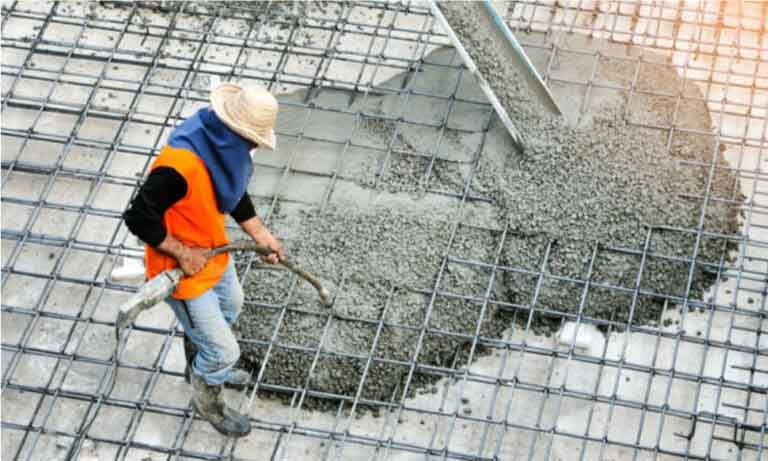
    Temperature plays a crucial role in ready-mix concrete strength development. Concreting in cold weather introduces unique challenges that significantly differ from standard construction practices. Ready-mix concrete does not set fast in low temperatures due to the disruption of cement hydration. These conditions can result in surface defects, reduced concrete performance, and an increased likelihood of thermal cracking.

    Here are a few important factors to keep in mind when working with your Ready Mix Concrete supplier during the winter season or in colder regions

    Know the right setting temperatures of RMC


    Setting Time of RMC at Various Temperature can vary significantly based on the temperature and humidity levels prevailing in the construction site.  Here is a helpful guide to understand setting times at different temperatures:
     

    TemperatureApproximate Setting Time (hours)
    38oC1-2/3
    32oC2-2/3
    27oC4
    21oC6
    16oC8
    10oC11
    4oC14
    -1oC19
    -7oCSet will not occur

    Admixtures and Accelerators to increase the setting time

    Admixtures, and chemical compounds added to the ready-mix concrete can help speed up the concrete setting times.

    Air-entraining additives improve freeze-thaw resistance by introducing microscopic air bubbles while water-reducing admixtures maintain the crucial water-cement ratio for concrete strength. Strategically using these admixtures ensures structural integrity in chilly environments.

    Accelerators, such as calcium chloride or non-chloride compounds, can promote rapid cement hydration, especially in cold weather conditions. Many of these accelerators work at temperatures lower than 4oC, making it an ideal mixture for high-altitude winter season construction

    Cold Weather & RMC Mix Considerations

    In cold weather, creating an effective concrete mix is crucial for optimal workability, strength, and durability. This includes precise design considerations, such as the right amount of cement, suitable admixtures, and controlled aggregate proportions.

    To expedite setting and improve strength, it’s essential to maintain a lower water-cement ratio. Additionally, selecting aggregates with low absorption rates is vital for preserving the desired workability. A well-thought-out mix design that takes these factors into account is fundamental for overcoming challenges posed by cold weather, ensuring the ready-mix concrete meets the required standards for durability and structural integrity.

    Insulation Techniques

    Sub-zero temperatures may require insulating for freshly poured ready-mix concrete in cold weather. Insulated blankets, thermal quilts, and active heating systems such as electric blankets can help retain moisture for longer periods, retaining heat during hydration and ensuring proper curing. 

    In windy areas, additional windbreak mechanisms may be needed to minimize the risk of surface defects of concrete pour.

    Get expert advice from the RMC leaders

    Aparna RMC, an industry leader in Ready Mix Concrete (RMC) solutions, operates across 27 strategically located facilities across four states in India.  With a team of experts specializing in ready-mix concrete solutions, the team at Aparna RMC can offer unparalleled expertise to ensure the success of your construction projects. If you are constructing in challenging environments or weather conditions, the team will be able to share their experiences offer expert advice and truly work with you as a reliable partner.

  • 10 Types of Admixtures that Enhance Ready-Mix Concrete

    10 Types of Admixtures that Enhance Ready-Mix Concrete

    In the world of construction, where strength, durability, and versatility are key, ready-mix concrete takes centre stage. As builders and engineers explore new possibilities, the role of admixtures becomes crucial for achieving top-notch results.

    Additives and admixtures for ready-mix concrete are chemical substances added to concrete to improve its physical and chemical properties. They enhance workability, speed up setting times, prevent segregation reduce slump loss and bleeding. Also improves the bond between concrete and steel reinforcement, and minimises heat generation while boosting water tightness. 

    Here are a few additives and the role they play in meeting your construction needs:

    1. Water-Reducing Admixtures

    Water-reducing admixtures, also known as plasticizers, play a crucial role in improving ready-mix concrete by making it easier to work with and using less water. These additives simplify construction processes, making them more efficient while also strengthening the concrete. 

    The main advantage of admixtures is to create a strong structure without sacrificing its ability to be shaped, addressing concerns about using too much water. In the precise field of construction, incorporating water-reducing admixtures becomes a practical strategy for balancing workability with the essential characteristics necessary for the concrete’s long-term integrity.

    2. Retarding Admixtures

    Retarding admixtures strategically delays the setting time of ready-mix concrete. This deliberate delay is particularly advantageous in various scenarios, such as hot weather conditions or large-scale construction projects, where prolonged setting times offer increased flexibility in the placement and finishing process. It ensures that RMC sets at a pace conducive to optimal quality and craftsmanship.

    3. Accelerating Admixtures

    Accelerating admixtures is key in ready-mix concrete technology, helping speed up curing. These additives act like catalysts, reducing the time it takes for RMC to strengthen. They improve project speed and efficiency, which is significant for meeting deadlines in construction.

    In cold weather construction, where curing slows down naturally, accelerators are crucial. They counteract the effects of low temperatures, letting projects move forward without compromising concrete quality. Using accelerators fits the need for fast and reliable construction solutions, especially where regular curing times might be a challenge.

    4. Air-Entraining Admixtures

    Air-entraining admixtures enhance ready-mix concrete resilience by introducing microscopic air bubbles into the mix. Facilitated by air-entraining agents, the RMC’s ability to withstand freeze-thaw cycles improves. The introduction of these tiny air pockets provides flexibility within the concrete structure and prevents internal stress and potential damage caused by the expansion of freezing water. Air-entraining agents create these microbubbles essential for mixed concrete’s durability and long-term performance in regions prone to fluctuating temperatures.

    5. Damp-proofing Admixtures

    Damp-proofing or waterproofing admixtures make ready-mix concrete impermeable to water and prevent surface dampness. These additives often act as accelerators during the early stages of concrete hardening. Common constituents include aluminium sulfate, zinc sulfate, aluminium chloride, and silicate soda.

    6. Corrosion-Inhibiting Admixtures

    Corrosion-inhibiting admixtures combat corrosion challenges in reinforced concrete structures. By forming a protective barrier around embedded steel, these admixtures effectively shield against corrosive agents, extending the lifespan of the ready-mix concrete. This proactive solution not only enhances durability and reduces maintenance costs but also aligns with sustainable construction practices.

    7. Shrinkage-Reducing Admixtures

    Shrinkage-reducing admixtures address ready-mix concrete shrinkage and cracking caused by water evaporation during the curing process. By modifying the concrete mixture, these admixtures minimize volume change, reducing the likelihood of cracks and enhancing both durability and aesthetics. 

    This proactive approach not only ensures the structural integrity of RMC but also diminishes the need for costly repairs and maintenance. Thus making shrinkage reducers a valuable addition to construction projects.

    8. Bonding Admixtures

    Bonding admixtures improve the bond between old and fresh concrete surfaces, ensuring strong adhesion. They are applied just before pouring fresh concrete over a hardened surface and can include polymers like polyvinyl chloride and polyvinyl acetate. 

    This process is particularly beneficial in repair and renovation projects, where maintaining a strong bond between new and existing concrete elements is essential for the structural integrity and long-term performance of the overall construction.

    9. Fungicidal, Germicidal, and Admixtures

    Antimicrobial admixtures not only prevent the growth of bacteria, germs, and fungi on concrete surfaces but also enhance longevity and aesthetic appeal by averting discolouration, odours, and structural deterioration. Especially valuable in highly sanitary environments like healthcare facilities and food processing plants, these admixtures are crucial for maintaining both structural and visual integrity. Their dual functionality makes concrete indispensable in construction projects to achieve durability, cleanliness, and long-term sustainability.

    10. Coloring Admixtures

    Colouring admixtures, often pigments, add vibrant colours to ready-mix concrete for architectural and decorative purposes. They’re crucial for achieving specific aesthetics, offering a wide range of colours for personalized designs in various projects, including pavements, floors, and artistic installations. 

    Aparna RMC

    Aparna RMC, a leading player in the construction industry, sets itself apart by offering an extensive range of ready-mix concrete solutions enriched with a variety of admixtures. These additives play a crucial role in elevating the performance, durability, and versatility of concrete, establishing Aparna RMC as the go-to choice for construction projects that demand uncompromising quality.

    With 27 strategically located RMC plants nationwide, Aparna RMC not only provides high-quality ready-mix concrete but also serves as a guiding force for the success of your construction projects. Going beyond the conventional role of a mere supplier, Aparna RMC is a committed partner in your journey toward achieving construction excellence.

  • How do you Choose the Right Ready-Mix Concrete (RMC) Supplier?

    How do you Choose the Right Ready-Mix Concrete (RMC) Supplier?

    When it comes to construction projects, whether residential, hospital, or commercial, the choice of a ready-mix concrete (RMC) supplier can significantly impact the outcome. 

    Concrete,particularly ready-mix concrete, is a vital building material, and selecting the right supplier involves considering various factors to ensure a successful project. In this comprehensive guide, we will delve into the key considerations that should influence your decision when choosing a Ready-Mix concrete supplier.

    1. Know Your Needs

    Before you start scouting for ready-mix concrete suppliers, it’s crucial to understand your project’s specific requirements. Different projects may demand specialized concrete mixes, higher grades, or additives for various purposes. For example, in some cases, you might need concrete with properties that can prevent the penetration of radioactive rays. Knowing your needs in advance will help you narrow down your options and find a supplier that can meet your specific requirements.

    2. Evaluate the Required Volume

    The first step in evaluating an RMC supplier is to determine the overall volume of concrete you’ll need for your project. It’s essential to assess whether the supplier has the capacity to provide you with the required volume, especially if your project involves multiple pours within a short time frame. Urban construction sites often face space constraints, so ensuring a consistent and timely supply of concrete is vital.

    3. Proximity of the RMC Plant

    The location of the Ready Mix Concrete Plant plays a significant role in ensuring a seamless supply of concrete. Typically, a 10-kilometer radius is preferred to minimize transportation time and costs. However, this distance can vary depending on traffic conditions. Choosing a supplier with a plant conveniently located near your project site can help reduce logistical challenges.

    4. Consider Weather Conditions

    Weather can be a significant factor affecting the quality and workability of concrete. It’s crucial to choose an RMC supplier that considers weather conditions and can provide guidance on how to adjust concrete mixes and placement techniques accordingly to ensure optimal performance in various weather conditions.

    5. Prioritize Quality Assurance

    The quality of concrete is paramount in any construction project. A reliable RMC supplier should have a robust quality control process in place. Ensure that the supplier’s plant is automated and that they conduct rigorous testing on every batch of concrete they produce.

    Aggregates are a crucial component of concrete, and their quality directly impacts the final product. Verify that the supplier tests the quality of aggregates used in their mixes to guarantee consistency and durability.

    In addition to batch testing, inquire about the final concrete testing procedures employed by the supplier. Reputable suppliers like Aparna RMC often conduct various tests, including compressive strength tests, slump tests, and durability tests, to ensure the quality and performance of their concrete. 

    6. Assess service and Reliability

    An RMC supplier’s financial stability and reputation are indicators of their ability to handle unforeseen situations and meet your project’s timelines. Investigate the supplier’s track record and seek references from past clients to gauge their reliability.

    In the modern construction industry, technology plays a crucial role. Look for suppliers who employ intelligent systems and software-based tracking and analytics. Automated batching systems and vehicle tracking can improve efficiency and provide real-time information about your concrete deliveries. Ensure that the supplier offers 24/7 support in case of any issues.

    7. Explore Specialized RMC Options

    Choose a ready-mix concrete supplier who can tailor concrete mixes to your project’s specific needs. New technologies have enabled the production of specialized concrete mixes, such as steel-reinforced concrete for earthquake resistance or stamped and colored concrete for aesthetic purposes. Your supplier should be willing to educate you on the available options and help you select cost-effective solutions.

    Conclusion

    Selecting the right ready-mix concrete supplier is a critical decision that can significantly impact the success of your construction project. Aparna RMC is at the forefront of the construction industry in India, renowned for its commitment to quality control, customization, and advanced technology. A meticulous approach ensures that the concrete they supply meets the highest industry standards, enhancing the structural integrity of construction projects. 

    Aparna RMC’s expertise in tailoring concrete mixtures to specific project requirements sets them apart, while their embrace of cutting-edge technology streamlines the production process, promoting efficiency and sustainability. Aparna RMC stands as a trusted and dependable choice for construction projects of all sizes and complexities, making them a go-to partner for success in the Indian construction industry.

  • What Are Common Mistakes When Using Ready Mix Concrete (RMC)?

    What Are Common Mistakes When Using Ready Mix Concrete (RMC)?

    When it comes to construction projects, the use of Ready Mix Concrete (RMC) has become increasingly popular due to its convenience and quality. However, like any other aspect of construction, using RMC requires careful planning and execution to ensure the success of your project.

    In this blog, we’ll explore common mistakes when using ready-mix concrete and provide guidance on how to avoid them for the success of your project.

    Inadequate Site Preparation

    Not adequately preparing the site when working with Ready Mix Concrete (RMC) is one of the common mistakes that people make when using RMC. It compromises the integrity of your project. 

    For the best outcome, the ground needs to be properly leveled and compacted before pouring RMC to prevent variations in the concrete’s thickness, causing uneven surfaces that can be both unsightly and potentially hazardous. 

    When preparing the site for RMC, ensuring that the ground beneath the concrete is properly compacted is vital to preventing depressions, sinkholes, and cracks in your project. This can be particularly problematic for structures like driveways, walkways, or foundations, where stability and evenness are essential.

    To avoid these issues, it’s crucial to prepare the base well by removing any loose or organic materials, compacting the soil to the required density, and ensuring that the site is adequately leveled and sloped as needed. Taking these steps will help create a solid foundation for your RMC project, ensuring it stands the test of time and remains both functional and visually appealing.

    Overestimating or Underestimating Quantity

    Miscalculating the quantity of Ready Mix Concrete (RMC) required for your project can lead to wastage of your resources, including concrete, labor, transport, and time. Estimating the quantity you need for your project is a critical factor. 

    Overestimating the amount of RMC can lead to unnecessary waste, and you will be left with surplus concrete that must be disposed of. In addition to increased expenses, it also causes congestion at the site. On the other side, underestimating the quantity can result in project delays and additional expenses. Running out of concrete before completion causes stress and tension as construction might get halted, wasting resources. 

    If you need an expert to estimate the amount of RMC you will need for your project, Aparna RMC is here. As the leader in the construction industry in India, Aparna RMC not only supplies quality concrete but also assists you with the estimates on quantity of ready mix concrete you need for your project for better efficiency. 

    Neglecting Curing

    Failing to give concrete adequate time to cure or use improper curing methods can lead to a number of structural issues, such as cracks, reduced load-bearing capacity, and the life expectancy of the project. To avoid these issues, make sure that sufficient recommended time is being given for curing. 

    Paying close attention to using suitable curing techniques for your projects is essential to ensuring the optimum result and success of your project. Aparna RMC is always here to guide you in choosing the appropriate curing technique for the optimum outcome of your project

    Ignoring Weather Conditions

    Not taking weather conditions into consideration when working with Ready Mix Concrete (RMC) can be a costly oversight in construction projects. Temperature, humidity, and precipitation all play critical roles in concrete quality and performance. 

    Extreme temperatures can lead to rapid drying or delayed curing, affecting the concrete’s strength and durability. High humidity may slow drying, while low humidity can result in surface cracking. Rainfall during the curing process can wash away the cement paste, causing surface defects.

    Unfortunately, we can’t control weather conditions or wait for the perfect season to construct. But we can take some preventive measures to protect the project from changing weather conditions.

    You can cover freshly poured concrete with wet burlap, curing blankets, or plastic sheeting immediately after finishing to help retain moisture and protect the project from temperature fluctuations, wind, and sunlight. In cold weather, incorporate insulation or heated enclosures to prevent freezing. Provide shading or reflective coatings to maintain suitable temperatures. 

    Although we might take weather conditions lightly unless it is extreme, they are critical during the curing stage for the quality and longevity of your project.

    Not using Adequete Reinforcement 

    In construction projects, reinforcement involves processes that enhance a building’s strength, durability, and load-bearing capacity, which is important for your project. Reinforcement materials like rebar (reinforcing bar) or mesh play a crucial role in enhancing the structural integrity and overall durability of your concrete structures.

    By not knowing the importance of these processes, you may or may not give them much weight and overlook them, which can lead to reduced load-bearing capacity, cracking, and a shorter lifespan for your project. To better equip yourself about the various efficient reinforcement processes for your concrete projects, you can contact or visit us at aparnarmc.com

    Aparna RMC

    Aparna RMC is the leader in the construction industry in India, with 27 RMC plants across the nation. Aparna RMC is not just a supplier of quality ready-mix concrete but also guides and helps you in the success of your construction projects. Aparna RMC goes above and beyond the role of a mere supplier and is a dedicated partner in your journey toward construction excellence.

    Contact us and help us help you!