Aparna RMC

Tag: Aparna Ready Mix Concrete

  • 3 Things You Should Know About Aggregates in RMC

    3 Things You Should Know About Aggregates in RMC

    In a concrete mix, aggregates play a significant role in defining its properties and overall performance. Constituting a substantial portion of Ready-Mix Concrete (RMC), aggregates typically make up 60 per cent to 80 per cent of its volume and 70 per cent to 85 per cent of its weight. These aggregates are broadly classified into two types: coarse and fine, serving as inert fillers within the concrete mixture.

    Traditionally, coarse and fine aggregates, including materials like sand, gravel, and crushed stone, have been fundamental components in concrete production. They provide bulk, stability, and mechanical properties to the mix. Additionally, advancements in construction materials have introduced special aggregates with enhanced features and exceptional strength, further diversifying options for concrete formulations.

    Understanding aggregates is crucial for selecting the right mix for various construction projects. Factors such as aggregate type, size, and gradation significantly influence concrete properties. By considering these aspects, engineers and contractors can tailor concrete mixes to meet specific project requirements for achieving optimal performance and durability in diverse applications.

    Types of aggregates

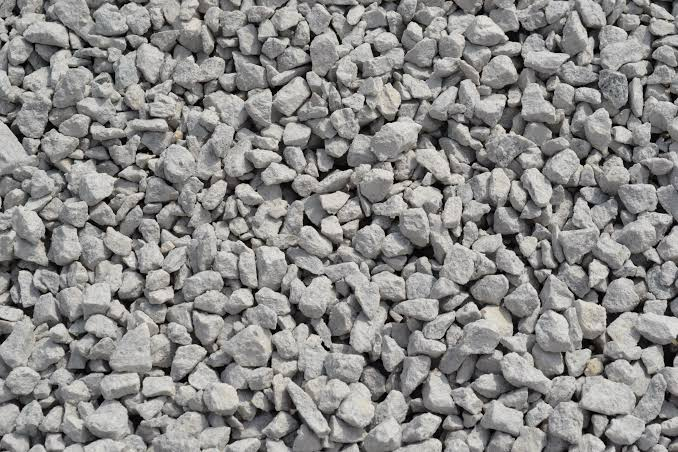
    Concrete mix relies on various types of aggregates, each with distinct characteristics that influence the final product. Coarse aggregates, typically larger than 5mm, include gravel, slag and crushed rock. These contribute significantly to the concrete’s volume and strength. Fine aggregates, smaller than 5mm like natural and manufactured sand, fill voids and enhance workability, the ease of mixing and placing the concrete. Aggregates may be natural, manufactured or recycled. Additionally, advancements in construction materials have also introduced special aggregates that offer enhanced features and exceptional strength.

    What is the use of special aggregates in concrete?

    Special aggregates play a crucial role in enhancing the performance of concrete in various ways. One common type is recycled aggregates, which are made from crushed concrete or demolition materials. According to the World Business Council for Sustainable Development’s 2022 report, using recycled aggregates in construction can slash greenhouse gas emissions by up to 70% compared to virgin materials.

    Another type is lightweight aggregates, crafted from materials like pumice or expanded clay. They help to lighten the weight of concrete, making it suitable for applications such as precast panels and roof decks. Additionally, high-strength aggregates, derived from materials like granite or basalt, bolster the concrete’s strength, vital for structures like high-rise buildings and bridges.

    Fiber-reinforced aggregates, including steel fibers or polypropylene fibers, are used to enhance concrete’s tensile strength and toughness, reducing the risk of cracking. Lastly, self-compacting aggregates improve concrete flowability, making it easier to place and finish.

    Key Roles of Aggregates in RMC:

    Aggregates play a crucial role in ready mix concrete, contributing to various aspects beyond just being fillers. Here are some of their key benefits:

    1. Volume and Cost Reduction:

    As aggregates typically occupy a substantial portion of concrete volume and weight, ranging from 60 per cent to 80 per cent and 70 per cent to 85 per cent, respectively, they significantly reduce the need for costly cement. This reduction in cement dependency leads to cost savings for construction projects.

    Moreover, the availability of various aggregate types offers economical alternatives for concrete production. Utilizing recycled aggregates sourced from crushed concrete or demolition materials presents a sustainable option that not only lowers expenses but also reduces environmental impact. Furthermore, careful selection of aggregates based on size and gradation can lead to bulk optimization in concrete mixtures. By minimizing voids through appropriate aggregate sizing, the amount of cement paste required to fill these voids is reduced, resulting in further material usage efficiency and cost optimization.

    2. Strength and Durability:

    Coarse aggregates play a crucial role in bolstering concrete’s compressive strength, forming an internal framework that can withstand significant loads, making it indispensable for load-bearing elements like columns, beams, and foundations. Adding well-graded aggregates can boost concrete’s compressive strength by up to 300% compared to just using cement paste. (Source: American Concrete Institute (ACI) 318-19, “Building Code Requirements for Structural Concrete”)

    Meanwhile, fine aggregates contribute to concrete’s tensile strength by distributing stresses more evenly, minimizing the risk of cracking due to factors like shrinkage, temperature changes, or external pressures.

    In terms of durability, concrete’s resistance to cracking, wear, and environmental factors is greatly influenced by its aggregate content. Enhanced tensile strength and robust bonding reduce the chances of cracks. Furthermore, certain aggregates with high hardness and abrasion resistance, such as granite or basalt, contribute to concrete’s wear resistance, making it suitable for high-traffic areas like pavements and floors.

    3. Workability and Finish:

    Aggregates in concrete profoundly influence both workability and finish, crucial aspects of construction efficiency and product quality. Regarding workability, the size, shape, and texture of aggregates play pivotal roles. Rounded, smooth aggregates typically need less water for mixing and exhibit lower internal friction, enhancing workability by up to 15% compared to poorly graded mixes. Conversely, rougher textures can improve cohesion and deter segregation. Recent studies, such as a 2022 analysis in Construction and Building Materials, have shown that integrating spherical recycled aggregates can enhance workability by 10 per cent due to reduced surface area and friction.

    When it comes to finish, aggregate size and texture directly shape the final surface texture of concrete. Smaller, smoother aggregates contribute to a polished finish, while larger, textured aggregates yield a rougher appearance. Proper gradation, ensuring a mix of different aggregate sizes, is essential to prevent voids and achieve a uniform finish.

    4. Dimensional Stability and Shrinkage Control:

    Aggregates play a vital role in managing concrete’s dimensional stability and reducing shrinkage, which helps prevent cracks and ensures long-lasting performance. By acting as fillers, aggregates decrease the need for excess water in the concrete mix. Additionally, larger aggregates physically restrain the shrinkage of the cement paste, further reducing dimensional changes. Moreover, aggregates help control thermal expansion by counteracting the higher expansion of cement, maintaining concrete’s overall dimensional stability, especially when exposed to temperature variations.

    5. Thermal and Acoustic Properties:

    Aggregates also offer surprising versatility in shaping concrete’s performance beyond strength and durability. By carefully selecting type and proportion, they can significantly impact thermal and acoustic properties, expanding concrete’s applicability.

    Lightweight aggregates like pumice or recycled glass create lightweight concrete with excellent thermal insulation, reducing energy consumption in buildings. Specific aggregates offer additional functionalities: expanded perlite for superior insulation and basalt for high-temperature resistance. Similarly, porous aggregates like pumice or recycled rubber enhance sound absorption, making concrete suitable for noise reduction in applications like auditoriums and soundproof walls.

    Why Choose Aparna RMC for the Right Mix for Your Projects?

    Aparna RMC is known for consistent quality and timely delivery with a strong, customizable, versatile, and durable concrete mix with the right choices of aggregates for specific requirements.  Backed by our technological expertise and sophisticated R&D capabilities, the ready-mix concrete has innovative solutions designed to provide superior mechanical performance to meet your stringent and unique demands. The high-quality, cost-effective products are designed to offer consistency, reliability, and durability. Our product range comprises varied mixes, including specialist ones for specific applications. The mixtures exhibit best-in class properties and comply with regulatory standards nationwide.
  • Building Resilience: The Role of Ready-Mix Concrete in Disaster-Resilient Construction

    Building Resilience: The Role of Ready-Mix Concrete in Disaster-Resilient Construction

    In the face of increasing climate uncertainties and natural disasters, the importance of resilient construction practices cannot be overstated. One of the chief components in achieving disaster resilience is ready-mix concrete, a versatile material that significantly enhances the structural integrity of buildings. This blog explores the crucial role of ready-mix concrete in disaster-resilient construction and how it contributes to building a safer and more sustainable future.

    Understanding Ready-Mix Concrete

    Ready-mix concrete is a precise and consistent solution that is prepared in a controlled environment, usually a batching plant. It is composed of carefully proportioned ingredients including cement, aggregates, water, and admixtures. The controlled mixing process ensures uniformity and consistency, resulting in a high-quality product that surpasses traditional on-site mixed concrete in strength and durability. The mix is produced through careful measurement and precise mixing in high-tech infrastructural facility which makes it better controlled, stronger and more consistent than on-site mixed concrete.

    Strength in Structure

    One of the primary reasons ready-mix concrete is essential for disaster-resilient construction lies in its superior strength characteristics. Buildings constructed with ready-mix concrete are better equipped to withstand the forces exerted by earthquakes, cyclones, and other natural disasters. The material’s robustness helps prevent structural failures, providing a critical layer of protection for occupants. The robustness is achieved  through careful technologically equipped mixing in batches with the help of industrial experts which isn’t found in on-site mixing.

    How does RMC’S Rapid Deployment and Efficiency figure in Disaster Management?

    In the aftermath of a disaster, time is of the essence. Ready-mix concrete offers a rapid and efficient solution, as it can be transported to the construction site and poured immediately. This speed of deployment is crucial for emergency response efforts, enabling the quick reconstruction of essential infrastructure and minimizing disruptions to communities affected by disasters.    

    How does Ready-Mix Concrete maintain Consistency and Quality Control?

    Consistency is key to ensuring the structural integrity of buildings, especially in

    disaster-prone areas. Ready-mix concrete’s controlled production process eliminates the variability associated with on-site mixing. This consistency not only enhances the

    material’s strength but also facilitates precise engineering calculations, ensuring that

    structures meet or exceed safety standards.

    Is Ready-Mix Concrete truly a friend of the environment?

    Ready-mix concrete exhibits remarkable resistance to environmental factors such as fire, corrosion, and moisture. This resistance is pivotal in disaster-resilient construction, as it helps maintain the structural integrity of buildings even in adverse conditions. The material’s durability ensures that structures remain safe and habitable for an extended period, reducing the need for frequent repairs or reconstruction.

    Ready-Mix Concrete is Sustainable and Cost-Effective

    Beyond its resilience, ready-mix concrete contributes to sustainable construction

    practices. The controlled production process minimizes waste, and the durability of the material reduces the need for frequent replacements. Additionally, the energy efficiency associated with ready-mix concrete production makes it an environmentally friendly choice.

    Conclusion

    In the face of an unpredictable climate and the increasing frequency of natural disasters, the construction industry must prioritize disaster resilience. Ready-mix concrete emerges as a vital enabler in this endeavour, offering unparalleled strength, efficiency, and sustainability. By incorporating this advanced building material into construction practices, we can build communities that are better equipped to face the challenges of the future, creating a safer and more resilient world.

    Through innovation and collaboration, we here at Aparna RMC are making buildings that are more disaster-resilient and sustainable.

  • 5 Benefits of Using Ready-Mix Concrete for Infrastructure Projects

    5 Benefits of Using Ready-Mix Concrete for Infrastructure Projects

    Concrete is invaluable in the construction of bridges and key infrastructure, including roads, skyscrapers, and robust highways we drive on every day. The inherent durability and reliability of the structure it creates make it fit for use for decades to come.

    Among infrastructure construction materials that need to be versatile, reliable, cost-effective and sustainable, ready-mix concrete stands out as the most practical and reliable choice for concrete solutions. Its simplicity is its strength, offering a pre-mixed blend of cement, water, and aggregates that eliminates the uncertainties of on-site mixing. The precision in its composition provides consistent quality, and the flexibility in its design makes it a highly dependable option for builders and engineers alike.

    Discussed below are the key benefits of using a ready mix concrete for your infrastructure construction projects and why it would be the best choice for you:

    1. Reduced construction time and cost

    Concrete plays a major role in the overall budget and time in construction projects, particularly infrastructure projects, accounting for 30% – 50% of the total cost. In the fast-paced construction world, time and budget savings are crucial, and Ready-Mix Concrete (RMC) helps  in achieving both. Traditional on-site concrete mixing involves multiple steps and uncertainties, leading to potential delays and increased costs.

    RMC revolutionises the process by pre-mixing concrete off-site and delivering it precisely when needed timely. This approach can save up to 50% on labour costs and reduce project duration by 15%, according to a study by the National Ready Mixed Concrete Association of the United States.

    These benefits will be more substantial in large-scale projects, such as infrastructure projects, where RMC accelerates various construction phases, leading to earlier completion, reduced costs, and faster occupancy.

    2. Consistency and Quality

    When it comes to infrastructure constructions such as bridges, highways, and skyscrapers, consistency and quality are paramount. It is crucial that they’re sturdy, reliable, and don’t require a lot of maintenance. Ready-Mix Concrete (RMC)  delivers concrete with superior and consistent strength, longevity and long-lasting reliability.

    Unlike traditional on-site mixing, RMC is produced in controlled batching plants under stringent quality control measures. Precise proportions of cement, aggregates, water, and admixtures are meticulously measured and blended using advanced technology. This ensures flawless consistency and high quality in every batch and avoids any human error and material variations that can be made on-site mixing.

    The American Concrete Institute (ACI) emphasises that the key to achieving strong, durable concrete rests on the careful proportioning and mixing of the ingredients, and a properly proportioned concrete mixture will possess the desired durability and strength for the hardened concrete. This can be only achieved perfectly with Ready Mix Concrete.

    3. Labour Efficiency and Safety

    Ready-Mix Concrete (RMC) significantly boosts labour efficiency in large-scale infrastructure projects. By simplifying the mixing process and delivering concrete directly to the site, RMC cuts out the need for on-site mixing, saving time and effort for construction workers.

    According to a research report on preprints.org, RMC adoption in infrastructure projects can improve efficiency and reduce construction time. Additionally, a study by Straits Research highlights that RMC is a promising material for the construction and transportation sectors, offering efficiency and durability.

    Moreover, RMC minimises the need for manual handling of heavy materials like cement and aggregates, reducing the risk of workplace injuries and enhancing overall safety on the construction site.

    4. Reduced Material Waste

    Ready-Mix Concrete (RMC) is the most sustainable option for large-scale infrastructure projects. Compared to on-site mixing which often leads to overestimating materials and creating massive spillovers, RMC is precise and efficient. It’s made in advanced plants with computer-aided designs, cutting the risk of wastage by up to 10% (source: NRMCA, 2023). When RMC arrives at the construction site, it does so in trucks with precise pumping systems, cutting down spills and reducing waste by about 5% (source: ERMCA, 2021). Plus, there are no leftover concrete issues since RMC delivers exactly what’s needed.

    Unlike on-site mixing methods, RMC can reduce transportation emissions by requiring fewer truck trips. It also enables builders to minimise wastage and use resources wisely, being more environmentally friendly in infrastructure construction.

    5. On-time Delivery of Ready to Use Concrete

    For an infrastructure project wherein any delay can ripple through budgets, schedules, and reputations of the builder,  it is indispensable to get the resources and materials on time to finish the project on the proposed date. RMC allows the builders to finish the project on time due to the timely delivery of ready-mix as per specific requirements. The process of making RMC includes the latest technology which accelerates the overall process and allows the project to finish on time.

    Furthermore, the on-time delivery of RMC enhances overall project management. It allows for better coordination of construction activities and is a tangible benefit that directly influences project timelines, labour efficiency, and project productivity.

    Why Choose Aparna RMC for Infrastructure Projects?

    Aparna RMC is a fast-growing ready-mix concrete supplier in the country with a proven track record of being associated with some of South India’s largest infrastructure projects, contributing to them through the supply of its high-quality concrete solutions.

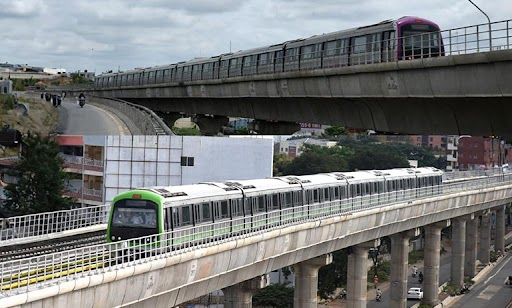
    Aparna RMC brings in the innovation and scope needed to match the grand vision of these infrastructure projects, such as roads, highways, airports, metro projects, bridges and more. From providing need-based customised grades and the required volumes according to the timelines, Aparna RMC is the partner of choice to accomplish landmark projects while saving significant time and costs.

  • RMC vs Traditional On-Site Mixing: A Cost-Benefit Analysis 

    RMC vs Traditional On-Site Mixing: A Cost-Benefit Analysis 

    The construction industry is constantly evolving, and one of the critical decisions builders face is whether to use Ready-Mix Concrete (RMC) or stick to traditional on-site mixing methods. Both approaches have their advantages and drawbacks, and understanding the cost-benefit analysis is crucial for making informed decisions. In this blog, we will explore the key factors that contribute to the cost-effectiveness of RMC compared to traditional on-site mixing. 

    Does choosing Ready-Mix Concrete save construction time? 

    One of the most significant advantages of Ready-Mix Concrete is its time efficiency. Ready-mix concrete is produced in a controlled environment, allowing for precise batching and quality control. This results in a faster construction process compared to traditional on-site mixing, where the concrete must be mixed on the spot.

    Time is money in the construction industry, and RMC can significantly reduce construction timelines, leading to potential cost savings. 

    How does Ready-Mix Concrete reduce your Labour Costs? 

    Traditional on-site mixing requires a dedicated team for the entire concrete mixing process, including batching, mixing, and transportation. In contrast, RMC suppliers handle the entire concrete production process, minimizing the need for on-site labour. This reduction in labour requirements can lead to substantial cost savings, especially on larger construction projects. 

    Does RMC provide better quality than On-Site Mixing? 

    Quality control is a critical aspect of any construction project. Ready Mix Concrete, being produced in controlled environments with stringent quality standards, often results in a more consistent and high-strength concrete mix compared to on-site mixing. This can lead to fewer issues during construction, reducing the likelihood of rework and additional costs associated with poor-quality commercial concrete. 

    How do you keep your construction site waste efficient and clean?

    On-site mixing may result in material waste due to inaccuracies in batching, overordering of raw materials, and spillage during the mixing process. RMC suppliers, on the other hand, precisely measure and batch the concrete, reducing the risk of material waste. This efficiency can translate into cost savings for the builder and contribute to a more sustainable construction process helped through sustainable RMC. 

    Ready-Mix Concrete cuts out your Equipment Costs 

    Investing in on-site concrete mixing equipment can be a significant upfront cost for construction companies. Ready Mix Concrete eliminates the need for such equipment, allowing builders to allocate resources to other critical aspects of the project.

    While there is a cost associated with purchasing ready-mix concrete, it may still be more economical than investing in and maintaining specialized mixing equipment. 

    How price-effective is Ready-Mix Concrete transportation compared to On-site Mixing? 

    Ready-Mix Concrete is delivered to the construction site in ready-to-use form, reducing the need for transportation of raw materials to the site. This can result in lower transportation costs compared to traditional on-site mixing, where multiple trips may be required to transport raw materials and the final product.

    As there are many raw materials required for on-site mixing, purchasing concrete, concrete additives, cement, sand, gravel, and water and getting them transported to the concrete site becomes hectic, burdensome and most of all very expensive. Reduced transportation requirements can also contribute to a smaller environmental footprint through the use of sustainable Ready Mix Concrete. 

    Using RMC is Space-effective and clean 

    Ready Mix Concrete only requires suitable access for the RMC bulk truck but in traditional on-site mixing storage of concrete, cement, gravel and other materials results in the usage of a lot of space. Whereas in Ready Mix Concrete you’re relieved of the hassle of buying, storing and mixing concrete, gravel, water and other materials. It becomes a space-effective manoeuvre to choose RMC instead of traditional on-site mixing.

    Conclusion 

    In conclusion, the choice between Ready-Mix Concrete and traditional on-site mixing involves careful consideration of various factors, including time efficiency, labour costs, quality control, material waste, equipment costs, and transportation costs.

    While Ready-Mix Concrete may have a higher upfront cost, the potential savings in time, labour, and material waste make it a compelling option for many construction projects. Builders should assess the specific needs of their project and weigh the long-term benefits of each method to make an informed decision that aligns with their budget and timeline requirements.

  • The Art of Colouring RMC: Exploring Decorative Concrete Options – Aparna RMC

    The Art of Colouring RMC: Exploring Decorative Concrete Options – Aparna RMC

    In modern architecture and landscaping, decorative concrete is capturing widespread attention. Coloured RMC enhances curb appeal, infusing vibrant aesthetics into ready-mix concrete surfaces for lasting visual impact. Its durability and resistance to fading ensure a long-lasting vibrancy that withstands diverse environmental conditions, making it a robust choice for both aesthetic and functional purposes.

    The blog delves into the influence of decorative concrete on both the visual and functional dimensions of Ready-Mix Concrete (RMC). It also explores the intricate technical considerations that play a pivotal role in shaping contemporary construction practices.

    What are the types of decorative concrete colouring?

    Exploring the vibrant world of decorative concrete colouring reveals a spectrum of techniques that redefine the aesthetics of Ready-Mix Concrete (RMC).

    Integral colouring introduces pigments directly into the concrete mix, ensuring a uniform hue throughout the material. This method, deeply integrated into the composition, provides a consistent and enduring colouration, making it a preferred choice for projects seeking reliability and homogeneity.

    On the other hand, surface-applied colourants, like acid stains or dyes, offer a more diverse palette, granting designers the flexibility to explore a broad spectrum of shades and intricate patterns. These colourants, through interaction with the concrete’s surface, create distinctive visual effects. This makes them a dynamic option for projects where a range of customizable aesthetics is desired.

    Innovative colouring techniques such as stamping, engraving, and stencilling enhance the aesthetics of Ready-Mix Concrete (RMC). Additionally, cutting-edge technologies like laser engraving and 3D printing further contribute to elevating the visual appeal of RMC. These methods introduce intricate patterns and textures, pushing the boundaries of traditional applications. 

    Advanced colouring approaches, including reactive stains and UV-resistant pigments, enhance the durability of ready-mix concrete, ensuring vibrant and multi-dimensional designs. Together, these innovations redefine the possibilities of coloured RMC, offering a sophisticated and visually stunning dimension to modern construction.

    Knowing the right way to choose an apt colour palette for your project is just as important as it involves consideration of various construction and environmental factors, depending on the project type. 

    How to choose the right palette?

    Understanding the impact of natural light on colour perception is crucial in the selection process. Colours may vary under different lighting conditions. To account for this, choose hues that maintain visual appeal throughout the day. Thoughtful consideration of natural light dynamics ensures a consistent and pleasing appearance for coloured RMCs in diverse environments. 

    Aparna RMC consultants leverage their expertise to guide you in making informed colour choices that align with both design preferences and natural light dynamics.

    Is coloured RMC cost-efficient?

    Comprehending the cost implications of colouring Ready-Mix Concrete (RMC) versus traditional concrete is essential for informed decision-making. While the initial investment in colouring additives may incur additional expenses, the long-term benefits often outweigh these costs. The enhanced aesthetic appeal and durability of coloured RMC contribute to potential savings in maintenance and repair, making it a cost-effective choice over the lifespan of the project.

    Beyond immediate costs, the investment in coloured RMC can lead to increased property value. The visual impact and uniqueness achieved through colour customization can elevate the overall aesthetic appeal of a property, making it more attractive to potential buyers or tenants. Coloured RMC goes beyond being a mere financial investment. It improves the surroundings and increases property value over time.

    How to safeguard coloured RMC?

    Proper sealing is vital for safeguarding coloured Ready-Mix Concrete (RMC) against environmental elements, ensuring longevity and colour integrity. Intact sealant acts as a barrier, preventing moisture, UV exposure, and stains. Emphasizing this sealing process is crucial for preserving both aesthetic appeal and structural integrity.

    To sustain colour vibrancy, proactive maintenance is key. Regular cleaning with mild, pH-neutral cleansers prevents surface dullness. Swiftly addressing stains and spills avoids prolonged exposure. Periodic resealing, recommended every few years, enhances the protective layer, prolonging the lifespan of coloured RMC and preserving its vivid visual impact.

    Why Choose Aparna RMC?

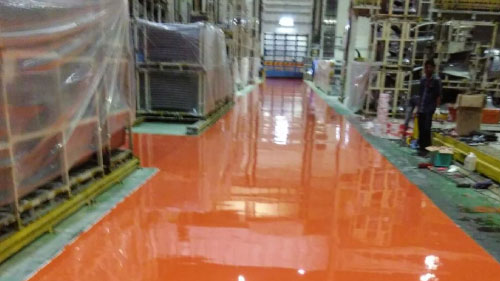
    Aparna RMC plants offer Color Concrete known for both durability and attractive looks. It outperforms traditional flooring systems, making it suitable for various areas like pathways, driveways, basements, and landscaping. This concrete not only enhances the appearance of surfaces but also ensures longer durability compared to conventional flooring systems, making it a reliable choice for different applications, including VDF flooring surfaces.

    As the industry evolves, Aparna RMC stays at the forefront of decorative concrete advancements. Our consultants specialize in guiding emerging technologies, including sustainable colouring options and eco-friendly additives. They ensure that projects align with the latest standards in environmentally conscious construction practices.

    This commitment to innovation ensures that our partners benefit from cutting-edge solutions while making environmentally responsible choices in their decorative concrete projects.