Aparna RMC

Tag: concrete suppliers

  • RMC vs Traditional On-Site Mixing: A Cost-Benefit Analysis 

    RMC vs Traditional On-Site Mixing: A Cost-Benefit Analysis 

    The construction industry is constantly evolving, and one of the critical decisions builders face is whether to use Ready-Mix Concrete (RMC) or stick to traditional on-site mixing methods. Both approaches have their advantages and drawbacks, and understanding the cost-benefit analysis is crucial for making informed decisions. In this blog, we will explore the key factors that contribute to the cost-effectiveness of RMC compared to traditional on-site mixing. 

    Does choosing Ready-Mix Concrete save construction time? 

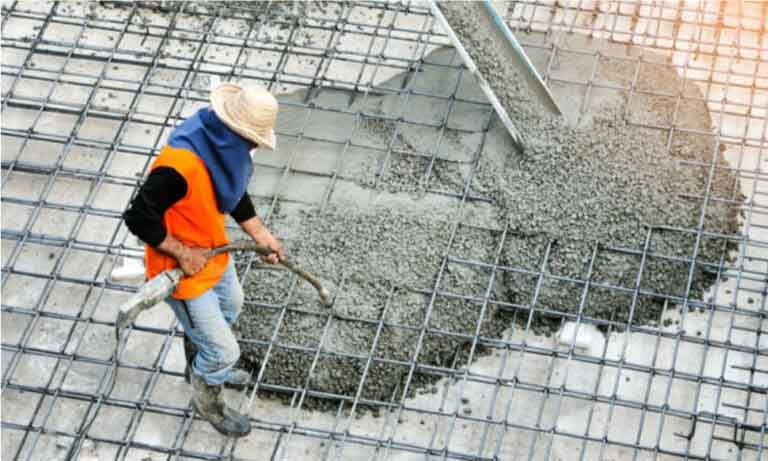
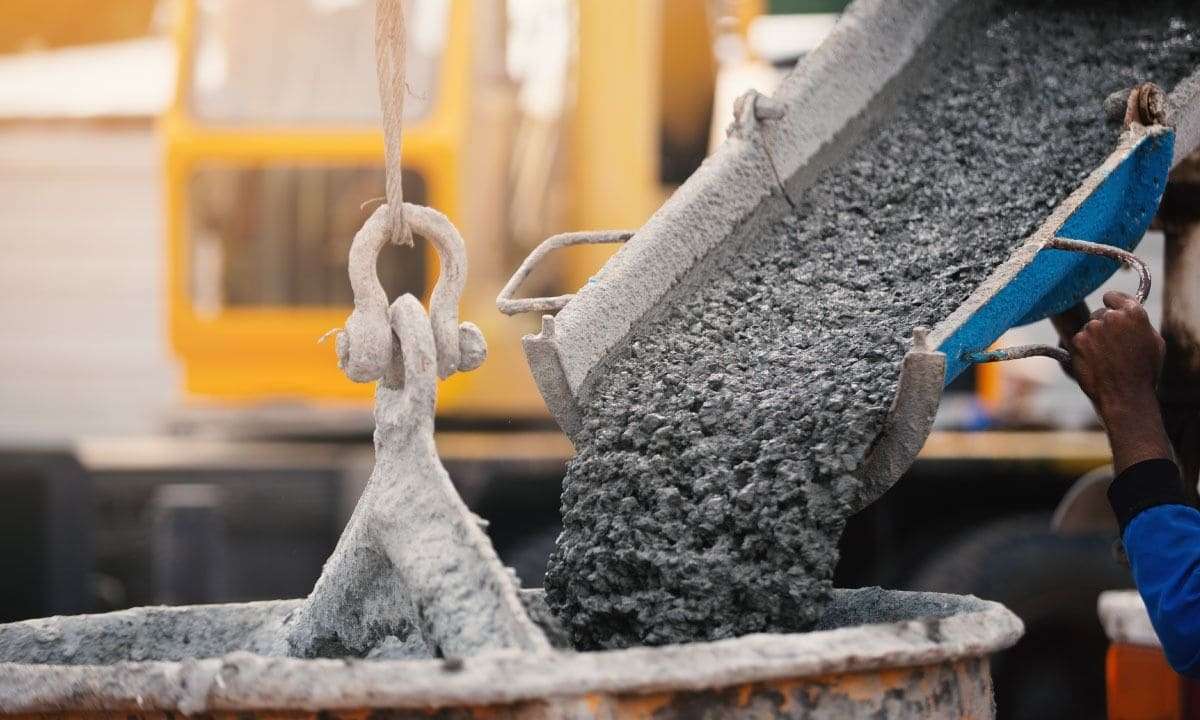
    One of the most significant advantages of Ready-Mix Concrete is its time efficiency. Ready-mix concrete is produced in a controlled environment, allowing for precise batching and quality control. This results in a faster construction process compared to traditional on-site mixing, where the concrete must be mixed on the spot.

    Time is money in the construction industry, and RMC can significantly reduce construction timelines, leading to potential cost savings. 

    How does Ready-Mix Concrete reduce your Labour Costs? 

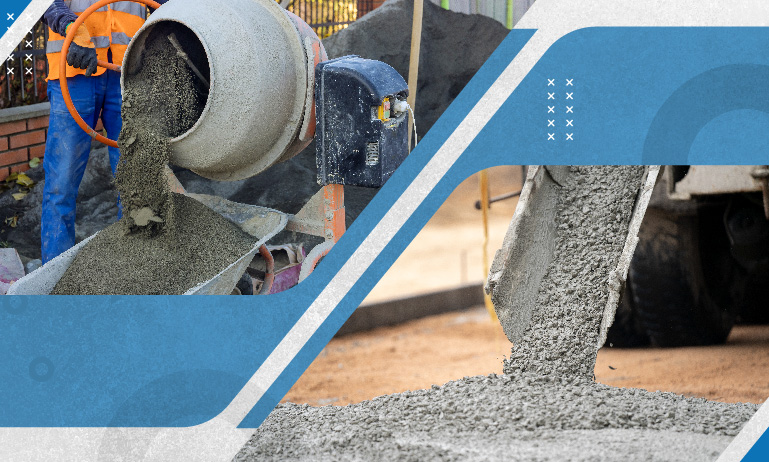
    Traditional on-site mixing requires a dedicated team for the entire concrete mixing process, including batching, mixing, and transportation. In contrast, RMC suppliers handle the entire concrete production process, minimizing the need for on-site labour. This reduction in labour requirements can lead to substantial cost savings, especially on larger construction projects. 

    Does RMC provide better quality than On-Site Mixing? 

    Quality control is a critical aspect of any construction project. Ready Mix Concrete, being produced in controlled environments with stringent quality standards, often results in a more consistent and high-strength concrete mix compared to on-site mixing. This can lead to fewer issues during construction, reducing the likelihood of rework and additional costs associated with poor-quality commercial concrete. 

    How do you keep your construction site waste efficient and clean?

    On-site mixing may result in material waste due to inaccuracies in batching, overordering of raw materials, and spillage during the mixing process. RMC suppliers, on the other hand, precisely measure and batch the concrete, reducing the risk of material waste. This efficiency can translate into cost savings for the builder and contribute to a more sustainable construction process helped through sustainable RMC. 

    Ready-Mix Concrete cuts out your Equipment Costs 

    Investing in on-site concrete mixing equipment can be a significant upfront cost for construction companies. Ready Mix Concrete eliminates the need for such equipment, allowing builders to allocate resources to other critical aspects of the project.

    While there is a cost associated with purchasing ready-mix concrete, it may still be more economical than investing in and maintaining specialized mixing equipment. 

    How price-effective is Ready-Mix Concrete transportation compared to On-site Mixing? 

    Ready-Mix Concrete is delivered to the construction site in ready-to-use form, reducing the need for transportation of raw materials to the site. This can result in lower transportation costs compared to traditional on-site mixing, where multiple trips may be required to transport raw materials and the final product.

    As there are many raw materials required for on-site mixing, purchasing concrete, concrete additives, cement, sand, gravel, and water and getting them transported to the concrete site becomes hectic, burdensome and most of all very expensive. Reduced transportation requirements can also contribute to a smaller environmental footprint through the use of sustainable Ready Mix Concrete. 

    Using RMC is Space-effective and clean 

    Ready Mix Concrete only requires suitable access for the RMC bulk truck but in traditional on-site mixing storage of concrete, cement, gravel and other materials results in the usage of a lot of space. Whereas in Ready Mix Concrete you’re relieved of the hassle of buying, storing and mixing concrete, gravel, water and other materials. It becomes a space-effective manoeuvre to choose RMC instead of traditional on-site mixing.

    Conclusion 

    In conclusion, the choice between Ready-Mix Concrete and traditional on-site mixing involves careful consideration of various factors, including time efficiency, labour costs, quality control, material waste, equipment costs, and transportation costs.

    While Ready-Mix Concrete may have a higher upfront cost, the potential savings in time, labour, and material waste make it a compelling option for many construction projects. Builders should assess the specific needs of their project and weigh the long-term benefits of each method to make an informed decision that aligns with their budget and timeline requirements.

  • The Art of Colouring RMC: Exploring Decorative Concrete Options – Aparna RMC

    The Art of Colouring RMC: Exploring Decorative Concrete Options – Aparna RMC

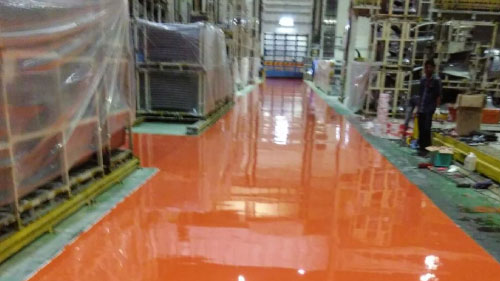
    In modern architecture and landscaping, decorative concrete is capturing widespread attention. Coloured RMC enhances curb appeal, infusing vibrant aesthetics into ready-mix concrete surfaces for lasting visual impact. Its durability and resistance to fading ensure a long-lasting vibrancy that withstands diverse environmental conditions, making it a robust choice for both aesthetic and functional purposes.

    The blog delves into the influence of decorative concrete on both the visual and functional dimensions of Ready-Mix Concrete (RMC). It also explores the intricate technical considerations that play a pivotal role in shaping contemporary construction practices.

    What are the types of decorative concrete colouring?

    Exploring the vibrant world of decorative concrete colouring reveals a spectrum of techniques that redefine the aesthetics of Ready-Mix Concrete (RMC).

    Integral colouring introduces pigments directly into the concrete mix, ensuring a uniform hue throughout the material. This method, deeply integrated into the composition, provides a consistent and enduring colouration, making it a preferred choice for projects seeking reliability and homogeneity.

    On the other hand, surface-applied colourants, like acid stains or dyes, offer a more diverse palette, granting designers the flexibility to explore a broad spectrum of shades and intricate patterns. These colourants, through interaction with the concrete’s surface, create distinctive visual effects. This makes them a dynamic option for projects where a range of customizable aesthetics is desired.

    Innovative colouring techniques such as stamping, engraving, and stencilling enhance the aesthetics of Ready-Mix Concrete (RMC). Additionally, cutting-edge technologies like laser engraving and 3D printing further contribute to elevating the visual appeal of RMC. These methods introduce intricate patterns and textures, pushing the boundaries of traditional applications. 

    Advanced colouring approaches, including reactive stains and UV-resistant pigments, enhance the durability of ready-mix concrete, ensuring vibrant and multi-dimensional designs. Together, these innovations redefine the possibilities of coloured RMC, offering a sophisticated and visually stunning dimension to modern construction.

    Knowing the right way to choose an apt colour palette for your project is just as important as it involves consideration of various construction and environmental factors, depending on the project type. 

    How to choose the right palette?

    Understanding the impact of natural light on colour perception is crucial in the selection process. Colours may vary under different lighting conditions. To account for this, choose hues that maintain visual appeal throughout the day. Thoughtful consideration of natural light dynamics ensures a consistent and pleasing appearance for coloured RMCs in diverse environments. 

    Aparna RMC consultants leverage their expertise to guide you in making informed colour choices that align with both design preferences and natural light dynamics.

    Is coloured RMC cost-efficient?

    Comprehending the cost implications of colouring Ready-Mix Concrete (RMC) versus traditional concrete is essential for informed decision-making. While the initial investment in colouring additives may incur additional expenses, the long-term benefits often outweigh these costs. The enhanced aesthetic appeal and durability of coloured RMC contribute to potential savings in maintenance and repair, making it a cost-effective choice over the lifespan of the project.

    Beyond immediate costs, the investment in coloured RMC can lead to increased property value. The visual impact and uniqueness achieved through colour customization can elevate the overall aesthetic appeal of a property, making it more attractive to potential buyers or tenants. Coloured RMC goes beyond being a mere financial investment. It improves the surroundings and increases property value over time.

    How to safeguard coloured RMC?

    Proper sealing is vital for safeguarding coloured Ready-Mix Concrete (RMC) against environmental elements, ensuring longevity and colour integrity. Intact sealant acts as a barrier, preventing moisture, UV exposure, and stains. Emphasizing this sealing process is crucial for preserving both aesthetic appeal and structural integrity.

    To sustain colour vibrancy, proactive maintenance is key. Regular cleaning with mild, pH-neutral cleansers prevents surface dullness. Swiftly addressing stains and spills avoids prolonged exposure. Periodic resealing, recommended every few years, enhances the protective layer, prolonging the lifespan of coloured RMC and preserving its vivid visual impact.

    Why Choose Aparna RMC?

    Aparna RMC plants offer Color Concrete known for both durability and attractive looks. It outperforms traditional flooring systems, making it suitable for various areas like pathways, driveways, basements, and landscaping. This concrete not only enhances the appearance of surfaces but also ensures longer durability compared to conventional flooring systems, making it a reliable choice for different applications, including VDF flooring surfaces.

    As the industry evolves, Aparna RMC stays at the forefront of decorative concrete advancements. Our consultants specialize in guiding emerging technologies, including sustainable colouring options and eco-friendly additives. They ensure that projects align with the latest standards in environmentally conscious construction practices.

    This commitment to innovation ensures that our partners benefit from cutting-edge solutions while making environmentally responsible choices in their decorative concrete projects.

  • How do you Choose the Right Ready-Mix Concrete (RMC) Supplier?

    How do you Choose the Right Ready-Mix Concrete (RMC) Supplier?

    When it comes to construction projects, whether residential, hospital, or commercial, the choice of a ready-mix concrete (RMC) supplier can significantly impact the outcome. 

    Concrete,particularly ready-mix concrete, is a vital building material, and selecting the right supplier involves considering various factors to ensure a successful project. In this comprehensive guide, we will delve into the key considerations that should influence your decision when choosing a Ready-Mix concrete supplier.

    1. Know Your Needs

    Before you start scouting for ready-mix concrete suppliers, it’s crucial to understand your project’s specific requirements. Different projects may demand specialized concrete mixes, higher grades, or additives for various purposes. For example, in some cases, you might need concrete with properties that can prevent the penetration of radioactive rays. Knowing your needs in advance will help you narrow down your options and find a supplier that can meet your specific requirements.

    2. Evaluate the Required Volume

    The first step in evaluating an RMC supplier is to determine the overall volume of concrete you’ll need for your project. It’s essential to assess whether the supplier has the capacity to provide you with the required volume, especially if your project involves multiple pours within a short time frame. Urban construction sites often face space constraints, so ensuring a consistent and timely supply of concrete is vital.

    3. Proximity of the RMC Plant

    The location of the Ready Mix Concrete Plant plays a significant role in ensuring a seamless supply of concrete. Typically, a 10-kilometer radius is preferred to minimize transportation time and costs. However, this distance can vary depending on traffic conditions. Choosing a supplier with a plant conveniently located near your project site can help reduce logistical challenges.

    4. Consider Weather Conditions

    Weather can be a significant factor affecting the quality and workability of concrete. It’s crucial to choose an RMC supplier that considers weather conditions and can provide guidance on how to adjust concrete mixes and placement techniques accordingly to ensure optimal performance in various weather conditions.

    5. Prioritize Quality Assurance

    The quality of concrete is paramount in any construction project. A reliable RMC supplier should have a robust quality control process in place. Ensure that the supplier’s plant is automated and that they conduct rigorous testing on every batch of concrete they produce.

    Aggregates are a crucial component of concrete, and their quality directly impacts the final product. Verify that the supplier tests the quality of aggregates used in their mixes to guarantee consistency and durability.

    In addition to batch testing, inquire about the final concrete testing procedures employed by the supplier. Reputable suppliers like Aparna RMC often conduct various tests, including compressive strength tests, slump tests, and durability tests, to ensure the quality and performance of their concrete. 

    6. Assess service and Reliability

    An RMC supplier’s financial stability and reputation are indicators of their ability to handle unforeseen situations and meet your project’s timelines. Investigate the supplier’s track record and seek references from past clients to gauge their reliability.

    In the modern construction industry, technology plays a crucial role. Look for suppliers who employ intelligent systems and software-based tracking and analytics. Automated batching systems and vehicle tracking can improve efficiency and provide real-time information about your concrete deliveries. Ensure that the supplier offers 24/7 support in case of any issues.

    7. Explore Specialized RMC Options

    Choose a ready-mix concrete supplier who can tailor concrete mixes to your project’s specific needs. New technologies have enabled the production of specialized concrete mixes, such as steel-reinforced concrete for earthquake resistance or stamped and colored concrete for aesthetic purposes. Your supplier should be willing to educate you on the available options and help you select cost-effective solutions.

    Conclusion

    Selecting the right ready-mix concrete supplier is a critical decision that can significantly impact the success of your construction project. Aparna RMC is at the forefront of the construction industry in India, renowned for its commitment to quality control, customization, and advanced technology. A meticulous approach ensures that the concrete they supply meets the highest industry standards, enhancing the structural integrity of construction projects. 

    Aparna RMC’s expertise in tailoring concrete mixtures to specific project requirements sets them apart, while their embrace of cutting-edge technology streamlines the production process, promoting efficiency and sustainability. Aparna RMC stands as a trusted and dependable choice for construction projects of all sizes and complexities, making them a go-to partner for success in the Indian construction industry.

  • What Are Common Mistakes When Using Ready Mix Concrete (RMC)?

    What Are Common Mistakes When Using Ready Mix Concrete (RMC)?

    When it comes to construction projects, the use of Ready Mix Concrete (RMC) has become increasingly popular due to its convenience and quality. However, like any other aspect of construction, using RMC requires careful planning and execution to ensure the success of your project.

    In this blog, we’ll explore common mistakes when using ready-mix concrete and provide guidance on how to avoid them for the success of your project.

    Inadequate Site Preparation

    Not adequately preparing the site when working with Ready Mix Concrete (RMC) is one of the common mistakes that people make when using RMC. It compromises the integrity of your project. 

    For the best outcome, the ground needs to be properly leveled and compacted before pouring RMC to prevent variations in the concrete’s thickness, causing uneven surfaces that can be both unsightly and potentially hazardous. 

    When preparing the site for RMC, ensuring that the ground beneath the concrete is properly compacted is vital to preventing depressions, sinkholes, and cracks in your project. This can be particularly problematic for structures like driveways, walkways, or foundations, where stability and evenness are essential.

    To avoid these issues, it’s crucial to prepare the base well by removing any loose or organic materials, compacting the soil to the required density, and ensuring that the site is adequately leveled and sloped as needed. Taking these steps will help create a solid foundation for your RMC project, ensuring it stands the test of time and remains both functional and visually appealing.

    Overestimating or Underestimating Quantity

    Miscalculating the quantity of Ready Mix Concrete (RMC) required for your project can lead to wastage of your resources, including concrete, labor, transport, and time. Estimating the quantity you need for your project is a critical factor. 

    Overestimating the amount of RMC can lead to unnecessary waste, and you will be left with surplus concrete that must be disposed of. In addition to increased expenses, it also causes congestion at the site. On the other side, underestimating the quantity can result in project delays and additional expenses. Running out of concrete before completion causes stress and tension as construction might get halted, wasting resources. 

    If you need an expert to estimate the amount of RMC you will need for your project, Aparna RMC is here. As the leader in the construction industry in India, Aparna RMC not only supplies quality concrete but also assists you with the estimates on quantity of ready mix concrete you need for your project for better efficiency. 

    Neglecting Curing

    Failing to give concrete adequate time to cure or use improper curing methods can lead to a number of structural issues, such as cracks, reduced load-bearing capacity, and the life expectancy of the project. To avoid these issues, make sure that sufficient recommended time is being given for curing. 

    Paying close attention to using suitable curing techniques for your projects is essential to ensuring the optimum result and success of your project. Aparna RMC is always here to guide you in choosing the appropriate curing technique for the optimum outcome of your project

    Ignoring Weather Conditions

    Not taking weather conditions into consideration when working with Ready Mix Concrete (RMC) can be a costly oversight in construction projects. Temperature, humidity, and precipitation all play critical roles in concrete quality and performance. 

    Extreme temperatures can lead to rapid drying or delayed curing, affecting the concrete’s strength and durability. High humidity may slow drying, while low humidity can result in surface cracking. Rainfall during the curing process can wash away the cement paste, causing surface defects.

    Unfortunately, we can’t control weather conditions or wait for the perfect season to construct. But we can take some preventive measures to protect the project from changing weather conditions.

    You can cover freshly poured concrete with wet burlap, curing blankets, or plastic sheeting immediately after finishing to help retain moisture and protect the project from temperature fluctuations, wind, and sunlight. In cold weather, incorporate insulation or heated enclosures to prevent freezing. Provide shading or reflective coatings to maintain suitable temperatures. 

    Although we might take weather conditions lightly unless it is extreme, they are critical during the curing stage for the quality and longevity of your project.

    Not using Adequete Reinforcement 

    In construction projects, reinforcement involves processes that enhance a building’s strength, durability, and load-bearing capacity, which is important for your project. Reinforcement materials like rebar (reinforcing bar) or mesh play a crucial role in enhancing the structural integrity and overall durability of your concrete structures.

    By not knowing the importance of these processes, you may or may not give them much weight and overlook them, which can lead to reduced load-bearing capacity, cracking, and a shorter lifespan for your project. To better equip yourself about the various efficient reinforcement processes for your concrete projects, you can contact or visit us at aparnarmc.com

    Aparna RMC

    Aparna RMC is the leader in the construction industry in India, with 27 RMC plants across the nation. Aparna RMC is not just a supplier of quality ready-mix concrete but also guides and helps you in the success of your construction projects. Aparna RMC goes above and beyond the role of a mere supplier and is a dedicated partner in your journey toward construction excellence.

    Contact us and help us help you!

  • Top 10 reasons to choose Ready Mix Concrete (RMC)

    Top 10 reasons to choose Ready Mix Concrete (RMC)

    When it comes to construction, choosing the right materials is significant for the outcome of the project. Among the various options available, Ready mix concrete (RMC) is a versatile and efficient choice to make. In this blog, we will explore key factors that contribute to RMC being the best option for construction.

    1. Consistency and Quality

    Ready mix concrete’s reliability is one of its key advantages. One of the foremost benefits of RMC is its consistent quality. Ready-mixed concrete is produced in controlled settings, as opposed to on-site mixed concrete, which can have variations in composition and quality due to human error. The thorough manufacturing of RMC guarantees that every batch complies with stringent quality requirements, lowering the possibility of structural problems in your project.

    2. Time Efficiency

    Time is of the essence in the construction industry, and RMC can save the day. When you choose ready-mix concrete, it arrives at your construction site fully prepared for use. As a result, on-site mixing is not required, which minimizes downtime and speeds up project completion. Your construction schedule becomes more dependable and effective.

    3. Cost-Effectiveness

    Ready-mix concrete is frequently cost-effective in the long run, despite having a higher initial cost than conventional approaches. Reduced labor expenses, less material waste, and quicker construction periods all contribute to significant budgetary savings. Effectively making RMC a smart investment.

    4. Customization

    The requirements for construction projects vary and RMC can be customized to fit particular needs. Ready mix concrete vendors can produce concrete to your exact specifications, whether you need high-strength RMC for a foundation or a mix with a certain slump for a particular application. It may be used for a variety of construction applications due to its adaptability.

    5. Reduced Labor Intensity

    Physical labor in the construction industry can be taxing, and hand concrete mixing is no exception. Construction workers’ risks of injury and exhaustion are decreased by RMC by minimizing the requirement for on-site mixing and handling. Ready-mix concrete not only improves safety but also boosts worker morale and productivity.

    6. Environmental Benefits

    At a time when sustainability is a top priority, ready-mix concrete can contribute to the solution. Many RMC plants are equipped with efficient waste management and recycling systems, reducing the environmental impact of construction projects. By deciding to use ready-mix concrete for your projects, you help the building industry become more environmentally friendly.

    Using RMC minimizes the need for storing and handling raw materials on-site. This is especially beneficial in space-constrained areas. It also reduces the logistical challenges associated with managing construction materials, making your project more efficient.

    7. Quality Control

    For ready-mix concrete suppliers, quality control is of the utmost importance. To ensure that the concrete complies with industry standards and your project’s particular requirements, ready-mix concrete suppliers have put in place strict safeguards. You can trust that the RMC that is supplied to your site is of the highest quality.

    8. Weather Independence

    Weather has a significant impact on building projects, frequently leading to delays and difficulties. However, Ready-Mix Concrete (RMC) provides a way to lessen the effects of the weather. Construction projects have the flexibility to proceed uninterruptedly regardless of unfavorable weather conditions, or extreme temperatures because RMC is prepared and cured in controlled off-site surroundings. This added advantage considerably boosts a project’s effectiveness and resilience to unforeseen environmental difficulties.

    9. Reduced Construction Site Congestion

    Fewer construction vehicles and less on-site concrete mixing mean reduced congestion at your construction site. This not only improves safety but also enhances logistical efficiency, making it easier to manage your project.

    10. Lower Risk of Errors

    Human errors in mixing proportions can lead to costly issues down the line. Ready mix concrete reduces this risk by ensuring that the concrete meets project specifications and design requirements. It’s a reliable choice for maintaining quality and structural integrity.

    Aparna RMC

    Aparna RMC is a construction industry leader in India, with 27 RMC plants nationwide. The largest division, comprising 27 RMC plants, boasts one of the country’s highest concrete production capacities, producing a remarkable 1.8 million cubic meters of ready-mix concrete annually.

    Aparna RMC’s commitment to technology and quality is evident through their 27 fully computerized Schwing Stetter ready mix concrete plants, controlled by MCI 360 and Siemens PLCs, ensuring precision batching. We also offer custom mixes with large stocks of aggregates, cement, and admixtures and maintain continuous production with 150 cubic meter inline silos, making ourselves a reliable and efficient partner in the construction industry.