Aparna RMC

Tag: Ready mix concrete

  • Building Resilience: The Role of Ready-Mix Concrete in Disaster-Resilient Construction

    Building Resilience: The Role of Ready-Mix Concrete in Disaster-Resilient Construction

    In the face of increasing climate uncertainties and natural disasters, the importance of resilient construction practices cannot be overstated. One of the chief components in achieving disaster resilience is ready-mix concrete, a versatile material that significantly enhances the structural integrity of buildings. This blog explores the crucial role of ready-mix concrete in disaster-resilient construction and how it contributes to building a safer and more sustainable future.

    Understanding Ready-Mix Concrete

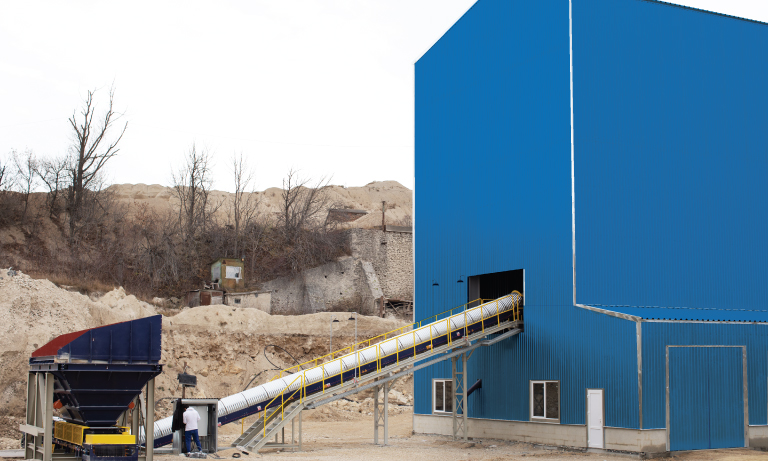
    Ready-mix concrete is a precise and consistent solution that is prepared in a controlled environment, usually a batching plant. It is composed of carefully proportioned ingredients including cement, aggregates, water, and admixtures. The controlled mixing process ensures uniformity and consistency, resulting in a high-quality product that surpasses traditional on-site mixed concrete in strength and durability. The mix is produced through careful measurement and precise mixing in high-tech infrastructural facility which makes it better controlled, stronger and more consistent than on-site mixed concrete.

    Strength in Structure

    One of the primary reasons ready-mix concrete is essential for disaster-resilient construction lies in its superior strength characteristics. Buildings constructed with ready-mix concrete are better equipped to withstand the forces exerted by earthquakes, cyclones, and other natural disasters. The material’s robustness helps prevent structural failures, providing a critical layer of protection for occupants. The robustness is achieved  through careful technologically equipped mixing in batches with the help of industrial experts which isn’t found in on-site mixing.

    How does RMC’S Rapid Deployment and Efficiency figure in Disaster Management?

    In the aftermath of a disaster, time is of the essence. Ready-mix concrete offers a rapid and efficient solution, as it can be transported to the construction site and poured immediately. This speed of deployment is crucial for emergency response efforts, enabling the quick reconstruction of essential infrastructure and minimizing disruptions to communities affected by disasters.    

    How does Ready-Mix Concrete maintain Consistency and Quality Control?

    Consistency is key to ensuring the structural integrity of buildings, especially in

    disaster-prone areas. Ready-mix concrete’s controlled production process eliminates the variability associated with on-site mixing. This consistency not only enhances the

    material’s strength but also facilitates precise engineering calculations, ensuring that

    structures meet or exceed safety standards.

    Is Ready-Mix Concrete truly a friend of the environment?

    Ready-mix concrete exhibits remarkable resistance to environmental factors such as fire, corrosion, and moisture. This resistance is pivotal in disaster-resilient construction, as it helps maintain the structural integrity of buildings even in adverse conditions. The material’s durability ensures that structures remain safe and habitable for an extended period, reducing the need for frequent repairs or reconstruction.

    Ready-Mix Concrete is Sustainable and Cost-Effective

    Beyond its resilience, ready-mix concrete contributes to sustainable construction

    practices. The controlled production process minimizes waste, and the durability of the material reduces the need for frequent replacements. Additionally, the energy efficiency associated with ready-mix concrete production makes it an environmentally friendly choice.

    Conclusion

    In the face of an unpredictable climate and the increasing frequency of natural disasters, the construction industry must prioritize disaster resilience. Ready-mix concrete emerges as a vital enabler in this endeavour, offering unparalleled strength, efficiency, and sustainability. By incorporating this advanced building material into construction practices, we can build communities that are better equipped to face the challenges of the future, creating a safer and more resilient world.

    Through innovation and collaboration, we here at Aparna RMC are making buildings that are more disaster-resilient and sustainable.

  • 5 Benefits of Using Ready-Mix Concrete for Infrastructure Projects

    5 Benefits of Using Ready-Mix Concrete for Infrastructure Projects

    Concrete is invaluable in the construction of bridges and key infrastructure, including roads, skyscrapers, and robust highways we drive on every day. The inherent durability and reliability of the structure it creates make it fit for use for decades to come.

    Among infrastructure construction materials that need to be versatile, reliable, cost-effective and sustainable, ready-mix concrete stands out as the most practical and reliable choice for concrete solutions. Its simplicity is its strength, offering a pre-mixed blend of cement, water, and aggregates that eliminates the uncertainties of on-site mixing. The precision in its composition provides consistent quality, and the flexibility in its design makes it a highly dependable option for builders and engineers alike.

    Discussed below are the key benefits of using a ready mix concrete for your infrastructure construction projects and why it would be the best choice for you:

    1. Reduced construction time and cost

    Concrete plays a major role in the overall budget and time in construction projects, particularly infrastructure projects, accounting for 30% – 50% of the total cost. In the fast-paced construction world, time and budget savings are crucial, and Ready-Mix Concrete (RMC) helps  in achieving both. Traditional on-site concrete mixing involves multiple steps and uncertainties, leading to potential delays and increased costs.

    RMC revolutionises the process by pre-mixing concrete off-site and delivering it precisely when needed timely. This approach can save up to 50% on labour costs and reduce project duration by 15%, according to a study by the National Ready Mixed Concrete Association of the United States.

    These benefits will be more substantial in large-scale projects, such as infrastructure projects, where RMC accelerates various construction phases, leading to earlier completion, reduced costs, and faster occupancy.

    2. Consistency and Quality

    When it comes to infrastructure constructions such as bridges, highways, and skyscrapers, consistency and quality are paramount. It is crucial that they’re sturdy, reliable, and don’t require a lot of maintenance. Ready-Mix Concrete (RMC)  delivers concrete with superior and consistent strength, longevity and long-lasting reliability.

    Unlike traditional on-site mixing, RMC is produced in controlled batching plants under stringent quality control measures. Precise proportions of cement, aggregates, water, and admixtures are meticulously measured and blended using advanced technology. This ensures flawless consistency and high quality in every batch and avoids any human error and material variations that can be made on-site mixing.

    The American Concrete Institute (ACI) emphasises that the key to achieving strong, durable concrete rests on the careful proportioning and mixing of the ingredients, and a properly proportioned concrete mixture will possess the desired durability and strength for the hardened concrete. This can be only achieved perfectly with Ready Mix Concrete.

    3. Labour Efficiency and Safety

    Ready-Mix Concrete (RMC) significantly boosts labour efficiency in large-scale infrastructure projects. By simplifying the mixing process and delivering concrete directly to the site, RMC cuts out the need for on-site mixing, saving time and effort for construction workers.

    According to a research report on preprints.org, RMC adoption in infrastructure projects can improve efficiency and reduce construction time. Additionally, a study by Straits Research highlights that RMC is a promising material for the construction and transportation sectors, offering efficiency and durability.

    Moreover, RMC minimises the need for manual handling of heavy materials like cement and aggregates, reducing the risk of workplace injuries and enhancing overall safety on the construction site.

    4. Reduced Material Waste

    Ready-Mix Concrete (RMC) is the most sustainable option for large-scale infrastructure projects. Compared to on-site mixing which often leads to overestimating materials and creating massive spillovers, RMC is precise and efficient. It’s made in advanced plants with computer-aided designs, cutting the risk of wastage by up to 10% (source: NRMCA, 2023). When RMC arrives at the construction site, it does so in trucks with precise pumping systems, cutting down spills and reducing waste by about 5% (source: ERMCA, 2021). Plus, there are no leftover concrete issues since RMC delivers exactly what’s needed.

    Unlike on-site mixing methods, RMC can reduce transportation emissions by requiring fewer truck trips. It also enables builders to minimise wastage and use resources wisely, being more environmentally friendly in infrastructure construction.

    5. On-time Delivery of Ready to Use Concrete

    For an infrastructure project wherein any delay can ripple through budgets, schedules, and reputations of the builder,  it is indispensable to get the resources and materials on time to finish the project on the proposed date. RMC allows the builders to finish the project on time due to the timely delivery of ready-mix as per specific requirements. The process of making RMC includes the latest technology which accelerates the overall process and allows the project to finish on time.

    Furthermore, the on-time delivery of RMC enhances overall project management. It allows for better coordination of construction activities and is a tangible benefit that directly influences project timelines, labour efficiency, and project productivity.

    Why Choose Aparna RMC for Infrastructure Projects?

    Aparna RMC is a fast-growing ready-mix concrete supplier in the country with a proven track record of being associated with some of South India’s largest infrastructure projects, contributing to them through the supply of its high-quality concrete solutions.

    Aparna RMC brings in the innovation and scope needed to match the grand vision of these infrastructure projects, such as roads, highways, airports, metro projects, bridges and more. From providing need-based customised grades and the required volumes according to the timelines, Aparna RMC is the partner of choice to accomplish landmark projects while saving significant time and costs.

  • RMC vs Traditional On-Site Mixing: A Cost-Benefit Analysis 

    RMC vs Traditional On-Site Mixing: A Cost-Benefit Analysis 

    The construction industry is constantly evolving, and one of the critical decisions builders face is whether to use Ready-Mix Concrete (RMC) or stick to traditional on-site mixing methods. Both approaches have their advantages and drawbacks, and understanding the cost-benefit analysis is crucial for making informed decisions. In this blog, we will explore the key factors that contribute to the cost-effectiveness of RMC compared to traditional on-site mixing. 

    Does choosing Ready-Mix Concrete save construction time? 

    One of the most significant advantages of Ready-Mix Concrete is its time efficiency. Ready-mix concrete is produced in a controlled environment, allowing for precise batching and quality control. This results in a faster construction process compared to traditional on-site mixing, where the concrete must be mixed on the spot.

    Time is money in the construction industry, and RMC can significantly reduce construction timelines, leading to potential cost savings. 

    How does Ready-Mix Concrete reduce your Labour Costs? 

    Traditional on-site mixing requires a dedicated team for the entire concrete mixing process, including batching, mixing, and transportation. In contrast, RMC suppliers handle the entire concrete production process, minimizing the need for on-site labour. This reduction in labour requirements can lead to substantial cost savings, especially on larger construction projects. 

    Does RMC provide better quality than On-Site Mixing? 

    Quality control is a critical aspect of any construction project. Ready Mix Concrete, being produced in controlled environments with stringent quality standards, often results in a more consistent and high-strength concrete mix compared to on-site mixing. This can lead to fewer issues during construction, reducing the likelihood of rework and additional costs associated with poor-quality commercial concrete. 

    How do you keep your construction site waste efficient and clean?

    On-site mixing may result in material waste due to inaccuracies in batching, overordering of raw materials, and spillage during the mixing process. RMC suppliers, on the other hand, precisely measure and batch the concrete, reducing the risk of material waste. This efficiency can translate into cost savings for the builder and contribute to a more sustainable construction process helped through sustainable RMC. 

    Ready-Mix Concrete cuts out your Equipment Costs 

    Investing in on-site concrete mixing equipment can be a significant upfront cost for construction companies. Ready Mix Concrete eliminates the need for such equipment, allowing builders to allocate resources to other critical aspects of the project.

    While there is a cost associated with purchasing ready-mix concrete, it may still be more economical than investing in and maintaining specialized mixing equipment. 

    How price-effective is Ready-Mix Concrete transportation compared to On-site Mixing? 

    Ready-Mix Concrete is delivered to the construction site in ready-to-use form, reducing the need for transportation of raw materials to the site. This can result in lower transportation costs compared to traditional on-site mixing, where multiple trips may be required to transport raw materials and the final product.

    As there are many raw materials required for on-site mixing, purchasing concrete, concrete additives, cement, sand, gravel, and water and getting them transported to the concrete site becomes hectic, burdensome and most of all very expensive. Reduced transportation requirements can also contribute to a smaller environmental footprint through the use of sustainable Ready Mix Concrete. 

    Using RMC is Space-effective and clean 

    Ready Mix Concrete only requires suitable access for the RMC bulk truck but in traditional on-site mixing storage of concrete, cement, gravel and other materials results in the usage of a lot of space. Whereas in Ready Mix Concrete you’re relieved of the hassle of buying, storing and mixing concrete, gravel, water and other materials. It becomes a space-effective manoeuvre to choose RMC instead of traditional on-site mixing.

    Conclusion 

    In conclusion, the choice between Ready-Mix Concrete and traditional on-site mixing involves careful consideration of various factors, including time efficiency, labour costs, quality control, material waste, equipment costs, and transportation costs.

    While Ready-Mix Concrete may have a higher upfront cost, the potential savings in time, labour, and material waste make it a compelling option for many construction projects. Builders should assess the specific needs of their project and weigh the long-term benefits of each method to make an informed decision that aligns with their budget and timeline requirements.

  • Concreting in cold weather conditions: Challenges & Solutions

    Concreting in cold weather conditions: Challenges & Solutions


    Temperature plays a crucial role in ready-mix concrete strength development. Concreting in cold weather introduces unique challenges that significantly differ from standard construction practices. Ready-mix concrete does not set fast in low temperatures due to the disruption of cement hydration. These conditions can result in surface defects, reduced concrete performance, and an increased likelihood of thermal cracking.

    Here are a few important factors to keep in mind when working with your Ready Mix Concrete supplier during the winter season or in colder regions

    Know the right setting temperatures of RMC


    Setting Time of RMC at Various Temperature can vary significantly based on the temperature and humidity levels prevailing in the construction site.  Here is a helpful guide to understand setting times at different temperatures:
     

    TemperatureApproximate Setting Time (hours)
    38oC1-2/3
    32oC2-2/3
    27oC4
    21oC6
    16oC8
    10oC11
    4oC14
    -1oC19
    -7oCSet will not occur

    Admixtures and Accelerators to increase the setting time

    Admixtures, and chemical compounds added to the ready-mix concrete can help speed up the concrete setting times.

    Air-entraining additives improve freeze-thaw resistance by introducing microscopic air bubbles while water-reducing admixtures maintain the crucial water-cement ratio for concrete strength. Strategically using these admixtures ensures structural integrity in chilly environments.

    Accelerators, such as calcium chloride or non-chloride compounds, can promote rapid cement hydration, especially in cold weather conditions. Many of these accelerators work at temperatures lower than 4oC, making it an ideal mixture for high-altitude winter season construction

    Cold Weather & RMC Mix Considerations

    In cold weather, creating an effective concrete mix is crucial for optimal workability, strength, and durability. This includes precise design considerations, such as the right amount of cement, suitable admixtures, and controlled aggregate proportions.

    To expedite setting and improve strength, it’s essential to maintain a lower water-cement ratio. Additionally, selecting aggregates with low absorption rates is vital for preserving the desired workability. A well-thought-out mix design that takes these factors into account is fundamental for overcoming challenges posed by cold weather, ensuring the ready-mix concrete meets the required standards for durability and structural integrity.

    Insulation Techniques

    Sub-zero temperatures may require insulating for freshly poured ready-mix concrete in cold weather. Insulated blankets, thermal quilts, and active heating systems such as electric blankets can help retain moisture for longer periods, retaining heat during hydration and ensuring proper curing. 

    In windy areas, additional windbreak mechanisms may be needed to minimize the risk of surface defects of concrete pour.

    Get expert advice from the RMC leaders

    Aparna RMC, an industry leader in Ready Mix Concrete (RMC) solutions, operates across 27 strategically located facilities across four states in India.  With a team of experts specializing in ready-mix concrete solutions, the team at Aparna RMC can offer unparalleled expertise to ensure the success of your construction projects. If you are constructing in challenging environments or weather conditions, the team will be able to share their experiences offer expert advice and truly work with you as a reliable partner.

  • 10 Types of Admixtures that Enhance Ready-Mix Concrete

    10 Types of Admixtures that Enhance Ready-Mix Concrete

    In the world of construction, where strength, durability, and versatility are key, ready-mix concrete takes centre stage. As builders and engineers explore new possibilities, the role of admixtures becomes crucial for achieving top-notch results.

    Additives and admixtures for ready-mix concrete are chemical substances added to concrete to improve its physical and chemical properties. They enhance workability, speed up setting times, prevent segregation reduce slump loss and bleeding. Also improves the bond between concrete and steel reinforcement, and minimises heat generation while boosting water tightness. 

    Here are a few additives and the role they play in meeting your construction needs:

    1. Water-Reducing Admixtures

    Water-reducing admixtures, also known as plasticizers, play a crucial role in improving ready-mix concrete by making it easier to work with and using less water. These additives simplify construction processes, making them more efficient while also strengthening the concrete. 

    The main advantage of admixtures is to create a strong structure without sacrificing its ability to be shaped, addressing concerns about using too much water. In the precise field of construction, incorporating water-reducing admixtures becomes a practical strategy for balancing workability with the essential characteristics necessary for the concrete’s long-term integrity.

    2. Retarding Admixtures

    Retarding admixtures strategically delays the setting time of ready-mix concrete. This deliberate delay is particularly advantageous in various scenarios, such as hot weather conditions or large-scale construction projects, where prolonged setting times offer increased flexibility in the placement and finishing process. It ensures that RMC sets at a pace conducive to optimal quality and craftsmanship.

    3. Accelerating Admixtures

    Accelerating admixtures is key in ready-mix concrete technology, helping speed up curing. These additives act like catalysts, reducing the time it takes for RMC to strengthen. They improve project speed and efficiency, which is significant for meeting deadlines in construction.

    In cold weather construction, where curing slows down naturally, accelerators are crucial. They counteract the effects of low temperatures, letting projects move forward without compromising concrete quality. Using accelerators fits the need for fast and reliable construction solutions, especially where regular curing times might be a challenge.

    4. Air-Entraining Admixtures

    Air-entraining admixtures enhance ready-mix concrete resilience by introducing microscopic air bubbles into the mix. Facilitated by air-entraining agents, the RMC’s ability to withstand freeze-thaw cycles improves. The introduction of these tiny air pockets provides flexibility within the concrete structure and prevents internal stress and potential damage caused by the expansion of freezing water. Air-entraining agents create these microbubbles essential for mixed concrete’s durability and long-term performance in regions prone to fluctuating temperatures.

    5. Damp-proofing Admixtures

    Damp-proofing or waterproofing admixtures make ready-mix concrete impermeable to water and prevent surface dampness. These additives often act as accelerators during the early stages of concrete hardening. Common constituents include aluminium sulfate, zinc sulfate, aluminium chloride, and silicate soda.

    6. Corrosion-Inhibiting Admixtures

    Corrosion-inhibiting admixtures combat corrosion challenges in reinforced concrete structures. By forming a protective barrier around embedded steel, these admixtures effectively shield against corrosive agents, extending the lifespan of the ready-mix concrete. This proactive solution not only enhances durability and reduces maintenance costs but also aligns with sustainable construction practices.

    7. Shrinkage-Reducing Admixtures

    Shrinkage-reducing admixtures address ready-mix concrete shrinkage and cracking caused by water evaporation during the curing process. By modifying the concrete mixture, these admixtures minimize volume change, reducing the likelihood of cracks and enhancing both durability and aesthetics. 

    This proactive approach not only ensures the structural integrity of RMC but also diminishes the need for costly repairs and maintenance. Thus making shrinkage reducers a valuable addition to construction projects.

    8. Bonding Admixtures

    Bonding admixtures improve the bond between old and fresh concrete surfaces, ensuring strong adhesion. They are applied just before pouring fresh concrete over a hardened surface and can include polymers like polyvinyl chloride and polyvinyl acetate. 

    This process is particularly beneficial in repair and renovation projects, where maintaining a strong bond between new and existing concrete elements is essential for the structural integrity and long-term performance of the overall construction.

    9. Fungicidal, Germicidal, and Admixtures

    Antimicrobial admixtures not only prevent the growth of bacteria, germs, and fungi on concrete surfaces but also enhance longevity and aesthetic appeal by averting discolouration, odours, and structural deterioration. Especially valuable in highly sanitary environments like healthcare facilities and food processing plants, these admixtures are crucial for maintaining both structural and visual integrity. Their dual functionality makes concrete indispensable in construction projects to achieve durability, cleanliness, and long-term sustainability.

    10. Coloring Admixtures

    Colouring admixtures, often pigments, add vibrant colours to ready-mix concrete for architectural and decorative purposes. They’re crucial for achieving specific aesthetics, offering a wide range of colours for personalized designs in various projects, including pavements, floors, and artistic installations. 

    Aparna RMC

    Aparna RMC, a leading player in the construction industry, sets itself apart by offering an extensive range of ready-mix concrete solutions enriched with a variety of admixtures. These additives play a crucial role in elevating the performance, durability, and versatility of concrete, establishing Aparna RMC as the go-to choice for construction projects that demand uncompromising quality.

    With 27 strategically located RMC plants nationwide, Aparna RMC not only provides high-quality ready-mix concrete but also serves as a guiding force for the success of your construction projects. Going beyond the conventional role of a mere supplier, Aparna RMC is a committed partner in your journey toward achieving construction excellence.

  • Types of Concrete: Grades, Uses & Properties Explained

    Types of Concrete: Grades, Uses & Properties Explained

    Concrete is a manufactured building material made by mixing cement, water, sand (fine aggregate), and gravel (coarse aggregate), combined with chemical admixtures. The construction industry classifies concrete in five ways: binder type, density, reinforcement, production and placement, and performance. Modern construction uses a wide range of concrete types, classified by binder, density, reinforcement, production and placement, and performance.

    The five most common types of concrete are plain concrete for non-structural bases and pavements, reinforced concrete for beams, columns and slabs, prestressed concrete for long spans and bridges, precast concrete manufactured in factories and assembled at the site, and ready-mix concrete produced at a batching plant and delivered ready for pouring.

    This article explains different types of concrete based on their classification and common uses.

    Key takeaways

    • Concrete is classified based on its materials, density, reinforcement, production method, placement method, and performance.
    • The four main structural types are plain, reinforced, prestressed, and precast concrete. Each type is used for different construction needs.
    • In a grade like M20, M means Mix, and 20 means the concrete has a characteristic compressive strength of 20 MPa after 28 days.
    • Concrete grades start from M5 and can go up to M80 and above. Special high-performance concrete can have a strength of more than 200 MPa.
    • The right type of concrete depends on the load, site conditions, exposure, and how the concrete will be placed.

    What Is Concrete? Composition and How Types Are Classified?

    The Four Core Ingredients

    Concrete is made from four main ingredients: cement, water, coarse aggregate, and fine aggregate.

    • Cement binds the other materials together.
    • Water reacts with cement through a process called hydration, which makes concrete harden.
    • Coarse aggregate, such as crushed stone or gravel, gives concrete strength and volume.
    • Fine aggregate, usually sand, fills the gaps between coarse aggregate and improves workability.

    Concrete does not harden because the water simply dries out. It hardens because cement reacts chemically with water.

    By volume, concrete typically consists mainly of aggregate, with cement, water and air making up the remaining portion; the exact proportions vary with the mix design. The water cement ratio is usually between 0.40 and 0.60. A lower water cement ratio generally gives higher strength but can make the concrete less workable.

    Admixtures can be added to change the properties of concrete. Plasticisers improve workability, retarders slow setting, accelerators speed up setting, and air-entraining agents add controlled air bubbles.

    Materials such as fly ash, GGBS, and silica fume can replace part of the cement in a mix.

    How Concrete Types Are Classified?

    Concrete can be classified in different ways, and one type can belong to more than one category. For example, ready-mix concrete can also be self-compacting or fibre-reinforced. This is why different sources may list different numbers of concrete types.

    Classified byWhat variesExamples
    BinderWhat holds the aggregate togetherPortland cement concrete, limecrete, polymer concrete, geopolymer concrete
    DensityUnit weight of the hardened concreteLightweight, normal-weight, heavyweight
    ReinforcementWhat carries the tensile loadPlain, reinforced, prestressed, fibre-reinforced, ferrocement
    PerformanceWhat property is it engineered forHigh-strength, high-performance, self-compacting, rapid-set, pervious

    Nominal Mix vs Design Mix

    Concrete mixes are mainly of two types: nominal mix and design mix.

    Nominal mix uses fixed proportions of cement, sand, and aggregate. As per IS 456:2000, it is permitted up to M20. The standard ratios are:

    • M5: 1:5:10
    • M7.5: 1:4:8
    • M10: 1:3:6
    • M15: 1:2:4
    • M20: 1:1.5:3

    Nominal mix is mainly suitable for small-scale and lower-grade construction where simple and consistent proportions are needed.

    The design mix is prepared using laboratory trials to achieve the required strength and performance. The mix proportions are designed as per IS 10262. It provides better control and is generally more suitable for higher grades of concrete. As per IS 456, grades above M20 require a design mix.

    All Types of Concrete at a Glance

    The table below gives a quick overview of the concrete types covered in this article, including their main property and common uses:

    Type Classified by Key property Typical strength / range Main uses
    Plain (PCC) Reinforcement No steel reinforcement 10–20 MPa Levelling, sub-base, flooring
    Normal-strength Performance General-purpose concrete 10–40 MPa Residential and general construction
    Reinforced (RCC) Reinforcement Steel carries tension M20 and above Beams, columns, slabs, footings
    Prestressed Reinforcement Tensioned tendons M30–M40 minimum Bridges, long-span roofs
    Precast Production Made off-site Varies Staircases, lintels, slabs
    High-strength Performance Higher strength Above 40 MPa High-rise columns, precast work
    High-performance (HPC) Performance Better durability and performance Varies Marine and coastal structures
    Ultra-high-performance (UHPC) Performance Very high strength, often with fibres 150–200 MPa Bridge joints, thin panels
    Rapid-set / rapid-hardening Performance Gains strength quickly Varies Road repairs, emergency work
    Temperature-controlled concrete Performance Controls concrete temperature and heat of hydration Grade-dependent Mass pours, raft foundations, high-rise and infrastructure projects
    Lightweight Density Uses lightweight aggregates Below 1,920 kg/m3 Blocks, bridge decks, insulation
    Heavyweight Density Uses dense aggregates 3,000–4,000 kg/m3 Radiation shielding, counterweights
    Air-entrained Performance Contains small air bubbles 3–6% air Freeze-thaw applications
    Steel fibre reinforced Reinforcement Steel fibres control cracking Varies Industrial floors, tunnels
    Glass fibre reinforced Reinforcement Glass fibres provide reinforcement Varies Façades, mouldings
    Synthetic fibre Reinforcement Helps control cracks Varies Slabs, screeds
    Polymer concrete Binder Uses resin instead of cement 60–100 MPa Chemical floors, linings
    Ferrocement Reinforcement Uses layers of wire mesh; typically 10–40 mm thick Varies Tanks, boats, domes
    Ready-mix (RMC) Production Plant-batched concrete Varies Medium and large projects
    Slab concrete Production Ready-mix concrete designed for slab and residential applications Grade-dependent Residential slabs, basements, floors
    Bag concrete Production Portable concrete supplied in bags for small or access-restricted pours Grade-dependent Column starters, small columns, staircases, trenches
    Site-mixed Production Mixed at the site Varies Small and remote projects
    Self-compacting (SCC) Performance Flows without vibration 650–750 mm slump flow Congested reinforcement
    Smart Dynamic Concrete (SDC) Performance High-flow, self-consolidating concrete designed for smooth placement Grade-dependent Mivan construction, load-bearing walls, congested sections
    Pumped Production Designed for pumping 100–150 mm slump High-rise construction
    Shotcrete / guniting Production Sprayed onto the surface Varies Tunnels, slope stabilisation
    Vacuum concrete Production Excess water is removed Higher early strength Floors, deck slabs
    Roller-compacted Production Compacted using rollers Varies Pavements, dams
    Tremie / underwater Production Placed through a pipe underwater 150–200 mm slump Piles, diaphragm walls
    Mass concrete Performance Controls heat from hydration Varies Dams, raft foundations
    Fly ash concrete Sustainability Part of the cement is replaced with fly ash Varies Mass and marine structures
    GGBS / slag concrete Sustainability Uses GGBS as part of the binder Varies Foundations, marine structures
    Green concrete Sustainability Reduces environmental impact Varies General construction
    Recycled aggregate concrete Sustainability Uses recycled aggregates Varies Sub-bases, non-structural work
    Limecrete Binder Uses lime as a binder Low Heritage buildings

    Standard and Structural Types of Concrete

    Plain or Ordinary Concrete (PCC)

    PCC has no steel reinforcement. It is strong in compression but weak in tension.

    • Common mixes: 1:2:4 (M15), 1:3:6 (M10)
    • Strength: 10–20 MPa
    • Uses: Levelling courses, sub-bases, flooring and kerbs.

    Normal-Strength Concrete

    Normal-strength concrete is used for general construction and usually has a strength of 10–40 MPa.

    Reinforced Cement Concrete (RCC)

    RCC contains steel bars or mesh. Concrete carries compression, while steel carries tension and bending.

    • Minimum grade: M20 under mild exposure, as per IS 456:2000.
    • Uses: Beams, columns, slabs, footings, retaining walls and bridge decks.

    Prestressed Concrete

    Prestressed concrete uses tensioned steel tendons to improve load capacity and allow longer spans.

    • Pre-tensioning: Tendons are tensioned before casting.
    • Post-tensioning: Tendons are tensioned after casting.

    Minimum grade: M40 for pre-tensioned and M30 for post-tensioned work, as per IS 1343.

    Uses: Bridges, long-span roofs, parking structures and transfer beams.

    Precast Concrete

    Precast concrete is made and cured away from the site and then installed at the site. It can be plain, reinforced, or prestressed.

    • Benefits: Faster construction and better quality control.
    • Limitations: Transport and lifting.
    • Uses: Staircases, lintels, hollow-core slabs, poles, drainage units and facade panels.

    RCC vs PCC: What’s the Difference?

    PCC RCC
    No steel Steel reinforcement
    Compression Compression + tension
    Non-structural work Structural work
    Levelling, flooring, sub-bases Beams, slabs, columns, footings

    Strength and Performance-Based Types

    These types are classified based on the strength or performance required.

    High-Strength Concrete

    High-strength concrete has a compressive strength above 40 MPa (M40 and above) in India. It uses a low water-cement ratio and may contain materials such as silica fume.

    Uses: High-rise columns, bridge components, transfer structures and precast elements.

    High-Performance Concrete (HPC)

    HPC is designed to meet specific requirements such as strength, durability, low permeability and workability.

    It may use fly ash, GGBS or silica fume.

    Uses: Marine structures, infrastructure and structures exposed to harsh conditions.

    Ultra-High-Performance Concrete (UHPC)

    UHPC has a compressive strength of 120 MPa or more, commonly around 150–200 MPa.

    It uses a very low water-binder ratio and usually contains fine sand, cement, silica fume and steel fibres, without coarse aggregate.

    Uses: Bridge joints, thin panels, structural repairs and blast-resistant structures.

    Rapid-Set and Rapid-Hardening Concrete

    These types are designed to set or gain strength quickly, often within hours.

    Uses: Road and runway repairs, emergency work, precast production and fixing posts or anchors.

    Temperature controlled concrete

    This concrete manages heat of hydration and setting behavior using chilled water, ice, SCMs, and admixtures. It maintains workability and reduces thermal and plastic-shrinkage cracking.

    Uses: Mass pours, raft/bridge foundations, high-rises, and extreme-temperature infrastructure.

    Density-Based Types

    These types are classified based on the density of the concrete.

    Lightweight Concrete

    Lightweight concrete has a dry density below 1,920 kg/m³. It uses lightweight aggregates such as LECA, pumice, perlite and vermiculite.

    It reduces the dead load and provides better insulation but generally has lower strength.

    Uses: Bridge decks, blocks, floor screeds, roof insulation and fire protection.

    High-Density or Heavyweight Concrete

    Heavyweight concrete has a density of about 3,000–4,000 kg/m³. It uses dense aggregates such as barytes, magnetite, and haematite.

    Uses: Radiation shielding, X-ray and radiotherapy rooms, counterweights and offshore ballast.

    Air-Entrained Concrete

    Air-entrained concrete contains 3–6% small air bubbles. These bubbles help protect concrete from freeze-thaw damage and improve workability.

    Uses: Pavements, hydraulic structures, and areas exposed to freezing conditions.

    Fibre-Reinforced and Composite Types

    These types use fibres or other materials to improve crack control, strength or durability.

    Steel Fibre Reinforced Concrete (SFRC)

    SFRC contains steel fibres mixed throughout the concrete. The fibres help control cracks and improve toughness and impact resistance.

    Uses: Industrial floors, tunnel linings, shotcrete, precast units and airport pavements.

    Glass Fibre Reinforced Concrete (GFRC)

    GFRC uses alkali-resistant glass fibres and is mainly used for thin, lightweight architectural panels.

    Uses: Facades, cladding, mouldings, permanent formwork and street furniture.

    Polypropylene and Synthetic Fibre Concrete

    Synthetic fibres help control cracking. Micro-fibres control early shrinkage cracks, while macro-fibres provide crack control after hardening.

    They do not corrode and can also improve fire performance.

    Uses: Slabs, screeds, precast units, shotcrete and tunnel linings.

    Polymer Concrete

    Polymer concrete uses polymer resin instead of cement to bind the aggregate. It has high strength, low permeability, and good chemical resistance. The compressive strength of this concrete ranges from 60–100 MPa.

    Uses: Chemical plant floors, drainage channels, sewer linings, repair work, and machine bases.

    Ferrocement

    Ferrocement uses layers of fine steel wire mesh and cement mortar, without coarse aggregate. It is usually 10–40 mm thick and has good crack resistance.

    Uses: Water tanks, boat hulls, domes, shell roofs and precast components.

    Production and Placement Method Types

    These types are classified based on how concrete is made, transported or placed.

    Ready-Mix Concrete (RMC)

    RMC is mixed at a central batching plant and delivered to the site in transit mixers. In India, it is covered by IS 4926.

    • Benefits: Consistent quality, less waste, faster placement, and less on-site storage.
    • Uses: Medium and large construction projects.

    Slab Concrete

    Slab concrete is ready-mix concrete supplied in the required grade for slabs and other residential applications. Plant-controlled mixing provides consistent quality, reduces on-site material handling and labour, and supports economical placement across different residential grades.

    Uses: Residential slabs, basement slabs, floors, villas, individual houses, bungalows and apartments.

    Bag Concrete

    Bag concrete is supplied in portable bags for places where regular concrete delivery or pumping is difficult. It is easy to carry and handle, making it suitable for small concreting jobs and restricted-access areas.

    Uses: Column starters, small columns, staircases, trenches, pothole filling and other small concreting works.

    Site-Mixed and Volumetric Concrete

    Site-mixed concrete is mixed at the construction site. Volumetric concrete uses a mobile mixer to mix concrete as needed.

    Uses: Small pours, remote sites, and locations far from batching plants.

    Self-Compacting Concrete (SCC)

    SCC flows into the formwork and compacts without vibration. Its typical slump flow is 650–750 mm.

    Uses: Congested reinforcement, fair-face concrete, and precast work.

    Smart Dynamic Concrete (SDC)

    Smart Dynamic Concrete is a highly flowable, self-consolidating concrete designed to move efficiently through pumps, congested reinforcement and narrow sections. It reduces the need for conventional compaction, enables faster placement, lowers construction noise, and improves flow where conventional concrete may be difficult to place.

    Uses: Mivan and aluminium-formwork construction, load-bearing walls, congested structural sections, precast elements, bridge decks and piers.

    Pumped Concrete

    Pumped concrete is designed to flow through concrete pumps. It usually has a slump of 100–150 mm.

    Uses: High-rise buildings, tunnels, basements, and difficult-to-reach areas.

    Shotcrete and Guniting

    Shotcrete is sprayed onto a surface at high speed. Guniting generally refers to the dry-mix method.

    Uses: Tunnel linings, slope stabilisation, swimming pools, repairs and canal linings.

    Vacuum Concrete

    Vacuum concrete uses vacuum equipment to remove excess water after placement. This improves surface hardness and wear resistance.

    Uses: Industrial floors, deck slabs, and car parks.

    Roller-Compacted Concrete

    Roller-compacted concrete is a zero-slump mix placed with an asphalt paver and compacted using rollers.

    Uses: Industrial pavements, ports, dams, mining roads, and road shoulders.

    Tremie and Underwater Concrete

    Tremie concrete is placed underwater through a tremie pipe. The pipe remains inside the concrete during placement to prevent water from entering.

    Uses: Bored piles, diaphragm walls, bridge foundations, marine works and cofferdams.

    Mass Concrete

    Mass concrete is used for large pours where heat from cement hydration needs to be controlled.

    Uses: Dams, raft foundations, bridge pier bases, and thick retaining structures.

    Sustainable and Low-Carbon Concrete Types

    These types aim to reduce the environmental impact of concrete.

    Fly Ash Concrete

    Fly ash concrete replaces part of the cement with fly ash from coal-fired power plants.

    It improves workability, reduces heat and permeability, and can improve long-term strength.

    Replacement: 15–35%; high-volume mixes: 35–60%

    Uses: Mass concrete, marine structures, pavements and general construction.

    GGBS or Slag Concrete

    GGBS concrete replaces part of the cement with Ground Granulated Blast-furnace Slag (GGBS) from iron production.

    It improves resistance to sulphates and chloride penetration and reduces heat of hydration.

    Replacement: 25–70%, up to 80% for some mass concrete

    Uses: Marine structures, foundations, mass concrete and sulphate-exposed areas.

    Green Concrete

    Green concrete is designed to reduce environmental impact by using materials such as fly ash, GGBS, recycled aggregates, and manufactured sand.

    Uses: Buildings, roads, bridges, foundations, and other applications where required strength and durability are achieved.

    Recycled Aggregate Concrete

    This concrete uses crushed concrete from demolished structures to replace some natural aggregate.

    It uses more water and may have lower strength than conventional concrete.

    • IS 383:2016: Permits recycled concrete aggregate up to 25% in plain concrete and 20% in reinforced concrete for specified applications.
    • Replacement: Up to 25% for plain concrete; up to 20% for reinforced concrete
    • Uses: Non-structural concrete, sub-bases, kerbs, drainage works and lower-grade structural work.

    Limecrete

    Limecrete uses lime instead of Portland cement as the binder. It is breathable but has lower strength and gains strength more slowly than cement concrete.

    Uses: Heritage buildings, traditional floors, vaults, domes, and lime screeds.

    Geopolymer Concrete

    Geopolymer concrete does not use Portland cement. It uses materials such as fly ash or GGBS with an alkaline solution.

    It can significantly reduce CO₂ emissions and has good resistance to acid attack and high temperatures. Some mixes require heat curing.

    Uses: Precast units, railway sleepers, marine structures and acid-resistant flooring.

    Hempcrete

    Hempcrete uses a mixture of hemp hurds (shives) and a lime-based binder instead of cement and stone aggregates.

    It is lightweight, highly insulating, and carbon-negative as the hemp plant absorbs more CO₂ during its growth than is emitted during manufacturing.

    Uses: Non-structural insulation walls, roof insulation, floor slabs, and timber frame infills.

    Ferrock

    Ferrock is an emerging experimental material made using recycled industrial materials, including iron-rich waste and silica, with carbon dioxide involved in its formation. It is being explored as a potential low-carbon alternative to conventional cement-based materials.

    Because Ferrock has limited commercial use, its performance and applications are still being evaluated.

    Uses: Potential applications include marine and other specialised environments, but commercial use remains limited.

    Silica Fume Concrete

    Silica fume concrete replaces a small portion of cement with ultra-fine silica fume, a byproduct of silicon metal production.

    It creates an extremely dense microstructure, radically increasing compressive strength and lowering permeability to chemicals.

    Replacement: 5–12%

    Uses: High-rise buildings, high-strength structural columns, heavy-wear industrial floors, and bridge decks.

    LC3 (Limestone Calcined Clay Cement) Concrete

    LC3 concrete utilizes a blend of calcined clay, crushed limestone, and gypsum to replace a major portion of traditional clinker.

    It reduces manufacturing CO₂ emissions by up to 40% and achieves high structural strength using widely available low-grade clays.

    Replacement: Clinker replacement: Up to 50%

    Uses: General structural concrete, reinforced concrete frames, masonry mortars, and structural plastering work.

    Decorative and Architectural Concrete Types

    These types mainly involve surface finishes or decorative treatments rather than completely different concrete mixes.

    Coloured Concrete

    Coloured concrete uses pigments added to the mix or applied to the surface.

    Uses: Facades, landscaping, feature floors and precast panels.

    Stamped Concrete

    Stamped concrete is a finishing method where patterns are pressed into fresh concrete. It can resemble stone, brick, tile, or wood.

    Uses: Driveways, patios, pool areas, walkways, and feature floors.

    Polished and Exposed-Aggregate Concrete

    Polished concrete is ground and polished to create a smooth finish. Exposed-aggregate concrete removes the surface layer to show the aggregate underneath.

    Uses: Retail floors, warehouses, driveways, pool decks, and public paving.

    Glass Concrete

    Glass concrete uses recycled crushed glass as aggregate. Fly ash or GGBS, can be used to control the risk of alkali-silica reaction.

    Uses: Decorative flooring, worktops, façade panels and terrazzo.

    Special-Purpose Concrete Types

    These types are designed for specific applications.

    Pervious or Permeable Concrete

    Pervious concrete has an open structure that allows water to pass through it. It usually has a strength of 3.5–28 MPa.

    Uses: Car parks, footpaths, driveways, low-traffic roads and drainage systems.

    Asphalt Concrete

    Asphalt concrete uses bitumen instead of cement to bind the aggregate. It is a flexible pavement material.

    Uses: Highways, urban roads, car parks, airport taxiways, and running tracks.

    Smart and Self-Healing Concrete

    Smart concrete can help monitor structural changes, while self-healing concrete can seal small cracks using methods such as bacteria or healing agents.

    Uses: Seismic structures, tunnels, marine structures, and critical infrastructure.

    3D-Printed Concrete

    3D-printed concrete is placed layer by layer using a robotic or gantry-mounted nozzle, reducing the need for formwork.

    The main challenge is providing reinforcement while printing.

    Uses: Low-rise housing, architectural elements, street furniture, and demonstration bridge projects.

    Concrete Grades Explained: M5 to M80

    What Does the M in M20 Concrete Mean?

    The M stands for Mix. The number shows the characteristic compressive strength in MPa at 28 days.

    For example, M20 means 20 MPa at 28 days.

    Concrete grades range from M5 to M80 and above.

    Ordinary Grades: M5 to M20

    These grades can use nominal mixes up to M20, as permitted by IS 456:2000.

    GradeMix ratioStrengthCommon use
    M51:5:105 MPaLevelling, filling
    M7.51:4:87.5 MPaLean concrete, filling
    M101:3:610 MPaPCC bedding, floor bases
    M151:2:415 MPaPavements, flooring, kerbs
    M201:1.5:320 MPaResidential RCC, slabs, beams, and columns

    Standard Grades: M25 to M55

    These grades use a design mix based on laboratory trials under IS 10262.

    GradeStrengthCommon use
    M2525 MPaResidential RCC
    M3030 MPaCommercial structures, pavements
    M3535 MPaPrecast and commercial work
    M4040 MPaHigh-rise columns, bridges, prestressed work
    M4545 MPaPrestressed girders, industrial structures
    M5050 MPaBridge girders, high-rise structures
    M5555 MPaSpecialised structural work

    High-Strength Grades: M60 to M80

    These grades are used for applications requiring higher strength and tighter quality control.

    GradeStrengthCommon use
    M6060 MPaTall building columns, bridges
    M6565 MPaHeavily loaded columns, precast
    M7070 MPaHigh-rise cores, transfer structures
    M7575 MPaLong-span bridges, infrastructure
    M8080 MPaTall buildings, major bridges, precast
     
    ApplicationConcrete typeTypical grade
    House foundationRCCM20–M25
    Ground-floor slabPCC or RCCM15–M20
    Suspended slabRCCM20–M25
    Columns and beamsRCCM20–M30
    Boundary wallPCC or precastM10–M15
    DrivewayPCCM20–M25
    Patio / decorative pavingColoured or stamped PCCM15–M20
    Industrial / warehouse floorSFRC or RCCM30–M40
    Water tankLow-permeability RCCM30+
    Swimming poolRCC or SCCM30+
    Road pavementPQC or RCC pavementM30–M40
    Basement retaining wallRCCM25–M30

    How to Choose the Right Type of Concrete?

    Choosing concrete doesn’t mean picking a random mix from a list because it is a critical structural decision.
    To get the best results, you need to match the technical properties of the mix with the physical demands of your project.

    Choosing by application

    Think what the concrete need to do. Does it need to hold up a heavy roof, bend without breaking, or keep water out? What you are building tells you exactly what kind of concrete mix you need.

    What you are buildingConcrete TypeStrengthSimple Reason
    House foundationStandardM20–M25Stops the house from sinking.
    Ground-floor slabPlainM15–M20Makes a flat floor over the dirt.
    Suspended slabReinforcedM25Stops upper floors from bending or sagging.
    Columns and beamsStrong ReinforcedM25–M30Carries the heavy weight of the building.
    Boundary wallStandardM20Stands firm against strong wind.
    DrivewayFibre-reinforcedM20–M25Stops cracks from vehicle tires.
    Patio / Decorative pavingSmoothM20Easy to shape and make look nice.
    Industrial / Warehouse floorExtra StrongM30+Won’t break under heavy trucks and forks.
    Water tankWaterproofM30Blocks water from leaking out.
    Swimming poolWatertightM30Keeps water safely locked inside.
    Road pavementHeavy-dutyM30–M40Takes constant traffic pounding.
    Basement retaining wallWaterproofM30Keeps wet mud and outside water out.

    Choosing by Environment and Exposure

    • Coastal or marine: Use GGBS or fly ash blends, with at least M30 and suitable reinforcement cover.
    • Sulphate-bearing soil: Use sulphate-resisting cement or high GGBS content.
    • Hot climate: Use retarders, place concrete during cooler hours, and cure properly.
    • Heavy monsoon: Use at least M30 for severe exposure.
    • Freeze-thaw areas: Use air-entrained concrete.
    • Industrial chemical exposure: Consider polymer concrete or protective coatings.
    • Higher exposure: Follow IS 456:2000 requirements for increased reinforcement cover.

    A Six-Point Checklist Before You Order

    1. What load will the concrete carry?
    2. Will the element be exposed to harsh conditions?
    3. How will the concrete be placed?
    4. What finish is required?
    5. How quickly is strength needed?
    6. How much concrete is required, and can the pour be completed continuously?

    Types of Concrete Aparna RMC Supplies

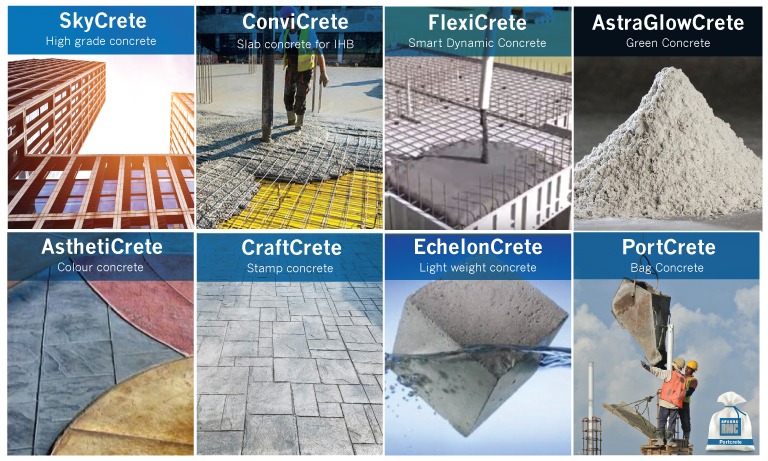
    Aparna RMC supplies ready-mix concrete for residential, commercial and infrastructure projects. Its range includes high-grade, slab, self-compacting, smart dynamic, green, colour, stamp, lightweight, fibre-reinforced, steel fibre-reinforced, and temperature-controlled concrete. Its product range also includes glass fibre reinforced, porous, and bag concrete.

    Aparna RMC produces concrete grades from M5 to M80, with customised mixes for different project requirements.

    Aparna RMC at a Glance

    For the right concrete type and grade, the mix should be selected based on the project requirements, application, and site conditions.

    Frequently Asked Questions

    The four common types are plain, reinforced, prestressed, and precast concrete. Plain has no reinforcement, reinforced uses steel, prestressed uses tensioned steel, and precast is made off-site.

    M20, M30, and M40 indicate compressive strengths of 20, 30, and 40 MPa at 28 days.

    The number of concrete types varies because concrete can be classified by binder, density, reinforcement, production and placement, and performance.

    Ultra-high-performance concrete (UHPC) is among the strongest, reaching 120–200 MPa. Conventional grades can reach M80 and above.

    PCC has no steel reinforcement and is mainly used for non-structural work. RCC contains steel reinforcement and is used for structural elements such as beams, slabs, and columns.

    M20–M25 is commonly used for residential slabs, while commercial slabs may use M25–M30, depending on load and exposure.

    Reinforced cement concrete (RCC) is widely used for structural work, often supplied as ready-mix concrete.

    M20–M25 is commonly used for residential foundations and M25–M30 for commercial foundations. Higher grades may be required for severe exposure conditions.

    References and Standards

    • IS 456:2000 — Plain and Reinforced Concrete, Code of Practice
    • IS 10262:2019 — Concrete Mix Proportioning, Guidelines
    • IS 383:2016 — Coarse and Fine Aggregate for Concrete, Specification
    • IS 1343:2012 — Prestressed Concrete, Code of Practice
    • IS 4926:2003 — Ready-Mixed Concrete, Code of Practice
    • IS 3812 — Pulverized Fuel Ash, Specification
    • IS 16714:2018 — Ground Granulated Blast Furnace Slag for Use in Cement, Mortar and Concrete
  • What Are Common Mistakes When Using Ready Mix Concrete (RMC)?

    What Are Common Mistakes When Using Ready Mix Concrete (RMC)?

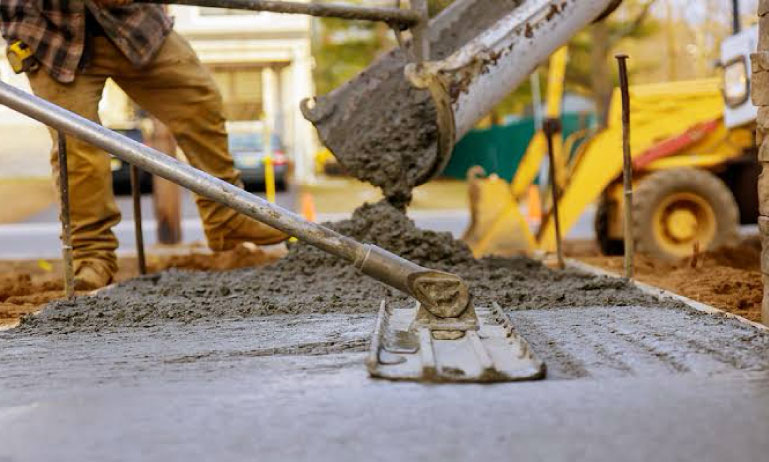
    When it comes to construction projects, the use of Ready Mix Concrete (RMC) has become increasingly popular due to its convenience and quality. However, like any other aspect of construction, using RMC requires careful planning and execution to ensure the success of your project.

    In this blog, we’ll explore common mistakes when using ready-mix concrete and provide guidance on how to avoid them for the success of your project.

    Inadequate Site Preparation

    Not adequately preparing the site when working with Ready Mix Concrete (RMC) is one of the common mistakes that people make when using RMC. It compromises the integrity of your project. 

    For the best outcome, the ground needs to be properly leveled and compacted before pouring RMC to prevent variations in the concrete’s thickness, causing uneven surfaces that can be both unsightly and potentially hazardous. 

    When preparing the site for RMC, ensuring that the ground beneath the concrete is properly compacted is vital to preventing depressions, sinkholes, and cracks in your project. This can be particularly problematic for structures like driveways, walkways, or foundations, where stability and evenness are essential.

    To avoid these issues, it’s crucial to prepare the base well by removing any loose or organic materials, compacting the soil to the required density, and ensuring that the site is adequately leveled and sloped as needed. Taking these steps will help create a solid foundation for your RMC project, ensuring it stands the test of time and remains both functional and visually appealing.

    Overestimating or Underestimating Quantity

    Miscalculating the quantity of Ready Mix Concrete (RMC) required for your project can lead to wastage of your resources, including concrete, labor, transport, and time. Estimating the quantity you need for your project is a critical factor. 

    Overestimating the amount of RMC can lead to unnecessary waste, and you will be left with surplus concrete that must be disposed of. In addition to increased expenses, it also causes congestion at the site. On the other side, underestimating the quantity can result in project delays and additional expenses. Running out of concrete before completion causes stress and tension as construction might get halted, wasting resources. 

    If you need an expert to estimate the amount of RMC you will need for your project, Aparna RMC is here. As the leader in the construction industry in India, Aparna RMC not only supplies quality concrete but also assists you with the estimates on quantity of ready mix concrete you need for your project for better efficiency. 

    Neglecting Curing

    Failing to give concrete adequate time to cure or use improper curing methods can lead to a number of structural issues, such as cracks, reduced load-bearing capacity, and the life expectancy of the project. To avoid these issues, make sure that sufficient recommended time is being given for curing. 

    Paying close attention to using suitable curing techniques for your projects is essential to ensuring the optimum result and success of your project. Aparna RMC is always here to guide you in choosing the appropriate curing technique for the optimum outcome of your project

    Ignoring Weather Conditions

    Not taking weather conditions into consideration when working with Ready Mix Concrete (RMC) can be a costly oversight in construction projects. Temperature, humidity, and precipitation all play critical roles in concrete quality and performance. 

    Extreme temperatures can lead to rapid drying or delayed curing, affecting the concrete’s strength and durability. High humidity may slow drying, while low humidity can result in surface cracking. Rainfall during the curing process can wash away the cement paste, causing surface defects.

    Unfortunately, we can’t control weather conditions or wait for the perfect season to construct. But we can take some preventive measures to protect the project from changing weather conditions.

    You can cover freshly poured concrete with wet burlap, curing blankets, or plastic sheeting immediately after finishing to help retain moisture and protect the project from temperature fluctuations, wind, and sunlight. In cold weather, incorporate insulation or heated enclosures to prevent freezing. Provide shading or reflective coatings to maintain suitable temperatures. 

    Although we might take weather conditions lightly unless it is extreme, they are critical during the curing stage for the quality and longevity of your project.

    Not using Adequete Reinforcement 

    In construction projects, reinforcement involves processes that enhance a building’s strength, durability, and load-bearing capacity, which is important for your project. Reinforcement materials like rebar (reinforcing bar) or mesh play a crucial role in enhancing the structural integrity and overall durability of your concrete structures.

    By not knowing the importance of these processes, you may or may not give them much weight and overlook them, which can lead to reduced load-bearing capacity, cracking, and a shorter lifespan for your project. To better equip yourself about the various efficient reinforcement processes for your concrete projects, you can contact or visit us at aparnarmc.com

    Aparna RMC

    Aparna RMC is the leader in the construction industry in India, with 27 RMC plants across the nation. Aparna RMC is not just a supplier of quality ready-mix concrete but also guides and helps you in the success of your construction projects. Aparna RMC goes above and beyond the role of a mere supplier and is a dedicated partner in your journey toward construction excellence.

    Contact us and help us help you!

  • Why choose Ready-mix Concrete over on-site mixing?

    Why choose Ready-mix Concrete over on-site mixing?

    From towering skyscrapers to the sidewalks we walk on, concrete is visible, silently supporting our modern way of life. Its significance is not just in what it builds but in how it transforms visions into reality. 

    In this blog, we will explore the advantages of using Ready-Mix Concrete over on-site mixing. 

     1. Accurate Mixing

    With on-site mixing, you have to rely on labor to have the concrete mixed, and it is difficult to keep track of whether or not it is being done in the right proportions. In addition, the ratio of mixing sand, gravel, and cement may or may not be precise each time, as it is done manually.   

    Since Ready-mix concrete is produced in controlled environments where temperature, water, and mixing times are meticulously monitored, there is accuracy in proportioning ingredients, resulting in durable construction. 

    2. More predictability

    One of the major hindrances faced during construction is the lack of predictability in the availability of a workforce, bringing mixing material to the site, weather conditions, and difficulties faced while mixing on site. 

    Ready-mix concrete, on the other hand, is directly transported to the site in dedicated mixing trucks, ready for immediate use. The timely delivery of ready mix concrete makes it predictable and certain in the process of construction, reducing the wastage of resources such as labor, time, and money invested.

    3. Cost Effectiveness

    On-site mixing involves higher  labor costs, the purchase and rental of cement mixers, transportation and material handling costs, storage & inventory, and additionally cleaning the site. Ready-mix concrete’s advanced machinery and efficient equipment usage reduces the need for costly on-site mixing equipment and maintenance. 

    As the mixed concrete is directly delivered to the site, it reduces labor, time, and unnecessary mess at the site. And since the required amount of concrete is calculated and precise batching takes place, there is reduced waste of concrete. 

    4. Reduced Labor Requirements:

    On-site mixing heavily relies on skilled labor to measure, mix, and control the quality of concrete. Ready-mix concrete arrives at the construction site in a ready-to-use state, eliminating labor-intensive tasks associated with concrete preparation and quality assurance. With RMC you can focus on efficient and timely placement of the concrete rather than worrying about the concrete mix and construction quality. 

    By choosing RMC, you can rely on our technical support and expertise, further enhancing the reliability and performance of the concrete mix while minimizing the reliance on in-house skilled labor for these critical tasks.

    5. Safety:

    Safety is a major concern during the construction process, and Ready-Mix concrete plays an important role in improving workplace safety compared to on-site mixing. RMC significantly reduces the exposure of construction workers to potential hazards associated with concrete preparation. 

    On-site mixing often involves the handling of raw materials like cement, sand, and aggregates, which can lead to dust exposure, contact with potentially hazardous chemicals, and physically demanding labor. RMC, in contrast, arrives at the construction site ready for use, effectively minimizing workers’ exposure to these risks and promoting a safer work environment.

    6. Sustainability

    In the construction industry, Ready-Mix Concrete emerges as a frontrunner not only for its unmatched strength and durability but also for its significant positive impact on the environment. Ready-Mix Concrete incorporates recycled materials such as fly ash, slag, and recycled aggregates into its concrete mixes. This practice minimizes waste, contributes to the conservation of natural resources, and reduces the environmental footprint associated with concrete production.

    Ready mix concrete offers a responsible choice that aligns with the growing awareness of environmental sustainability in the construction industry.

    7. Clean Site, Lesser Hassles

    Off-site preparation of Ready-Mix Concrete offers significant advantages in terms of cleanliness and waste reduction. RMC arrives at the construction site ready for use, eliminating the need for on-site mixing. 

    This streamlined approach minimizes messy work conditions, such as spills and material residues, ensuring a cleaner and more organized construction, unlike on-site mixing. As a result, safety is enhanced, and productivity is improved since cleaning is faster.

    Aparna RMC

    Aparna RMC is known for consistent quality and timely delivery with a strong, customizable, versatile, and durable texture. Operating 27 plants in different locations with a well-trained and skilled workforce and innovative processes, Aparna RMC stands as a construction leader in India.

    Aparna RMC’s commitment to precision batching and rigorous quality control processes sets it apart in the industry. Advanced technology and stringent quality measures ensure that every batch of ready-mix concrete adheres to the highest standards. 

    Aparna RMC stands as a trusted partner, embodying qualities of quality, precision, and reliability, and continues to play a pivotal role in shaping India’s construction landscape.

    Help us help you—partner with us today!

  • Top 10 reasons to choose Ready Mix Concrete (RMC)

    Top 10 reasons to choose Ready Mix Concrete (RMC)

    When it comes to construction, choosing the right materials is significant for the outcome of the project. Among the various options available, Ready mix concrete (RMC) is a versatile and efficient choice to make. In this blog, we will explore key factors that contribute to RMC being the best option for construction.

    1. Consistency and Quality

    Ready mix concrete’s reliability is one of its key advantages. One of the foremost benefits of RMC is its consistent quality. Ready-mixed concrete is produced in controlled settings, as opposed to on-site mixed concrete, which can have variations in composition and quality due to human error. The thorough manufacturing of RMC guarantees that every batch complies with stringent quality requirements, lowering the possibility of structural problems in your project.

    2. Time Efficiency

    Time is of the essence in the construction industry, and RMC can save the day. When you choose ready-mix concrete, it arrives at your construction site fully prepared for use. As a result, on-site mixing is not required, which minimizes downtime and speeds up project completion. Your construction schedule becomes more dependable and effective.

    3. Cost-Effectiveness

    Ready-mix concrete is frequently cost-effective in the long run, despite having a higher initial cost than conventional approaches. Reduced labor expenses, less material waste, and quicker construction periods all contribute to significant budgetary savings. Effectively making RMC a smart investment.

    4. Customization

    The requirements for construction projects vary and RMC can be customized to fit particular needs. Ready mix concrete vendors can produce concrete to your exact specifications, whether you need high-strength RMC for a foundation or a mix with a certain slump for a particular application. It may be used for a variety of construction applications due to its adaptability.

    5. Reduced Labor Intensity

    Physical labor in the construction industry can be taxing, and hand concrete mixing is no exception. Construction workers’ risks of injury and exhaustion are decreased by RMC by minimizing the requirement for on-site mixing and handling. Ready-mix concrete not only improves safety but also boosts worker morale and productivity.

    6. Environmental Benefits

    At a time when sustainability is a top priority, ready-mix concrete can contribute to the solution. Many RMC plants are equipped with efficient waste management and recycling systems, reducing the environmental impact of construction projects. By deciding to use ready-mix concrete for your projects, you help the building industry become more environmentally friendly.

    Using RMC minimizes the need for storing and handling raw materials on-site. This is especially beneficial in space-constrained areas. It also reduces the logistical challenges associated with managing construction materials, making your project more efficient.

    7. Quality Control

    For ready-mix concrete suppliers, quality control is of the utmost importance. To ensure that the concrete complies with industry standards and your project’s particular requirements, ready-mix concrete suppliers have put in place strict safeguards. You can trust that the RMC that is supplied to your site is of the highest quality.

    8. Weather Independence

    Weather has a significant impact on building projects, frequently leading to delays and difficulties. However, Ready-Mix Concrete (RMC) provides a way to lessen the effects of the weather. Construction projects have the flexibility to proceed uninterruptedly regardless of unfavorable weather conditions, or extreme temperatures because RMC is prepared and cured in controlled off-site surroundings. This added advantage considerably boosts a project’s effectiveness and resilience to unforeseen environmental difficulties.

    9. Reduced Construction Site Congestion

    Fewer construction vehicles and less on-site concrete mixing mean reduced congestion at your construction site. This not only improves safety but also enhances logistical efficiency, making it easier to manage your project.

    10. Lower Risk of Errors

    Human errors in mixing proportions can lead to costly issues down the line. Ready mix concrete reduces this risk by ensuring that the concrete meets project specifications and design requirements. It’s a reliable choice for maintaining quality and structural integrity.

    Aparna RMC

    Aparna RMC is a construction industry leader in India, with 27 RMC plants nationwide. The largest division, comprising 27 RMC plants, boasts one of the country’s highest concrete production capacities, producing a remarkable 1.8 million cubic meters of ready-mix concrete annually.

    Aparna RMC’s commitment to technology and quality is evident through their 27 fully computerized Schwing Stetter ready mix concrete plants, controlled by MCI 360 and Siemens PLCs, ensuring precision batching. We also offer custom mixes with large stocks of aggregates, cement, and admixtures and maintain continuous production with 150 cubic meter inline silos, making ourselves a reliable and efficient partner in the construction industry.