Aparna RMC

Author: aparna_rmc

  • Sustainable Construction With Ready Mix Concrete

    Sustainable Construction With Ready Mix Concrete

    Sustainable construction is the demand of the day. From engineers and architects to builders, contractors and especially house and building owners are conscious of making the right choices concerning the environmental impact of their construction. Everyone seeks to minimize their adverse effects while still trying to meet the growing demands of urbanization. Now, what is the solution to it? Ready-Mix Concrete has in recent times come out as the most innovative, reliable and most importantly sustainable solution in construction. It is efficient, durable and dynamic in its use for various sites with various needs and demands.

    Here are some features of RMC that prove RMC is a Sustainable Concrete for Sustainable Construction:

    1. Reduced Carbon Emissions: The centralized nature of ready-mix concrete production plants allows for better control of raw materials and ingredients, leading to lower carbon emissions. Imagine, on the one hand, your parents making food for the family at once, and on the other everyone making their food on their own at different sites. By optimizing production processes and transportation logistics, ready-mix concrete can help reduce the environmental impact of construction projects. Supplementary Cementitious Materials also help RMC reduce carbon emissions.

    2. Supplementary Cementitious Materials: These SCMs are industrial by-products that can partially replace cement, thereby reducing the overall carbon emission of concrete production. By incorporating supplementary cementitious materials (SCMs) such as fly ash, slag, or silica fume, RMC manufacturers can reduce the carbon footprint of concrete production while enhancing its performance characteristics. Additionally, advanced admixtures enable the customization of concrete properties, such as strength, workability, and durability, to meet specific project requirements while minimizing environmental impact.

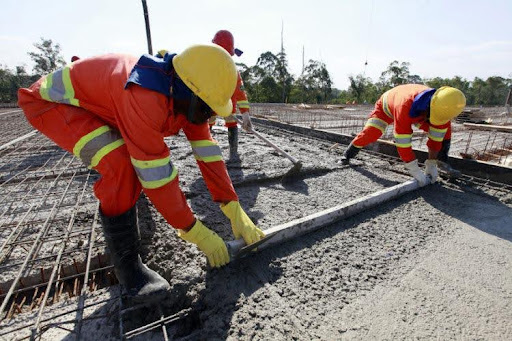
    3. Improved Construction Site Safety: By using ready-mix concrete, construction sites can minimize the risks associated with on-site mixing, such as potential hazards from handling raw materials and operating heavy machinery. This contributes to a safer working environment for construction workers and enhances overall project safety making the construction overall safer.

    4. Durability and Longevity: Ready-mix concrete promotes sustainable practices through its durability and longevity. Structures built with high-quality RMC are known for their strength, resilience, and low maintenance requirements, resulting in reduced lifecycle costs and environmental impact. By minimizing the need for frequent repairs and replacements, RMC contributes to conserving natural resources and mitigating the environmental burden of construction activities. In the process making a most sustainable concrete load.

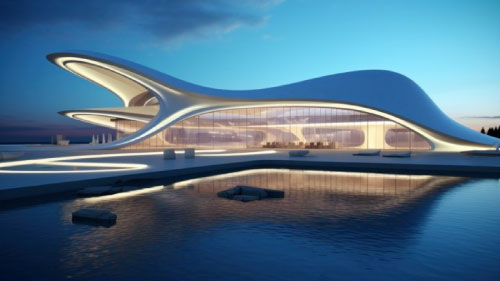
    5. Design Flexibility: Ready-mix concrete offers versatility in design and construction, allowing for innovative solutions that enhance sustainability. Ready-mix concrete can be customized to meet specific project requirements, offering architects and designers the flexibility to create innovative and sustainable building designs. With a wide range of mix options available, ready-mix concrete enables the construction of structures that are not only environmentally friendly but also architecturally appealing.

    6. Recyclability: Ready-mix concrete is a highly recyclable material. At the end of a building’s life cycle, concrete structures can be crushed and recycled for use in new construction projects. This closed-loop approach for reusing material aligns with sustainable construction principles and promotes a circular economy. Recyclability thus makes RMC the most viable sustainable concrete option.

    7. Support for Green Building Certifications: Using ready-mix concrete in construction projects can help builders and developers achieve green building certifications such as LEED (Leadership in Energy and Environmental Design) or BREEAM (Building Research Establishment Environmental Assessment Method). The environmental benefits of ready-mix concrete make it a preferred choice for projects seeking sustainability credentials.

    8. Enhanced Project Efficiency: Ready-mix concrete is known for its consistent quality and performance, which can help streamline construction timelines and reduce project delays. Unlike traditional on-site concrete mixing, which often leads to the overestimation of materials and generates excess waste, RMC production optimizes resource utilization through precise batching and quality control. This not only reduces material wastage but also minimizes energy consumption associated with transportation and mixing, thereby lowering carbon emissions. 

    9. Efficient Use of Water Resources: In the realm of sustainable development, the efficient use of water resources is paramount. Ready-mix concrete plays a crucial role in water conservation by promoting techniques such as water-reducing admixtures, which enhance workability without compromising strength, and incorporating permeable concrete solutions for stormwater management. By minimizing water consumption and mitigating runoff pollution, RMC contributes to the preservation of aquatic ecosystems and promotes sustainable urban drainage systems.

    Conclusion 

    Overall, the role of ready-mix concrete in sustainable construction extends beyond its material properties to encompass a holistic approach to building environmentally responsible structures with a low carbon footprint. By leveraging the benefits of ready-mix concrete, construction projects can achieve sustainability goals while delivering high-quality, efficient, and durable built environments.

    Beyond its direct environmental benefits, ready-mix concrete also supports sustainable development through its economic and social implications. By streamlining construction processes and reducing project timelines, RMC enhances productivity and cost-efficiency, ultimately fostering economic growth and creating employment opportunities within local communities. Moreover, its consistent quality and reliability ensure the safety and structural integrity of built environments, thus safeguarding public health and well-being.

    Aparna RMC is a guarantor of sustainability in construction. Navigating the complex landscape of Sustainable construction requires a keen understanding of quality standards and Green practices. Aparna RMC has taken utmost care to match and excel in green construction standards and has set sustainability standards for others to follow. Aparna RMC has emerged as a leader in sustainable construction showcasing an unwavering commitment to the environment as well as its people passing through critical RMC quality assurance practices and green certifications. Aparna RMC puts you in the driving seat providing you with the best options to make the strongest batch of sustainable concrete as well as match the highest quality standards in green construction.
  • Experience the Convenience of Aparna RMC: Fast Delivery, Cost Savings, and Consistent Quality

    Experience the Convenience of Aparna RMC: Fast Delivery, Cost Savings, and Consistent Quality

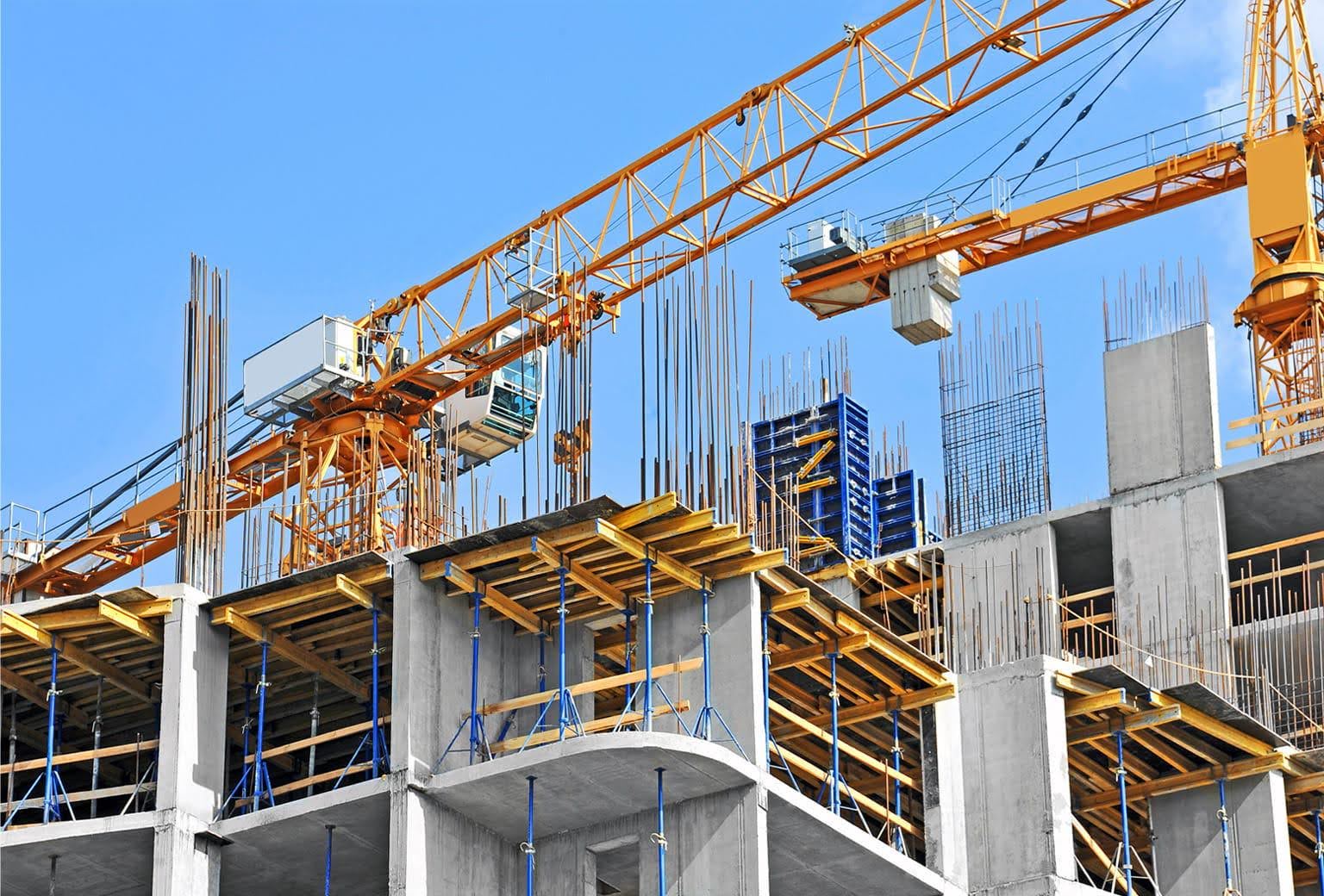
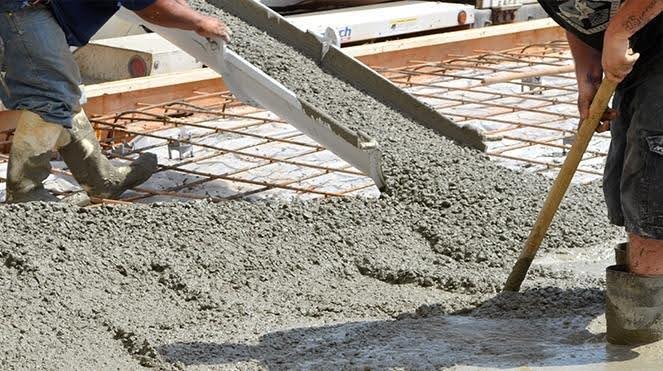
    Construction is all about time, efficiency and money. One significant advancement that has revolutionised the construction industry is the rise in the use of Ready Mix Concrete (RMC). As we know, Ready mix concrete is a tailor-made concrete solution that is manufactured in a controlled environment at a batching plant and then transported to construction sites within a prescribed periphery. This eliminates the need for on-site mixing, saving valuable time and resources. There has been a rise in many ready-mix concrete plants since a decade now in India. These RMC plants offer a plethora of benefits, particularly when they are strategically located near construction sites, enhancing construction efficiency by multiple folds. In this blog, let us explore the advantages of ready-mix concrete plants near you so you can make the best decisions accordingly.

    Faster Construction and Reduced Delays: Ready mix concrete the quickest way.

    Just-in-time delivery: No waiting around for concrete trucks to arrive! Ready Mix Concrete plants nearby ensure your concrete arrives exactly when you need it, keeping your project on schedule and progress in check. This eliminates delays caused by waiting for on-site mixing and the hassle of pre-ordering concrete far in advance. With Ready Mix Concrete plants nearby, you can improve the time of construction, resulting in quicker projects and faster turnover rates, which reflect positively on your work ethic. Faster delivery and no need for on-site mixing mean your project progresses swiftly, potentially reducing overall construction costs. In many ways, with Aparna RMC, we make every second count so you can seize every opportunity and move on to bigger things. 

    Cost Savings and Efficiency: Ready mix concrete is the smarter option

    Reduced labor & transportation costs: Reduced labor and transportation costs: Ready Mix Concrete significantly cuts down on the need for on-site construction workers and laborers. With ready-mix concrete plants nearby, transportation costs are substantially reduced since the concrete doesn’t need to cross long distances to reach your site. This proximity enhances your work efficiency, promotes cost savings, and maintains the high quality and integrity of your projects. 

    Quality meets convenience: Ready mix concrete is the right choice!

    Quality control: With Aparna RMC plants nearby, you can benefit from easier deliveries and better relationships through consistent partnerships. By taking full advantage of our nearby RMC plants, you can easily source ready-mix concrete whenever needed, with the assurance of high quality because you know exactly where it is coming from. At Aparna RMC, we maintain stringent quality control measures to ensure that the concrete meets the required grade for your construction needs. We guarantee the right mixes of aggregates at our RMC sites according to construction requirements and specifications, effectively eliminating the fear of low-grade, poorly mixed concrete often associated with site-mixed concrete.

    Convenience: Having listed all the aforementioned points, it is understood that construction is definitely not a laid-back work; from A to Z, there needs to be engagement; Ready Mix Concrete was a revolutionary invention that sped up construction​ by optimizing the working time. Aparna RMC is trying to bridge the gap of time by bringing things closer to you. With a ready mix plant near you, you can work much more conveniently as you do not have to worry about shipments coming in, delays or cancellations because the abundance of the source is only productivity.

    Environmental benefits: Ready mix concrete for conscious decision.

    Centralised production -Centralized production processes ensure consistent, precise mixing, reducing variability and enhancing concrete reliability. Centralized production also allows for better resource management and reduced energy consumption, further supporting the commitment to environmental sustainability. With Aparna RMC, you benefit from the efficiency and dependability of centrally produced ready-mix concrete. 

    Conclusion:

    In conclusion, having a Ready Mix Concrete plant near your construction site is like having a superhero sidekick. It swoops in, saving you time and money while ensuring top-notch quality and environmental responsibility. From keeping your project on schedule, eliminating delays and wasted time to reduced labor and transportation costs and consistent quality and convenient access, give you peace of mind and effortless construction. Centralized production also minimizes environmental impact, making your project more sustainable.

    Aparna Ready Mix Concrete plants are available in Hyderabad, Bangalore, Mumbai & Vizag providing you with unparalleled convenience and efficiency in these cities. So, ditch the on-site mixing woes and embrace the Aparna Ready Mix Concrete advantage. Build smarter, build faster, and build a brighter future one perfectly poured foundation at a time.

  • Ultimate Guide to Ready-Mix Concrete: Mixing, Placing, Curing and Finishing

    Ultimate Guide to Ready-Mix Concrete: Mixing, Placing, Curing and Finishing

    Ready-Mix Concrete (RMC) has become the cornerstone of modern construction projects in India due to its superior quality, convenience, and efficiency. However, to ensure the structural integrity and longevity of concrete structures, it is crucial to follow best practices and guidelines for mixing, placing, curing, and finishing RMC. Here are some essential tips and best practices to achieve optimal results:

    Mixing Concrete

    Ensure Proper Blending of Materials: The quality of ready-mix concrete (RMC) depends heavily on the uniform blending of materials, such as cement, aggregates, water, and any admixtures. It is essential to use well-graded aggregates and the correct amount of water to achieve the desired workability and strength. Aparna RMC ensures thorough blending to maintain consistent quality.

    Use Quality Materials: Always procure high-quality raw materials from reputable suppliers. The consistency of materials directly impacts the performance of the concrete mix.

    Follow the Mix Design: Stick to the specified mix design provided by the engineers. Altering the mix design can lead to variations in concrete strength and durability. Aparna RMC provides precise mix designs tailored to project requirements, ensuring optimal performance.

    Placing Concrete

    Preparation of the Site: Ensure the site is thoroughly prepared before placing the concrete. This involves setting up formwork, checking reinforcement placement, and ensuring that the area is clean and debris-free. 

    Timely Delivery and Placement: Ready-Mix Concrete (RMC) must be delivered and placed within the specified time to prevent the initial setting of the concrete. Delays can impact the workability and strength of the mix. Aparna RMC ensures timely delivery for smooth placement, maintaining the desired properties of the concrete.

    Curing Concrete

    Start Curing Early: To ensure the concrete’s strength and durability, curing should start immediately after the concrete has been placed and finished. It is crucial to maintain proper moisture levels in the concrete during the hydration process for optimal strength development.

    Maintain Moisture: Curing methods such as water curing, wet coverings, or curing compounds should be used to keep the concrete moist. In India’s hot climate, it’s crucial to maintain adequate moisture levels to prevent cracking and ensure proper strength gain. Aparna RMC recommends effective curing methods to sustain moisture and ensure long-lasting results.

    Duration of Curing: Concrete should be cured for a minimum of 7 days for regular concrete and 14 days for concrete exposed to harsh conditions. Longer curing periods improve the durability and strength of the concrete. 

    Finishing Concrete

    Surface Finishing: Use appropriate finishing tools and techniques to achieve the desired surface texture. Overworking the surface can lead to segregation and surface defects. 

    Timing of Finishing: The timing of finishing concrete is crucial. It’s essential to start the finishing process once the surface water (bleed water) has evaporated. Premature finishing can trap water and weaken the surface. Aparna RMC recommends correctly timing the finishing process to ensure the surface’s integrity and strength.

    Protect the Surface: Protect the finished surface from extreme weather conditions and mechanical damage. Covering the surface with wet burlap or plastic sheets can help prevent moisture loss and cracking. 

    Conclusion

    Following these best practices and guidelines for mixing, placing, curing, and finishing ready-mix concrete is essential for achieving high-quality, durable concrete structures. At Aparna RMC, we prioritise the quality and consistency of our concrete mixes, ensuring that your construction projects meet the highest standards of excellence. By adhering to these guidelines, construction professionals can ensure their project’s longevity and structural integrity, contributing to robust infrastructure development.

  • Ready-Mix Concrete: Boost Your Build with Time-Saving Efficiency

    Ready-Mix Concrete: Boost Your Build with Time-Saving Efficiency

    Ready-Mix Concrete is the key to saving your Time and Money!

    In the fast-paced world of construction, where every second counts and time directly translates to money, efficiency is paramount. Ready-mix concrete stands out as a game-changer in this industry, becoming a cornerstone in the quest for streamlined operations. One of the most effective strategies to save time, boost productivity, and ensure high-quality outcomes on a job site is incorporating ready-mix concrete into the project plans.

    When it comes to construction, delays can be costly, both financially and in terms of missed deadlines. Ready-mix concrete offers a solution to this perennial challenge. Pre-mixing the concrete in a controlled environment ensures consistency and quality, eliminating the variables that often cause issues with on-site mixing. Contractors and project managers no longer have to worry about inconsistencies arising from variable weather conditions, mixing proportion mismatch due to human errors, or the inconsistency in the quality of materials.

    Ready-Mix Concrete: A Quick Overview

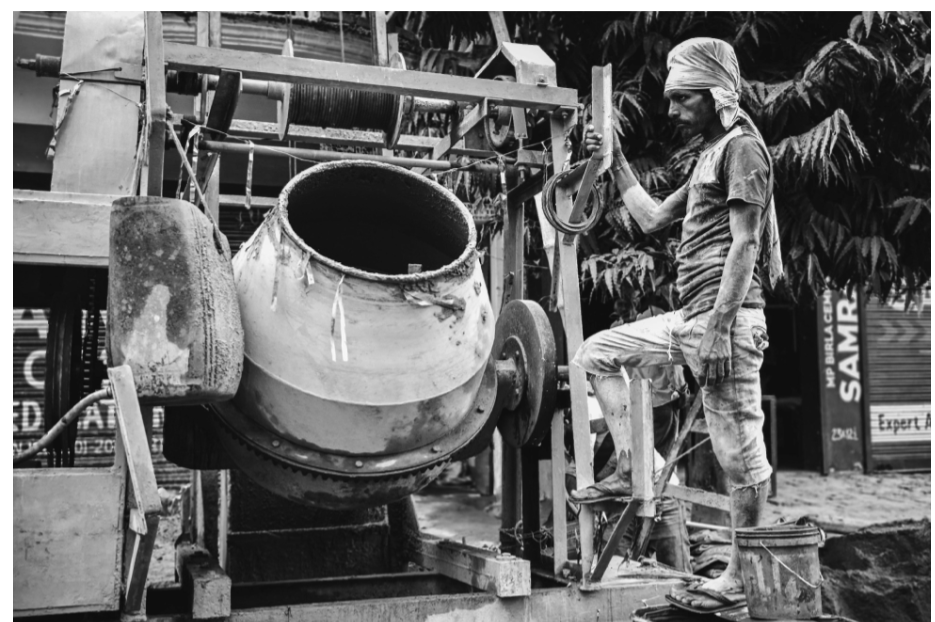
    Ready-mix concrete is pre-mixed at a batching plant and delivered to construction sites ready for immediate use. This eliminates the need for on-site concrete mixing, significantly reducing preparation time and saving time, energy and space. Moreover, ready-mix concrete substantially reduces the labor-intensive aspects of mixing concrete on-site. Traditional methods require a substantial workforce to handle, mix, and prepare the concrete, increasing the risk of overexertion and injury among workers. Ready-mix concrete, delivered directly to the site, minimizes these risks and helps maintain a safer working environment. This efficiency not only enhances productivity but also reduces the overall project timeline, allowing crews to move on to subsequent phases faster.

    Efficiency At Its Best

    One of the standout benefits of ready-mix concrete is its contribution to construction efficiency. Unlike normal concrete, which needs to be mixed with other materials in the right proportions on the spot, ready-mix concrete is pre-mixed with precision, ensuring consistent quality and strength. The pre-mix is developed with the help of a team of technical experts who know what they are doing in a controlled facility. This pre-mixing process ensures efficiency by reducing such errors, and further, the large fleet of transit mixers facilitate timely deliveries, keeping construction projects on schedule. 

    Reducing On-Site Mixing Hassles

    Additionally, on-site concrete mixing can be labor-intensive and time-consuming, from manpower to water, sand, and space, and there are one too many variable that can go wrong and decrease the quality of end product. Ready-mix concrete eliminates these hassles, providing a pre-mixed solution that is ready to pour. With this hassle sorted out, you can focus more on the creative part of the project, which is possible with the design variability of concrete.

    Seamless Concrete Delivery Service

    A major advantage of ready-mix concrete is the seamless concrete delivery service it offers. By having concrete delivered to the site, construction teams can focus on placing and finishing the concrete rather than mixing it. This streamlines the workflow and allows for better allocation of labour and resources, encouraging better collaboration and meeting the timelines quicker. This also reduces the possibility of injury or a mishap at the site and eases your anxiety, resulting in more efficient work covered in less time.

    Saving Environment- one concrete step at a time

    Environmentally also, ready-mix concrete is making strides. The controlled production process helps reduce waste and lower emissions, making it a more sustainable option compared to traditional on-site mixing. The reduced usage of water in these ready-mixes further make them a greener alternative for construction projects to adopt. It thus, aligns better with sustainable building practices unlike other materials such as wood or stone, which need special facilities for processing and maintenance, concrete sustains itself and contributes to a lesser carbon footprint!

    In addition to these operational benefits, ready-mix concrete provides versatility and customization. Whether it’s a simple residential driveway or a complex architectural structure, ready-mix concrete can be tailored with specific additives to meet unique project requirements. This adaptability further solidifies its position as an indispensable material in modern construction. As the construction industry continues to innovate and push boundaries, ready-mix concrete will undoubtedly remain a key player in driving progress and excellence in building practices worldwide. Where traditional cements have issues with inconsistent quality, adulterated product, cumbersome usage processes with high costs of transport, labour and time, ready-mix concrete offer consistent quality, seamless accessibility with a strong supply chain support team and its well-connected network of plants. 

    Bottomline – Time flies, but Aparna RMC helps you stay concrete

    Ready-mix concrete is more than just a material; it is a strategic advantage in modern construction, offering unparalleled efficiency and convenience. By leveraging a reliable concrete delivery service and eliminating the need for on-site concrete mixing, builders can achieve superior construction efficiency and project success. Here at Aparna RMC, we specialize in transforming your construction process. Our quality production and a team of experts strive to bring satisfaction and ease in your loving journey to bring a new home, office or project. Embrace the benefits of ready-mix concrete and transform your construction process today. Schedule a call with Aparna RMC for quality and quickness.

  • The Future of Concrete Safety: Innovations and Implications

    The Future of Concrete Safety: Innovations and Implications

    Concrete has been the cornerstone of modern infrastructure for over a century, forming the backbone of buildings, bridges, roads, and dams. However, as our world evolves and faces new challenges, the safety and durability of concrete structures must advance as well. The future of concrete safety is set to be transformed by several key innovations and methodologies, enhancing the performance, longevity, and sustainability of this essential material.

    Advanced Materials and Additives

    A major trend in the future of concrete safety is the development of advanced materials and additives. These innovations aim to improve the properties of concrete, making it stronger, more durable, and resistant to various environmental stressors.

    Self-Healing Concrete:

    Among the most exciting innovations in concrete is self-healing concrete. Researchers are developing concrete that repairs its cracks through microcapsules filled with healing agents like bacteria or polymers. When cracks form, these microcapsules break open and release their contents, sealing cracks and preventing further damage. This not only extends the lifespan of concrete structures but also reduces maintenance costs and enhances safety.

    Ultra-High-Performance Concrete (UHPC):

    Another key innovation in concrete is UHPC, a class of concrete known for its exceptional strength and durability. By incorporating fine powders and advanced fibers, UHPC can achieve compressive strengths several times greater than conventional concrete, making it ideal for critical infrastructure projects requiring enhanced safety and longevity.

    Graphene-Enhanced Concrete:

    The addition of graphene, a material known for its incredible strength and conductivity, is a promising development in the future of concrete. Graphene-enhanced concrete is more durable and has better thermal and electrical conductivity, which can be particularly beneficial for smart infrastructure applications.

    Monitoring and Sensor Technologies

    Integration of smart technologies into concrete structures is another promising development for future concrete safety. These technologies allow for real-time monitoring and early detection of potential issues, ensuring timely maintenance and intervention.

    Embedded Sensors:

    One of the key innovations in concrete safety is the use of sensors embedded within concrete. These sensors can continuously monitor various parameters such as strain, temperature, humidity, and pH levels. They can detect early signs of structural damage or environmental stress, providing critical data that can prevent catastrophic failures.

    Wireless Monitoring Systems: 

    Advances in wireless technology enable the remote monitoring of concrete structures. This is particularly useful for hard-to-reach or hazardous locations, where traditional inspection methods may be impractical or unsafe. Wireless systems can transmit data in real time to centralized monitoring centres, allowing for prompt analysis and response.

    Structural Health Monitoring (SHM) Systems: 

    SHM systems use a combination of sensors, data analytics, and machine learning algorithms to continuously assess the health of concrete structures. By analyzing patterns and anomalies in the data, these systems can predict potential failures and recommend proactive maintenance measures.

    Sustainable and Resilient Design

    As climate change and environmental concerns become more pressing, the future of concrete safety also focuses on sustainability and resilience. Innovations in concrete design aim to reduce the environmental impact of concrete production and improve the ability of structures to withstand extreme conditions.

    Green Concrete:

    Green concrete is an innovation that incorporates industrial by-products like fly ash, slag, and silica fume to replace a portion of the cement. This reduces the carbon footprint of concrete production while enhancing its durability and resistance to chemical attacks.

    Resilient Concrete Structures:

    Designing concrete structures with resilience in mind involves using materials and construction techniques that can better withstand natural disasters such as earthquakes, hurricanes, and floods. This includes the use of high-strength materials, improved reinforcement methods, and advanced modelling techniques to predict and mitigate the impacts of extreme events.

    Carbon Capture and Utilization: 

    Emerging technologies focus on capturing carbon dioxide during the concrete curing process and incorporating it into the material. This not only sequesters carbon but also enhances the strength and durability of the concrete.

    Policy and Regulatory Advancements

    The future of concrete safety will also be shaped by policy and regulatory advancements. Governments and industry bodies increasingly recognize the need for updated standards and guidelines that reflect the latest innovations and best practices in concrete.

    Updated Building Codes:

    Building codes and standards must evolve to incorporate new materials, technologies, and design methodologies. This includes setting requirements for the use of advanced materials, specifying monitoring and maintenance protocols, and ensuring that structures are designed to withstand future environmental challenges.

    Incentives for Innovation:

    Governments can encourage the adoption of safer and more sustainable concrete technologies through incentives such as grants, tax breaks, and subsidies. Supporting research and development in this field can accelerate the implementation of cutting-edge solutions.

    International Collaboration:

    As concrete is a globally used material, international collaboration is essential for setting universal standards and sharing best practices. Organizations such as the International Federation for Structural Concrete (fib) and the American Concrete Institute (ACI) play a crucial role in fostering global cooperation and knowledge exchange.

    Aparna RMC’s Innovative Concrete SolutionsThe future of concrete safety is bright, driven by innovations in concrete like self-healing concrete, embedded sensors, and sustainable design. Aparna RMC is leading with specialized concretes, including green concrete, which incorporates industrial by-products to reduce carbon footprints and enhance durability. Our high-strength, fiber-reinforced, and self-compacting concretes cater to specific needs, improving overall safety and resilience. By integrating advanced materials and sustainable practices, Aparna RMC sets new standards for safer, more durable, and environmentally friendly infrastructure, ensuring our concrete structures withstand future challenges.

  • Colour Concrete: Customizing Aesthetics for Contemporary Architecture

    Colour Concrete: Customizing Aesthetics for Contemporary Architecture

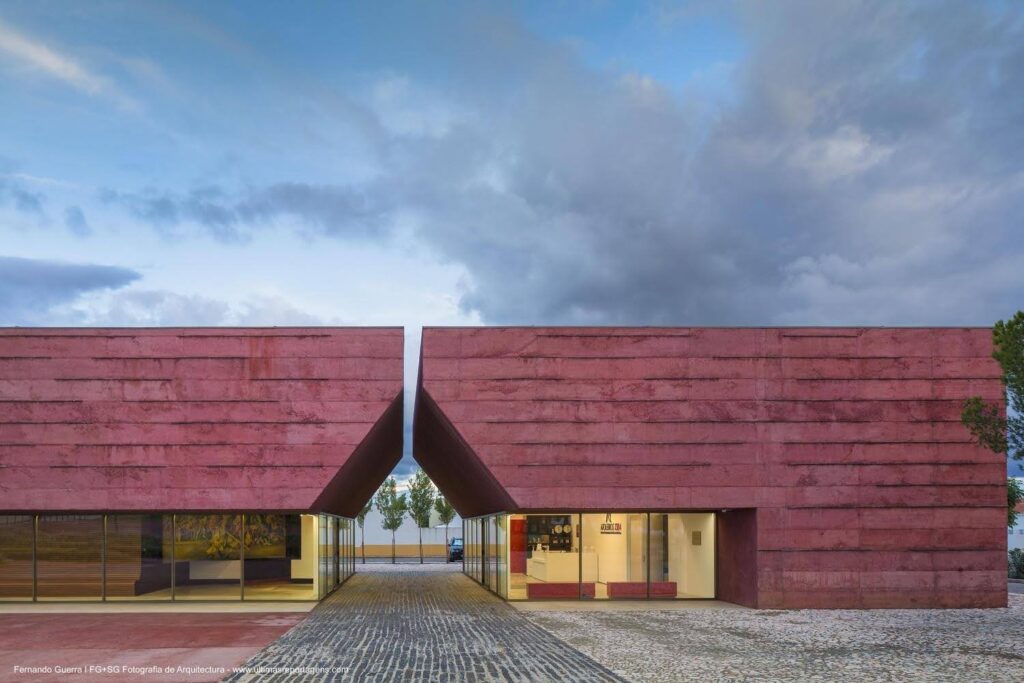
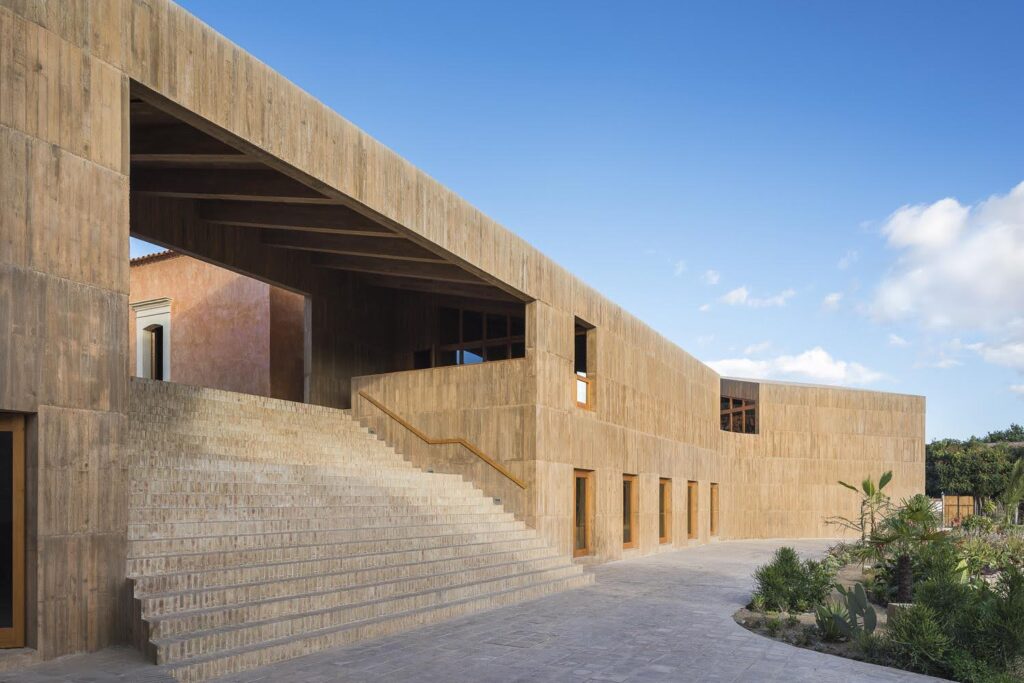
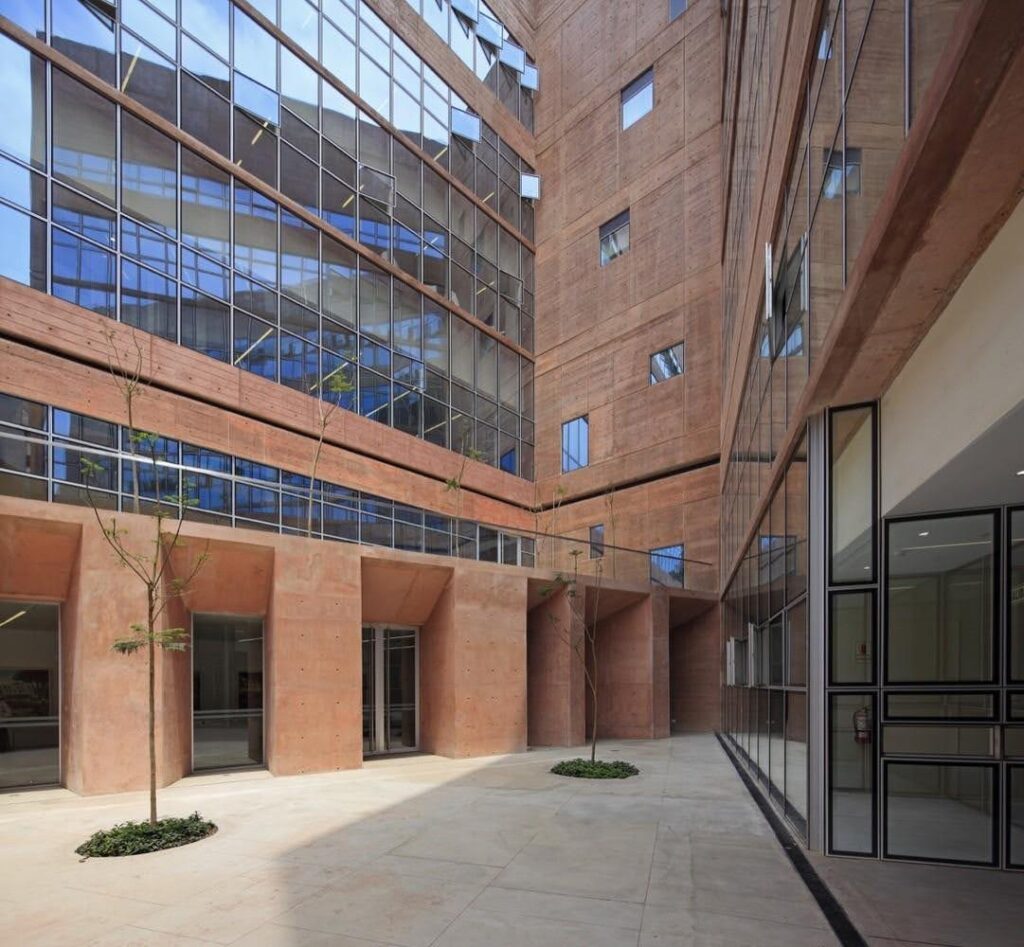
    Modern architecture is no longer confined to conventional designs and monotone surfaces. It now thrives on creativity, innovation, and the ability to integrate aesthetics seamlessly with functionality. One of the leading advancements driving this shift is Colour Concrete (pigmented concrete). This revolutionary material combines the strength and durability of traditional concrete with the visual appeal of vibrant, customizable colors, offering architects and designers limitless possibilities.

    In this article, we explore the transformative potential of Colour Concrete (pigmented concrete) and its applications in contemporary architecture.

    What Is Colour Concrete (Pigmented Concrete)?

    Colour Concrete (pigmented concrete) is an innovative building material where pigments are added to concrete to create visually striking hues while retaining its structural properties. These colors are achieved using natural oxides or synthetic pigments, ensuring durability and resistance to fading over time.

    Key Features of Colour Concrete (pigmented concrete):

    • Wide Range of Colors: Customizable options from subtle tones to bold shades.
    • Durability: Resistant to UV exposure, weathering, and wear.
    • Versatility: Can be used for indoor and outdoor applications.
    • Low Maintenance: Minimal upkeep required to maintain its vibrancy.

    Why Colour Concrete (pigmented concrete) Is Ideal for Contemporary Architecture

    Modern construction places equal emphasis on aesthetics and functionality. Here’s why Colour Concrete (pigmented concrete) is becoming a preferred choice:

    1. Enhancing Visual Appeal

    With Colour Concrete (pigmented concrete), architects can design buildings that stand out. From vibrant facades to patterned pathways, this material elevates the overall aesthetic.

    2. Creating a Signature Look

    Colour Concrete (pigmented concrete) enables brands, institutions, or homeowners to craft unique designs that align with their identity or vision.

    3. Sustainable and Durable

    The pigments used are eco-friendly, and the material’s longevity reduces the need for frequent replacements, contributing to sustainable construction.

    4. Integration with Natural Landscapes

    Colour Concrete (pigmented concrete) can be customized to blend with natural surroundings, making it ideal for parks, resorts, and eco-friendly developments.

    Applications of Colour Concrete (pigmented concrete)

    Urban Infrastructure

    • Sidewalks and Pathways: Adds vibrancy and improves visibility in public spaces.
    • Bridges and Overpasses: Enhances the aesthetic of large infrastructure projects.

    Residential Architecture

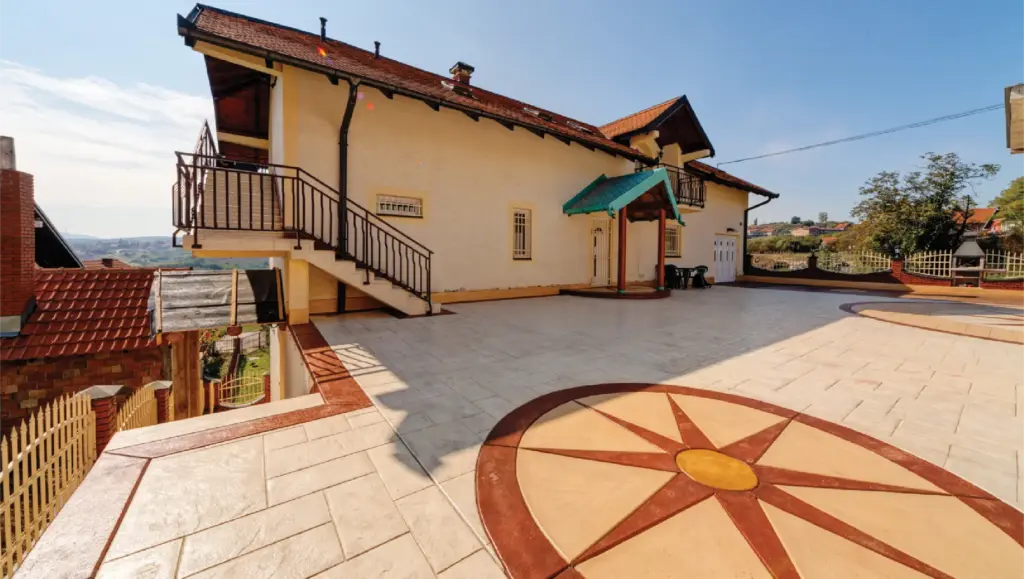
    • Driveways and Patios: Offers homeowners a way to personalize their exteriors.
    • Interior Flooring: Adds warmth and character to indoor spaces with a polished finish.

    Commercial Spaces

    • Retail Outlets: Creates visually engaging interiors and exteriors that attract customers.
    • Office Buildings: Offers a sophisticated look while maintaining durability.

    Decorative Landscaping

    • Garden Paths: Complements the natural elements with earthy tones or bright contrasts.
    • Water Features: Adds a unique touch to fountains and ponds.

    Benefits of Colour Concrete (pigmented concrete)

    1. Customization

    • Endless color options allow for complete design freedom.
    • Patterns and textures can be integrated to enhance uniqueness.

    2. Long-Term Performance

    • Resistant to fading, cracks, and weather damage.
    • Suitable for high-traffic areas due to its durability.

    3. Environmentally Friendly

    • Reduces the need for surface coatings or additional materials.
    • Can incorporate recycled pigments for sustainable building practices.

    4. Low Maintenance

    • Requires less cleaning compared to painted or coated surfaces.
    • Retains color vibrancy with minimal effort.

    How Colour Concrete (pigmented concrete) Is Made

    The production of Colour Concrete (pigmented concrete) involves advanced techniques to ensure uniformity, durability, and aesthetic appeal.

    Step 1: Selecting Pigments

    High-quality natural or synthetic pigments are chosen to achieve the desired color. These pigments are carefully mixed with the concrete.

    Step 2: Mixing Process

    The pigments are blended into the concrete mixture using precision tools to ensure uniform dispersion.

    Step 3: Finishing Techniques

    Depending on the application, the Colour Concrete (pigmented concrete) can be polished, stamped, or textured to achieve the desired finish.

    Trends in Colour Concrete (pigmented concrete)

    Integration with Smart Technologies

    Colour Concrete (pigmented concrete) is now being used alongside technologies like LED lighting and embedded sensors for dynamic visual effects.

    Sustainable Colour Solutions

    Eco-conscious pigments and recycled materials are increasingly being used to align with green building initiatives.

    Architectural Innovations

    Designers are experimenting with multi-colored patterns, gradient effects, and 3D textures to push the boundaries of creativity.

    Challenges in Adopting Colour Concrete (pigmented concrete)

    Despite its benefits, a few challenges exist:

    • Higher Initial Costs: Customization can be expensive compared to traditional concrete.
    • Specialized Expertise Required: Application and installation require skilled professionals.
    • Limited Awareness: Some architects and builders are still unfamiliar with its potential.

    Introducing AesthiCrete: Colour Concrete (pigmented concrete) by Aparna RMC

    Aparna RMC, a leader in ready-mix concrete solutions, presents AesthiCrete, a cutting-edge Colour Concrete (pigmented concrete) solution designed to redefine contemporary architecture.

    Features of AesthiCrete:

    • Unmatched Color Variety: From earthy tones to bold hues, AesthiCrete offers a palette to match every design vision.
    • Premium Quality: Engineered for strength, durability, and aesthetic excellence.
    • Eco-Friendly Approach: Uses sustainable pigments and production methods to reduce environmental impact.
    • Versatile Applications: Ideal for both residential and commercial projects, including decorative landscaping, interiors, and urban infrastructure.

    Why Choose AesthiCrete?

    • Reliability: Backed by Aparna RMC’s decades of expertise in concrete technology.
    • Custom Solutions: Tailored to meet the unique requirements of every project.
    • Aesthetic Excellence: Ensures vibrant, long-lasting colors that enhance every structure.

    With AesthiCrete, Aparna RMC empowers architects and builders to transform their visions into reality with durable, stunning, and eco-friendly Colour Concrete (pigmented concrete) solutions.

    Conclusion

    Colour Concrete (pigmented concrete) is revolutionizing contemporary architecture, offering a perfect blend of strength, aesthetics, and sustainability. From vibrant urban infrastructure to sophisticated commercial spaces, its versatility knows no bounds.

    With innovative solutions like AesthiCrete by Aparna RMC, the future of customized construction is brighter and more colorful than ever. Elevate your projects with AesthiCrete and experience the endless possibilities of Colour Concrete (pigmented concrete)—a material that truly bridges functionality and beauty.

    Read More: How Colored Concrete Can Make Your Projects Look Better?

  • How Stamped Concrete Enhances Outdoor Spaces with Creative Patterns

    How Stamped Concrete Enhances Outdoor Spaces with Creative Patterns

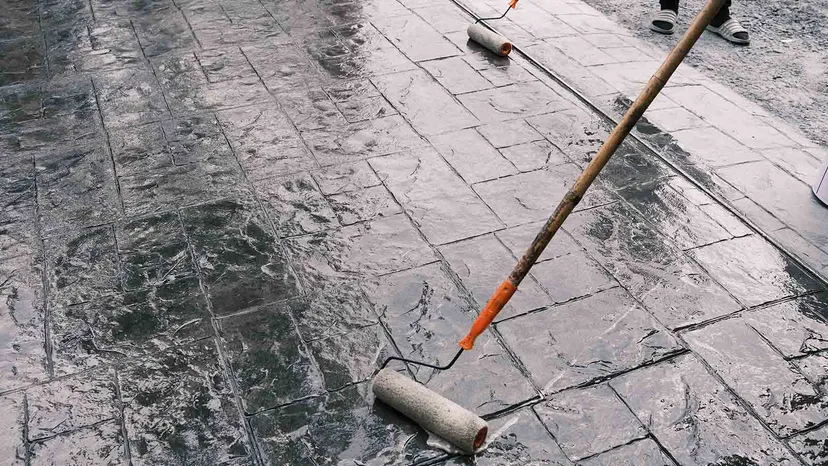
    Want an outdoor space that seamlessly blends beauty and functionality? Look no further than stamped concrete, the innovative solution that’s taking the landscaping world by storm. This versatile material transcends the limitations of traditional options, offering a captivating aesthetic alongside unmatched durability and ease of maintenance.

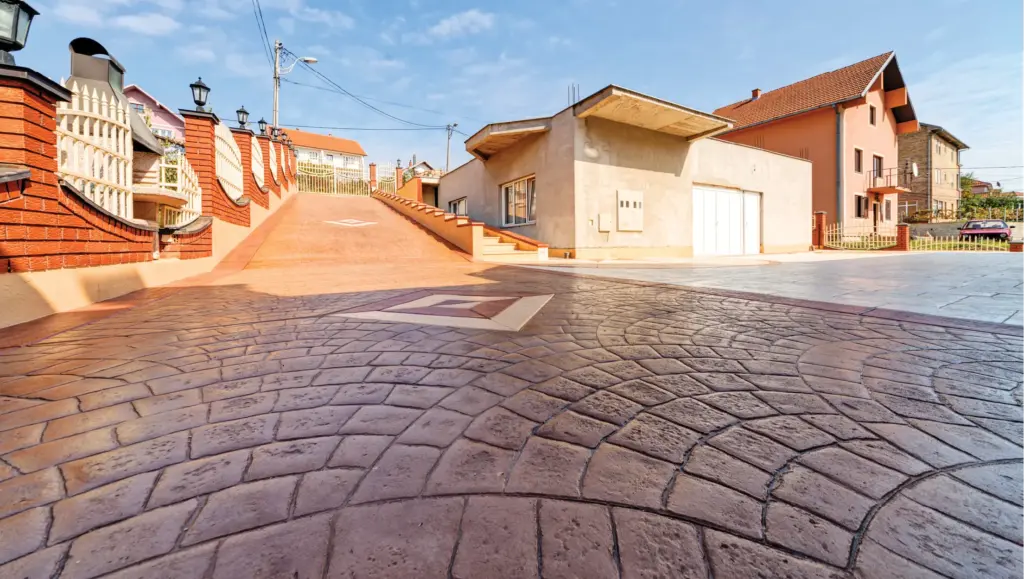
    Whether you think of an extremely charming walkway lined with cobblestones, a luxurious patio reminiscent of aged wood, or a pool deck that evokes the tranquility of a natural stone oasis, stamped concrete brings your vision to life. From classic elegance to modern flair, the design possibilities are limitless, allowing you to personalize your outdoor haven and create a space that truly reflects your unique style.

    In this comprehensive guide, we’ll delve into the transformative power of stamped concrete, exploring its numerous benefits.

    Transforming Your Outdoor Spaces with Stamped Concrete

    Stamped concrete offers a transformative approach to your entire outdoor living experience. This versatile material acts as a design unifier, seamlessly extending its aesthetic appeal from patios to walkways, pool decks, outdoor kitchens, and beyond. Imagine a cohesive flow throughout your outdoor space, where each element complements the other, creating a visually stunning and inviting retreat. 

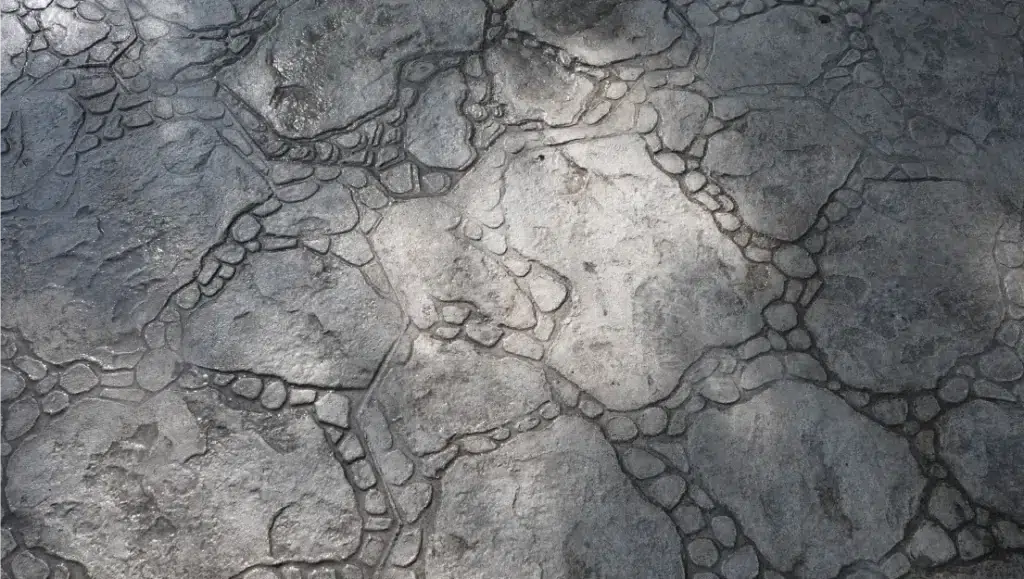
    Unlike traditional materials that may limit your design options, stamped concrete offers a vast array of patterns, colors, and textures. This allows you to personalize each area while maintaining a harmonious connection throughout your outdoor haven. For instance, you can replicate the classic elegance of cobblestones on your walkway, then transition to a warm woodgrain pattern on your patio, all while maintaining a unified color palette.

    Here’s how stamped concrete elevates various elements of your outdoor space:

    • Walkways: Create a grand entrance with a walkway that reflects the architectural style of your home. Mimic the look of natural stone or brick, adding an instant touch of sophistication and elegance.
    • Pool Decks: Transform your pool deck into a luxurious escape by replicating the calming beauty of natural slate or limestone. Stamped concrete offers a non-slip surface, ensuring safety while adding a touch of sophistication.
    • Outdoor Kitchens: Extend the functionality and beauty of your indoor kitchen outdoors with a durable and stylish stamped concrete floor. Choose a pattern that complements your countertop and cabinetry, creating a seamless flow between indoor and outdoor living.
    • Outdoor Patios: Durability and low-maintenance? Look no further than stamped concrete patios! They come in various designs and patterns, including stone, brick, and wood textures, creating a natural look. Plus, customize the color to perfectly match your outdoor space.
    • Fire Pits: Create a warm and inviting space for gatherings with a stamped concrete fire pit! Design it to seamlessly match your patio or backyard for a cohesive look.
    • Garden Paths: Connect your home to your garden with a beautiful stamped concrete path. Choose from various patterns and colors to complement your garden and outdoor decor.
    • Retaining Walls: Add functionality and style with stamped concrete retaining walls! They’re perfect for creating different levels in your yard, adding both texture and depth.
    • Water Features: Bring serenity and relaxation to your backyard with a stamped concrete water feature. Choose a design that complements your space, like a waterfall or fountain, to enhance its natural beauty.

    The design possibilities with stamped concrete are virtually endless. Whether you dream of a rustic charm, a modern minimalist vibe, or a classic European flair, there’s a pattern, color, and texture combination to perfectly suit your vision. 

    Benefits of Stamped Concrete for Your Projects

    Stamped concrete isn’t just about aesthetics; it offers a multitude of benefits that make it a smart choice for homeowners looking to enhance their outdoor living areas. Here’s why stamped concrete stands out as the ideal solution for your residential project:

    1. Versatility: Unlike traditional materials like pavers or natural stone, stamped concrete offers unparalleled versatility. Its ability to mimic the look of various materials like brick, stone, or even wood allows you to create a design that perfectly complements your existing landscaping and architectural style. Want a classic brick patio? Replicate the warmth of wood around your pool deck? Or capture the timeless elegance of slate walkways? With stamped concrete, the possibilities are endless.

    2. Durability: Say goodbye to pavers shifting over time or natural stone cracking under pressure. Stamped concrete is a remarkably durable material, built to withstand the elements and high traffic. This translates to a long-lasting investment that requires minimal maintenance, saving you time and money in the long run.

    3. Cost-Effective: Compared to traditional options like pavers or natural stone, stamped concrete offers a cost-effective way to elevate the look and feel of your outdoor spaces. This makes it a budget-friendly solution that allows you to achieve a high-end aesthetic without breaking the bank. The initial installation cost may be slightly higher than basic concrete, but the long-term durability and low maintenance requirements make it a worthwhile investment.

    4. Low-Maintenance: Unlike materials like pavers that require periodic re-leveling or replacement of individual units, stamped concrete boasts minimal maintenance requirements. Regular cleaning and occasional resealing are usually sufficient to keep it looking its best. This translates to more time spent enjoying your outdoor oasis and less time worrying about upkeep.

    5. Seamless Integration: One of the biggest advantages of stamped concrete is its ability to seamlessly integrate with existing landscaping features. This creates a cohesive and aesthetically pleasing outdoor environment. Imagine your patio seamlessly flowing into a walkway lined with the same pattern and color, creating a visually unified space.

    6. Customization:  Gone are the days of limited design options. With stamped concrete, you’re not restricted to pre-fabricated materials. The range of available patterns, colors, and textures allows you to personalize your outdoor spaces and create a truly unique design that reflects your individual taste and preferences.

    Transform Your Outdoor Spaces with Aparna RMC CraftCrete

    In conclusion, stamped concrete is a versatile and durable material that can be used in a variety of ways to enhance your outdoor living space. From stamped concrete patios, walkways, and pool decks to retaining walls, garden paths, and water features, the possibilities are endless. At Aparna RMC, we specialize in custom-stamped concrete designs to fit your needs and budget. Contact us today to learn more about how we can help transform your outdoor space with stamped concrete.

    READ MORE: 10 Creative Stamped Concrete Patterns for Your Outdoor Spaces

  • 10 Creative Stamped Concrete Patterns to Breathe Life into Your Outdoor Space

    10 Creative Stamped Concrete Patterns to Breathe Life into Your Outdoor Space

    Stamped concrete offers a world of possibilities when it comes to designing your outdoor haven. Forget the limitations of plain concrete and explore a vast array of patterns that can elevate your patio, walkway, pool deck, or driveway into a functional work of art. Whether you crave timeless elegance, modern sophistication, or a touch of rustic charm, there’s a stamped concrete design waiting to be imprinted on your outdoor space. Here are 10 inspiring ideas to spark your imagination:

    With these eye-catching stamped concrete patterns at your disposal, you can transform your outdoor space into a beautiful and functional extension of your home, creating an environment that reflects your unique style and personality.

    Bring the timeless beauty of natural stone to your patio or walkway with stamped concrete that replicates the classic textures of Ashlar slate or Roman cobblestone. These enduring patterns offer an instant touch of sophistication and will perfectly complement any architectural style.

    Craftcrete Cobbledew

    Create a classic and sophisticated look with realistic brick paver patterns. Unlike traditional pavers, stamped concrete offers a wider range of color and style options, allowing you to find the perfect match to complement your home’s exterior and create a cohesive outdoor space.

    Enjoy the warmth and visual appeal of wood flooring with the added durability of concrete. Woodgrain patterns come in a variety of styles, from rustic barnwood to sleek and modern planks. This unexpected choice adds a touch of cozy charm to any patio or pool deck.

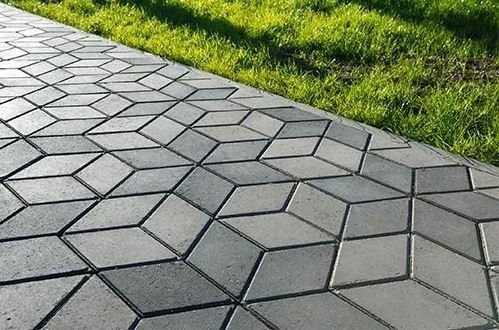
    Get the clean lines and structured look of pavers at a fraction of the cost with stamped concrete. Choose from classic squares and rectangles for a timeless look, or explore intricate geometric patterns to add a touch of modern flair to your walkway or driveway.

    Craftcrete Brickboard

    Embrace the rugged beauty of nature with textured patterns that resemble sandstone, slate, or other rock formations. These bold and textured designs are perfect for creating a natural ambience around your fire pit or outdoor seating area.

    Tiles Patterns:

    Craftcrete Elluzions

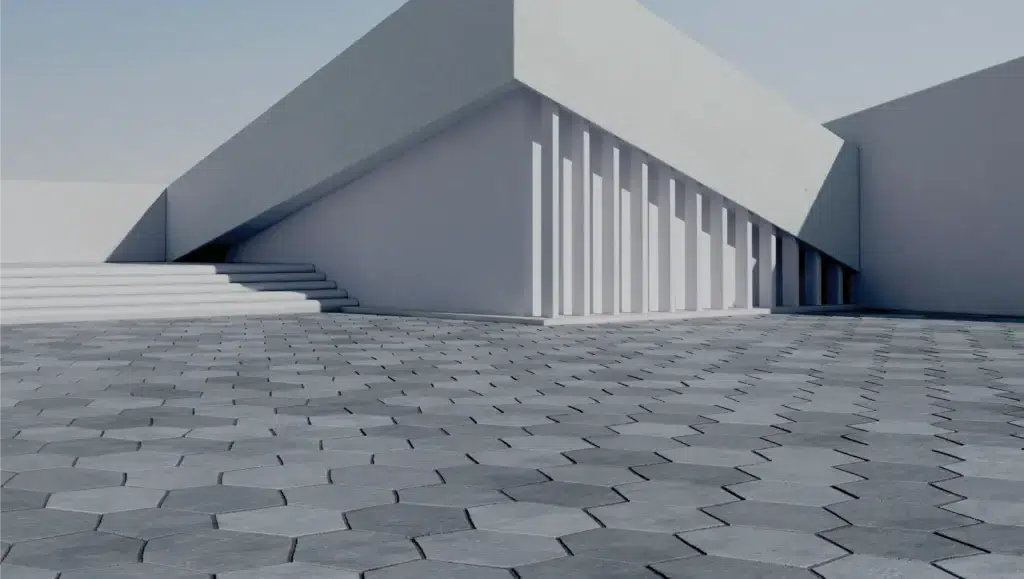
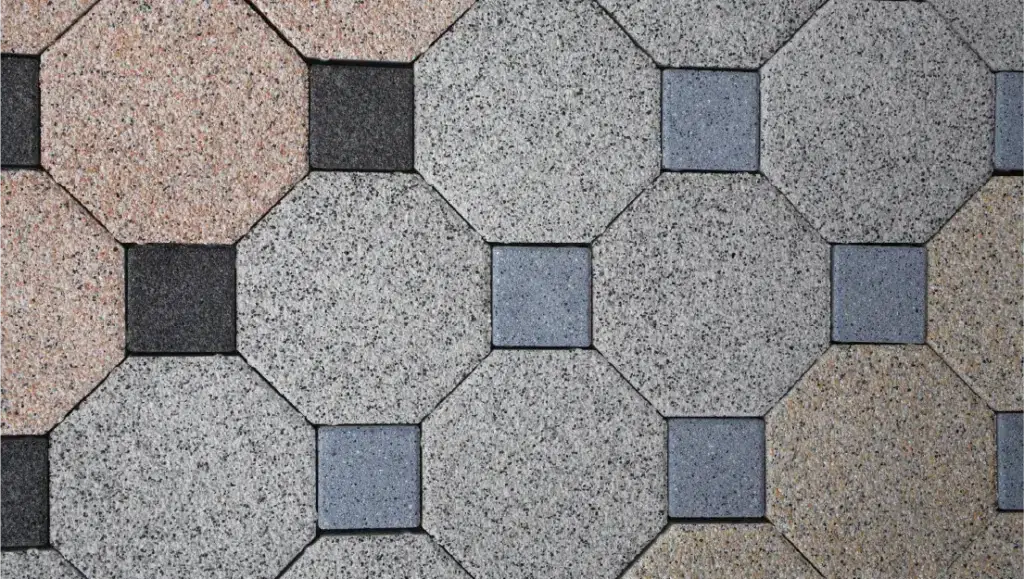
    Get the visual appeal of tiles with the strength and affordability of concrete. Explore a variety of shapes, colors, and sizes to match your design aesthetic. Opt for classic subway tiles for a timeless look, or go bold with modern hexagons for a touch of contemporary style.

    Basketweave Design:

    Add a touch of timeless elegance with a basketweave pattern. This classic design, with its interwoven stonework, is a perfect choice for patios, walkways, or pool decks, creating a sense of visual interest and texture.

    Checkerboard Pattern:

    Craftcrete Elluzions (1)

    Make a bold statement with a timeless checkerboard pattern. This playful design can add personality to any outdoor space. Use contrasting colors to create a dramatic focal point, or keep it subtle with a monochromatic palette for a more understated look.

    Random Stone: 

    Craftcrete Flowstone

    Achieve a natural, organic aesthetic with a random stone pattern that mimics the uneven layout of natural stones. This design is perfect for creating a relaxed and inviting atmosphere around your patio or walkway, blending seamlessly with your surrounding landscaping.

    Fan Stone: 

    Get a touch of elegance with a fan stone pattern, featuring stones radiating outwards from a central point. This design is perfect for creating a focal point on your patio or walkway, drawing the eye, and adding a touch of grandeur to your outdoor space.

    Transform Your Outdoor Spaces with Aparna RMC CraftCrete

    Aparna RMC‘s CraftCrete stamped concrete takes your vision and transforms it into a stunning and durable outdoor masterpiece. CraftCrete offers a wide selection of all the patterns we’ve discussed, and more, allowing you to bring your design dreams to life. Their high-quality materials and cutting-edge technology ensure a beautiful, long-lasting finish that will elevate your outdoor space for years to come.

    Aparna RMC’s CraftCrete isn’t just about aesthetics; it’s about creating a functional and inviting extension of your home. With its vast array of patterns, colors, and textures, CraftCrete allows you to craft an outdoor space that reflects your unique style and personality.

    Call us to discuss your vision and unlock the potential of your dream outdoor living area. Let our team of experts guide you in selecting the perfect pattern, color, and texture to bring your outdoor space to life!

    READ MORE : How Stamped Concrete Enhances Outdoor Spaces with Creative Patterns

  • Exploring Temperature-Controlled Concrete and Its Versatile Applications

    Exploring Temperature-Controlled Concrete and Its Versatile Applications

    Traditional concrete, when exposed to high temperatures, experiences rapid hydration, leading to a phenomenon known as the “heat of hydration.” This process generates excessive internal heat within the concrete, causing various problems such as thermal cracking, and delayed ettringite formation (DEF). 

    Here’s where Temperature-Controlled Concrete (Temperature Controlled Concrete) emerges as a game-changer. As the name suggests, Temperature Controlled Concrete is a specially formulated concrete designed to mitigate the negative effects of high temperatures during the curing process.

    How Does Temperature-Controlled Concrete Work?

    Temperature Controlled Concrete employs a multi-pronged approach to manage heat of hydration and ensure optimal concrete performance in hot weather conditions:

    Low Heat Cement: The formulation utilizes specially selected cements with a lower heat of hydration compared to standard Portland cement. This reduces the peak temperature reached during the setting process.

    Supplementary Cementitious Materials (SCMs): Temperature Controlled Concrete incorporates SCMs like fly ash or slag. These materials not only contribute to lower heat generation but also enhance the overall strength and durability of the concrete.

    Chemical Admixtures: Specific admixtures are included in the mix to control the setting time and rate of hydration. These admixtures allow for better control over the heat generation process. 

    Ice Flakes or Chilled Mixing Water: In extreme cases, incorporating ice flakes or chilled mixing water can further reduce the initial temperature of the concrete mix. 

    Benefits of Using Aparna RMC’s Temperature-Controlled Concrete:

    Minimized Thermal Cracking: By regulating the heat of hydration, Temperature Controlled Concrete significantly reduces the risk of thermal cracking, leading to a more robust and durable concrete structure.

    Enhanced Workability: The specialized blend ensures optimal workability even in high temperatures, allowing for efficient pouring and finishing of the concrete. This translates to faster construction times and reduced labor costs.

    Improved Durability: Temperature-controlled concrete promotes long-lasting concrete structures by minimizing internal cracks and enhancing resistance to water and chloride ingress. This translates to lower maintenance requirements over the lifespan of the building.

    Superior Strength Properties: Temperature Controlled Concrete offers various strength advantages:

    Higher Flexural Strength: Provides superior resistance to bending and deformation.

    High Impact Resistance: Can withstand strong forces without compromising structural integrity.

    High Tensile Strength: Offers exceptional resistance to pulling forces.

    Enhanced Work Efficiency: Consistent workability due to temperature control allows for faster construction timelines, leading to improved project completion rates.

    Resistance to Abrasion and Impact Loads: Ideal for high-traffic areas like floors and pavements, and structures exposed to wear and tear.

    Versatile Applications of Temperature-Controlled Concrete 

    While Temperature Controlled Concrete excels in mitigating the challenges of hot weather construction, its benefits extend far beyond the scorching summer months. Here’s a closer look at how Temperature Controlled Concrete proves to be a valuable asset in various applications:

    Hospital Constructions: Hospitals require specialized construction techniques to prioritize patient safety and optimal functionality. Building radiation walls presents a unique challenge, demanding precise concrete temperature and workability. Temperature Controlled Concrete rises to this challenge by allowing for meticulous control of the concrete’s internal temperature during the curing process. This precise temperature regulation is essential for ensuring the effectiveness of the radiation-shielding properties of the wall. Additionally, Temperature Controlled Concrete’s ability to minimize cracking risk safeguards the structural integrity of the wall, preventing potential leaks or compromises in radiation shielding. 

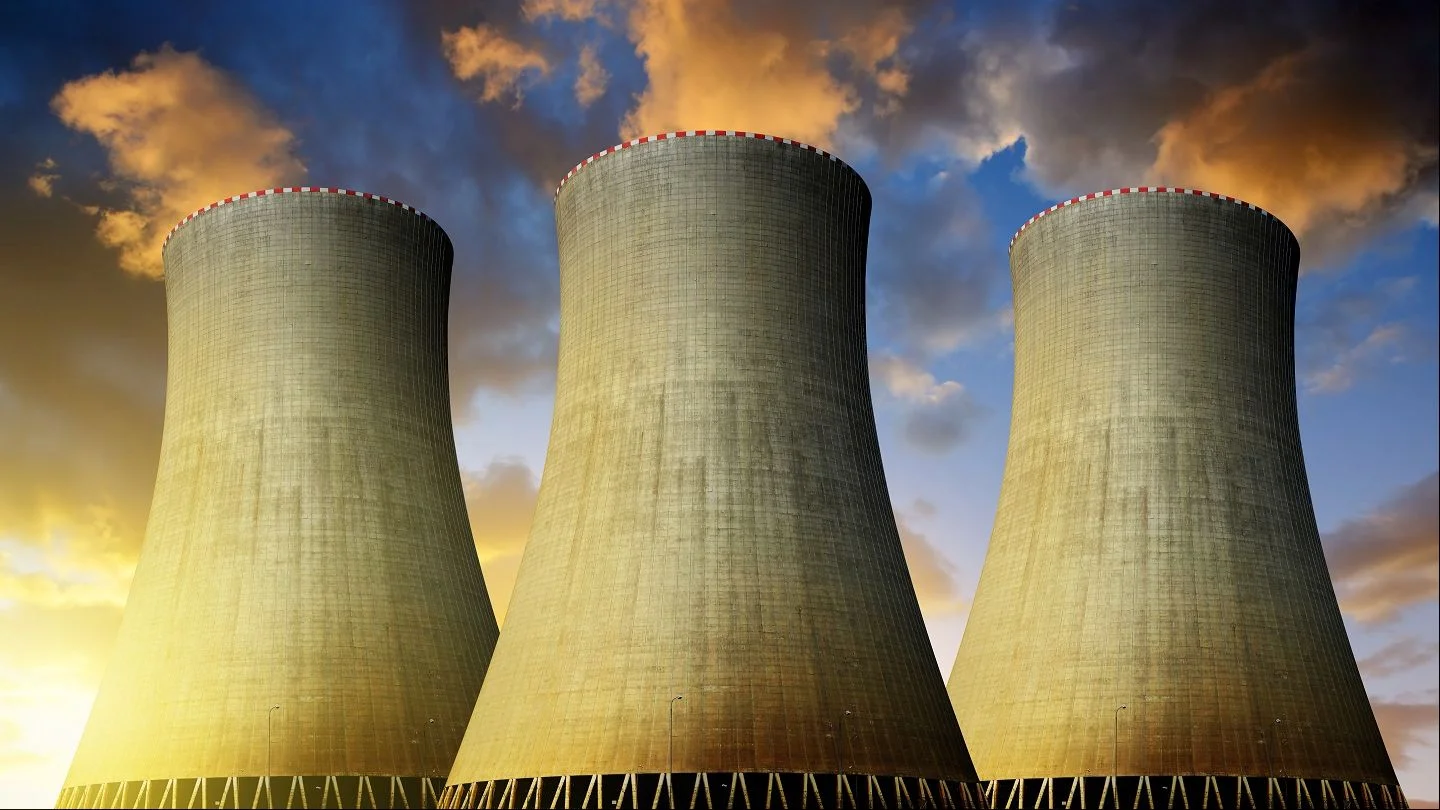
    Nuclear and Thermal Power Plant Constructions: In nuclear and thermal power plants, concrete faces a unique challenge: maintaining structural integrity under both operational and potential accident scenarios. To address this, temperature controlled concrete is employed. This specialized mix incorporates techniques like special ingredients and curing methods to manage heat generation during setting and ensure the concrete can withstand the moderate temperatures of normal operation. 

    Mass Concreting Applications (Raft Foundations): For massive concrete pours like raft foundations, traditional concrete suffers from internal heat buildup, leading to potentially disastrous thermal cracks. Temperature Controlled Concrete combats this by regulating heat of hydration, significantly reducing the risk of cracking. This translates to a more robust and stable base for the entire structure, ensuring long-term durability and minimizing future maintenance costs. Additionally, Temperature Controlled Concrete maintains optimal workability even in large volumes, allowing for efficient pouring and finishing, saving valuable time on the construction schedule.

    High-Rise Buildings: As high-rise buildings climb skyward, the sheer weight of concrete itself contributes to internal heat generation in lower sections. This unseen enemy can jeopardize structural stability if left unchecked. Temperature Controlled Concrete tackles this challenge head-on by regulating heat of hydration. This meticulous temperature control minimizes thermal cracking risks in crucial load-bearing elements, safeguarding the structural integrity of the entire building. Furthermore, controlled heat distribution throughout the concrete pour prevents uneven thermal expansion and contraction, ensuring overall structural stability. In some formulations, Temperature Controlled Concrete can even offer enhanced fire resistance, a vital consideration for high-rise structures where fire safety is paramount.

    Infrastructure Projects: Bridges, dams, and other critical infrastructure projects rely heavily on massive concrete structures that are constantly exposed to harsh environmental conditions. Here, even minor cracks can have disastrous consequences. Temperature Controlled Concrete emerges as the ideal choice for such applications due to its superior durability in demanding environments. By minimizing internal cracks, Temperature Controlled Concrete reduces the need for frequent repairs and maintenance, leading to significant cost savings over the project’s lifespan. This exceptional performance contributes to the overall longevity and reliability of bridges, dams, and other vital infrastructure projects, ensuring they serve their communities for generations to come.

    In conclusion, Temperature Controlled Concrete transcends the limitations of seasonal challenges, offering a versatile solution for diverse construction projects. Its ability to manage heat of hydration, enhance workability, and promote long-term durability makes it a valuable asset for building strong, dependable structures across various applications. 

    Choose TempCrete by Aparna RMC

    Aparna RMC‘s TempCrete goes beyond a typical temperature-controlled concrete solution. Their meticulous formula, combining low-heat cement, SCMs, optimized admixtures, and temperature control measures, ensures exceptional performance. TempCrete minimizes thermal cracking, maintains workability in hot weather, and offers superior strength properties.

  • Ensuring Durability: The Importance of Concrete Curing 

    Ensuring Durability: The Importance of Concrete Curing 

    Concrete, the backbone of modern construction, requires more than just a strong mix to achieve its full potential. Concrete curing, often overlooked, plays a critical role in unlocking its durability in construction.

    Curing facilitates the complete hydration reaction between cement and water. Think of uncured concrete as a pile of sand – curing acts as the binding agent, transforming it into a robust structure. This translates to optimal concrete strength development.

    Several concrete curing methods exist, including water curing, membrane curing, and curing compounds. Each method aims to maintain proper moisture and temperature within the concrete during its early stages.

    What is Curing?

    Curing is the process of keeping the concrete surface moist after it has been poured. This is crucial because concrete undergoes a chemical reaction called hydration, which releases heat and causes the concrete to lose moisture. If the concrete dries out too quickly, it won’t achieve its full strength and durability.  Proper curing helps control this moisture loss and allows the hydration process to happen fully, resulting in a stronger, more durable concrete structure.

    Why Prioritse Curing? 

    Inadequate curing leads to detrimental consequences:

    • Reduced Strength: Incomplete hydration results in lower-than-desired strength, jeopardizing structural integrity.
       
    • Cracking: Uneven moisture loss induces cracks, compromising aesthetics and potentially allowing water infiltration.
       
    • Increased Porosity: Poorly cured concrete becomes more porous, accelerating deterioration due to water damage.

    The RMC Curing Advantage

    While both ready-mix concrete (RMC) and site-mixed concrete require curing, RMC offers a distinct benefit:

    Consistent Quality: Aparna RMC, for example, utilizes high-quality, precisely measured ingredients that promote optimal hydration throughout the mix. 

    Expert Mix Design: Our team formulates Aparna RMC mixes specifically for proper curing in your project’s climate and application.

    Uniform Curing: RMC ensures a consistent mix throughout your project, leading to uniform concrete strength development and consistent curing across all elements.

    Methods of Curing 

    Several concrete curing methods exist, each with its advantages and suitability for different project conditions. Here’s a closer look at the most common methods:

    1. Water Curing: The Traditional and Effective Approach

    • Process: This time-tested method involves keeping the concrete surface saturated with water to prevent moisture loss during the crucial hydration process. Water curing is especially effective during hot and dry weather when evaporation rates are high.
    • Methods:
      • Sprinkling: Water is regularly sprayed on the concrete surface using a hose, bucket, or specialized misting equipment. The frequency of sprinkling depends on factors like weather conditions, wind speed, and concrete temperature. Generally, sprinkling is done several times a day for the curing period, ensuring the surface remains moist.
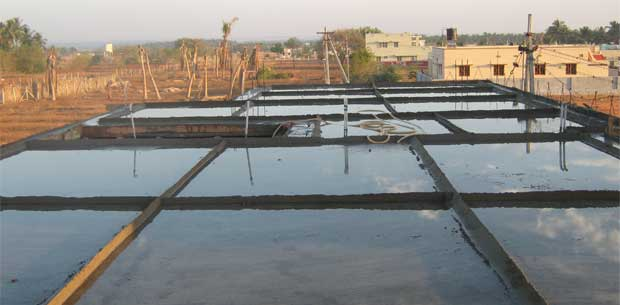
      • Ponding: This method involves creating a shallow pool of water (around 1-2 inches deep) on the concrete surface. This is often achieved by constructing a temporary dike around the perimeter of the concrete slab. Ponding is effective for large, flat surfaces and requires covering the water to minimize evaporation.

    2. Covering Methods: Retaining Moisture Through Material Barriers

    • Process: These methods involve covering the concrete surface with a material that retains moisture and slows down evaporation. Covering methods are a good alternative to water curing, especially in situations where consistent water application might be challenging.
    • Materials:
      • Wet Hessian Cloth (Burlap): A traditional and cost-effective method. The cloth is draped over the concrete surface and kept wet by regular watering. However, hessian cloth can dry out quickly, especially in hot weather, requiring frequent monitoring and wetting.
      • Polyethylene Sheets (HDPE): Durable plastic sheets that effectively prevent moisture loss. They are laid directly on the concrete surface and sealed at the edges to minimize air circulation. HDPE sheets can trap heat under certain conditions, so monitoring is still important to ensure optimal curing.

    3. Membrane Curing: A Single Application for Ongoing Protection

    • Process: This method involves applying a liquid chemical compound to the concrete surface that forms a thin, invisible film. This film acts as a barrier to reduce water evaporation from the concrete, simplifying the curing process compared to some water curing methods.
    • Benefits:
      • Easier to apply: Compared to some water curing methods, membrane curing can be applied more quickly and efficiently with a single application.
      • Damp surface application: Unlike water curing, membrane curing can be applied to damp concrete surfaces, offering more flexibility in the curing process.
      • Extended curing window: In hot weather conditions, membrane curing can help extend the effective curing window by reducing evaporation rates.

    By understanding these curing methods and their strengths, construction professionals can choose the most appropriate approach for their specific project requirements.

    Building with Confidence: Choose Aparna RMC

    At Aparna RMC, we understand the importance of a meticulous RMC curing process alongside high-quality materials. By choosing Aparna RMC, you benefit from:

    Superior Durability: Properly cured concrete guarantees the long-term strength and integrity of your structure. 

    Reduced Maintenance Costs: Durable, crack-resistant concrete translates to lower maintenance requirements over the years. 

    Peace of Mind: Knowing your concrete is cured with the utmost care allows you to focus on the bigger picture.

    Don’t underestimate the power of concrete curing. It’s the key process that unlocks the full potential of concrete, ensuring your project achieves exceptional durability in construction. For projects demanding exceptional quality and longevity, choose Aparna RMC – your partner in building excellence.