Aparna RMC

Author: aparna_rmc

  • Why Green Concrete is the Future of Eco-Friendly Construction

    Why Green Concrete is the Future of Eco-Friendly Construction

    In today’s world, sustainability is no longer optional—it’s imperative. The construction industry, often criticized for its environmental impact, is actively searching for greener alternatives. Among these innovations, green concrete emerges as a game-changer. Offering strength, durability, and a significantly reduced carbon footprint, green concrete is paving the way for eco-friendly construction practices.

    This blog explores the benefits, environmental impact, and future potential of green concrete while drawing connections to related sustainable construction practices

    What is Green Concrete?

    Green concrete, also known as eco-friendly concrete or environmentally friendly concrete, is manufactured using waste or recycled materials. These include industrial by-products like fly ash,silica fume,silicon dioxide, or slag, reducing the reliance on virgin resources. Unlike traditional concrete, which relies heavily on cement (a significant contributor to global CO₂ emissions), green concrete incorporates alternative materials that minimize its carbon footprint.

    In green concrete, all essential aggregates are replaced with industrial by-products. These supplementary cementitious materials, which would otherwise end up in landfills, make the green concrete its environmentally friendly label and improve mechanical properties.

    For instance:

    • Traditional Concrete: Cement, water, natural aggregates (e.g., sand, gravel).
    • Green Concrete: Cement is replaced partially by industrial by-products, aggregates are replaced by recycled materials, and admixtures that reduce water usage.

    The Environmental Impact of Green Concrete

    Concrete production is responsible for approximately 8% of global CO₂ emissions. Green concrete addresses this challenge by replacing carbon-intensive materials with sustainable alternatives.

    CO₂ Emissions Comparison:

    MaterialCO₂ Emissions per Ton
    Cement~0.83 tons
    Fly Ash, Recycled AggregatesNegligible

    Additionally, green concrete promotes a circular economy, utilizing waste that would otherwise end up in landfills. This process also reduces the extraction of natural resources, preserving biodiversity and mitigating habitat destruction.

    Check out our blog on Building a Sustainable Future: The Role of Ready-Mix Concrete in Green Construction to see how ready-mix concrete contributes to green construction goals.

    Key Benefits of Green Concrete

    Green concrete goes beyond environmental advantages. It offers practical and economic benefits, making it a superior choice for construction.

    CategoryDetails
    Environmental– Lowers CO₂ emissions by up to 30%.
    – Reduces landfill waste through the use of recycled materials.
    – Minimizes water usage with admixtures.
    Economic– Reduces long-term costs due to durability and low maintenance.
    – Supports circular economy principles.
    – Qualifies for green building certifications (e.g., LEED).
    Practical– High durability with better resistance to fire and corrosion.
    – Enhanced workability and faster setting time.

    Learn more about sustainable construction practices in our blog on Sustainable Construction With Ready-Mix Concrete.

    Applications of Green Concrete

    Green concrete is gaining traction across various construction domains.

    ApplicationKey FeaturesExamples
    Residential BuildingsEco-friendly living spaces.Homes, apartments, condominiums.
    Commercial ProjectsHigh-performance, sustainable materials.Office buildings, malls.
    InfrastructureDurable and cost-efficient materials.Bridges, highways, dams.
    Industrial ConstructionResistance to fire and chemical exposure.Factories, warehouses.

    The Future of Green Concrete

    As research and innovation continue, green concrete is expected to achieve greater efficiency, sustainability, and affordability. Key trends include:

    • Carbon Capture Technology: Integrating carbon-sequestering materials to further reduce emissions.
    • Smart Construction: Leveraging AI and IoT to optimize green concrete usage.
    • Global Adoption: Increasing government incentives for sustainable construction will drive its widespread adoption.

    With its potential to contribute to certifications like LEED (Leadership in Energy and Environmental Design), green concrete represents the future of environmentally responsible building.

    Green concrete is more than just a sustainable material—it’s a critical step towards a greener future in construction. By embracing green concrete, the industry can reduce its environmental impact, lower costs over the long term, and deliver structures that are not only strong but also planet-friendly.

    Together with ready-mix concrete, it’s clear that the construction industry has the tools to build a more sustainable tomorrow. Explore how these innovations are shaping the future in our related blogs:

    • Sustainable Construction With Ready-Mix Concrete
    • Building a Sustainable Future: The Role of Ready-Mix Concrete in Green Construction

    The path to a sustainable future is concrete—and it’s green.

    Choose AstraFlowCrete by Aparna RMC

    AstraGlowCrete by Aparna RMC  is more than just a product; it’s a testament to how green concrete can transform the construction industry. By reducing carbon emissions, enhancing durability, and promoting eco-friendly practices, AstraGlowCrete offers a sustainable, high-performance solution for modern construction.

    As we move toward a greener future, adopting green concrete solutions like AstraGlowCrete is not just an option—it’s a responsibility. Let’s build a sustainable tomorrow, one structure at a time.For inquiries or more information about AstraGlowCrete and its applications, feel free to reach out!
  • Top 10 Businesses Benefiting Concrete Flooring

    Top 10 Businesses Benefiting Concrete Flooring

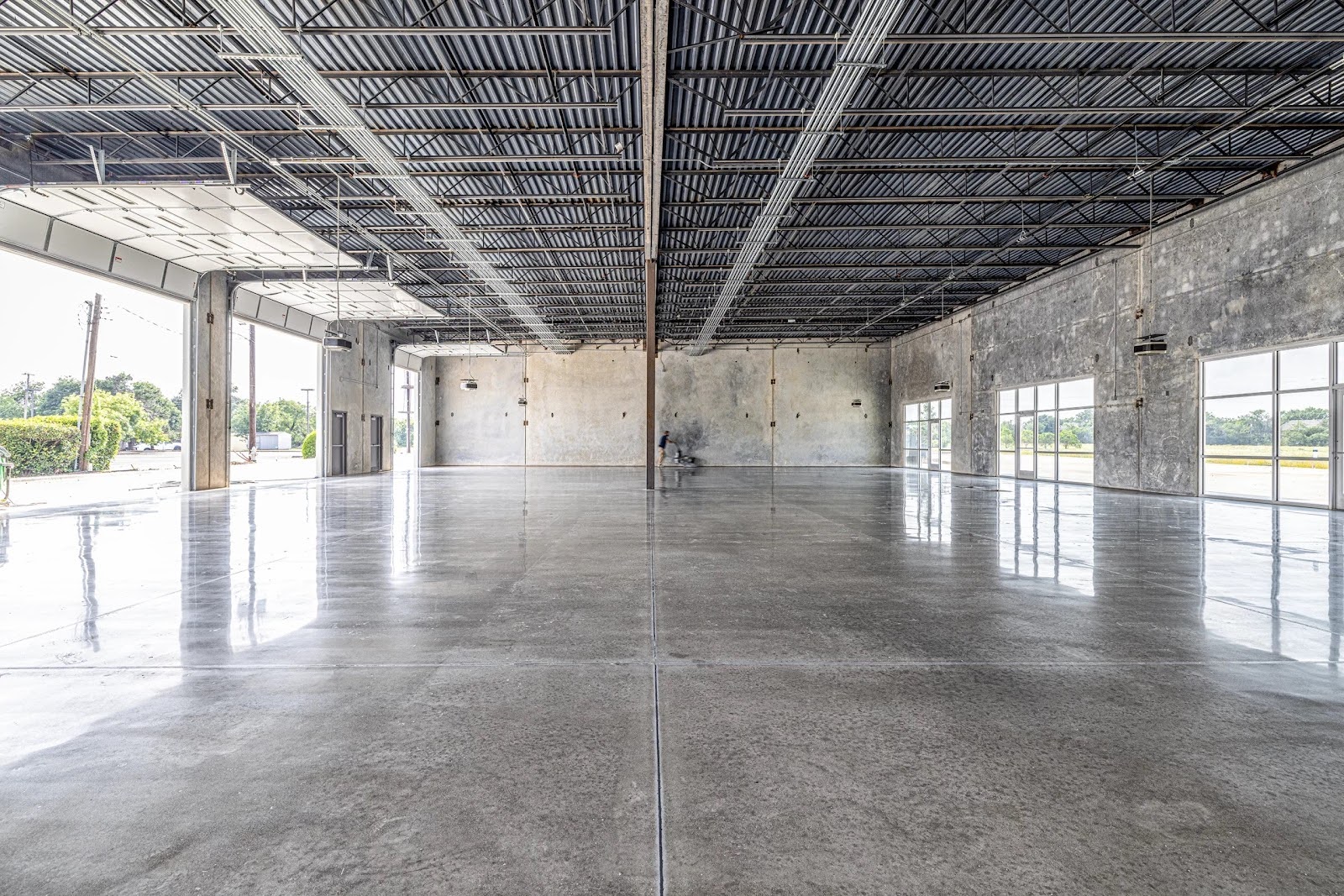
    Concrete flooring has become a popular choice across various industries, and for good reason. Known for its durability, versatility, and low maintenance,   concrete is more than just a flooring option—it’s a smart investment for businesses. Here, we highlight the top 11 types of businesses that benefit most from concrete flooring, showcasing why this material stands out as a superior choice.

    1. Restaurants

    Restaurants experience heavy foot traffic and constant movement of furniture like tables and chairs. Concrete is an excellent flooring solution because it resists scuffing and scratching, ensuring a long-lasting and durable surface. Its easy-to-clean nature makes it perfect for managing spills, while its slip-resistant finish helps keep employees and patrons safe. For the best flooring for restaurants, concrete is unmatched in both functionality and style.

    2. Manufacturing Units

    Manufacturing facilities require flooring that can withstand heavy machinery, chemical spills, and constant activity. Concrete provides exceptional durability and is resistant to wear and tear, making it the best flooring for manufacturing units. Its low-maintenance nature and ability to support heavy loads ensure a long-lasting solution. Additionally, concrete floors can be treated with coatings for added safety and chemical resistance.

    3. Commercial Gyms

    Durable and hygienic, concrete is ideal for gyms where heavy equipment and constant movement are common. The flooring’s ease of maintenance ensures cleanliness, while slip-resistant options keep gym-goers safe. Adding mats or softer surfaces is easy for specific workout areas. It’s no wonder concrete is the best flooring for commercial gyms.

    4. Veterinary Clinics

    Animal-friendly and durable, concrete is perfect for veterinary clinics. It resists scuffs from paws, claws, and hooves and is easy to clean, making it a hygienic choice for handling accidents. A slip-resistant finish ensures safety for clients and their pets. When considering the best flooring for veterinary clinics, concrete stands out.

    5. Grocery Stores and Gas Stations

    Covering large areas efficiently, concrete flooring is stain-resistant and durable—essential for grocery stores and gas stations. It stands up to heavy traffic and spills, while its low-maintenance nature simplifies cleaning for employees. Safety is enhanced through slip-resistant finishes. As the best flooring for grocery stores and gas stations, concrete delivers both practicality and longevity.

    6. Schools

    With constant movement from students, chairs, and desks, schools benefit greatly from concrete flooring. It’s durable enough for classrooms, hallways, and common areas. Customization options, like incorporating school colors and mascots, add a personalized touch that enhances school spirit. For the best flooring for schools, concrete checks all the boxes.

    7. Stadiums

    Stadiums require robust flooring to withstand heavy crowds and concession spills. Concrete delivers on durability while allowing for unique customizations, such as team colors and logos. Its easy maintenance ensures a clean and professional appearance for every event. This makes it the best flooring for stadiums.

    8. Aviation

    The aviation industry demands flooring that can support the weight of airplanes and equipment. Concrete meets these needs with its strength and durability. Its smooth surface allows for clear safety markings, while its resistance to stains simplifies the cleanup of fluid leaks. Concrete is undoubtedly the best flooring for aviation facilities.

    9. Warehouses

    Warehouses house heavy equipment, vehicles, and machinery, making concrete an obvious choice. Its unmatched durability prevents damage, and it’s easy to clean, even in high-traffic areas. Safety zones can be outlined directly on the surface to improve workflow efficiency and safety. This makes concrete the best flooring for warehouses.

    10. Food Processing Facilities

    Meeting high sanitary standards is crucial in food processing facilities. Concrete provides a seamless and easy-to-clean surface that resists spills and stains. It can withstand the weight of heavy equipment, making it a functional and safe choice for this industry. For the best flooring for food processing facilities, concrete is an optimal solution.

    Businesses across industries are discovering the benefits of concrete flooring. Its combination of durability, cost-effectiveness, and aesthetic appeal makes it a standout choice for modern spaces. Whether you’re running a restaurant, retail store, or aviation hangar,   concrete provides a long-lasting and versatile flooring solution that enhances your business’s functionality and visual appeal.

  • How To Use Stamped Concrete Borders On Driveways And Patios

    How To Use Stamped Concrete Borders On Driveways And Patios

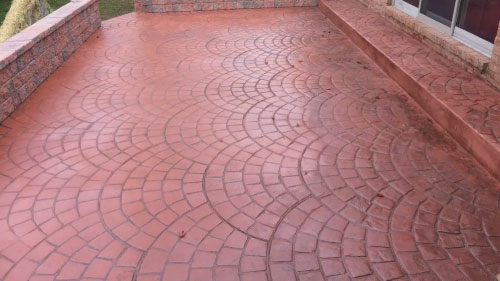
    Stamped concrete is a creative solution that combines durability with aesthetic appeal, making it a perfect choice for enhancing the borders of driveways and patios. Offering a cost-effective alternative to natural stone or brick, stamped concrete allows you to achieve intricate patterns and textures that elevate your outdoor spaces. In this blog, we’ll explore the benefits of stamped concrete, tips for using it effectively, and how Stamped Concrete can transform your driveway and patio borders into a design masterpiece.

    Why Choose Stamped Concrete for Borders?

    Stamped concrete offers several advantages, particularly for borders:

    1. Design Versatility: With a wide range of patterns and colors available, stamped concrete can mimic natural materials like stone, brick, or wood. This allows homeowners to create cohesive designs that complement their overall landscaping.
    2. Durability: Driveway and patio borders experience heavy foot traffic and exposure to the elements. Stamped concrete is long-lasting, resistant to cracking, and requires minimal maintenance compared to other materials.
    3. Seamless Integration: It can be designed to seamlessly blend with your driveway or patio, creating a polished and cohesive appearance.

    Creative Ideas for Stamped Concrete Borders

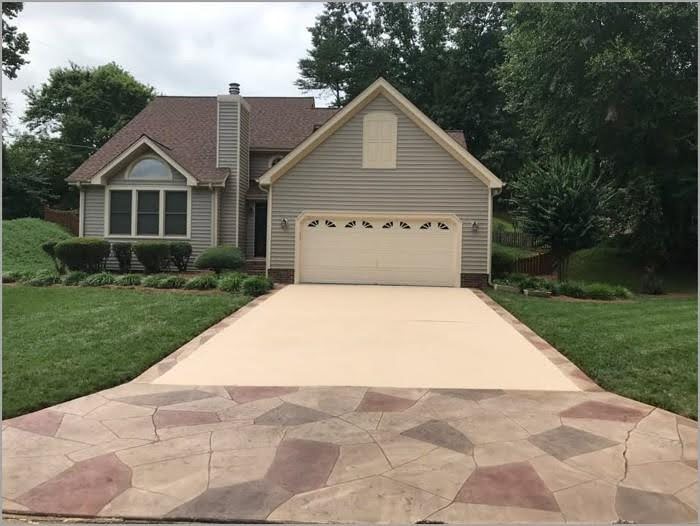
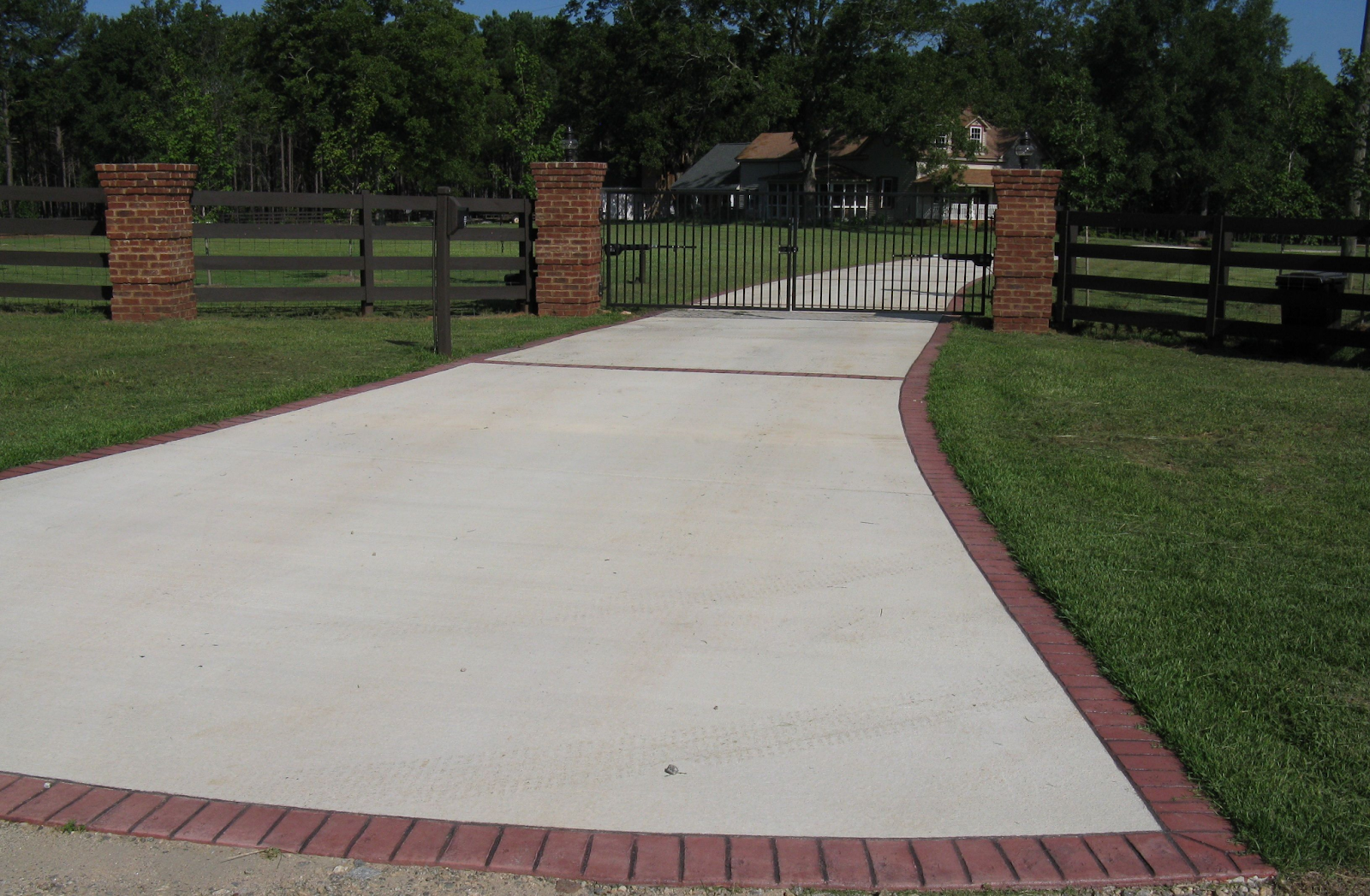
    1. Mimic Natural Stone: Use stamped concrete to recreate the look of cobblestones or flagstones along the borders of your driveway or patio. Pair this with neutral tones for a classic, timeless look.
    2. Geometric Patterns: Choose bold, geometric designs for a modern and minimalist vibe. Stamped concrete offers precision and clean lines that elevate contemporary spaces.
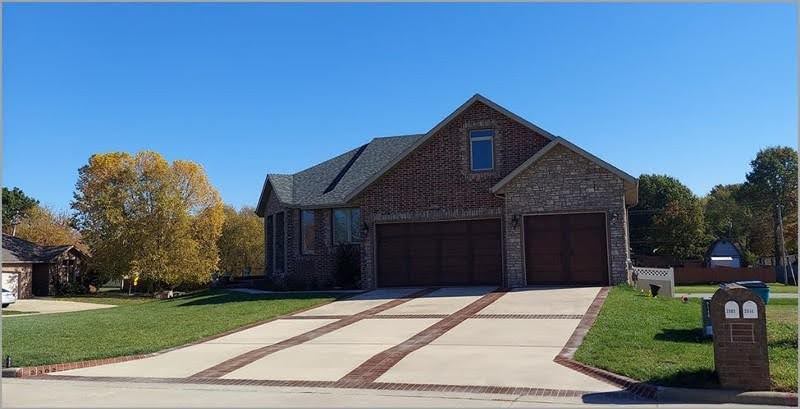
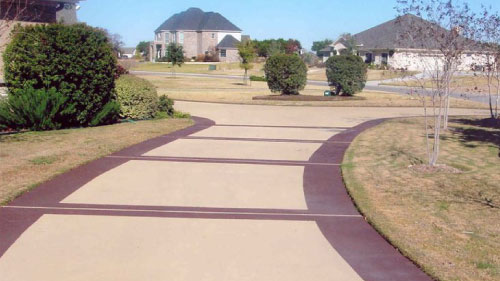
    3. Contrasting Colors: Use a darker or lighter shade of stamped concrete than the main surface to create striking contrasts that define the borders beautifully.
    4. Textured Finishes: Incorporate textures like woodgrain or slate to add character to your driveway and patio borders.

    Practical Enhancements with Stamped Concrete

    1. Control Costs with Distinctive Borders: For large areas, it’s not uncommon to opt for less expensive decorative concrete finishes. By using stamped concrete borders, you can enjoy the look of real stone enhancements without the expense of stamping the whole area. For example, a driveway can be revitalized with the color concrete system and side borders, while the driveway apron can be resurfaced and stamped with a flagstone design custom colored to coordinate with the home’s exterior.

    2. Create Interest with Multiple Textures: Stamped concrete borders can bring additional texture, color, and pizzazz to driveways and patios. For instance, patios and walkways can be resurfaced with river rock overlay framed and enhanced with a contrasting textured and stained border.

    3. Embellish Wide-Open Spaces: Both patios and driveways can be expansive. Stamped concrete borders can break up large areas with texture and color, creating a more cohesive appearance with the house.

    4. Achieve High-End Designer Looks: Stamped faux stone designs are popular for patio and driveway makeovers. Contrasting borders highlight the texture with two colors side by side. This not only makes the stone textures pop but also ensures a seamless, continuous sealed surface that will not chip, crack, fade, or peel.

    How to Install Stamped Concrete Borders

    1. Preparation: Begin by preparing the surface, ensuring a clean, level area around the borders.
    2. Choose the Right Design: Select a pattern and color that complements the existing driveway or patio surface. Craft
    3. Crete Stamped Concrete by Aparna RMC offers a wide range of options to suit any design aesthetic.
    4. Pour and Stamp: Once the concrete is poured, apply stamping tools before the material sets. The experts at Aparna RMC ensure precision in every step of the process.
    5. Curing and Sealing: Allow the stamped concrete to cure and finish with a sealant to protect against stains and enhance durability.

    Why Choose CraftCrete Stamped Concrete by Aparna RMC?

    CraftCrete Stamped Concrete by Aparna RMC is a premium solution designed to combine quality, aesthetics, and functionality. Here’s what makes it stand out:

    • Superior Durability: Engineered to withstand harsh weather conditions and heavy loads.
    • Wide Range of Designs: From classic to contemporary patterns, CraftCrete offers endless possibilities.
    • Sustainable and Reliable: Crafted with eco-friendly materials and backed by Aparna RMC’s trusted expertise.
    • Customizable Solutions: Tailored to meet your specific needs, whether for driveway borders, patio edges, or larger projects.

    Maintenance Tips for Stamped Concrete Borders

    1. Regular Cleaning: Sweep and wash the borders to prevent dirt buildup.
    2. Re-Sealing: Apply a sealant every few years to preserve color and texture.
    3. Avoid Harsh Chemicals: Use gentle, pH-neutral cleaning agents to protect the surface.

    Stamped concrete is a stylish, practical, and affordable way to enhance the borders of driveways and patios. With its unmatched versatility and durability, it’s an investment that adds lasting value to your outdoor spaces. For a truly exceptional finish, choose CraftCrete Stamped Concrete by Aparna RMC — a trusted name in innovative concrete solutions.

    Transform your driveways and patios into stunning works of art with stamped concrete that combines beauty and strength seamlessly. Contact Aparna RMC today to explore the possibilities!

    10 Creative Stamped Concrete Patterns to Breathe Life into Your Outdoor Space

  • How Colored Concrete Can Make Your Projects Look Better

    How Colored Concrete Can Make Your Projects Look Better

    When it comes to elevating the aesthetics of construction, colored concrete is a standout choice. Gone are the days of dull gray slabs; colored concrete has revolutionized design for architects, builders, and homeowners alike. At Aparna RMC, we offer top-quality colored concrete solutions to help you bring your creative visions to life. Whether you’re working on a residential driveway, commercial flooring, or artistic concrete features, colored concrete offers unmatched versatility, durability, and aesthetic appeal.

    What Is Colored Concrete?

    Colored concrete is created by adding pigments to the mix, resulting in a wide range of colors and textures. These pigments can come in various forms, including powdered colorants, liquid dyes, or integral color mixes, allowing for limitless design possibilities and enabling the creation of eye-catching surfaces that complement your project’s aesthetic. 

    Benefits of Colored Concrete

    1. Enhanced Aesthetics 

    Colored concrete provides a vast range of design options. From earthy tones mimicking natural stone to bold, vibrant hues, it allows for breaking away from traditional gray. Matching your project’s color scheme, whether subtle or dramatic, makes colored concrete an attractive option for both modern and classic designs.

    2. Design Flexibility

     Beyond solid colors, colored concrete can be textured, stamped, or polished to replicate the look of materials like slate, granite, or cobblestone. Whether aiming for an industrial aesthetic in a commercial space or a cozy patio in a residential setting, colored concrete’s design flexibility makes achieving your vision easy.

    3. Durability and Low Maintenance 

    Colored concrete not only enhances beauty but is also highly durable, withstanding harsh weather, heavy foot traffic, and daily wear and tear. Proper sealing ensures resistance to fading, chipping, and staining, making it a low-maintenance option for high-traffic areas like driveways and commercial floors.

    4. Increased Property Value 

     Incorporating colored concrete can potentially increase a property’s market value. High-quality, aesthetically pleasing concrete surfaces make a property stand out, enhancing its appeal to prospective buyers or tenants, offering a return both in functionality and financial value.

    5. Cost-Effective Solution

     While the initial cost of colored concrete may be higher, its long-term benefits, such as low maintenance and durability, make it cost-effective. Minimal upkeep ensures your investment in colored concrete lasts for many years without frequent repairs or replacements.
     

    Applications of Colored Concrete

    1. Driveways and Walkways

     Transform your outdoor spaces with a colored concrete driveway or walkway. Select colors that harmonize or contrast with your landscaping and architecture to create a striking first impression. Earthy tones for a natural feel or bold colors to make a statement are popular choices.

    2. Patios and Outdoor Spaces 

    Enhance your backyard with a beautiful, functional patio or pool deck made from colored concrete. Whether you prefer a sleek modern look or a rustic aesthetic, colored concrete can be tailored to your specific tastes, improving the overall ambiance of your outdoor space.

    3. Commercial Flooring 

    For businesses aiming to make a memorable impression, colored concrete offers a unique flooring solution. In retail stores, office buildings, or restaurants, custom-colored concrete floors add sophistication while being durable enough to handle high foot traffic.

    4. Artistic and Decorative Elements

     Colored concrete is ideal for creating custom designs and decorative elements. It can be used for intricate logos, patterns, or even decorative countertops, making it a versatile medium for artistic projects.
     

    How to Choose the Right Color for Your Project

    • Consider the Environment: Choose colors that complement the natural surroundings and architectural elements of your property. Earthy tones work well with landscapes, while brighter hues can add contrast to urban settings. 
    • Test Samples: Request color samples to see how they appear in different lighting conditions, ensuring you select a color that looks great in real-world scenarios.
    • Think Long-Term: Opt for timeless colors that will look good for years to come, even as trends evolve.

    Choose Aparna RMC for Quality Colored Concrete Solutions

    At Aparna RMC, we are committed to helping you realize the full potential of your projects with our top-notch AsthetiCrete colored concrete solutions. From residential driveways to large-scale commercial installations, our expertise ensures that your vision becomes a reality. We work closely with you throughout the design and installation process to guarantee a seamless and stunning result. 

    Colored concrete offers a perfect blend of aesthetic appeal, durability, and versatility, making it an ideal choice for various construction projects. Whether you’re looking to transform your home’s outdoor spaces, create a striking commercial space, or experiment with artistic concrete features, colored concrete can take your project to the next level. Ready to transform your next project with colored concrete? Contact us today!

  • Cement Industry From Carbon-Intensive to Carbon-Neutral

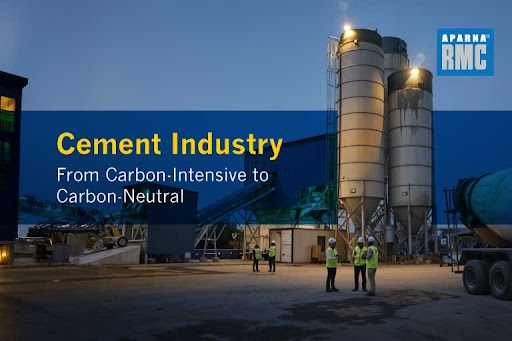
    Cement Industry From Carbon-Intensive to Carbon-Neutral

    The Cement Industry is embarking on a Net Zero pathway, aiming for a 25% reduction in CO2 emissions by 2030 and a full decarbonization by 2050, driven by technological innovations, use of alternative raw materials, and circular economy principles.

    As the world steps up its efforts to combat climate change, industries contributing significantly to global greenhouse gas (GHG) emissions, like cement, face immense pressure to transition toward sustainability. Responsible for about 8% of global CO2 emissions, the cement industry is at the forefront of this transformation. While cement production remains essential for modern infrastructure, the challenge now is to find greener ways of producing it. As a response, the sector is embarking on a Net Zero pathway, aiming for a 25% reduction in CO2 emissions by 2030 and a full decarbonization by 2050, driven by technological innovations, use of alternative raw materials, and circular economy principles. This path is reshaping the cement industry, making it more sustainable while continuing to meet global infrastructure demands.

    One of the most effective strategies has been the adoption of alternative raw materials. Traditionally, cement production relies heavily on limestone, contributing significantly to emissions. However, by integrating clinker substitutes such as fly ash, Ground Granulated Blast Furnace Slag (GGBFS), and calcined clay, the industry has reduced its CO2 footprint. These materials, sourced from industrial waste like coal power plants and steel production, fit within the framework of the circular economy. Not only do they help minimize new resource consumption, but they also reduce the overall environmental impact of cement manufacturing.

    This shift toward alternative materials is particularly visible in the ready-mix concrete (RMC) sector. Here, eco-friendly materials like fly ash and GGBFS are increasingly being adopted, ensuring that these solutions align with the industry’s sustainability objectives without compromising on performance. Through these innovations, companies are leading the charge toward a greener future while maintaining high-quality standards.

    Energy consumption has long been a significant challenge for the cement industry, with production being highly energy-intensive. Traditionally reliant on fossil fuels such as coal, the industry is now rapidly transitioning to renewable energy sources like solar and wind. Additionally, alternative fuels such as biomass, municipal waste, and used tires are gaining traction, further reducing dependence on fossil fuels and lowering overall emissions. Within the broader concrete production sector, similar strides are being made to incorporate renewable energy into operations. These changes highlight the cement industry’s ongoing efforts to reduce its environmental impact while maintaining operational efficiency.

    Energy optimization is another critical area of focus. Technologies such as waste heat recovery systems, which convert excess heat from the production process into electricity, have proven highly effective. Moreover, the adoption of pre-calciners and pre-heaters has drastically improved the thermal efficiency of clinker production, cutting down on energy consumption during the most energy-intensive phase of cement manufacturing. These technological innovations are driving significant improvements in energy efficiency, not just in cement production but across the construction materials industry as a whole.

    The transport of cement and related materials also accounts for a significant share of industry emissions. Diesel powered trucks are still widely used, but the shift toward greener options, such as rail and waterway transportation, is gaining momentum. Some manufacturers are also investing in more eco-friendly vehicle fleets powered by compressed natural gas (CNG) and electric engines, further reducing emissions within the supply chain.

    Water conservation is emerging as another important focus area for the cement sector. Cement production has traditionally been a water intensive process, but with growing concerns around water scarcity, manufacturers are adopting technologies like rainwater harvesting, air-cooled condensers, and water recycling systems to reduce usage and promote sustainability across their operations.

    Another area showing promise is digitalization. Through advanced data analytics and automation, manufacturers can monitor real-time data on energy usage, emissions, and resource consumption. This allows for quick, efficient adjustments to production processes, optimizing efficiency and minimizing waste.

    The construction sector, particularly readymix concrete, plays a critical role in supporting the cement industry’s sustainability efforts. By integrating advanced technologies and adopting green strategies, these companies contribute to the overall industry’s Net Zero ambitions and a sustainable future. While the road to reducing cement industry emissions presents numerous challenges, the opportunities for innovation and collaboration are immense. With ongoing technological advancements, policy support, and a commitment from across the sector, the cement industry is well-positioned to lead the journey toward a Net Zero future.

  • Temperature Control Concrete: Managing Thermal Stress in Large Structures

    Temperature Control Concrete: Managing Thermal Stress in Large Structures

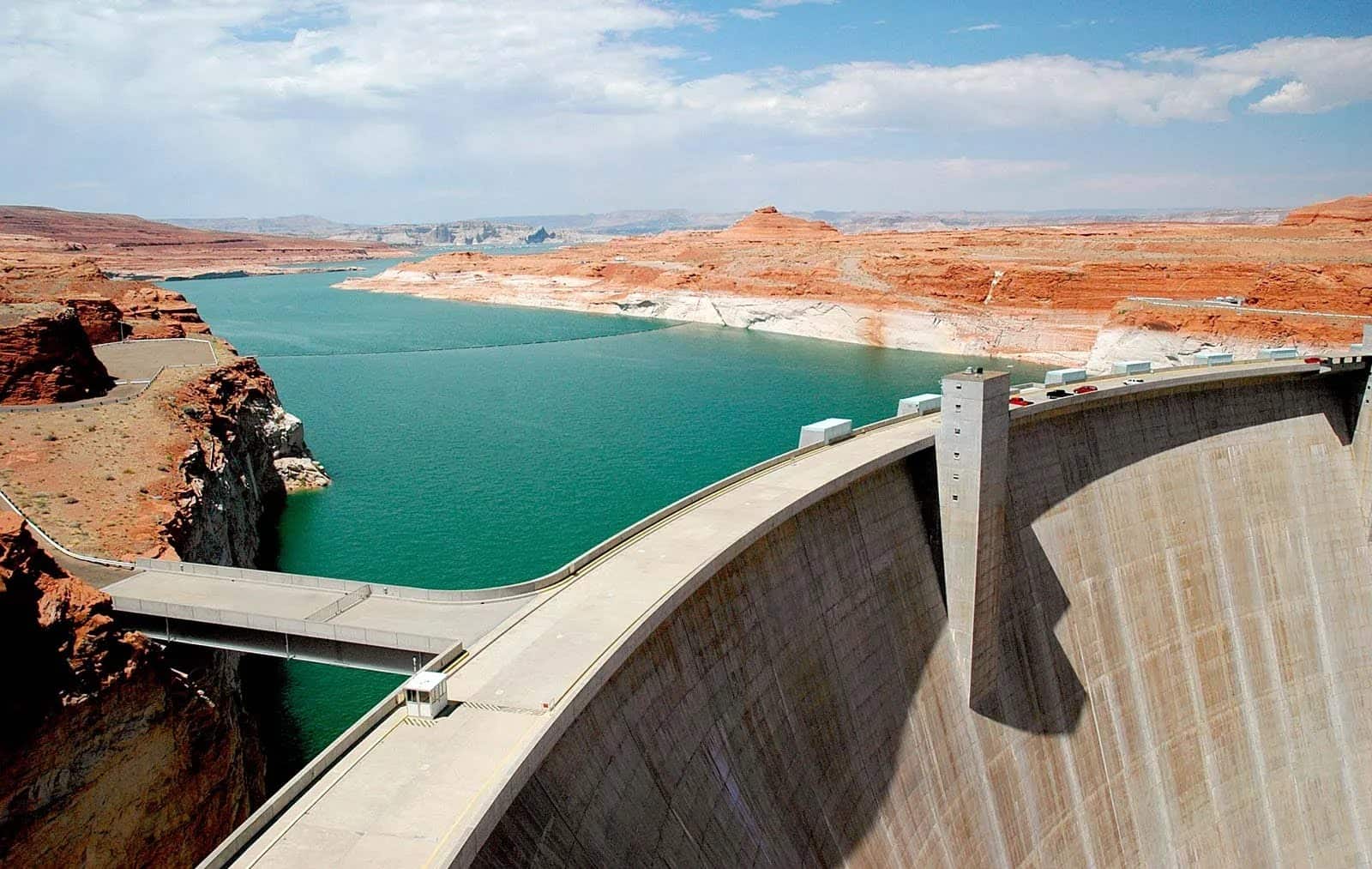
    When constructing large structures such as dams, bridges, or high-rise buildings, managing thermal stress becomes crucial. One of the most effective methods to address this challenge is through temperature control concrete. This specialized approach minimizes the risk of cracking and structural instability caused by temperature fluctuations during concrete curing.

    In this article, we will delve into the importance of temperature control concrete, its benefits, and practical strategies for managing thermal stress in large-scale construction projects.

    I. Understanding Thermal Stress in Concrete

    Concrete generates heat during the curing process due to a chemical reaction called hydration. In large concrete pours, the core temperature may rise significantly higher than the outer surface. This temperature difference causes internal thermal stress, which can result in cracking, reducing the durability and strength of the structure.

    II. The Role of Temperature Control in Large Structures

    In massive concrete pours, the stakes are high. Cracking not only compromises the structural integrity but can also lead to costly repairs and long-term maintenance issues. Temperature control concrete is designed to regulate heat generation and dissipate excess heat, ensuring a uniform temperature throughout the structure.

    III. Key Benefits:

    • Enhanced Structural Integrity: Prevents cracking caused by thermal stress, extending the lifespan of the structure.
    • Improved Aesthetic Quality: Reduces surface imperfections such as shrinkage cracks.
    • Cost Savings: Minimizes repair needs, delays, and material wastage.

    IV. Techniques for Temperature Control in Concrete

    Various strategies and technologies can help manage thermal stress in concrete pours. Here are some widely used methods:

    1. Pre-Cooling

    • Why It Works: Lowering the temperature of raw materials such as water, aggregates, and cement before mixing reduces the initial heat generated during hydration.
    • How It’s Done: Chilled water or ice is used during the mixing process, and aggregates may be cooled using liquid nitrogen.

    2. Post-Cooling

    • Why It Works: Internal cooling pipes are embedded within the concrete structure to circulate chilled water, dissipating excess heat from the core outward.
    • How It’s Done: Cooling systems remain operational until the concrete reaches a safe and stable temperature.

    3. Surface Insulation

    • Why It Works: Protecting the outer surface of the structure minimizes rapid cooling or heating due to environmental factors.
    • How It’s Done: Insulating blankets or curing compounds are applied to regulate temperature differences between the surface and the core.

    4. Using Low-Heat Cement

    • Why It Works: Low-heat cement releases heat more gradually during the hydration process, reducing the risk of thermal stress.
    • How It’s Done: Selecting specific cement blends tailored to large pours ensures a controlled curing process.

    5. Optimizing Mix Design

    • Why It Works: Adjusting the proportions of cementitious materials, water, and aggregates can influence the heat generated during hydration.
    • How It’s Done: Using supplementary cementitious materials (SCMs) like fly ash or slag decreases the heat of hydration.

    V. Best Practices for Effective Implementation

    • Thermal Monitoring: Use temperature sensors to track core and surface temperatures in real-time.
    • Gradual Cooling: Avoid rapid cooling to prevent thermal shock.
    • Collaborative Planning: Engage structural engineers, concrete suppliers, and contractors early in the design phase to optimize temperature control measures.

    VI. Introducing TempCrete by Aparna RMC

    To address the challenges of temperature management in extreme conditions, Aparna RMC developed TempCrete, a specialized concrete designed to withstand temperature fluctuations. This innovative solution ensures optimal performance and durability, even in the most demanding environments.

    Conclusion

    Managing thermal stress in large structures is vital for ensuring long-term durability and performance. Temperature control concrete offers an effective solution by minimizing the risks associated with thermal cracking. By adopting techniques such as pre-cooling, post-cooling, and optimized mix designs, construction professionals can confidently tackle the challenges of large-scale concrete pours.

    Implementing temperature control measures not only safeguards the structural integrity of a project but also contributes to cost efficiency and sustainability. As construction technologies continue to evolve, temperature control concrete will remain a cornerstone of modern engineering excellence.

  • Glass Fiber Reinforced Concrete: A Perfect Blend of Aesthetics and Strength

    Glass Fiber Reinforced Concrete: A Perfect Blend of Aesthetics and Strength

    Glass Fiber Reinforced Concrete (GFRC) is gaining popularity in architecture, construction, and interior design for its strength, durability, and versatility. It’s a composite material that blends cement with glass fibers, offering a lightweight yet highly durable alternative to traditional concrete. This article will explore what Glass Fiber Reinforced Concrete (GFRC) is, its unique benefits, various applications, and why it’s becoming a preferred choice for construction professionals seeking a balance of aesthetics and strength. 

    What is Glass Fiber Reinforced Concrete (GFRC)?

    Glass Fiber Reinforced Concrete (GFRC) is a composite material made by combining cement, fine aggregates, water, polymers, and alkali-resistant glass fibers. Unlike traditional concrete, Glass Fiber Reinforced Concrete (GFRC) incorporates glass fibers that act as reinforcement, significantly increasing the material’s tensile strength. These glass fibers prevent cracking and enhance overall flexibility, making Glass Fiber Reinforced Concrete (GFRC) an ideal choice for both functional and decorative construction elements.

    • Composition: Cement, sand, glass fibers, polymers, and water.
    • Primary Purpose: Reinforcement and enhanced flexibility in concrete applications.
    • Notable Advantage: Glass Fiber Reinforced Concrete (GFRC)’s lightweight nature, making it ideal for large panels without the need for heavy steel reinforcement. 

    Key Benefits of Glass Fiber Reinforced Concrete (GFRC)

    1. Exceptional Strength and Durability: Glass Fiber Reinforced Concrete (GFRC) offers a high level of strength due to the reinforcement provided by glass fibers. Unlike traditional concrete, which can crack and wear down over time, Glass Fiber Reinforced Concrete (GFRC) is much more resilient to both physical and environmental stresses.
    2. Lightweight Yet Sturdy: With glass fibers as reinforcement, Glass Fiber Reinforced Concrete (GFRC) is lightweight, reducing the need for heavy structural support and making it easier to transport and install. This feature is especially valuable for architectural panels, cladding, and other applications where weight is a significant concern.
    3. Versatile Design Options: Glass Fiber Reinforced Concrete (GFRC) flexibility allows it to be cast into complex shapes and fine details, making it a favorite in architectural and decorative applications. Its smooth finish also allows for easier painting and staining, enabling a wide range of aesthetic customizations.
    4. Eco-Friendly and Sustainable: As a material, Glass Fiber Reinforced Concrete (GFRC) is energy-efficient, requiring less cement than traditional concrete. It is highly recyclable and, when used as cladding, can improve building insulation, which leads to reduced energy consumption over time.
    5. Resistance to Weathering and Fire: Glass Fiber Reinforced Concrete (GFRC) resists corrosion, UV rays, and fire, making it ideal for both indoor and outdoor applications. It does not degrade when exposed to moisture or changes in temperature, further contributing to its long-term durability. 

    Applications of Glass Fiber Reinforced Concrete (GFRC) in Modern Construction

    Glass Fiber Reinforced Concrete (GFRC)’s unique properties make it highly adaptable to a wide range of applications in construction, including both structural and decorative uses.

    1. Architectural Panels and Facades
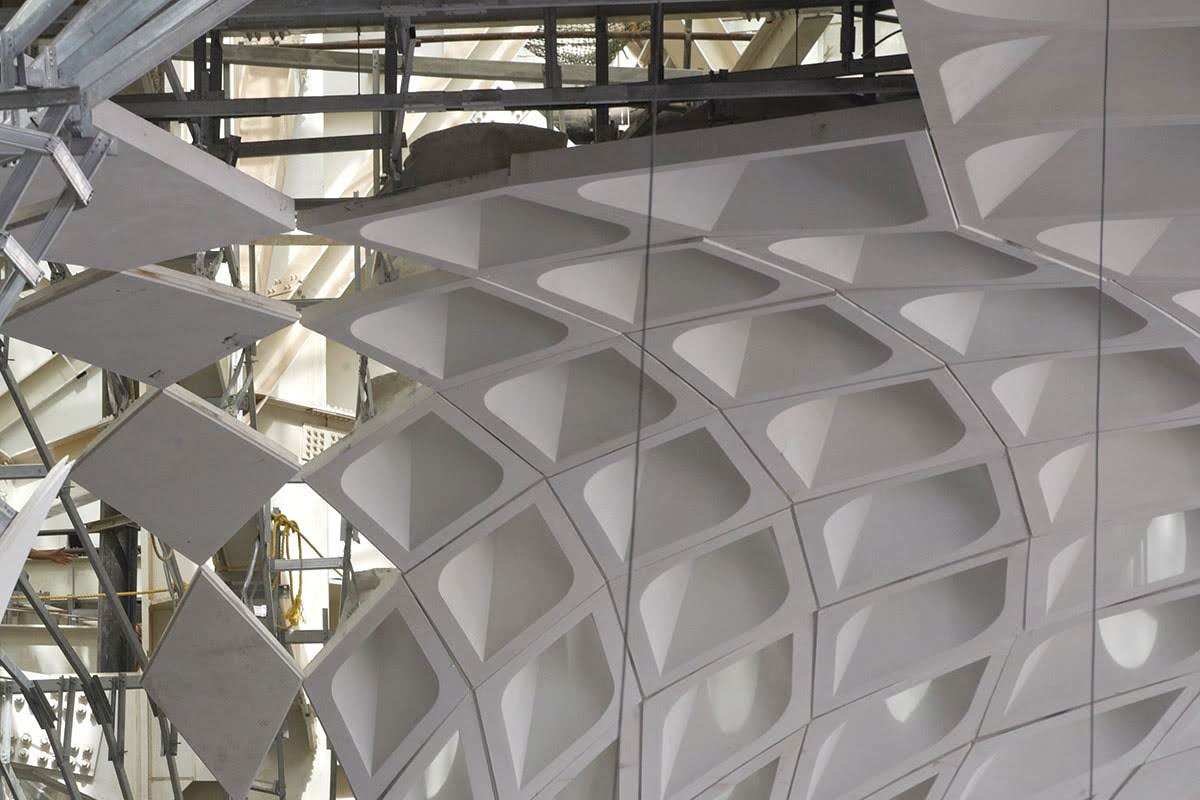
      • Glass Fiber Reinforced Concrete (GFRC) panels are commonly used as decorative cladding for building exteriors. Their lightweight nature reduces stress on building frameworks, while their durability ensures a long lifespan with minimal maintenance.
      • Example: Glass Fiber Reinforced Concrete (GFRC) can be used for intricate facades, allowing architects to achieve elaborate designs that would be difficult or costly with traditional concrete.
    2. Interior Design Elements
      • Glass Fiber Reinforced Concrete (GFRC) is also utilized in interior design for items such as countertops, furniture, fireplace surrounds, and accent walls. Its flexibility in shape and texture allows designers to craft unique, custom-made elements that add a modern, industrial aesthetic to interiors.
    3. Sculptural and Decorative Structures
      • Glass Fiber Reinforced Concrete (GFRC) is ideal for creating sculptures, moldings, and other decorative elements due to its ability to take on intricate shapes. Designers and artists use it for ornamental statues, fountains, and even decorative columns, adding personality to public spaces, gardens, and buildings.
    4. Infrastructure Components
      • The durability and lightweight properties of Glass Fiber Reinforced Concrete (GFRC) make it a strong candidate for infrastructure projects, such as bridges, tunnels, and retaining walls. It provides the structural strength needed for these projects while being resistant to environmental degradation.

    Glass Fiber Reinforced Concrete (GFRC) Installation and Maintenance Tips

    • Installation: Glass Fiber Reinforced Concrete (GFRC) is applied using either a spray-up method or a premixed casting process. It is essential to ensure the even distribution of glass fibers and proper curing time to avoid cracking or warping.
    • Maintenance: Glass Fiber Reinforced Concrete (GFRC) is relatively low maintenance. Regular cleaning with mild detergent is usually sufficient for indoor applications, while outdoor applications may require occasional resealing to maintain durability and resistance to environmental elements.

    Glass Fiber Reinforced Concrete Vs. Traditional Concrete: Why Choose GFRC?

    When compared to traditional concrete, Glass Fiber Reinforced Concrete (GFRC) offers several advantages:

    • Weight Reduction: Glass Fiber Reinforced Concrete (GFRC) is lighter than conventional concrete due to the reduced need for heavy aggregate materials.
    • Enhanced Durability: The addition of glass fibers prevents shrinkage cracks, a common issue in traditional concrete structures.
    • Design Flexibility: Glass Fiber Reinforced Concrete (GFRC) can be easily molded into complex shapes, making it more versatile for detailed designs.

    Why GFRC is the Future of Sustainable Architecture

    The architectural industry is increasingly moving towards sustainable and eco-friendly materials. GFRC’s longevity and ability to improve insulation make it an environmentally friendly choice. Its production process consumes less energy than traditional concrete, and its lightweight nature reduces transportation emissions.

    With buildings consuming a significant amount of energy, incorporating GFRC into construction helps in making structures more energy-efficient, thus reducing the carbon footprint. It’s a material that aligns well with modern green building initiatives, adding to its appeal in a world where sustainability is becoming a priority.

    Conclusion: A Material of Unmatched Potential

    Glass Fiber Reinforced Concrete is a material that brings together aesthetics and functionality, offering strength without compromising on design flexibility. As architects, builders, and designers continue to innovate, GFRC provides them with a reliable, versatile, and sustainable choice that meets the evolving demands of modern construction.

    From intricate facades and sculptures to high-performance infrastructure, GFRC is proving to be a versatile and invaluable resource, marking its place as a go-to material for projects that require durability, style, and eco-friendliness.

    Choose Aparna RMC GlassCrete Glass Fiber Reinforced Concrete

    Aparna RMCGlassCrete is redefining what’s possible in the world of Glass Fiber Reinforced Concrete by merging cutting-edge technology with meticulous craftsmanship. Known for pushing boundaries, Aparna RMC has created a Glass Fiber Reinforced Concrete (GFRC) solution that’s as tough as it is beautiful. GlassCrete doesn’t just meet industry standards; it surpasses them with impressive tensile strength and resilience, standing up effortlessly to weather extremes, wear, and environmental stress. Perfect for everything from striking building facades to eye-catching interior elements, Aparna’s GlassCrete offers limitless design potential without compromising durability.

  • Temperature Control Concrete: Optimizing Performance in Extreme Weather Conditions

    Temperature Control Concrete: Optimizing Performance in Extreme Weather Conditions

    Concrete’s durability and strength are critical for construction projects, but extreme weather can disrupt these qualities if not properly managed. Temperature control for concrete becomes essential when working in cold or hot weather, as temperature fluctuations impact both the curing process and long-term performance of concrete. This guide explores effective strategies for maintaining concrete’s strength and quality in extreme weather conditions, with a look at innovative solutions like TempCrete by Aparna RMC, specifically designed to help manage concrete temperatures in challenging climates. 

    The Importance of Temperature Control in Concrete

    Concrete gains strength through a chemical reaction between cement and water, known as hydration. This reaction is sensitive to temperature, meaning both high and low extremes can hinder the process. When concrete is too cold, hydration slows or stops, weakening the concrete and making it susceptible to cracking and frost damage. When it’s too hot, hydration accelerates, increasing the risk of rapid drying, shrinkage, and cracking. Controlling the temperature is essential for ensuring optimal curing, durability, and strength in concrete structures.

    Concrete Temperature Control in Cold Weather

    In cold weather, maintaining concrete temperatures above 40°F (4°C) is necessary to keep the curing process active and ensure long-term strength. Here are some key methods to control concrete temperature in cold conditions:

    • Use Heating Systems
      Heating systems and insulation help maintain the concrete’s internal temperature, preventing it from freezing or curing too slowly. Insulated blankets, heating coils, or temporary enclosures around the pour site can be effective ways to provide controlled heat.
    • Low-Heat Cement and Additives
      Low-heat cement, in combination with aggregate substitutes and a lower water-to-cement ratio, can reduce the exothermic reaction, allowing for a slower and more controlled curing process. This approach prevents heat loss and increases the concrete’s durability in the face of freezing temperatures.
    • Cold Water and Ice in the Mix
      Cold water or ice can be used to cool the mix, and ice-chilled aggregates can help moderate the temperature when pouring concrete in cooler climates. This step maintains a stable internal temperature, essential for effective curing.
    • Nighttime Pouring
      Pouring concrete at night allows for better temperature management when ambient temperatures are lower. This helps prevent rapid temperature changes, minimizing the risk of cracking and shrinkage due to thermal stress.

    Concrete Temperature Control in Hot Weather

    In hot weather, keeping concrete temperatures below 90°F (32°C) is essential for avoiding rapid evaporation, cracking, and structural weakness. Here are strategies for managing concrete temperature in hot conditions:

    • Cold Water or Ice in the Mix

    Adding cold water or ice directly to the concrete mix can significantly reduce the internal temperature, making the mix more manageable and extending the working time. This measure helps prevent early setting and cracking.

    • Scheduling Nighttime Pours
      Pouring at night, when temperatures are naturally lower, reduces the likelihood of rapid drying and temperature-related stress, ensuring a more controlled curing process.
    • Using Evaporative Cooling or Sunshades
      Evaporative cooling sprays and sunshades can help lower the temperature around the pour site. These measures reduce ambient heat, ensuring the concrete doesn’t dry out or set too quickly, preserving its strength.

    Temperature Monitoring and Control Systems

    Beyond the measures outlined above, monitoring concrete’s temperature is crucial to ensure it remains within the optimal range during curing. Variations in temperature can create thermal gradients, leading to internal stress and cracking. Advanced temperature monitoring systems track these variations and provide alerts when temperatures go beyond the specified range, allowing for real-time intervention.

    Aparna RMC’s TempCrete: Advanced Temperature Control for Concrete

    To address the challenges of temperature management in extreme conditions, Aparna RMC developed TempCrete, a specialized concrete designed to withstand temperature fluctuations. TempCrete uses a combination of low-heat cement, high-performance admixtures, and advanced temperature control measures that help maintain a stable curing environment regardless of ambient temperature. This solution is ideal for construction projects where temperature management is crucial, as it reduces the likelihood of thermal cracking and strengthens long-term performance. TempCrete also incorporates sensors to continuously monitor the curing process, ensuring that concrete remains within the specified temperature range, providing peace of mind to contractors and architects alike.

    Conclusion

    Temperature control is essential for ensuring concrete’s quality and durability in extreme weather conditions. Whether facing frigid or scorching temperatures, applying the right techniques, such as those outlined above, ensures concrete will perform as needed in the long run. Innovative solutions like TempCrete by Aparna RMC offer advanced options, combining low-heat materials and admixtures to deliver consistent performance even in challenging climates.

  • Smart Dynamic Concrete: Engineering Adaptive Solutions for Complex Structures

    Smart Dynamic Concrete: Engineering Adaptive Solutions for Complex Structures

    In the world of modern construction, innovative materials are essential to meet the demands of increasingly complex architectural and engineering challenges. One groundbreaking solution paving the way for versatile, resilient, and high-performance infrastructure is smart dynamic concrete. This advanced material is engineered for adaptability, making it an ideal choice for complex structures requiring enhanced flexibility, durability, and sustainability. In this article, we’ll explore the significance of smart dynamic concrete, its applications in construction, and why it’s a game-changer for innovative structures. Plus, we’ll take a look at FlexiCrete Smart Dynamic Concrete, a pioneering product in this category.

    What is Smart Dynamic Concrete?

    Smart dynamic concrete is an adaptive material designed to respond to changing environmental conditions and structural demands. Unlike traditional concrete, which can be rigid and prone to cracking under stress, smart dynamic concrete uses advanced additives, fibers, and unique composition techniques to adjust its properties in real time. This adaptability allows it to maintain integrity, reduce repair needs, and extend the lifespan of complex structures.

    Key Features of Smart Dynamic Concrete:

    1. High Flexibility: Ability to withstand stress without cracking or deforming.
    2. Self-healing Properties: Repairs small cracks automatically, prolonging durability.
    3. Enhanced Load-bearing Capacity: Increased strength for complex, high-load structures.
    4. Environmental Adaptability: Adapts to moisture, temperature, and pressure variations.
    5. Sustainable Composition: Often incorporates eco-friendly materials, reducing environmental impact.

    These features make smart dynamic concrete an ideal material for projects where traditional concrete might struggle, such as high-rise buildings, bridges, tunnels, and more.

    The Science Behind Smart Dynamic Concrete

    Smart dynamic concrete incorporates a mix of high-tech additives, fibers, and smart materials that make it uniquely responsive. Polymeric fibers, for instance, add flexibility, while nano-aggregates improve structural integrity and resistance to environmental degradation. Self-healing agents, such as bacteria that produce calcium carbonate, can fill small cracks before they grow into bigger issues. Furthermore, sensors embedded within the concrete can relay real-time data about strain, humidity, and temperature, enabling better structural health monitoring.

    How It Works:

    • Stress Response: Under heavy loads or impact, the fibers allow for controlled flexibility.
    • Self-healing Mechanism: Microcapsules filled with healing agents react with incoming water to seal cracks.
    • Structural Health Sensors: Monitors real-time changes in structure, aiding predictive maintenance.

    This combination of elements transforms concrete into a “smart” material that is dynamic and resilient, tailored to handle extreme conditions without compromising safety or performance.

    Applications of Smart Dynamic Concrete in Complex Structures

    Modern architectural and engineering projects are pushing the boundaries of what’s possible in design and function. Smart dynamic concrete, with its advanced flexibility and durability, is suitable for:

    • High-rise Buildings: Provides support and flexibility, reducing the impact of wind sway and seismic movements.
    • Bridges and Flyovers: Withstands heavy traffic loads and minimizes structural fatigue over time.
    • Marine Structures: High resistance to moisture and salinity makes it ideal for piers, docks, and underwater constructions.
    • Tunnels and Subways: Self-healing properties enhance durability and reduce long-term maintenance costs.
    • Large-span Roofs and Domes: Offers the strength and flexibility needed for expansive, unsupported spans.

    Each of these applications benefits from the unique qualities of smart dynamic concrete, which improves performance, extends lifespan, and reduces maintenance requirements.

    The Advantages of Smart Dynamic Concrete in Sustainable Construction

    With the rising demand for sustainable construction, smart dynamic concrete meets multiple environmental goals. The material often incorporates recycled aggregates, reduces CO2 emissions during production, and cuts down on maintenance requirements due to its self-healing properties. This leads to fewer repairs, minimized resource use, and a lower environmental footprint over the structure’s lifespan.

    Moreover, the ability of smart dynamic concrete to self-monitor and report structural health can significantly reduce the need for frequent inspections, saving both time and resources. This characteristic not only enhances safety but also contributes to the development of eco-friendly smart cities where structures are designed to self-sustain and reduce resource dependency.

    Challenges and Future Prospects of Smart Dynamic Concrete

    While the benefits are substantial, smart dynamic concrete faces challenges such as higher initial costs, specialized installation requirements, and a need for skilled labor. As the technology becomes more mainstream, these costs are expected to decrease. Research is ongoing to further enhance the material’s adaptability, reduce production costs, and make smart dynamic concrete more accessible for various types of construction projects.

    The future of smart dynamic concrete looks promising as it continues to gain traction in fields like smart city development, disaster-resistant structures, and eco-friendly construction. With advancements in materials science and construction technology, smart dynamic concrete is likely to become a staple in complex structural projects worldwide.

    FlexiCrete Smart Dynamic Concrete: Leading the Way

    One of the leaders in this innovative field is FlexiCrete Smart Dynamic Concrete, a product specifically engineered to meet the challenges of modern construction. FlexiCrete combines advanced polymeric technology and embedded sensors to deliver a highly adaptable and resilient concrete solution that aligns with the needs of complex structures.

    Key Benefits of FlexiCrete Smart Dynamic Concrete:

    • Superior Flexibility: Adapts to high-stress environments, reducing the likelihood of cracks and structural weaknesses.
    • Built-in Self-healing: Utilizes microencapsulated healing agents to repair cracks automatically.
    • Advanced Sensor Technology: Embedded sensors provide real-time data on structural health, allowing for predictive maintenance and improved safety.
    • Eco-friendly Composition: Made with sustainable materials, reducing the environmental impact of construction.

    FlexiCrete Smart Dynamic Concrete is ideal for high-rise buildings, infrastructure projects, and sustainable urban developments, offering a smart, long-lasting solution for engineers and builders who need a material that can keep up with the demands of modern construction. By using FlexiCrete, builders can ensure that their projects are not only strong and durable but also smart and future-ready.

    Final Thoughts

    Smart dynamic concrete, with its unique ability to adapt, heal, and monitor structural health, represents the future of construction materials. FlexiCrete Smart Dynamic Concrete exemplifies the potential of this advanced material, providing a solution that meets the modern world’s need for durability, sustainability, and innovation in construction. As the demand for intelligent infrastructure grows, smart dynamic concrete products like FlexiCrete are poised to shape the future of building, one adaptive solution at a time.

  • 10 Concrete Driveway Design Ideas with Stamp Concrete

    10 Concrete Driveway Design Ideas with Stamp Concrete

    10 Driveway Design Ideas with Stamped Concrete

    When it comes to enhancing your home’s curb appeal, the driveway is one of the most noticeable features. A well-designed driveway can not only add to the aesthetic charm of your home but also boost its value. Stamped concrete driveways offer a versatile, durable, and cost-effective solution for homeowners looking to upgrade their exterior. In this post, we’ll explore 10 creative driveway design ideas using stamped concrete that will transform your outdoor space into a stunning visual experience.

    1. Timeless Cobblestone Pattern

    One of the most popular choices for stamped concrete driveways is the cobblestone pattern. This design mimics the look of traditional European streets, bringing an air of old-world charm to your home. The texture of the cobblestones combined with the durability of concrete makes this option both practical and visually appealing. It’s perfect for homeowners looking to create a classic driveway design. Aparna RMC’s “Cobbledew” pattern offers homeowners an authentic cobblestone look with enhanced durability.

    2. Sleek Slate Finish

    The slate finish is a top choice for those who prefer a modern, sleek look. This design creates the appearance of natural slate stone, adding a sophisticated and polished feel to your driveway. The versatility of stamped concrete allows you to select from various shades of gray, charcoal, or even subtle earth tones to match the exterior of your home. Aparna RMC’s “BrickBoard” offers a versatile range of shades, from soft grays to dark charcoals, for a contemporary touch that complements modern architecture.

    3. Elegant Ashlar Cut Stone

    An Ashlar cut stone design is perfect for homeowners looking for a refined and sophisticated driveway. The pattern replicates the appearance of hand-cut stone blocks laid in a geometric arrangement. This design gives your driveway a high-end look without the cost of real stone, offering both style and strength. Aparna RMC’s “Flowstone” seamlessly blends precision with elegance, providing the luxury of stone without the associated cost.

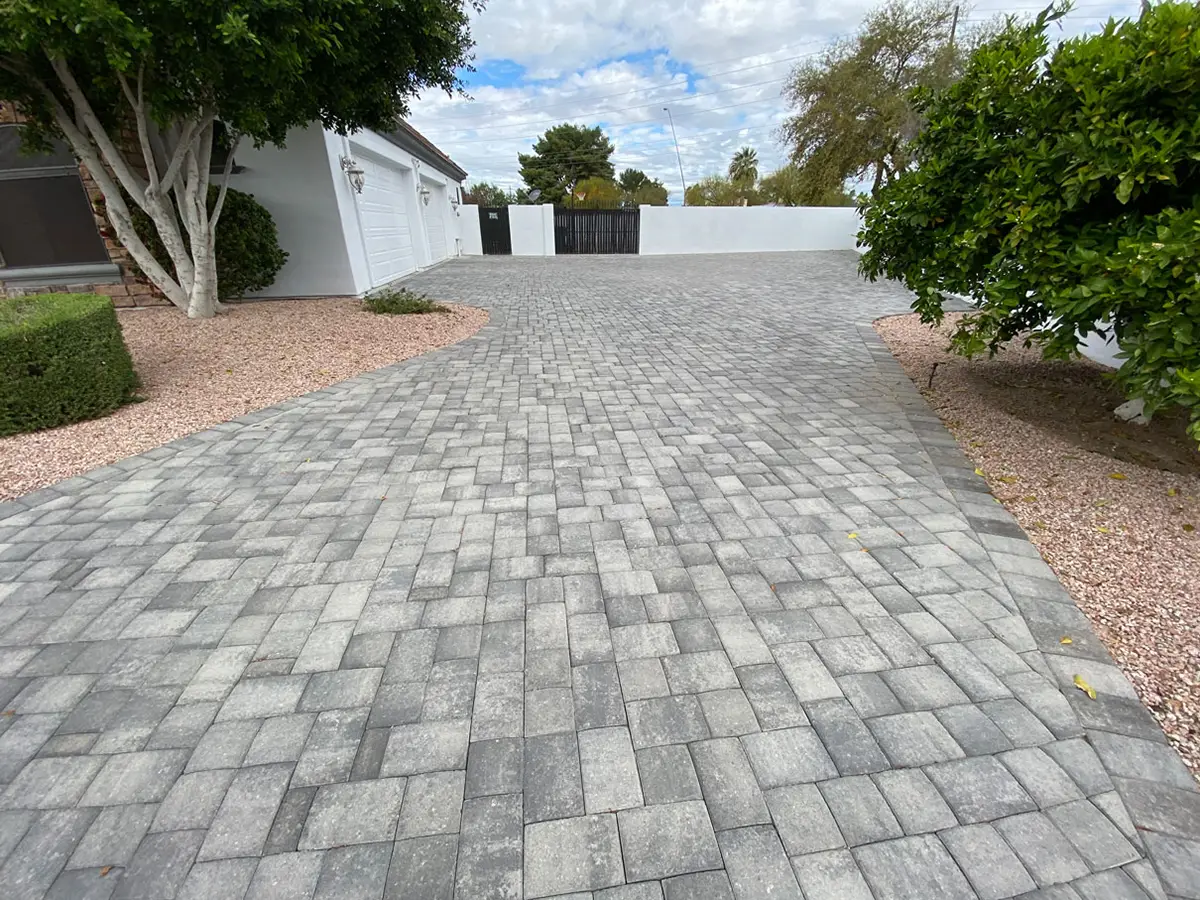
    4. Brick Border with Stamped Concrete

    Adding a brick border around your driveway provides a visually striking frame that elevates the overall design. You can combine a brick pattern with a different stamped concrete texture in the center, like slate or stone, to create contrast and visual interest. This combination works well for both traditional and modern homes, giving your driveway a personalized touch.  “BrickBoard” by Aparna RMC gives the perfect brick texture, adding a classic appeal to any driveway.

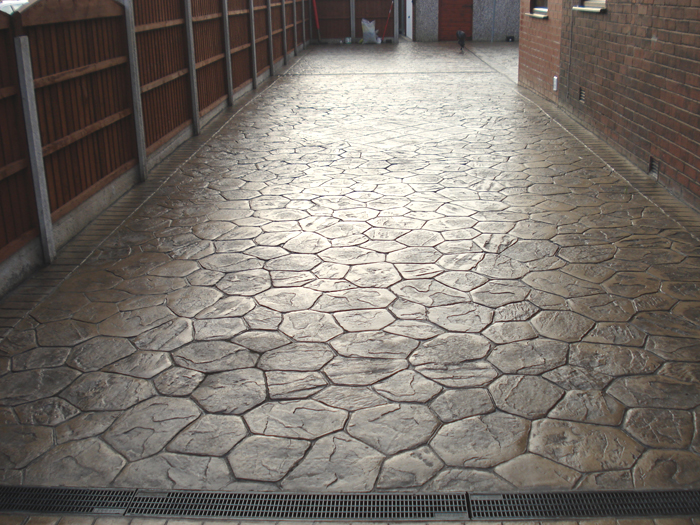
    5. Natural Flagstone Design

    If you love the look of natural stone, a stamped concrete flagstone pattern is an excellent option. Flagstone driveways create a rustic, earthy aesthetic that blends seamlessly into your landscape. With stamped concrete, you can replicate the irregular shapes and textures of flagstone without the maintenance required by real stone, giving you the best of both worlds. “Artifex” by Aparna RMC offers a perfect replication of natural stone, giving your driveway a natural, weathered look that integrates seamlessly with the surrounding landscape.

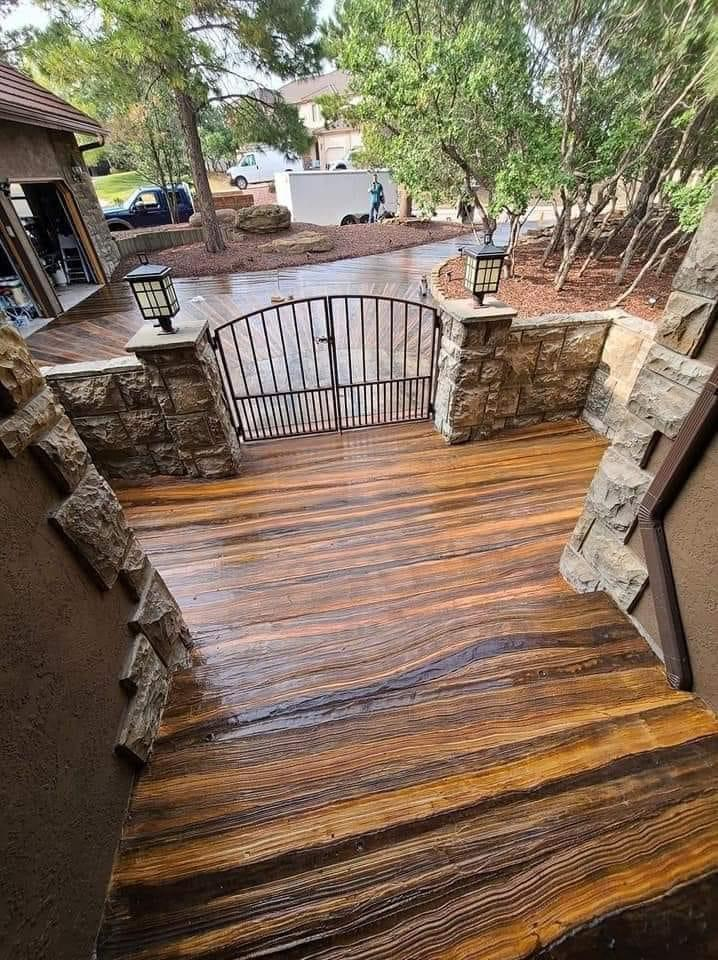
    6. Rustic Wood Plank Texture

    Bring the warmth and texture of wood to your driveway with a wood plank stamped concrete design. This pattern imitates the look of wooden planks, adding a unique rustic touch to your home’s exterior. The wood plank texture pairs beautifully with farmhouse-style homes or properties with natural surroundings, offering a charming and creative alternative to traditional driveway surfaces. “Oakgrain” by Aparna RMC mimics the charm of wooden planks, adding a rustic, farmhouse-style touch to your home’s exterior.

    7. Random Stone Pattern

    A random stone pattern is a great option for those seeking a more organic and natural look for their driveway. This design mimics the irregular arrangement of stones, creating a natural, earthy vibe. The random stone pattern works well for homes in rural or suburban settings, blending effortlessly with the surrounding environment. Aparna RMC’s “Flowstone” gives a natural feel while offering the longevity and strength of concrete.

    8. Geometric Tile Pattern

    For homeowners with a contemporary design sensibility, a geometric tile pattern can add a modern twist to your driveway. With stamped concrete, you can achieve clean lines and intricate shapes that bring a fresh, updated look to your outdoor space. Choose from a variety of colors and patterns to create a driveway that stands out. “Elluzions” by Aparna RMC brings contemporary design to life, perfect for making a statement with your driveway.

    9. Classic Herringbone Brick

    The herringbone brick pattern is a timeless design that adds both texture and elegance to your driveway. Stamped concrete allows you to replicate the intricate arrangement of bricks in a herringbone pattern, providing the look of brick with the strength and durability of concrete. This design suits homes with traditional or classic architecture and offers long-lasting curb appeal. Aparna RMC’s “BrickBoard” brings the intricacy of herringbone patterns combined with the durability of concrete, making it suitable for homes with traditional architecture.

    10. River Rock Finish

    For a natural and textured driveway, consider a river rock finish using stamped concrete. This design imitates the look of smooth river stones, giving your driveway a unique, rustic charm. The river rock finish adds depth and texture to your home’s exterior while providing a surface that is both slip-resistant and durable. Aparna RMC’s “Greydesert” mimics the look of smooth river stones, providing a durable and slip-resistant finish with a rustic charm. 

    Benefits of Stamped Concrete Driveways

    Choosing stamped concrete for your driveway offers a range of benefits. It’s a cost-effective alternative to real stone, brick, or wood, and offers superior durability and low maintenance. Stamped concrete can withstand heavy traffic, and weather changes, and requires only occasional sealing to maintain its appearance.

    Additionally, stamped concrete driveways are customizable. You can choose from various patterns, colors, and textures to create a driveway that complements your home’s architectural style and personal taste.

    Conclusion

    Whether you’re looking to enhance the curb appeal of a traditional home or add a modern touch to a contemporary property, stamped concrete driveways offer endless design possibilities. From the elegance of cobblestone to the rustic charm of wood planks, these 10 stamped concrete driveway design ideas are sure to inspire your next home improvement project.

    With the right design, you can create a beautiful, long-lasting driveway that not only complements your home but also enhances its overall value. 

    Why Choose CraftCrete Stamped Concrete by Aparna RMC?

    For homeowners looking for premium quality and innovative designs, CraftCrete Stamped Concrete by Aparna RMC is an excellent choice. Known for its exceptional durability and customizability, CraftCrete offers a wide range of textures, colors, and patterns that can transform any driveway into a work of art. Whether you’re aiming for a sleek, modern finish or a rustic, natural look, CraftCrete stamped concrete delivers superior results with minimal maintenance. Additionally, it is designed to withstand heavy traffic, weather fluctuations, and the wear and tear of daily use, ensuring your driveway remains beautiful and functional for years to come. Backed by the expertise and trusted reputation of Aparna RMC, CraftCrete solutions provide homeowners with not only aesthetic appeal but also long-lasting value.