Aparna RMC

Author: aparna_rmc

  • Ready Mix Concrete in Major Indian Cities: Trends and Regional Insights

    Ready Mix Concrete in Major Indian Cities: Trends and Regional Insights

    1. Introduction

    India’s construction industry is rapidly evolving, with major cities leading the way in infrastructure and real estate growth. Ready Mix Concrete (RMC) has become an essential material for modern projects — from metros and highways to IT parks and residential towers. But the availability, quality, and reliability of RMC suppliers can differ significantly depending on the city

    This blog explores why choosing the right RMC supplier is critical and highlights the regional trends shaping India’s biggest construction hubs.

    2. Why the Right RMC Supplier Matters

    The choice of RMC supplier directly impacts project timelines, costs, and durability. Poor-quality concrete or delayed delivery can cause cracks, structural issues, and missed deadlines.

    • Impact on Timelines: A single delayed RMC batch can halt work across an entire site.
    • Impact on Costs: Inferior mixes lead to rework, raising project expenses.
    • Impact on Durability: Long-term structural strength depends on consistent, certified mixes.

    3. Key Factors to Consider When Choosing a Ready Mix Concrete Supplier

    a. Proximity and Delivery Capabilities

    In congested cities like Bangalore and Delhi, supplier proximity can make or break project timelines. Reliable suppliers maintain multiple batching plants and fleets of transit mixers to ensure timely delivery.

    b. Product Quality and Certifications

    Always look for suppliers that comply with ISO and local municipal standards. In coastal cities like Chennai, corrosion-resistant mixes are crucial, while Hyderabad’s high-rises demand high-grade concrete (M40–M80).

    c. Range of Concrete Mixes Offered

    Different projects require different solutions — from self-compacting concrete (SCC) in Bangalore’s skyscrapers to temperature-controlled mixes in Delhi NCR’s infrastructure projects. The best suppliers offer a wide portfolio.

    d. Reputation and Experience

    Suppliers with a proven track record of delivering to metro projects, airports, or IT parks are more reliable than small, untested vendors.

    e. Customer Service and Technical Support

    On-site guidance, technical recommendations, and quick query resolution distinguish top suppliers from average ones.

    f. Pricing and Transparency

    Competitive pricing is important, but beware of hidden charges. Transparent suppliers share clear rate cards and delivery terms.

    4. Checklist Questions to Ask Supplier

    • Where are your nearest batching plants located?
    • What grades and specialty mixes do you provide?
    • Do you have ISO certifications for your products?
    • How many transit mixers/pumps are available for my project?
    • Can you provide references for major projects completed in this city?

    5. How Aparna RMC Sets the Standard

    Aparna RMC is one of India’s most trusted suppliers, with 36+ advanced plants across multiple states and a fleet of 350+ transit mixers.

    • Proximity Advantage: Strategically located plants in Hyderabad, Bangalore, Mumbai, Vizag and Chennai ensure timely delivery.
    • Quality Promise: Certified mixes from M20 to M80, with SCADA-controlled batching for accuracy.
    • Wide Range: Specialty concretes including green concrete, self-compacting, fiber-reinforced, and temperature-controlled mixes.
    • Reputation: Delivered to landmark projects like Hyderabad Metro, RGIA Airport, and IT parks across South India.
    • Sustainability: With M-sand and GGBS, Astra Glow Crete ensures sustainable construction — perfectly aligned with IGBC green building standards

    7. FAQs

    Q1: Which Indian city uses the most RMC?

    Metro cities like Hyderabad, Bangalore, and Delhi NCR lead due to rapid real estate and infrastructure expansion.

    Q2: How do I know if my supplier is reliable?

    Check for certifications, delivery fleet size, past projects, and customer reviews. A reputable supplier will provide transparency.

    Q3: Does Aparna RMC serve small residential projects?

    Yes, Aparna RMC caters to both large infrastructure projects and smaller residential/commercial requirements.

    8. Call-to-Action

    Looking for a reliable ready mix concrete supplier near you?

    – Get in Touch with Aparna RMC for a free consultation and customized quote today.
  • How Ready-Mix Solutions Adapt to Diverse Weather Conditions

    How Ready-Mix Solutions Adapt to Diverse Weather Conditions

    India’s vast geography comes with a wide range of climatic zones—from the scorching heat of Rajasthan and the coastal humidity of Chennai to the chilling winters in North India and torrential monsoons in the Northeast. Each region poses unique challenges for construction, especially when it comes to concrete performance. High temperatures can accelerate the setting of concrete, compromising workability and strength, while excessive rains and humidity can affect curing and increase the risk of cracking or surface defects. In colder climates, delayed set times and inadequate hydration can weaken early-stage strength. These environmental variations demand carefully designed concrete mixes tailored to local weather conditions—something that traditional site-mixed concrete can rarely achieve with consistency.

    Impact of Weather on Concrete Properties

    Concrete is a composite material whose properties are highly sensitive to external weather conditions. High ambient temperatures can increase the rate of water evaporation, reducing workability and leading to rapid setting. This not only affects the ease of placement but can also result in inadequate compaction and reduced long-term strength. On the other hand, cold weather can slow down the hydration process, delaying strength gain and making the concrete more susceptible to early-age damages like frost attack. High humidity or rainfall can dilute the water-cement ratio on site, weakening the final product. Wind can cause surface drying, leading to plastic shrinkage cracks. These weather-related factors significantly impact the performance and durability of concrete, making climate-aware mixing and curing strategies essential for lasting structural integrity.

    What Is Ready Mix Concrete?

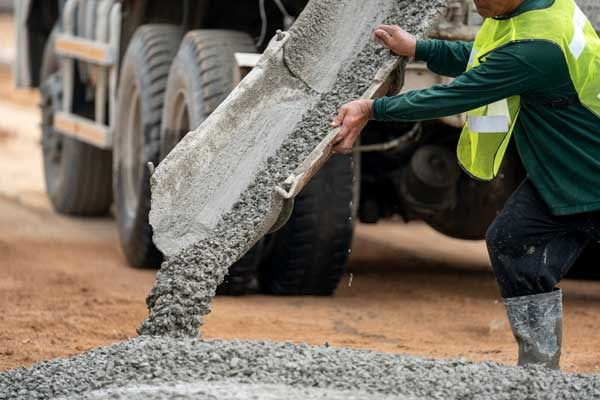
    Ready Mix Concrete is a pre-mixed concrete product prepared at a batching plant according to a set mix design, and then delivered to the construction site via transit mixers. The entire process is computerized and quality-controlled, ensuring that every batch meets the required strength, workability, and durability parameters.

    Top Advantages of Ready Mix Concrete

    1. Consistent Quality

    RMC is produced under strict quality control conditions using accurate mix proportions. This ensures:

    • Uniform strength across batches
    • Better workability
    • Longer lifespan and fewer structural issues

    2. Faster Construction Timelines

    With RMC, concrete is ready for use upon arrival. This eliminates the time-consuming process of on-site mixing and allows for:

    • Quicker pouring and placement 
    • Faster project turnaround
    • Reduced labor and machine usage

    3. Reduced Material Waste

    RMC reduces on-site wastage of cement, aggregates, and water. Since it’s mixed as per exact design:

    • There’s no guesswork in material quantity
    • It minimizes storage requirements on site
    • It promotes clean construction practices

    4. Enhanced Durability and Strength

    With controlled mixing and curing processes, RMC offers superior durability and higher compressive strength, making it ideal for:

    • High-rise buildings
    • Infrastructure like roads, bridges, and flyovers
    • Industrial structures requiring a long service life

    5. Environmentally Friendly

    RMC supports green construction by:

    6. Custom Mix Designs

    Modern RMC plants offer a wide range of customized mix designs suited to specific structural, environmental, and aesthetic needs. Whether it’s high early strength, waterproofing, or decorative finishes, RMC can be tailored for all.

    Why Aparna RMC Is the Go-To Name for Ready Mix Concrete

    As one of India’s leading RMC providers, Aparna RMC combines cutting-edge technology, stringent quality control, and deep industry expertise to deliver unmatched concrete solutions for modern construction.

    What Sets Aparna RMC Apart?

    • Automated Batching Plants across South and West India
    • Real-time quality monitoring at every stage
    • Timely delivery using GPS-enabled transit mixers
    • Expert support for site-based technical assistance

    Specialty Concrete Solutions Offered by Aparna RMC:

    1. High-Strength Concrete for tall buildings and infrastructure 
    2.  Self-Compacting Concrete (SCC) for dense reinforcements
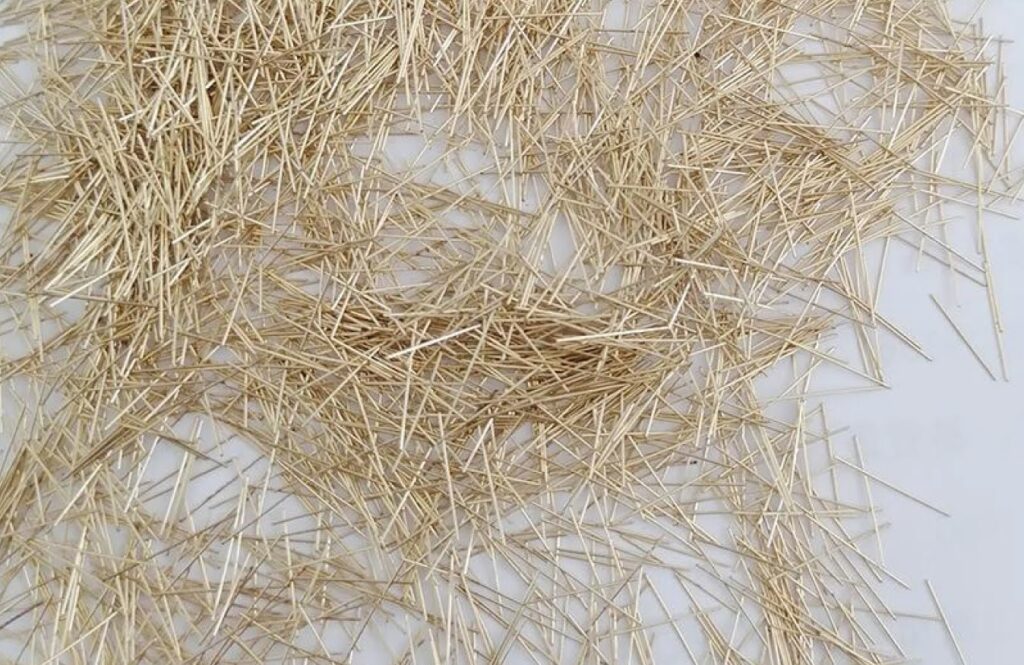
    3. Fibre-Reinforced Concrete for crack control and impact resistance
    4. Pervious/Porous Concrete for better stormwater management
    5. Stamped Concrete through their CraftCrete line for decorative applications
    6. Temperature-Controlled Concrete for mass pours 

    Whether you’re building a residential complex, a commercial tower, or a government infrastructure project, Aparna RMC delivers performance-ready, site-specific concrete mixes designed to last.

    Ready Mix Concrete is no longer a luxury—it’s a necessity in modern construction. Its speed, efficiency, precision, and eco-friendliness make it the smart choice for projects of every size and complexity.

    Partner with Aparna RMC for your next project and gain access to high-performance, customized concrete solutions trusted by top builders and infrastructure developers across India.

  • Understanding Specialty Concrete: When to Choose What

    Understanding Specialty Concrete: When to Choose What

    In today’s fast-evolving construction landscape, every project comes with its own set of challenges—whether it’s complex architecture, demanding timelines, sustainability goals, or the need for a signature aesthetic. At Aparna RMC, we understand that one size never fits all. That’s why we’ve developed a suite of in-house specialty concrete solutions—each engineered to meet specific performance and design needs.

    In this guide, discover how Aparna RMC’s proprietary specialty concretes—SwiftFlowMix (Self-Compacting Concrete), Tempcrete (Thermal-Control Concrete), Elasticrete (Fiber-Reinforced Concrete), AstraGlowCrete (Aesthetic Concrete), and SkyCrete (High-Strength Structural Concrete)—can help you build smarter, faster, and better.

    What Is Specialty Concrete?

    Specialty concrete goes beyond the basics. It’s a concrete custom-designed and manufactured to solve unique construction challenges, whether that means superior flow, thermal management, crack resistance, visual appeal, or ultra-high strength. At Aparna RMC, our R&D and technical teams have created a portfolio of branded specialty concretes, each rigorously tested and optimized for Indian conditions and client requirements.

    1. SwiftFlowMix: Self-Compacting Concrete (SCC)

    SwiftFlowMix is Aparna RMC’s advanced self-compacting concrete, developed for projects where ease of placement and finish quality are paramount. This highly flowable mix spreads and compacts under its own weight, even in heavily reinforced or intricate formwork.

    Where It Excels:

    • Dense Reinforcement: Perfect for columns, beams, and precast elements with congested steel.
    • Superior Surface Finish: Delivers smooth, defect-free surfaces, reducing the need for remedial work.
    • Faster Construction: Eliminates vibration, speeding up placement and reducing labor.

    When to Choose SwiftFlowMix:

    Select SwiftFlowMix for high-rise structures, architectural panels, or any component where accessibility and finish are critical.

    2. Tempcrete: Thermal-Control Concrete

    Tempcrete is Aparna RMC’s answer to the challenges of mass concrete and extreme temperatures. Engineered with specialized admixtures and mix designs, Tempcrete controls heat generation and dissipation during curing, protecting your structure from thermal cracking.

    Where It Excels:

    • Mass Concrete Pours: Ideal for foundations, dams, bridge piers, and thick slabs.
    • Extreme Weather: Performs reliably in both hot and cold climates.

    When to Choose Tempcrete:

    Use Tempcrete for infrastructure and industrial projects requiring thick sections or where temperature control is vital for structural integrity.

    3. Elasticrete: Fiber-Reinforced Concrete

    Elasticrete is Aparna RMC’s proprietary fiber-reinforced concrete, designed for enhanced toughness and durability. By integrating high-performance fibers into the mix, Elasticrete controls cracking, improves impact resistance, and increases the lifespan of your structure.

    Where It Excels:

    • Crack Control: Reduces shrinkage and thermal cracking.
    • Heavy-Duty Applications: Excellent for industrial floors, pavements, tunnels, and seismic zones.

    When to Choose Elasticrete:

    Choose Elasticrete for projects demanding resilience—such as warehouses, bridge decks, tunnel linings, or anywhere long-term durability is a priority.

    4. AstraGlowCrete: Aesthetic Concrete

    AstraGlowCrete is Aparna RMC’s signature aesthetic concrete solution, formulated to deliver both structural performance and stunning visual appeal. With options for colored pigments, exposed aggregates, and even glow-in-the-dark effects, AstraGlowCrete brings design visions to life.

    Where It Excels:

    • Public Spaces: Ideal for parks, walkways, plazas, and landscape features.
    • Architectural Finishes: Enables unique textures, patterns, and colors for facades and interiors.

    When to Choose AstraGlowCrete:

    Opt for AstraGlowCrete when your project calls for a distinctive look—whether it’s a decorative pavement, a public plaza, or a signature building exterior.

    5. SkyCrete: High-Strength Structural Concrete

    SkyCrete is Aparna RMC’s high-strength concrete, engineered for the most demanding structural applications. With compressive strengths far exceeding standard mixes, SkyCrete enables slimmer, lighter, and more durable structures.

    Where It Excels:

    • Tall Buildings and Bridges: Supports greater loads with reduced cross-sections.
    • Critical Infrastructure: Perfect for high-rise cores, long-span bridges, and industrial foundations.

    When to Choose SkyCrete:

    SkyCrete is your solution for skyscrapers, bridges, or any project demanding exceptional strength, durability, and long-term performance.

    How to Choose the Right Aparna RMC Specialty Concrete

    Selecting the right specialty concrete is crucial for project success. Here’s how Aparna RMC supports you:

    • Collaborative Consultation: Our technical experts work with your team to understand project goals, site conditions, and performance requirements.
    • Tailored Mix Design: Every batch is customized and tested for your specific application.
    • Quality Assurance: Aparna RMC’s automated batching, in-house labs, and real-time tracking ensure your specialty concrete arrives as specified, every time.

    Key Considerations:

    • Complex formwork or reinforcement? Choose SwiftFlowMix.
    • Mass pours or thermal sensitivity? Go with Tempcrete.
    • Need crack resistance or durability? Elasticrete is ideal.
    • Want to make a visual statement? AstraGlowCrete is your best bet.
    • Building tall or heavy-duty structures? Trust SkyCrete.

    Why Choose Aparna RMC for Specialty Concrete?

    At Aparna RMC, innovation is at the heart of everything we do. Our branded specialty concretes are the result of ongoing research, field experience, and a commitment to quality. We don’t just supply concrete—we provide solutions that empower architects, engineers, and builders to achieve their vision, on time and on budget.

    Ready to elevate your next project?
    Contact Aparna RMC for a consultation and discover how our specialty concretes can help you build stronger, smarter, and more beautifully.

    Summary:
    Aparna RMC’s specialty concrete range—SwiftFlowMix, Tempcrete, Elasticrete, AstraGlowCrete, and SkyCrete—offers a solution for every construction challenge. With expert guidance and in-house innovation, we ensure you always have the right concrete for the job.For expert guidance on specialty concrete solutions tailored to your project, consult with a qualified  RMC supplier like Aparna RMC.

  • Innovations in Concrete Mix Design: Enhancing Performance and Sustainability

    Innovations in Concrete Mix Design: Enhancing Performance and Sustainability

    In today’s construction landscape, innovative concrete mix design is transforming how we build, offering high-performance concrete that is more durable, efficient, and environmentally responsible. With the growing emphasis on sustainable construction, engineers and researchers are reimagining how concrete is produced, pushing the boundaries of strength, versatility, and ecological impact.

    This blog explores the latest innovations in concrete mix design that are enhancing both performance and sustainability.

    What Is Concrete Mix Design?

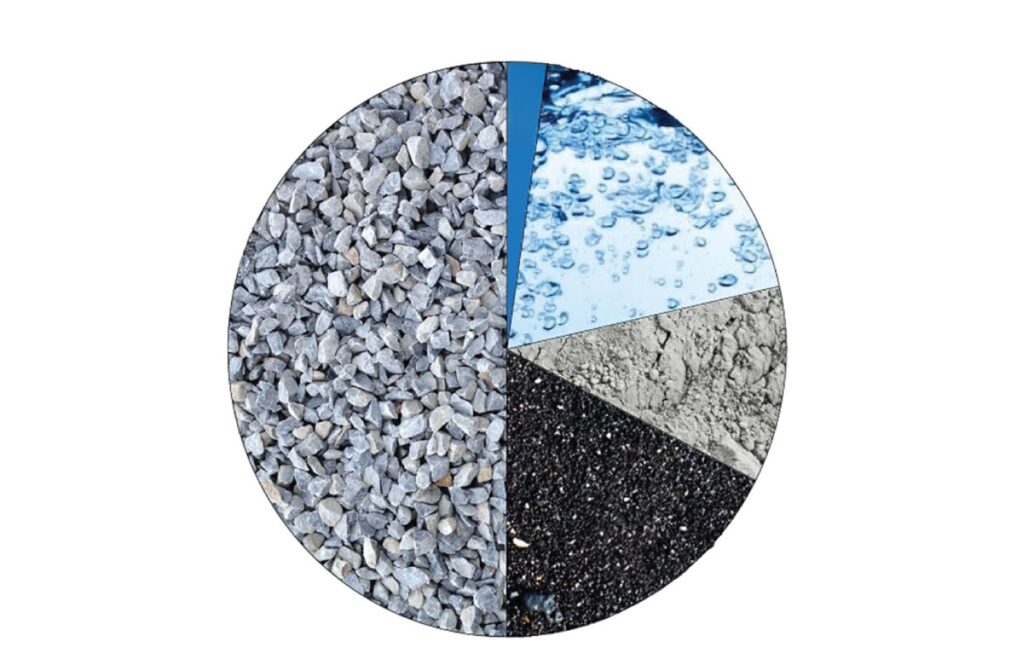
    Concrete mix design refers to the process of selecting and proportioning ingredients like cement, aggregates, water, and admixtures to achieve the desired properties such as workability, strength, durability, and setting time. While traditional methods relied heavily on empirical guidelines like IS 10262 or ACI 211.1, modern construction demands a more scientific and performance-oriented approach.

    Key Innovations in Concrete Mix Design

    1. Use of Supplementary Cementitious Materials (SCMs)

    One of the most impactful innovations in sustainable concrete is the use of SCMs such as:

    These industrial by-products partially replace Portland cement, reducing CO₂ emissions while improving long-term strength, durability, and chemical resistance.

    2. Geopolymer Concrete (GPC)

    Geopolymer concrete is made using aluminosilicate-rich materials activated by alkaline solutions—offering up to 80% lower carbon emissions than traditional concrete. It’s ideal for infrastructure that demands both strength and sustainability.

    Key Benefits:

    • High durability 
    • Low shrinkage 
    • Resistance to aggressive environments

    3. Recycled Concrete Aggregates (RCA)

    Replacing natural aggregates with recycled concrete aggregates is a game-changer in eco-friendly construction. RCA can replace up to 30% of natural aggregates without significant loss in mechanical performance. It’s an effective way to minimize construction waste and promote a circular economy in concrete production.

    High-Performance and Ultra-High-Performance Concrete 

    4. Reactive Powder Concrete (RPC)

    RPC, a type of Ultra-High-Performance Concrete (UHPC), achieves compressive strengths beyond 200 MPa. It’s formulated with ultra-fine powders and steel fibers, offering superior strength, impermeability, and longevity—perfect for demanding infrastructure.

    5. Self-Compacting Concrete (SCC)

    SCC flows under its own weight and fills complex formwork without vibration. Innovations in admixture technology ensure excellent workability and resistance to segregation—ideal for precast and heavily reinforced structures.

    Advanced Technologies Reshaping Concrete Mix Design

    6. Nanotechnology in Concrete

    Nano-silica and graphene oxide are revolutionizing concrete at the molecular level:

    • Nano-silica improves pore structure, increasing compressive strength and resistance to chemical attack.
    • Graphene oxide enhances tensile strength and durability, reducing cracking and improving lifespan.

    7. AI and Machine Learning in Mix Design

    Artificial Intelligence and machine learning are now being used to predict concrete behavior, optimize mix proportions, and reduce trial-and-error. AI-driven concrete design not only shortens project timelines but also improves precision and efficiency.

    Real-World Case Studies

    • Burj Khalifa, UAE: High-strength concrete mix with SCMs like fly ash and GGBFS was used to meet extreme environmental and load-bearing demands.
    • Millau Viaduct, France: High-performance concrete allowed for thinner structural elements and increased durability under harsh weather conditions.
    • Eco-friendly roads in the Netherlands: These projects utilized RCA and geopolymer concrete, significantly reducing the environmental impact of urban infrastructure.

    The Future of Concrete Is Green and Smart

    With the rise of low-carbon concrete, recycled materials, AI-based optimization, and nano-engineered solutions, concrete mix design is undergoing a transformative shift. These innovations not only improve structural performance but also align with global goals of sustainable infrastructure and net-zero construction.

    The journey from traditional to sustainable, high-performance concrete is well underway. Innovations in concrete mix design are making it possible to build stronger, greener, and longer-lasting structures while reducing environmental impact.

    Ready to adopt cutting-edge concrete solutions for your next project? 

    Partner with a provider that understands performance, durability, and sustainability—inside and out.

    Why Choose Aparna RMC for Innovative and Sustainable Concrete Solutions?

    At Aparna RMC, it’s built into every mix we produce. We consistently integrate cutting-edge technologies and sustainable practices into our concrete mix designs to deliver solutions that meet modern construction needs.

    With a strong presence across South and central India and a track record of supplying to some of the region’s most complex and large-scale projects, we’re your trusted partner for sustainable, high-performance RMC.

    👉 Discover how Aparna RMC can add strength and sustainability to your next project.

    🔗 Explore our concrete solutions

  • The Advantages of Ready Mix Concrete in Modern Construction

    The Advantages of Ready Mix Concrete in Modern Construction

    In today’s fast-paced construction environment, where time, quality, and sustainability are key priorities, Ready Mix Concrete (RMC) has emerged as a game-changer. Unlike traditional site-mixed concrete, RMC is manufactured in a controlled environment and delivered ready to use, offering consistency, efficiency, and superior performance across a wide range of construction projects.

    As infrastructure needs grow and project timelines tighten, builders, developers, and engineers are increasingly choosing Ready Mix Concrete for its wide array of benefits.

    What Is Ready Mix Concrete?

    Ready Mix Concrete is a pre-mixed concrete product prepared at a batching plant according to a set mix design, and then delivered to the construction site via transit mixers. The entire process is computerized and quality-controlled, ensuring that every batch meets the required strength, workability, and durability parameters.

    Top Advantages of Ready Mix Concrete

    1. Consistent Quality

    RMC is produced under strict quality control conditions using accurate mix proportions. This ensures:

    • Uniform strength across batches
    • Better workability
    • Longer lifespan and fewer structural issues

    2. Faster Construction Timelines

    With RMC, concrete is ready for use upon arrival. This eliminates the time-consuming process of on-site mixing and allows for:

    • Quicker pouring and placement
    • Faster project turnaround
    • Reduced labor and machine usage

    3. Reduced Material Waste

    RMC reduces on-site wastage of cement, aggregates, and water. Since it’s mixed as per exact design:

    • There’s no guesswork in material quantity
    • It minimizes storage requirements on site
    • It promotes clean construction practices

    4. Enhanced Durability and Strength

    With controlled mixing and curing processes, RMC offers superior durability and higher compressive strength, making it ideal for:

    • High-rise buildings
    • Infrastructure like roads, bridges, and flyovers
    • Industrial structures requiring a long service life

    5. Environmentally Friendly

    RMC supports green construction by:

    6. Custom Mix Designs

    Modern RMC plants offer a wide range of customized mix designs suited to specific structural, environmental, and aesthetic needs. Whether it’s high early strength, waterproofing, or decorative finishes, RMC can be tailored for all.

    Why Aparna RMC Is the Go-To Name for Ready Mix Concrete

    As one of India’s leading RMC providers, Aparna RMC combines cutting-edge technology, stringent quality control, and deep industry expertise to deliver unmatched concrete solutions for modern construction.

    What Sets Aparna RMC Apart?

    • Automated Batching Plants across South and West India
    • Real-time quality monitoring at every stage
    • Timely delivery using GPS-enabled transit mixers
    • Expert support for site-based technical assistance

    Specialty Concrete Solutions Offered by Aparna RMC:

    1. High-Strength Concrete for tall buildings and infrastructure
    2. Self-Compacting Concrete (SCC) for dense reinforcements
    3. Fibre-Reinforced Concrete for crack control and impact resistance
    4. Pervious/Porous Concrete for better stormwater management
    5. Stamped Concrete through their CraftCrete line for decorative applications
    6. Temperature-Controlled Concrete for mass pours

    Whether you’re building a residential complex, a commercial tower, or a government infrastructure project, Aparna RMC delivers performance-ready, site-specific concrete mixes designed to last.

    Ready Mix Concrete is no longer a luxury—it’s a necessity in modern construction. Its speed, efficiency, precision, and eco-friendliness make it the smart choice for projects of every size and complexity.

    Partner with Aparna RMC for your next project and gain access to high-performance, customized concrete solutions trusted by top builders and infrastructure developers across India.

  • The Future of Concrete: 5 Emerging Trends and Technologies

    The Future of Concrete: 5 Emerging Trends and Technologies

    Concrete has long been the foundation of modern infrastructure, from towering skyscrapers to expansive highways. But as the world shifts towards more sustainable, efficient, and technologically advanced construction practices, concrete, too, is undergoing a major transformation. Driven by environmental concerns, digital innovation, and the demand for high-performance materials, the future of concrete looks smarter, greener, and more adaptable than ever before.

    In this blog, we explore the key trends and technologies shaping the future of concrete and how these changes are redefining the way we build.

    1. Sustainable and Low-Carbon Concrete

    The environmental cost of traditional concrete production—especially from Portland cement—is significant. Emerging solutions are now targeting carbon neutrality and resource efficiency.

    Key Developments:

    2. Smart and Self-Healing Concrete

    Imagine a concrete that repairs its own cracks, or monitors its own condition in real time. These are no longer futuristic ideas, but emerging realities.

    Innovations to Watch:

    • Self-Healing Concrete using bacteria or microcapsules to automatically seal cracks when moisture enters.
    • Smart Concrete embedded with sensors to track temperature, stress, and humidity, helping to predict and prevent structural failures.
    • High-Performance Concrete (HPC) designed for extreme loads and harsh environments with enhanced strength, ductility, and longevity.

    3. 3D Printing and Modular Construction

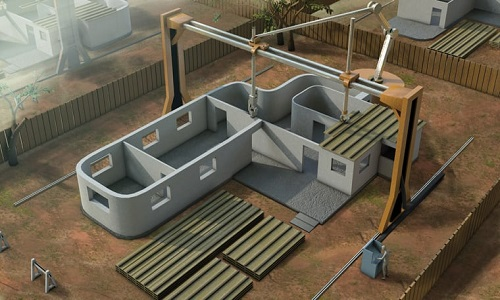
    Concrete is entering the era of digital fabrication. 3D concrete printing is enabling faster, cost-effective, and customized construction methods.

    Benefits:

    • Complex designs are produced with precision and minimal material waste.
    • Faster project timelines through off-site prefabrication and modular assembly.
    • Better quality control in factory environments compared to on-site work.

    4. Advanced Concrete Mix Designs

    Concrete mix design is no longer a trial-and-error process — it’s being revolutionized by nanotechnology and data science.

    Cutting-Edge Trends:

    • Nanomaterials like nano-silica and graphene oxide enhance strength, reduce permeability, and extend service life.
    • Intelligent Admixtures improve workability, setting time, and resistance to environmental stress.
    • AI and Machine Learning optimize mix proportions and predict performance, reducing material wastage and human error.

    5. Ultra-High Performance and Specialty Concretes

    Concrete is not just about compression strength anymore. It now caters to architectural freedom, extreme durability, and new functional features.

    Emerging Materials:

    • Ultra-High Performance Concrete (UHPC) exceeds 200 MPa in compressive strength, with exceptional durability.
    • Light-Generating Concrete absorbs sunlight and emits light, ideal for roads and public spaces.
    • Translucent Concrete integrates fiber optics to allow light transmission, transforming architectural aesthetics.

    The Road Ahead: Greener, Smarter, Stronger

    Concrete’s evolution is a response to urgent global demands — for resilience in climate-challenged environments, for faster and smarter urban development, and for reduced environmental impact.

    As digital tools and sustainable materials continue to disrupt traditional methods, concrete will play a central role in building the infrastructure of the future — one that’s stronger, more efficient, and aligned with a net-zero vision.

    Why Aparna RMC Is Leading the Future of Concrete

    At Aparna RMC, innovation is more than a buzzword — it’s at the core of everything we do. We are constantly evolving our concrete solutions by integrating:

    • Eco-friendly mix designs using SCMs and recycled materials
    • Advanced batching technologies for precision and consistency
    • On-site and laboratory testing protocols aligned with IS and global standards
    • Customised high-performance mixes for critical infrastructure, real estate, and industrial needs

    With a strong presence across South and West India and a proven track record in delivering excellence, Aparna RMC stands at the forefront of the concrete revolution — helping build tomorrow’s structures with today’s smartest solutions.Connect with Aparna RMC — where sustainability, performance, and technology converge.

  • The Role of Lightweight Concrete in High-Rise Construction

    The Role of Lightweight Concrete in High-Rise Construction

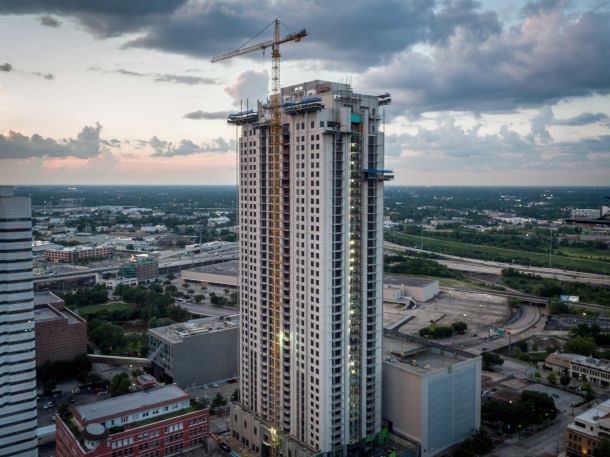
    High-rise buildings are the defining feature of modern skylines. As cities grow upward, architects and engineers constantly seek innovative materials to make taller, safer, and more efficient structures. Lightweight concrete (LWC) is one such revolutionary material, offering significant advantages for high-rise construction. Let’s explore the role Lightweight Concrete (LWC) plays in shaping the urban landscape and why it’s becoming a favorite choice for builders worldwide.
     

    Benefits of Lightweight Concrete in High-Rise Construction

    1. Reduced Dead Weight

    One of the most significant advantages of Lightweight Concrete (LWC) is its lower density. By reducing the dead weight of a structure, Lightweight Concrete (LWC) minimizes the load on foundations, enabling the construction of taller buildings without requiring extensive foundational reinforcement. This weight reduction also helps lower material costs and transportation expenses.

    2. Faster Construction

    Lightweight Concrete (LWC)’s lightweight properties and use of expanding agents streamline the construction process. Workers can handle and install components more efficiently, leading to shorter project timelines and reduced labor costs. This makes it particularly beneficial in high-rise projects where speed and precision are crucial.

    3. Energy Efficiency

    Lightweight Concrete (LWC) boasts excellent thermal insulation properties. By reducing heat transfer, it helps maintain comfortable indoor temperatures, lowering energy consumption for heating and cooling. This energy efficiency aligns with the growing demand for sustainable building practices.

    4. Fire Resistance

    Safety is paramount in high-rise construction, and Lightweight Concrete (LWC) delivers it. Its non-combustible nature enhances a building’s fire resistance, providing an additional layer of safety. For instance, foam concrete with a 150 mm thickness can resist fire for up to four hours, making it a reliable choice for critical structural elements.

    5. Sound Insulation

    Urban environments can be noisy, and sound insulation is a key consideration for high-rise living. The air voids in Lightweight Concrete (LWC) effectively dampen sound waves, reducing noise transmission between floors and improving the quality of life for residents.

    Applications of Lightweight Concrete in Construction

    1. Structural Elements

    Lightweight Concrete (LWC) is commonly used in load-bearing elements such as beams, columns, and slabs. Its strength and reduced weight make it an excellent choice for high-rise structures that require durability and stability.

    2. Flooring

    Lightweight Concrete (LWC) is widely used for flooring in multi-story residential and commercial buildings. It’s strong enough to handle daily use while being lightweight and easy to install, reducing the overall project timeline.

    3. Precast Elements

    Lightweight Concrete (LWC) is perfect for precast elements like wall panels, facade components, and architectural ornaments. These components can be manufactured off-site and quickly installed, reducing construction time and ensuring precision.

    4. Infrastructure Projects

    Beyond buildings, Lightweight Concrete (LWC) finds applications in bridges, tunnels, and sound barrier walls. Its lightweight and durable properties help reduce strain on structures while ensuring long-term performance.

    5. Geological Applications

    Lightweight Concrete (LWC) is also used for soil stabilization and void filling in construction projects. Its ability to provide strength with minimal weight makes it invaluable for challenging geological conditions.

    6. Aesthetic Flexibility

    Lightweight Concrete (LWC) can be molded into various shapes and forms, making it a preferred choice for intricate architectural designs in high-rise gated communities. Its adaptability enables designers to create unique facades and decorative elements that enhance the visual appeal of buildings.

    7. Eco-Friendliness

    Lightweight Concrete (LWC) is an environmentally friendly option for high-rise gated communities. Its production process uses less natural aggregate and energy, reducing the overall carbon footprint. Additionally, its energy-efficient properties contribute to long-term environmental sustainability.

    Why Choose Lightweight Concrete for High-Rises?

    In a world where urbanization is accelerating, materials that combine efficiency, sustainability, and performance are essential. Lightweight Concrete (LWC) offers all these benefits and more:

    • Cost Savings: Reduced material, labor, and transportation costs.
    • Environmental Benefits: Lower energy consumption and sustainable production practices.
    • Versatility: Suitable for a wide range of applications in construction and infrastructure.
       

    Choose EcholonCrete by Aparna RMC

    For those seeking a top-tier lightweight concrete solution, EcholonCrete Concrete by Aparna RMC, backed by Aparna Enterprises Limited stands out as a trusted choice. Designed for efficiency and sustainability, EcholonCrete Concrete delivers exceptional performance in high-rise construction, providing enhanced durability, thermal insulation, and fire resistance. Its innovative composition ensures long-lasting and cost-effective results, making it a preferred option for modern builders.

  • A Quick Step-by-Step Guide to Calculate Concrete Quantity for Any Project

    A Quick Step-by-Step Guide to Calculate Concrete Quantity for Any Project

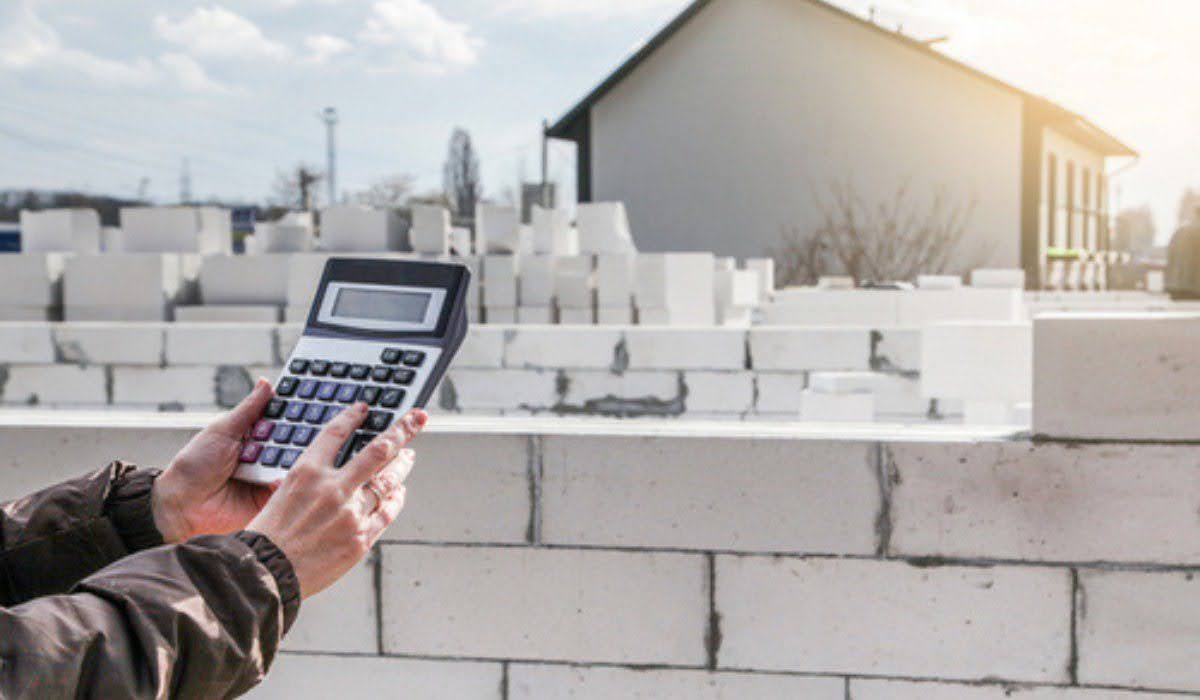
    Getting the right amount of concrete for your project might seem tricky, but it’s easier than you think. Whether you’re working on a driveway, a patio, or a foundation, proper planning ensures you avoid wasting money, material, and time. With a little know-how, you can confidently estimate the amount of concrete you need. Let’s break it down into simple steps and practical tips to get you started.

    Why Getting the Numbers Right Matters

    Calculating the correct concrete quantity can save you from common headaches. Overestimating means extra costs and leftover material while underestimating can delay the project and force last-minute changes. By using tools like a concrete calculator or following this guide, you can stay on track.

    For a deeper dive, check out our blog on the Importance of accurate volume calculation in RMC production for different shapes, dimensions, etc..

     Step-by-Step: How to Calculate Concrete Quantity

    1. Understand Your Project

    Start by clarifying what you’re building:

    • Is it a driveway, patio, wall, or something else?
    • Will the concrete need to bear heavy loads, or is it more decorative?
    • Are you looking for a smooth or textured finish?

    Answering these questions helps determine the right type of concrete for the job.

    2. Measure Your Space

    Take accurate measurements of the length, width, and depth of the area where concrete will be poured.

    • For rectangular or square shapes: Multiply the length by the width to calculate the area.
      Example: A patio that’s 10 feet by 10 feet has an area of: 10 ft. ×10 ft.=100 sq. ft.
    • For irregular shapes: Divide them into smaller sections (rectangles, triangles, or circles), calculate the area of each, and add them together.

    3. Convert Depth to Feet

    Concrete is measured in cubic feet, so if your depth is in inches, convert it by dividing by 12.
    Example: If the depth is 4 inches: 4/12​ = 0.333 feet.

    4. Find the Volume

    Now, multiply the area by the depth to calculate the volume.
    Example: 100 sq. ft. × 0.333 ft. = 33.33 cubic feet.

    5. Add a Buffer for Waste

    Always add 5–10% extra to account for spills, uneven surfaces, and small errors.
    Example: 33.33 cubic feet + (33.33 × 0.10) = 36.66 cubic feet.

    In this case, you’d round up and order about 37 cubic feet of concrete.

    6. Choose the Right Mix

    Different projects require different concrete mixes. For heavy-duty applications like driveways, opt for high-strength concrete. For patios or pathways, a standard mix will work fine. Need help? Read our Guide to Different Grades of Ready-Mix Concrete and Their Applications to find the best fit.

    Tips for Larger or Complex Projects

    • Break It Down: Divide large or sloped areas into smaller sections for easier calculations.
    • Use a Concrete Calculator: Online tools, like an RMC Calculator, can simplify your estimates and ensure accuracy.
    • Consult an Expert: Contractors, engineers, and RMC suppliers can validate your calculations and offer professional advice.

    What Affects Concrete Costs?

    When planning your budget, consider:

    • Material Prices: Cement, sand, and aggregates vary based on quality and market conditions.
    • Labor: Skilled workers like concrete finishers may charge higher rates.
    • Delivery: Transportation costs depend on the location and site accessibility.

    Let’s Work Through an Example

    Imagine you’re pouring a 10-by-10-foot patio with a depth of 4 inches:

    1. Measure the Area: 10 ft. ×10 ft.=100 sq. ft.
    2. Convert Depth to Feet: 4/12 ​= 0.333 ft.
    3. Calculate Volume: 100 sq. ft. × 0.333 ft. = 33.33 cubic feet.
    4. Add Waste Buffer:  33.33 + ( 33.33 × 0.10) = 36.66 cubic feet.
    5. Order 37 cubic feet to ensure you have enough.

    Final Thoughts

    Accurately calculating concrete quantities is an essential skill for any project, big or small. With the right measurements, tools, and planning, you can save time, money, and stress. Start by defining your project’s scope, measure carefully, and always add a buffer for waste.

    For more precise estimates, use our RMC Calculator and explore our blog on the Importance of accurate volume calculation in RMC production for different shapes, dimensions, etc.. Whether you’re building a driveway, patio, or foundation, getting these calculations right will set your project up for success. 

    Experience the Convenience of Aparna RMC: Fast Delivery, Cost Savings, and Consistent Quality

    FAQs About Calculating Concrete Quantity

    Here are some common questions about calculating concrete for your projects:

    1. How do I calculate the amount of concrete needed for a driveway?

    To calculate the concrete quantity for a driveway:

    • Measure the length and width of the driveway to determine the area.
    • Multiply the area by the thickness of the slab (convert inches to feet if needed).
    • Add 5–10% for waste and variations.
    • For irregularly shaped driveways, divide them into smaller sections, calculate each separately, and sum up the results.

    2. What formula should I use to calculate concrete volume?

    The basic formula is: Volume = Length× Width × Depth

    Always ensure your units (feet, meters, etc.) are consistent.

    3. Should I include reinforcement and formwork in my calculations?

    Yes, while reinforcement like rebar or mesh doesn’t change the concrete volume, it’s essential for structural integrity. Formwork ensures proper shaping and should align with your calculated dimensions.

    4. How much extra concrete should I order to account for waste?

    It’s recommended to add 5–10% to your calculated volume to account for spillage, uneven surfaces, and variations in depth.

    5. Can I use a concrete calculator for complex projects?

    Absolutely. Concrete calculators are ideal for both simple and complex projects, especially when dealing with irregular shapes or multi-level slabs. Try our RMC Calculator for quick and accurate estimates.

    6. What factors affect concrete costs?

    Several factors can influence the price of concrete:

    • Material costs (cement, aggregates, admixtures).
    • Labor rates for skilled and unskilled workers.
    • Transportation and delivery fees based on your site’s location.
    • Additional costs for equipment rental or overtime work.

    7. How do I handle slope or uneven surfaces in my calculations?

    For sloped or uneven surfaces:

    • Divide the project into smaller sections with consistent depths.
    • Calculate the volume of each section separately.
    • Add the results to find the total concrete volume needed.
  • 5 Beneficial Ways to Use Stamped Concrete in Your Construction Projects

    5 Beneficial Ways to Use Stamped Concrete in Your Construction Projects

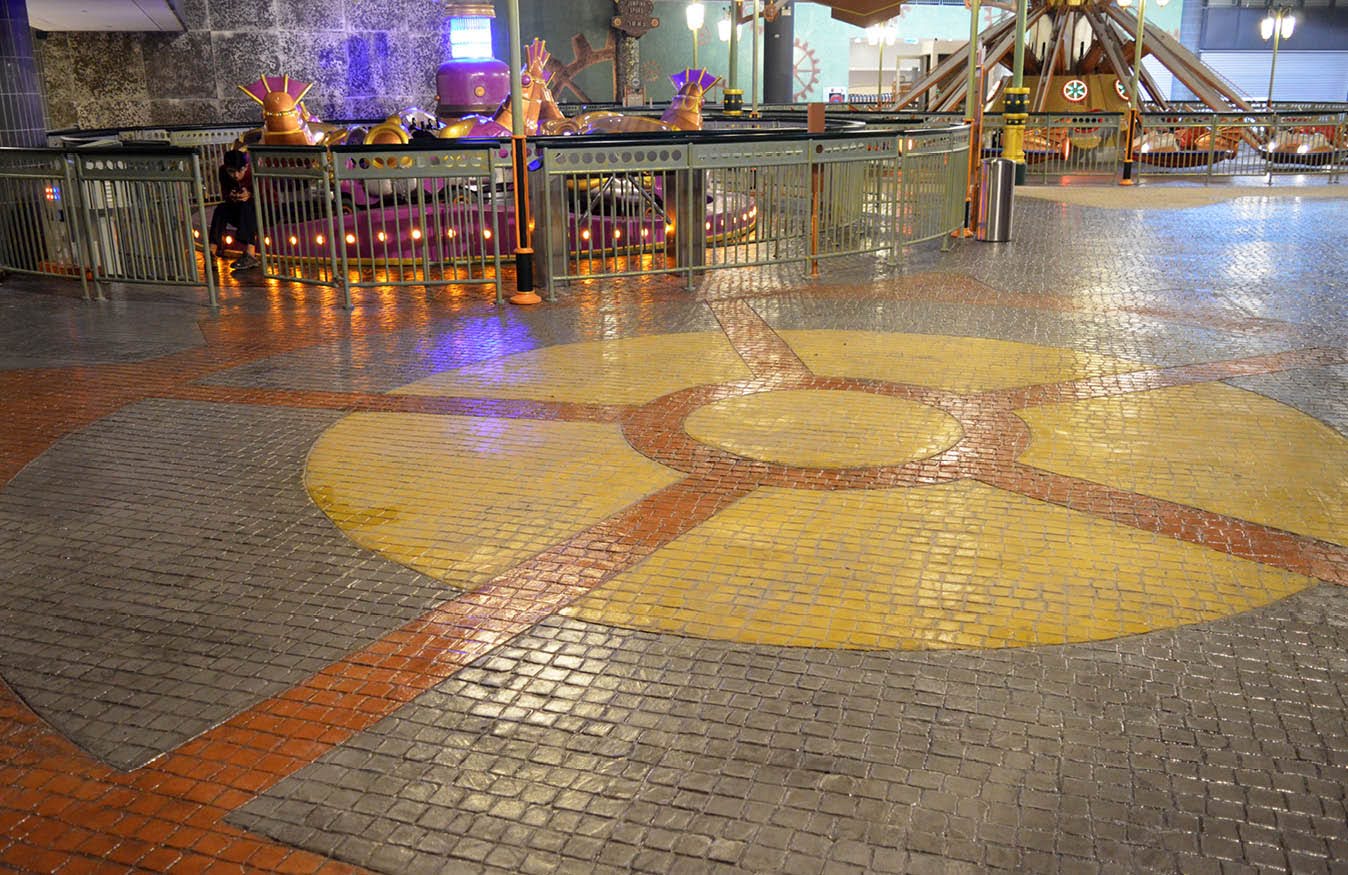
    Stamped concrete is a versatile and cost-effective material that can add style and functionality to various construction projects. With its ability to mimic high-end materials like stone, brick, and wood, stamped concrete offers an attractive and durable solution for both residential and commercial applications.

    Here are six innovative ways to incorporate stamped concrete into your projects: 

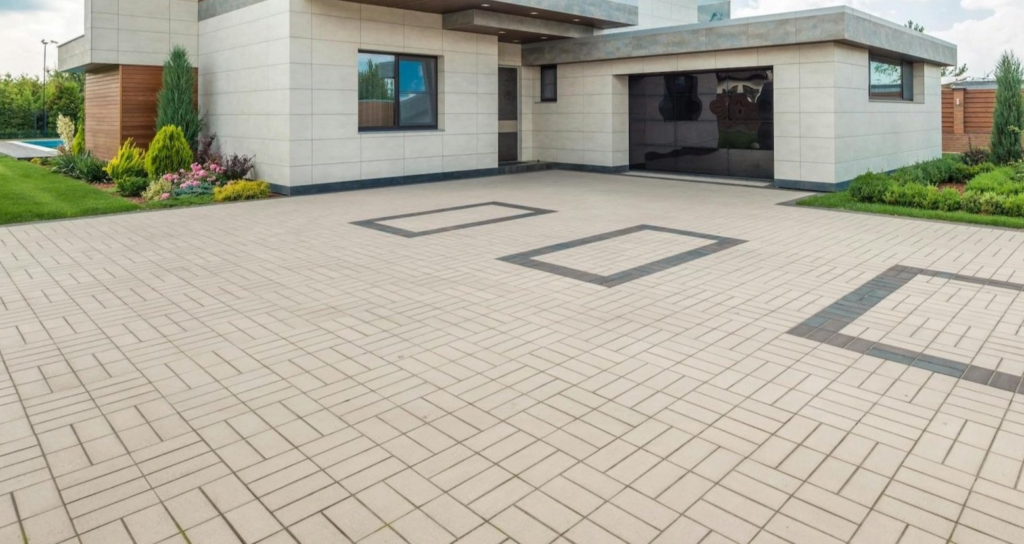
    1. Driveways and Walkways

    Stamped concrete can transform ordinary driveways and walkways into visually stunning features.

    • Aesthetic Appeal: Choose from a wide range of patterns and colors to match your property’s style.
    • Durability: With proper installation and maintenance, stamped concrete can withstand heavy traffic and weather conditions.
    • Customization: Mimic the look of brick, stone, cobblestone, or even wood to achieve the desired effect.

    Whether you prefer a classic or modern design, stamped concrete provides an affordable alternative to natural materials. 

    2. Patios and Outdoor Living Spaces

    Enhance your outdoor living areas with stamped concrete patios that blend beauty with functionality.

    • Versatility: Create unique designs, from rustic to contemporary, to complement your landscaping.
    • Low Maintenance: Unlike natural stone, stamped concrete is easy to clean and resists wear and tear.
    • Seamless Integration: Use stamped concrete to connect different outdoor features, such as fire pits, seating areas, and walkways.

    A stamped concrete patio is the perfect way to create a welcoming space for entertaining and relaxation.

    Learn more: Dream Patio Made Easy: Durable, Low-Maintenance Concrete

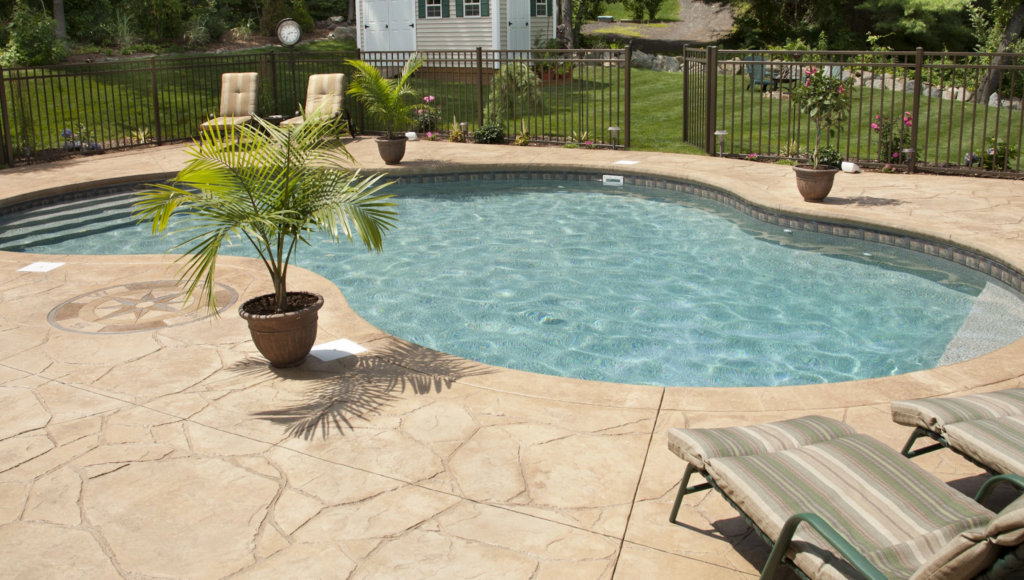
    3. Pool Decks

    Safety and style go hand-in-hand with stamped concrete pool decks.

    • Slip Resistance: The textured surface helps reduce the risk of slipping, making it a safer option for wet areas.
    • Customizable Designs: Choose from a wide range of colors, textures, and  patterns that complement your pool’s aesthetic.
    • Durability: Stamped concrete can withstand exposure to water, chemicals, and sun, ensuring long-lasting performance.

    Turn your pool area into a stunning retreat with a stamped concrete deck that combines beauty and practicality.

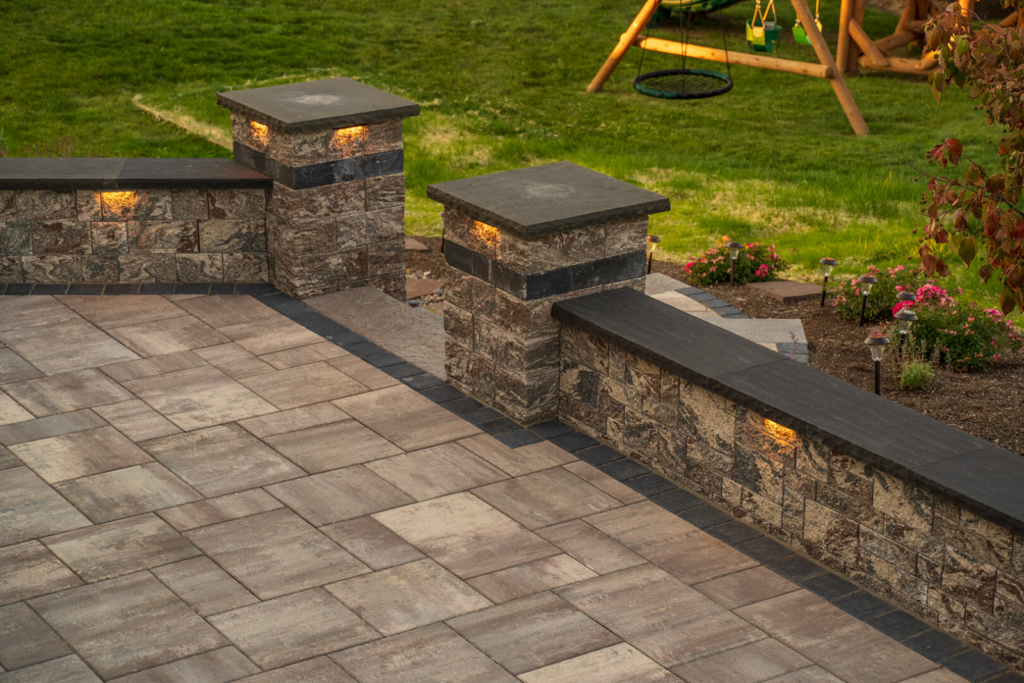
    4. Retaining Walls

    Stamped concrete retaining walls serve both functional and aesthetic purposes.

    • Structural Support: Retaining walls helps manage soil erosion and level uneven terrain.
    • Visual Interest: Add texture and color to blend seamlessly with your landscaping design.
    • Durability: Stamped concrete retaining walls are built to last, requiring minimal maintenance.

    Elevate your landscaping with retaining walls that combine strength and style.

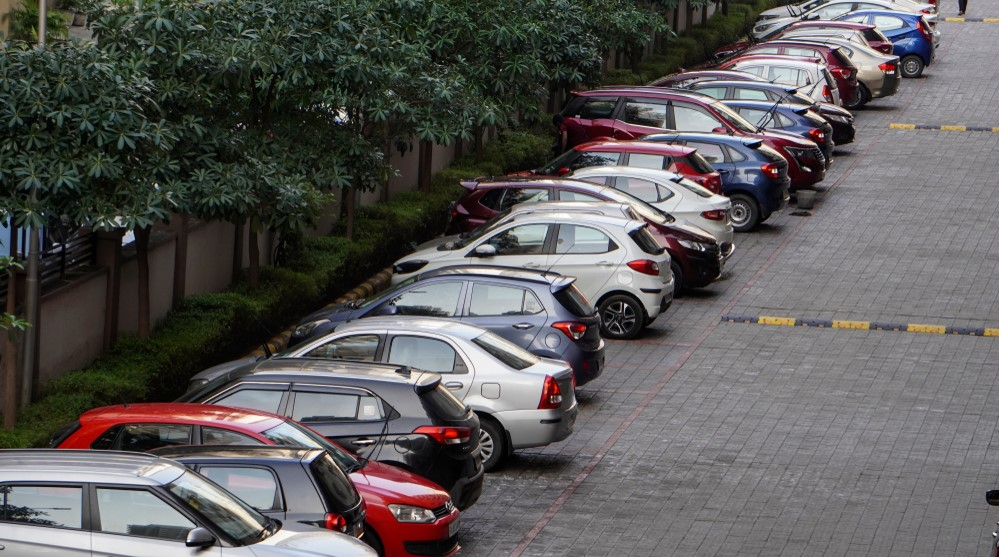
    5. Commercial Spaces

    Stamped concrete is a smart choice for businesses looking to make a lasting impression.

    • High-Traffic Durability: It withstands the wear and tear of heavy foot traffic in entryways, courtyards, and parking lots.
    • Branding Opportunities: Customize patterns and colors to align with your brand’s aesthetic.
    • Cost-Effective: Provides a polished, professional look without the expense of natural materials.

    From courtyards to showroom floors, stamped concrete adds an element of sophistication to commercial spaces.

    Final Thoughts

    Stamped concrete offers a perfect blend of style, functionality, and affordability for various applications. Whether you’re enhancing a residential property or upgrading a commercial space, this versatile material delivers both aesthetic appeal and long-term durability.

    Ready to explore stamped concrete for your next project? 

     CraftCrete stamped concrete solutions by Aparna RMC provide high-quality, customizable options to elevate your construction projects. Contact us today to learn more about how we can help you achieve your design goals. Contact us today to learn more about how we can help you achieve your design goals.

    Discover 10 Creative Stamped Concrete Patterns to Breathe Life into Your Outdoor Space

  • Lightweight Concrete: Revolutionizing Building Efficiency and Design

    Lightweight Concrete: Revolutionizing Building Efficiency and Design

    Lightweight concrete has emerged as a transformative material in the construction industry, offering a unique combination of reduced weight, impressive strength, and superior performance. This innovative concrete variant is gaining popularity for its ability to enhance building efficiency and enable design flexibility, making it an indispensable choice for modern architectural and engineering projects.

    What Is Lightweight Concrete?

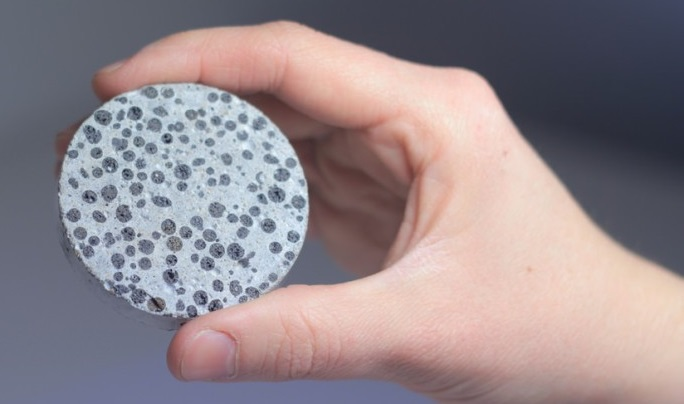
    Lightweight concrete is characterized by its reduced density, which ranges between 800- 1850 kg/m³, compared to the 2400 kg/m³ typical of traditional concrete. This is achieved by incorporating lightweight aggregates like expanded clay, pumice, or air voids using foaming agents. Despite its lighter weight, it maintains adequate compressive strength and exhibits excellent thermal and acoustic insulation properties, making it a game-changer for sustainable construction.

    Enhancing Building Efficiency with Lightweight Concrete

    1. Reduced Structural Load

    One of the standout benefits of lightweight concrete is its ability to significantly reduce structural loads. Lowering the weight of walls, floors,  roofs, sunken slabs, and cantilever slabs minimizes the demand for foundations and supporting structures. This reduction not only saves materials but also lowers construction costs, making lightweight concrete an economical choice for builders and developers.

    2. Energy Efficiency

    Lightweight concrete’s thermal insulation properties are unparalleled. Its air-void structure minimizes heat transfer, ensuring that buildings remain cooler in summer and warmer in winter. This reduces reliance on artificial heating and cooling systems, cutting energy consumption and lowering utility bills. Its role in creating energy-efficient buildings aligns with global sustainability goals and green building certifications.

    3. Faster Construction and Cost Savings

    The reduced weight of lightweight concrete simplifies handling, transportation, and installation, speeding up construction timelines. Prefabricated lightweight concrete elements, such as panels and blocks, further enhance efficiency by enabling faster assembly on-site. The result is reduced labor costs and shorter project durations, providing both economic and operational advantages.

    Applications of Lightweight Concrete

    Lightweight concrete is a versatile material with applications in diverse construction scenarios, including:

    • Filling Areas: Ideal for sunken portions, backfilling, and void filling.
    • Lightweight Floor and Roof Screed: Reduces dead loads while providing a durable, insulating layer.
    • Thermal Insulation: Enhances energy efficiency in residential and commercial buildings.
    • Slope Maintenance for Terraces: Effectively replaces traditional materials like brickbat coba and screed in overlay systems.
    • Structural Lightweight Requirements: Used in scenarios where structural movement is minimal.

    Advantages of Lightweight Concrete

    • Reduced Dead Load
      Lightweight concrete significantly reduces dead loads on structures, optimizing design costs and enhancing overall structural efficiency.
    • Superior Insulation
      Its low thermal conductance provides better thermal and sound insulation compared to standard concrete and brickbat coba.
    • Ease of Placement
      Lightweight concrete is easy to place and offers a time-saving solution, with surfaces ready to use within 24 hours.
    • Pumpability
      Easily pumpable to horizontal and vertical distances exceeding 40 meters, making it suitable for challenging construction sites.
    • Low Density
      Achieves densities as low as 600 kg/m³, making it an ideal alternative to foam concrete for lightweight applications.
    • Durability and Maintenance
      Lightweight concrete is easy to repair and maintain, with minimal risk of shrinkage cracks.
    • Consistency
      Provides more consistent quality compared to traditional alternatives like foam concrete.

    Sustainability and Environmental Benefits

    Lightweight concrete is not just about efficiency and design—it’s also a sustainable choice. Its production often involves recycled materials, reducing the demand for virgin resources. Additionally, its thermal properties contribute to lower greenhouse gas emissions by reducing energy consumption in buildings.

    Challenges and Solutions

    While lightweight concrete offers many benefits, it does come with challenges such as higher initial costs and potentially lower compressive strength compared to traditional concrete. However, advancements in mix design and the availability of lightweight aggregates have mitigated these issues, allowing engineers to achieve the desired balance of performance and cost-effectiveness.

    Lightweight concrete is revolutionizing building efficiency and design flexibility, offering a lightweight yet durable solution for modern construction challenges. Its ability to reduce structural loads, enhance energy efficiency, and support innovative architectural forms makes it an essential material for sustainable and cost-effective construction.

    Why Choose EchelonCrete Lightweight Concrete by Aparna RMC

    EchelonCrete by Aparna RMC is a state-of-the-art lightweight concrete solution that embodies the principles of innovation, efficiency, and sustainability. Designed to meet the growing demands of modern construction, EchelonCrete offers superior performance with its optimized blend of lightweight concrete (remove aggregates) and advanced (remove foaming) techniques.

    FAQS:

    1. What is lightweight concrete, and how does it differ from traditional concrete?

    Lightweight concrete is a specialized type of concrete with a lower density than traditional concrete. This is achieved by incorporating lightweight aggregates or air voids. Unlike traditional concrete, lightweight concrete offers reduced weight, enhanced thermal insulation, and easier handling while maintaining adequate compressive strength.

    2. What are the key benefits of using lightweight concrete?

    Key benefits include:

    • Reduced structural loads.
    • Improved energy efficiency due to excellent thermal insulation.
    • Faster construction and reduced transportation costs.
    • Design flexibility for complex architectural forms.
    • Easy to maintain during site laying due to its free-flowing properties.

    3. What makes EchelonCrete Lightweight Concrete by Aparna RMC unique?

    EchelonCrete is a premium lightweight concrete solution that combines a superior strength-to-weight ratio with advanced thermal and acoustic insulation properties. Its eco-friendly composition and versatility make it a standout choice for modern construction projects.

    4. In which types of projects can Lightweight Concrete be used?

    EchelonCrete is suitable for a wide range of projects, including:

    • Residential buildings (walls, roofs, and floors).
    • Commercial complexes (spacious and innovative layouts).
    • Infrastructure projects (tunnel, drainage systems)