Aparna RMC

Author: aparna_rmc

  • Why Concrete Is the Most Underrated Technology in Modern Construction

    Why Concrete Is the Most Underrated Technology in Modern Construction

    1. Introduction

    When people think about technology in construction, they often imagine automation, smart equipment, or digital tools. Rarely does modern construction concrete come to mind. Yet, concrete is one of the most advanced and essential technologies shaping today’s buildings, bridges, metros, and high-rise structures.

    Unlike traditional perceptions, concrete is no longer just a mix of cement, sand, and aggregates. Today, it is a highly engineered material designed to meet precise structural, environmental, and performance demands. Through Ready Mix Concrete technology, builders can achieve consistency, durability, and efficiency at a scale that was once impossible.

    In this blog, we explore why concrete deserves to be recognised as a core construction technology and how Aparna RMC delivers advanced concrete solutions that power modern infrastructure and real estate development.

    2. Concrete: More Than Just a Building Material
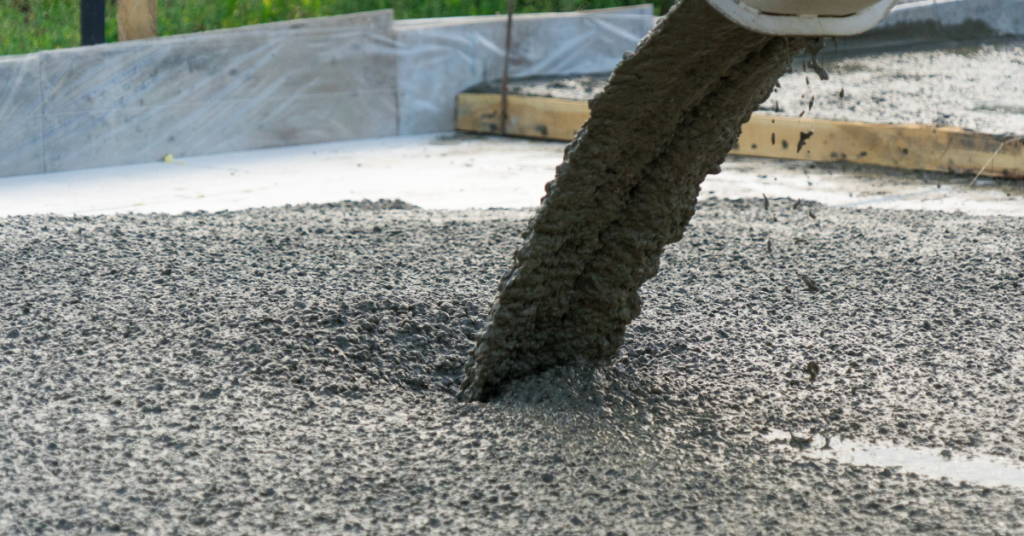
    Concrete has evolved from a basic construction material into a highly engineered system. Today’s modern construction concrete is designed using scientific mix proportions, chemical admixtures, and automated production processes.

    This evolution has transformed concrete into a performance-driven technology that influences structural strength, construction speed, and long-term durability.

    3. How Concrete Became a Construction Technology

    Several innovations have turned traditional concrete into a modern technological solution.

    a. Engineered Mix Designs

    Concrete today is formulated based on:

    • Structural load requirements
    • Environmental exposure
    • Workability needs
    • Durability expectations

    These engineered concrete formulations ensure the material behaves predictably under various conditions.

    b. Use of Chemical Admixtures

    Modern concrete includes admixtures that modify its properties. These allow:

    • Controlled setting time
    • Improved workability
    • Enhanced strength gain
    • Reduced cracking

    This makes advanced concrete solutions adaptable to different project requirements.

    c. Automated Production Systems

    Manual batching has largely been replaced by Ready Mix Concrete technology, where computer-controlled systems measure and mix materials with precision.

    This automation reduces human error and ensures uniformity across thousands of cubic meters of concrete.

    4. The Technological Role of Concrete in Modern Structures
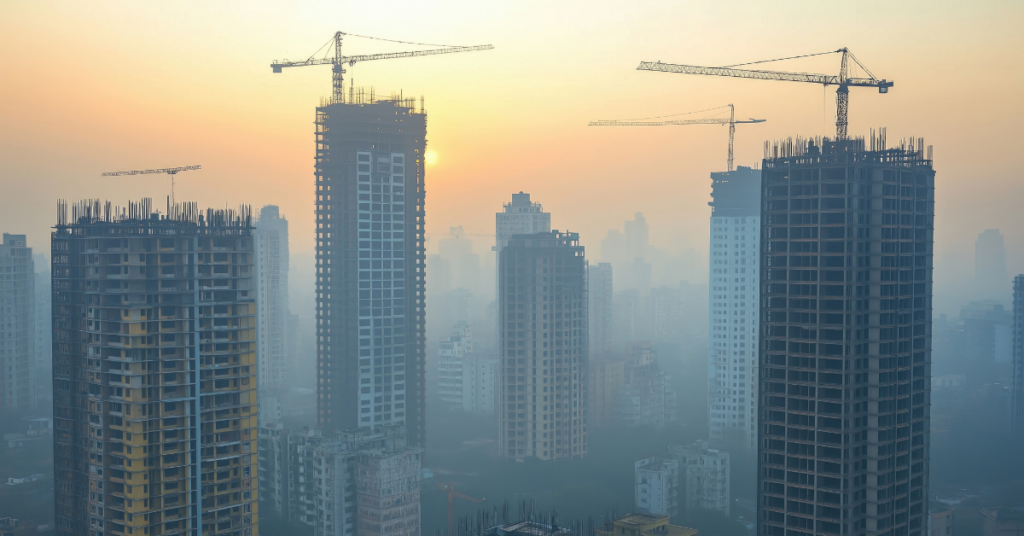
    Concrete technology enables structures that were once considered impossible.

    a. Enabling High-Rise Construction

    Skyscrapers rely on high-performance modern construction concrete to support vertical loads, wind forces, and long service life.

    b. Supporting Infrastructure Development

    Metro rail corridors, bridges, and flyovers demand concrete that offers:

    • High strength
    • Durability under stress
    • Resistance to environmental exposure

    These projects depend heavily on advanced concrete solutions.

    c. Faster Construction Timelines

    With Ready Mix Concrete technology, concrete arrives ready to use, improving construction speed and reducing labour dependency.

    5. Precision: The Core of Concrete Technology

    One of the key reasons concrete qualifies as a technology is precision.

    a. Accurate Proportioning

    The water–cement ratio, aggregate grading, and admixture dosage must be exact. Even small deviations can affect performance.

    Concrete mixing precision ensures the final structure meets design expectations.

    b. Consistency Across Batches

    Large projects require thousands of cubic meters of concrete. Consistency ensures every part of the structure behaves uniformly under load.

    6. How Aparna RMC Brings Technology Into Concrete

    Aparna RMC integrates multiple layers of technology into its operations.

    a. SCADA-Controlled Batching

    Using Ready Mix Concrete technology, Aparna employs automated SCADA systems that:

    • Ensure precise material measurement
    • Maintain consistent mix quality
    • Eliminate manual estimation errors

    b. Advanced Quality Monitoring

    Every batch undergoes workability and strength testing to ensure consistent performance on site.

    c. Customised Concrete Solutions

    Aparna develops advanced concrete solutions tailored to project requirements, whether for high-rise buildings, infrastructure, or industrial structures.

    7. Why Concrete Technology Matters for Builders

    Recognising concrete as a technology rather than a basic material helps builders achieve:

    • Greater structural reliability
    • Improved construction efficiency
    • Reduced risk of defects
    • Better long-term durability
    • Predictable performance

    These benefits directly impact project success and lifecycle costs.

    8. Concrete as a Foundation for Future Construction

    As buildings become taller and designs more complex, reliance on modern construction concrete will continue to grow. Innovations in mix design, automation, and testing will further strengthen its role as a core construction technology.

    9. Checklist: Identifying a Technology-Driven Concrete Supplier

    Before choosing a supplier, ensure they provide:

    🔲 Automated batching systems
    🔲 Engineered mix designs
    🔲 Consistent quality control
    🔲 Advanced testing procedures
    🔲 Ability to customise solutions
    🔲 Technical expertise and support

    Aparna RMC meets all these requirements.

    10. Conclusion 

    Concrete is no longer just a building material — it is one of the most important technologies driving modern construction. From high-rise towers to major infrastructure, modern construction concrete enables strength, efficiency, and durability at scale. Through Ready Mix Concrete technology, builders can achieve consistent, high-performance results that were once difficult to guarantee. 

    With its focus on automation, quality control, and advanced concrete solutions, Aparna RMC brings engineering precision to every batch of concrete delivered.

    Choose Aparna RMC to experience concrete as a true construction technology.

    11. FAQs

    Q1: Why is concrete considered a construction technology today?
    Because modern concrete uses engineered mix designs, automation, and testing to ensure predictable performance.

    Q2: How does Ready Mix Concrete technology improve quality?
    It ensures precise proportioning, consistent batching, and controlled production.

    Q3: Can Aparna RMC provide customised concrete solutions?
    Yes, Aparna RMC develops advanced concrete solutions tailored to specific project needs.
  • How next generation building materials can help reduce urban pollution levels

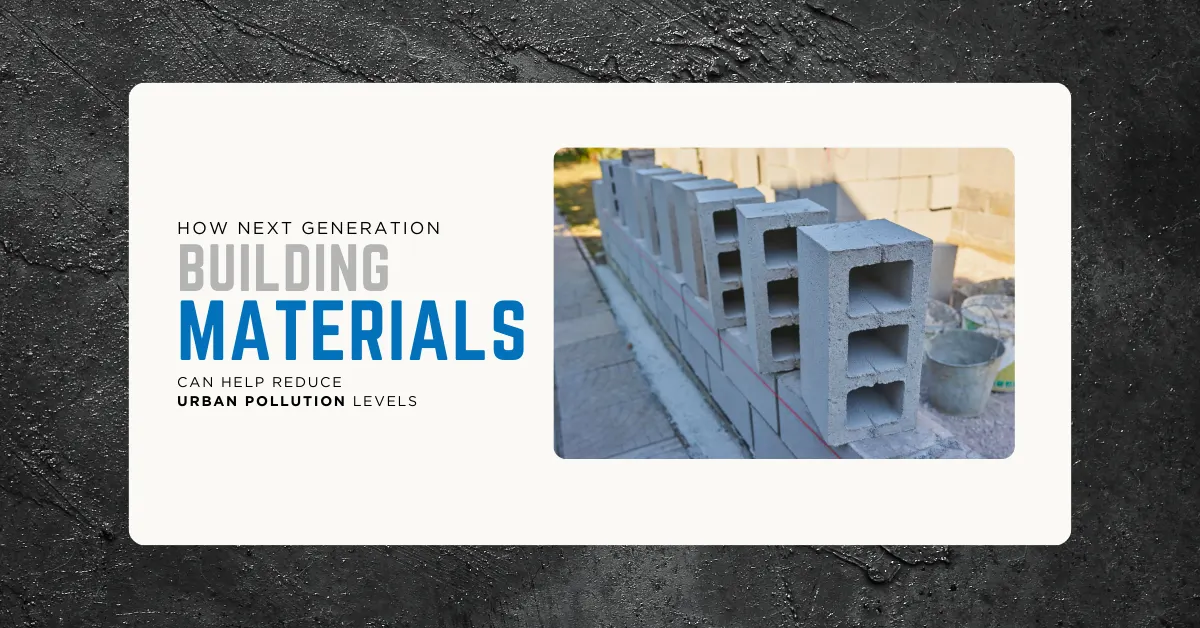
    How next generation building materials can help reduce urban pollution levels

    Cities are living reflections of human progress, innovation, and ambition. Yet today, they are also facing the consequences of rapid growth, rising pollution, increasing heat, and mounting environmental pressures that affect the health and well-being of their residents. As urban areas expand and densify, the materials that form their foundations are no longer neutral bystanders. They play a decisive role in shaping energy consumption, air quality, and the overall sustainability of urban ecosystems.

    Traditional construction materials, while structurally reliable, often trap heat, increase energy demand, and contribute quietly but significantly to pollution. The approach to urban construction must evolve as modern cities can no longer rely on materials that simply support structures, they must adopt solutions that combine strength, durability, and environmental intelligence. By integrating materials that actively reduce emissions, improve air quality, conserve energy, and enhance resilience, cities can transform the built environment from a source of environmental strain into a driver of sustainable, healthy, and future-ready urban living.

    The urban pollution challenge: Why building materials matter

    The surfaces that define cities- buildings, pavements, roads, and public infrastructure directly influence environmental conditions. Conventional materials absorb and store heat, contributing to the urban heat island effect and increasing the energy required to cool indoor spaces. This, in turn, drives higher electricity consumption and emissions, which cumulatively affect air quality and climate conditions. When thousands of buildings behave similarly, their combined environmental impact becomes significant. In contrast, next-generation building materials challenge this trend. Engineered with sustainability in mind, these materials reduce heat absorption, lower energy consumption, and even neutralize certain pollutants. When implemented at scale, they allow cities to address pollution passively and continuously, turning infrastructure into a quiet yet powerful tool for environmental improvement.

    A shift toward smarter, sustainable construction materials

    As urban development accelerates, the construction sector is experiencing a strategic shift toward high-performance, sustainable materials. Progressive building material companies in India are pioneering innovations across categories such as green concrete, specialized concrete mixes, energy-efficient windows and façades, durable tiles, and galvanized steel profiles.

    Sustainable concrete is one of the most transformative advancements in this space. Low-carbon concrete, incorporating supplementary materials like fly ash and GGBS, reduces cement consumption, lowers carbon emissions, and improves durability and thermal performance making it ideal for large-scale urban projects. Advanced variants, including fibre-reinforced, self-compacting, and porous concrete, further enhance efficiency. Porous concrete, in particular, allows groundwater recharge and reduces surface runoff, helping cities manage both heat and water stress simultaneously. Beyond concrete, innovations in building components are redefining sustainability standards. High-performance uPVC and aluminium window systems with recyclable, lead-free profiles reduce heat transfer and improve energy efficiency. Modern vitrified tiles minimize water absorption, extend lifecycles, and help maintain cooler indoor temperatures. Galvanized steel reinforcements and sections enhance structural strength, resist corrosion, and reduce lifecycle emissions associated with frequent maintenance or replacements.

    How next-generation materials reduce urban pollution

    Next-generation materials improve environmental performance through multiple interconnected mechanisms. High-reflectance paints and cool surfaces reflect sunlight, reducing heat absorption and easing the burden on cooling systems, which lowers energy consumption and emissions.

    Photocatalytic concrete, infused with titanium dioxide, actively breaks down harmful pollutants such as nitrogen oxides (NOx), volatile organic compounds (VOCs), and particulate matter. In high-traffic urban zones, these materials create cleaner microenvironments around buildings and public pathways.

    Energy-efficient windows and façade systems stabilize indoor temperatures, reducing reliance on air-conditioning, a major driver of urban energy demand. Airtight designs also limit dust infiltration, improving indoor air quality. Meanwhile, durable and recyclable materials extend product lifecycles, reducing the need for replacements and cutting emissions linked to manufacturing, logistics, and construction activities.

    Economic and health benefits of sustainable materials

    The adoption of advanced building materials offers tangible economic and health advantages. While sustainable materials may have higher upfront costs, they deliver long-term value by reducing energy bills and minimizing maintenance and repair expenses. Superior durability translates into better returns on investment for homeowners, developers, and municipal authorities. From a health perspective, improved air quality and reduced heat exposure significantly enhance urban well-being. Cooler, cleaner indoor environments improve comfort, productivity, and reduce respiratory illnesses. Cleaner surroundings around public infrastructure also decrease pollution-related health risks, lowering the overall burden on healthcare systems.

    Implementation pathways for cities and builders

    The widespread adoption of next-generation materials requires strong institutional support and collaboration across the construction ecosystem. Governments can encourage uptake through tax incentives, subsidies, and fast-track approvals for green-certified projects. Municipal authorities can lead by example by incorporating advanced materials into public infrastructure, influencing private developers to follow suit.

    Certification systems such as IGBC (Indian Green Building Council), LEED (Leadership in Energy and Environmental Design), andBREEAM (Building Research Establishment Environmental Assessment Method) provide performance benchmarks that guide builders and enable informed choices. Equally important is capacity building; training contractors, architects, and engineers to use advanced materials effectively ensures that their intended environmental benefits are realized. Public-private partnerships can accelerate pilot projects, foster knowledge sharing, and develop solutions tailored to local urban contexts.

    The road ahead: Materials that build a cleaner future

    The future of sustainable construction lies in deeper material innovation. Emerging technologies like carbon-sequestering concrete, algae-based bio-façades, graphene-enhanced composites, and self-healing materials represent a shift from reducing environmental harm to actively reversing it.

    Urban pollution is inseparable from the way cities are built. By embracing next-generation materials from green concrete and specialized mixes to energy-efficient windows, advanced façades, durable tiles, and galvanized steel profiles cities can transform construction from a source of strain into a powerful tool for environmental improvement. These materials reduce heat, improve air quality, conserve energy, and enhance public health. As urban populations continue to rise, adopting sustainable building materials is no longer simply an environmental choice; it is a strategic imperative. Cities that embrace this transition will not only build stronger structures but also foster cleaner, healthier, and more resilient urban environments for generations to come.

    by Aparna Reddy, Executive Director, Aparna Enterprises Ltd.

    Source Link: https://www.epcworld.in/how-next-generation-building-materials-can-help-reduce-urban-pollution-levels/

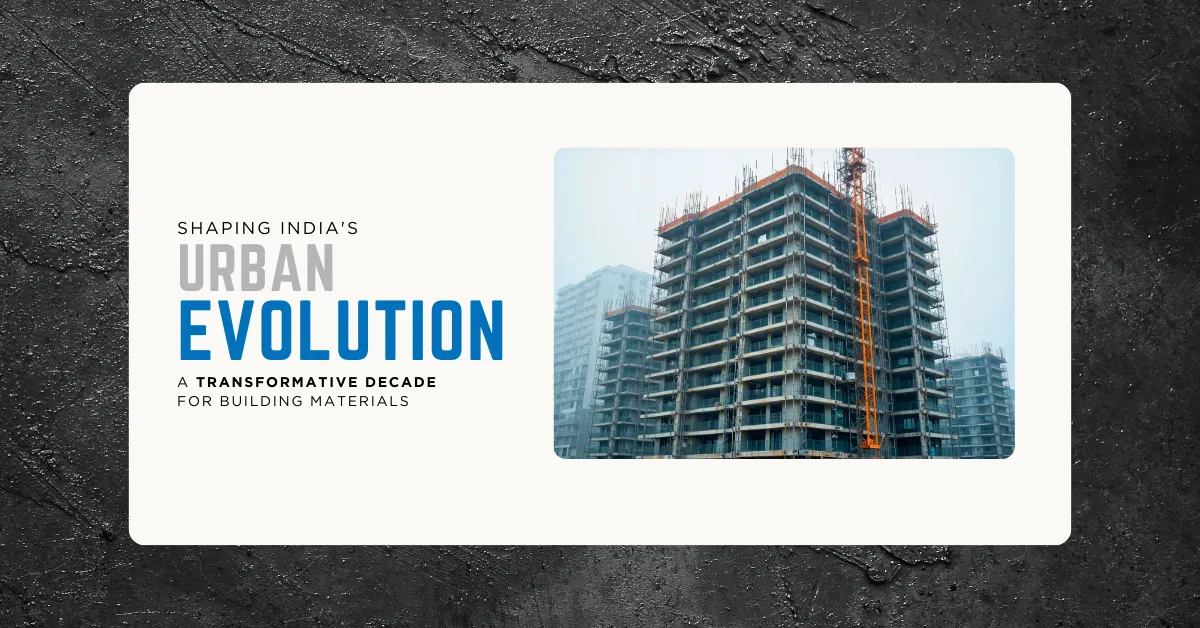
  • Shaping India’s Urban Evolution: A Transformative Decade For Building Materials

    Shaping India’s Urban Evolution: A Transformative Decade For Building Materials

    India’s real estate sector is on the brink of a historic transformation. With market projections estimating a rise from USD 200 billion in 2021 to a staggering USD 1 trillion by 2030, the sector is poised to contribute nearly 13 per cent to the nation’s GDP. This exceptional trajectory is being fuelled by rapid economic growth, accelerated urbanisation, changing demographics, and strong government impetus on infrastructure. Amid this dynamic landscape, the construction and building materials industry stands as a central pillar, both a catalyst and a beneficiary of this transformation.

    Opportunities in a Growing Landscape
    The ongoing evolution of India’s real estate market is unlocking a spectrum of opportunities for material suppliers. One of the most promising areas is the growth in Tier 2 and 3 cities. Government-led schemes such as Pradhan Mantri Awas Yojana (PMAY) and Smart Cities Mission are driving construction demand beyond metro cities. For suppliers, this translates into the need to scale up, build regional supply chains, and customise offerings to suit diverse regional requirements.

    Another significant opportunity is the growing demand for sustainable construction. Developers are increasingly opting for eco-friendly materials such as fly ash bricks, recycled aggregates, low-carbon cement, and thermally insulating blocks. This is a response to both consumer awareness and stricter environmental regulations. Material suppliers who invest in R&D and align with green certification standards like IGBC, GRIHA, or LEED will be better positioned to lead.

    Additionally, India is seeing the premiumisation of urban housing. With higher disposable incomes and aspirational home buyers, developers are focusing on high-end materials such as luxury tiles, energy-efficient windows, and smart home-compatible products. The rise in high-value residential project launches across top Indian cities further underscores this shift.

    Simultaneously, massive public investment through programs like the National Infrastructure Pipeline (NIP) and Gati Shakti is expected to inject trillions of rupees into national infrastructure. This will fuel long-term demand for cement, concrete, steel, and a host of other building materials, offering a stable growth pathway for manufacturers and distributors alike.

    Navigating Key Industry Challenges
    While opportunities abound, the sector is not without its challenges. Chief among them is raw material price volatility. The cost of inputs like steel, fuel, and cement can swing drastically based on global and domestic factors. For suppliers, this necessitates flexible procurement strategies and a move towards backward integration where possible.

    Logistics is another pressing challenge. As the market expands geographically, timely and cost-effective distribution becomes complex. To mitigate this, firms need to invest in advanced warehousing, last-mile delivery networks, and digital supply chain solutions.

    Regulatory compliance and product standardisation are also growing concerns. As the industry moves towards stricter quality control and sustainability norms, suppliers must constantly upgrade their manufacturing processes to stay ahead. Certifications are increasingly becoming not just value-adds but entry-level expectations.

    Finally, the adoption of digital technologies remains uneven. While tools like Building Information Modelling (BIM), ERP systems, and AI-based construction analytics are available, their integration into daily operations is still limited. Bridging this digital gap is essential for increasing productivity and maintaining competitiveness.

    The Role of Material Science and Innovation
    Material science continues to play a pivotal role in this transformative phase. Advanced materials that are more durable, energy-efficient, and adaptable to various climatic conditions are redefining construction. Heat-reflective roof tiles, moisture-resistant cement, and engineered uPVC doors and windows are just a few innovations contributing to sustainable urbanisation.

    Manufacturers who embrace modular construction and prefabrication are also finding favour. These methods reduce project timelines, improve quality control, and lower environmental impact, crucial factors in today’s fast-paced real estate sector.

    Future-Proofing India’s Built Environment
    To meet the evolving needs of developers and end-users, building material suppliers must shift from being mere vendors to strategic partners. This means offering end-to-end support, from design consultation to on-site execution, while ensuring product quality and consistency. Equally important is aligning with emerging real estate trends such as co-living spaces, green buildings, and smart cities. Each of these requires a new set of materials, technologies, and compliance standards.

    The next decade offers immense potential for stakeholders in the building materials ecosystem. As India urbanises at an unprecedented pace, the onus lies on suppliers to scale sustainably, innovate continuously, and adapt proactively. With a clear focus on quality, sustainability, and future readiness, companies in this sector can become key enablers of India’s urban growth story.

    By staying agile, investing in innovation, and responding to ground realities, building material manufacturers can position themselves not just as participants but as architects of India’s transformative urban journey.

    Disclaimer: The views expressed in this article are those of the author and do not necessarily reflect the views of the publication.

    Source Links: https://www.businessworld.in/article/shaping-india-s-urban-evolution-a-transformative-decade-for-building-materials-580342

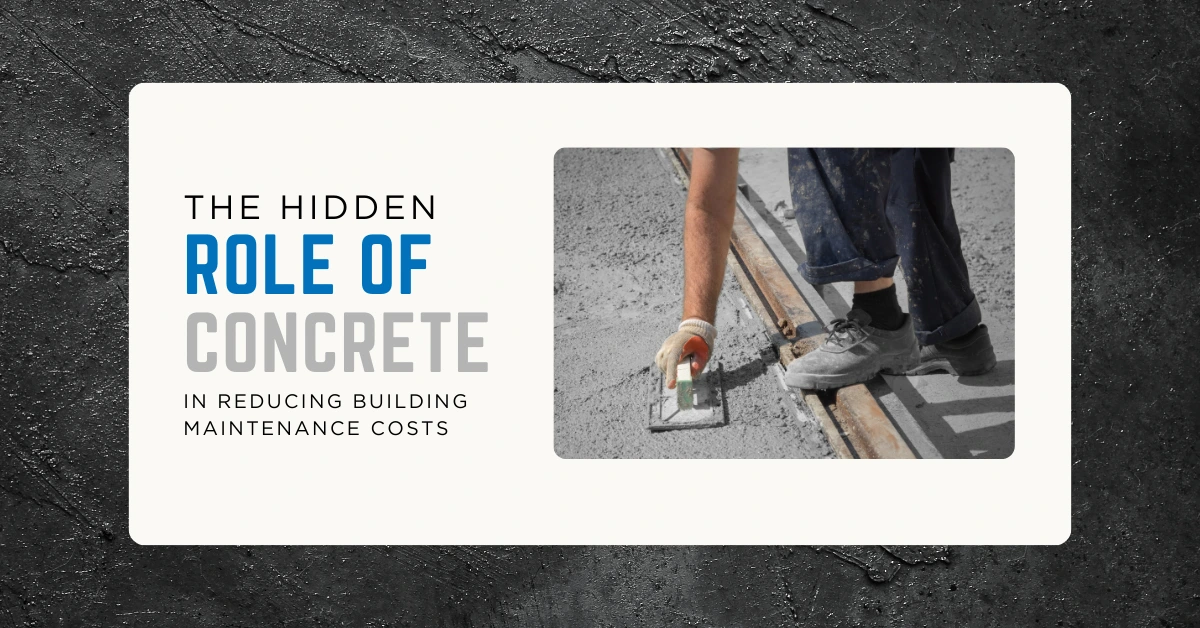
  • The Hidden Role of Concrete in Reducing Building Maintenance Costs

    The Hidden Role of Concrete in Reducing Building Maintenance Costs

    1. Introduction

    When construction budgets are planned, most of the focus is placed on initial material and execution costs. However, the true cost of a building is determined over its entire lifespan, not just at the time of construction. Frequent repairs, structural cracks, seepage, corrosion, and premature deterioration can significantly increase long-term maintenance expenses.

    One of the most overlooked factors influencing maintenance costs is concrete quality. Poorly designed or inconsistent concrete may meet short-term requirements but often leads to recurring repairs and reduced durability. This is why modern construction relies on engineered Ready-Mix Concrete (RMC) to ensure predictable performance and long-term value.

    In this blog, we explore how concrete quality directly impacts maintenance costs and how Aparna RMC helps builders reduce long-term expenses through durable, high-performance concrete solutions.

    2. Why Maintenance Costs Escalate in Buildings

    Maintenance issues usually begin small and grow over time. Common causes include:

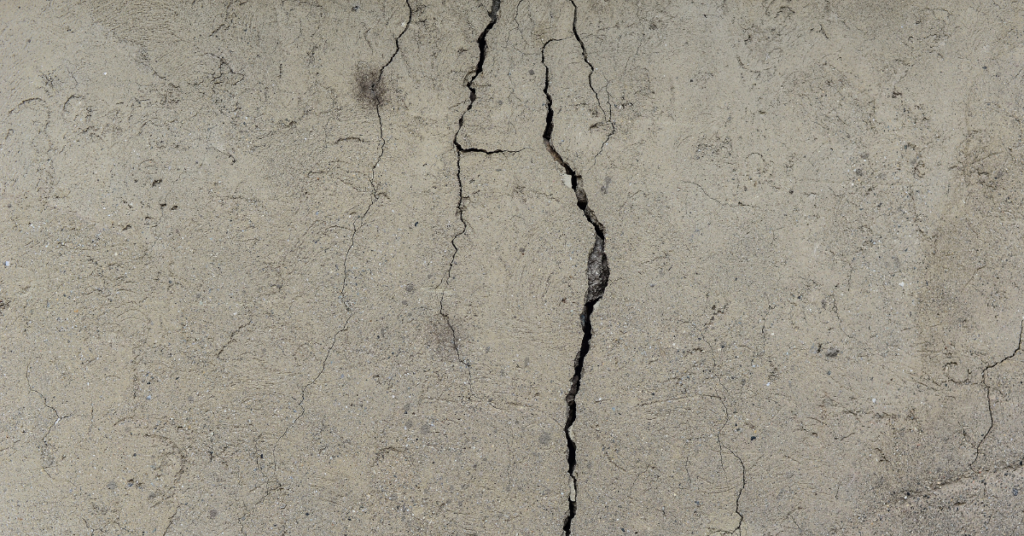
    • Cracks in slabs, beams, and columns
    • Water seepage through concrete
    • Corrosion of steel reinforcement
    • Surface deterioration
    • Repeated patch repairs

    These issues often originate from poor concrete quality, incorrect mix proportions, or inconsistent execution during construction.

    3. How Concrete Quality Influences Maintenance Requirements

    Concrete acts as the first line of defence against environmental exposure, load stress, and time.

    High-quality concrete offers:

    • Dense internal structure
    • Low permeability
    • Strong bonding with reinforcement
    • Uniform load distribution

    Low-quality concrete, on the other hand, allows moisture ingress, accelerates corrosion, and weakens structural elements — leading to frequent repairs.

    4. Common Concrete-Related Issues That Increase Maintenance Costs

    The Hidden Role of Concrete in Reducing Building Maintenance Costs

    a. Cracking Due to Shrinkage and Inconsistency

    Inconsistent water–cement ratios and improper curing lead to cracks.

    Impact:

    • Water ingress
    • Aesthetic damage
    • Repeated crack-filling repairs

    b. Seepage and Moisture Penetration

    Porous concrete allows water to pass through.

    Impact:

    • Dampness
    • Mold growth
    • Damage to finishes and interiors

    c. Corrosion of Reinforcement Steel

    Moisture and chemicals reach steel through permeable concrete.

    Impact:

    • Expansion and cracking
    • Structural weakening
    • Expensive rehabilitation work

    d. Surface Wear and Deterioration

    Low-strength concrete deteriorates faster under traffic and load.

    Impact:

    • Frequent resurfacing
    • Reduced service life

    5. How Ready-Mix Concrete Helps Reduce Maintenance Costs

    Ready-Mix Concrete is engineered to minimise variability and improve durability.

    Key advantages include:

    • Accurate mix proportions
    • Controlled water–cement ratio
    • Uniform strength across pours
    • Better compaction and finish
    • Reduced permeability

    These factors directly reduce long-term maintenance requirements.

    6. How Aparna RMC Designs Concrete for Long-Term Durability

    a. Optimised Mix Designs

    Aparna RMC designs concrete mixes based on:

    • Structural requirements
    • Environmental exposure
    • Load conditions
    • Desired durability

    This ensures concrete performs reliably over decades.

    b. Use of Supplementary Materials

    Aparna integrates materials that:

    • Reduce permeability
    • Improve durability
    • Enhance long-term strength

    This results in concrete that resists water ingress and chemical attack.

    c. SCADA-Controlled Batching

    Automation ensures:

    • Precise material proportioning
    • Consistent quality across batches
    • Elimination of manual errors

    Consistency plays a key role in reducing future defects.

    d. Rigorous Quality Testing

    Aparna conducts:

    • Slump tests
    • Strength testing
    • Durability checks (where required)

    This verifies that concrete meets performance expectations before reaching the site.

    7. Role of Concrete in Reducing Lifecycle Costs

    The Hidden Role of Concrete in Reducing Building Maintenance Costs

    While high-quality concrete may appear marginally higher in initial cost, it significantly reduces:

    • Repair frequency
    • Structural rehabilitation
    • Waterproofing failures
    • Long-term maintenance budgets

    Over a building’s lifespan, durable concrete results in substantial cost savings.

    8. Benefits for Builders and Property Owners

    Using high-quality RMC from Aparna delivers:

    • Fewer structural complaints
    • Reduced post-handover repairs
    • Longer service life
    • Lower ownership costs
    • Higher property value
    • Improved client satisfaction

    These benefits strengthen both project economics and brand reputation.

    9. Checklist: Choosing Concrete That Minimises Maintenance

    Before selecting an RMC supplier, ensure:

    1. Low-permeability concrete options
    2. Automated batching systems
    3. Consistent quality across pours
    4. Proven durability performance
    5. Technical support for mix selection
    6. Experience across diverse project types

    Aparna RMC meets all these criteria.

    10. Conclusion

    Building maintenance costs are often determined long before occupants move in — during the concrete selection stage. Poor-quality concrete leads to cracks, seepage, corrosion, and recurring repairs that increase long-term expenses. By delivering engineered Ready-Mix Concrete with consistent quality, low permeability, and high durability, Aparna RMC helps builders significantly reduce maintenance costs over a structure’s lifespan.

    For projects that aim to deliver long-term value and reliability, choosing the right concrete partner is essential.

    Choose Aparna RMC for concrete solutions that protect your investment long after construction is complete.

    11. FAQs

    Q1: Does better concrete really reduce maintenance costs?
    Yes. Durable, low-permeability concrete minimises cracking, seepage, and corrosion.

    Q2: Is high-quality RMC more expensive?
    While initial costs may be slightly higher, long-term maintenance savings are substantial.

    Q3: Can Aparna RMC customise concrete for durability needs?
    Yes. Mix designs are tailored based on project exposure and performance requirements.

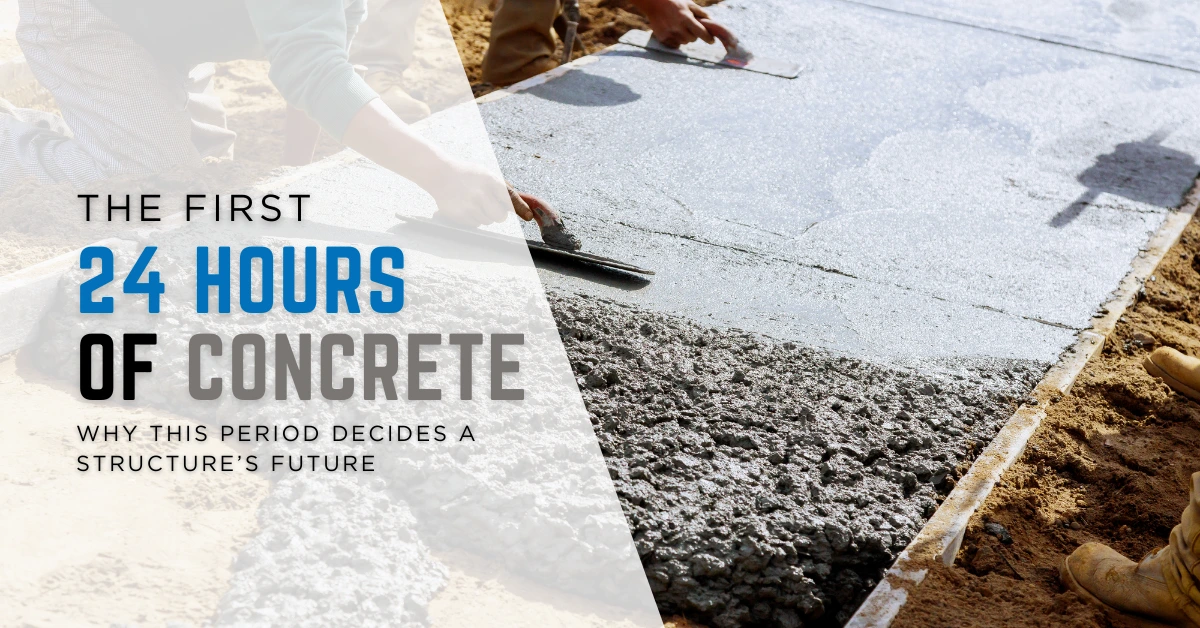
  • The First 24 Hours of Concrete: Why This Period Decides a Structure’s Future

    The First 24 Hours of Concrete: Why This Period Decides a Structure’s Future

    1. Introduction 

    The performance of concrete over decades is often decided within the first 24 hours after placement. While concrete may appear solid once poured, it undergoes complex chemical and physical changes during its early age. Any disturbance during this period — improper curing, temperature fluctuations, excess moisture loss, or poor handling — can permanently affect strength, durability, and crack resistance.

    In modern construction, where timelines are tight and structures are expected to last longer with minimal maintenance, controlling early-age concrete behaviour is critical. This is why engineered Ready-Mix Concrete (RMC) plays a vital role in ensuring predictable performance during the most sensitive phase of concrete life.

    In this blog, we explain why the first 24 hours are crucial and how Aparna RMC ensures concrete develops the right strength and durability from the very beginning.

    2. What Happens to Concrete in the First 24 Hours

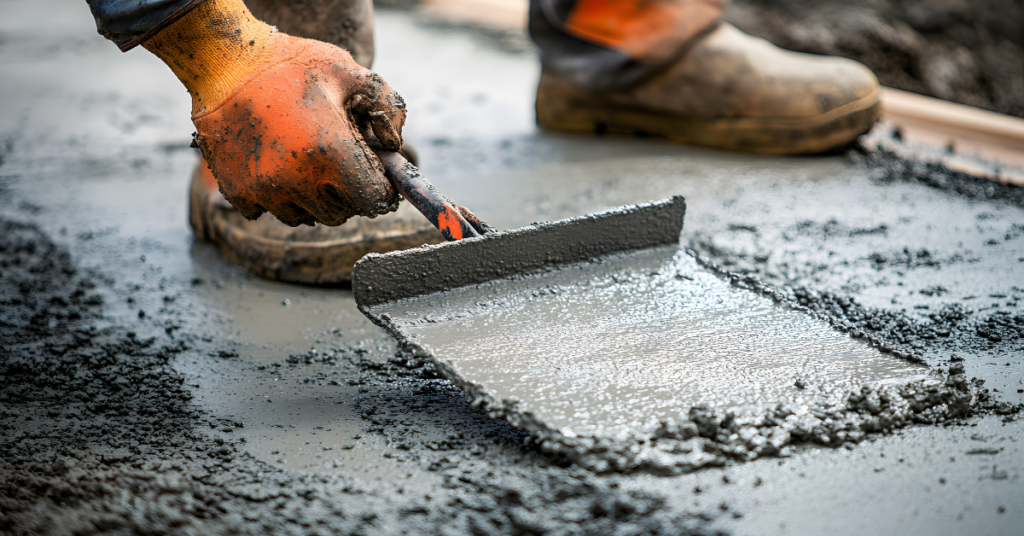
    Once concrete is placed, it does not simply “dry” — it hydrates. Cement reacts with water, forming bonds that give concrete its strength.

    During the first 24 hours:

    • Initial setting begins
    • Heat of hydration is released
    • Early strength development starts
    • Internal bonding structure forms

    Any disruption during this stage can lead to irreversible damage in the concrete matrix.

    3. Why the First 24 Hours Are So Critical

    The First 24 Hours of Concrete_ Why This Period Decides a Structure’s Future

    Early-age concrete is highly vulnerable. Problems during this window may not be visible immediately but often appear months or years later.

    Key risks include:

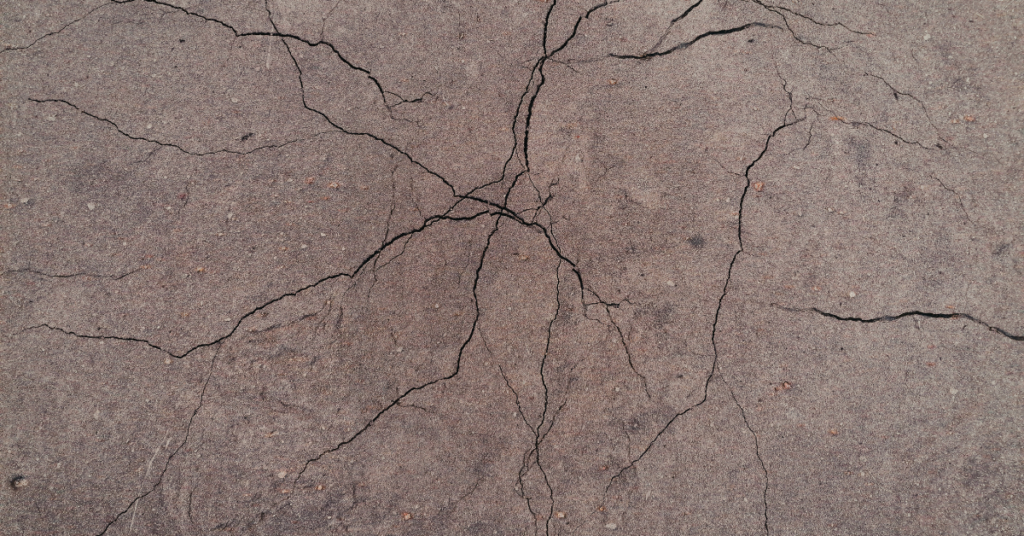
    • Plastic shrinkage cracking
    • Thermal cracking
    • Reduced compressive strength
    • Poor bonding with reinforcement
    • Increased permeability

    Proper control during this period ensures concrete reaches its designed performance level.

    4. Common Early-Age Concrete Problems

    a. Rapid Moisture Loss

    High temperatures, wind, or dry conditions can cause surface moisture to evaporate too quickly.

    Impact:

    • Plastic shrinkage cracks
    • Weak surface layers
    • Reduced durability

    b. Temperature Variations

    Sudden temperature changes affect hydration.

    Impact:

    • Uneven strength gain
    • Thermal stress
    • Internal cracking

    c. Improper Handling or Delays

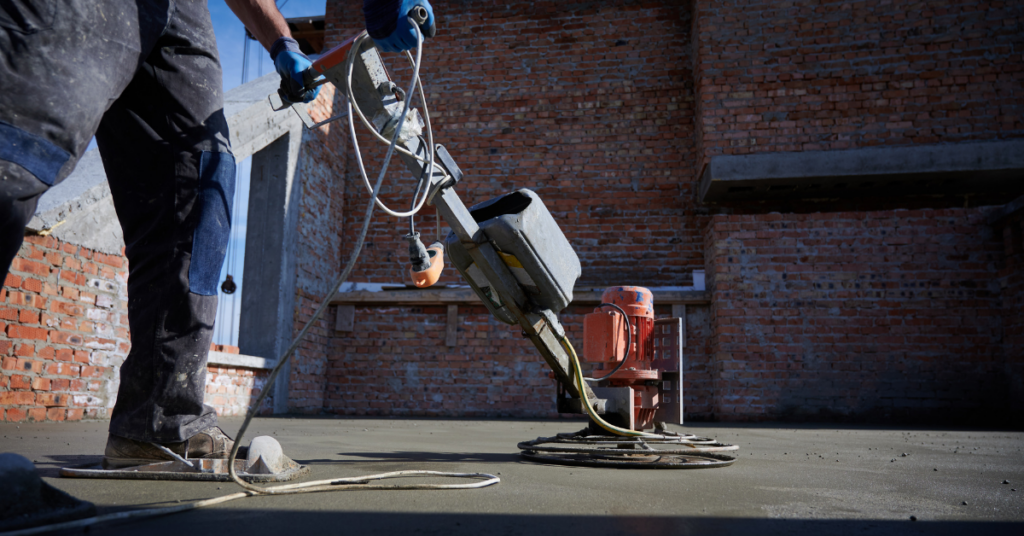
    Delays in placing or finishing concrete disturb early bonding.

    Impact:

    • Segregation
    • Honeycombing
    • Reduced load-bearing capacity

    5. Role of Ready-Mix Concrete in Early-Age Performance

    Ready-Mix Concrete is specifically designed to control early-age behaviour.

    Benefits include:

    • Precise water–cement ratio
    • Controlled setting time
    • Uniform workability
    • Predictable strength development

    Aparna RMC engineers mixes that remain stable and workable during the first 24 hours, reducing risks at “the” site.

    6. How Aparna RMC Controls Early-Age Concrete Performance

    a. Optimised Mix Design

    Aparna RMC designs mixes based on:

    • Ambient temperature
    • Pour size
    • Structural requirements
    • Setting time needs

    This ensures balanced hydration and controlled strength gain.

    b. Controlled Setting Through Admixtures

    Admixtures are used to:

    • Prevent rapid setting in hot weather
    • Maintain workability
    • Reduce early shrinkage

    This allows proper placement and finishing without compromising strength.

    c. Temperature-Controlled Concrete for Large Pours

    For raft foundations and mass concrete, Aparna supplies:

    • Temperature-controlled concrete
    • Optimised cement content

    This reduces heat build-up and prevents thermal cracking during the first 24 hours.

    7. Importance of Proper Curing in the First 24 Hours

    Curing is essential to retain the moisture needed for hydration.

    Without proper curing:

    • Concrete loses strength
    • Surface cracks develop
    • Long-term durability reduces

    Aparna RMC provides technical guidance on curing methods suitable for different site conditions, ensuring early-age concrete protection.

    8. Role of Technology in Early-Age Quality Control

    a. SCADA-Controlled Batching

    Automation ensures:

    • Accurate water content
    • Uniform batch quality
    • Consistent setting behaviour

    b. Continuous Quality Monitoring

    Aparna conducts:

    • Slump checks before dispatch
    • Temperature monitoring
    • Early-age strength tracking

    These checks ensure early performance aligns with design expectations.

    c. Timely Delivery Through GPS-Enabled Fleet

    Fresh concrete delivery is critical during early-age handling. Aparna’s GPS-enabled fleet ensures:

    • Minimal transit delays
    • Consistent workability at “the” site
    • Reduced risk of premature setting

    9. Long-Term Impact of Proper Early-Age Control

    The First 24 Hours of Concrete_ Why This Period Decides a Structure’s Future

    When the first 24 hours are well managed, structures benefit from:

    • Higher final strength
    • Reduced cracking
    • Improved durability
    • Lower permeability
    • Longer service life
    • Reduced maintenance costs

    Early-age control directly impacts structural reliability for decades.

    10. Checklist: Protecting Concrete in the First 24 Hours

    Before and after placing concrete, ensure:

    1. Correct mix design for site conditions
    2. Controlled setting time
    3. Protection from excessive heat or rain
    4. Proper curing initiation
    5. Continuous monitoring during “the” early hours
    6. Technical support from “the” RMC supplier

    Aparna RMC supports all these requirements.

    11. Conclusion

    The first 24 hours of concrete placement play a defining role in determining a structure’s strength, durability, and long-term performance. Early-age cracks, improper hydration, or temperature stress can permanently weaken concrete. Through engineered mix designs, temperature control, automation, and strict quality monitoring, Aparna RMC ensures concrete performs optimally during this critical window.

    For construction that demands reliability from day one to decades ahead, Aparna RMC delivers concrete solutions built for early-age control and lasting strength.

    Choose Aparna RMC for concrete engineered to perform from the very first hour.

    12. FAQs

    Q1: Why are the first 24 hours of concrete so important?
    Because hydration and early strength development occur during this period, influencing long-term durability.

    Q2: Can early-age cracks affect structural safety?
    Yes. Early cracks can reduce strength and increase permeability over time.

    Q3: How does Aparna RMC manage early-age concrete risks?
    Through optimised mix designs, controlled settings, temperature management, and technical support.

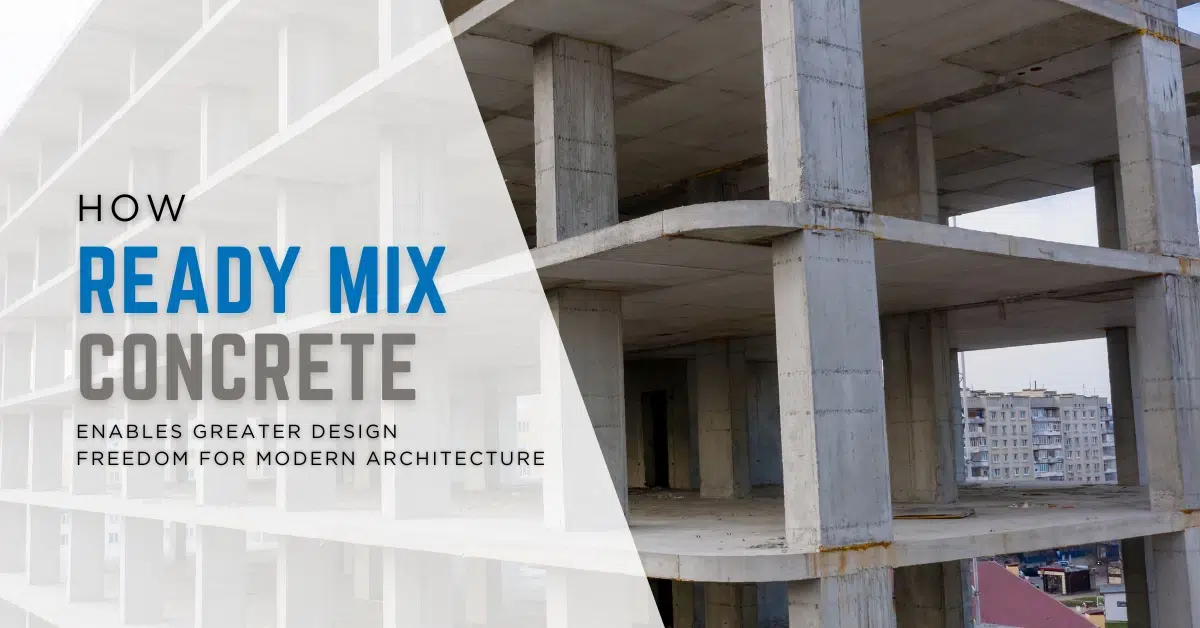
  • How Ready-Mix Concrete Enables Greater Design Freedom for Modern Architecture

    How Ready-Mix Concrete Enables Greater Design Freedom for Modern Architecture

    1. Introduction 

    Modern architecture is no longer limited to simple forms and repetitive layouts. Today’s buildings feature open floor plans, longer spans, slimmer columns, curved elements, and bold structural expressions. Achieving such architectural freedom requires materials that offer not just strength, but also predictable performance and flexibility in execution.

    Concrete plays a crucial role in turning architectural vision into reality. However, traditional site-mixed concrete often restricts design possibilities due to inconsistency and limited control. This is why architects and engineers increasingly rely on engineered Ready-Mix Concrete (RMC).

    In this blog, we explore how Ready-Mix Concrete enables greater architectural design freedom and how Aparna RMC supports innovative, complex, and future-ready building designs without compromising safety or durability.

    2. Why Architecture Demands More from Concrete Today

    How Ready-Mix Concrete Enables Greater Design Freedom for Modern Architecture

    Modern architectural designs demand concrete that can support:

    • Longer spans and open layouts
    • Slimmer columns and thinner slabs
    • Complex geometries and curves
    • Cantilevers and floating elements
    • Exposed concrete finishes

    Such designs place higher demands on concrete performance, precision, and consistency.

    3. Limitations of Traditional Concrete in Architectural Design

    Site-mixed concrete often limits design freedom due to:

    • Variations in strength across pours
    • Inconsistent workability
    • Difficulty in achieving complex shapes
    • Higher risk of surface defects
    • Limited control over finish quality

    These constraints force architects to simplify designs or add unnecessary structural elements.

    4. How Ready-Mix Concrete Expands Design Possibilities

    Ready-Mix Concrete removes many of these limitations through engineered precision.

    Key advantages include:

    • Consistent strength across large spans
    • Predictable setting and finishing behaviour
    • Superior surface quality for exposed concrete
    • Ability to support complex formwork
    • Uniform performance across multiple pours

    This enables architects to design freely while engineers maintain structural safety.

    5. Role of Concrete Strength and Consistency in Design Freedom

    Design freedom depends heavily on concrete reliability.

    High-strength concrete enables:

    • Reduced column sizes
    • Longer beam spans
    • More usable floor space
    • Lightweight structural aesthetics

    Consistency ensures that these design benefits are achieved without compromising performance.

    6. How Aparna RMC Supports Architectural Innovation

    a. Customised Mix Designs

    Aparna RMC develops mix designs based on:

    • Structural complexity
    • Architectural intent
    • Exposure conditions
    • Finish requirements

    This ensures concrete supports both design and performance goals.

    b. High-Strength and High-Performance Concrete

    Aparna supplies concrete grades suitable for:

    • Slender structural elements
    • High-rise buildings
    • Long-span slabs
    • Special architectural features

    These mixes provide the strength needed for modern design concepts.

    c. Controlled Workability for Complex Formwork

    Engineered workability ensures concrete:

    • Flows easily into complex moulds
    • Reduces voids and honeycombing
    • Delivers smooth surface finishes

    This is critical for architectural concrete applications.

    7. Supporting Exposed and Aesthetic Concrete Finishes

    Many modern designs use exposed concrete as a finish.

    Aparna RMC supports this through:

    • Uniform colour and texture
    • Reduced surface defects
    • Controlled setting behaviour
    • Consistent compaction properties

    This allows architects to use concrete as both a structural and aesthetic element.

    8. Role of Technology in Architectural Concrete

    a. SCADA-Controlled Batching

    SCADA-based automation ensures:

    • Accurate mix proportions
    • Repeatable performance
    • Uniform quality across pours

    b. Quality Monitoring and Testing

    Aparna conducts:

    • Slump control
    • Strength verification
    • Finish quality checks

    This ensures concrete meets architectural expectations.

    c. Timely and Coordinated Supply

    Architectural pours often require precise timing. Aparna’s logistics support:

    • Continuous pours
    • Consistent workability
    • Seamless execution

    9. Benefits for Architects, Builders, and Developers

    Using Aparna RMC enables:

    • Greater design flexibility
    • Reduced structural compromises
    • Improved space utilisation
    • Better finish quality
    • Faster project execution
    • Higher client satisfaction

    These benefits help transform architectural vision into reality.

    10. Checklist: Choosing Concrete for Design-Driven Projects

    Before selecting concrete for architectural projects, ensure:

    🔲 Consistent strength across pours
    🔲 Customised mix designs
    🔲 High-quality surface finish capability
    🔲 Reliable workability control
    🔲 Technical coordination support
    🔲 Proven experience in complex projects

    Aparna RMC meets all these criteria.

    11. Conclusion

    Architectural innovation depends on materials that offer both strength and flexibility. Ready -Mix Concrete enables architects to push boundaries by supporting longer spans, complex forms, and refined finishes with confidence. Through customised mix designs, high-performance concrete, and precise quality control, Aparna RMC empowers modern architecture without compromising safety or durability.

    For projects that demand creativity, precision, and performance, Aparna RMC delivers concrete solutions that turn ambitious designs into enduring structures.

    Choose Aparna RMC to build architecture without limits.

    12. FAQs

    Q1: Can concrete support complex architectural designs?
    Yes. Engineered Ready-Mix Concrete enables complex forms and long spans reliably.

    Q2: Does high-strength concrete affect design flexibility?
    It enhances flexibility by allowing slimmer structural elements and open spaces.

    Q3: Does Aparna RMC work with architects during planning?
    Yes. Aparna provides technical support to align concrete performance with design intent.

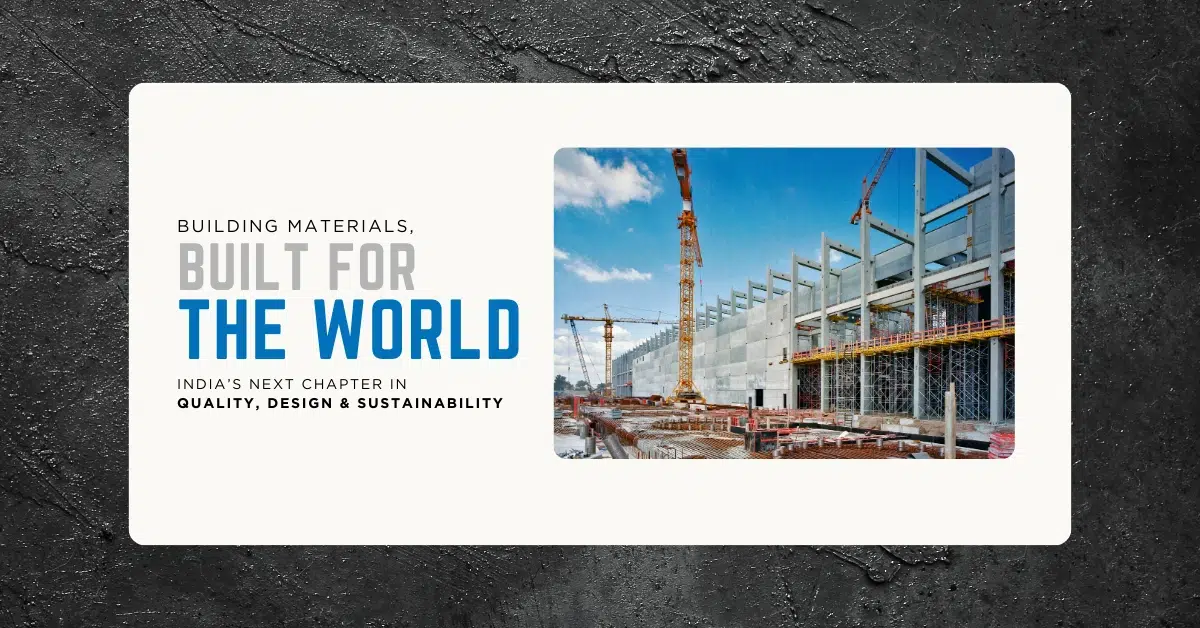
  • Building Materials, Built for the World: India’s Next Chapter in Quality, Design & Sustainability

    Building Materials, Built for the World: India’s Next Chapter in Quality, Design & Sustainability

    Building Materials, Built for the World India’s Next Chapter in Quality, Design & Sustainability

    As India steps into its Amrit Kaal, the transformative 25-year journey leading up to the centenary of independence, the nation’s growth blueprint is clear: create infrastructure that is not just vast in scale, but exceptional in quality, future-ready in design, and sustainable at its core. From 100 smart cities and high-speed rail corridors to industrial hubs, logistics parks, and climate-resilient urban networks, the scale of ambition is unprecedented. This is not merely construction; it is the deliberate shaping of a new India that can stand shoulder-to-shoulder with the most advanced economies in the world. India’s aspirations to become a $10 trillion economy are closely tied to its ability to execute infrastructure at speed, scale, and sustainability. The ₹11 lakh crore capital expenditure allocation in the Union Budget 2025–26, alongside landmark programmes like PM Gati Shakti, Bharatmala, and the National Infrastructure Pipeline, reflects this urgency. But the real measure of progress lies not in the kilometres built or projects completed, it lies in whether we build infrastructure that will endure for generations, deliver operational efficiency, and adapt to changing climate realities.

    The building materials sector is at the heart of this transformation. Once seen as a peripheral contributor, it is now a strategic enabler of national competitiveness. Today, the idea of “quality” in building materials goes far beyond sheer strength or cost efficiency. It is about creating solutions that conserve energy, last longer, withstand climate stresses, and adapt to the unique conditions of each region. From precision-engineered Ready-Mix Concrete (RMC) that accelerates construction timelines, to large-format tiles that improve hygiene and durability, to cool-roof and high-performance façade systems that combat heat stress, these innovations are setting new benchmarks. By embedding such advanced materials into every project, India is not just building faster, it is building smarter and more sustainably for the long term.

    India’s architectural heritage, has always reflected an intuitive understanding of local climate and materials. The need of the hour is to replicate this harmony using cutting-edge science, AI-led design simulations, and climate-resilient engineering. Bioclimatic design principles, enhanced with modern materials and smart sensors, are enabling energy efficiency and occupant comfort. AI and Machine Learning are optimising concrete mixes for site-specific needs, predicting material performance, and minimising waste through generative design.

    Building Information Modelling (BIM) and digital twins allow architects, engineers, and developers to visualise entire projects before a single brick is laid, reducing design errors, streamlining collaboration, and improving lifecycle asset management. Supply chains are also undergoing a digital revolution. QR-coded traceability, blockchain-enabled quality certifications, and real-time inventory monitoring ensure transparency and accountability, critical factors for large-scale infrastructure projects. India’s geographic and climatic diversity demands a context-sensitive approach to material innovation. Moisture-resistant products for coastal regions, heat-reflective surfaces for central plains, and impact-resistant solutions for seismic zones are becoming the norm. This regional R&D approach allows Indian manufacturers to meet global quality benchmarks while remaining deeply relevant to local needs.

    Such innovation is not only enhancing domestic projects but also strengthening India’s position as a trusted supplier in global construction supply chains, a competitive advantage in a post-tariff, globalised market. Government frameworks such as GRIHA, IGBC, and the Energy Conservation Building Code (ECBC) are aligning infrastructure goals with sustainability imperatives. Public-private partnerships, combined with academic research, are accelerating advancements in green materials, circular construction, and workforce upskilling. At Aparna Unispace, these learnings translate into interiors that blend global design, sustainable materials, and uncompromising quality, offering solutions that are both environmental friendly and contemporary.  Yet, the road ahead requires coordinated action: standardised quality benchmarks, mandatory certifications, incentives for sustainable material adoption, and climate resilience built into all public and private infrastructure tenders.

    By 2030, over 500 million Indians will live in cities. Meeting their needs will require infrastructure that delivers on speed, strength, sustainability, and scale. This is not just about constructing buildings; it is about constructing a resilient legacy. For stakeholders across the ecosystem, architects, developers, policymakers, and manufacturers, the mandate is clear: we must elevate quality as the non-negotiable foundation, harness innovation to optimise resources and performance, and embed responsibility into every project to ensure longevity and climate resilience.Today, India has the opportunity to redefine what building materials can achieve, not just for the domestic market, but for the world. The choices we make today will determine whether we build infrastructure that merely meets demand, or infrastructure that inspires confidence, competitiveness, and pride for generations to come.

    Source Link:
    https://interiorsndecor.com/building-materials-built-for-the-world-indias-next-chapter-in-quality-design-sustainability/

  • Concrete for Extreme Conditions: How Aparna RMC Performs in Heat, Rain, and Heavy Loads

    Concrete for Extreme Conditions: How Aparna RMC Performs in Heat, Rain, and Heavy Loads

    1. Introduction 

    Construction in India rarely happens under ideal conditions. Projects must withstand extreme heat, heavy monsoons, fluctuating humidity, and high structural loads — all of which place immense stress on concrete performance. When concrete is not designed for these conditions, it can lead to cracking, loss of strength, durability issues, and long-term structural damage.

    This is why modern construction demands engineered Ready-Mix Concrete (RMC) that can adapt to environmental and structural challenges. Aparna RMC has developed specialised concrete solutions that perform reliably in extreme conditions, ensuring strength, workability, and durability regardless of external stresses.

    In this blog, we explore how Aparna RMC designs and delivers concrete that performs consistently in heat, rain, and heavy-load environments.

    2. Why Extreme Conditions Are a Challenge for Concrete

    Concrete performance is highly sensitive to environmental and loading conditions. Extreme factors can disrupt hydration, weaken bonding, and reduce long-term durability.

    Key challenges include:

    • Rapid moisture loss in hot weather
    • Excess water during monsoons
    • Thermal cracking in large pours
    • Increased stress from heavy loads
    • Corrosion risks in aggressive environments

    Without proper mix design and quality control, these factors can severely compromise structural integrity.

    3. Concrete Performance in High-Temperature Conditions

    a. Challenges of Hot Weather Concreting

    In high temperatures, concrete tends to:

    • Lose moisture rapidly
    • Set faster than desired
    • Develop plastic shrinkage cracks
    • Lose workability before placement

    These issues are common in summer months and heat-intensive regions.

    b. How Aparna RMC Adapts Concrete for Heat

    Aparna RMC uses several strategies to ensure optimal performance in hot conditions:

    • Controlled water–cement ratio to prevent rapid evaporation
    • Use of retarders to slow down the setting time
    • Temperature-controlled batching for large pours
    • Continuous moisture monitoring of aggregates

    These measures ensure concrete remains workable and achieves target strength even under extreme heat.

    4. Concrete Performance During Monsoons and High Moisture Conditions

    a. Challenges of Monsoon Concreting

    Rain and high humidity can cause:

    • Excess water entering the mix
    • Reduced strength due to dilution
    • Segregation of aggregates
    • Delayed setting and finishing issues

    Uncontrolled moisture is one of the biggest risks during monsoon construction.

    b. Aparna RMC’s Monsoon-Ready Concrete Solutions

    To counter these challenges, Aparna RMC implements:

    • Moisture correction systems in batching plants
    • Precise adjustment of water content
    • Use of admixtures to maintain strength
    • Protected material storage at plants

    These controls ensure consistent concrete quality even during heavy rainfall.

    5. Concrete Under Heavy Structural Loads

    a. Why Heavy Loads Demand Special Concrete

    Structures—such as high-rise buildings, bridges and flyovers, industrial floors, and infrastructure are subjected to continuous and dynamic loads. Concrete used here must offer high compressive strength, low permeability, and long-term durability.

    b. Aparna RMC’s High-Strength Concrete Solutions

    Aparna RMC supplies high-strength grades from M40 to M80, engineered to handle heavy loads without compromise.

    Key features include:

    • High compressive strength
    • Enhanced bonding with reinforcement
    • Reduced permeability
    • Improved resistance to cracking

    These mixes ensure safe load transfer and structural stability over decades

    6. Managing Thermal Stress in Large Concrete Pours

    “Large pours,” such as raft foundations and bridge decks, generate significant heat due to cement hydration.

    Risks include:

    • Thermal cracking
    • Internal stress development
    • Reduced durability

    Aparna RMC’s Solutions:

    • Temperature-controlled concrete
    • Optimised cement content
    • Use of supplementary materials to reduce “the” heat of hydration
    • Controlled pour sequencing

    These practices minimise thermal stress and enhance long-term performance.

    7. Role of Technology in Extreme-Condition Concrete

    Technology plays a key role in managing concrete performance.

    a. SCADA-Controlled Batching

    A “SCADA”-based automation ensures:

    • Precise proportioning
    • Accurate moisture correction
    • Uniform quality across batches

    b. Continuous Quality Testing

    Aparna conducts:

    • Slump tests
    • Temperature checks
    • Strength testing at different curing stages

    This ensures that concrete meets design requirements despite environmental challenges.

    c. GPS-Enabled Logistics

    Timely delivery is crucial in extreme conditions. Aparna’s GPS-enabled fleet ensures:

    • Reduced transit time
    • Fresh concrete at “the site”
    • Minimal loss of workability

    8. Benefits of Using Aparna RMC for Extreme Conditions

    Builders and engineers benefit from:

    • Reduced cracking and shrinkage
    • Improved durability in harsh climates
    • Consistent strength performance
    • Lower maintenance costs
    • Safer structures under heavy loads
    • Reliable construction timelines

    These advantages make Aparna RMC a trusted partner for challenging projects.

    9. Checklist: Choosing Concrete for Extreme Conditions

    Before selecting concrete for challenging environments, ensure:

    🔲 Weather-adapted mix designs
    🔲 Automated batching with moisture control
    🔲 High-strength grades for heavy loads
    🔲 Temperature-controlled solutions for large pours
    🔲 On-site technical support
    🔲 Proven experience in extreme conditions

    Aparna RMC meets all these requirements.

    10. Conclusion

    Extreme conditions demand more than standard concrete — they require engineered solutions designed for performance under stress. Whether it’s scorching heat, heavy rainfall, or massive structural loads, Aparna RMC delivers concrete that adapts, performs, and endures. Through advanced mix designs, automation, and rigorous quality control, Aparna ensures reliable concrete performance across all environments.

    For projects where conditions are tough and expectations are high, Aparna RMC provides the confidence to build safely and sustainably.

    Choose Aparna RMC for concrete engineered to perform under extreme conditions.

    11. FAQs

    Q1: Can concrete be poured during extreme heat or rain?
    Yes, concrete can be poured during extreme heat or rain when proper precautions are taken. Aparna RMC uses specialized mix designs, controlled pouring methods, and protective measures to ensure durability, strength, and long-term performance.

    Q2: Which concrete grades are suitable for heavy-load structures?
    For heavy-load structures, higher-strength concrete grades like M40 and above are generally recommended. The exact grade depends on structural design, load conditions, durability needs, and specific engineering and safety requirements.

    Q3: How does Aparna RMC prevent cracking in large pours?
    Aparna RMC prevents cracking in large concrete pours by using temperature-controlled mixes, optimized cement content, controlled hydration processes, proper curing practices, and carefully planned placement techniques to reduce thermal stress.

  • Why Consistent Concrete Supply Is Critical for Structural Strength

    Why Consistent Concrete Supply Is Critical for Structural Strength

    1. Introduction 

    In construction, strength is not determined by a single concrete pour — it is built through consistency across every stage of the structure. Even when the correct concrete grade is used, variations between batches or interruptions in supply can compromise structural integrity. In “large projects,” especially, consistent Ready Mix Concrete (RMC) supply plays a crucial role in achieving uniform strength, durability, and long-term performance.

    Inconsistent concrete can lead to weak joints, cracks, and uneven load transfer — issues that may not be visible immediately but emerge over time. This is why leading builders and engineers rely on trusted RMC partners like Aparna RMC, known for maintaining uniformity, precision, and uninterrupted supply across projects of all scales.

    This blog explains why consistency in concrete supply matters and how Aparna RMC ensures structural strength from foundation to finish.

    2. What Does Consistent Concrete Supply Mean?

    Consistent concrete supply refers to the ability to deliver uniform concrete quality, strength, and workability across multiple pours — without variation between batches.

    This includes consistency in:

    • Mix proportions
    • Strength grade
    • Workability (slump)
    • Setting time
    • Raw material quality
    • Delivery timing

    When concrete consistency is maintained, the structure behaves as a single, unified system rather than separate segments.

    3. How Inconsistent Concrete Affects Structural Strength

    Even small variations in concrete quality can create long-term structural problems.

    a. Formation of Cold Joints

    Cold joints occur when fresh concrete is poured over concrete that has already begun to set.

    Impact:

    • Weak bonding between layers
    • Reduced load transfer
    • Increased risk of cracking and leakage

    Consistent and uninterrupted supply helps prevent cold joints in slabs, beams, columns, and foundations.

    b. Uneven Load Distribution

    When different sections of a structure have varying strength levels, loads are not distributed evenly.

    Result:

    • Stress concentration
    • Micro-cracks
    • Reduced overall load-bearing capacity

    Uniform RMC supply ensures that every part of the structure performs equally under load.

    c. Differential Shrinkage and Cracking

    Inconsistent water–cement ratios between batches lead to different shrinkage rates.

    This causes:

    • Surface cracks
    • Structural cracks
    • Poor finish quality

    Aparna RMC maintains precise water-cement ratios through automated batching.

    d. Reduced Durability Over Time

    Variations in concrete quality increase:

    • Water permeability
    • Steel reinforcement corrosion
    • Long-term maintenance requirements

    Consistency is essential for achieving durability over decades.

    4. Why Consistency Is More Critical in Large Projects

    Large-scale projects such as: High-rise buildings Infrastructure works Industrial facilities Commercing with Many large-scale projects require continuous concrete pours over extended periods. 

    In such projects:

    • Hundreds or thousands of cubic meters are poured
    • Multiple structural elements are cast simultaneously
    • Even minor inconsistencies multiply into major risks

    This makes consistent RMC supply non-negotiable for large developments.

    5. How Ready Mix Concrete Ensures Consistency

    Ready Mix Concrete is specifically designed to eliminate the variability seen in site-mixed concrete.

    Key reasons RMC ensures consistency:

    • Centralised production in controlled environments
    • Standardised mix designs
    • Automated batching systems
    • Continuous quality testing
    • Uniform raw material sourcing

    Aparna RMC strengthens these advantages with advanced technology and strong operational discipline.

    6. How Aparna RMC Maintains Consistent Concrete Supply

    Aparna RMC has built its reputation around uniform quality and dependable supply.

    a. SCADA-Controlled Batching Systems

    All Aparna plants use automated SCADA systems that ensure:

    • Accurate material measurement
    • Uniform mix proportions
    • Consistent strength across batches
    • Zero manual estimation

    This eliminates human error and batch-to-batch variation.

    b. Standardised Mix Designs Across Plants

    Aparna follows centralised mix design protocols to ensure:

    • The same grade performs identically across locations
    • Uniform workability and strength
    • Reliable results across multiple pours

    This is critical for projects supplied from more than one plant.

    c. Stringent Raw Material Quality Control

    Consistency begins with raw materials.

    Aparna ensures:

    • Certified cement sources
    • Graded aggregates
    • Clean M-sand
    • Controlled moisture levels

    Materials are tested regularly to maintain uniform input quality.

    d. Strong Plant Network for Uninterrupted Supply

    With 36+ strategically located plants, Aparna ensures:

    • Shorter delivery distances
    • Fresh concrete at “the” site
    • No gaps in supply during large pours

    Multiple plants can support a single project to maintain continuity.

    e. Large Fleet & Dispatch Coordination

    Aparna’s fleet of 350+ transit mixers and pumps allows:

    • Continuous delivery cycles
    • Backup vehicles during peak demand
    • Smooth flow of concrete to “the” site

    Dedicated dispatch teams coordinate timing to avoid interruptions.

    f. Real-Time Quality Monitoring

    Aparna conducts:

    • Slump tests before dispatch
    • Strength testing at set intervals
    • Temperature and moisture monitoring

    This ensures consistency not just in production, but also in performance at “the” site.

    7. Benefits of Consistent Concrete Supply for Builders

    Maintaining uniform concrete quality delivers multiple advantages:

    • Improved structural safety
    • Better load transfer
    • Reduced cracking and seepage
    • Enhanced durability
    • Faster construction timelines
    • Lower maintenance costs
    • Better finishing quality

    These benefits directly impact project success and long-term value.

    8. Site-Mixed Concrete vs Consistent RMC Supply

    AspectSite-Mixed ConcreteAparna RMC
    Mix accuracyVariableHighly precise
    Batch consistencyInconsistentUniform
    Risk of cold jointsHighMinimal
    Strength reliabilityUncertainVerified
    Supply continuityLimitedAssured
    Quality testingRareMandatory

    9. Checklist: How to Ensure Concrete Consistency on Your Project

    Before choosing an RMC supplier, confirm with “that they provide”

    🔲 Automated batching systems
    🔲 Standardised mix designs
    🔲 Multiple plants for backup supply
    🔲 Large fleet availability
    🔲 Regular quality testing
    🔲 Technical coordination with site teams

    “Aparna RMC meets every one of these criteria” with “Aparna RMC consistently fulfills each of these critical benchmarks.

    10. Conclusion

    Structural strength depends not just on concrete grade, but on consistency across every pour. Inconsistent concrete can weaken joints, reduce load-bearing capacity, and shorten a building’s lifespan. By delivering uniform quality, uninterrupted supply, and precision-controlled mixes, Aparna RMC ensures that structures perform as designed — today and decades into the future.

    For projects where strength, safety, and durability matter, “a” consistent Ready Mix Concrete supply is essential.

    Choose Aparna RMC for concrete that delivers consistency you can build on.

    11. FAQs

    Q1: Why is consistent concrete supply important in slabs and foundations?
    It prevents cold joints and ensures uniform load transfer.

    Q2: Can inconsistent concrete cause cracks later?
    Yes. Variations in strength and shrinkage often lead to cracking over time.

    Q3: How does Aparna RMC ensure batch uniformity?
    Through SCADA automation, standardised mix designs, and continuous testing.

  • What Happens Inside a Ready Mix Concrete Plant? A Step-by-Step Guide

    What Happens Inside a Ready Mix Concrete Plant? A Step-by-Step Guide

    1. Introduction 

    Ready Mix Concrete may look simple when it arrives at a construction site, but behind every cubic meter lies a highly controlled, technology-driven production process. Unlike site-mixed concrete, which depends on manual labour and variable conditions, Ready Mix Concrete is manufactured in specialised plants designed for accuracy, consistency, and efficiency.

    Understanding what happens inside a Ready Mix Concrete plant helps builders, engineers, and developers appreciate why RMC offers superior quality, safety, and performance. Aparna RMC operates some of the most advanced batching plants in the region, ensuring that every batch meets strict quality and strength standards.

    In this blog, we take you through a step-by-step journey inside an Aparna RMC plant, explaining how raw materials are transformed into high-performance concrete ready for modern construction.

    2. Step 1: Raw Material Selection and Storage

    Everything starts with high-quality raw materials. Aparna RMC follows strict guidelines for sourcing and storing materials.

    Key materials used:

    • Cement
    • Coarse aggregates
    • Fine aggregates (M-sand)
    • Water
    • Admixtures

    Why this step matters:

    Poor-quality raw materials directly reduce concrete strength and durability. Aparna ensures materials are sourced only from approved suppliers and stored in controlled conditions to prevent contamination.

    3. Step 2: Raw Material Testing & Quality Verification

    Before materials enter production, they undergo rigorous testing.

    Tests conducted include:

    • Cement fineness and setting time
    • Aggregate grading and moisture content
    • Sand cleanliness and particle size
    • Water chemical purity

    This step ensures that only certified materials are used, eliminating inconsistencies at the foundation level.

    4. Step 3: Accurate Weighing Through SCADA Automation

    Once approved, materials are fed into the batching system.

    SCADA-controlled batching ensures:

    • Precise measurement of cement, aggregates, and water
    • Correct water–cement ratio
    • Zero manual estimation
    • Repeatable accuracy for every batch

    Automation is one of the biggest advantages of Aparna RMC, ensuring uniform concrete quality across thousands of batches.

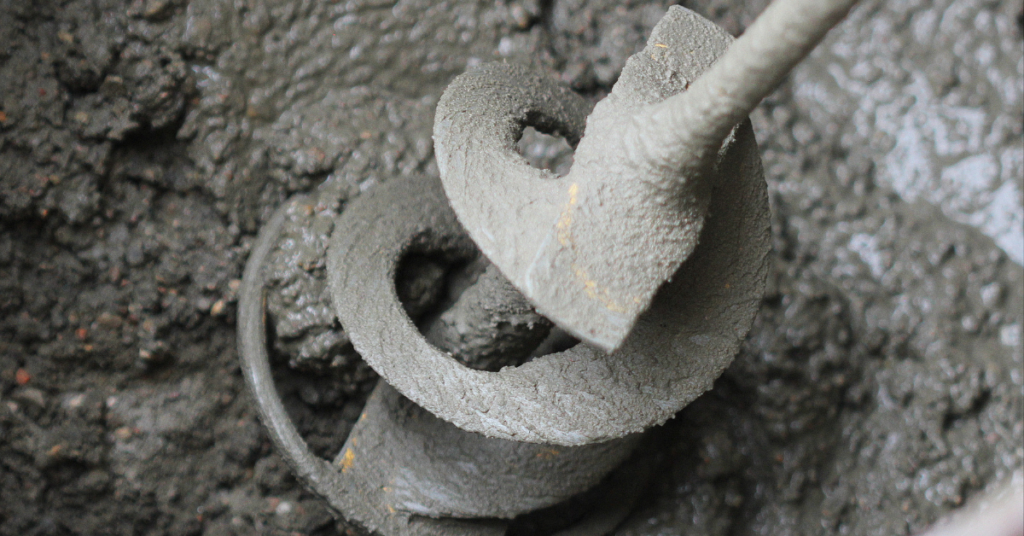
    5. Step 4: Mixing Process

    Ready Mix Concrete plant process3

    After weighing, materials are transferred to high-capacity mixers.

    What happens during mixing:

    • Cement coats aggregates evenly
    • Water activates hydration
    • Admixtures improve workability, strength, or setting time

    Why controlled mixing is critical:

    Improper mixing can lead to weak zones, segregation, or inconsistent strength. Aparna’s mixers ensure thorough blending within controlled time cycles.

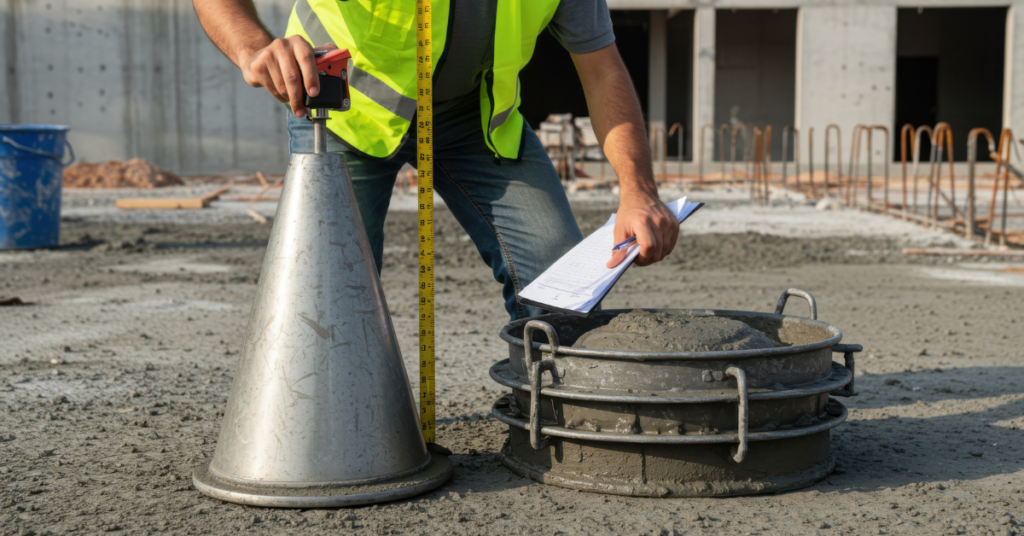
    6. Step 5: Fresh Concrete Quality Checks

    Ready Mix Concrete plant process3

    Before dispatch, fresh concrete is tested for consistency and workability.

    Common checks include:

    • Slump test
    • Temperature monitoring
    • Visual inspection

    These checks confirm that concrete can be placed and compacted correctly at the site.

    7. Step 6: Dispatch Planning and Scheduling

    Concrete has a limited working time, making dispatch planning crucial.

    Aparna RMC ensures:

    • Accurate scheduling based on site demand
    • Continuous supply for large pours
    • Coordination with site engineers
    • Optimised delivery routes

    Each delivery is planned to minimise waiting time and maintain concrete quality.

    8. Step 7: Loading into Transit Mixers

    Once approved, concrete is loaded into transit mixers.

    Why transit mixers matter:

    • Continuous drum rotation prevents segregation
    • Maintains uniform consistency during travel
    • Protects concrete from setting prematurely

    Aparna’s well-maintained fleet ensures smooth transportation from plant to site.

    9. Step 8: GPS Tracking and Delivery Monitoring

    Aparna RMC uses GPS-enabled vehicles to track deliveries in real time.

    Benefits of GPS tracking:

    • Live location updates
    • Better coordination with site teams
    • Route optimisation
    • Reduced delivery delays

    This level of visibility ensures concrete arrives fresh and on time.

    10. Step 9: Site-Level Support and Pour Coordination

    Aparna’s responsibility doesn’t end at dispatch.

    On-site support includes:

    • Technical guidance during pouring
    • Pump coordination
    • Workability adjustments if required
    • Quality checks at “the” site

    This hands-on approach ensures concrete performs as intended.

    11. Step 10: Strength Testing & Documentation

    After placement, concrete cubes are tested at:

    • 7 days
    • 14 days
    • 28 days

    These tests verify that the concrete achieves the required strength grade.

    Why documentation matters:

    Test records provide proof of quality and compliance with IS/BIS standards.

    12. How Aparna RMC Maintains Consistency Across All Plants

    With multiple plants in operation, Aparna ensures uniform standards through:

    • Centralised quality protocols
    • Standardised mix designs
    • Regular audits
    • Skilled technical teams
    • Continuous system calibration

    This ensures consistency regardless of location.

    13. Why This Process Makes RMC Superior to Site-Mixed Concrete

    Compared to site mixing, RMC offers:

    • Controlled production environment
    • Accurate proportioning
    • Reliable strength
    • Faster construction
    • Reduced wastage
    • Improved structural safety

    Aparna’s step-by-step controlled process eliminates guesswork from concrete production.

    14. Checklist: What a High-Quality RMC Plant Must Have

    Before choosing an RMC supplier, ensure the plant has:

    🔲 Automated batching systems
    🔲 Raw material testing facilities
    🔲 Slump and strength testing protocols
    🔲 GPS-enabled fleet
    🔲 Dispatch planning team
    🔲 On-site technical support

    Aparna RMC meets all these criteria.

    15. Conclusion 

    A Ready Mix Concrete plant is a hub of precision, technology, and quality control. From raw material testing to automated batching, controlled mixing, and real-time delivery monitoring, every step plays a critical role in ensuring concrete performance. Aparna RMC’s systematic and transparent production process guarantees consistency, strength, and durability in every batch delivered.

    By understanding what happens inside an RMC plant, builders can make informed choices and trust Aparna RMC as a reliable partner for safe, efficient, and high-quality construction.

    Choose Aparna RMC — engineered precision from plant to project.

    16. FAQs

    Q1: How is RMC different from site-mixed concrete?
    RMC is produced in controlled plants using automation and testing, ensuring higher consistency.

    Q2: Does Aparna RMC test every batch?
    Yes. Slump tests and strength testing are part of Aparna’s standard quality process.

    Q3: How does Aparna ensure fresh concrete delivery?
    Through optimised dispatch planning, GPS tracking, and nearby batching plants.