Aparna RMC

Category: Blog

  • Choosing the Right RMC for High-Rise Buildings: A B2B Guide

    Choosing the Right RMC for High-Rise Buildings: A B2B Guide

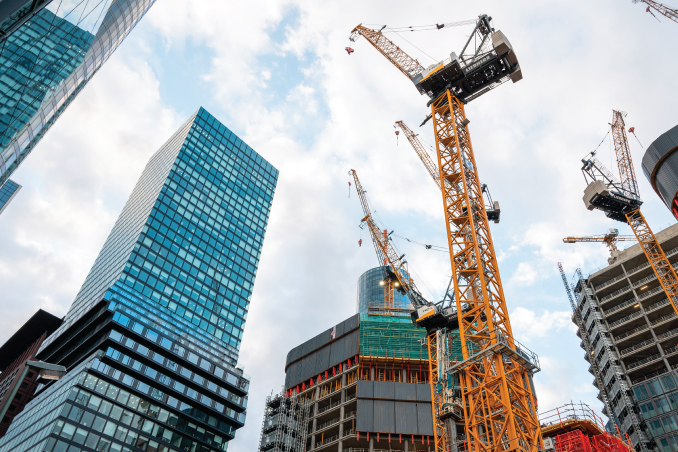
    In the world of B2B high-rise construction, the selection of the right concrete plays a pivotal role in ensuring the structural integrity and durability of skyscrapers. Ready Mix Concrete (RMC) emerges as a critical component, particularly when addressing the strength requirements for high-rise buildings. Among the leaderskey players in this domain, Aparna RMC stands out as a reliable choice, offering tailor-made solutions for constructing towering structures.

    Concrete for Tall Structures:

    Constructing high-rise buildings demands a meticulous approach, and the choice of concrete cannot be overlooked. The unique challenges posed by skyscrapers, such as increased loads and varying weather conditions, necessitate a concrete mix that goes beyond conventional standards. Aparna RMC for skyscrapers, with its expertise in crafting specialized concrete for tall structures, provides a comprehensive solution that aligns with the demanding needs of high-rise construction.

    When it comes to high-rise projects, strength and durability are paramount. Aparna RMC’s Ready Mix Concrete is engineered to meet and exceed the stringent requirements of vertical construction. This ensures that the concrete not only bears the vertical load efficiently but also withstands lateral forces, ensuring the stability and safety of the entire structure.

    Strength Requirements for High-Rise Buildings:

    Meeting the strength requirements for high-rise buildings is not just a matter of compliance but a critical factor that directly impacts the safety and longevity of the structure. B2B high rise construction requires concrete with high compressive strength that isis evident in every mix that Aparna RMCthey delivers. This strength is achieved through a meticulous blend of raw materials and cutting-edge manufacturing processes, ensuring that the concrete meets or exceeds the specified standards for high-rise construction.

    Aparna RMC for skyscrapers adheres to stringent quality control measures that guarantee that each batch of Ready Mix Concrete meets the necessary strength requirements for high rise buildings. It offers peace of mind to construction professionals working on projects that require concrete for tall structures.

    Innovative Concrete Solutions for Modern Skyscrapers:

    Beyond the traditional considerations of strength, Aparna RMC stands out for its commitment to innovation in concrete solutions for B2B high-rise construction. As high-rise buildings demand specialized materials, Aparna RMC provides tailor-made Ready Mix Concrete that meets and exceeds the stringent strength requirements for these towering structures.

    Environmental Sustainability in Vertical Development:

    In the era of sustainable B2B high-rise construction practices, Aparna RMC takes a conscientious approach to environmental impact. Their Ready Mix Concrete, engineered for skyscrapers, incorporates eco-friendly materials and follows practices that reduce the carbon footprint associated with vertical development. As the demand for environmentally sustainable solutions rises in the construction industry, Aparna RMC offers concrete that aligns with these principles, meeting the strength requirements for high-rise buildings while promoting responsible building practices.

    Collaborative Partnership in High-Rise Construction:

    Choosing the right Ready Mix Concrete for B2B high-rise buildings extends beyond a transactional relationship; it’s about fostering a collaborative partnership. Aparna RMC understands the intricacies of B2B high-rise construction and actively engages with clients to tailor solutions that suit the unique requirements of each project. This collaborative approach ensures the delivery of superior-quality Ready Mix Concrete, meeting the strength requirements for high-rise buildings, and establishes Aparna RMC as a dependable and adaptable partner throughout the construction journey, from planning to execution.

    Conclusion:

    In the competitive landscape of B2B high-rise construction, the choice of Ready Mix Concrete is a decision that is crucialperfect when choosing concrete for tall structures. Aparna RMC for skyscrapers ishas the committedment to crafting concrete solutions tailored for buildings. The expertise required in addressing the strength requirements for high-rise buildings, coupled with a reputation for reliability, makes Aparna RMC for skyscrapers a preferred choice for developers and contractors embarking on ambitious vertical projects. When choosing the right RMC for high-rise buildings, consider partners dedicated to elevating construction standards and ensuring the success of monumental projects that shape city skylines.

    When it comes to the topic of B2B high-rise construction, reliability is key. Aparna RMC’s track record in delivering on-time, superior-quality Ready Mix Concrete has earned them a reputation as a trusted partner for developers and contractors engaged in ambitious skyscraper projects.
  • Quality Assurance in B2B Ready Mix Concrete: Aparna’s Commitment to Excellence

    Quality Assurance in B2B Ready Mix Concrete: Aparna’s Commitment to Excellence

    In the field of B2B construction materials, the significance of quality assurance cannot be taken lightly. When it comes to Ready Mix Concrete (RMC), adherence to B2B concrete quality standards is paramount, ensuring that the foundation of any construction project is robust and reliable. In this context, Aparna RMC has emerged as a leader, showcasing an unwavering commitment to excellence through stringent RMC quality assurance practices and certifications.

    B2B Concrete Quality Standards:

    Navigating the complex landscape of B2B construction materials requires a keen understanding of quality standards, and Ready Mix Concrete is no exception. Aparna RMC sets the bar high by aligning its practices with established B2B concrete quality standards. Each batch of Ready Mix Concrete undergoes rigorous testing to ensure that it not only meets but exceeds the industry benchmarks, providing construction professionals with a reliable and consistent material for their projects.

    As the demand for superior construction materials rises, Aparna RMC’s commitment to B2B concrete quality standards positions them as a trusted partner for developers and contractors seeking excellence in their construction endeavors.

    RMC Quality Assurance:

    The cornerstone of Aparna RMC’s success lies in its unwavering commitment to RMC quality assurance. Rigorous testing protocols are integrated into every stage of the manufacturing process, from sourcing raw materials to the final delivery of Ready Mix Concrete. This comprehensive approach ensures that each batch meets the prescribed strength and durability requirements, instilling confidence in construction professionals relying on Aparna RMC for their projects.

    Quality assurance in Ready Mix Concrete is not just a checkbox; it’s a continuous process at Aparna RMC. This dedication to maintaining the highest standards ensures that the end product aligns seamlessly with the diverse needs of B2B construction projects, from intricate infrastructures to towering high-rises.

    B2B Construction Materials:

    In the dynamic landscape of B2B construction, the materials used are integral to the success and longevity of any project. Aparna RMC stands out by providing B2B construction materials that are not only reliable but also contribute to the overall efficiency of the construction process. The emphasis on quality assurance extends beyond Ready Mix Concrete, encompassing a range of construction materials that meet Aparna RMC’s exacting standards.

    The diverse portfolio of B2B construction materials ensures that Aparna RMC serves as a comprehensive supplier, simplifying the procurement process for developers and contractors. From foundations to finishes, the commitment to excellence in quality assurance resonates throughout the spectrum of construction materials offered by Aparna RMC.

    Aparna RMC Certifications:

    Aparna RMC certifications are the tangible proof of a company’s commitment to excellence, and Aparna RMC has a repertoire of certifications attesting to its high-quality standards. These certifications not only validate the company’s adherence to B2B concrete quality standards but also serve as a testament to its commitment to sustainability, safety, and innovation.

    They signify a commitment that runs deep – a promise to deliver construction materials that go beyond industry norms. Aparna RMC is ISO 9001:2015 certified. Our adherence to the Bureau of Indian Standards (BIS) isn’t just about meeting standards; they represent our relentless pursuit of excellence.

    When you choose Aparna RMC, you’re not just opting for materials; you’re choosing a partner dedicated to setting the gold standard in construction quality. These certifications are more than just credentials; they are a reflection of our culture that values quality, safety, and innovation. So, join us in building not just structures but legacies backed by the assurance of certifications that speak volumes about our commitment to excellence.

    Conclusion: 

    In the competitive realm of B2B construction materials, Aparna RMC stands tall as a beacon of excellence in quality assurance. The commitment to exceeding B2B concrete quality standards, rigorous RMC quality assurance practices, and a diverse portfolio of construction materials underscore Aparna RMC’s dedication to delivering excellence at every stage of the construction process.

    With a focus on certifications that validate their commitment to quality, Aparna RMC has emerged as a trusted partner for developers and contractors navigating the intricacies of B2B construction. In a world where the reliability of construction materials can make or break a project, Aparna RMC certifications and its unwavering commitment to excellence in quality assurance ensure that each construction endeavor stands on a foundation of strength and durability.

  • The Role of Ready Mix Concrete in Large-scale Commercial Construction

    The Role of Ready Mix Concrete in Large-scale Commercial Construction

    Introduction

    When it comes to commercial construction materials, the choice for your bulk concrete supply plays a pivotal role in determining the success of a project. Among the variety of options available, Ready Mix Concrete (RMC) stands out as a versatile and efficient solution.

    Let’s take a look into the indispensable role that Ready Mix Concrete plays in the category of large-scale commercial construction materials. There is a reason why RMC has become the preferred one in B2B concrete solutions for bulk concrete supply in ambitious projects.

    Efficiency and Consistency

    One of the defining characteristics of RMC for commercial projects is its consistency and reliability. In large-scale construction, where precision and uniformity are most important, RMC for commercial projects proves to be a game-changer. The concrete is pre-mixed in a controlled environment, ensuring the right proportions of ingredients and the absence of impurities. This consistency results in enhanced structural integrity, durability, and overall quality of the commercial construction materials used in these projects.

    Speeding Up Construction Timelines

    Time is of highest value, and delays can have significant financial repercussions. Ready Mix Concrete offers a solution by expediting construction timelines. Unlike on-site concrete mixing, where batching and testing can lead to delays, RMC’s bulk concrete supply arrives at the construction site ready to be poured. This way, the construction can follow the timeline and be completed duly.

    Hence, ready to mix commercial construction materials not only accelerates the construction process but also allows for better project planning and coordination.

    B2B Concrete Solutions

    Large-scale commercial construction projects often require substantial quantities of concrete. This makes it important to have a reliable bulk concrete supply.

    Ready Mix Concrete seamlessly integrates into the B2B realm by offering customized solutions for commercial projects. Construction companies can collaborate with RMC suppliers to ensure a tailored mix that meets the specific requirements of their project, be it high-strength concrete for structural elements or special formulations for unique applications.

    The variety offered by Ready Mix Concrete is what makes it high in scope and a good investment for future.

    Cost-effectiveness

    While initial costs may seem higher when opting for Ready Mix Concrete, the overall cost-effectiveness becomes evident in the long run. The streamlined production process and reduced on-site labor requirements contribute to lower overall project expenses. Additionally, the minimized waste and precise batching of materials result in optimal resource utilization, making Ready Mix Concrete a financially prudent choice for large-scale commercial construction ventures.

    Versatility in Applications

    Ready Mix Concrete’s adaptability makes it suitable for a wide range of applications in commercial construction. From foundations and slabs to intricate architectural elements, RMC can be tailored to meet the diverse needs of modern commercial projects. Its versatility extends to accommodating additives and admixtures that enhance properties like waterproofing, durability, and workability, providing construction professionals with a flexible and reliable material.

    Quality Assurance and Compliance

    When it comes to commercial construction, adherence to building codes and quality standards is non-negotiable. RMC for commercial projects undergoes rigorous testing and quality control measures during production, ensuring compliance with industry standards. This commitment to quality assurance not only instills confidence in builders and developers but also contributes to the longevity and resilience of the constructed commercial structures.

    Conclusion

    As large-scale commercial construction continues to evolve, the role of RMC for commercial projects has become increasingly indispensable. Its efficiency, consistency, and adaptability make it one of the best B2B concrete solutions for bulk concrete supply in ambitious projects. The ability to follow construction timelines, coupled with cost-effectiveness and quality assurance, positions Ready Mix Concrete as a cornerstone in commercial construction materials. The success of modern commercial construction ventures is now efficiently achievable because of B2B concrete solutions and bulk concrete supply. As the construction industry embraces innovation and efficiency, the role of Ready Mix Concrete in shaping the skylines of our cities is set to become even more prominent.

  • 3 Things You Should Know About Aggregates in RMC

    3 Things You Should Know About Aggregates in RMC

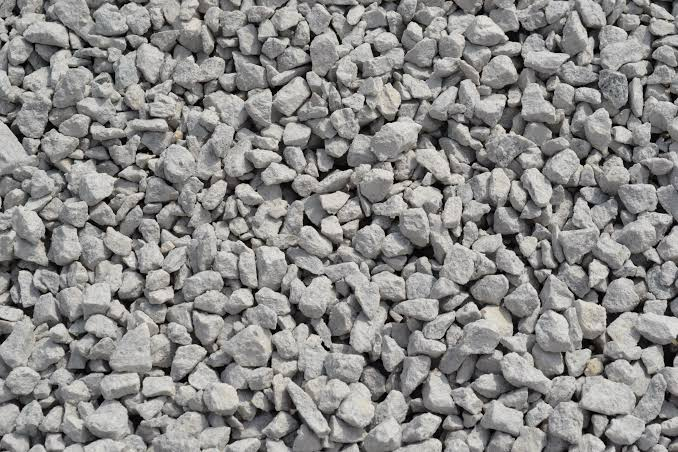
    In a concrete mix, aggregates play a significant role in defining its properties and overall performance. Constituting a substantial portion of Ready-Mix Concrete (RMC), aggregates typically make up 60 per cent to 80 per cent of its volume and 70 per cent to 85 per cent of its weight. These aggregates are broadly classified into two types: coarse and fine, serving as inert fillers within the concrete mixture.

    Traditionally, coarse and fine aggregates, including materials like sand, gravel, and crushed stone, have been fundamental components in concrete production. They provide bulk, stability, and mechanical properties to the mix. Additionally, advancements in construction materials have introduced special aggregates with enhanced features and exceptional strength, further diversifying options for concrete formulations.

    Understanding aggregates is crucial for selecting the right mix for various construction projects. Factors such as aggregate type, size, and gradation significantly influence concrete properties. By considering these aspects, engineers and contractors can tailor concrete mixes to meet specific project requirements for achieving optimal performance and durability in diverse applications.

    Types of aggregates

    Concrete mix relies on various types of aggregates, each with distinct characteristics that influence the final product. Coarse aggregates, typically larger than 5mm, include gravel, slag and crushed rock. These contribute significantly to the concrete’s volume and strength. Fine aggregates, smaller than 5mm like natural and manufactured sand, fill voids and enhance workability, the ease of mixing and placing the concrete. Aggregates may be natural, manufactured or recycled. Additionally, advancements in construction materials have also introduced special aggregates that offer enhanced features and exceptional strength.

    What is the use of special aggregates in concrete?

    Special aggregates play a crucial role in enhancing the performance of concrete in various ways. One common type is recycled aggregates, which are made from crushed concrete or demolition materials. According to the World Business Council for Sustainable Development’s 2022 report, using recycled aggregates in construction can slash greenhouse gas emissions by up to 70% compared to virgin materials.

    Another type is lightweight aggregates, crafted from materials like pumice or expanded clay. They help to lighten the weight of concrete, making it suitable for applications such as precast panels and roof decks. Additionally, high-strength aggregates, derived from materials like granite or basalt, bolster the concrete’s strength, vital for structures like high-rise buildings and bridges.

    Fiber-reinforced aggregates, including steel fibers or polypropylene fibers, are used to enhance concrete’s tensile strength and toughness, reducing the risk of cracking. Lastly, self-compacting aggregates improve concrete flowability, making it easier to place and finish.

    Key Roles of Aggregates in RMC:

    Aggregates play a crucial role in ready mix concrete, contributing to various aspects beyond just being fillers. Here are some of their key benefits:

    1. Volume and Cost Reduction:

    As aggregates typically occupy a substantial portion of concrete volume and weight, ranging from 60 per cent to 80 per cent and 70 per cent to 85 per cent, respectively, they significantly reduce the need for costly cement. This reduction in cement dependency leads to cost savings for construction projects.

    Moreover, the availability of various aggregate types offers economical alternatives for concrete production. Utilizing recycled aggregates sourced from crushed concrete or demolition materials presents a sustainable option that not only lowers expenses but also reduces environmental impact. Furthermore, careful selection of aggregates based on size and gradation can lead to bulk optimization in concrete mixtures. By minimizing voids through appropriate aggregate sizing, the amount of cement paste required to fill these voids is reduced, resulting in further material usage efficiency and cost optimization.

    2. Strength and Durability:

    Coarse aggregates play a crucial role in bolstering concrete’s compressive strength, forming an internal framework that can withstand significant loads, making it indispensable for load-bearing elements like columns, beams, and foundations. Adding well-graded aggregates can boost concrete’s compressive strength by up to 300% compared to just using cement paste. (Source: American Concrete Institute (ACI) 318-19, “Building Code Requirements for Structural Concrete”)

    Meanwhile, fine aggregates contribute to concrete’s tensile strength by distributing stresses more evenly, minimizing the risk of cracking due to factors like shrinkage, temperature changes, or external pressures.

    In terms of durability, concrete’s resistance to cracking, wear, and environmental factors is greatly influenced by its aggregate content. Enhanced tensile strength and robust bonding reduce the chances of cracks. Furthermore, certain aggregates with high hardness and abrasion resistance, such as granite or basalt, contribute to concrete’s wear resistance, making it suitable for high-traffic areas like pavements and floors.

    3. Workability and Finish:

    Aggregates in concrete profoundly influence both workability and finish, crucial aspects of construction efficiency and product quality. Regarding workability, the size, shape, and texture of aggregates play pivotal roles. Rounded, smooth aggregates typically need less water for mixing and exhibit lower internal friction, enhancing workability by up to 15% compared to poorly graded mixes. Conversely, rougher textures can improve cohesion and deter segregation. Recent studies, such as a 2022 analysis in Construction and Building Materials, have shown that integrating spherical recycled aggregates can enhance workability by 10 per cent due to reduced surface area and friction.

    When it comes to finish, aggregate size and texture directly shape the final surface texture of concrete. Smaller, smoother aggregates contribute to a polished finish, while larger, textured aggregates yield a rougher appearance. Proper gradation, ensuring a mix of different aggregate sizes, is essential to prevent voids and achieve a uniform finish.

    4. Dimensional Stability and Shrinkage Control:

    Aggregates play a vital role in managing concrete’s dimensional stability and reducing shrinkage, which helps prevent cracks and ensures long-lasting performance. By acting as fillers, aggregates decrease the need for excess water in the concrete mix. Additionally, larger aggregates physically restrain the shrinkage of the cement paste, further reducing dimensional changes. Moreover, aggregates help control thermal expansion by counteracting the higher expansion of cement, maintaining concrete’s overall dimensional stability, especially when exposed to temperature variations.

    5. Thermal and Acoustic Properties:

    Aggregates also offer surprising versatility in shaping concrete’s performance beyond strength and durability. By carefully selecting type and proportion, they can significantly impact thermal and acoustic properties, expanding concrete’s applicability.

    Lightweight aggregates like pumice or recycled glass create lightweight concrete with excellent thermal insulation, reducing energy consumption in buildings. Specific aggregates offer additional functionalities: expanded perlite for superior insulation and basalt for high-temperature resistance. Similarly, porous aggregates like pumice or recycled rubber enhance sound absorption, making concrete suitable for noise reduction in applications like auditoriums and soundproof walls.

    Why Choose Aparna RMC for the Right Mix for Your Projects?

    Aparna RMC is known for consistent quality and timely delivery with a strong, customizable, versatile, and durable concrete mix with the right choices of aggregates for specific requirements.  Backed by our technological expertise and sophisticated R&D capabilities, the ready-mix concrete has innovative solutions designed to provide superior mechanical performance to meet your stringent and unique demands. The high-quality, cost-effective products are designed to offer consistency, reliability, and durability. Our product range comprises varied mixes, including specialist ones for specific applications. The mixtures exhibit best-in class properties and comply with regulatory standards nationwide.

  • Lightweight Ready Mix Concrete: A Game-Changer for Modern Construction

    Lightweight Ready Mix Concrete: A Game-Changer for Modern Construction

    The efficiency and productivity of ‘Lightweight Ready-Mix Concrete’ have been said to be phenomenal. Is it worth the hype? Let’s find out!

    An Introduction to ‘Lightweight Ready-mix Concrete

    Concrete is an essential material that is required for almost every construction project. It has been constantly researched, and the market has many variations today. One of the most remarkable innovations in the construction industry is ‘Lightweight ready-mix concrete.’

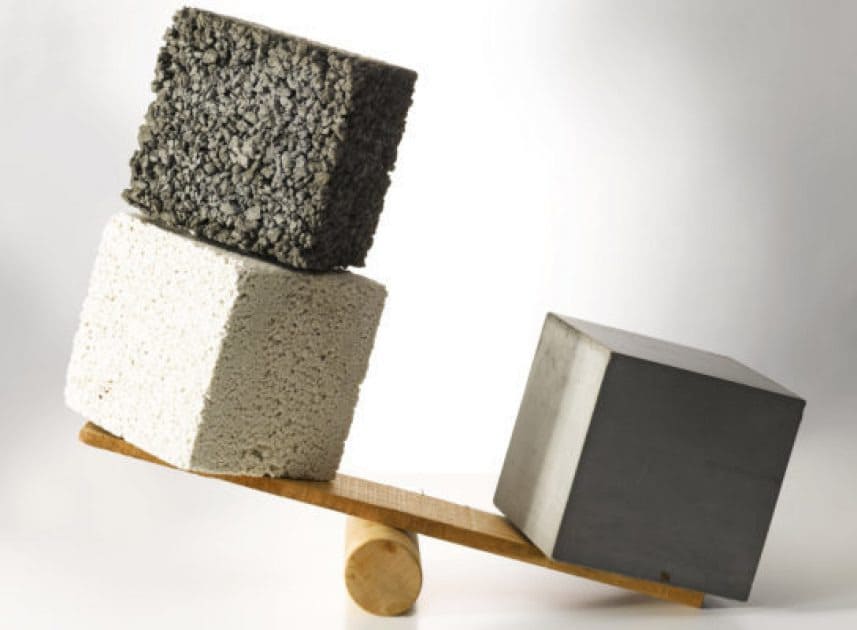
    Lightweight ready mix concrete is a specialized form of concrete that incorporates lightweight aggregates such as expanded clay, shale, or slate and other materials like fly ash. The result is a concrete mix that is significantly lighter than traditional concrete. Despite its reduced weight, lightweight, ready-mix concrete maintains the essential properties of standard concrete, including strength and durability, making it suitable for various construction applications. 

    Why should you use Lightweight Ready-mix Concrete?

    While traditional concrete has shaped the way for innovations and technologies in the construction industry, lightweight ready-mix concrete has brought a financially beneficial and environmentally secure revolution. The material has been in use since 1917 and has been used extensively in modern construction projects. Among the many benefits, it offers better structural support due to the lesser weight distribution than good old concrete. It is more versatile and offers thermal and sound protection without sacrificing rigidity and durability despite its lower cost of operation.

    Reduced Structural Load

    As the name suggests, this sophisticated building material weighs less than traditional concrete. The weight distribution is divided evenly, resulting in a sturdy and rigid structure that forms a more efficient version of concrete without sacrificing the sturdiness or durability. While Structural standard concrete can weigh more due to denser aggregates in their natural state, lightweight concrete reduces the weight by 35%. At the same time, it has a lower weight-to-volume ratio, resulting in an even distribution of water and aggregates. This makes lightweight concrete perfect for constructing modern structures that demand minimal cross-sections in the foundation. Its use is on the rise for creating sleek foundations, positioning it as a viable alternative to traditional concrete. 

    Thermal Insulation and Fire Protection

    Lightweight concrete has loose aggregate packaging, which results in the formation of air pockets, which give this material its signature density. These air pockets and density also provide insulation as heat cannot be passed between air pockets. This ingenious quality makes your project thermally insulated but protects your projects from disasters such as fire and electrical damage. 

    By reducing heat transfer through walls and floors, lightweight concrete helps to maintain a comfortable indoor temperature and minimize the use of heating and cooling systems. This not only enhances the overall energy efficiency of the building but also contributes to cost savings on utility bills in the long run. This building material acts as a natural insulator that does not let heat pass through it. Such a material can be resourceful in tropical countries as it keeps the structure insulated and cool.

    Economically secure and Financially beneficial

    Standard concrete can weigh between 140 to 150 pounds per cubic foot (2240 to 2400 kg/m³) due to denser aggregates in their natural state. As a result, many believe regular concrete is cheaper than lightweight concrete. However, projects made with ordinary concrete require additional material for framing, cladding, and steel reinforcements, ultimately increasing the overall cost. Hence, lightweight concrete remains a cost-effective construction material, especially for larger projects.

    In the calculations for construction projects, the added labor cost also adds a dent to one’s pocket. This is where ready-mix, lightweight concrete shines through again. Since it is a ready-mix formula, you do not need to spend extra on the manual mixing process as it is already taken care of by its design, allowing you to save as much as possible on your projects.

    Increased Durability and Versatility 

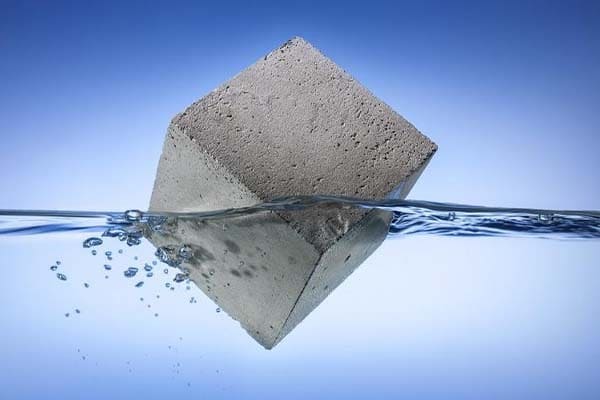
    Lightweight concrete has been in use globally for the last hundred years. Multiple projects all around the globe testify to the building material’s remarkable durability. Due to its lower density and weight, it is easy to transport and work with and adds an aesthetic quality to construction projects. Certain types of lightweight concrete, such as those made with pumice or expanded shale, have enhanced durability and resistance to environmental conditions, including freeze-thaw cycles. The versatility of lightweight concrete can be attested by its wide array of projects, such as building blocks, pre-cast wall panels, bridge decks, and even floating structures like pontoons and marine platforms.

    Environmentally stable 

    Modern constructions must consider their impact on the environment and our planet. This is another reason why lightweight, ready-mix concrete tops the chart in the sustainability matrix. Using lightweight aggregates such as slate, clay, and slash is environmentally secure and a better alternative considering the carbon footprint—some variants of this type of concrete use natural elements such as natural volcanic rocks. The recyclable materials contribute to lower carbon dioxide emissions during production and transportation, making lightweight concrete environmentally safe and cost-efficient. 

    Aparna RMC: Your Partner in Innovative Concrete Solutions

    When it comes to high-quality, lightweight, ready-mix concrete, Aparna RMC stands out as a leading provider. With a commitment to excellence and innovation, Aparna RMC offers a wide range of concrete solutions tailored to meet the unique needs of your project. Whether you are working on a residential development, commercial building, or industrial facility, Aparna RMC provides the expertise, quality materials, and reliable service you need to ensure the success of your construction endeavors. Trust Aparna RMC to deliver top-notch lightweight ready-mix concrete that meets the highest standards of performance and sustainability.

  • How Quality Control Ensures Strength and Consistency in RMC

    How Quality Control Ensures Strength and Consistency in RMC

    When construction demands predictable strength, reliability, and on-time project completion, ready-mixed concrete (RMC) becomes the material of choice. But these benefits don’t happen by chance – rigorous quality control at every phase of production separates premium RMC from the inconsistent results produced by on-site mixed batches.

    Conventional mixed concrete, even when done with care, cannot compete with the level of accuracy and control achieved in a modern RMC batching plant. Variations in raw material sources, batch proportions, and even basic mixing techniques make site-mixed concrete a risk in projects where uniform strength, workability, and durability are non-negotiable.

    In contrast, high-grade RMC suppliers approach their materials, design, and production with almost scientific precision. Their facilities prioritize testing, technology, and a multi-level approach to quality assurance. These collective efforts contribute to a final product that delivers consistent and guaranteed concrete for your project requirements.

    How RMC Quality is Tested

    A dedicated plant team works to manage quality, with dedicated QA/QC staff overseen by the Quality Assurance/Quality Control Manager. Quality control of ready-mixed concrete may be divided into three phases. Each phase of production plays an integral part:

    1. Forward Control:

    Forward control and consequent corrective action are essential aspects of quality control. Forward control includes the following.

    Ingredient Test:  Suppliers don’t skip incoming material verification. Whether it’s the cement arriving from a trusted source, aggregates of various sizes, sand, supplementary cementitious materials, or carefully measured admixtures, all are tested against industry standards before reaching the plant’s systems.

    Raw Material Inspection:  Bulk cement storage silos prevent moisture damage, while dedicated stockpiles segregate aggregates of different grades. Even water purity is actively managed to avoid introducing contaminants into the mix.

    Calculated Design: Mix design software allows engineers to fine-tune proportions based on the target strength (e.g. M25, M40 grade concrete) and other performance needs. They factor in desired workability, exposure conditions, and even local material characteristics.

    Precision Equipment:  Automated batching plants meticulously weigh and dose ingredients according to the computer-designed measures, avoiding human error that might happen during manual operations.

    2. Immediate Control

    Immediate control in concrete quality control refers to taking immediate action to control the quality of concrete that is being produced or delivered right after.

    Production Control:

    Process Parameter Scrutiny: Technicians diligently track batch size, water-cement ratio, mixing time, and other processing variables. Every step must align with the specifications of the mix design to ensure concrete meets its engineered target strength and workability.

    Batch Inspection: Before a truck pulls away, visual inspection is mandatory. Experienced eyes assess the concrete’s uniformity, cohesion, and overall consistency. This preliminary check can expose segregation, insufficient mixing, or workability issues.

    Product Control:

    RMC plants don’t rely solely on observation. These tests provide critical quantitative data:

    Slump Test: This widely used test determines the flowability and ease of placement of concrete. Different cone shapes are common (e.g., standard slump cone, K-Slump Tester) depending on the concrete type. Target slump values for various applications are defined in standards and adjusted during the production phase if needed.

    Density, Temperature, and Air Content: For specialized RMC, fresh concrete density (how much it weighs per unit volume) is often tested. Temperature significantly impacts setting time and must be closely controlled, even using iced water or chilled aggregates in hot weather. In freeze-thaw environments, air entrainment testing verifies that microscopic air bubbles have been correctly introduced to the mixture, enhancing durability.

    3. Retrospective Control:

    Retrospective control is concerned with those factors that influence the control of production. This might involve various procedures:

    Quality Sample Testing: One of the most important retrospective tests is crushing cubes or cylinders of hardened concrete after 28 days. This isn’t possible to do until days or weeks after the concrete is placed, but it indicates if it actually achieved the strength grade it was designed for.

    Strength Check-ups: Testing might also revisit initial properties like the slump test results, air content, or aggregate properties from previous batches. Analyzing why they differed and how they influenced strength provides valuable insights.

    Materials Checks: Retrospective control extends beyond the concrete itself. Regular ‘weighbridge’ audits compare incoming raw material (cement, aggregates) at the plant versus the quantity of concrete that was transported out by trucks. Stockpiles are periodically measured to spot discrepancies.

    Diagnosis and Correction: This isn’t just collecting data for the sake of it. The goal is identifying patterns. Are strength results drifting lower over time? Maybe specific equipment needs recalibration or material sources are inconsistent. These findings prompt proactive changes to avoid errors before they cause larger problems.

    Choose Quality; Choose Aparna RMC

    The next time your project needs concrete, don’t simply focus on the price. Look for RMC suppliers that prioritize quality control from materials to pouring. Their focus will contribute to your project’s long-term success and structural integrity for years to come. Aparna RMC is known for superior service enabled by digital tools, along with an ISO Certified process that guarantees consistent quality and timely delivery across its 29 plants spread across four states.

  • Innovation in Construction: Revolutionizing Construction with Self-Compacting Concrete

    Innovation in Construction: Revolutionizing Construction with Self-Compacting Concrete

    Innovations in Concrete Technology

    Concrete technology has made remarkable strides in the construction industry in recent years. One such innovation that has made good progress is self-strengthening concrete. In contrast to conventional concrete, self-compacting concrete is specifically designed to flow and strengthen without external forces. 

    Self-compacting concrete is produced by a balanced combination of aggregate, cement and superplasticizer. These superplasticizers give concrete exceptional flowability and volume, allowing it to fill complex shapes quickly and into tight spaces. The result is a robust and durable concrete that eliminates the need for manual compaction, saving time and effort during construction. 

    Innovations in concrete technology, especially self-consistent concrete, have transformed the construction industry. This is not only a practical but an aesthetic choice as well. With its unique flow rates, design flexibility and increased durability, SCC has been a game changer in the construction industry.

    Why should you use Self-Compacting Concrete? 

    self-compacting concrete has many advantages over regular concrete, making it popular in the construction industry. Its self-consistent properties ensure uniform distribution of aggregate, cement, and other materials throughout the construction, reducing differences in strength and quality. The excellent followability of the concrete makes construction fast and convenient. Construction time is significantly reduced because concrete can fill narrow spaces without requiring manual compaction.

    Self-compacting concrete is dense and securely compacted, making it a highly impermeable material that reduces the risk of water penetration and reinforcing steel corrosion. This increases the structural lifespan and reduces long-term maintenance expenditures. Overall, the benefits of self-compacting concrete, such as homogeneity, faster building, improved workability, increased durability, and environmental friendliness, make it an appealing choice for builders and contractors.

    Enhancing Construction Efficiency with Self-compacting Concrete

    Self-compacting concrete has proven to be a game-changer in enhancing construction efficiency. Using self-compacting concrete minimizes the risk of defects and inconsistencies in the concrete structure. This, in turn, results in structurally sound and aesthetically pleasing structures that meet the highest construction standards.

    Furthermore, the efficient placement of the material reduces the need for additional surface treatments or repairs. The smooth and uniform texture of self-compacting concrete eliminates the need for excessive finishing or polishing, saving time and resources. This not only improves construction efficiency but also enhances the overall quality of the finished project.

    Another critical aspect of self-compacting concrete is its ability to reduce noise pollution. Eliminating external vibration or compaction equipment significantly reduces noise levels on the construction site, creating a more pleasant working environment for the workers and minimizing disturbance to nearby residents or businesses. 

    Maximizing Profits with self-compacting concrete

    self-compacting concrete (self-compacting concrete) improves construction efficiency and positively impacts the bottom line of leading companies like Aparna RMC. Using self-compacting concrete can reduce costs by reducing labor requirements and project timelines. One of the main cost-saving benefits of self-compacting concrete is the elimination of manual compaction. 

    Additionally, using self-compacting concrete can minimize the risk of defects and structural failures. The uniform distribution of aggregates and cement in self-compacting concrete ensures consistent quality and strength throughout the structure. This reduces the likelihood of costly repairs or rework, further maximizing profits.

    Moreover, the durability of self-compacting concrete contributes to long-term cost savings. The dense and impenetrable nature of self-compacting concrete reduces the risk of water penetration and corrosion, increasing the lifespan of the structures and reducing maintenance costs. This offers substantial cost-saving opportunities for construction companies, allowing them to maximize profits through reduced labor costs, faster project completion, minimized risk of defects, and long-term durability.

    Aparna RMC’s Success with Self-compacting Concrete

    Aparna RMC is a prime example of a company that has leveraged the benefits of self-compacting concrete to drive success in construction projects. By adopting self-compacting concrete Aparna RMC, has improved efficiency, quality, and customer satisfaction. Using such innovative materials has allowed us to stand out from the crowd and serve all the needs of the construction industry.

    Aparna RMC’s success with self-compacting concrete is a testament to its transformative power. By embracing this innovative technology, Aparna RMC has been able to drive efficiency, improve quality, and achieve commercial success in the construction industry.

    Excerpt

    Discover how self-compacting concrete can revolutionize construction projects, improve efficiency, and elevate the overall flow of your projects!