Aparna RMC

Category: Blog

  • Ultimate Guide to Ready-Mix Concrete: Mixing, Placing, Curing and Finishing

    Ultimate Guide to Ready-Mix Concrete: Mixing, Placing, Curing and Finishing

    Ready-Mix Concrete (RMC) has become the cornerstone of modern construction projects in India due to its superior quality, convenience, and efficiency. However, to ensure the structural integrity and longevity of concrete structures, it is crucial to follow best practices and guidelines for mixing, placing, curing, and finishing RMC. Here are some essential tips and best practices to achieve optimal results:

    Mixing Concrete

    Ensure Proper Blending of Materials: The quality of ready-mix concrete (RMC) depends heavily on the uniform blending of materials, such as cement, aggregates, water, and any admixtures. It is essential to use well-graded aggregates and the correct amount of water to achieve the desired workability and strength. Aparna RMC ensures thorough blending to maintain consistent quality.

    Use Quality Materials: Always procure high-quality raw materials from reputable suppliers. The consistency of materials directly impacts the performance of the concrete mix.

    Follow the Mix Design: Stick to the specified mix design provided by the engineers. Altering the mix design can lead to variations in concrete strength and durability. Aparna RMC provides precise mix designs tailored to project requirements, ensuring optimal performance.

    Placing Concrete

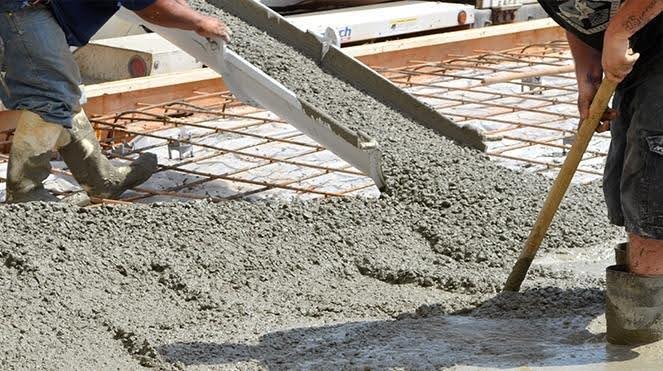
    Preparation of the Site: Ensure the site is thoroughly prepared before placing the concrete. This involves setting up formwork, checking reinforcement placement, and ensuring that the area is clean and debris-free. 

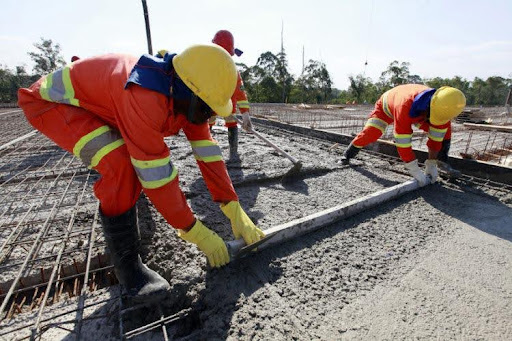
    Timely Delivery and Placement: Ready-Mix Concrete (RMC) must be delivered and placed within the specified time to prevent the initial setting of the concrete. Delays can impact the workability and strength of the mix. Aparna RMC ensures timely delivery for smooth placement, maintaining the desired properties of the concrete.

    Curing Concrete

    Start Curing Early: To ensure the concrete’s strength and durability, curing should start immediately after the concrete has been placed and finished. It is crucial to maintain proper moisture levels in the concrete during the hydration process for optimal strength development.

    Maintain Moisture: Curing methods such as water curing, wet coverings, or curing compounds should be used to keep the concrete moist. In India’s hot climate, it’s crucial to maintain adequate moisture levels to prevent cracking and ensure proper strength gain. Aparna RMC recommends effective curing methods to sustain moisture and ensure long-lasting results.

    Duration of Curing: Concrete should be cured for a minimum of 7 days for regular concrete and 14 days for concrete exposed to harsh conditions. Longer curing periods improve the durability and strength of the concrete. 

    Finishing Concrete

    Surface Finishing: Use appropriate finishing tools and techniques to achieve the desired surface texture. Overworking the surface can lead to segregation and surface defects. 

    Timing of Finishing: The timing of finishing concrete is crucial. It’s essential to start the finishing process once the surface water (bleed water) has evaporated. Premature finishing can trap water and weaken the surface. Aparna RMC recommends correctly timing the finishing process to ensure the surface’s integrity and strength.

    Protect the Surface: Protect the finished surface from extreme weather conditions and mechanical damage. Covering the surface with wet burlap or plastic sheets can help prevent moisture loss and cracking. 

    Conclusion

    Following these best practices and guidelines for mixing, placing, curing, and finishing ready-mix concrete is essential for achieving high-quality, durable concrete structures. At Aparna RMC, we prioritise the quality and consistency of our concrete mixes, ensuring that your construction projects meet the highest standards of excellence. By adhering to these guidelines, construction professionals can ensure their project’s longevity and structural integrity, contributing to robust infrastructure development.
  • Ready-Mix Concrete: Boost Your Build with Time-Saving Efficiency

    Ready-Mix Concrete: Boost Your Build with Time-Saving Efficiency

    Ready-Mix Concrete is the key to saving your Time and Money!

    In the fast-paced world of construction, where every second counts and time directly translates to money, efficiency is paramount. Ready-mix concrete stands out as a game-changer in this industry, becoming a cornerstone in the quest for streamlined operations. One of the most effective strategies to save time, boost productivity, and ensure high-quality outcomes on a job site is incorporating ready-mix concrete into the project plans.

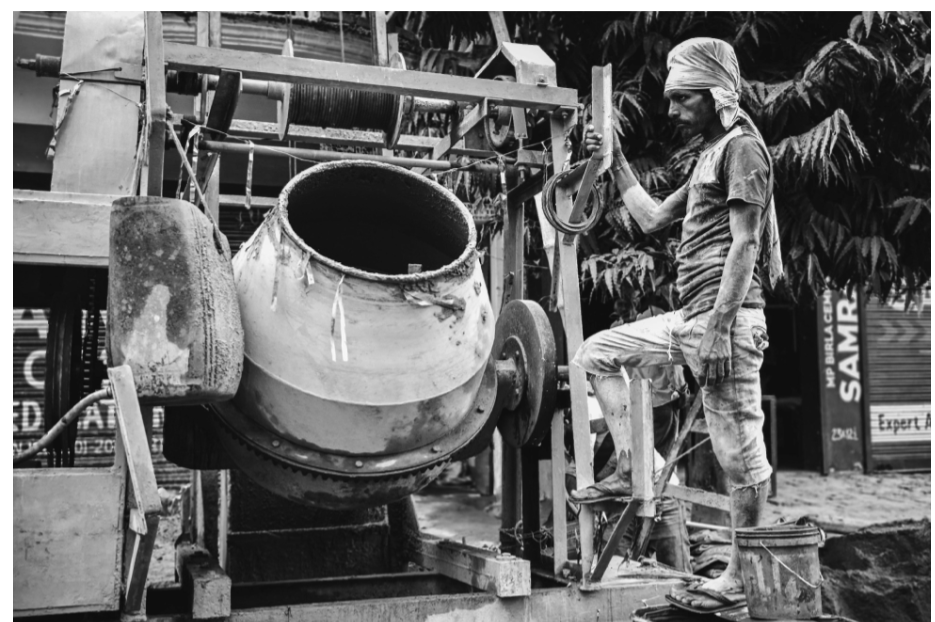
    When it comes to construction, delays can be costly, both financially and in terms of missed deadlines. Ready-mix concrete offers a solution to this perennial challenge. Pre-mixing the concrete in a controlled environment ensures consistency and quality, eliminating the variables that often cause issues with on-site mixing. Contractors and project managers no longer have to worry about inconsistencies arising from variable weather conditions, mixing proportion mismatch due to human errors, or the inconsistency in the quality of materials.

    Ready-Mix Concrete: A Quick Overview

    Ready-mix concrete is pre-mixed at a batching plant and delivered to construction sites ready for immediate use. This eliminates the need for on-site concrete mixing, significantly reducing preparation time and saving time, energy and space. Moreover, ready-mix concrete substantially reduces the labor-intensive aspects of mixing concrete on-site. Traditional methods require a substantial workforce to handle, mix, and prepare the concrete, increasing the risk of overexertion and injury among workers. Ready-mix concrete, delivered directly to the site, minimizes these risks and helps maintain a safer working environment. This efficiency not only enhances productivity but also reduces the overall project timeline, allowing crews to move on to subsequent phases faster.

    Efficiency At Its Best

    One of the standout benefits of ready-mix concrete is its contribution to construction efficiency. Unlike normal concrete, which needs to be mixed with other materials in the right proportions on the spot, ready-mix concrete is pre-mixed with precision, ensuring consistent quality and strength. The pre-mix is developed with the help of a team of technical experts who know what they are doing in a controlled facility. This pre-mixing process ensures efficiency by reducing such errors, and further, the large fleet of transit mixers facilitate timely deliveries, keeping construction projects on schedule. 

    Reducing On-Site Mixing Hassles

    Additionally, on-site concrete mixing can be labor-intensive and time-consuming, from manpower to water, sand, and space, and there are one too many variable that can go wrong and decrease the quality of end product. Ready-mix concrete eliminates these hassles, providing a pre-mixed solution that is ready to pour. With this hassle sorted out, you can focus more on the creative part of the project, which is possible with the design variability of concrete.

    Seamless Concrete Delivery Service

    A major advantage of ready-mix concrete is the seamless concrete delivery service it offers. By having concrete delivered to the site, construction teams can focus on placing and finishing the concrete rather than mixing it. This streamlines the workflow and allows for better allocation of labour and resources, encouraging better collaboration and meeting the timelines quicker. This also reduces the possibility of injury or a mishap at the site and eases your anxiety, resulting in more efficient work covered in less time.

    Saving Environment- one concrete step at a time

    Environmentally also, ready-mix concrete is making strides. The controlled production process helps reduce waste and lower emissions, making it a more sustainable option compared to traditional on-site mixing. The reduced usage of water in these ready-mixes further make them a greener alternative for construction projects to adopt. It thus, aligns better with sustainable building practices unlike other materials such as wood or stone, which need special facilities for processing and maintenance, concrete sustains itself and contributes to a lesser carbon footprint!

    In addition to these operational benefits, ready-mix concrete provides versatility and customization. Whether it’s a simple residential driveway or a complex architectural structure, ready-mix concrete can be tailored with specific additives to meet unique project requirements. This adaptability further solidifies its position as an indispensable material in modern construction. As the construction industry continues to innovate and push boundaries, ready-mix concrete will undoubtedly remain a key player in driving progress and excellence in building practices worldwide. Where traditional cements have issues with inconsistent quality, adulterated product, cumbersome usage processes with high costs of transport, labour and time, ready-mix concrete offer consistent quality, seamless accessibility with a strong supply chain support team and its well-connected network of plants. 

    Bottomline – Time flies, but Aparna RMC helps you stay concrete

    Ready-mix concrete is more than just a material; it is a strategic advantage in modern construction, offering unparalleled efficiency and convenience. By leveraging a reliable concrete delivery service and eliminating the need for on-site concrete mixing, builders can achieve superior construction efficiency and project success. Here at Aparna RMC, we specialize in transforming your construction process. Our quality production and a team of experts strive to bring satisfaction and ease in your loving journey to bring a new home, office or project. Embrace the benefits of ready-mix concrete and transform your construction process today. Schedule a call with Aparna RMC for quality and quickness.

  • Will concrete crack under heavy heat?

    Will concrete crack under heavy heat?

    Concrete, the backbone of modern infrastructure, is renowned for its strength and durability. However, in a country like India, where temperatures can soar to extreme levels, concerns arise about its performance under intense heat. Will concrete crack under heavy heat? This blog delves into this question, examines India’s unique temperature-related concrete challenges, and highlights how ready mix concrete (RMC) from Aparna RMC offers a robust solution.

    Understanding Concrete and Heat

    Concrete is a composite material made from cement, water, and aggregates. Its strength and durability are achieved through the hydration process, where cement reacts with water to form a hardened matrix. However, extreme temperatures and high humidity can disrupt this process, leading to potential issues like cracking.

    The Impact of Heat on Concrete

    Thermal Expansion and Contraction

    One of the primary concerns with concrete in high temperatures is thermal expansion and contraction. When exposed to heat, concrete expands, and as temperatures drop, it contracts. This constant movement can cause internal stresses, leading to cracks.

    Loss of Moisture

    High temperatures accelerate the evaporation of moisture from concrete. Since water is crucial for the hydration process, its rapid loss can weaken the concrete, making it more susceptible to cracking.

    Structural Integrity

    Prolonged exposure to extreme heat can compromise the structural integrity of concrete. At temperatures above 65°C (149°F), concrete can begin to lose its strength, increasing the risk of cracking and other damage.

    India’s Temperature Concrete Problem

    India experiences a wide range of temperatures, with some regions facing extreme heat, especially during the summer months. For instance, cities like Delhi, Jaipur, and Ahmedabad often see temperatures soaring above 45°C (113°F). This intense heat poses significant challenges for concrete structures, from residential buildings to bridges and highways.

    Heat-Induced Cracking

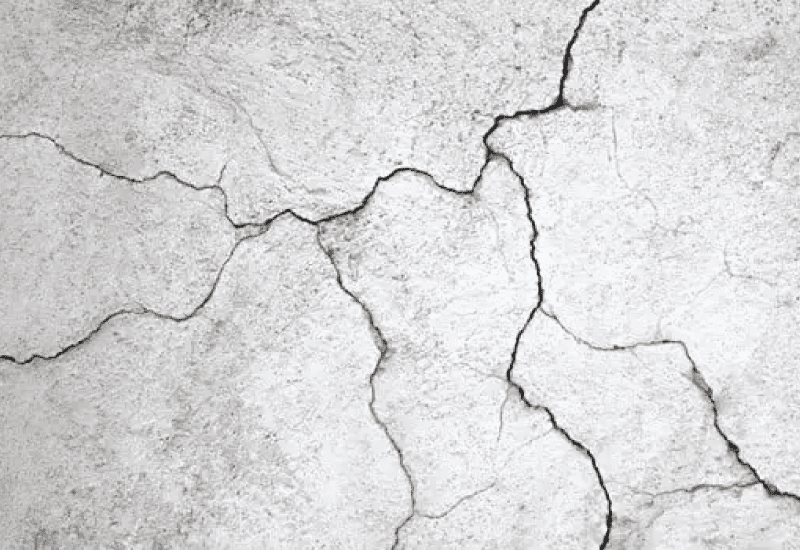
    In India, heat-induced cracking is a common issue. The combination of high daytime temperatures and cooler nights causes repeated expansion and contraction cycles, leading to micro-cracks that can grow over time, compromising the durability of concrete structures.

    Reduced Workability

    High temperatures can also reduce the workability of concrete, making it difficult to mix, transport, and place. This can result in improper compaction and curing, further increasing the risk of cracks and structural weaknesses.

    The Challenge of Mass Concrete

    Heat of Hydration

    The problem with using portland cement in concrete is that it generates a significant amount of heat as it hydrates. In small quantities and thin slabs, this heat dissipates evenly and quickly. However, with mass concrete elements such as deep and wide foundations, piers, columns, mat slabs, and walls, the temperature in concrete can increase faster than it escapes. High temperatures and temperature differences between the center of the mass and the surfaces can cause thermal cracks to develop.

    What Constitutes Mass Concrete?

    Mass concrete is generally regarded as concrete elements with minimum thicknesses of four to six feet. The increased heat generated by mass concrete elements poses a risk of thermal cracking due to significant temperature differences between the core and the surface. To manage this, it is crucial to use concrete mix designs with a reduced temperature rise (i.e., a lower heat of hydration).

    The Solution: Ready Mix Concrete (RMC) from Aparna RMC

    Ready mix concrete (RMC) from Aparna RMC offers a reliable solution to the temperature-related challenges faced by concrete in India. Here’s how:

    Quality Control

    Aparna RMC ensures stringent quality control measures at every stage of production. From selecting high-quality raw materials to precise mixing and batching, every step is optimized to produce concrete that can withstand extreme temperatures.

    Customized Mix Designs

    Aparna RMC provides customized mix designs tailored to specific project requirements. This includes incorporating additives and admixtures that enhance the concrete’s resistance to thermal expansion and contraction, reducing the risk of cracking. For mass concrete applications, this often involves replacing some of the portland cement with class F fly ash or slag cement to lower the heat of hydration.

    Timely Delivery and Efficient Placement

    One of the key advantages of RMC is its timely delivery and efficient placement. Aparna RMC ensures that the concrete is delivered and placed within the optimal timeframe, minimizing the risk of moisture loss and ensuring proper curing.

    Enhanced Durability

    With Aparna RMC, you get concrete that’s designed for enhanced durability. The use of high-performance materials and advanced mixing techniques results in concrete that can endure India’s extreme temperatures without compromising structural integrity.

    Conclusion

    In a country like India, where extreme heat is a significant concern, understanding how concrete behaves under such conditions is crucial. Ready mix concrete from Aparna RMC offers a robust solution, ensuring high quality, durability, and resistance to heat-induced cracking. By choosing Aparna RMC, you can rest assured that your concrete structures will stand the test of time, even in the face of India’s challenging temperatures.

    For more information on ready-mix concrete and how Aparna RMC can help with your construction needs, visit our website.

  • The Future of Concrete Safety: Innovations and Implications

    The Future of Concrete Safety: Innovations and Implications

    Concrete has been the cornerstone of modern infrastructure for over a century, forming the backbone of buildings, bridges, roads, and dams. However, as our world evolves and faces new challenges, the safety and durability of concrete structures must advance as well. The future of concrete safety is set to be transformed by several key innovations and methodologies, enhancing the performance, longevity, and sustainability of this essential material.

    Advanced Materials and Additives

    A major trend in the future of concrete safety is the development of advanced materials and additives. These innovations aim to improve the properties of concrete, making it stronger, more durable, and resistant to various environmental stressors.

    Self-Healing Concrete:

    Among the most exciting innovations in concrete is self-healing concrete. Researchers are developing concrete that repairs its cracks through microcapsules filled with healing agents like bacteria or polymers. When cracks form, these microcapsules break open and release their contents, sealing cracks and preventing further damage. This not only extends the lifespan of concrete structures but also reduces maintenance costs and enhances safety.

    Ultra-High-Performance Concrete (UHPC):

    Another key innovation in concrete is UHPC, a class of concrete known for its exceptional strength and durability. By incorporating fine powders and advanced fibers, UHPC can achieve compressive strengths several times greater than conventional concrete, making it ideal for critical infrastructure projects requiring enhanced safety and longevity.

    Graphene-Enhanced Concrete:

    The addition of graphene, a material known for its incredible strength and conductivity, is a promising development in the future of concrete. Graphene-enhanced concrete is more durable and has better thermal and electrical conductivity, which can be particularly beneficial for smart infrastructure applications.

    Monitoring and Sensor Technologies

    Integration of smart technologies into concrete structures is another promising development for future concrete safety. These technologies allow for real-time monitoring and early detection of potential issues, ensuring timely maintenance and intervention.

    Embedded Sensors:

    One of the key innovations in concrete safety is the use of sensors embedded within concrete. These sensors can continuously monitor various parameters such as strain, temperature, humidity, and pH levels. They can detect early signs of structural damage or environmental stress, providing critical data that can prevent catastrophic failures.

    Wireless Monitoring Systems: 

    Advances in wireless technology enable the remote monitoring of concrete structures. This is particularly useful for hard-to-reach or hazardous locations, where traditional inspection methods may be impractical or unsafe. Wireless systems can transmit data in real time to centralized monitoring centres, allowing for prompt analysis and response.

    Structural Health Monitoring (SHM) Systems: 

    SHM systems use a combination of sensors, data analytics, and machine learning algorithms to continuously assess the health of concrete structures. By analyzing patterns and anomalies in the data, these systems can predict potential failures and recommend proactive maintenance measures.

    Sustainable and Resilient Design

    As climate change and environmental concerns become more pressing, the future of concrete safety also focuses on sustainability and resilience. Innovations in concrete design aim to reduce the environmental impact of concrete production and improve the ability of structures to withstand extreme conditions.

    Green Concrete:

    Green concrete is an innovation that incorporates industrial by-products like fly ash, slag, and silica fume to replace a portion of the cement. This reduces the carbon footprint of concrete production while enhancing its durability and resistance to chemical attacks.

    Resilient Concrete Structures:

    Designing concrete structures with resilience in mind involves using materials and construction techniques that can better withstand natural disasters such as earthquakes, hurricanes, and floods. This includes the use of high-strength materials, improved reinforcement methods, and advanced modelling techniques to predict and mitigate the impacts of extreme events.

    Carbon Capture and Utilization: 

    Emerging technologies focus on capturing carbon dioxide during the concrete curing process and incorporating it into the material. This not only sequesters carbon but also enhances the strength and durability of the concrete.

    Policy and Regulatory Advancements

    The future of concrete safety will also be shaped by policy and regulatory advancements. Governments and industry bodies increasingly recognize the need for updated standards and guidelines that reflect the latest innovations and best practices in concrete.

    Updated Building Codes:

    Building codes and standards must evolve to incorporate new materials, technologies, and design methodologies. This includes setting requirements for the use of advanced materials, specifying monitoring and maintenance protocols, and ensuring that structures are designed to withstand future environmental challenges.

    Incentives for Innovation:

    Governments can encourage the adoption of safer and more sustainable concrete technologies through incentives such as grants, tax breaks, and subsidies. Supporting research and development in this field can accelerate the implementation of cutting-edge solutions.

    International Collaboration:

    As concrete is a globally used material, international collaboration is essential for setting universal standards and sharing best practices. Organizations such as the International Federation for Structural Concrete (fib) and the American Concrete Institute (ACI) play a crucial role in fostering global cooperation and knowledge exchange.

    Aparna RMC’s Innovative Concrete SolutionsThe future of concrete safety is bright, driven by innovations in concrete like self-healing concrete, embedded sensors, and sustainable design. Aparna RMC is leading with specialized concretes, including green concrete, which incorporates industrial by-products to reduce carbon footprints and enhance durability. Our high-strength, fiber-reinforced, and self-compacting concretes cater to specific needs, improving overall safety and resilience. By integrating advanced materials and sustainable practices, Aparna RMC sets new standards for safer, more durable, and environmentally friendly infrastructure, ensuring our concrete structures withstand future challenges.

  • How long will it take for the concrete to achieve 100% of its strength?

    How long will it take for the concrete to achieve 100% of its strength?

    Concrete is a fundamental building material known for its durability and compressive strength. But have you ever wondered how long it takes for concrete to reach its full potential? Understanding the process of concrete curing and the factors affecting its strength is crucial for any construction project. This blog post dives deep into the science behind concrete’s strength development, dispels the myth of the “28-day cure,” and explores how Aparna RMC’s concrete solutions can ensure a predictable setting time for your project.

    Setting vs. Hardening: Understanding the Stages of Concrete Strength Development

    Many people use the terms “setting” and “hardening” interchangeably when discussing concrete. However, there’s a crucial distinction between these two stages:

    Setting:

    The term ‘setting’ refers to the process of concrete gradually becoming rigid due to a chemical reaction known as the ‘heat of hydration,’ which starts when water comes in contact with cement. In simple terms, setting describes the transition of concrete from a fresh, workable state to beginning to acquire rigidity or stiffness.

    Setting in concrete is classified into two types: Initial setting time and Final setting time.

    • Initial setting time: This is the period during which the concrete mix starts losing its plasticity. It is defined as the time elapsed from the moment water is added to the mix until the mix reaches a penetration resistance of 3.43 N/mm² in the mortar, which is sieved from the fresh concrete.
    • Final setting time: This is the period during which the concrete mix turns solid. It is defined as the time elapsed from the moment water is added to the mix until the mix reaches a penetration resistance of 26.97 N/mm² in the mortar, which is sieved from the fresh concrete.

    The evaluation of initial and final setting times is done using a penetrometer, as specified in IS 8142.

    Hardening:

    Hardening is the process by which concrete gains strength over time. As the cement hydrates (reacts chemically with water), a strong network of crystals forms within the concrete, increasing its overall compressive strength. This hardening process can continue for weeks or even months, depending on various factors.

    In brief, hardening can be described as the development of measurable compressive strength in a concrete specimen. 

    Factors Affecting Setting Time and Hardening

    Several factors influence how quickly concrete sets and hardens. Here are some key aspects to consider:

    • Moisture: Concrete needs the right amount of moisture to cure properly. Too much water can lead to weak concrete with a porous structure. Conversely, insufficient water can cause the concrete to dry out too quickly, hindering the hydration process and resulting in lower compressive strength. Finding the optimal water-to-cement ratio (w/c ratio) is crucial for achieving optimal strength.
    • Temperature: Warmer temperatures accelerate the setting process, while colder temperatures slow it down. This is because chemical reactions, including cement hydration, occur more rapidly at higher temperatures. In colder climates, concrete curing blankets can be used to help maintain ideal curing temperatures.
    • Accelerators: Certain additives known as concrete setting accelerators can be used to speed up the setting time of concrete. These can be helpful in situations where faster turnaround is required for construction projects. However, it’s important to note that using accelerators can slightly reduce the concrete’s final compressive strength.
    • Environmental Conditions: Humidity and weather conditions can also impact how quickly concrete sets and hardens. High humidity can slow down the drying process, while sudden drops in temperature can damage fresh concrete. Rain, particularly within the first few hours after pouring, can wash away cement particles and negatively affect the concrete’s strength. Proper planning and consideration of weather forecasts are essential for successful concrete curing.

    Factors Affecting Concrete Strength

    Once the concrete has set, several factors continue to influence how strong it becomes:

    • Water-to-cement ratio (w/c ratio): This is arguably the single most critical factor affecting concrete strength. A lower w/c ratio (meaning less water relative to cement) creates denser and stronger concrete. Conversely, a higher w/c ratio leads to a more porous and weaker concrete structure. For optimal compressive strength, it’s essential to strike a balance between workability (the ease with which fresh concrete can be mixed, placed, and compacted) and the final strength requirements of the project.
    • Cement aggregate ratio: The ratio of cement to aggregate (sand, gravel, etc.) also plays a role. A higher cement-to-aggregate ratio results in more cement paste to bind the aggregates, leading to increased strength. However, this can also be more expensive. Finding the optimal balance between cost and strength is essential.
    • Grade of aggregate: The size and quality of the aggregate used in the concrete mix can also impact strength. Well-graded aggregate with a mix of coarse and fine particles creates a more compact structure and stronger bond with the cement paste. The size and strength of the aggregate particles themselves also influence the final compressive strength of the concrete.
    • Curing conditions: Proper curing practices are essential for concrete to reach its full potential compressive strength. Curing involves maintaining a moist environment for a specific period, allowing for continued hydration and strength development. This can be achieved by covering the concrete with plastic sheets, spraying it with water at regular intervals, or using curing compounds that help retain moisture in the concrete.

    Time to Reach Full Strength: Busting the 28-Day Myth

    A common misconception exists regarding concrete strength – the idea that it takes exactly 28 days for concrete to reach 100% of its strength. While the 28-day mark is indeed an industry standard for measuring compressive strength (the ability of concrete to resist compression forces), it’s not a magic number for achieving full strength. Here’s why the 28-day myth doesn’t hold universally: 

    • Concrete strength development is not linear: it gains strength rapidly early on, but the rate slows down over time. Typically, it reaches 70-80% of its design strength within 7 days. The 28-day benchmark depends on various factors. Concrete continues to develop compressive strength even after 28 days. If the required compressive strength is not achieved during the cube specimen testing process, further investigation should be conducted using both non-destructive and destructive tests on the cast-in-situ concrete.
    • Mix design is key: The specific mix design, including cement type, w/c ratio, and admixtures, significantly impacts strength development. High-performance mixes can achieve design strength much sooner than 28 days.
    • Curing temperature matters: Warmer curing accelerates strength gain, while colder temperatures slow it down. Proper curing, like using insulated blankets in cold weather, is crucial.

    How Aparna RMC Ensures Predictable Setting and Strength Gain

    At Aparna RMC, we focus on predictable setting times and consistent strength development for your project’s success.

    • Precise Mix Design: Our team helps you select the right concrete mix for your needs, considering factors like strength, workability, and cost.
    • Quality Control: We maintain strict quality control throughout production for consistent performance and predictable setting times.
    • Curing Recommendations: We guide proper curing practices based on your mix design and weather conditions.

    By partnering with Aparna RMC, you benefit from our expertise and high-quality concrete solutions to achieve predictable setting times and ensure your project progresses smoothly.

    In conclusion, understanding concrete strength development and curing is essential. The 28-day test is a valuable benchmark, but not the ultimate measure of strength. By choosing the right mix design, implementing proper curing, and partnering with a reliable supplier like Aparna RMC, you can ensure your project achieves the desired strength and durability. 

    Excerpt

    Unsure how long concrete takes to cure? This blog explores concrete strength development, curing factors, and the truth behind the “28-day cure” myth. Learn how Aparna RMC ensures predictable setting times for your project.

  • 5 Ways To Use Ready Mix Concrete for Renovation Projects

    5 Ways To Use Ready Mix Concrete for Renovation Projects

    Want to give your home a makeover but concerned about the cost?  Or Looking for an affordable option for your next renovation project? We’ve got you covered.

    As you think, renovations often come with a hefty price tag and that is why choosing cost-effective and easy-to-use products is an important factor. In fact, ready-mix concrete is a great and affordable solution that can be used to add custom upgrades to your home and for your other renovation projects.

    When it comes to home renovation or remodeling, even the smallest modification will add great value to your home. It not only improves the look and feel of your space, but they can also add equity which makes your home worth more than you paid for it.

    Here are five smart ways to incorporate ready mix concrete into your renovation projects:

    1. Patio

    Adding a backyard patio with ready-mix concrete is a simple yet transformative way to boost your home’s value. A stylish patio expands your living space for relaxation, social gatherings, and those delicious barbecues. Imagine sleek, minimalist expanse or stamped concrete mimicking natural stone – the options are plentiful. 

    Beyond design, concrete patios promise low-maintenance enjoyment. They handle weather, foot traffic, and the weight of furniture with ease. Imagine not having to worry about staining, warping, or replacing wooden planks! A simple power wash can refresh your patio for years to come. For smaller projects or DIY enthusiasts, packaged ready mix concrete Bags offer a convenient solution with pre-proportioned mixes for easy handling.

     2. Custom countertops

    Custom countertops

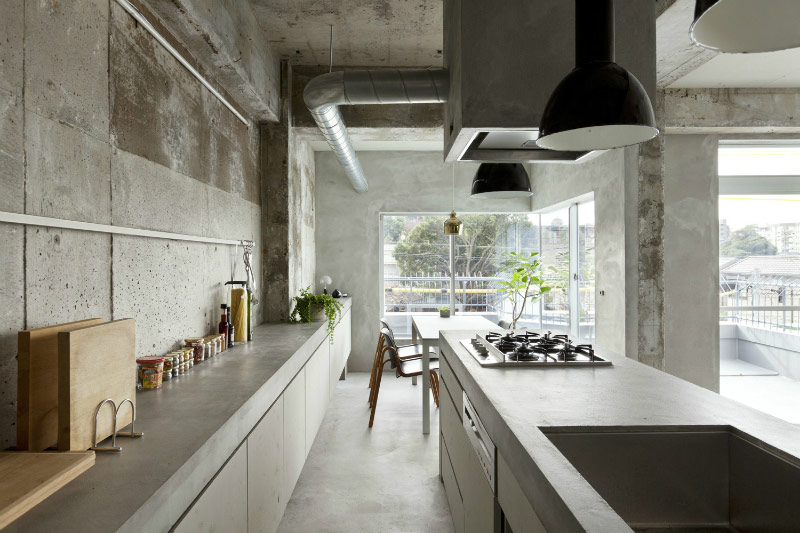
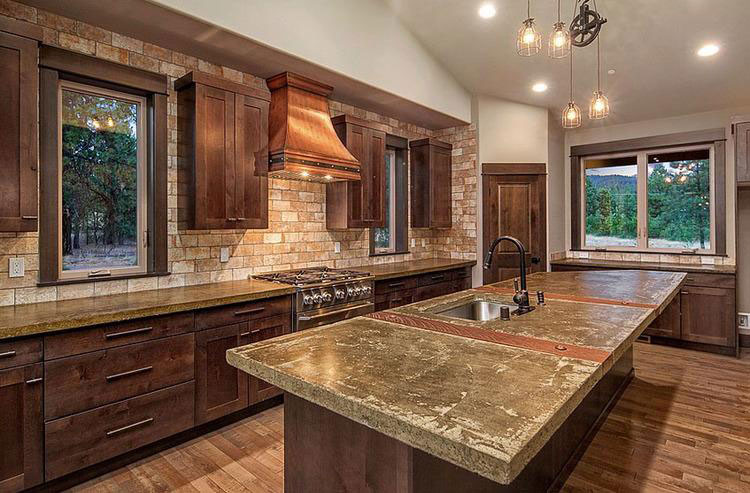
    Unlike granite countertops, custom concrete countertops bring a one-of-a-kind style and incredible function to your cooking space. Concrete can look industrial and cool or smooth and elegant, letting you match your unique style. Bakers rave about concrete countertops because the cool surface is just perfect for rolling out dough! You can even customize with colors, textures, and built-in features like sinks and herb planters.

    Concrete countertops are surprisingly tough compared to other fancy materials. They handle everyday kitchen life and still look fantastic. 

    3. Stained concrete floors

    Stained concrete floors

    Stained concrete floors redefine floors with breathtaking beauty and modern sophistication. Imagine your rooms adorned with polished surfaces swirling with color, subtle textures, or radiant metallic effects.  Beyond their looks, stained concrete floors are also surprisingly tough. They shrug off wear and tear, stay easy to clean, and keep their stunning finish for years to come.

    For best results, consider professionally poured ready-mix concrete. It ensures the perfectly smooth and level base that’s critical for a flawless stained finish. This, combined with specialized staining techniques applied by experts, makes the difference between a generic one and a truly show-stopping result. Stained concrete floors are an investment in style and resilience for your home.
     

    4. Concrete Driveways

    Concrete Driveways

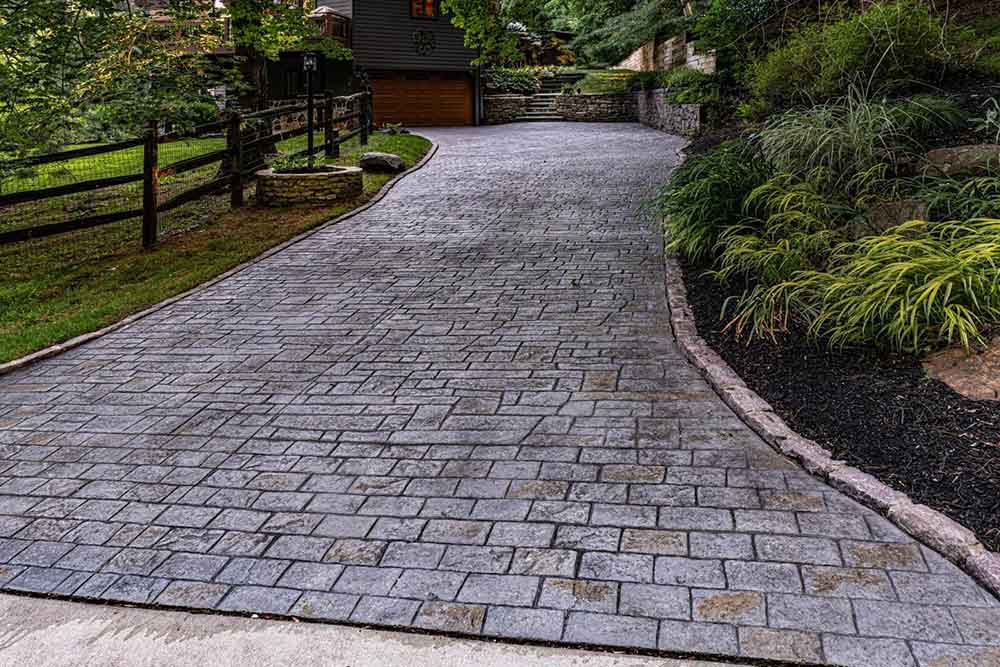
    Your driveway isn’t just where you park the car – it’s the first impression of your home. Revamp that impression with the power of ready-mix concrete! Concrete driveways go beyond simple utility, bringing long-lasting durability, easy maintenance, and striking curb appeal. Say goodbye to cracks, uneven surfaces, and those frustrating oil stains; with concrete, you get a driveway that takes on everyday wear and still looks fantastic.

    The best part? You’re in control of the design. Ready-mix concrete offers customization at every turn.  Go for a sleek, contemporary look with smooth expanses of concrete, or add flair with stamped patterns that mimic brick or stone. You can even play with color to create a driveway that perfectly complements your home’s exterior. Ready-mix ensures consistent quality and the right strength for a driveway that’s built to impress and built to last.
     

    5. Interior Partition Wall

    Ready-mix concrete offers a smart and efficient solution for creating partition walls within your home. Say goodbye to flimsy drywall and embrace the solid feel and potential soundproofing benefits of concrete. Whether you’re dividing a large room, creating a home office nook, or defining entryways, concrete partition walls deliver strength and practicality.

    The ease of working with ready-mix concrete streamlines the construction process. Pre-mixed to the perfect consistency, it eliminates the need for on-site mixing, saving you time and ensuring reliable quality. You can design partition walls with interesting textures,  integrate shelving or niches, and tailor their thickness for enhanced privacy or reduced bulk.  With proper installation, concrete partition walls offer a permanent, low-maintenance way to reimagine your home’s layout for maximized functionality and style.
     

    Why Choose Aparna RMC for Your Home Renovations 

    As a leading producer of ready-mix concrete solutions across Telangana, Andhra Pradesh, Karnataka, and Maharashtra, Aparna RMC offers a wide range of ready-mix concrete options, including specialized concrete grades, to flawlessly match your renovation needs. Our customizable concrete solutions cater to your project’s unique requirements, promising optimal strength, durability, and a perfect finish.

    Excerpt

    Ready mix concrete offers a variety of renovation options to transform your home or projects providing flexibility and versatility. Using ready mix concrete for home renovations and remodeling is the most efficient and cost-saving method that will give an unimaginable result in the end. Aparna RMC supplies versatile, reliable and cost-effective ready-mix concrete for all your renovation projects.

  • Advantages of using RMC in Hyderabad

    Advantages of using RMC in Hyderabad

    Hyderabad, the city of Pearl, is rapidly advancing towards becoming a modern metropolis. With a burgeoning population and increasing urbanization, the city’s infrastructure is evolving to meet the demands of its residents. This growth is not just about towering skyscrapers or sprawling malls; it’s about a lifestyle that promises convenience, sustainability, and a better future for all. As Hyderabad marches towards its destiny as a premier metro city, the use of innovative construction materials like Ready Mix Concrete (RMC) plays a pivotal role in shaping this transformation.

    Kokapet, Narsingi, and the Financial District are at the forefront of Hyderabad’s growth story. These areas have seen a surge in infrastructure development, with residential complexes, commercial spaces, and recreational facilities enhancing the overall quality of life. Establishing IT parks and corporate offices has also contributed significantly to the area’s economic growth, attracting professionals and businesses alike.

    Beyond Western Hyderabad, the entire city is experiencing a rapid transformation. As infrastructure projects multiply and urban spaces expand, the need for efficient construction practices has never been greater. RMC emerges as a critical player in this narrative, offering a reliable and sustainable solution to meet the city’s growing construction needs.

    Using RMC in Hyderabad is not just a matter of convenience; it’s a strategic choice driven by the city’s unique challenges. Hyderabad’s topography, characterized by rocky terrain and congested urban areas, makes traditional concrete mixing methods cumbersome and time-consuming. RMC, with its precise mix and ready availability, streamlines the construction process, reducing wastage and ensuring quality. This is particularly advantageous in a city like Hyderabad, where space and time are at a premium.

    Ready mix concrete (RMC) promotes sustainable development by reducing CO2 emissions through the use of industrial by-products like fly ash and GGBS. This not only enhances the durability of structures but also supports environmental sustainability. Moreover, RMC ensures consistent quality and reduces wastage, accelerating construction timelines and contributing to faster project completion.

    The environmental benefits of RMC are significant. It decreases pollution at construction sites by eliminating the need for on-site mixing, thus reducing dust and noise pollution. Additionally, government policies encouraging the use of RMC can improve infrastructure development and ensure safer, more durable constructions.

    Modern ready-mix concrete (RMC) plants use advanced technologies for better quality control and efficiency, meeting the evolving needs of the construction industry. These technological advancements further support the strategic use of RMC in Hyderabad’s rapid urbanization.

    Aparna Enterprises, a name synonymous with quality and innovation in the building materials industry, has promoted sustainable construction practices in Hyderabad. Aparna’s legacy of excellence extends to using RMC in its projects, ensuring that each structure stands the test of time. By incorporating RMC into its construction methodology, Aparna is not just building homes; it’s building a future where quality and sustainability go hand in hand.

    In conclusion, the advantages of using Ready Mix Concrete (RMC) in Hyderabad are not just practical but transformative. As the city paves its way towards a brighter tomorrow, ready mix concrete (RMC) is a beacon of innovation, heralding a new era of construction excellence in Hyderabad. By promoting sustainable development, ensuring consistent quality, and supporting economic growth, RMC is playing a pivotal role in shaping the future of Hyderabad’s infrastructure.

    As Hyderabad continues to grow and evolve, the strategic use of RMC will remain essential in meeting the city’s construction needs efficiently and sustainably. This innovative approach to construction is setting new standards and paving the way for a future where Hyderabad truly becomes a world-class metropolis.

  • Better Futures: Ready-Mix Concrete (RMC) in India’s Construction Landscape

    Better Futures: Ready-Mix Concrete (RMC) in India’s Construction Landscape

    The very foundation of India’s booming construction industry is undergoing a significant transformation, with Ready-Mix Concrete (RMC) emerging as a game-changer. Unlike conventional site-mixed concrete, RMC offers a pre-mixed solution produced in centralized plants before being delivered directly to construction sites. This innovative approach is witnessing a meteoric rise in popularity, as evidenced by the impressive Compound Annual Growth Rate (CAGR) of 6.15% for the RMC market in India  from 2021 to 2026. The widespread adoption of RMC isn’t merely driven by its novelty; it’s a testament to the numerous advantages it offers.

    Key Drivers for RMC Adoption

    Several key factors are propelling the rise of Ready Mix Concrete in India:

    • High Preference for RMC: Contractors are increasingly opting for Ready Mix Concrete in India due to its clear advantages over site-mixed concrete. These advantages include:
      • Consistent Quality: RMC production in centralized plants ensures consistent quality control, leading to stronger and more durable concrete structures for buildings and infrastructure projects across India.
      • Efficiency and Speed: Ready Mix Concrete in India eliminates the need for on-site mixing setups, significantly reducing project timelines and streamlining construction processes.
      • Reduced Wastage: Precise measurement and mixing at the plant minimize material wastage, leading to cost savings and a more sustainable construction approach.
      • Environmental Benefits: Centralized Ready Mix Concrete in India production helps control dust and noise pollution at construction sites, contributing to a cleaner work environment.
    • Growth in Construction Market: The Indian construction industry is experiencing a significant boom, fueled by government initiatives in infrastructure development and urbanization. This surge in construction activities translates to a higher demand for high-quality concrete, making Ready Mix Concrete in India a preferred choice.
       
    • Growing Popularity of Geopolymer Cement Concrete: A new trend in the Ready Mix Concrete in India market is the rising adoption of geopolymer cement concrete. This eco-friendly alternative offers superior properties like high strength, acid resistance, and a lower carbon footprint compared to traditional Portland cement concrete. As environmental consciousness grows, geopolymer concrete is expected to play an increasingly important role in Ready Mix Concrete in India.

    With these drivers propelling the market forward, Ready Mix Concrete in India is poised for further growth and is expected to become an even more prominent player in shaping the future of the construction landscape.

    How Ready Mix Concrete in India Promotes Sustainable Development

    While challenges exist, Ready Mix Concrete in India offers several advantages that contribute to sustainable development practices:

    • Reduced Material Wastage: Compared to traditional site-mixed concrete, Ready Mix Concrete in India production utilizes precise measurement and mixing techniques, minimizing material wastage and promoting resource efficiency.
    • Use of Sustainable Materials: Ready Mix Concrete in India facilities have the ability to incorporate industrial by-products like fly ash and slag into the concrete mix. These by-products not only enhance the durability of the concrete but also reduce the overall consumption of virgin materials like cement, leading to a more sustainable construction process.
    • Lower Air and Noise Pollution: Centralized Ready Mix Concrete in India production allows for better control of dust and noise emissions compared to on-site concrete mixing. This translates to a cleaner work environment and minimizes the environmental impact of construction projects.

    The Future of Ready Mix Concrete in India: A Promising Outlook

    Ready Mix Concrete in India holds immense potential for significant growth. Currently, the consumption of Ready Mix Concrete in India sits at around 20% of the total cement produced, a stark contrast to developed countries where the market share reaches 70-80%. This vast difference indicates a significant opportunity for Ready Mix Concrete in India to expand its footprint in the coming years.

    Meanwhile, government initiatives focused on infrastructure development, urbanization, and real estate growth are expected to drive the demand for high-quality construction materials like Ready Mix Concrete in India. This, coupled with increasing environmental consciousness, is likely to propel the adoption of sustainable practices like using geopolymer concrete within the Ready Mix Concrete in India market. As a result, the market size of Ready Mix Concrete in India is projected to reach a staggering US$ 7.7 billion by FY2030.

    Furthermore, The possibilities for RMC in India extend far beyond the current applications. Here are two potential innovations that will shape the future of construction.

     3D Printing Technology:  The construction industry is on the cusp of a paradigm shift with 3D printing.  RMC, with its precise consistency and workability, is perfectly suited for this  futuristic building technique.  Think of efficient on-site printing of complex structures,  reduced construction waste, and the ability to create  intricate architectural designs.  RMC could be the  essential ink in this transformative process.

    Recycled Content Advancements:  Sustainability is paramount, and RMC is already contributing by incorporating recycled materials.  The future holds even greater promise.  Research is ongoing to develop mixes that utilize  higher percentages of recycled aggregates like crushed demolition waste. This will not only  minimize environmental impact by diverting materials from landfills, but also  reduce reliance on virgin resources.  Imagine creating  sustainable structures from what was once considered waste – that’s the potential of advancements in recycled content.

    By actively pursuing these innovations, India’s RMC industry can position itself as a global leader in  sustainable and efficient construction practices.  The benefits will be far-reaching: a  safer workforce, a  reduced environmental footprint, and the ability to construct  high-quality, future-proof infrastructure.  With continued investment in R&D and collaboration across the construction ecosystem, India can  build a better tomorrow, literally brick by innovative brick.

  • From Call to Concrete: The Convenience of Aparna RMC’s On-Demand Services in Mumbai’s Thriving Construction Industry

    From Call to Concrete: The Convenience of Aparna RMC’s On-Demand Services in Mumbai’s Thriving Construction Industry

    One of Aparna RMC Mumbai’s key strengths is its strategic network of plants across Mumbai. This extensive presence enables efficient and rapid delivery to any location in the city. Aparna RMC operates greenfield and brownfield plants in West Mumbai, North Mumbai, and Navi Mumbai, ensuring comprehensive coverage. Specific plant are the Thane Ready Mix Concrete plant, Malad Ready Mix Concrete plant, Navi Mumbai and Turbhe Ready mix concrete plants which enhance  Aparna RMC Mumbai to serve the diverse needs of construction sites throughout Mumbai like on-demand concrete delivery.

    Why Aparna RMC?

    In the fast-paced world of construction, time is of the essence. Traditional methods of sourcing and mixing concrete can be time-consuming and inefficient. Aparna RMC revolutionizes this process with its on-demand concrete delivery services, offering unparalleled convenience and efficiency which works seamlessly as it is closer to you than you think with strategic network of plants across Mumbai 

    Easy Online Ordering or Phone Call Scheduling

    Aparna RMC simplifies the ordering process with easy online platforms and dedicated phone support. Construction managers can schedule deliveries with a few clicks or a quick call, ensuring they get the concrete they need when they need it.

    Flexible Scheduling to Meet Project Timelines

    Construction projects often have tight timelines. Aparna RMC’s flexible scheduling options ensure that concrete deliveries align perfectly with project schedules, minimizing downtime and keeping projects on track.

    Reliable and Timely Delivery

    Aparna RMC is committed to timely deliveries, guaranteeing that concrete arrives at the construction site exactly when it’s needed. This reliability helps construction managers avoid costly delays and maintain the momentum of our projects. With plants strategically located across the city, Aparna RMC can deliver concrete faster and more efficiently than competitors. This widespread network ensures that concrete is always available close to the project site, reducing transportation time and costs.

    Quality and Reliability

    Aparna RMC is dedicated to providing high-quality concrete using cutting-edge technology. Our commitment to excellence extends to every aspect of operations, from production to delivery. Aparna RMC utilizes advanced technology and stringent quality control measures to produce concrete that meets the highest standards. This ensures that construction projects benefit from durable and reliable concrete.

    Excellent Customer Service

    Customer satisfaction is a top priority for Aparna RMC. The team is dedicated to providing exceptional service, from the initial order to the final delivery. This commitment to customer care sets them apart in the competitive construction industry.

    Conclusion

    In Mumbai’s booming construction industry, Aparna RMC’s on-demand concrete delivery services offer invaluable convenience, efficiency, and reliability. By leveraging our strategic network of plants and dedication to quality, Aparna RMC ensures that construction projects can proceed smoothly and on schedule.

    For construction companies and developers looking to streamline our concrete supply, Aparna RMC is the partner of choice. Contact Aparna RMC today for your concrete needs, or visitour website for more information and to locate our plant addresses and maps. Experience the convenience and reliability of Aparna RMC’s on-demand services and take your construction projects to new heights.

    Excerpt

    Aparna Ready Mix Concrete Mumbai Mumbai is the land of plenty, where desires take shape and dreams come true. From movies, music, and fashion to dream homes, as the people grow in our niches, development thrives, meaning Mumbai’s construction industry is experiencing unprecedented growth, fueling a surge in demand for reliable concrete suppliers, which is where Aparna RMC Mumbai stands out as a leading provider of on-demand concrete delivery service in Mumbai, strategically positioned to meet the needs of construction companies and developers throughout the city. In a city like Mumbai that is always moving fast, Aparna RMC fits perfectly as concrete suppliers, ensuring consistent quality, which also saves time and eliminates delays associated with on-site mixing, reducing waste and improving the concrete’s strength and durability.

  • Colour Concrete: Customizing Aesthetics for Contemporary Architecture

    Colour Concrete: Customizing Aesthetics for Contemporary Architecture

    Modern architecture is no longer confined to conventional designs and monotone surfaces. It now thrives on creativity, innovation, and the ability to integrate aesthetics seamlessly with functionality. One of the leading advancements driving this shift is Colour Concrete (pigmented concrete). This revolutionary material combines the strength and durability of traditional concrete with the visual appeal of vibrant, customizable colors, offering architects and designers limitless possibilities.

    In this article, we explore the transformative potential of Colour Concrete (pigmented concrete) and its applications in contemporary architecture.

    What Is Colour Concrete (Pigmented Concrete)?

    Colour Concrete (pigmented concrete) is an innovative building material where pigments are added to concrete to create visually striking hues while retaining its structural properties. These colors are achieved using natural oxides or synthetic pigments, ensuring durability and resistance to fading over time.

    Key Features of Colour Concrete (pigmented concrete):

    • Wide Range of Colors: Customizable options from subtle tones to bold shades.
    • Durability: Resistant to UV exposure, weathering, and wear.
    • Versatility: Can be used for indoor and outdoor applications.
    • Low Maintenance: Minimal upkeep required to maintain its vibrancy.

    Why Colour Concrete (pigmented concrete) Is Ideal for Contemporary Architecture

    Modern construction places equal emphasis on aesthetics and functionality. Here’s why Colour Concrete (pigmented concrete) is becoming a preferred choice:

    1. Enhancing Visual Appeal

    With Colour Concrete (pigmented concrete), architects can design buildings that stand out. From vibrant facades to patterned pathways, this material elevates the overall aesthetic.

    2. Creating a Signature Look

    Colour Concrete (pigmented concrete) enables brands, institutions, or homeowners to craft unique designs that align with their identity or vision.

    3. Sustainable and Durable

    The pigments used are eco-friendly, and the material’s longevity reduces the need for frequent replacements, contributing to sustainable construction.

    4. Integration with Natural Landscapes

    Colour Concrete (pigmented concrete) can be customized to blend with natural surroundings, making it ideal for parks, resorts, and eco-friendly developments.

    Applications of Colour Concrete (pigmented concrete)

    Urban Infrastructure

    • Sidewalks and Pathways: Adds vibrancy and improves visibility in public spaces.
    • Bridges and Overpasses: Enhances the aesthetic of large infrastructure projects.

    Residential Architecture

    • Driveways and Patios: Offers homeowners a way to personalize their exteriors.
    • Interior Flooring: Adds warmth and character to indoor spaces with a polished finish.

    Commercial Spaces

    • Retail Outlets: Creates visually engaging interiors and exteriors that attract customers.
    • Office Buildings: Offers a sophisticated look while maintaining durability.

    Decorative Landscaping

    • Garden Paths: Complements the natural elements with earthy tones or bright contrasts.
    • Water Features: Adds a unique touch to fountains and ponds.

    Benefits of Colour Concrete (pigmented concrete)

    1. Customization

    • Endless color options allow for complete design freedom.
    • Patterns and textures can be integrated to enhance uniqueness.

    2. Long-Term Performance

    • Resistant to fading, cracks, and weather damage.
    • Suitable for high-traffic areas due to its durability.

    3. Environmentally Friendly

    • Reduces the need for surface coatings or additional materials.
    • Can incorporate recycled pigments for sustainable building practices.

    4. Low Maintenance

    • Requires less cleaning compared to painted or coated surfaces.
    • Retains color vibrancy with minimal effort.

    How Colour Concrete (pigmented concrete) Is Made

    The production of Colour Concrete (pigmented concrete) involves advanced techniques to ensure uniformity, durability, and aesthetic appeal.

    Step 1: Selecting Pigments

    High-quality natural or synthetic pigments are chosen to achieve the desired color. These pigments are carefully mixed with the concrete.

    Step 2: Mixing Process

    The pigments are blended into the concrete mixture using precision tools to ensure uniform dispersion.

    Step 3: Finishing Techniques

    Depending on the application, the Colour Concrete (pigmented concrete) can be polished, stamped, or textured to achieve the desired finish.

    Trends in Colour Concrete (pigmented concrete)

    Integration with Smart Technologies

    Colour Concrete (pigmented concrete) is now being used alongside technologies like LED lighting and embedded sensors for dynamic visual effects.

    Sustainable Colour Solutions

    Eco-conscious pigments and recycled materials are increasingly being used to align with green building initiatives.

    Architectural Innovations

    Designers are experimenting with multi-colored patterns, gradient effects, and 3D textures to push the boundaries of creativity.

    Challenges in Adopting Colour Concrete (pigmented concrete)

    Despite its benefits, a few challenges exist:

    • Higher Initial Costs: Customization can be expensive compared to traditional concrete.
    • Specialized Expertise Required: Application and installation require skilled professionals.
    • Limited Awareness: Some architects and builders are still unfamiliar with its potential.

    Introducing AesthiCrete: Colour Concrete (pigmented concrete) by Aparna RMC

    Aparna RMC, a leader in ready-mix concrete solutions, presents AesthiCrete, a cutting-edge Colour Concrete (pigmented concrete) solution designed to redefine contemporary architecture.

    Features of AesthiCrete:

    • Unmatched Color Variety: From earthy tones to bold hues, AesthiCrete offers a palette to match every design vision.
    • Premium Quality: Engineered for strength, durability, and aesthetic excellence.
    • Eco-Friendly Approach: Uses sustainable pigments and production methods to reduce environmental impact.
    • Versatile Applications: Ideal for both residential and commercial projects, including decorative landscaping, interiors, and urban infrastructure.

    Why Choose AesthiCrete?

    • Reliability: Backed by Aparna RMC’s decades of expertise in concrete technology.
    • Custom Solutions: Tailored to meet the unique requirements of every project.
    • Aesthetic Excellence: Ensures vibrant, long-lasting colors that enhance every structure.

    With AesthiCrete, Aparna RMC empowers architects and builders to transform their visions into reality with durable, stunning, and eco-friendly Colour Concrete (pigmented concrete) solutions.

    Conclusion

    Colour Concrete (pigmented concrete) is revolutionizing contemporary architecture, offering a perfect blend of strength, aesthetics, and sustainability. From vibrant urban infrastructure to sophisticated commercial spaces, its versatility knows no bounds.

    With innovative solutions like AesthiCrete by Aparna RMC, the future of customized construction is brighter and more colorful than ever. Elevate your projects with AesthiCrete and experience the endless possibilities of Colour Concrete (pigmented concrete)—a material that truly bridges functionality and beauty.

    Read More: How Colored Concrete Can Make Your Projects Look Better?