Aparna RMC

Category: Blog

  • Benefits of RMC for Institutions and Hospitals

    Benefits of RMC for Institutions and Hospitals

    In the realm of construction, Ready Mix Concrete (RMC) stands out as a superior building material. Its usage has become increasingly popular across various sectors, including institutions and hospitals, where quality and efficiency are paramount. In such critical facilities, the importance of durability and low-maintenance construction cannot be overstated. This blog delves into the numerous benefits RMC offers to these vital structures, ensuring strength, longevity, and resilience.

    Primary Benefits of RMC for Institutions and Hospital

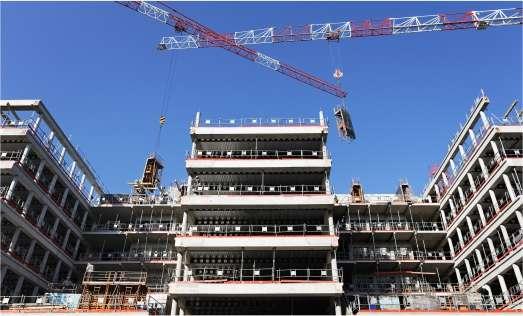
    Institutional constructions are meant to be landmarks that stand the test of time, holding strong symbolic significance for generations. These structures, which include colleges, hospitals, and diagnostic centres, have multiple high-traffic areas that demand the highest construction and design standards. Aparna RMC’s solutions come with the highest level of precision, ensuring unparalleled longevity, durability, and minimal maintenance of the built structure.

    Strength and Durability

    One of the foremost advantages of using RMC is the assured quality and consistency it provides. Unlike traditional concrete mixing methods, RMC is produced under controlled conditions, ensuring a uniform mix that meets specific project requirements. This level of precision is crucial for institutions and hospitals where structural integrity is non-negotiable.

    The durability of RMC is another significant benefit, especially for structures that demand long-term stability. RMC’s consistent quality and precise mix ratios enhance the overall strength and longevity of buildings. This durability not only translates to fewer repairs and lower maintenance costs over time but also ensures that the structures can withstand extreme weather conditions, including heavy rains, intense heat, and even earthquakes.

    Cost-Efficiency and Time Savings

    RMC contributes to significant time and cost savings. Its ready-to-use nature eliminates the need for on-site mixing, reducing labor costs and speeding up the construction process. This efficiency is particularly beneficial for large-scale projects such as hospitals and educational institutions, where timely completion is essential. Additionally, the reduced need for maintenance and repairs further amplifies the cost-effectiveness of RMC, making it an ideal choice for long-term infrastructure projects.

    Safety and Compliance

    Safety is another critical aspect where RMC excels. The controlled production process ensures compliance with safety standards and regulations, making it a reliable choice for constructing hospitals and institutions. The consistent quality of RMC also minimizes the risk of structural failures, contributing to safer environments for occupants. Moreover, RMC’s resilience against extreme weather conditions adds another layer of safety, ensuring the structures remain secure during adverse weather events.

    Customization and Versatility

    Aparna RMC offers a plethora of customization options in accordance with desired construction needs. Additives, accelerators, and retarders can be incorporated into the mix, resulting in improved workability, setting time, and durability. This customization ensures that the concrete mix can be tailored to meet specific project requirements, whether it’s a high-strength mix for load-bearing walls or a more fluid mix for intricate architectural designs.

    Additionally, Aparna RMC manufactures Steel Fiber Reinforced Concrete (SFRC) with increased tensile and flexural strength. This type of concrete is particularly useful in applications where enhanced durability and load-bearing capacity are required, making it ideal for institutions and hospitals that need to endure high traffic and operational demands.

    Superior Service and Technology Integration

    Aparna RMC’s service paradigm is rated as one of the best in the industry. Besides proactive and committed customer service, their fully automated CRM integrated with ERP and SCADA-based production augmentation helps clients instantly access information and project status. This technological integration ensures efficient project management and seamless communication.

    The fleet of vehicles equipped with a Vehicle Tracking System (VTS) ensures easy tracking and coordination, further enhancing the efficiency and reliability of RMC delivery and application.

    Success Stories

    Numerous institutions and hospitals have successfully utilized RMC in their construction projects, witnessing firsthand the benefits it brings. Key projects undertaken by Aparna RMC include Continental Hospital in Hyderabad, Stanley College in Hyderabad, and Keystone School in Hyderabad. These projects highlight the strength, durability, and low-maintenance benefits of RMC, which have contributed to the long-term success and sustainability of these facilities.

    Conclusion

    In summary, Ready Mix Concrete offers numerous benefits for institutions and hospitals, from enhanced quality and efficiency to sustainability, strength, and safety. By choosing RMC, construction projects can achieve superior results, ensuring the longevity and reliability of their structures, with minimal maintenance requirements. For projects that demand durability and resilience against extreme weather, RMC stands as the optimal choice. To learn more about how RMC can benefit your next project, visit Aparna RMC.
  • Affordable Housing Solutions with Ready Mix Concrete

    Affordable Housing Solutions with Ready Mix Concrete

    Affordable Housing Challenges

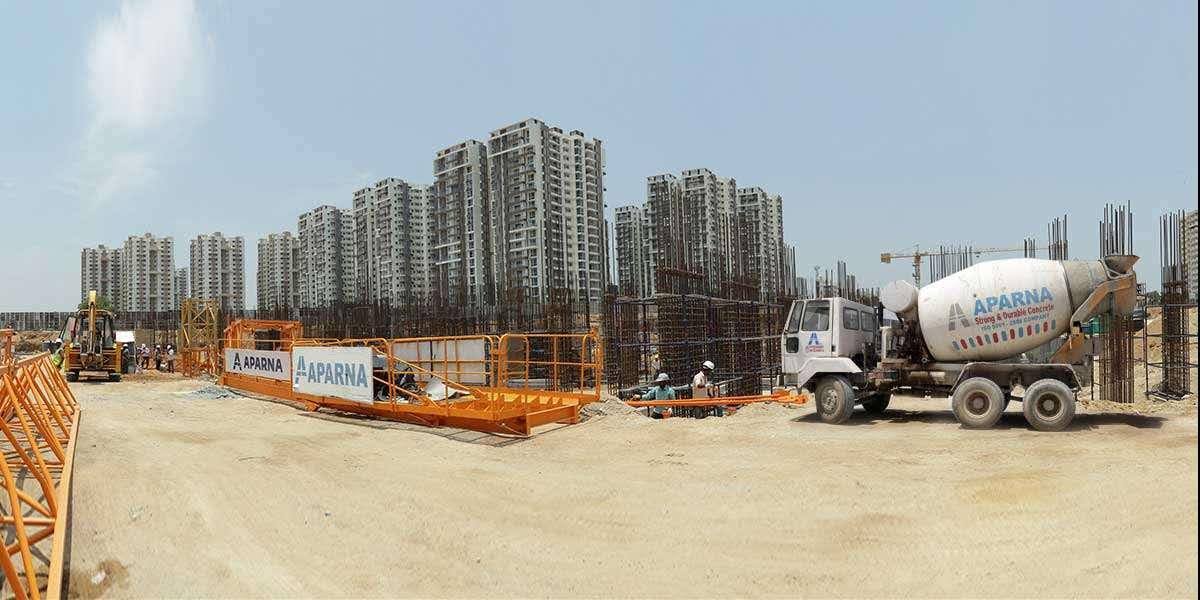
    Affordable housing is a critical need across the globe, particularly in urban areas where the demand for housing is consistently on the rise. In countries like India, a significant portion of the population struggles to find cost-effective housing solutions that meet their basic needs. The challenges of affordable housing are multifaceted, including rising land costs, material shortages, and lengthy construction processes. Addressing these challenges requires innovative solutions that not only reduce costs but also ensure the durability and quality of housing structures.

    Benefits of Ready Mix Concrete (RMC) in Construction

    Ready Mix Concrete (RMC) has emerged as a game-changer in the construction industry, especially in the affordable housing sector. With its numerous benefits, RMC is helping developers overcome many of the challenges associated with traditional construction methods.

    Cost-Effectiveness

    One of the primary advantages of using RMC is its cost-effectiveness. By reducing material wastage and optimizing the mix of concrete, RMC lowers overall construction costs. Additionally, the reduction in labor and time required for mixing on-site translates to significant savings.

    Speed and Efficiency

    Time is a critical factor in any construction project. RMC accelerates the construction process as it is delivered ready to use, eliminating the need for on-site mixing. This not only speeds up the building process but also allows multiple housing projects to be completed within shorter timelines, addressing the urgent need for affordable homes.

    Quality and Durability of RMC Structures

    Quality control is a significant advantage when using RMC. Unlike on-site mixing, which can lead to inconsistencies, RMC is manufactured in a controlled environment, ensuring uniformity and high-quality standards. The durability of RMC structures ensures that affordable housing projects remain long-lasting, reducing future maintenance costs for homeowners.

    Why Choose Aparna RMC for Affordable Housing?

    • Speed and Sustainability Hand in Hand

    We streamline our batching and delivery processes to ensure fast and efficient concrete supply, helping you meet tight project deadlines without increasing your carbon footprint. Our optimized transportation reduces environmental impact, making your project both timely and green.

    • Lower Labor, Lower Resource Consumption

    By providing ready-to-use RMC tailored to your specifications, we minimize on-site labor requirements. This leads to fewer commutes, reduced energy consumption, and overall lower resource usage, making your project more affordable and environmentally responsible.

    • Precision for Maximum Efficiency

    Our meticulous batching process ensures you only pay for what you need, drastically cutting down on material waste. This precision in mixing not only saves costs but also supports sustainable construction by reducing unnecessary resource consumption.

    • Quality that Lasts

    With Aparna RMC, you get more than just concrete—you get quality. Our stringent quality control results in stronger, more durable structures that require fewer repairs and replacements over time. This longevity reduces the need for additional materials in the future, promoting sustainability.

    • Eco-Friendly Practices, Budget-Friendly Results

    We prioritize sustainability in every aspect of our RMC production, from efficient resource use to waste reduction. Our commitment to green practices not only supports your eco-conscious goals but also helps keep your project within budget.

    Conclusion

    Affordable housing is more than just a necessity; it’s a fundamental right. By leveraging the advantages of Ready Mix Concrete, developers can overcome traditional construction challenges and deliver high-quality, cost-effective housing solutions that meet the needs of today’s urban population. At Aparna RMC, we are committed to supporting the affordable housing sector with innovative concrete solutions that drive efficiency, durability, and sustainability.

  • Dream Patio Made Easy: Durable, Low-Maintenance Concrete

    Dream Patio Made Easy: Durable, Low-Maintenance Concrete

    Ready-mix concrete is pre-mixed at special facilities according to project requirements, and then delivered to construction sites ready to use. This eliminates the need to mix raw materials on-site, which saves time and labor. RMC plants can produce various concrete mixes tailored to specific needs, such as high-strength concrete, decorative finishes, or special additives for enhanced performance.

    So along with the consistency and durability required for a strong build, by choosing Ready-Mix concrete for your patio, you benefit from improved quality, convenience, cost savings, environmental sustainability, and a durable, low-maintenance outdoor space.

    Let’s delve deeper into why ready-mix concrete stands out:

    Unmatched Durability:

    Picture a patio that endures years of barbecues, family gatherings, and playful afternoons. Ready-mix concrete boasts exceptional strength and resilience. Compared to softer materials like wood or pavers, concrete can handle a magnitude of wear and tear from foot traffic, furniture, and even harsh weather conditions like rain and sun. This translates to a patio that won’t crack or show signs of wear easily, saving you a ton of money on repairs and replacements down the line. Moreover, the aesthetic appeal of concrete endures even after enduring years of heavy usage, making it not just a practical choice but a visually appealing one as well.

    Effortless Maintenance:

    One of the advantages of using ready-mix concrete for your patio is its low maintenance requirements. Even after years of usage, it remains solid and new. Unlike wood, which needs regular staining or sealing, or pavers that might require re-sanding to fill gaps, concrete is effortless to maintain. All you need is an occasional cleaning with a hose and household soap or shampoo to keep your patio looking immaculate and as shiny as new. By choosing Ready-Mix concrete, you can spend less time worrying about upkeep and more time creating precious memories with your loved ones on your beautiful patio.

    Design Versatility:

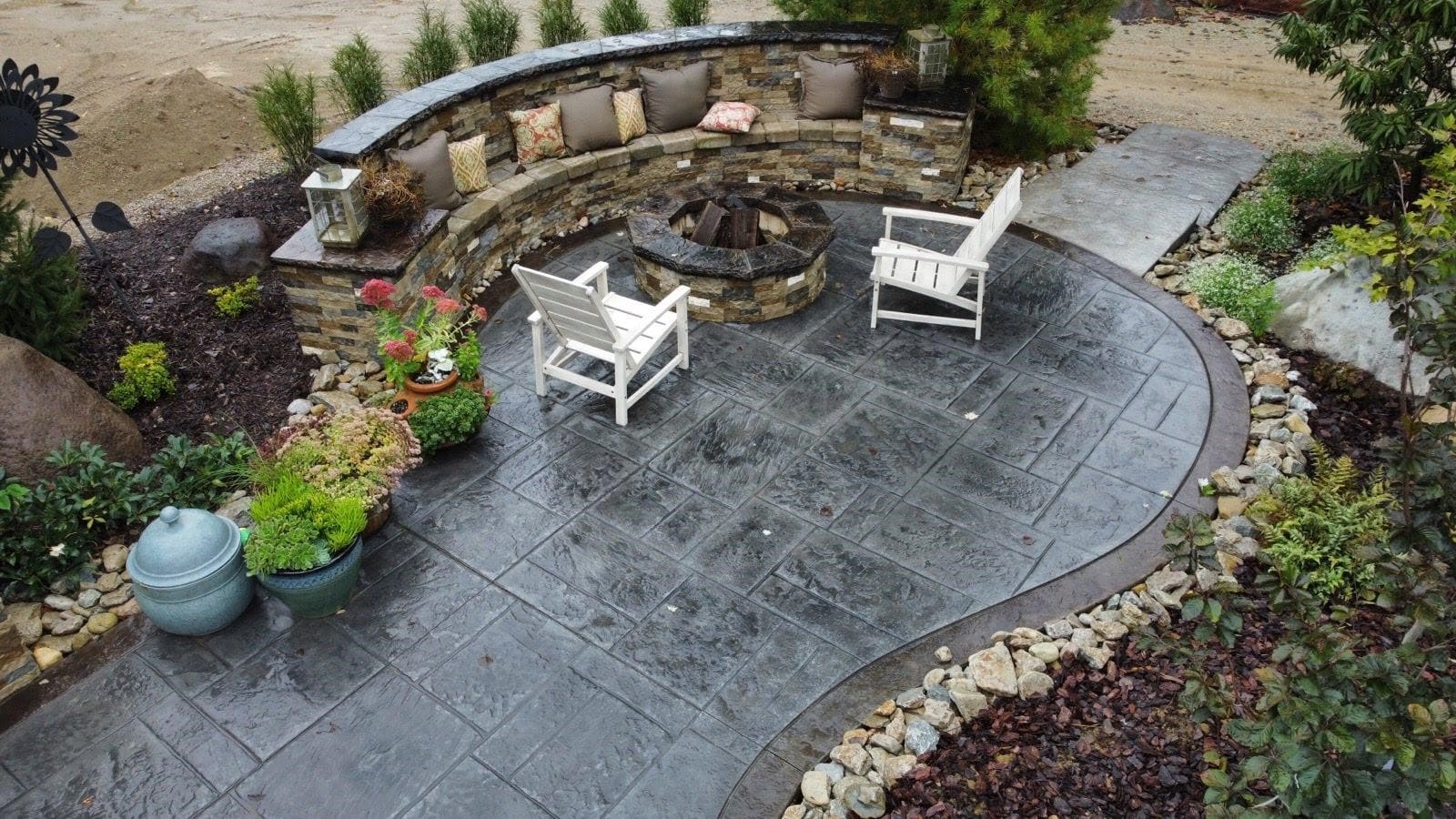
    Concrete for your patio is like a blank canvas ready for the artistic touch of your imagination! You have so many options to explore with, and it makes it totally unique to you and the artistic flair of your choice. You can choose different finishes, textures, and patterns to give your patio its own special flair. 

    • Want a sleek and modern vibe? Give your concrete a polished, shiny finish. 
    • Prefer a more natural look? You can make your concrete resemble stone, brick, or even wood with some stamping or imprinting magic!

    But wait, there’s more! Concrete can also be customized with all sorts of colors. You can go bold and vibrant or keep it subtle and earthy – it’s up to you! And the fun doesn’t stop there – you can get really creative with the shapes and forms of your concrete. Whether you want smooth curves or eye-catching patterns, concrete can be shaped to create a patio that’s as unique as you are. Aparna RMC has an array of shades to choose from, concrete does not have to be just grey! 

    A Canvas for Your Creativity:

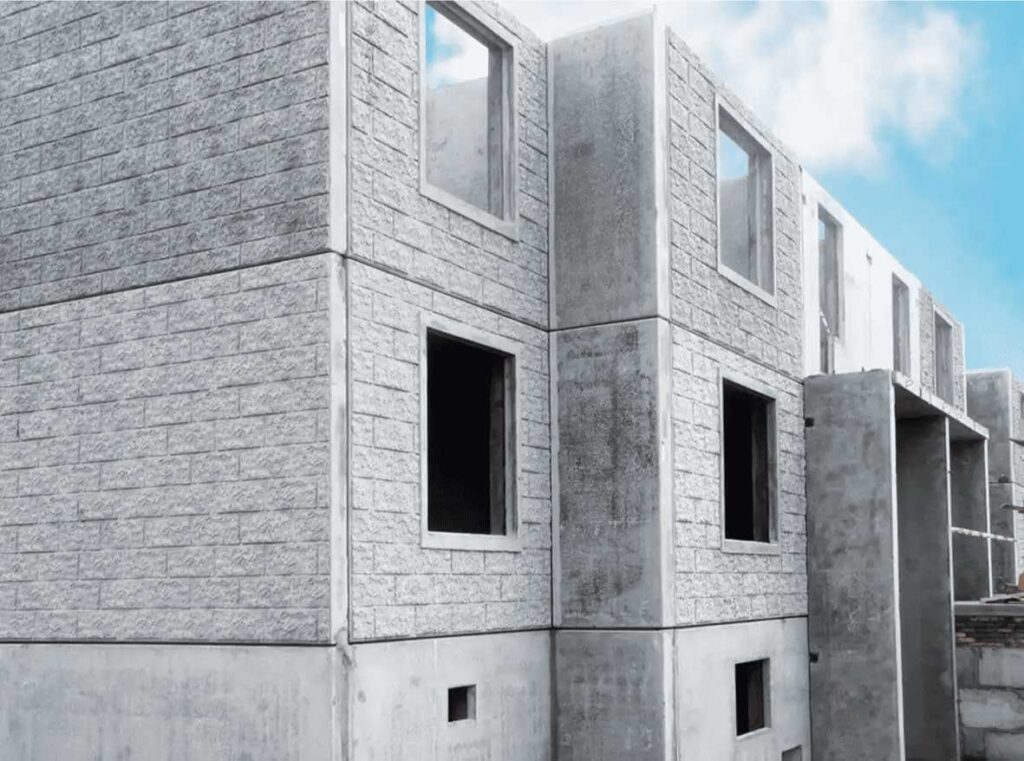
    Ready-mix concrete is not just a functional material but it also has aesthetic potential to extend your artistic vision. By using stamped concrete, you can produce fascinating and finely detailed patterns that closely resemble natural stones. There are options to add score lines that can be transformed to tile grout lines. Furthermore, you can customize borders to encase your patio and give it a professional and polished look. The durability of the material adds creative beauty to your patio. The opportunities to design a unique patio that reflects your personal style and creativity are infinite.

    Safety First: Peace of mind is priceless, especially when it comes to fire safety. Concrete is naturally fire-resistant, making it a smart choice for patios that incorporate grills, fire pits, or outdoor fireplaces. Unlike wood, which is highly flammable, concrete provides an added layer of safety and reduces the risk of accidental fires spreading. This allows you to enjoy the warmth and ambience of an outdoor fire pit without worrying about potential fire hazards.

    Long-Term Investment: Ready-mix concrete is a wise and long-term investment. The exceptional durability, low maintenance requirements, and timeless style of concrete translate to significant cost savings over time. You won’t have to worry about constant repairs or replacements, making concrete a cost-effective choice in the long run. 

    Reduced Environmental Footprint: Ready-mix concrete uses less cement overall compared to on-site mixing. This reduces the environmental impact of concrete production and Construction projects. Since the concrete is delivered in a pre-mixed form, there is also less waste generated from the mixing process that would otherwise be discarded. RMC is produced in controlled conditions in batching plants where the amount of water added to the mix is precisely measured. This reduces the likelihood of using excess water, which is a common issue in on-site mixing. This can help you reduce your overall environmental footprint and emissions. One step towards sustainability at a time!

    Comparative Chart

    WHY STAMPED CONCRETE

    S.NOPARAMETERSTAMP CONCRETEPAVER BLOCK
    1LOOKNatural StonePlain surface with anti skid marks.
    2FINISHINGNatural Stone FinishingArtificial
    3JOINTJoints are given in 100 Sq.Ft.Every 1 Sq.Ft. There is a joint, since it is interlocking.
    4PATTERNSMore than 50 patterns availableLess than 10 patterns.
    5COLOUR24 base colors & can be achieved 24 x 24 colorsVery few colors available
    6TONING EFFECTVery nice effect can be controlledNo toning effects are available
    7DESIGNWe can create unlimited designs by combinations of patterns & colorVery few designs can be made
    8LIFE SPAN40-60 years3-4 years
    9MAINTENANCEChange of sealant after 5 yearsTo be replaced completely

    Aparna RMC: Your One-Stop Shop for Ready-Mix Concrete:

    At Aparna RMC, we recognize that crafting a beautiful patio is about merging aesthetics and functionality into one seamless outdoor experience. That’s why we offer CraftCrete stamped concrete, delivered straight to your doorstep, eliminating the hassle of on-site mixing and the burden of unnecessary labor. Our commitment to quality ensures that your every need is met, allowing you to focus on what truly matters—designing your perfect outdoor haven. Our team of experts is here to guide you in selecting the ideal pattern and finish, streamlining the process so you can avoid trial and error. So why wait? Contact Aparna RMC today and let us assist you in building a durable, stunning patio you’ll treasure for years to come. Your dream outdoor space is just a call away!

    Check out to learn more about CraftCrete from Aparna RMC

    Excerpt

    Meta Titles: Skip the Mixing, Build Faster: Ready-Mix Concrete for Patios (This title emphasizes the time-saving benefit and application for patios) Dream Patio Made Easy: Durable, Low-Maintenance 

    Concrete (This title focuses on the aesthetic appeal and practicality of concrete patios)

  • Things You Need to Know While Concreting in Winter

    Things You Need to Know While Concreting in Winter

    Concreting in winter presents several challenges, primarily due to the cold temperatures, which can affect the setting, curing, and overall quality of the concrete. Addressing these challenges requires thorough planning, careful execution, and adherence to best practices for cold weather concreting. 

    Here are some of the main challenges and how Ready-Mix Concrete tackles those challenges:

    1.Freezing and Delayed Setting Time:

    Cold temperatures slow down the hydration process, leading to longer setting times. This can delay construction schedules and increase labor costs. Special care has to be taken about the setting time in cold temperature concreting or it can result in major problems for the site. Similarly, freshly poured concrete is at risk of freezing before it gains sufficient strength. Freezing can cause severe damage to the concrete, including reduced strength and durability. 

    2.Thermal Cracking:

    Temperature differences between the surface and the interior of the concrete can lead to thermal cracking. These cracks occur when there are significant temperature differences within the concrete structure, causing different parts to expand or contract at different rates. This is particularly problematic when the surface cools too quickly. 

    3.Inadequate Strength Development:

    Cold weather can prevent concrete from reaching its designed strength within the expected time frame, impacting the project timeline and structural integrity. It leads to the risk of weak-base buildings that would impact the whole project.

    4.Difficult Workability:

    Lower temperatures can make concrete less workable, requiring more effort to place and finish. Cold weather affects the handling and storage of materials like water, aggregates, and admixtures, potentially leading to inconsistent mixes. Workability of labor is also affected by cold weather so measures have to be taken to counter that too. 

    5.Admixture Performance:

    Some admixtures, such as accelerators speed up the hydration process of cement, allowing the concrete to gain strength more rapidly in cold temperatures. Air-Entraining Agents are admixtures that create microscopic air bubbles in the concrete mix, improving its resistance to freeze-thaw cycles.

    6.Quality Control:

    Maintaining consistent quality control is more challenging in cold weather, necessitating more frequent testing and monitoring of the concrete’s temperature and strength development. 

    Frozen ground or subgrade can cause uneven settling and inadequate bonding with the concrete.

    Concreting in cold weather requires special precautions and precise planning to ensure the concrete sets and cures properly. 

    Here are key considerations and steps to follow:

    1.Prior Planning:

    These issues can be tackled through prior planning. For eg monitoring weather forecasts to plan concrete pours during periods of warmer temperatures. Again through use of insulation material like insulating blankets and straw ready to cover the freshly poured concrete, these crucial problems of cold weather concreting can be tackled. By using warm water in the concrete mix the problem of freezing can be tackled, and adding accelerators should also be considered to speed up setting time.

    2.Site Preparation:

    Site preparation to tackle the cold weather includes ensuring that the subgrade is not frozen. If necessary, thaw it out with heaters or insulated blankets. Further, keep forms and rebar free from ice and snow. Along with this, proper safety measures have to be followed in cold weather to reduce chances of freezing and other casualties. These safety protocols include proper clothing for workers and precautions against freezing conditions. These two heads should be taken care of prior to concreting.

    3.Mix Adjustments:

    In cold winter concreting mix adjustments have to be done to protect the load from freezing, to maintain strength, and remove thermal cracking.  One way to do this is by using heated water to keep the mix temperature above freezing. Further accelerators and antifreeze admixtures can be added to the concrete mix to promote faster curing and reduce the risk of freezing. Accelerators speed up the hydration process, while antifreeze admixtures lower the freezing point of water in the concrete mix. Another admixture that can be added is air entrainment admixtures that increase the air entrainment to improve freeze-thaw resistance. This is crucial in cold weather concreting where water in the concrete can freeze and expand, potentially damaging the structure.

    RMC producers adjust mix designs to include the appropriate admixtures based on anticipated weather conditions and project requirements. This ensures that the concrete mix is tailored to perform well in cold weather, maintaining adequate workability and achieving desired strength development.

    4.Placement and Finishing:


    Quick Placement and finishing of concrete quickly is very important to minimize exposure to cold temperatures. After finishing, cold winds can harm the finished concrete so Wind Protection becomes crucial. Using windbreaks to protect the concrete surface from cold wind can be one solution. Erecting temporary enclosures or windbreaks around the concrete placement area can also significantly reduce the impact of cold winds. Further, covering freshly poured concrete with insulating blankets or tarps helps retain heat generated by the hydration process.


    Using Ready-Mix Concrete allows for efficient and timely placement of concrete, as trucks can deliver the material directly to the construction site at the required slump and consistency. This is advantageous in winter when delays in on-site mixing and curing can be more problematic.

    5.Curing:

     
    For effective curing the first step is to  immediately cover the concrete with insulating blankets or tarps to retain heat. Next, use heaters to maintain a warm environment around the concrete, but avoid direct heat which can cause cracking. In some cases, steam curing may be used to accelerate the hydration process and raise the concrete temperature. This method requires specialized equipment and careful control to prevent thermal shock. Preventing rapid drying of the concrete surface is crucial in cold weather. Techniques such as applying curing compounds or moisture-retaining coverings (like plastic sheets) can help retain moisture and slow down moisture loss.Continuous monitoring of concrete temperature and conditions during curing is essential. Adjustments may be needed to maintain optimal curing conditions, such as adjusting insulation or applying additional heat. For best results keep the concrete temperature above 50°F (10°C) for the first 48 hours. 

    RMC suppliers often use specialized trucks equipped with heating systems to prevent concrete from freezing during transportation in cold weather. This minimizes the risk of cold joints and ensures uniform curing conditions.

    6.Post-Curing:

      Our responsibilities do not end with curing, an effective post-curing session is needed for concrete strength.  First thing to take care of if Gradual Cooling, for this gradually remove insulation and heat to avoid thermal shock. Further, ensure the concrete reaches adequate strength before exposing it to freezing temperatures.

    Regularly monitoring the temperature and moisture conditions of the concrete during the post-curing period is also needed. Adjust insulation, heating, or other measures as needed to maintain optimal curing conditions. Due to slower hydration rates in cold weather, concrete often requires a longer curing period compared to warmer conditions. This extended period ensures that the concrete achieves adequate strength and durability.

    Choose Aparna RMC

    Aparna RMC takes these precautions and helps ensure the concrete cures properly, even in cold weather conditions. By employing these methods and considerations, Aparna Ready-Mix Concrete effectively cures concrete during winter, ensuring that the concrete achieves the desired strength and durability despite challenging weather conditions. Aparna Ready-Mix Concrete also takes special care esuring that concrete structures achieve the desired strength, durability, and performance despite adverse weather conditions. In conclusion, combining Aparna Ready-Mix Concrete with appropriate admixtures tailored for cold weather conditions allows construction projects to effectively manage challenges associated with winter concreting. 

    Excerpt

    Explore expert insights into winter concreting techniques, from temperature management and specialized admixtures to ensuring durability in challenging cold weather conditions

  • How Aparna RMC Plants Support Bangalore’s Infrastructure Needs

    How Aparna RMC Plants Support Bangalore’s Infrastructure Needs

    Bangalore, often hailed as the Silicon Valley of India, is more than just an IT hub. It is a city in transition, growing rapidly to accommodate its burgeoning population and the increasing demand for infrastructure. This rapid urbanization requires a reliable supply of high-quality construction materials, and Ready-Mix Concrete (RMC) is at the forefront of this demand. Aparna RMC, a trusted name in the concrete industry, has established itself as a key player in Bangalore’s construction landscape. With multiple RMC plants strategically located across the city, Aparna RMC is committed to meeting Bangalore’s diverse construction needs. This blog explores how Aparna RMC’s plants are supporting the city’s infrastructure boom, and why they are considered among the most reliable RMC plants in Bengaluru.

    The Role of Ready-Mix Concrete in Bangalore’s Growth

    As Bangalore continues to grow, so does the need for efficient, sustainable, and high-quality construction solutions. Ready-mix concrete (RMC) plays a critical role in this equation, offering numerous advantages over traditional concrete mixing methods. RMC is a type of concrete that is manufactured in a batching plant, based on a set mix design, and then delivered to a construction site, where it is ready to be poured. This method offers consistency in quality, saves time, reduces labor costs, and minimizes material waste, making it an ideal choice for large-scale infrastructure projects.

    Aparna RMC: A Trusted Partner in Bangalore’s Construction Sector

    Aparna RMC is one of the most reliable RMC suppliers in Bangalore, known for its commitment to quality, innovation, and customer satisfaction. The company operates several RMC plants across the city, each strategically located to serve key areas and ensure timely delivery of ready-mix concrete.

    Strategically Located RMC Plants

    Aparna RMC’s network of plants in Bangalore is designed to cover the city’s rapidly expanding suburban clusters, ensuring that construction projects, both big and small, have access to top-quality concrete. Let’s take a closer look at these plants:

    1. Budigere Plant: Situated in the eastern part of Bangalore, the Budigere plant is a critical supplier of ready-mix concrete for infrastructure projects near Hoskote, one of the city’s fastest-growing areas.
    2. Sarjapura Plant: The Sarjapura plant services one of Bangalore’s most dynamic and rapidly developing regions. With a mix of residential, commercial, and IT developments, the demand for high-quality construction materials in Sarjapura is consistently high, and Aparna RMC’s plant is a crucial supplier in this region.
    3. Anjanapura Plant: This plant’s location near the NICE Road gives it a significant operational advantage, allowing it to supply ready-mix concrete to a broad area, including Kengeri in the west, Electronics City in the east, and Bannerghatta in the south. 
    4. Devanhalli Plant: Located in the northern part of Bangalore, the Devanahalli Plant is ideally situated to cater to the rapidly growing regions around Kempegowda International Airport and its surrounding commercial and residential developments. This plant services a broad range of areas within a 30 km radius, including Hebbal, Yelahanka, Nandi Hills, and the Doddaballapur industrial zone. The proximity to key infrastructural projects, including the Bangalore Aerospace SEZ and the Devanahalli Business Park, makes this plant a pivotal resource for large-scale commercial and residential developments.
    5. Vidyanagar Plant: The Vidyanagar Plant is strategically located to serve the northern part of Bangalore, an area witnessing rapid urban and infrastructural development. Positioned near major transport routes and industrial hubs, this plant is well-equipped to meet the growing demand for ready-mix concrete in key regions such as Yelahanka, Jakkur, and the burgeoning IT and residential sectors around the Yelahanka New Town and the Bangalore International Airport Road. With a focus on timely deliveries and maintaining high standards of quality, the Vidyanagar Plant is a vital supplier for a range of construction projects, from commercial complexes to residential developments and large-scale infrastructure initiatives in this rapidly growing part of the city.

    Bangalore’s Infrastructure Growth

    Bangalore is experiencing unprecedented growth, not just in its IT sector, but also in its infrastructure. The city’s landscape is rapidly evolving, with several key projects set to enhance connectivity, reduce traffic congestion, and support its status as a leading urban center. Ready-Mix Concrete (RMC) is at the heart of these developments, providing the essential building material required for such large-scale infrastructure projects.

    Metro Expansion

    The Namma Metro is one of Bangalore’s most significant infrastructure projects, aimed at improving urban mobility. The recent extension of the Purple Line from Baiyappanahalli to Whitefield has opened up new areas for development, boosting property values and spurring new residential and commercial projects. Aparna RMC’s strategically located plants ensure that high-quality concrete is available to meet the demands of such extensive construction activities.

    Road Upgrades

    Bangalore is also on a mission to upgrade 12 of its main roads to global standards. These road enhancements are crucial for reducing traffic congestion and improving the overall quality of life for Bangalore’s residents. The consistent supply of ready-mix concrete from Aparna RMC’s plants plays a vital role in ensuring that these road projects are completed on time and to the highest standards.

    Connectivity and Growth Corridors

    Supporting Bangalore’s IT Growth

    Bangalore’s growth as an IT hub has driven the demand for commercial real estate and high-quality infrastructure. The city’s improved transportation networks and modernized roads have made it an attractive destination for businesses and investors. Aparna Ready Mix Concrete plants are well-equipped to support the construction needs of this booming sector, ensuring that commercial projects are built to last.

    Aparna RMC’s Vision for Bangalore’s Future

    As Bangalore continues to grow, Aparna RMC is committed to supporting the city’s development with innovative concrete solutions. The company’s vision is to contribute to the creation of a sustainable urban environment where infrastructure meets the highest standards of quality and durability.

    • Sustainability Initiatives: Aparna RMC is dedicated to reducing its environmental footprint. The company’s plants are designed to minimize waste, conserve water, and reduce energy consumption. Aparna RMC is also exploring the use of alternative materials and technologies to further enhance the sustainability of its concrete products.
    • Expanding Plant Network: To meet the growing demand for RMC in Bangalore, Aparna RMC plans to expand its network of plants in strategic locations across the city. This expansion will ensure that the company can continue to provide timely and reliable concrete solutions as Bangalore’s infrastructure needs evolve.
    • Training and Development: Aparna RMC believes in investing in its people. The company offers continuous training and development programs to its workforce, ensuring that its team is equipped with the latest knowledge and skills to deliver the highest quality products and services.

    Conclusion

    Aparna RMC’s network of reliable RMC plants in Bengaluru plays a crucial role in supporting the city’s infrastructure growth. With a commitment to quality, customer satisfaction, and sustainability, Aparna RMC is more than just a concrete supplier—it is a partner in the city’s development. Whether you are involved in a residential project, commercial development, or a large-scale infrastructure undertaking, Aparna RMC’s ready-mix concrete solutions offer the reliability, quality, and innovation needed to bring your vision to life. As Bangalore continues to evolve, Aparna RMC stands ready to support the city’s construction needs, helping to build a brighter, stronger future for all.

    Contact us for more information

  • Porous Concrete: Innovative Solutions for Water Management and Sustainability

    Porous Concrete: Innovative Solutions for Water Management and Sustainability

    As global urbanization increases and the demand for sustainable construction practices grows, finding innovative ways to manage water in urban environments has become crucial. One of the most effective solutions to address these challenges is porous concrete, also known as pervious or permeable concrete. This eco-friendly material is rapidly gaining popularity for its ability to allow water to pass through its surface, reducing storm water runoff, preventing floods, and improving groundwater recharge. In this blog, we will explore the key benefits, applications, and advantages of porous concrete in modern construction, with a focus on its role in sustainable water management.

    What is Porous Concrete?

    Porous concrete is a type of concrete that contains little to no fine aggregates (sand). This creates a network of interconnected voids that allow water to pass through easily. Unlike traditional concrete, which is dense and impermeable, porous concrete is designed to let rainwater and other sources of water percolate directly into the ground or into a drainage system.

    By allowing water to filter through its surface, porous concrete minimizes runoff and helps replenish groundwater, making it a sustainable choice for various applications.

    Want to learn more about the benefits of porous concrete? Check out our detailed guide.

    Key Features of Porous Concrete

    1. High Permeability:
      Porous concrete is designed to absorb water at rates of 100 to 500 liters per minute per square meter. This high permeability makes it ideal for areas where managing stormwater is critical.
    2. Environmental Sustainability:
      By allowing rainwater to seep through the ground, porous concrete reduces the load on stormwater systems, mitigates urban flooding, and replenishes local groundwater reserves. It also helps prevent the contamination of water bodies by reducing runoff that carries pollutants.
    3. Durability:
      Despite being permeable, porous concrete is durable and capable of withstanding various environmental stressors, including freeze-thaw cycles, making it suitable for a wide range of climates.
    4. Low Maintenance:
      Porous concrete requires minimal maintenance, as it is less prone to cracking and surface deterioration compared to traditional concrete. Any accumulated debris can be cleared using regular vacuum sweeping.

    How Porous Concrete Supports Water Management

    Water management is one of the most pressing concerns in urban construction, where impermeable surfaces such as roads, parking lots, and buildings prevent natural water infiltration. This leads to issues like stormwater runoff, flooding, and pollution. Porous concrete provides a sustainable solution by facilitating water infiltration and reducing these challenges.

    1. Stormwater Runoff Reduction

    Porous concrete significantly reduces stormwater runoff by allowing rainwater to pass directly through the concrete and into the ground. This helps decrease the amount of water that needs to be managed by municipal stormwater systems and lowers the risk of urban flooding.

    2. Groundwater Recharge

    One of the greatest environmental benefits of porous concrete is its ability to promote groundwater recharge. When water seeps into the ground through the concrete, it helps replenish underground water reserves, which are crucial for maintaining ecosystems and providing water for drinking, irrigation, and other needs.

    3. Pollution Control

    Urban runoff is a major source of pollution in rivers, lakes, and oceans. Water that runs off from impermeable surfaces often contains oils, chemicals, and debris that can pollute natural water bodies. Porous concrete reduces this pollution by allowing water to percolate through the ground, where it can be naturally filtered by soil and other materials.

    Applications of Porous Concrete

    Porous concrete is a versatile material that can be used in a variety of construction projects aimed at improving water management and sustainability. Some common applications include:

    1. Parking Lots and Driveways

    Parking lots and driveways are major sources of stormwater runoff. Porous concrete can be used in these areas to reduce runoff, minimize flooding, and create a more eco-friendly urban landscape.

    2. Sidewalks and Pathways

    Urban sidewalks and pedestrian pathways often contribute to surface runoff. By using porous concrete, cities can improve water infiltration and reduce the environmental impact of walkable areas.

    3. Road Shoulders and Medians

    Porous concrete is an excellent solution for road shoulders and medians, where runoff from the road can cause flooding or erosion. These areas can be transformed into water-permeable surfaces that enhance groundwater recharge.

    4. Landscaping and Parks

    In green spaces such as parks and gardens, porous concrete can be used for walkways, pavilions, and other hardscapes to enhance water infiltration, reduce runoff, and support plant growth.

    5. Swimming Pool Decks and Patios

    Porous concrete is increasingly being used for pool decks and patios, where water needs to drain quickly to avoid puddles and reduce slip hazards.

    Benefits of Using Porous Concrete

    1. Environmental Benefits

    Porous concrete is one of the most sustainable building materials available. It helps reduce urban heat islands, improves air quality by reducing dust, and promotes natural water filtration. By mitigating stormwater runoff and enhancing groundwater recharge, it plays a key role in urban sustainability initiatives.

    2. Flood Mitigation

    In areas prone to flooding, porous concrete provides an effective means of reducing water accumulation. Its high permeability allows water to drain quickly, minimizing the risk of flash floods during heavy rain events.

    3. Cost Savings

    While the initial cost of porous concrete may be higher than traditional concrete, it offers long-term savings by reducing the need for expensive drainage infrastructure, minimizing flood damage, and lowering maintenance costs.

    4. Improved Aesthetics

    Porous concrete is available in a variety of textures and colors, allowing for greater design flexibility in landscaping and construction projects. It can be used to create visually appealing surfaces that complement natural surroundings.

    5. Increased Safety

    Because porous concrete drains water quickly, it helps reduce the formation of puddles and standing water, making surfaces safer for pedestrians and vehicles. This can be especially important in areas like parking lots and walkways where slippery surfaces can lead to accidents.

    Sustainability and the Future of Porous Concrete

    As urban areas continue to expand, the demand for sustainable building materials like porous concrete will only increase. Its ability to manage water effectively, reduce runoff, and support groundwater recharge makes it a vital tool in the fight against climate change and urban flooding. Additionally, porous concrete’s ability to reduce the urban heat island effect by allowing water to evaporate through its surface makes it a key player in cooling cities and promoting a more sustainable future.

    Conclusion

    Porous concrete is a revolutionary material that offers a range of benefits for water management and environmental sustainability. From reducing stormwater runoff to promoting groundwater recharge, its applications in urban construction are vast and growing. By integrating porous concrete into infrastructure projects, cities can create more resilient, eco-friendly environments that better manage water resources and minimize their ecological footprint.

    At Aparna RMC, we are committed to delivering innovative concrete solutions that contribute to sustainable development. Our range of advanced concrete products, including AquaCon porous concrete, helps build greener, smarter cities for a better future. Contact us today to learn more about how our solutions can support your next construction project.

    Learn more about AquaCon porous concrete here.

  • Importance of accurate volume calculation in RMC production for different shapes, dimensions, etc.

    Importance of accurate volume calculation in RMC production for different shapes, dimensions, etc.

    Ready-mix concrete (RMC) is a crucial component in the construction industry. Its strength, durability, and workability depend heavily on the precise proportions of its constituents. A cornerstone of achieving this precision is accurate volume calculation. This blog post will delve into the significance of accurate volume calculation in RMC production, exploring its impact on various shapes, dimensions, and the overall project.

    Understanding the Role of Volume Calculation in RMC

    • Material Proportions: The foundation of quality RMC lies in the exact ratio of cement, water, aggregates, and admixtures. Accurate volume calculation ensures these components are mixed in the correct proportions, leading to concrete with desired properties.
    • Cost Efficiency: Overestimating or underestimating volumes can result in material wastage or shortages, impacting project costs. Precise calculations optimize material usage, contributing to cost-effectiveness.
    • Strength and Durability: Incorrect volume calculations can affect the concrete’s strength and durability. Excess water can weaken the concrete, while insufficient water can hinder workability.
    • Time Management: Accurate volume calculations streamline the production process, preventing delays caused by material shortages or errors.

    Volume Calculation for Different Shapes and Dimensions

    RMC is used in various construction elements, each with a unique shape and dimensions. Accurate volume calculations are essential for the following:

    Volume Calculation for Different Shapes and Dimensions Foundations

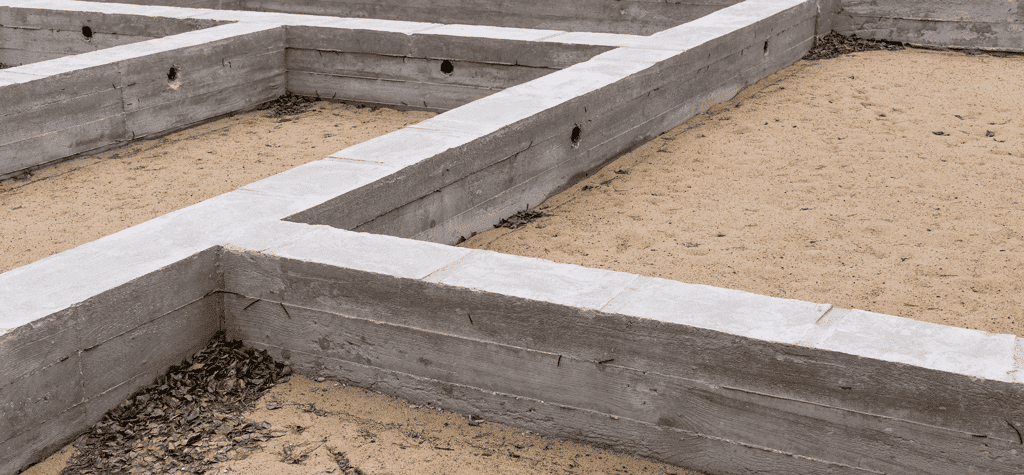
    Foundations: Whether it’s a strip, raft, or isolated footing, precise volume calculation ensures sufficient concrete for the required strength and depth.

    Volume Calculation for Different Shapes and DimensionsColumns and Beams

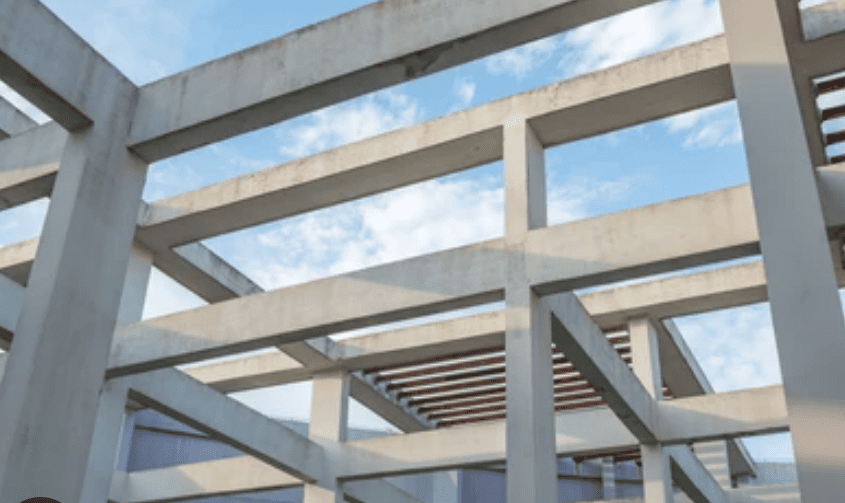
    Columns and Beams: The cross-sectional area and length determine the concrete volume. Accurate calculations prevent material wastage and ensure structural integrity.

    Volume Calculation for Different Shapes and Dimensions Slabs

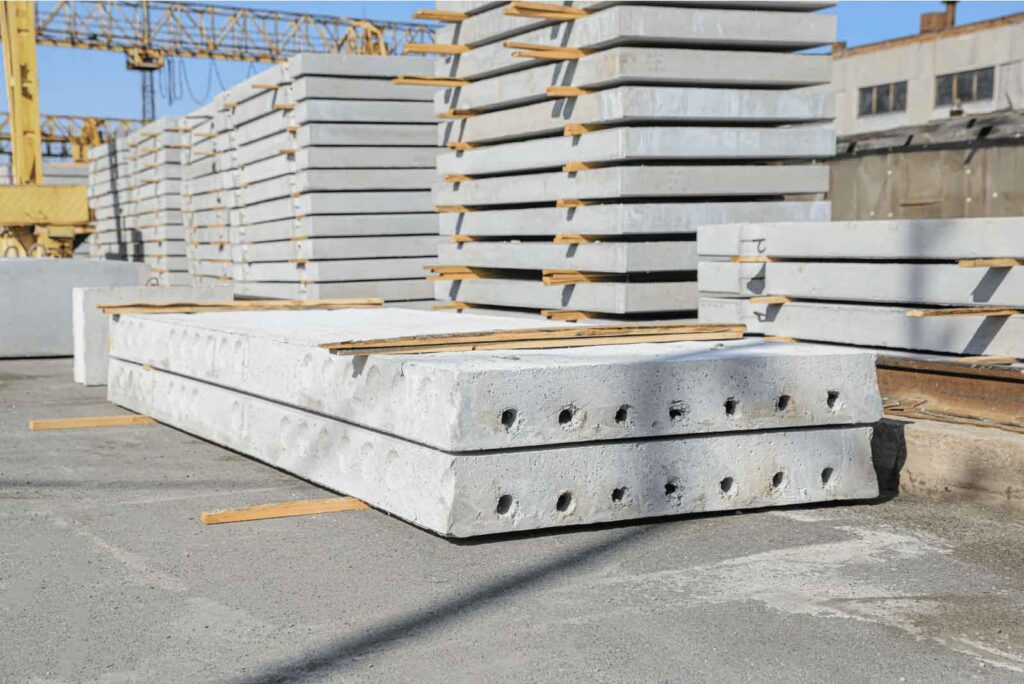
    Slabs: Thickness, area, and any slopes influence the concrete volume. Precise calculations optimize material usage and prevent over or under-pouring.

    Volume Calculation for Different Shapes and Dimensions Walls

    Walls: Length, height, and thickness are crucial factors. Accurate volume calculation ensures adequate concrete for the desired wall strength.

    ShapeFormula
    Strip Foundation (rectangular)Length x Width x Depth
    Raft Foundation (rectangular)Area of Raft x Depth
    Isolated Footing (Cylindrical)π (radius²) x Depth
    Rectangular ColumnWidth x Depth x Height
    Circular Columnπ (radius²) x Height
    Rectangular BeamWidth x Depth x Length
    I-Beam (simplified)(Web Area + Flange Area 1 + Flange Area 2) x Length
    Flat SlabArea of Slab x Thickness
    Sloped Slab (Triangular section)1/2 x Base x Height x Length (per section)
    Solid Wall (rectangular)Thickness x Height x Length
    Cavity Wall (assuming rectangular cavity)(Total Wall Area – Cavity Area) x Thickness

    Best Practices for Accurate Volume Calculation

    1. Double-Check Measurements: Always verify the dimensions of the structure twice before performing calculations to avoid errors.
    2. Use Reliable Tools: Employ accurate measuring tools and software designed for construction volume calculations.
    3. Consider Allowances: Account for any possible variations in dimensions and add a small allowance to ensure there is enough concrete to cover unexpected needs.
    4. Consult Professionals: When in doubt, consult with engineers or construction experts to validate your calculations.

    Regular Training: Ensure that your team is well-trained in volume calculation techniques and stays updated with the latest industry standards.

    Challenges and Solutions

    Calculating volumes for complex shapes can be challenging. However, advancements in technology have made the process easier:

    • 3D Modeling: Creating digital models of structures helps in accurate volume calculations.
    • Software Tools: Specialized software can automate calculations, reducing errors and saving time.
    • Expert Consultation: Consulting with experienced engineers ensures accurate volume estimation for complex projects.

    The Aparna RMC Advantage

    Aparna RMC is committed to delivering high-quality concrete. Our emphasis on accurate volume calculation is a testament to our dedication to customer satisfaction. Our team of experts uses advanced technology and industry best practices to ensure precise volume estimation for every project.

    Conclusion

    Accurate volume calculation is indispensable in RMC production. It impacts material usage, cost, strength, durability, and project timelines. By understanding its importance and leveraging technology, construction professionals can optimize their projects and achieve desired results. Aparna RMC is your partner in ensuring precise volume calculations for your concrete needs.Ready to experience the difference that truly accurate volume calculation can make in your next construction project? Contact Aparna RMC today. Let our experts guide you through the process, ensuring that your concrete needs are met with unparalleled precision and quality.

  • Concreting in Hot Weather Conditions: How to Avoid the Problems That It Presents

    Concreting in Hot Weather Conditions: How to Avoid the Problems That It Presents

    Hot weather poses significant challenges for concreting, potentially affecting the quality, durability, and strength of the finished product. High temperatures, low humidity, and increased wind speeds can accelerate the rate of evaporation of water from the concrete mix, leading to various issues such as rapid setting, reduced workability, and increased risk of cracking. Understanding these challenges and employing effective strategies to tackle them is crucial for achieving successful outcomes in hot weather concreting. Let us understand some of the challenges briefly

    Challenges of Hot Weather Concreting

    1. Accelerated Setting Time: High temperatures speed up the hydration process, causing the concrete to set faster than normal. This reduced working time makes it a problem to lag the concrete in proper time. It can make it difficult to properly place, consolidate, and finish the concrete which will result in all kinds of problems.

    2. Increased Water Demand: Hot weather leads to rapid evaporation of water from the concrete surface. This makes the pour dry. It can be tackled by an increased amount of water in the mix, potentially compromising the water-cement ratio which in turn may decrease the resulting strength of the concrete. Increased water demand also makes your construction less sustainable.

    3. Plastic Shrinkage Cracking: Quick evaporation can cause plastic shrinkage cracks to form on the surface of the concrete while it is still in its plastic state. These cracks occur when the surface moisture evaporates faster than it can be replenished by the bleeding process, leading to a rapid reduction in volume while the concrete is still in its plastic state. This phenomenon typically happens within the first few hours after placing the concrete and can compromise both the aesthetics and integrity of the finished product.

    4. Thermal Cracking: In hot weather conditions due to pervasive heat and high temperature of pours, large temperature differences occur within the concrete, caused by rapid cooling on the surface and slower internal cooling. This leads to cracks in the building affecting its strength and aesthetical beauty.

    5. Decreased Long-Term Strength: Improper concrete curing due to hot weather conditions can result in inadequate hydration, affecting the long-term strength and durability of the concrete.

    6. Porous Concrete: Incomplete hydration and rapid drying can lead to a more porous concrete structure. Higher porosity means more voids within the concrete, which reduces its overall strength and makes it more susceptible to freeze-thaw cycles and chemical attacks.

    7. Lower Density: A porous structure also implies a lower density, which directly correlates with reduced compressive strength.

    Strategies to Mitigate Hot Weather Concreting Problems

    1. Planning and Scheduling: Plan concreting activities during cooler parts of the day, such as early morning or late evening. Avoiding the peak heat hours can significantly reduce the adverse effects of high temperatures. So avoiding the afternoon for laying concrete and using it for other purposes will make concreting efficient.

    2. Use of Admixtures: In summer using admixture to retain moisture, reduce setting time, etc can help you concrete better. Admixtures such as retarders can be used in the concrete mix to slow down the setting time, giving more time for proper placement and finishing of the pour. Water-reducing admixtures can also help maintain workability without compromising strength. Ready-mix suppliers can adjust the concrete mix design by incorporating admixtures specifically formulated for hot weather conditions. These admixtures can improve workability, reduce setting time, and enhance overall concrete performance in high temperatures.

    3. Cooling the Ingredients: Use chilled water or ice as part of the mixing water to lower the temperature of the concrete mix. Additionally, cooling the aggregates by shading or sprinkling with water can help reduce the overall mix temperature. Storing the ingredients in a cold and shaded place to maintain lower temperatures can be a sustainable measure. Ready-mix concrete is typically mixed and transported in specialized equipment that can help control the temperature of the concrete mix. Cooling systems can be integrated into batching plants to lower the temperature of ingredients before mixing.

    4. Moisture Retention: Moisture retention becomes a pressing issue in hot weather concreting. So usage of fog sprays, evaporation retarders, or wet coverings to keep the surface of the concrete moist and reduce the rate of evaporation can be beneficial. This is particularly important immediately after placement and during the initial concrete curing period.

    5. Proper Concrete Curing Techniques: Implement effective curing methods such as Ponding by creating a water pond on the surface of the concrete (ponding is effective but not practical for large sites). Other techniques such as sprinkling or fogging where continuous spraying of water is maintained to retain moisture. Use of concrete curing compounds, or wet coverings (such as burlap) to maintain adequate moisture levels in the concrete can also be done. Ready-Mix concrete is produced in controlled environments which aids in the workability of the concrete during the curing process.

    6. Rapid Placement and Finishing: Organize the work efficiently to ensure that concrete is placed and finished as quickly as possible. This may involve increasing the workforce or using additional equipment because any delay in the placement and finishing of the product can hamper your building’s aesthetic as well as structural integrity. RMC is useful in saving time here as it doesn’t require extra manpower and is ready-made to quickly place and finish the product.

    7. Controlled Production Environment: Ready-mix concrete is produced in controlled batching plants, which allows for precise measurement and control of ingredients such as aggregates, cement, water, and admixtures. This ensures consistency in quality and performance, especially crucial in hot weather conditions where variations in mix proportions can significantly affect concrete properties.

    8. Wind Barriers and Sunshades: Erect windbreaks and sunshades around the work area to reduce the effects of wind and direct sunlight on the concrete surface. It will help retain moisture because of less amount of direct sunlight falling on the building, it will increase workability and give more time for placement, finishing and curing of the concrete. It can also ensure a uniform curing throughout the building. Canopies, tents, tarpaulins, mesh screens, temporary walls, or natural shades can be used for the purpose.

    Conclusion

    Concreting in hot weather conditions requires careful planning, preparation, and execution to prevent the problems associated with high temperatures. Using Aparna RMC lets you adopt appropriate measures such as adjusting the mix design, using admixtures, cooling ingredients, maintaining moisture, and ensuring proper curing. Aparna RMC produces high-quality concrete even under challenging environmental conditions through its planned batching, controlled production environment, and unwavering commitment to providing the best even in stringent conditions. We at Aparna RMC understand the specific needs of your project and apply these strategies to help ensure the structural integrity and longevity of the concrete, regardless of the weather.

  • Sustainable Construction With Ready Mix Concrete

    Sustainable Construction With Ready Mix Concrete

    Sustainable construction is the demand of the day. From engineers and architects to builders, contractors and especially house and building owners are conscious of making the right choices concerning the environmental impact of their construction. Everyone seeks to minimize their adverse effects while still trying to meet the growing demands of urbanization. Now, what is the solution to it? Ready-Mix Concrete has in recent times come out as the most innovative, reliable and most importantly sustainable solution in construction. It is efficient, durable and dynamic in its use for various sites with various needs and demands.

    Here are some features of RMC that prove RMC is a Sustainable Concrete for Sustainable Construction:

    1. Reduced Carbon Emissions: The centralized nature of ready-mix concrete production plants allows for better control of raw materials and ingredients, leading to lower carbon emissions. Imagine, on the one hand, your parents making food for the family at once, and on the other everyone making their food on their own at different sites. By optimizing production processes and transportation logistics, ready-mix concrete can help reduce the environmental impact of construction projects. Supplementary Cementitious Materials also help RMC reduce carbon emissions.

    2. Supplementary Cementitious Materials: These SCMs are industrial by-products that can partially replace cement, thereby reducing the overall carbon emission of concrete production. By incorporating supplementary cementitious materials (SCMs) such as fly ash, slag, or silica fume, RMC manufacturers can reduce the carbon footprint of concrete production while enhancing its performance characteristics. Additionally, advanced admixtures enable the customization of concrete properties, such as strength, workability, and durability, to meet specific project requirements while minimizing environmental impact.

    3. Improved Construction Site Safety: By using ready-mix concrete, construction sites can minimize the risks associated with on-site mixing, such as potential hazards from handling raw materials and operating heavy machinery. This contributes to a safer working environment for construction workers and enhances overall project safety making the construction overall safer.

    4. Durability and Longevity: Ready-mix concrete promotes sustainable practices through its durability and longevity. Structures built with high-quality RMC are known for their strength, resilience, and low maintenance requirements, resulting in reduced lifecycle costs and environmental impact. By minimizing the need for frequent repairs and replacements, RMC contributes to conserving natural resources and mitigating the environmental burden of construction activities. In the process making a most sustainable concrete load.

    5. Design Flexibility: Ready-mix concrete offers versatility in design and construction, allowing for innovative solutions that enhance sustainability. Ready-mix concrete can be customized to meet specific project requirements, offering architects and designers the flexibility to create innovative and sustainable building designs. With a wide range of mix options available, ready-mix concrete enables the construction of structures that are not only environmentally friendly but also architecturally appealing.

    6. Recyclability: Ready-mix concrete is a highly recyclable material. At the end of a building’s life cycle, concrete structures can be crushed and recycled for use in new construction projects. This closed-loop approach for reusing material aligns with sustainable construction principles and promotes a circular economy. Recyclability thus makes RMC the most viable sustainable concrete option.

    7. Support for Green Building Certifications: Using ready-mix concrete in construction projects can help builders and developers achieve green building certifications such as LEED (Leadership in Energy and Environmental Design) or BREEAM (Building Research Establishment Environmental Assessment Method). The environmental benefits of ready-mix concrete make it a preferred choice for projects seeking sustainability credentials.

    8. Enhanced Project Efficiency: Ready-mix concrete is known for its consistent quality and performance, which can help streamline construction timelines and reduce project delays. Unlike traditional on-site concrete mixing, which often leads to the overestimation of materials and generates excess waste, RMC production optimizes resource utilization through precise batching and quality control. This not only reduces material wastage but also minimizes energy consumption associated with transportation and mixing, thereby lowering carbon emissions. 

    9. Efficient Use of Water Resources: In the realm of sustainable development, the efficient use of water resources is paramount. Ready-mix concrete plays a crucial role in water conservation by promoting techniques such as water-reducing admixtures, which enhance workability without compromising strength, and incorporating permeable concrete solutions for stormwater management. By minimizing water consumption and mitigating runoff pollution, RMC contributes to the preservation of aquatic ecosystems and promotes sustainable urban drainage systems.

    Conclusion 

    Overall, the role of ready-mix concrete in sustainable construction extends beyond its material properties to encompass a holistic approach to building environmentally responsible structures with a low carbon footprint. By leveraging the benefits of ready-mix concrete, construction projects can achieve sustainability goals while delivering high-quality, efficient, and durable built environments.

    Beyond its direct environmental benefits, ready-mix concrete also supports sustainable development through its economic and social implications. By streamlining construction processes and reducing project timelines, RMC enhances productivity and cost-efficiency, ultimately fostering economic growth and creating employment opportunities within local communities. Moreover, its consistent quality and reliability ensure the safety and structural integrity of built environments, thus safeguarding public health and well-being.

    Aparna RMC is a guarantor of sustainability in construction. Navigating the complex landscape of Sustainable construction requires a keen understanding of quality standards and Green practices. Aparna RMC has taken utmost care to match and excel in green construction standards and has set sustainability standards for others to follow. Aparna RMC has emerged as a leader in sustainable construction showcasing an unwavering commitment to the environment as well as its people passing through critical RMC quality assurance practices and green certifications. Aparna RMC puts you in the driving seat providing you with the best options to make the strongest batch of sustainable concrete as well as match the highest quality standards in green construction.

  • Experience the Convenience of Aparna RMC: Fast Delivery, Cost Savings, and Consistent Quality

    Experience the Convenience of Aparna RMC: Fast Delivery, Cost Savings, and Consistent Quality

    Construction is all about time, efficiency and money. One significant advancement that has revolutionised the construction industry is the rise in the use of Ready Mix Concrete (RMC). As we know, Ready mix concrete is a tailor-made concrete solution that is manufactured in a controlled environment at a batching plant and then transported to construction sites within a prescribed periphery. This eliminates the need for on-site mixing, saving valuable time and resources. There has been a rise in many ready-mix concrete plants since a decade now in India. These RMC plants offer a plethora of benefits, particularly when they are strategically located near construction sites, enhancing construction efficiency by multiple folds. In this blog, let us explore the advantages of ready-mix concrete plants near you so you can make the best decisions accordingly.

    Faster Construction and Reduced Delays: Ready mix concrete the quickest way.

    Just-in-time delivery: No waiting around for concrete trucks to arrive! Ready Mix Concrete plants nearby ensure your concrete arrives exactly when you need it, keeping your project on schedule and progress in check. This eliminates delays caused by waiting for on-site mixing and the hassle of pre-ordering concrete far in advance. With Ready Mix Concrete plants nearby, you can improve the time of construction, resulting in quicker projects and faster turnover rates, which reflect positively on your work ethic. Faster delivery and no need for on-site mixing mean your project progresses swiftly, potentially reducing overall construction costs. In many ways, with Aparna RMC, we make every second count so you can seize every opportunity and move on to bigger things. 

    Cost Savings and Efficiency: Ready mix concrete is the smarter option

    Reduced labor & transportation costs: Reduced labor and transportation costs: Ready Mix Concrete significantly cuts down on the need for on-site construction workers and laborers. With ready-mix concrete plants nearby, transportation costs are substantially reduced since the concrete doesn’t need to cross long distances to reach your site. This proximity enhances your work efficiency, promotes cost savings, and maintains the high quality and integrity of your projects. 

    Quality meets convenience: Ready mix concrete is the right choice!

    Quality control: With Aparna RMC plants nearby, you can benefit from easier deliveries and better relationships through consistent partnerships. By taking full advantage of our nearby RMC plants, you can easily source ready-mix concrete whenever needed, with the assurance of high quality because you know exactly where it is coming from. At Aparna RMC, we maintain stringent quality control measures to ensure that the concrete meets the required grade for your construction needs. We guarantee the right mixes of aggregates at our RMC sites according to construction requirements and specifications, effectively eliminating the fear of low-grade, poorly mixed concrete often associated with site-mixed concrete.

    Convenience: Having listed all the aforementioned points, it is understood that construction is definitely not a laid-back work; from A to Z, there needs to be engagement; Ready Mix Concrete was a revolutionary invention that sped up construction​ by optimizing the working time. Aparna RMC is trying to bridge the gap of time by bringing things closer to you. With a ready mix plant near you, you can work much more conveniently as you do not have to worry about shipments coming in, delays or cancellations because the abundance of the source is only productivity.

    Environmental benefits: Ready mix concrete for conscious decision.

    Centralised production -Centralized production processes ensure consistent, precise mixing, reducing variability and enhancing concrete reliability. Centralized production also allows for better resource management and reduced energy consumption, further supporting the commitment to environmental sustainability. With Aparna RMC, you benefit from the efficiency and dependability of centrally produced ready-mix concrete. 

    Conclusion:

    In conclusion, having a Ready Mix Concrete plant near your construction site is like having a superhero sidekick. It swoops in, saving you time and money while ensuring top-notch quality and environmental responsibility. From keeping your project on schedule, eliminating delays and wasted time to reduced labor and transportation costs and consistent quality and convenient access, give you peace of mind and effortless construction. Centralized production also minimizes environmental impact, making your project more sustainable.

    Aparna Ready Mix Concrete plants are available in Hyderabad, Bangalore, Mumbai & Vizag providing you with unparalleled convenience and efficiency in these cities. So, ditch the on-site mixing woes and embrace the Aparna Ready Mix Concrete advantage. Build smarter, build faster, and build a brighter future one perfectly poured foundation at a time.