Aparna RMC

Category: Blog

  • The Advantages of Ready Mix Concrete in Modern Construction

    The Advantages of Ready Mix Concrete in Modern Construction

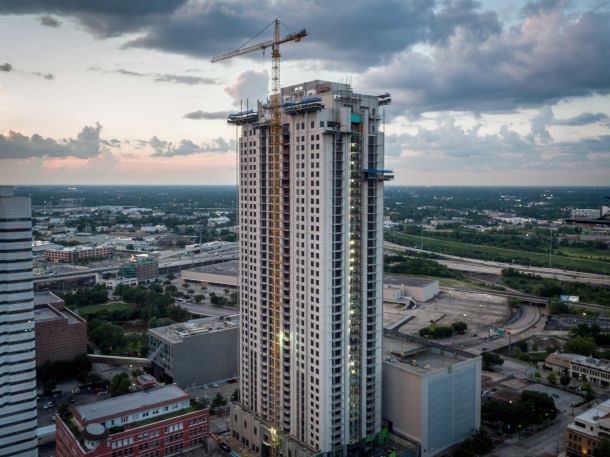
    In today’s fast-paced construction environment, where time, quality, and sustainability are key priorities, Ready Mix Concrete (RMC) has emerged as a game-changer. Unlike traditional site-mixed concrete, RMC is manufactured in a controlled environment and delivered ready to use, offering consistency, efficiency, and superior performance across a wide range of construction projects.

    As infrastructure needs grow and project timelines tighten, builders, developers, and engineers are increasingly choosing Ready Mix Concrete for its wide array of benefits.

    What Is Ready Mix Concrete?

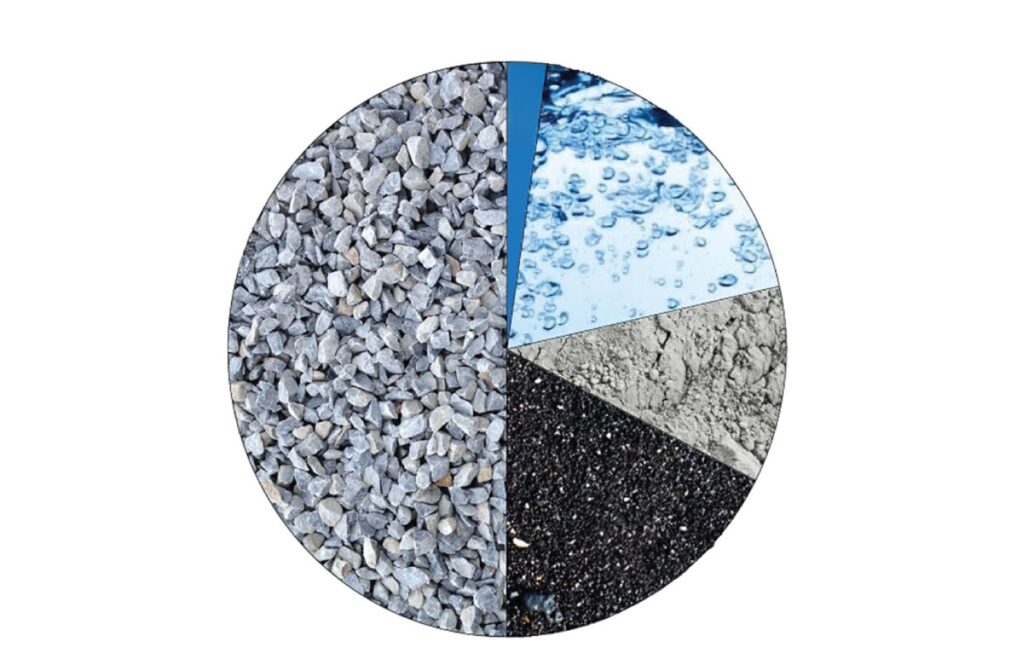
    Ready Mix Concrete is a pre-mixed concrete product prepared at a batching plant according to a set mix design, and then delivered to the construction site via transit mixers. The entire process is computerized and quality-controlled, ensuring that every batch meets the required strength, workability, and durability parameters.

    Top Advantages of Ready Mix Concrete

    1. Consistent Quality

    RMC is produced under strict quality control conditions using accurate mix proportions. This ensures:

    • Uniform strength across batches
    • Better workability
    • Longer lifespan and fewer structural issues

    2. Faster Construction Timelines

    With RMC, concrete is ready for use upon arrival. This eliminates the time-consuming process of on-site mixing and allows for:

    • Quicker pouring and placement
    • Faster project turnaround
    • Reduced labor and machine usage

    3. Reduced Material Waste

    RMC reduces on-site wastage of cement, aggregates, and water. Since it’s mixed as per exact design:

    • There’s no guesswork in material quantity
    • It minimizes storage requirements on site
    • It promotes clean construction practices

    4. Enhanced Durability and Strength

    With controlled mixing and curing processes, RMC offers superior durability and higher compressive strength, making it ideal for:

    • High-rise buildings
    • Infrastructure like roads, bridges, and flyovers
    • Industrial structures requiring a long service life

    5. Environmentally Friendly

    RMC supports green construction by:

    6. Custom Mix Designs

    Modern RMC plants offer a wide range of customized mix designs suited to specific structural, environmental, and aesthetic needs. Whether it’s high early strength, waterproofing, or decorative finishes, RMC can be tailored for all.

    Why Aparna RMC Is the Go-To Name for Ready Mix Concrete

    As one of India’s leading RMC providers, Aparna RMC combines cutting-edge technology, stringent quality control, and deep industry expertise to deliver unmatched concrete solutions for modern construction.

    What Sets Aparna RMC Apart?

    • Automated Batching Plants across South and West India
    • Real-time quality monitoring at every stage
    • Timely delivery using GPS-enabled transit mixers
    • Expert support for site-based technical assistance

    Specialty Concrete Solutions Offered by Aparna RMC:

    1. High-Strength Concrete for tall buildings and infrastructure
    2. Self-Compacting Concrete (SCC) for dense reinforcements
    3. Fibre-Reinforced Concrete for crack control and impact resistance
    4. Pervious/Porous Concrete for better stormwater management
    5. Stamped Concrete through their CraftCrete line for decorative applications
    6. Temperature-Controlled Concrete for mass pours

    Whether you’re building a residential complex, a commercial tower, or a government infrastructure project, Aparna RMC delivers performance-ready, site-specific concrete mixes designed to last.

    Ready Mix Concrete is no longer a luxury—it’s a necessity in modern construction. Its speed, efficiency, precision, and eco-friendliness make it the smart choice for projects of every size and complexity.

    Partner with Aparna RMC for your next project and gain access to high-performance, customized concrete solutions trusted by top builders and infrastructure developers across India.
  • The Future of Concrete: 5 Emerging Trends and Technologies

    The Future of Concrete: 5 Emerging Trends and Technologies

    Concrete has long been the foundation of modern infrastructure, from towering skyscrapers to expansive highways. But as the world shifts towards more sustainable, efficient, and technologically advanced construction practices, concrete, too, is undergoing a major transformation. Driven by environmental concerns, digital innovation, and the demand for high-performance materials, the future of concrete looks smarter, greener, and more adaptable than ever before.

    In this blog, we explore the key trends and technologies shaping the future of concrete and how these changes are redefining the way we build.

    1. Sustainable and Low-Carbon Concrete

    The environmental cost of traditional concrete production—especially from Portland cement—is significant. Emerging solutions are now targeting carbon neutrality and resource efficiency.

    Key Developments:

    2. Smart and Self-Healing Concrete

    Imagine a concrete that repairs its own cracks, or monitors its own condition in real time. These are no longer futuristic ideas, but emerging realities.

    Innovations to Watch:

    • Self-Healing Concrete using bacteria or microcapsules to automatically seal cracks when moisture enters.
    • Smart Concrete embedded with sensors to track temperature, stress, and humidity, helping to predict and prevent structural failures.
    • High-Performance Concrete (HPC) designed for extreme loads and harsh environments with enhanced strength, ductility, and longevity.

    3. 3D Printing and Modular Construction

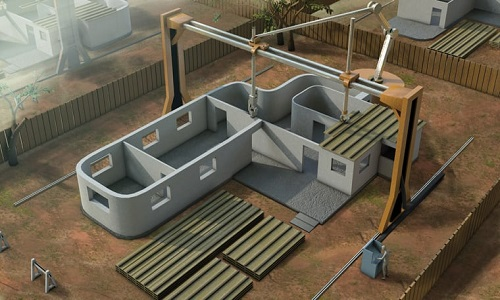
    Concrete is entering the era of digital fabrication. 3D concrete printing is enabling faster, cost-effective, and customized construction methods.

    Benefits:

    • Complex designs are produced with precision and minimal material waste.
    • Faster project timelines through off-site prefabrication and modular assembly.
    • Better quality control in factory environments compared to on-site work.

    4. Advanced Concrete Mix Designs

    Concrete mix design is no longer a trial-and-error process — it’s being revolutionized by nanotechnology and data science.

    Cutting-Edge Trends:

    • Nanomaterials like nano-silica and graphene oxide enhance strength, reduce permeability, and extend service life.
    • Intelligent Admixtures improve workability, setting time, and resistance to environmental stress.
    • AI and Machine Learning optimize mix proportions and predict performance, reducing material wastage and human error.

    5. Ultra-High Performance and Specialty Concretes

    Concrete is not just about compression strength anymore. It now caters to architectural freedom, extreme durability, and new functional features.

    Emerging Materials:

    • Ultra-High Performance Concrete (UHPC) exceeds 200 MPa in compressive strength, with exceptional durability.
    • Light-Generating Concrete absorbs sunlight and emits light, ideal for roads and public spaces.
    • Translucent Concrete integrates fiber optics to allow light transmission, transforming architectural aesthetics.

    The Road Ahead: Greener, Smarter, Stronger

    Concrete’s evolution is a response to urgent global demands — for resilience in climate-challenged environments, for faster and smarter urban development, and for reduced environmental impact.

    As digital tools and sustainable materials continue to disrupt traditional methods, concrete will play a central role in building the infrastructure of the future — one that’s stronger, more efficient, and aligned with a net-zero vision.

    Why Aparna RMC Is Leading the Future of Concrete

    At Aparna RMC, innovation is more than a buzzword — it’s at the core of everything we do. We are constantly evolving our concrete solutions by integrating:

    • Eco-friendly mix designs using SCMs and recycled materials
    • Advanced batching technologies for precision and consistency
    • On-site and laboratory testing protocols aligned with IS and global standards
    • Customised high-performance mixes for critical infrastructure, real estate, and industrial needs

    With a strong presence across South and West India and a proven track record in delivering excellence, Aparna RMC stands at the forefront of the concrete revolution — helping build tomorrow’s structures with today’s smartest solutions.Connect with Aparna RMC — where sustainability, performance, and technology converge.

  • The Role of Lightweight Concrete in High-Rise Construction

    The Role of Lightweight Concrete in High-Rise Construction

    High-rise buildings are the defining feature of modern skylines. As cities grow upward, architects and engineers constantly seek innovative materials to make taller, safer, and more efficient structures. Lightweight concrete (LWC) is one such revolutionary material, offering significant advantages for high-rise construction. Let’s explore the role Lightweight Concrete (LWC) plays in shaping the urban landscape and why it’s becoming a favorite choice for builders worldwide.
     

    Benefits of Lightweight Concrete in High-Rise Construction

    1. Reduced Dead Weight

    One of the most significant advantages of Lightweight Concrete (LWC) is its lower density. By reducing the dead weight of a structure, Lightweight Concrete (LWC) minimizes the load on foundations, enabling the construction of taller buildings without requiring extensive foundational reinforcement. This weight reduction also helps lower material costs and transportation expenses.

    2. Faster Construction

    Lightweight Concrete (LWC)’s lightweight properties and use of expanding agents streamline the construction process. Workers can handle and install components more efficiently, leading to shorter project timelines and reduced labor costs. This makes it particularly beneficial in high-rise projects where speed and precision are crucial.

    3. Energy Efficiency

    Lightweight Concrete (LWC) boasts excellent thermal insulation properties. By reducing heat transfer, it helps maintain comfortable indoor temperatures, lowering energy consumption for heating and cooling. This energy efficiency aligns with the growing demand for sustainable building practices.

    4. Fire Resistance

    Safety is paramount in high-rise construction, and Lightweight Concrete (LWC) delivers it. Its non-combustible nature enhances a building’s fire resistance, providing an additional layer of safety. For instance, foam concrete with a 150 mm thickness can resist fire for up to four hours, making it a reliable choice for critical structural elements.

    5. Sound Insulation

    Urban environments can be noisy, and sound insulation is a key consideration for high-rise living. The air voids in Lightweight Concrete (LWC) effectively dampen sound waves, reducing noise transmission between floors and improving the quality of life for residents.

    Applications of Lightweight Concrete in Construction

    1. Structural Elements

    Lightweight Concrete (LWC) is commonly used in load-bearing elements such as beams, columns, and slabs. Its strength and reduced weight make it an excellent choice for high-rise structures that require durability and stability.

    2. Flooring

    Lightweight Concrete (LWC) is widely used for flooring in multi-story residential and commercial buildings. It’s strong enough to handle daily use while being lightweight and easy to install, reducing the overall project timeline.

    3. Precast Elements

    Lightweight Concrete (LWC) is perfect for precast elements like wall panels, facade components, and architectural ornaments. These components can be manufactured off-site and quickly installed, reducing construction time and ensuring precision.

    4. Infrastructure Projects

    Beyond buildings, Lightweight Concrete (LWC) finds applications in bridges, tunnels, and sound barrier walls. Its lightweight and durable properties help reduce strain on structures while ensuring long-term performance.

    5. Geological Applications

    Lightweight Concrete (LWC) is also used for soil stabilization and void filling in construction projects. Its ability to provide strength with minimal weight makes it invaluable for challenging geological conditions.

    6. Aesthetic Flexibility

    Lightweight Concrete (LWC) can be molded into various shapes and forms, making it a preferred choice for intricate architectural designs in high-rise gated communities. Its adaptability enables designers to create unique facades and decorative elements that enhance the visual appeal of buildings.

    7. Eco-Friendliness

    Lightweight Concrete (LWC) is an environmentally friendly option for high-rise gated communities. Its production process uses less natural aggregate and energy, reducing the overall carbon footprint. Additionally, its energy-efficient properties contribute to long-term environmental sustainability.

    Why Choose Lightweight Concrete for High-Rises?

    In a world where urbanization is accelerating, materials that combine efficiency, sustainability, and performance are essential. Lightweight Concrete (LWC) offers all these benefits and more:

    • Cost Savings: Reduced material, labor, and transportation costs.
    • Environmental Benefits: Lower energy consumption and sustainable production practices.
    • Versatility: Suitable for a wide range of applications in construction and infrastructure.
       

    Choose EcholonCrete by Aparna RMC

    For those seeking a top-tier lightweight concrete solution, EcholonCrete Concrete by Aparna RMC, backed by Aparna Enterprises Limited stands out as a trusted choice. Designed for efficiency and sustainability, EcholonCrete Concrete delivers exceptional performance in high-rise construction, providing enhanced durability, thermal insulation, and fire resistance. Its innovative composition ensures long-lasting and cost-effective results, making it a preferred option for modern builders.

  • A Quick Step-by-Step Guide to Calculate Concrete Quantity for Any Project

    A Quick Step-by-Step Guide to Calculate Concrete Quantity for Any Project

    Getting the right amount of concrete for your project might seem tricky, but it’s easier than you think. Whether you’re working on a driveway, a patio, or a foundation, proper planning ensures you avoid wasting money, material, and time. With a little know-how, you can confidently estimate the amount of concrete you need. Let’s break it down into simple steps and practical tips to get you started.

    Why Getting the Numbers Right Matters

    Calculating the correct concrete quantity can save you from common headaches. Overestimating means extra costs and leftover material while underestimating can delay the project and force last-minute changes. By using tools like a concrete calculator or following this guide, you can stay on track.

    For a deeper dive, check out our blog on the Importance of accurate volume calculation in RMC production for different shapes, dimensions, etc..

     Step-by-Step: How to Calculate Concrete Quantity

    1. Understand Your Project

    Start by clarifying what you’re building:

    • Is it a driveway, patio, wall, or something else?
    • Will the concrete need to bear heavy loads, or is it more decorative?
    • Are you looking for a smooth or textured finish?

    Answering these questions helps determine the right type of concrete for the job.

    2. Measure Your Space

    Take accurate measurements of the length, width, and depth of the area where concrete will be poured.

    • For rectangular or square shapes: Multiply the length by the width to calculate the area.
      Example: A patio that’s 10 feet by 10 feet has an area of: 10 ft. ×10 ft.=100 sq. ft.
    • For irregular shapes: Divide them into smaller sections (rectangles, triangles, or circles), calculate the area of each, and add them together.

    3. Convert Depth to Feet

    Concrete is measured in cubic feet, so if your depth is in inches, convert it by dividing by 12.
    Example: If the depth is 4 inches: 4/12​ = 0.333 feet.

    4. Find the Volume

    Now, multiply the area by the depth to calculate the volume.
    Example: 100 sq. ft. × 0.333 ft. = 33.33 cubic feet.

    5. Add a Buffer for Waste

    Always add 5–10% extra to account for spills, uneven surfaces, and small errors.
    Example: 33.33 cubic feet + (33.33 × 0.10) = 36.66 cubic feet.

    In this case, you’d round up and order about 37 cubic feet of concrete.

    6. Choose the Right Mix

    Different projects require different concrete mixes. For heavy-duty applications like driveways, opt for high-strength concrete. For patios or pathways, a standard mix will work fine. Need help? Read our Guide to Different Grades of Ready-Mix Concrete and Their Applications to find the best fit.

    Tips for Larger or Complex Projects

    • Break It Down: Divide large or sloped areas into smaller sections for easier calculations.
    • Use a Concrete Calculator: Online tools, like an RMC Calculator, can simplify your estimates and ensure accuracy.
    • Consult an Expert: Contractors, engineers, and RMC suppliers can validate your calculations and offer professional advice.

    What Affects Concrete Costs?

    When planning your budget, consider:

    • Material Prices: Cement, sand, and aggregates vary based on quality and market conditions.
    • Labor: Skilled workers like concrete finishers may charge higher rates.
    • Delivery: Transportation costs depend on the location and site accessibility.

    Let’s Work Through an Example

    Imagine you’re pouring a 10-by-10-foot patio with a depth of 4 inches:

    1. Measure the Area: 10 ft. ×10 ft.=100 sq. ft.
    2. Convert Depth to Feet: 4/12 ​= 0.333 ft.
    3. Calculate Volume: 100 sq. ft. × 0.333 ft. = 33.33 cubic feet.
    4. Add Waste Buffer:  33.33 + ( 33.33 × 0.10) = 36.66 cubic feet.
    5. Order 37 cubic feet to ensure you have enough.

    Final Thoughts

    Accurately calculating concrete quantities is an essential skill for any project, big or small. With the right measurements, tools, and planning, you can save time, money, and stress. Start by defining your project’s scope, measure carefully, and always add a buffer for waste.

    For more precise estimates, use our RMC Calculator and explore our blog on the Importance of accurate volume calculation in RMC production for different shapes, dimensions, etc.. Whether you’re building a driveway, patio, or foundation, getting these calculations right will set your project up for success. 

    Experience the Convenience of Aparna RMC: Fast Delivery, Cost Savings, and Consistent Quality

    FAQs About Calculating Concrete Quantity

    Here are some common questions about calculating concrete for your projects:

    1. How do I calculate the amount of concrete needed for a driveway?

    To calculate the concrete quantity for a driveway:

    • Measure the length and width of the driveway to determine the area.
    • Multiply the area by the thickness of the slab (convert inches to feet if needed).
    • Add 5–10% for waste and variations.
    • For irregularly shaped driveways, divide them into smaller sections, calculate each separately, and sum up the results.

    2. What formula should I use to calculate concrete volume?

    The basic formula is: Volume = Length× Width × Depth

    Always ensure your units (feet, meters, etc.) are consistent.

    3. Should I include reinforcement and formwork in my calculations?

    Yes, while reinforcement like rebar or mesh doesn’t change the concrete volume, it’s essential for structural integrity. Formwork ensures proper shaping and should align with your calculated dimensions.

    4. How much extra concrete should I order to account for waste?

    It’s recommended to add 5–10% to your calculated volume to account for spillage, uneven surfaces, and variations in depth.

    5. Can I use a concrete calculator for complex projects?

    Absolutely. Concrete calculators are ideal for both simple and complex projects, especially when dealing with irregular shapes or multi-level slabs. Try our RMC Calculator for quick and accurate estimates.

    6. What factors affect concrete costs?

    Several factors can influence the price of concrete:

    • Material costs (cement, aggregates, admixtures).
    • Labor rates for skilled and unskilled workers.
    • Transportation and delivery fees based on your site’s location.
    • Additional costs for equipment rental or overtime work.

    7. How do I handle slope or uneven surfaces in my calculations?

    For sloped or uneven surfaces:

    • Divide the project into smaller sections with consistent depths.
    • Calculate the volume of each section separately.
    • Add the results to find the total concrete volume needed.
  • Steel Fiber Reinforced Concrete: Revolutionizing Modern Construction with Structural Integrity

    Steel Fiber Reinforced Concrete: Revolutionizing Modern Construction with Structural Integrity

    Concrete—the backbone of modern construction—has been a reliable material for centuries. But in an era demanding more durability, flexibility, and sustainability, traditional concrete has its limitations. Enter Steel Fiber Reinforced Concrete (SFRC): a revolutionary blend that amplifies strength, reduces costs, and enhances performance. Let’s dive into how Steel Fiber Reinforced Concrete is reshaping the construction landscape.

    The Science Behind Steel Fiber Reinforced Concrete: Small Fibers, Big Impact

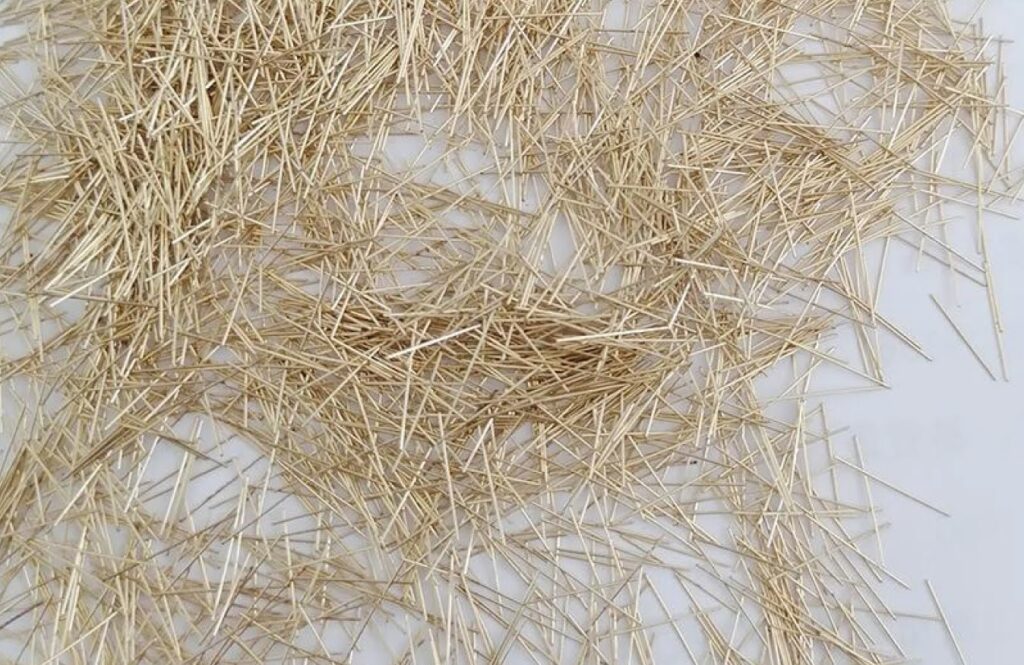
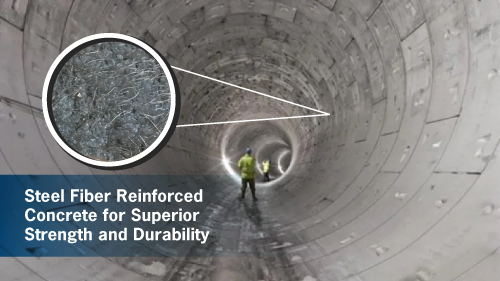
    Steel Fiber Reinforced Concrete is not just another variation of concrete. It’s a strategic innovation. By embedding hooked steel fibers into the concrete matrix, Steel Fiber Reinforced Concrete overcomes the weaknesses of conventional concrete. These fibers act as micro-reinforcements, mitigating crack propagation and boosting load-bearing capacity. 

    Why Steel Fibers?

    Unlike other reinforcements, steel fibers blend seamlessly into concrete, providing:

    • Crack Control: A robust defense against micro-cracking that extends structural life.
    • Strength Amplification: Improved compressive and flexural strength for demanding applications.
    • Ductility: Enhanced flexibility to absorb seismic shocks and resist brittle failure.

    More Than Just Concrete: Steel Fiber Reinforced Concrete’s Multidimensional Advantages

    Think beyond mere construction material—Steel Fiber Reinforced Concrete is a problem-solver:

    • Earthquake Resilience: Tested rigorously, Steel Fiber Reinforced Concrete (SFRC) has shown a 9.7% increase in compressive strength at 0.3% steel fiber content, making it indispensable in seismic zones.
    • Sustainability: By reducing the need for extensive reinforcement, Steel Fiber Reinforced Concrete (SFRC) minimizes resource usage and waste.
    • Cost Efficiency: Case studies reveal up to 13.79% structural cost savings, a game-changer for budget-conscious projects.
    • One Solution for Concrete Placement and Reinforcement: Steel Fiber Reinforced Concrete (SFRC) eliminates the need for steel bars or wire mesh, cutting purchase and storage costs.
    • Reduced Site Labor: By removing the need for steel cutting, bending, and placement efforts, Steel Fiber Reinforced Concrete (SFRC) streamlines construction processes.
    • Faster Construction Schedule: Compared to mesh reinforcement, Steel Fiber Reinforced Concrete (SFRC) accelerates project timelines.
    • Excellent Crack Control: Full-depth 3D reinforcement ensures better crack mitigation.
    • Improved Load-Bearing Capacity: Redistribution of stresses increases overall structural resilience.
    • Enhanced Ductility: Superior post-crack behavior ensures safer and longer-lasting structures. 

    Where Steel Fiber Reinforced Concrete Shines: Versatile Applications

    From skyscrapers to highways, Steel Fiber Reinforced Concrete is taking center stage:

    • Seismic-Resistant Buildings: Essential for critical structural elements in earthquake-prone regions.
    • Industrial Floors: Its high wear resistance handles heavy traffic with ease.
    • Infrastructure: Bridges, roads, and tunnels benefit from its toughness and longevity.
    • Commercial Floors: Warehouses and showrooms gain durability and strength with SFRC.
    • Heavy Load Access Pavements: Ideal for areas experiencing constant heavy loads.
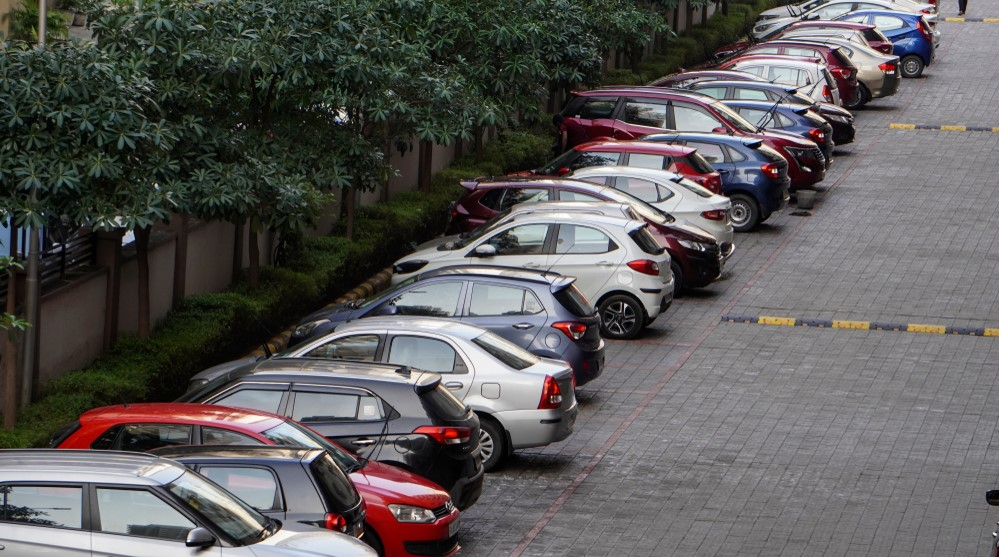
    • Housing Pavements: Society roads and parking lots become safer and more durable.
    • Basement Floors and Screed: Designed to provide enhanced performance for below-ground applications.

    Spotlight: Low-Cost Housing Revolution with Steel Fiber Reinforced Concrete

    A recent study set the stage for Steel Fiber Reinforced Concrete’s transformative potential. In a three-story low-cost housing project:

    • Strength Gains: Flexural and compressive strengths increased significantly with 0.3% steel fibers.
    • Economic Wins: A reimagined column design slashed costs by 13.79%, making safe housing more accessible.

    Breaking Norms: Rethinking Construction with Steel Fiber Reinforced Concrete

    Steel Fiber Reinforced Concrete isn’t just for engineers and architects; it’s for anyone envisioning a future where structures are safer, stronger, and smarter. Its ability to adapt and excel across diverse challenges underscores its versatility.

    Aparna RMC: Building the Future with Confidence

    When it comes to high-performance materials, Aparna RMC leads the charge. Our Steel Fiber Reinforced Concrete is crafted with precision to ensure every project meets uncompromising standards of durability and safety.Partner with Aparna RMC to integrate Steel Fiber fiber-reinforced concrete into your next construction project and experience the unparalleled strength and efficiency it offers. Redefine what’s possible in construction with Aparna RMC by your side.

  • 5 Beneficial Ways to Use Stamped Concrete in Your Construction Projects

    5 Beneficial Ways to Use Stamped Concrete in Your Construction Projects

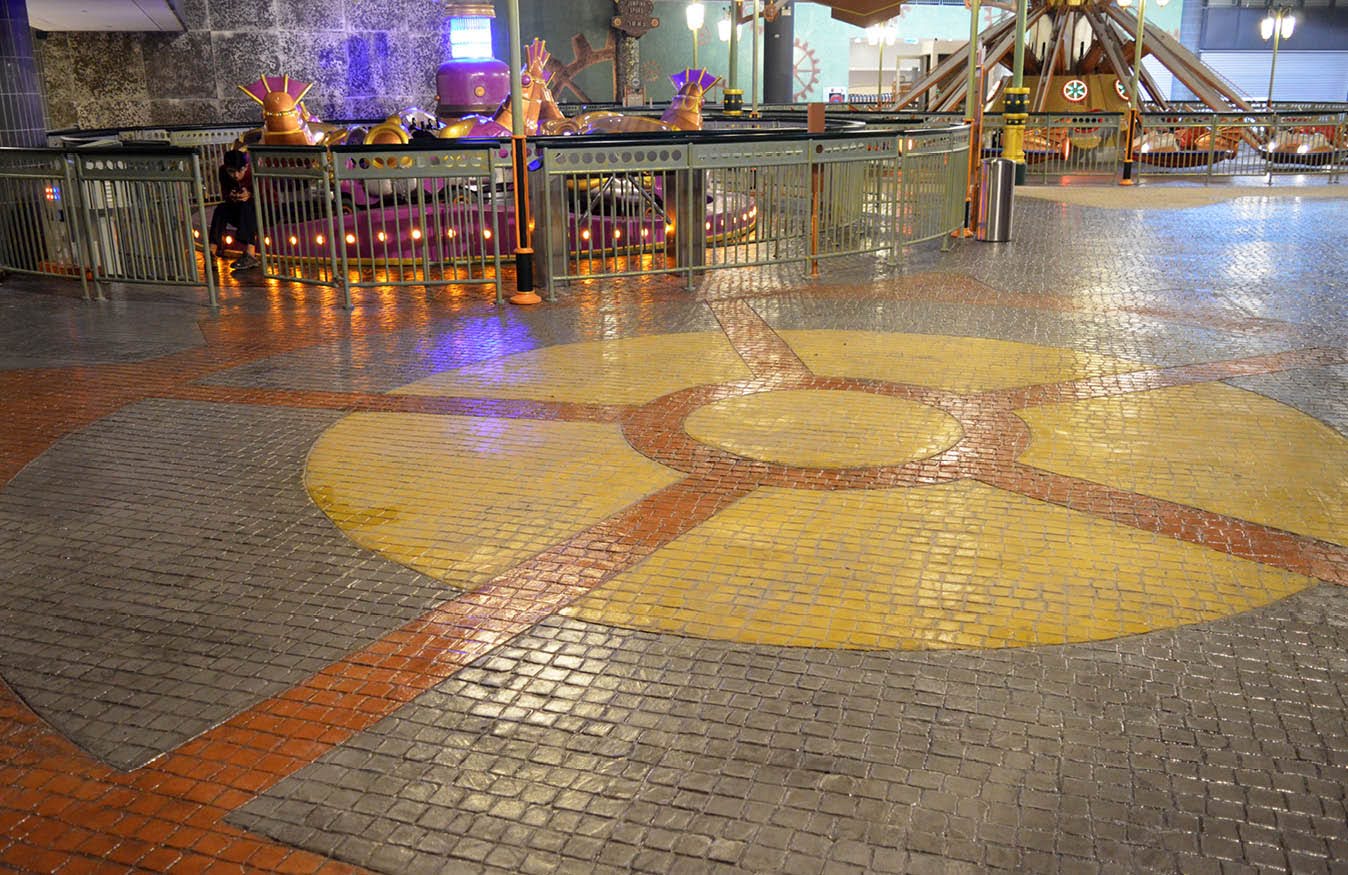
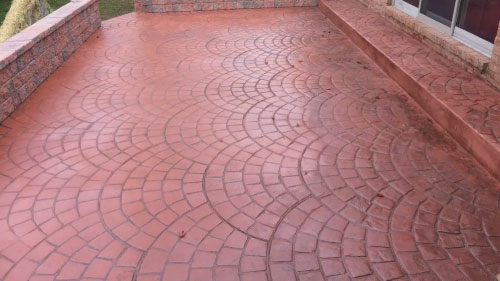
    Stamped concrete is a versatile and cost-effective material that can add style and functionality to various construction projects. With its ability to mimic high-end materials like stone, brick, and wood, stamped concrete offers an attractive and durable solution for both residential and commercial applications.

    Here are six innovative ways to incorporate stamped concrete into your projects: 

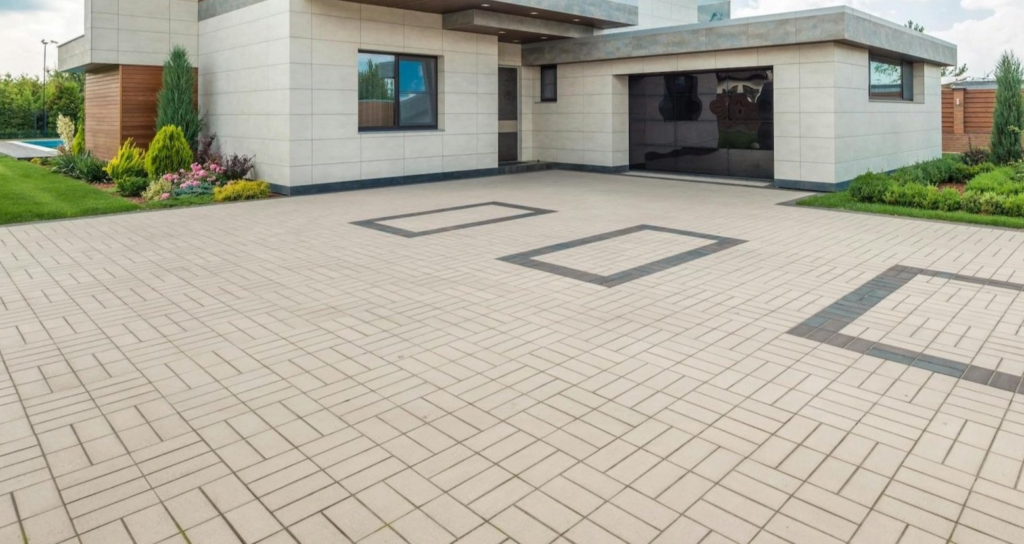
    1. Driveways and Walkways

    Stamped concrete can transform ordinary driveways and walkways into visually stunning features.

    • Aesthetic Appeal: Choose from a wide range of patterns and colors to match your property’s style.
    • Durability: With proper installation and maintenance, stamped concrete can withstand heavy traffic and weather conditions.
    • Customization: Mimic the look of brick, stone, cobblestone, or even wood to achieve the desired effect.

    Whether you prefer a classic or modern design, stamped concrete provides an affordable alternative to natural materials. 

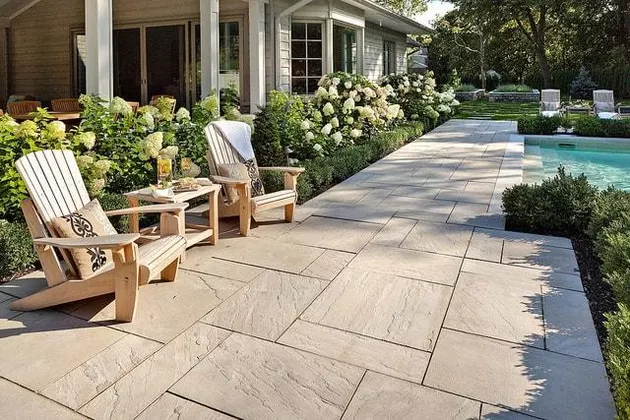
    2. Patios and Outdoor Living Spaces

    Enhance your outdoor living areas with stamped concrete patios that blend beauty with functionality.

    • Versatility: Create unique designs, from rustic to contemporary, to complement your landscaping.
    • Low Maintenance: Unlike natural stone, stamped concrete is easy to clean and resists wear and tear.
    • Seamless Integration: Use stamped concrete to connect different outdoor features, such as fire pits, seating areas, and walkways.

    A stamped concrete patio is the perfect way to create a welcoming space for entertaining and relaxation.

    Learn more: Dream Patio Made Easy: Durable, Low-Maintenance Concrete

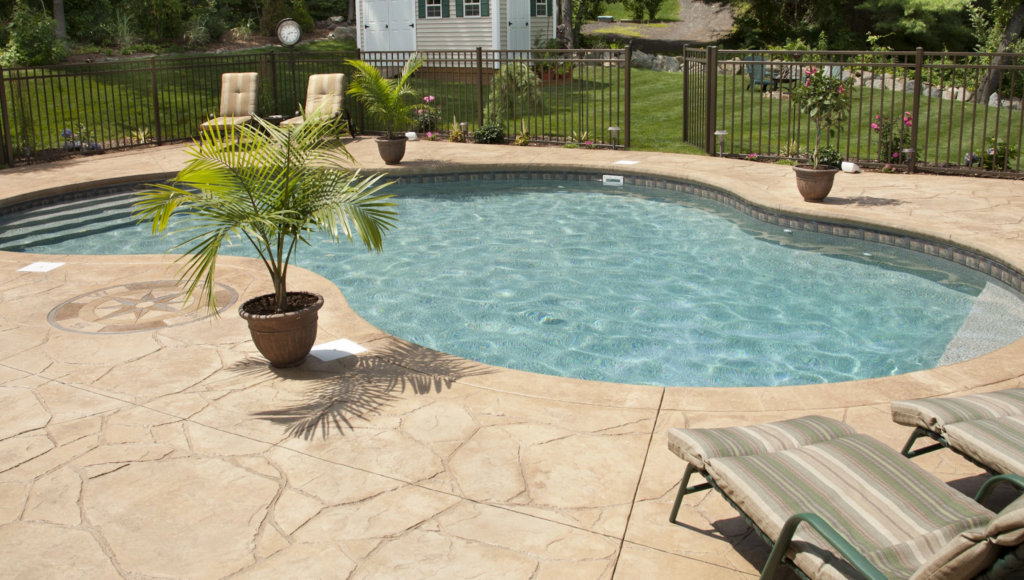
    3. Pool Decks

    Safety and style go hand-in-hand with stamped concrete pool decks.

    • Slip Resistance: The textured surface helps reduce the risk of slipping, making it a safer option for wet areas.
    • Customizable Designs: Choose from a wide range of colors, textures, and  patterns that complement your pool’s aesthetic.
    • Durability: Stamped concrete can withstand exposure to water, chemicals, and sun, ensuring long-lasting performance.

    Turn your pool area into a stunning retreat with a stamped concrete deck that combines beauty and practicality.

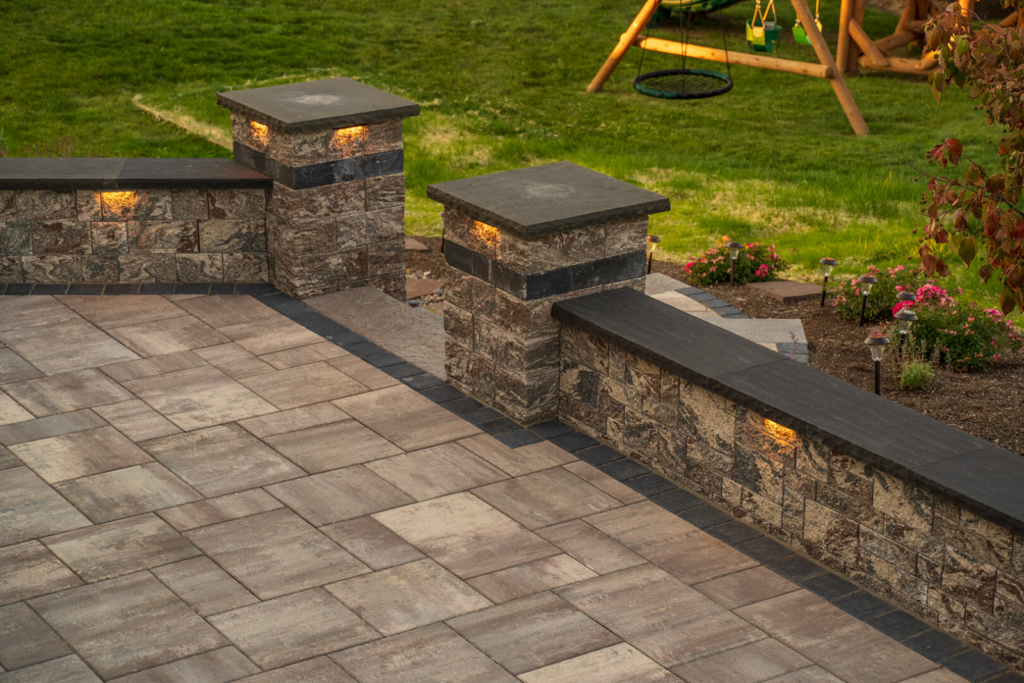
    4. Retaining Walls

    Stamped concrete retaining walls serve both functional and aesthetic purposes.

    • Structural Support: Retaining walls helps manage soil erosion and level uneven terrain.
    • Visual Interest: Add texture and color to blend seamlessly with your landscaping design.
    • Durability: Stamped concrete retaining walls are built to last, requiring minimal maintenance.

    Elevate your landscaping with retaining walls that combine strength and style.

    5. Commercial Spaces

    Stamped concrete is a smart choice for businesses looking to make a lasting impression.

    • High-Traffic Durability: It withstands the wear and tear of heavy foot traffic in entryways, courtyards, and parking lots.
    • Branding Opportunities: Customize patterns and colors to align with your brand’s aesthetic.
    • Cost-Effective: Provides a polished, professional look without the expense of natural materials.

    From courtyards to showroom floors, stamped concrete adds an element of sophistication to commercial spaces.

    Final Thoughts

    Stamped concrete offers a perfect blend of style, functionality, and affordability for various applications. Whether you’re enhancing a residential property or upgrading a commercial space, this versatile material delivers both aesthetic appeal and long-term durability.

    Ready to explore stamped concrete for your next project? 

     CraftCrete stamped concrete solutions by Aparna RMC provide high-quality, customizable options to elevate your construction projects. Contact us today to learn more about how we can help you achieve your design goals. Contact us today to learn more about how we can help you achieve your design goals.

    Discover 10 Creative Stamped Concrete Patterns to Breathe Life into Your Outdoor Space

  • Lightweight Concrete: Revolutionizing Building Efficiency and Design

    Lightweight Concrete: Revolutionizing Building Efficiency and Design

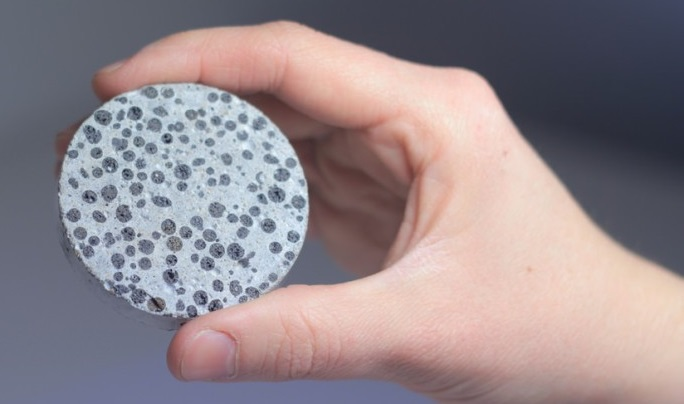
    Lightweight concrete has emerged as a transformative material in the construction industry, offering a unique combination of reduced weight, impressive strength, and superior performance. This innovative concrete variant is gaining popularity for its ability to enhance building efficiency and enable design flexibility, making it an indispensable choice for modern architectural and engineering projects.

    What Is Lightweight Concrete?

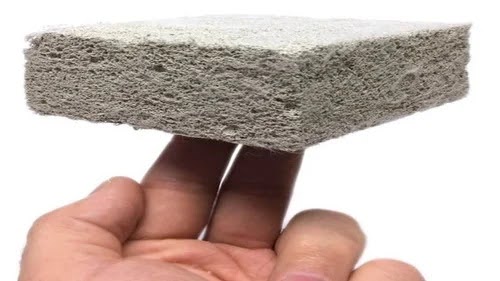
    Lightweight concrete is characterized by its reduced density, which ranges between 800- 1850 kg/m³, compared to the 2400 kg/m³ typical of traditional concrete. This is achieved by incorporating lightweight aggregates like expanded clay, pumice, or air voids using foaming agents. Despite its lighter weight, it maintains adequate compressive strength and exhibits excellent thermal and acoustic insulation properties, making it a game-changer for sustainable construction.

    Enhancing Building Efficiency with Lightweight Concrete

    1. Reduced Structural Load

    One of the standout benefits of lightweight concrete is its ability to significantly reduce structural loads. Lowering the weight of walls, floors,  roofs, sunken slabs, and cantilever slabs minimizes the demand for foundations and supporting structures. This reduction not only saves materials but also lowers construction costs, making lightweight concrete an economical choice for builders and developers.

    2. Energy Efficiency

    Lightweight concrete’s thermal insulation properties are unparalleled. Its air-void structure minimizes heat transfer, ensuring that buildings remain cooler in summer and warmer in winter. This reduces reliance on artificial heating and cooling systems, cutting energy consumption and lowering utility bills. Its role in creating energy-efficient buildings aligns with global sustainability goals and green building certifications.

    3. Faster Construction and Cost Savings

    The reduced weight of lightweight concrete simplifies handling, transportation, and installation, speeding up construction timelines. Prefabricated lightweight concrete elements, such as panels and blocks, further enhance efficiency by enabling faster assembly on-site. The result is reduced labor costs and shorter project durations, providing both economic and operational advantages.

    Applications of Lightweight Concrete

    Lightweight concrete is a versatile material with applications in diverse construction scenarios, including:

    • Filling Areas: Ideal for sunken portions, backfilling, and void filling.
    • Lightweight Floor and Roof Screed: Reduces dead loads while providing a durable, insulating layer.
    • Thermal Insulation: Enhances energy efficiency in residential and commercial buildings.
    • Slope Maintenance for Terraces: Effectively replaces traditional materials like brickbat coba and screed in overlay systems.
    • Structural Lightweight Requirements: Used in scenarios where structural movement is minimal.

    Advantages of Lightweight Concrete

    • Reduced Dead Load
      Lightweight concrete significantly reduces dead loads on structures, optimizing design costs and enhancing overall structural efficiency.
    • Superior Insulation
      Its low thermal conductance provides better thermal and sound insulation compared to standard concrete and brickbat coba.
    • Ease of Placement
      Lightweight concrete is easy to place and offers a time-saving solution, with surfaces ready to use within 24 hours.
    • Pumpability
      Easily pumpable to horizontal and vertical distances exceeding 40 meters, making it suitable for challenging construction sites.
    • Low Density
      Achieves densities as low as 600 kg/m³, making it an ideal alternative to foam concrete for lightweight applications.
    • Durability and Maintenance
      Lightweight concrete is easy to repair and maintain, with minimal risk of shrinkage cracks.
    • Consistency
      Provides more consistent quality compared to traditional alternatives like foam concrete.

    Sustainability and Environmental Benefits

    Lightweight concrete is not just about efficiency and design—it’s also a sustainable choice. Its production often involves recycled materials, reducing the demand for virgin resources. Additionally, its thermal properties contribute to lower greenhouse gas emissions by reducing energy consumption in buildings.

    Challenges and Solutions

    While lightweight concrete offers many benefits, it does come with challenges such as higher initial costs and potentially lower compressive strength compared to traditional concrete. However, advancements in mix design and the availability of lightweight aggregates have mitigated these issues, allowing engineers to achieve the desired balance of performance and cost-effectiveness.

    Lightweight concrete is revolutionizing building efficiency and design flexibility, offering a lightweight yet durable solution for modern construction challenges. Its ability to reduce structural loads, enhance energy efficiency, and support innovative architectural forms makes it an essential material for sustainable and cost-effective construction.

    Why Choose EchelonCrete Lightweight Concrete by Aparna RMC

    EchelonCrete by Aparna RMC is a state-of-the-art lightweight concrete solution that embodies the principles of innovation, efficiency, and sustainability. Designed to meet the growing demands of modern construction, EchelonCrete offers superior performance with its optimized blend of lightweight concrete (remove aggregates) and advanced (remove foaming) techniques.

    FAQS:

    1. What is lightweight concrete, and how does it differ from traditional concrete?

    Lightweight concrete is a specialized type of concrete with a lower density than traditional concrete. This is achieved by incorporating lightweight aggregates or air voids. Unlike traditional concrete, lightweight concrete offers reduced weight, enhanced thermal insulation, and easier handling while maintaining adequate compressive strength.

    2. What are the key benefits of using lightweight concrete?

    Key benefits include:

    • Reduced structural loads.
    • Improved energy efficiency due to excellent thermal insulation.
    • Faster construction and reduced transportation costs.
    • Design flexibility for complex architectural forms.
    • Easy to maintain during site laying due to its free-flowing properties.

    3. What makes EchelonCrete Lightweight Concrete by Aparna RMC unique?

    EchelonCrete is a premium lightweight concrete solution that combines a superior strength-to-weight ratio with advanced thermal and acoustic insulation properties. Its eco-friendly composition and versatility make it a standout choice for modern construction projects.

    4. In which types of projects can Lightweight Concrete be used?

    EchelonCrete is suitable for a wide range of projects, including:

    • Residential buildings (walls, roofs, and floors).
    • Commercial complexes (spacious and innovative layouts).
    • Infrastructure projects (tunnel, drainage systems)

  • Top 10 Businesses Benefiting Concrete Flooring

    Top 10 Businesses Benefiting Concrete Flooring

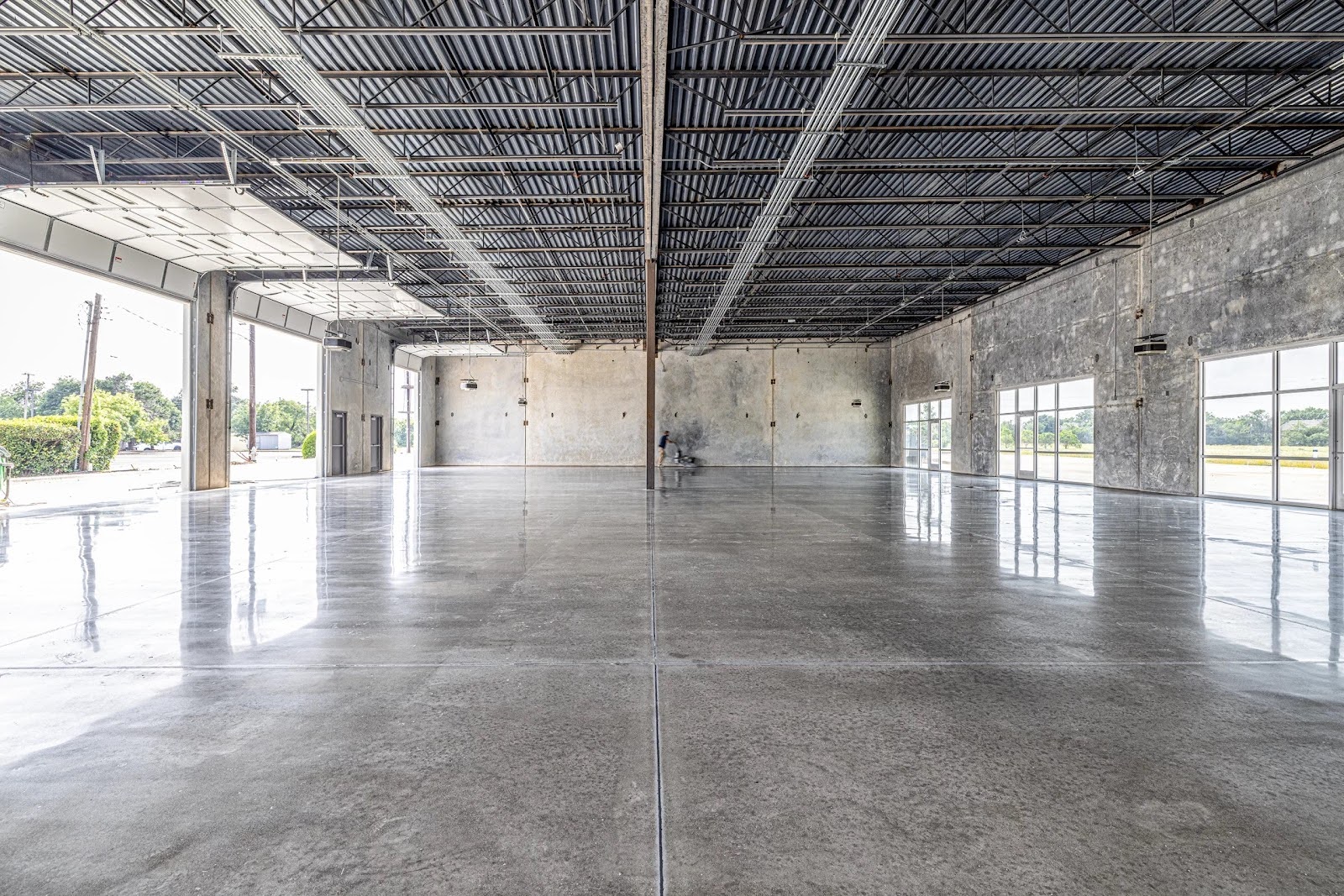
    Concrete flooring has become a popular choice across various industries, and for good reason. Known for its durability, versatility, and low maintenance,   concrete is more than just a flooring option—it’s a smart investment for businesses. Here, we highlight the top 11 types of businesses that benefit most from concrete flooring, showcasing why this material stands out as a superior choice.

    1. Restaurants

    Restaurants experience heavy foot traffic and constant movement of furniture like tables and chairs. Concrete is an excellent flooring solution because it resists scuffing and scratching, ensuring a long-lasting and durable surface. Its easy-to-clean nature makes it perfect for managing spills, while its slip-resistant finish helps keep employees and patrons safe. For the best flooring for restaurants, concrete is unmatched in both functionality and style.

    2. Manufacturing Units

    Manufacturing facilities require flooring that can withstand heavy machinery, chemical spills, and constant activity. Concrete provides exceptional durability and is resistant to wear and tear, making it the best flooring for manufacturing units. Its low-maintenance nature and ability to support heavy loads ensure a long-lasting solution. Additionally, concrete floors can be treated with coatings for added safety and chemical resistance.

    3. Commercial Gyms

    Durable and hygienic, concrete is ideal for gyms where heavy equipment and constant movement are common. The flooring’s ease of maintenance ensures cleanliness, while slip-resistant options keep gym-goers safe. Adding mats or softer surfaces is easy for specific workout areas. It’s no wonder concrete is the best flooring for commercial gyms.

    4. Veterinary Clinics

    Animal-friendly and durable, concrete is perfect for veterinary clinics. It resists scuffs from paws, claws, and hooves and is easy to clean, making it a hygienic choice for handling accidents. A slip-resistant finish ensures safety for clients and their pets. When considering the best flooring for veterinary clinics, concrete stands out.

    5. Grocery Stores and Gas Stations

    Covering large areas efficiently, concrete flooring is stain-resistant and durable—essential for grocery stores and gas stations. It stands up to heavy traffic and spills, while its low-maintenance nature simplifies cleaning for employees. Safety is enhanced through slip-resistant finishes. As the best flooring for grocery stores and gas stations, concrete delivers both practicality and longevity.

    6. Schools

    With constant movement from students, chairs, and desks, schools benefit greatly from concrete flooring. It’s durable enough for classrooms, hallways, and common areas. Customization options, like incorporating school colors and mascots, add a personalized touch that enhances school spirit. For the best flooring for schools, concrete checks all the boxes.

    7. Stadiums

    Stadiums require robust flooring to withstand heavy crowds and concession spills. Concrete delivers on durability while allowing for unique customizations, such as team colors and logos. Its easy maintenance ensures a clean and professional appearance for every event. This makes it the best flooring for stadiums.

    8. Aviation

    The aviation industry demands flooring that can support the weight of airplanes and equipment. Concrete meets these needs with its strength and durability. Its smooth surface allows for clear safety markings, while its resistance to stains simplifies the cleanup of fluid leaks. Concrete is undoubtedly the best flooring for aviation facilities.

    9. Warehouses

    Warehouses house heavy equipment, vehicles, and machinery, making concrete an obvious choice. Its unmatched durability prevents damage, and it’s easy to clean, even in high-traffic areas. Safety zones can be outlined directly on the surface to improve workflow efficiency and safety. This makes concrete the best flooring for warehouses.

    10. Food Processing Facilities

    Meeting high sanitary standards is crucial in food processing facilities. Concrete provides a seamless and easy-to-clean surface that resists spills and stains. It can withstand the weight of heavy equipment, making it a functional and safe choice for this industry. For the best flooring for food processing facilities, concrete is an optimal solution.

    Businesses across industries are discovering the benefits of concrete flooring. Its combination of durability, cost-effectiveness, and aesthetic appeal makes it a standout choice for modern spaces. Whether you’re running a restaurant, retail store, or aviation hangar,   concrete provides a long-lasting and versatile flooring solution that enhances your business’s functionality and visual appeal.

  • How To Use Stamped Concrete Borders On Driveways And Patios

    How To Use Stamped Concrete Borders On Driveways And Patios

    Stamped concrete is a creative solution that combines durability with aesthetic appeal, making it a perfect choice for enhancing the borders of driveways and patios. Offering a cost-effective alternative to natural stone or brick, stamped concrete allows you to achieve intricate patterns and textures that elevate your outdoor spaces. In this blog, we’ll explore the benefits of stamped concrete, tips for using it effectively, and how Stamped Concrete can transform your driveway and patio borders into a design masterpiece.

    Why Choose Stamped Concrete for Borders?

    Stamped concrete offers several advantages, particularly for borders:

    1. Design Versatility: With a wide range of patterns and colors available, stamped concrete can mimic natural materials like stone, brick, or wood. This allows homeowners to create cohesive designs that complement their overall landscaping.
    2. Durability: Driveway and patio borders experience heavy foot traffic and exposure to the elements. Stamped concrete is long-lasting, resistant to cracking, and requires minimal maintenance compared to other materials.
    3. Seamless Integration: It can be designed to seamlessly blend with your driveway or patio, creating a polished and cohesive appearance.

    Creative Ideas for Stamped Concrete Borders

    1. Mimic Natural Stone: Use stamped concrete to recreate the look of cobblestones or flagstones along the borders of your driveway or patio. Pair this with neutral tones for a classic, timeless look.
    2. Geometric Patterns: Choose bold, geometric designs for a modern and minimalist vibe. Stamped concrete offers precision and clean lines that elevate contemporary spaces.
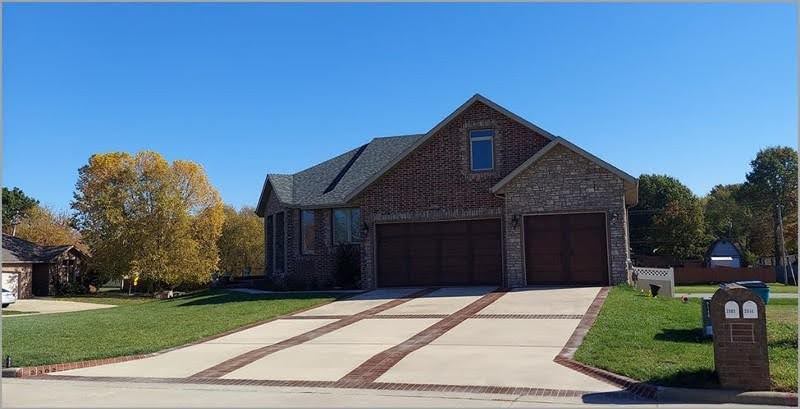
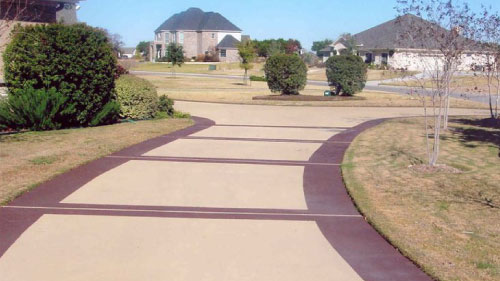
    3. Contrasting Colors: Use a darker or lighter shade of stamped concrete than the main surface to create striking contrasts that define the borders beautifully.
    4. Textured Finishes: Incorporate textures like woodgrain or slate to add character to your driveway and patio borders.

    Practical Enhancements with Stamped Concrete

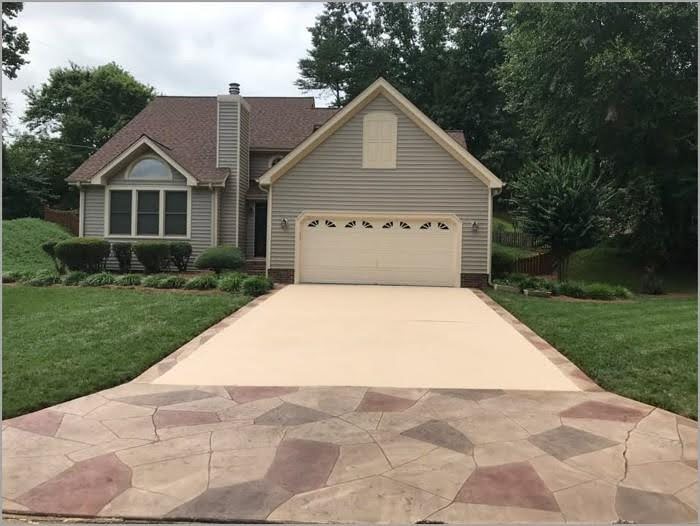
    1. Control Costs with Distinctive Borders: For large areas, it’s not uncommon to opt for less expensive decorative concrete finishes. By using stamped concrete borders, you can enjoy the look of real stone enhancements without the expense of stamping the whole area. For example, a driveway can be revitalized with the color concrete system and side borders, while the driveway apron can be resurfaced and stamped with a flagstone design custom colored to coordinate with the home’s exterior.

    2. Create Interest with Multiple Textures: Stamped concrete borders can bring additional texture, color, and pizzazz to driveways and patios. For instance, patios and walkways can be resurfaced with river rock overlay framed and enhanced with a contrasting textured and stained border.

    3. Embellish Wide-Open Spaces: Both patios and driveways can be expansive. Stamped concrete borders can break up large areas with texture and color, creating a more cohesive appearance with the house.

    4. Achieve High-End Designer Looks: Stamped faux stone designs are popular for patio and driveway makeovers. Contrasting borders highlight the texture with two colors side by side. This not only makes the stone textures pop but also ensures a seamless, continuous sealed surface that will not chip, crack, fade, or peel.

    How to Install Stamped Concrete Borders

    1. Preparation: Begin by preparing the surface, ensuring a clean, level area around the borders.
    2. Choose the Right Design: Select a pattern and color that complements the existing driveway or patio surface. Craft
    3. Crete Stamped Concrete by Aparna RMC offers a wide range of options to suit any design aesthetic.
    4. Pour and Stamp: Once the concrete is poured, apply stamping tools before the material sets. The experts at Aparna RMC ensure precision in every step of the process.
    5. Curing and Sealing: Allow the stamped concrete to cure and finish with a sealant to protect against stains and enhance durability.

    Why Choose CraftCrete Stamped Concrete by Aparna RMC?

    CraftCrete Stamped Concrete by Aparna RMC is a premium solution designed to combine quality, aesthetics, and functionality. Here’s what makes it stand out:

    • Superior Durability: Engineered to withstand harsh weather conditions and heavy loads.
    • Wide Range of Designs: From classic to contemporary patterns, CraftCrete offers endless possibilities.
    • Sustainable and Reliable: Crafted with eco-friendly materials and backed by Aparna RMC’s trusted expertise.
    • Customizable Solutions: Tailored to meet your specific needs, whether for driveway borders, patio edges, or larger projects.

    Maintenance Tips for Stamped Concrete Borders

    1. Regular Cleaning: Sweep and wash the borders to prevent dirt buildup.
    2. Re-Sealing: Apply a sealant every few years to preserve color and texture.
    3. Avoid Harsh Chemicals: Use gentle, pH-neutral cleaning agents to protect the surface.

    Stamped concrete is a stylish, practical, and affordable way to enhance the borders of driveways and patios. With its unmatched versatility and durability, it’s an investment that adds lasting value to your outdoor spaces. For a truly exceptional finish, choose CraftCrete Stamped Concrete by Aparna RMC — a trusted name in innovative concrete solutions.

    Transform your driveways and patios into stunning works of art with stamped concrete that combines beauty and strength seamlessly. Contact Aparna RMC today to explore the possibilities!

    10 Creative Stamped Concrete Patterns to Breathe Life into Your Outdoor Space

  • How Colored Concrete Can Make Your Projects Look Better

    How Colored Concrete Can Make Your Projects Look Better

    When it comes to elevating the aesthetics of construction, colored concrete is a standout choice. Gone are the days of dull gray slabs; colored concrete has revolutionized design for architects, builders, and homeowners alike. At Aparna RMC, we offer top-quality colored concrete solutions to help you bring your creative visions to life. Whether you’re working on a residential driveway, commercial flooring, or artistic concrete features, colored concrete offers unmatched versatility, durability, and aesthetic appeal.

    What Is Colored Concrete?

    Colored concrete is created by adding pigments to the mix, resulting in a wide range of colors and textures. These pigments can come in various forms, including powdered colorants, liquid dyes, or integral color mixes, allowing for limitless design possibilities and enabling the creation of eye-catching surfaces that complement your project’s aesthetic. 

    Benefits of Colored Concrete

    1. Enhanced Aesthetics 

    Colored concrete provides a vast range of design options. From earthy tones mimicking natural stone to bold, vibrant hues, it allows for breaking away from traditional gray. Matching your project’s color scheme, whether subtle or dramatic, makes colored concrete an attractive option for both modern and classic designs.

    2. Design Flexibility

     Beyond solid colors, colored concrete can be textured, stamped, or polished to replicate the look of materials like slate, granite, or cobblestone. Whether aiming for an industrial aesthetic in a commercial space or a cozy patio in a residential setting, colored concrete’s design flexibility makes achieving your vision easy.

    3. Durability and Low Maintenance 

    Colored concrete not only enhances beauty but is also highly durable, withstanding harsh weather, heavy foot traffic, and daily wear and tear. Proper sealing ensures resistance to fading, chipping, and staining, making it a low-maintenance option for high-traffic areas like driveways and commercial floors.

    4. Increased Property Value 

     Incorporating colored concrete can potentially increase a property’s market value. High-quality, aesthetically pleasing concrete surfaces make a property stand out, enhancing its appeal to prospective buyers or tenants, offering a return both in functionality and financial value.

    5. Cost-Effective Solution

     While the initial cost of colored concrete may be higher, its long-term benefits, such as low maintenance and durability, make it cost-effective. Minimal upkeep ensures your investment in colored concrete lasts for many years without frequent repairs or replacements.
     

    Applications of Colored Concrete

    1. Driveways and Walkways

     Transform your outdoor spaces with a colored concrete driveway or walkway. Select colors that harmonize or contrast with your landscaping and architecture to create a striking first impression. Earthy tones for a natural feel or bold colors to make a statement are popular choices.

    2. Patios and Outdoor Spaces 

    Enhance your backyard with a beautiful, functional patio or pool deck made from colored concrete. Whether you prefer a sleek modern look or a rustic aesthetic, colored concrete can be tailored to your specific tastes, improving the overall ambiance of your outdoor space.

    3. Commercial Flooring 

    For businesses aiming to make a memorable impression, colored concrete offers a unique flooring solution. In retail stores, office buildings, or restaurants, custom-colored concrete floors add sophistication while being durable enough to handle high foot traffic.

    4. Artistic and Decorative Elements

     Colored concrete is ideal for creating custom designs and decorative elements. It can be used for intricate logos, patterns, or even decorative countertops, making it a versatile medium for artistic projects.
     

    How to Choose the Right Color for Your Project

    • Consider the Environment: Choose colors that complement the natural surroundings and architectural elements of your property. Earthy tones work well with landscapes, while brighter hues can add contrast to urban settings. 
    • Test Samples: Request color samples to see how they appear in different lighting conditions, ensuring you select a color that looks great in real-world scenarios.
    • Think Long-Term: Opt for timeless colors that will look good for years to come, even as trends evolve.

    Choose Aparna RMC for Quality Colored Concrete Solutions

    At Aparna RMC, we are committed to helping you realize the full potential of your projects with our top-notch AsthetiCrete colored concrete solutions. From residential driveways to large-scale commercial installations, our expertise ensures that your vision becomes a reality. We work closely with you throughout the design and installation process to guarantee a seamless and stunning result. 

    Colored concrete offers a perfect blend of aesthetic appeal, durability, and versatility, making it an ideal choice for various construction projects. Whether you’re looking to transform your home’s outdoor spaces, create a striking commercial space, or experiment with artistic concrete features, colored concrete can take your project to the next level. Ready to transform your next project with colored concrete? Contact us today!