Aparna RMC

Category: Blog

  • Temperature Control Concrete: Managing Thermal Stress in Large Structures

    Temperature Control Concrete: Managing Thermal Stress in Large Structures

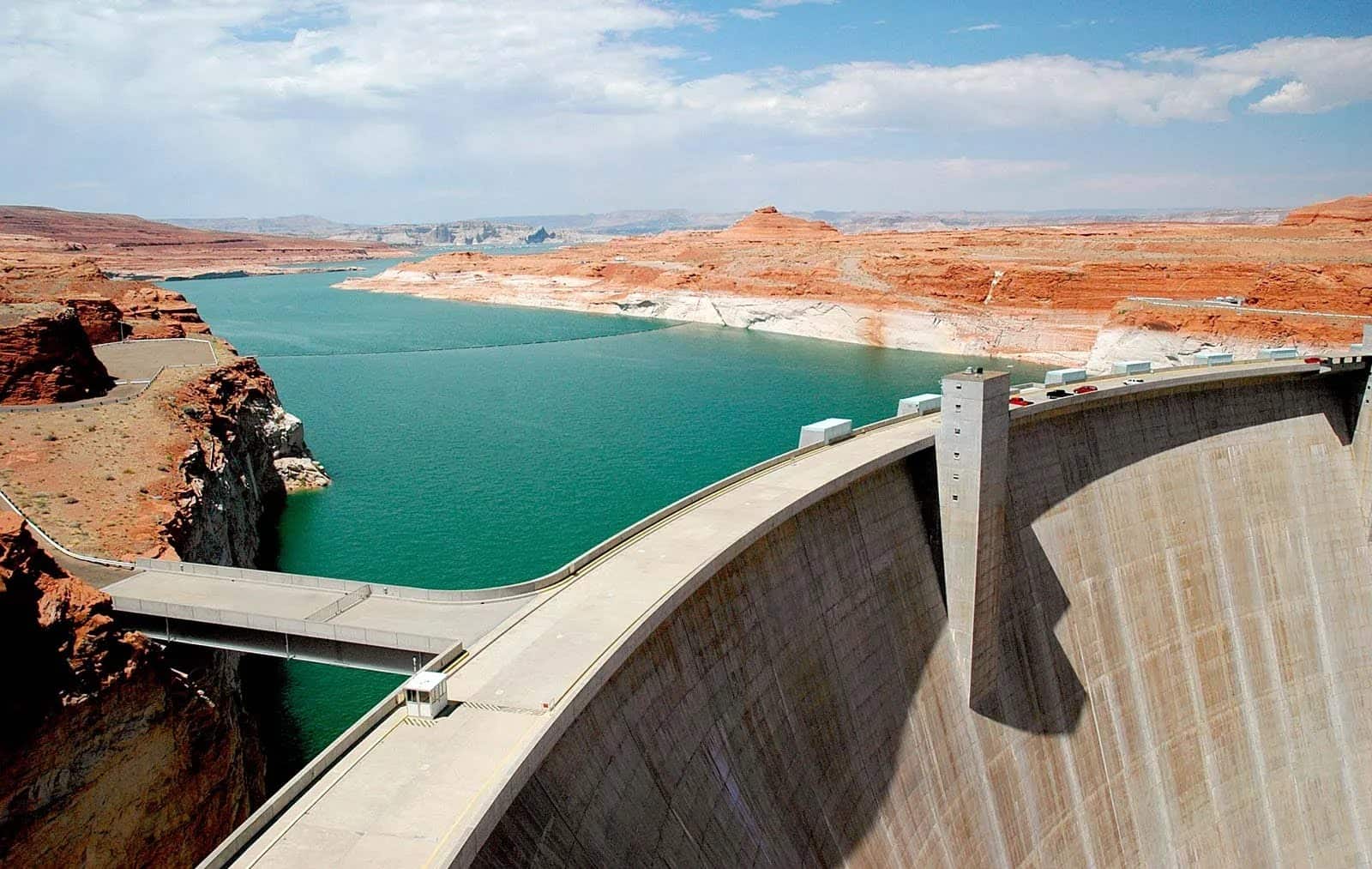
    When constructing large structures such as dams, bridges, or high-rise buildings, managing thermal stress becomes crucial. One of the most effective methods to address this challenge is through temperature control concrete. This specialized approach minimizes the risk of cracking and structural instability caused by temperature fluctuations during concrete curing.

    In this article, we will delve into the importance of temperature control concrete, its benefits, and practical strategies for managing thermal stress in large-scale construction projects.

    I. Understanding Thermal Stress in Concrete

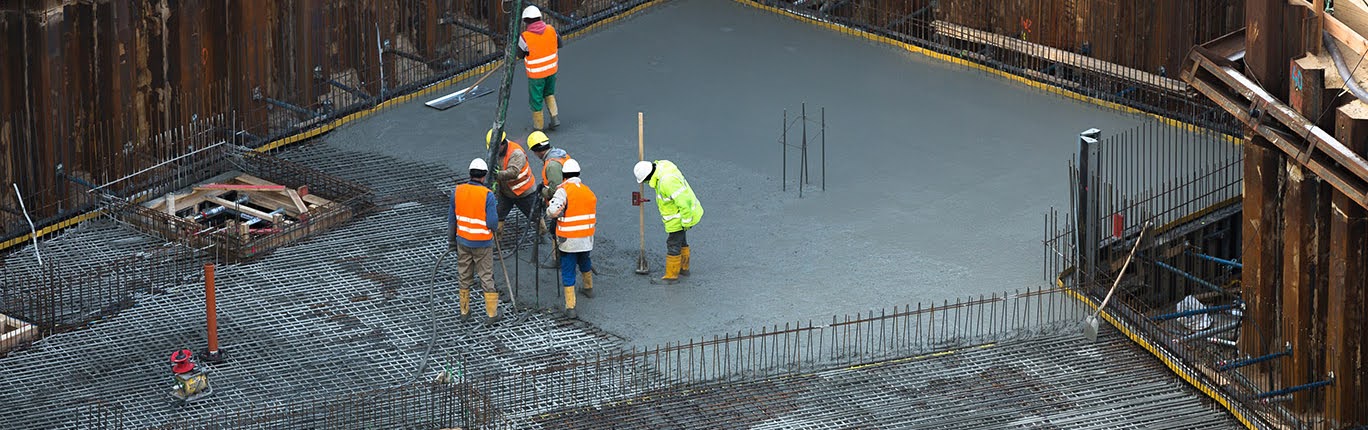
    Concrete generates heat during the curing process due to a chemical reaction called hydration. In large concrete pours, the core temperature may rise significantly higher than the outer surface. This temperature difference causes internal thermal stress, which can result in cracking, reducing the durability and strength of the structure.

    II. The Role of Temperature Control in Large Structures

    In massive concrete pours, the stakes are high. Cracking not only compromises the structural integrity but can also lead to costly repairs and long-term maintenance issues. Temperature control concrete is designed to regulate heat generation and dissipate excess heat, ensuring a uniform temperature throughout the structure.

    III. Key Benefits:

    • Enhanced Structural Integrity: Prevents cracking caused by thermal stress, extending the lifespan of the structure.
    • Improved Aesthetic Quality: Reduces surface imperfections such as shrinkage cracks.
    • Cost Savings: Minimizes repair needs, delays, and material wastage.

    IV. Techniques for Temperature Control in Concrete

    Various strategies and technologies can help manage thermal stress in concrete pours. Here are some widely used methods:

    1. Pre-Cooling

    • Why It Works: Lowering the temperature of raw materials such as water, aggregates, and cement before mixing reduces the initial heat generated during hydration.
    • How It’s Done: Chilled water or ice is used during the mixing process, and aggregates may be cooled using liquid nitrogen.

    2. Post-Cooling

    • Why It Works: Internal cooling pipes are embedded within the concrete structure to circulate chilled water, dissipating excess heat from the core outward.
    • How It’s Done: Cooling systems remain operational until the concrete reaches a safe and stable temperature.

    3. Surface Insulation

    • Why It Works: Protecting the outer surface of the structure minimizes rapid cooling or heating due to environmental factors.
    • How It’s Done: Insulating blankets or curing compounds are applied to regulate temperature differences between the surface and the core.

    4. Using Low-Heat Cement

    • Why It Works: Low-heat cement releases heat more gradually during the hydration process, reducing the risk of thermal stress.
    • How It’s Done: Selecting specific cement blends tailored to large pours ensures a controlled curing process.

    5. Optimizing Mix Design

    • Why It Works: Adjusting the proportions of cementitious materials, water, and aggregates can influence the heat generated during hydration.
    • How It’s Done: Using supplementary cementitious materials (SCMs) like fly ash or slag decreases the heat of hydration.

    V. Best Practices for Effective Implementation

    • Thermal Monitoring: Use temperature sensors to track core and surface temperatures in real-time.
    • Gradual Cooling: Avoid rapid cooling to prevent thermal shock.
    • Collaborative Planning: Engage structural engineers, concrete suppliers, and contractors early in the design phase to optimize temperature control measures.

    VI. Introducing TempCrete by Aparna RMC

    To address the challenges of temperature management in extreme conditions, Aparna RMC developed TempCrete, a specialized concrete designed to withstand temperature fluctuations. This innovative solution ensures optimal performance and durability, even in the most demanding environments.

    Conclusion

    Managing thermal stress in large structures is vital for ensuring long-term durability and performance. Temperature control concrete offers an effective solution by minimizing the risks associated with thermal cracking. By adopting techniques such as pre-cooling, post-cooling, and optimized mix designs, construction professionals can confidently tackle the challenges of large-scale concrete pours.

    Implementing temperature control measures not only safeguards the structural integrity of a project but also contributes to cost efficiency and sustainability. As construction technologies continue to evolve, temperature control concrete will remain a cornerstone of modern engineering excellence.
  • Glass Fiber Reinforced Concrete: A Perfect Blend of Aesthetics and Strength

    Glass Fiber Reinforced Concrete: A Perfect Blend of Aesthetics and Strength

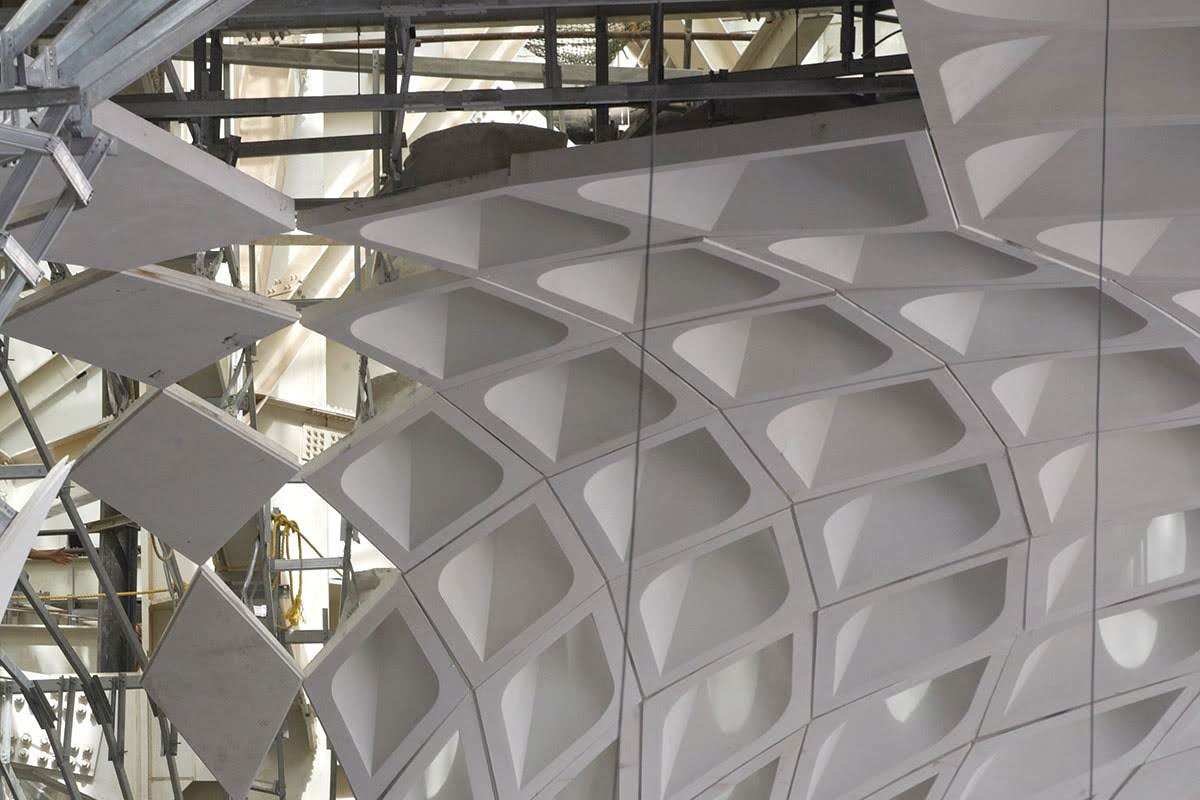
    Glass Fiber Reinforced Concrete (GFRC) is gaining popularity in architecture, construction, and interior design for its strength, durability, and versatility. It’s a composite material that blends cement with glass fibers, offering a lightweight yet highly durable alternative to traditional concrete. This article will explore what Glass Fiber Reinforced Concrete (GFRC) is, its unique benefits, various applications, and why it’s becoming a preferred choice for construction professionals seeking a balance of aesthetics and strength. 

    What is Glass Fiber Reinforced Concrete (GFRC)?

    Glass Fiber Reinforced Concrete (GFRC) is a composite material made by combining cement, fine aggregates, water, polymers, and alkali-resistant glass fibers. Unlike traditional concrete, Glass Fiber Reinforced Concrete (GFRC) incorporates glass fibers that act as reinforcement, significantly increasing the material’s tensile strength. These glass fibers prevent cracking and enhance overall flexibility, making Glass Fiber Reinforced Concrete (GFRC) an ideal choice for both functional and decorative construction elements.

    • Composition: Cement, sand, glass fibers, polymers, and water.
    • Primary Purpose: Reinforcement and enhanced flexibility in concrete applications.
    • Notable Advantage: Glass Fiber Reinforced Concrete (GFRC)’s lightweight nature, making it ideal for large panels without the need for heavy steel reinforcement. 

    Key Benefits of Glass Fiber Reinforced Concrete (GFRC)

    1. Exceptional Strength and Durability: Glass Fiber Reinforced Concrete (GFRC) offers a high level of strength due to the reinforcement provided by glass fibers. Unlike traditional concrete, which can crack and wear down over time, Glass Fiber Reinforced Concrete (GFRC) is much more resilient to both physical and environmental stresses.
    2. Lightweight Yet Sturdy: With glass fibers as reinforcement, Glass Fiber Reinforced Concrete (GFRC) is lightweight, reducing the need for heavy structural support and making it easier to transport and install. This feature is especially valuable for architectural panels, cladding, and other applications where weight is a significant concern.
    3. Versatile Design Options: Glass Fiber Reinforced Concrete (GFRC) flexibility allows it to be cast into complex shapes and fine details, making it a favorite in architectural and decorative applications. Its smooth finish also allows for easier painting and staining, enabling a wide range of aesthetic customizations.
    4. Eco-Friendly and Sustainable: As a material, Glass Fiber Reinforced Concrete (GFRC) is energy-efficient, requiring less cement than traditional concrete. It is highly recyclable and, when used as cladding, can improve building insulation, which leads to reduced energy consumption over time.
    5. Resistance to Weathering and Fire: Glass Fiber Reinforced Concrete (GFRC) resists corrosion, UV rays, and fire, making it ideal for both indoor and outdoor applications. It does not degrade when exposed to moisture or changes in temperature, further contributing to its long-term durability. 

    Applications of Glass Fiber Reinforced Concrete (GFRC) in Modern Construction

    Glass Fiber Reinforced Concrete (GFRC)’s unique properties make it highly adaptable to a wide range of applications in construction, including both structural and decorative uses.

    1. Architectural Panels and Facades
      • Glass Fiber Reinforced Concrete (GFRC) panels are commonly used as decorative cladding for building exteriors. Their lightweight nature reduces stress on building frameworks, while their durability ensures a long lifespan with minimal maintenance.
      • Example: Glass Fiber Reinforced Concrete (GFRC) can be used for intricate facades, allowing architects to achieve elaborate designs that would be difficult or costly with traditional concrete.
    2. Interior Design Elements
      • Glass Fiber Reinforced Concrete (GFRC) is also utilized in interior design for items such as countertops, furniture, fireplace surrounds, and accent walls. Its flexibility in shape and texture allows designers to craft unique, custom-made elements that add a modern, industrial aesthetic to interiors.
    3. Sculptural and Decorative Structures
      • Glass Fiber Reinforced Concrete (GFRC) is ideal for creating sculptures, moldings, and other decorative elements due to its ability to take on intricate shapes. Designers and artists use it for ornamental statues, fountains, and even decorative columns, adding personality to public spaces, gardens, and buildings.
    4. Infrastructure Components
      • The durability and lightweight properties of Glass Fiber Reinforced Concrete (GFRC) make it a strong candidate for infrastructure projects, such as bridges, tunnels, and retaining walls. It provides the structural strength needed for these projects while being resistant to environmental degradation.

    Glass Fiber Reinforced Concrete (GFRC) Installation and Maintenance Tips

    • Installation: Glass Fiber Reinforced Concrete (GFRC) is applied using either a spray-up method or a premixed casting process. It is essential to ensure the even distribution of glass fibers and proper curing time to avoid cracking or warping.
    • Maintenance: Glass Fiber Reinforced Concrete (GFRC) is relatively low maintenance. Regular cleaning with mild detergent is usually sufficient for indoor applications, while outdoor applications may require occasional resealing to maintain durability and resistance to environmental elements.

    Glass Fiber Reinforced Concrete Vs. Traditional Concrete: Why Choose GFRC?

    When compared to traditional concrete, Glass Fiber Reinforced Concrete (GFRC) offers several advantages:

    • Weight Reduction: Glass Fiber Reinforced Concrete (GFRC) is lighter than conventional concrete due to the reduced need for heavy aggregate materials.
    • Enhanced Durability: The addition of glass fibers prevents shrinkage cracks, a common issue in traditional concrete structures.
    • Design Flexibility: Glass Fiber Reinforced Concrete (GFRC) can be easily molded into complex shapes, making it more versatile for detailed designs.

    Why GFRC is the Future of Sustainable Architecture

    The architectural industry is increasingly moving towards sustainable and eco-friendly materials. GFRC’s longevity and ability to improve insulation make it an environmentally friendly choice. Its production process consumes less energy than traditional concrete, and its lightweight nature reduces transportation emissions.

    With buildings consuming a significant amount of energy, incorporating GFRC into construction helps in making structures more energy-efficient, thus reducing the carbon footprint. It’s a material that aligns well with modern green building initiatives, adding to its appeal in a world where sustainability is becoming a priority.

    Conclusion: A Material of Unmatched Potential

    Glass Fiber Reinforced Concrete is a material that brings together aesthetics and functionality, offering strength without compromising on design flexibility. As architects, builders, and designers continue to innovate, GFRC provides them with a reliable, versatile, and sustainable choice that meets the evolving demands of modern construction.

    From intricate facades and sculptures to high-performance infrastructure, GFRC is proving to be a versatile and invaluable resource, marking its place as a go-to material for projects that require durability, style, and eco-friendliness.

    Choose Aparna RMC GlassCrete Glass Fiber Reinforced Concrete

    Aparna RMCGlassCrete is redefining what’s possible in the world of Glass Fiber Reinforced Concrete by merging cutting-edge technology with meticulous craftsmanship. Known for pushing boundaries, Aparna RMC has created a Glass Fiber Reinforced Concrete (GFRC) solution that’s as tough as it is beautiful. GlassCrete doesn’t just meet industry standards; it surpasses them with impressive tensile strength and resilience, standing up effortlessly to weather extremes, wear, and environmental stress. Perfect for everything from striking building facades to eye-catching interior elements, Aparna’s GlassCrete offers limitless design potential without compromising durability.

  • Temperature Control Concrete: Optimizing Performance in Extreme Weather Conditions

    Temperature Control Concrete: Optimizing Performance in Extreme Weather Conditions

    Concrete’s durability and strength are critical for construction projects, but extreme weather can disrupt these qualities if not properly managed. Temperature control for concrete becomes essential when working in cold or hot weather, as temperature fluctuations impact both the curing process and long-term performance of concrete. This guide explores effective strategies for maintaining concrete’s strength and quality in extreme weather conditions, with a look at innovative solutions like TempCrete by Aparna RMC, specifically designed to help manage concrete temperatures in challenging climates. 

    The Importance of Temperature Control in Concrete

    Concrete gains strength through a chemical reaction between cement and water, known as hydration. This reaction is sensitive to temperature, meaning both high and low extremes can hinder the process. When concrete is too cold, hydration slows or stops, weakening the concrete and making it susceptible to cracking and frost damage. When it’s too hot, hydration accelerates, increasing the risk of rapid drying, shrinkage, and cracking. Controlling the temperature is essential for ensuring optimal curing, durability, and strength in concrete structures.

    Concrete Temperature Control in Cold Weather

    In cold weather, maintaining concrete temperatures above 40°F (4°C) is necessary to keep the curing process active and ensure long-term strength. Here are some key methods to control concrete temperature in cold conditions:

    • Use Heating Systems
      Heating systems and insulation help maintain the concrete’s internal temperature, preventing it from freezing or curing too slowly. Insulated blankets, heating coils, or temporary enclosures around the pour site can be effective ways to provide controlled heat.
    • Low-Heat Cement and Additives
      Low-heat cement, in combination with aggregate substitutes and a lower water-to-cement ratio, can reduce the exothermic reaction, allowing for a slower and more controlled curing process. This approach prevents heat loss and increases the concrete’s durability in the face of freezing temperatures.
    • Cold Water and Ice in the Mix
      Cold water or ice can be used to cool the mix, and ice-chilled aggregates can help moderate the temperature when pouring concrete in cooler climates. This step maintains a stable internal temperature, essential for effective curing.
    • Nighttime Pouring
      Pouring concrete at night allows for better temperature management when ambient temperatures are lower. This helps prevent rapid temperature changes, minimizing the risk of cracking and shrinkage due to thermal stress.

    Concrete Temperature Control in Hot Weather

    In hot weather, keeping concrete temperatures below 90°F (32°C) is essential for avoiding rapid evaporation, cracking, and structural weakness. Here are strategies for managing concrete temperature in hot conditions:

    • Cold Water or Ice in the Mix

    Adding cold water or ice directly to the concrete mix can significantly reduce the internal temperature, making the mix more manageable and extending the working time. This measure helps prevent early setting and cracking.

    • Scheduling Nighttime Pours
      Pouring at night, when temperatures are naturally lower, reduces the likelihood of rapid drying and temperature-related stress, ensuring a more controlled curing process.
    • Using Evaporative Cooling or Sunshades
      Evaporative cooling sprays and sunshades can help lower the temperature around the pour site. These measures reduce ambient heat, ensuring the concrete doesn’t dry out or set too quickly, preserving its strength.

    Temperature Monitoring and Control Systems

    Beyond the measures outlined above, monitoring concrete’s temperature is crucial to ensure it remains within the optimal range during curing. Variations in temperature can create thermal gradients, leading to internal stress and cracking. Advanced temperature monitoring systems track these variations and provide alerts when temperatures go beyond the specified range, allowing for real-time intervention.

    Aparna RMC’s TempCrete: Advanced Temperature Control for Concrete

    To address the challenges of temperature management in extreme conditions, Aparna RMC developed TempCrete, a specialized concrete designed to withstand temperature fluctuations. TempCrete uses a combination of low-heat cement, high-performance admixtures, and advanced temperature control measures that help maintain a stable curing environment regardless of ambient temperature. This solution is ideal for construction projects where temperature management is crucial, as it reduces the likelihood of thermal cracking and strengthens long-term performance. TempCrete also incorporates sensors to continuously monitor the curing process, ensuring that concrete remains within the specified temperature range, providing peace of mind to contractors and architects alike.

    Conclusion

    Temperature control is essential for ensuring concrete’s quality and durability in extreme weather conditions. Whether facing frigid or scorching temperatures, applying the right techniques, such as those outlined above, ensures concrete will perform as needed in the long run. Innovative solutions like TempCrete by Aparna RMC offer advanced options, combining low-heat materials and admixtures to deliver consistent performance even in challenging climates.

  • Smart Dynamic Concrete: Engineering Adaptive Solutions for Complex Structures

    Smart Dynamic Concrete: Engineering Adaptive Solutions for Complex Structures

    In the world of modern construction, innovative materials are essential to meet the demands of increasingly complex architectural and engineering challenges. One groundbreaking solution paving the way for versatile, resilient, and high-performance infrastructure is smart dynamic concrete. This advanced material is engineered for adaptability, making it an ideal choice for complex structures requiring enhanced flexibility, durability, and sustainability. In this article, we’ll explore the significance of smart dynamic concrete, its applications in construction, and why it’s a game-changer for innovative structures. Plus, we’ll take a look at FlexiCrete Smart Dynamic Concrete, a pioneering product in this category.

    What is Smart Dynamic Concrete?

    Smart dynamic concrete is an adaptive material designed to respond to changing environmental conditions and structural demands. Unlike traditional concrete, which can be rigid and prone to cracking under stress, smart dynamic concrete uses advanced additives, fibers, and unique composition techniques to adjust its properties in real time. This adaptability allows it to maintain integrity, reduce repair needs, and extend the lifespan of complex structures.

    Key Features of Smart Dynamic Concrete:

    1. High Flexibility: Ability to withstand stress without cracking or deforming.
    2. Self-healing Properties: Repairs small cracks automatically, prolonging durability.
    3. Enhanced Load-bearing Capacity: Increased strength for complex, high-load structures.
    4. Environmental Adaptability: Adapts to moisture, temperature, and pressure variations.
    5. Sustainable Composition: Often incorporates eco-friendly materials, reducing environmental impact.

    These features make smart dynamic concrete an ideal material for projects where traditional concrete might struggle, such as high-rise buildings, bridges, tunnels, and more.

    The Science Behind Smart Dynamic Concrete

    Smart dynamic concrete incorporates a mix of high-tech additives, fibers, and smart materials that make it uniquely responsive. Polymeric fibers, for instance, add flexibility, while nano-aggregates improve structural integrity and resistance to environmental degradation. Self-healing agents, such as bacteria that produce calcium carbonate, can fill small cracks before they grow into bigger issues. Furthermore, sensors embedded within the concrete can relay real-time data about strain, humidity, and temperature, enabling better structural health monitoring.

    How It Works:

    • Stress Response: Under heavy loads or impact, the fibers allow for controlled flexibility.
    • Self-healing Mechanism: Microcapsules filled with healing agents react with incoming water to seal cracks.
    • Structural Health Sensors: Monitors real-time changes in structure, aiding predictive maintenance.

    This combination of elements transforms concrete into a “smart” material that is dynamic and resilient, tailored to handle extreme conditions without compromising safety or performance.

    Applications of Smart Dynamic Concrete in Complex Structures

    Modern architectural and engineering projects are pushing the boundaries of what’s possible in design and function. Smart dynamic concrete, with its advanced flexibility and durability, is suitable for:

    • High-rise Buildings: Provides support and flexibility, reducing the impact of wind sway and seismic movements.
    • Bridges and Flyovers: Withstands heavy traffic loads and minimizes structural fatigue over time.
    • Marine Structures: High resistance to moisture and salinity makes it ideal for piers, docks, and underwater constructions.
    • Tunnels and Subways: Self-healing properties enhance durability and reduce long-term maintenance costs.
    • Large-span Roofs and Domes: Offers the strength and flexibility needed for expansive, unsupported spans.

    Each of these applications benefits from the unique qualities of smart dynamic concrete, which improves performance, extends lifespan, and reduces maintenance requirements.

    The Advantages of Smart Dynamic Concrete in Sustainable Construction

    With the rising demand for sustainable construction, smart dynamic concrete meets multiple environmental goals. The material often incorporates recycled aggregates, reduces CO2 emissions during production, and cuts down on maintenance requirements due to its self-healing properties. This leads to fewer repairs, minimized resource use, and a lower environmental footprint over the structure’s lifespan.

    Moreover, the ability of smart dynamic concrete to self-monitor and report structural health can significantly reduce the need for frequent inspections, saving both time and resources. This characteristic not only enhances safety but also contributes to the development of eco-friendly smart cities where structures are designed to self-sustain and reduce resource dependency.

    Challenges and Future Prospects of Smart Dynamic Concrete

    While the benefits are substantial, smart dynamic concrete faces challenges such as higher initial costs, specialized installation requirements, and a need for skilled labor. As the technology becomes more mainstream, these costs are expected to decrease. Research is ongoing to further enhance the material’s adaptability, reduce production costs, and make smart dynamic concrete more accessible for various types of construction projects.

    The future of smart dynamic concrete looks promising as it continues to gain traction in fields like smart city development, disaster-resistant structures, and eco-friendly construction. With advancements in materials science and construction technology, smart dynamic concrete is likely to become a staple in complex structural projects worldwide.

    FlexiCrete Smart Dynamic Concrete: Leading the Way

    One of the leaders in this innovative field is FlexiCrete Smart Dynamic Concrete, a product specifically engineered to meet the challenges of modern construction. FlexiCrete combines advanced polymeric technology and embedded sensors to deliver a highly adaptable and resilient concrete solution that aligns with the needs of complex structures.

    Key Benefits of FlexiCrete Smart Dynamic Concrete:

    • Superior Flexibility: Adapts to high-stress environments, reducing the likelihood of cracks and structural weaknesses.
    • Built-in Self-healing: Utilizes microencapsulated healing agents to repair cracks automatically.
    • Advanced Sensor Technology: Embedded sensors provide real-time data on structural health, allowing for predictive maintenance and improved safety.
    • Eco-friendly Composition: Made with sustainable materials, reducing the environmental impact of construction.

    FlexiCrete Smart Dynamic Concrete is ideal for high-rise buildings, infrastructure projects, and sustainable urban developments, offering a smart, long-lasting solution for engineers and builders who need a material that can keep up with the demands of modern construction. By using FlexiCrete, builders can ensure that their projects are not only strong and durable but also smart and future-ready.

    Final Thoughts

    Smart dynamic concrete, with its unique ability to adapt, heal, and monitor structural health, represents the future of construction materials. FlexiCrete Smart Dynamic Concrete exemplifies the potential of this advanced material, providing a solution that meets the modern world’s need for durability, sustainability, and innovation in construction. As the demand for intelligent infrastructure grows, smart dynamic concrete products like FlexiCrete are poised to shape the future of building, one adaptive solution at a time.

  • Concrete Without Limits: The Innovation of Self-Compacting Concrete

    Concrete Without Limits: The Innovation of Self-Compacting Concrete

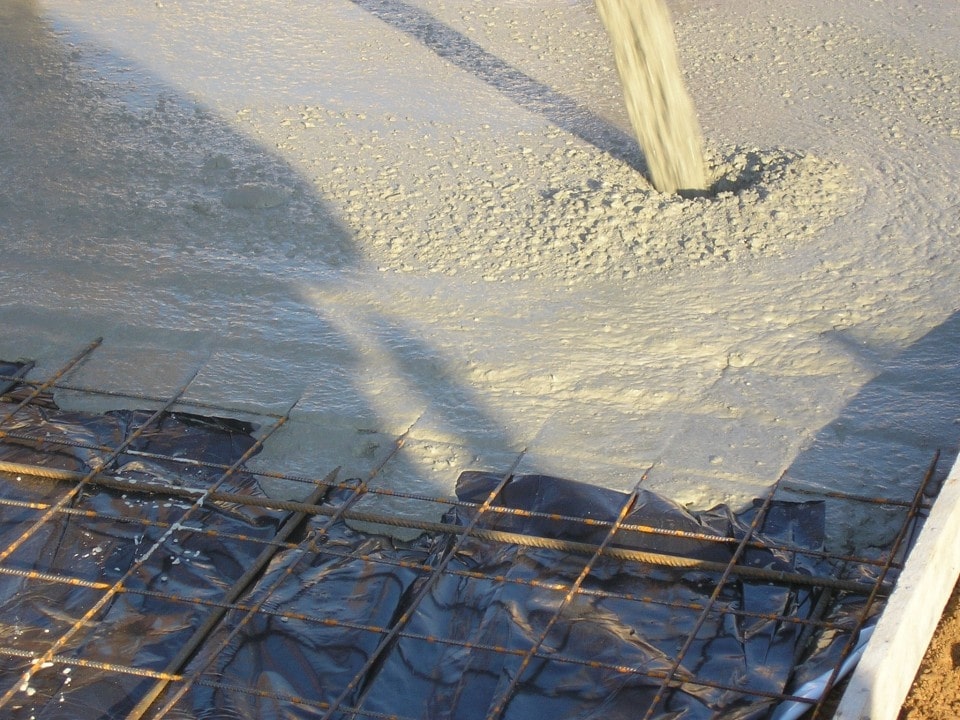
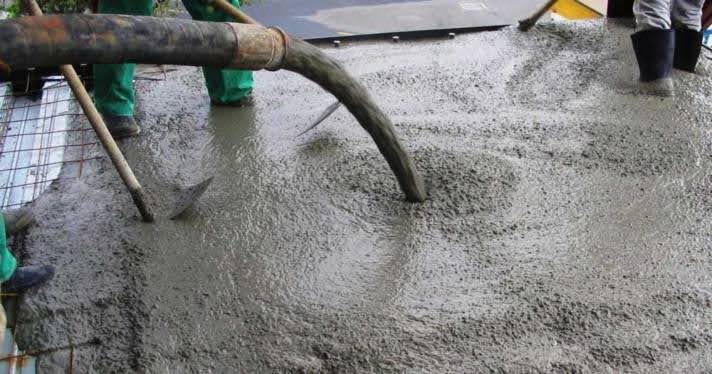
    Self Compacting Concrete (SCC) is rapidly gaining popularity in the construction industry, and for good reason. This innovative material has redefined the way concrete is used, improving both efficiency and quality. In fact, Self Compacting Concrete has become a go-to option for many builders due to its ability to flow into intricate spaces without the need for mechanical vibration. With self-levelling properties, it’s clear why Self Compacting Concrete is a trailblazer in today’s construction world.

    What Sets Self Compacting Concrete Apart?

    Unlike traditional concrete, Self Compacting Concrete is designed to compact itself without the use of vibrators. The formulation behind SCC was developed in Japan in the late 1980s, primarily to address the shortage of skilled labour in construction. Engineers aimed to create a concrete that would flow into every corner of formwork without the need for excessive manpower or machinery.

    SCC is crafted with a higher proportion of fine materials and superplasticizers, making it extremely fluid yet stable. This unique combination allows it to fill complex moulds and tightly packed reinforcement without leaving any air gaps.

    Where Can You Use Self Compacting Concrete?

    Self Compacting Concrete is versatile and can be used in a wide range of applications. Its self-levelling properties make it ideal for:

    • High-rise buildings: SCC reduces the need for scaffolding and vibrators, making it easier to use in tight spaces.
    • Bridges and tunnels: Its ability to flow into intricate spaces without manual compaction helps when constructing complex structures.
    • Architectural forms: SCC works wonders in projects requiring intricate details or unusual shapes.
    • Repair works: It’s especially useful in rehabilitating structures where accessibility is a challenge, as it can fill voids with ease.

    Advantages of Self-Compacting Concrete

    One of the biggest advantages of Self Compacting Concrete is its ease of use. Here are a few standout benefits:

    • Reduced labour and time: Since SCC doesn’t need vibration for compaction, it cuts down on the need for skilled labour and speeds up the construction process.
    • High-quality finish: SCC produces smooth surfaces with fewer defects, reducing the need for additional finishing.
    • Durability: Self Compacting Concrete has a higher density and fewer voids, which leads to greater durability over time.
    • Noise reduction: Traditional concrete often requires vibrators, which are noisy and disruptive. SCC eliminates this noise.
    • Cost-effective in the long run: Although the initial price per cubic metre of Self Compacting Concrete is typically higher than regular concrete, its time-saving benefits and reduced labour costs can result in long-term savings.

    Industry Perspectives and Statistics

    The adoption of Self Compacting Concrete is on the rise across the globe. According to a market report by Technavio, the SCC market is expected to grow by over 5% annually between 2020 and 2025. This increasing demand reflects its growing reputation for enhancing efficiency, quality, and sustainability in construction.

    Additionally, a study by the European Federation of National Associations Representing for Concrete (EFNARC) found that using SCC in prefabrication leads to a 30% reduction in production time and a significant improvement in surface finish quality.

    The Origins and Motivation Behind SCC

    Self Compacting Concrete was developed as a response to the challenges faced by the construction industry in the late 20th century. With a shortage of skilled labour and rising demand for higher-quality construction, engineers in Japan sought a solution that would require less human intervention while ensuring high standards of quality. The result was SCC, which has since become an industry standard for projects requiring high performance and precision.

    Pricing: How Does SCC Compare?

    While Self Compacting Concrete does come at a higher initial price—typically 20-30% more expensive than traditional concrete—the benefits often outweigh the cost. When you factor in the savings on labour, machinery, and time, the overall project costs can be significantly reduced. Additionally, the long-term durability and lower maintenance costs of SCC can make it a more economical choice for certain projects.

    Conclusion: Why Self-Compacting Concrete is the Future

    Self Compacting Concrete has quickly established itself as a revolutionary material in the construction world. Its ability to streamline processes, improve quality, and reduce labour makes it a valuable asset for both small and large-scale projects. While the initial costs may be slightly higher, the long-term savings and increased efficiency it provides make Self Compacting Concrete an industry favourite.

    From bridges to skyscrapers, this trailblazing material is shaping the future of construction. As more contractors and engineers embrace the benefits of SCC, it’s clear that Self Compacting Concrete is here to stay, paving the way for smarter, faster, and more durable construction methods.

    Here, at Aparna RMC we are dedicated to pioneering industry trends and developments to bring our customers the best without missing out on efficient construction methods.

    Aparna RMC manufactures and develops customised solutions based on thorough research and extensive knowledge of concrete technology.

    Aparna RMC is known for superior service enabled by digital tools, along with an ISO Certified process that guarantees consistent quality and timely delivery across its 31 plants spread across 4 states.

    Our signature product, SwiftFlowCrete self-compacting concrete, offers cutting-edge innovation, providing superior surface finishes and ultra-strength for structures. With a commitment to high-performance and sustainability, FlexiCrete is designed to meet the most demanding project needs, ensuring exceptional durability and workability.

    Read more: The Differences And Applications Of Self-Compacting Concrete (SCC) And Smart Dynamic Concrete (SDC)

  • 10 Effective Ways to manage Stormwater using Porous Concrete

    10 Effective Ways to manage Stormwater using Porous Concrete

    As urban areas expand, the need for effective stormwater management becomes more urgent. Traditional impervious surfaces like asphalt and non-porous concrete can exacerbate stormwater runoff issues, leading to flooding, erosion, and pollution. Porous concrete offers a solution by allowing water to pass through its structure, reducing runoff and promoting groundwater recharge.

    What is Porous Concrete?

    Porous concrete, also known as pervious or permeable concrete, is a specialized type of concrete designed with high porosity. This allows rainwater and runoff to pass through its surface and into the ground below. Unlike traditional concrete, porous concrete contains little or no fine aggregates (sand), which creates voids between the larger aggregates, enabling water to flow through easily.

    Porous concrete serves as a sustainable stormwater management solution, reducing the burden on drainage systems while minimizing the environmental impact of urban development. Its key benefits include reducing the risk of floods, preventing erosion, and filtering pollutants from rainwater before it reaches the water table.

    Want to learn more about the benefits of porous concrete? Check out our detailed guide.

    Here are 10 effective ways to use porous concrete for managing stormwater in urban and suburban environments:

    1. Permeable Driveways and Sidewalks

    Porous concrete is ideal for creating permeable driveways and sidewalks. These surfaces allow rainwater to infiltrate the ground, preventing surface water pooling and easing the burden on stormwater systems. This is especially useful in residential areas where heavy rains can lead to localized flooding.

    Interested in installing a porous concrete driveway? Contact us for more information here.

    2. Parking Lots with Permeable Surfaces

    Traditional parking lots contribute to significant stormwater runoff, leading to water pollution and strain on local water treatment systems. Permeable concrete provides a long-term solution, allowing rainwater to seep through the surface, reducing pollutants entering storm drains, and promoting groundwater recharge.

    3. Porous Concrete for Residential and Commercial Roads

    In regions prone to heavy rainfall, porous concrete can be used to construct roadways that quickly absorb water, reducing runoff and minimizing the risk of flooding. These roads are highly durable, resistant to cracking, and cost-effective in the long run due to reduced maintenance requirements.

    4. Erosion Control Using Permeable Concrete

    Permeable concrete is highly effective for erosion control, especially on slopes, embankments, and shorelines. Its water permeability allows it to manage runoff and prevent soil erosion, stabilizing landscapes and protecting natural environments.

    5. Stormwater Retention and Infiltration Systems

    Porous concrete is an integral component of stormwater management systems like retention basins, infiltration trenches, and swales. These systems capture stormwater, allowing it to slowly infiltrate the ground, filtering pollutants and recharging groundwater supplies. This process helps improve overall water quality and reduces the load on urban drainage infrastructure.

    6. Permeable Pavers for Landscaping

    Permeable concrete pavers are a popular choice for both residential and commercial landscaping projects. They combine aesthetics with functionality, allowing water to pass through the pavers into the underlying soil, reducing runoff while maintaining a clean and attractive appearance.

    7. Porous Concrete in Green Infrastructure Projects

    Green infrastructure projects aim to create sustainable urban environments by integrating natural processes into the built environment. Porous concrete plays a key role in such projects by promoting water infiltration and improving urban resilience to flooding and climate change.

    For more on green infrastructure initiatives, explore our sustainability solutions page.

    8. Tree Surrounds with Porous Concrete

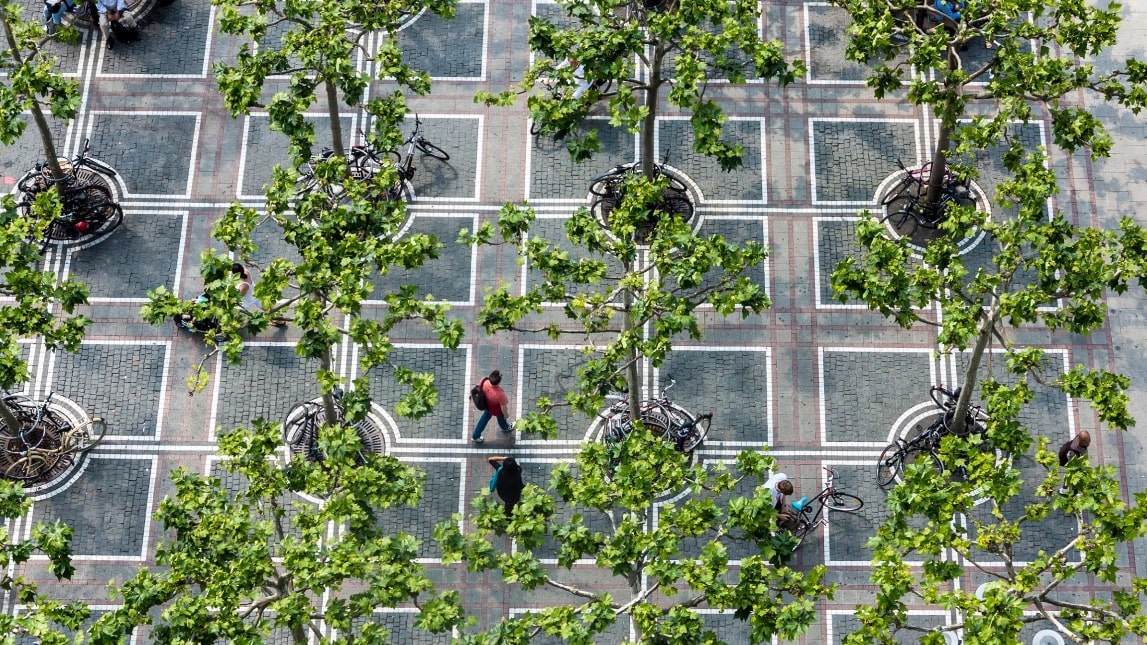
    In urban areas, trees often suffer from soil compaction and poor water infiltration. Porous concrete used in tree surrounds ensures that rainwater and oxygen can reach the roots, promoting healthy growth while also supporting the broader urban ecosystem.

    9. Flood Control with Permeable Roadways

    Permeable roadways made of porous concrete provide a reliable method for managing stormwater during intense rainfall. They prevent surface water buildup, which can lead to flooding, and improve driving safety by reducing the risk of hydroplaning.

    10. Permeable Concrete in Retaining Walls

    Retaining walls constructed from porous concrete help control soil erosion while also allowing water to pass through the structure. This reduces the buildup of hydrostatic pressure behind the wall, extending the lifespan of the wall and improving its overall performance.

    Conclusion: Porous Concrete as a Solution for Stormwater Management

    Porous concrete provides a versatile and sustainable solution to many of the challenges associated with stormwater management in modern cities. By allowing water to infiltrate naturally, it helps reduce runoff, prevent erosion, and recharge groundwater supplies, making it an essential material in building resilient infrastructure.

    At Aparna RMC, with AquaCon Porous Concrete we specialize in creating high-performance porous concrete solutions tailored to your stormwater management needs. From residential driveways to commercial roads and green infrastructure projects, our products offer the durability and environmental benefits you’re looking for.

    Explore our range of sustainable concrete products and solutions here.

  • Build Better and Faster: Understanding Self-Compacting Concrete (SCC) and Smart Dynamic Concrete (SDC)

    Build Better and Faster: Understanding Self-Compacting Concrete (SCC) and Smart Dynamic Concrete (SDC)

    In the fast-evolving world of construction, speed, efficiency, and quality are paramount. As demands for more durable, cost-effective, and environmentally friendly structures increase, so does the need for innovative building materials. Enter Self-Compacting Concrete and Smart Dynamic Concrete—two advanced concrete technologies engineered to improve the construction process. Whether you’re working on high-rise buildings, bridges, or projects with congested reinforcements, Self-Compacting Concrete and Smart Dynamic Concrete offer solutions that can help you build better and faster.

    Introduction to Self-Compacting Concrete and Smart Dynamic Concrete

    Both Self-Compacting Concrete and Smart Dynamic Concrete are groundbreaking materials designed to improve the efficiency of concrete placement by eliminating the need for mechanical vibration, which has traditionally been a cumbersome, time-consuming, and labor-intensive process. These technologies flow easily and self-consolidate without external intervention, allowing for high-quality finishes in structures with complex geometries.

    Self-Compacting Concrete was developed in the late 1980s to address the challenges of poor consolidation in densely reinforced structures, while Smart Dynamic Concrete is a more recent innovation aimed at further optimizing concrete performance, especially in terms of cost and material use. Both technologies have become highly relevant in modern construction, particularly in areas where space is restricted, and precise, aesthetic finishes are required.

    A deep dive into Self-Compacting Concrete (SCC)

    Definition of Self-Compacting Concrete

    Self-compacting concrete is a highly flowable concrete that spreads and fills molds under its own weight, eliminating the need for mechanical vibration. This innovative material achieves full compaction even in the most congested areas of reinforcement, ensuring a high level of durability and surface finish quality.

    Key Features of Self-Compacting Concrete

    1.High Deformability and Fluidity:

     Self-Compacting Concrete is designed to have excellent fluidity, which means it can flow easily into tight spaces, around dense reinforcements, and into complex moulds.

    2. Resistance to Segregation: 

    Despite its high fluidity, Self-Compacting Concrete maintains homogeneity, preventing the separation of aggregates and other components during flow.

    3. Versatility:

     Self-compacting concrete excels in filling molds with intricate geometries, making it ideal for projects with complex designs.

    Applications of Self-Compacting Concrete

    Due to its unique properties, Self-Compacting Concrete is used in a variety of applications where traditional concrete might struggle to deliver optimal results. Some common uses include:

    • High-rise Buildings: The reduced need for vibration allows for faster construction in projects where multiple floors must be cast quickly and with minimal disruption.
    • Bridges: Self-compacting concrete’s fluidity enables it to fill intricate structural elements in bridges, especially in areas that are difficult to access with conventional concrete.
    • Confined Spaces: When working in tight areas where mechanical vibration tools cannot reach, Self-Compacting Concrete provides a solution for achieving full compaction.
    • Aesthetic Surfaces: Its smooth finish makes Self-Compacting Concrete ideal for exposed concrete surfaces that require visual appeal, such as architectural facades or decorative elements.

    Advantages of Self-Compacting Concrete

    1. Reduced Labor Costs: By eliminating the need for mechanical vibration, Self-Compacting Concrete significantly reduces the amount of labor and equipment required during the construction process.
    2. Improved Surface Quality: Because Self-Compacting Concrete is self-leveling, it produces a smoother surface, which minimizes the need for additional finishing work.
    3. Faster Placement and Reduced Construction Time: The ease of placement and rapid setting properties of Self-Compacting Concrete allow for quicker project completion, reducing overall construction timelines.

    Understanding Smart Dynamic Concrete (SDC)

    Definition of Smart Dynamic Concrete

    Smart Dynamic Concrete is another self-consolidating concrete technology that self-levels and achieves high density and strength through the use of advanced admixtures and optimized mix designs. Unlike Self-Compacting Concrete, which focuses more on fluidity and surface finish, Smart Dynamic Concrete is designed to provide additional benefits in terms of strength, cost-efficiency, and reduced paste content.

    Key Features of Smart Dynamic Concrete

    • Self-Consolidating Without Vibration: 

    Like Self-Compacting Concrete, Smart Dynamic Concrete does not require mechanical vibration, making it highly efficient for modern construction needs.

    • 20mm Aggregates for Mix Optimization: 

    Smart Dynamic Concrete incorporates larger aggregates (typically around 20mm), which contribute to better mix optimization and reduce the amount of paste required in the mix. This helps lower the overall material costs while maintaining structural integrity.

    • Higher Strength, Density, and Durability: 

    Smart Dynamic Concrete generally outperforms Self-Compacting Concrete in terms of compressive strength, density, and long-term durability. This makes it particularly suitable for projects where these properties are critical.

    Applications of Smart Dynamic Concrete

    Smart Dynamic Concrete is favored in projects where cost-efficiency and strength are prioritized. Common applications include:

    • Projects Requiring Lower Paste Content: In large-scale projects where reducing the binder content can lead to substantial cost savings, Smart Dynamic Concrete is an excellent choice. It provides high strength and durability with a more efficient use of materials.
    • Partial Compaction Projects: For projects where complete compaction is not necessary, Smart Dynamic Concrete can still offer sufficient performance, reducing the need for excessive material use and labor.
    • Cost-Effective Solutions: Smart Dynamic Concrete is often used in situations where both performance and budget are concerns. Its optimized mix design makes it an affordable yet robust option for many construction projects.

    Advantages of Smart Dynamic Concrete

    1. Cost Efficiency: By reducing the binder content in the mix, Smart Dynamic Concrete helps lower material costs, making it a more affordable option for large-scale or cost-sensitive projects.
    2. Greater Durability: Smart Dynamic Concrete’s optimised mix design and higher density make it more durable, with improved resistance to environmental stressors such as fire, freeze-thaw cycles, and chemical exposure.
    3. Strength and Performance: With superior compressive strength compared to Self-Compacting Concrete, Smart Dynamic Concrete is ideal for structural elements that demand high performance.

    Choosing Between Self-Compacting Concrete and Smart Dynamic Concrete

    The choice between Self-Compacting Concrete and Smart Dynamic Concrete depends on the specific requirements of the project. If your primary concern is ease of placement, high deformability, and achieving a smooth, aesthetic finish, Self-Compacting Concrete is likely the better choice. Its ability to flow into tight spaces and around dense reinforcements makes it ideal for complex structures and confined areas.

    On the other hand, if your project demands a material that offers high strength, density, and durability at a lower cost, Smart Dynamic Concrete might be more appropriate. Its optimised mix design ensures you get the performance needed without overextending your budget, making it an attractive option for larger projects or those with stringent performance requirements.

    Conclusion

    As construction technology continues to advance, materials like Self-Compacting Concrete and Smart Dynamic Concrete are transforming the way we build. These innovative solutions not only improve the speed and efficiency of construction but also enhance the durability and quality of finished structures. Whether you choose Self-Compacting Concrete for its aesthetic benefits or Smart Dynamic Concrete for its strength and cost efficiency, both offer substantial advantages that can help you build better and faster in today’s competitive construction landscape.

    Here at Aparna RMC, we are at the forefront of ready-mix concrete production, producing over 1.8 million cubic metres per year. Our reach expands across locations in Telangana, Andhra Pradesh, Karnataka and Maharashtra and we are dedicated to helping bring a deeper understanding of these advanced concrete so you can make more informed decisions, optimise your project outcomes, and meet the evolving demands of modern construction.Read more: Innovation in Construction: Revolutionizing Construction with Self-Compacting Concrete

  • How Innovations in Self-Compacting Concrete Revolutionize Construction

    How Innovations in Self-Compacting Concrete Revolutionize Construction

    Self-compacting concrete (SCC) has revolutionized the construction industry, offering significant advantages over traditional concrete. It flows and compacts under its weight, eliminating the need for vibration or manual compaction. This breakthrough has redefined construction efficiency, enhanced durability, and improved sustainability, marking it as one of the most innovative concrete technologies of the modern era.

    In this blog, we’ll explore how innovations in SCC reshape construction processes, the recent advances in the field, and how this technology propels the industry into a more efficient, eco-friendly future.

    What is Self-Compacting Concrete?

    Self-compacting concrete is a highly fluid concrete mix designed to flow easily into tight and complex forms without the need for vibration. It offers superior performance in terms of filling capacity, passing through reinforcement, and segregation resistance. Originally developed in Japan in the late 1980s, SCC was created to combat the challenges of building durable structures with complex designs and dense reinforcement.

    Innovations in Self-Compacting Concrete

    1. Nano-Silica Infusion: One of the groundbreaking innovations in SCC is the incorporation of nano-silica, which enhances its performance at the nano-scale. Nano-silica acts as a filler, reducing porosity, improving the mechanical properties, and accelerating the hydration process, resulting in higher strength and durability.
    2. Use of Recycled Materials: SCC formulations now often incorporate recycled materials such as fly ash, slag, and silica fume, making them more eco-friendly. These materials not only enhance its strength but also reduce the carbon footprint of construction projects, aligning with sustainable building practices.
    3. Self-Healing Properties: Recent research has focused on enhancing SCC’s self-healing abilities. This property allows the material to repair micro-cracks autonomously, improving the lifespan of structures and reducing maintenance costs.
    4. High-Performance Additives: Innovations in chemical admixtures, such as super plasticizers, have made SCC more efficient in terms of workability, strength, and setting time. These additives enable faster construction, especially for large-scale infrastructure projects, while maintaining the concrete’s superior properties.

    How SCC Revolutionizes Construction Efficiency

    1. Labor and Time Savings

    Traditional concrete requires mechanical vibration and significant manpower to ensure proper compaction, especially in complex and congested areas. SCC flows easily into tight spaces and around dense reinforcement, reducing labor needs and speeding up construction timelines. This innovation minimizes the risk of human error and accelerates project completion, offering significant cost savings.

    2. Improved Structural Integrity

    One of the key advantages of SCC is its ability to form dense, void-free structures. This results in fewer defects, such as honeycombing or air pockets, that often occur with traditional concrete. The uniform distribution of aggregates in SCC enhances the overall durability and strength of the structure, leading to superior long-term performance.

    3. Greater Design Flexibility

    SCC allows architects and engineers to design complex structures with intricate forms and shapes that were previously difficult or impossible to construct with traditional concrete. Its high flowability and ability to reach even the tightest spaces make SCC ideal for ambitious architectural projects and infrastructural developments like bridges, skyscrapers, and tunnel linings.

    4. Enhanced Sustainability

    With its ability to incorporate recycled materials, lower energy consumption, and reduced need for vibration equipment, SCC is a more sustainable option than traditional concrete. The decreased reliance on mechanical vibration reduces noise pollution, making construction more environmentally friendly and suitable for urban areas.

    Advantages of SCC in Modern Construction

    • Superior Surface Finishes: SCC produces smooth, aesthetically pleasing finishes, making it ideal for exposed architectural elements.
    • Ultra-Strength: SCC’s denser composition enhances the structural integrity, producing ultra-strong, durable concrete that withstands heavy loads and extreme environmental conditions.

    Recent Advances in Self-Compacting Concrete

    • Hybrid Concrete Technologies: Recent advances have introduced hybrid SCC mixes that combine the benefits of self-compaction with other high-performance properties, such as fire resistance, seismic resilience, and corrosion resistance. These hybrid forms are increasingly being used for high-performance structures, including bridges and buildings in seismic zones.
    • Advanced Rheology Control: Innovations in rheology control—the study of flow—have led to more precise SCC formulations that optimize its flow characteristics. This is especially useful for projects requiring ultra-high precision, such as the construction of nuclear facilities or water treatment plants.
    • Smart Concrete Technologies: Some research is focused on integrating smart technologies into SCC, including sensors that monitor the curing process and structural integrity. These embedded technologies could provide real-time data to construction teams, ensuring the structure meets performance criteria during and after construction.

    Future Trends in Self-Compacting Concrete

    1. 3D Printing with SCC: As 3D printing technology advances, the application of SCC in automated construction is gaining traction. SCC’s flowable nature makes it an ideal candidate for 3D-printed construction, allowing for faster, more flexible building designs.
    2. Carbon-Neutral Concrete: Future developments aim to make SCC carbon-neutral by incorporating carbon-capturing materials and reducing emissions during production. This aligns with global efforts to reduce the carbon footprint of the construction industry.
    3. Ultra-High-Performance SCC: Researchers are developing ultra-high-performance SCC with superior strength, longevity, and resistance to extreme environmental conditions. This innovation is expected to be especially useful for critical infrastructure like dams, offshore structures, and high-rise buildings.

    Conclusion

    Self-compacting concrete represents a pivotal shift in how modern construction is approached, enhancing efficiency, durability, and sustainability. Its ability to flow into complex forms, minimize labor, and improve the longevity of structures has made SCC a staple of cutting-edge construction. The innovations and advancements in SCC, from nano-silica additives to smart technologies, continue to push the boundaries of what’s possible in construction.

    Aparna RMC, a leader in ready-mix concrete solutions, is at the forefront of innovation with its advanced self-compacting concrete (SCC) offerings across major cities like Hyderabad, Mumbai, Pune, Vizag, Bangalore, and Mangalore. This revolutionary concrete mix enhances construction efficiency by eliminating the need for mechanical vibration and ensuring seamless flow into intricate formwork. Its superior durability and workability make it ideal for complex projects, reducing labor costs, speeding up timelines, and ensuring long-lasting structures. Aparna RMC’s commitment to high-quality SCC is transforming the way modern construction is executed in diverse environments.

  • Partner with Aparna RMC for Quality Concrete

    Partner with Aparna RMC for Quality Concrete

    Partner with Aparna RMC for Quality Concrete

    In today’s rapidly evolving construction landscape, ensuring the use of high-quality materials is critical for achieving long-lasting and durable structures. At the heart of any successful construction project is ready-mix concrete (RMC) a material that plays a pivotal role in building strong foundations. When it comes to sourcing reliable and premium-grade concrete, Aparna RMC stands as a leader, offering unmatched quality and innovative solutions for all types of projects.

    Why Choose Aparna RMC?

    With decades of experience and a solid reputation in the construction industry, Aparna RMC has positioned itself as a trusted partner for delivering quality concrete across residential, commercial, and infrastructure projects. Here are some compelling reasons to choose Aparna RMC for your next construction venture:

    1. Commitment to Quality

    At Aparna RMC, quality is our top priority. Our concrete is produced using state-of-the-art automated batching plants that ensure precise mixing and high consistency. We adhere to stringent quality control measures, conducting regular testing to meet international standards like ISO 9001:2015, ensuring that each batch of concrete meets the specific requirements of your project.

    2. Advanced Technology

    Aparna RMC employs cutting-edge technologies in the production and transportation of concrete. Our fully automated RMC plants are equipped with advanced control systems that guarantee accurate measurement, mixing, and delivery, ensuring that the quality of concrete remains uncompromised from the plant to the site.

    3. Sustainable Practices

    Sustainability is at the core of our operations. We follow environmentally friendly practices by utilizing green concrete solutions, minimizing waste, and ensuring that our production processes are energy-efficient. By partnering with us, you not only receive high-quality concrete but also contribute to creating a more sustainable construction ecosystem.

    4. Custom Solutions

    We understand that every project has unique requirements, and we offer customized concrete mixes that are tailored to your project’s needs. Whether it’s high-strength concrete for infrastructure or lightweight concrete for residential buildings, Aparna RMC provides a variety of concrete grades and mixes to ensure optimal performance.

    5. On-Time Delivery

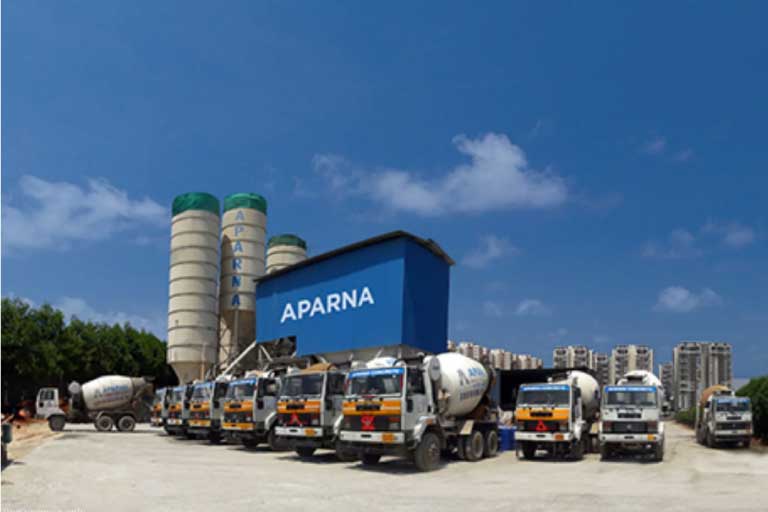
    Timely delivery is crucial in the construction industry, where delays can cause significant setbacks. Aparna RMC has an extensive fleet of transit mixers and an efficient logistics team that guarantees on-time delivery of ready-mix concrete to your site, no matter the scale of the project.

    6. Expert Support

    With Aparna RMC, you’re not just getting a supplier — you’re gaining a partner. Our team of technical experts is available to provide support and guidance throughout the project, from selecting the right mix to offering advice on application and placement.

    Applications of Aparna RMC Concrete

    Our ready-mix concrete is suitable for a wide range of construction applications, including:

    Residential Buildings: Aparna RMC’s high-performance concrete ensures durability and strength for foundations, walls, and floors in residential construction.

    Commercial Projects: From office spaces to retail complexes, our concrete solutions support the development of modern and sustainable commercial infrastructure.

    Infrastructure Development: Aparna RMC is a trusted partner for infrastructure projects like highways, bridges, airports, and metros, providing concrete mixes that meet stringent specifications for strength and longevity.

    Aparna RMC’s Reach

    We are proud to have a strong presence across major cities in India, including Hyderabad, Bengaluru, Mumbai, and Visakhapatnam. Our wide network of RMC plants ensures that we can deliver high-quality concrete to construction sites in key urban centers, meeting the needs of large-scale and time-sensitive projects.

    Testimonials from Our Clients

    Our commitment to quality, sustainability, and customer satisfaction has made Aparna RMC a preferred choice for some of the largest construction firms and developers in India. Hear what our clients have to say about partnering with us:

    “We have been working with Aparna RMC for several years, and their quality and consistency have always exceeded our expectations. Their team is professional, responsive, and reliable.” – Prestige Group

    “Aparna RMC’s concrete solutions helped us meet the demanding standards of our infrastructure project. We couldn’t have asked for a better partner.” – L&T Construction

    Partner with Aparna RMC Today

    Choosing Aparna RMC as your concrete supplier means partnering with a company that values quality, innovation, and sustainability. Our expertise, coupled with our state-of-the-art facilities, ensures that you receive the best ready-mix concrete for your project, delivered on time and tailored to your needs.

    Get in Touch

    Ready to collaborate with a trusted leader in concrete solutions? 

    Contact us today to discuss your project requirements and how we can support your construction needs with our high-quality RMC.

    Excerpt

    Looking for quality concrete for your construction project? Partner with Aparna RMC for sustainable, high-performance ready-mix concrete delivered on time and customized to your needs.

  • Advantages of Self-Compacting Concrete SCC Concrete for Complex Structures

    Advantages of Self-Compacting Concrete SCC Concrete for Complex Structures

    When it comes to constructing complex structures, ensuring strength, durability, and efficient placement of concrete is critical. Self-Compacting Concrete (SCC), also known as Self-Consolidating Concrete, is a highly advanced material that offers significant benefits in modern construction. It is designed to flow under its own weight, eliminating the need for mechanical vibration, and making it ideal for structures with intricate designs or dense reinforcement.

    In this blog, we’ll explore the key advantages of self-compacting concrete (SCC) and how it transforms the construction of complex structures.

    What is Self-Compacting Concrete (SCC)?

    Self-compacting concrete (SCC) is a type of concrete that can flow easily into tight spaces and around reinforcement without the need for external compaction. Its unique properties come from the use of advanced admixtures that enhance its fluidity and maintain high strength once set. SSC is especially valuable for high-rise buildings, bridges, tunnels, and other complex architectural designs. 

    1. Enhanced Workability in Dense Reinforcement

    One of the most significant advantages of self-compacting concrete (SCC) is its ability to flow smoothly through congested areas of reinforcement. In traditional concrete applications, mechanical vibration is needed to ensure that the concrete fills all voids. However, accessing every part for vibration in densely reinforced structures can be difficult.

    Self-compacting concrete (SCC) flows easily into tight spaces, making it perfect for complex structures with dense steel reinforcement.

    The concrete’s fluidity ensures full encapsulation of the reinforcing bars, which enhances durability and reduces the likelihood of voids and honeycombing.

    2. Superior Surface Finish

    When constructing intricate or detailed architectural structures, achieving a high-quality surface finish is essential. self-compacting concrete (SCC) is ideal for projects that require smooth surfaces or architectural concrete without blemishes.

    Self-leveling properties of self-compacting concrete (SCC) result in uniform surfaces, reducing the need for post-construction repairs. The reduced likelihood of segregation or bleeding ensures that the surface maintains its integrity, even in areas that are hard to reach.

    3. Faster Construction Process

    The use of self-compacting concrete (SCC) can significantly speed up the construction process, especially for complex structures where traditional concrete might require extensive labor for placement and compaction.

    No mechanical vibration means less labor is required for compaction, reducing both manpower and time on site. Faster placement of concrete leads to shorter project timelines, which can be critical for large-scale infrastructure projects like bridges or dams.

    4. Increased Safety on Construction Sites

    Using self-compacting concrete (SCC) can enhance safety on construction sites by reducing the number of labour-intensive tasks involved in concrete placement.

    Eliminating mechanical vibrators decreases the risk of accidents caused by equipment failure or mishandling.

    Less noise pollution on-site contributes to a safer and healthier environment for workers.

    5. Improved Durability and Longevity

    The ability of self-compacting concrete (SCC) to flow into all corners and around dense reinforcement contributes to the long-term durability of the structure. Proper consolidation of concrete, especially in intricate areas, leads to better overall performance.

    Self-compacting concrete (SCC) offers excellent resistance to cracking and shrinkage, making it ideal for structures that require longevity and low maintenance.

    Its self-compacting properties reduce the risk of voids, improving the structural integrity and ensuring a longer service life.

    6. Better for Complex Architectural Forms

    For architects and engineers working on complex or innovative designs, self-compacting concrete (SCC) opens up new possibilities. Its ability to take any shape without the need for vibration allows for the creation of intricate forms and designs that would be difficult or impossible with traditional concrete.

    self-compacting concrete (SCC) allows for freedom of design, enabling the construction of bold, creative structures.

    The concrete’s fluid nature ensures that even the most complex molds and shapes can be accurately filled without compromise.

    7. Eco-Friendly Construction

    self-compacting concrete (SCC) contributes to more sustainable construction practices. Because it requires no mechanical vibration and less labor, there is a reduction in energy use and noise pollution on the construction site.
    Fewer vibrations mean less fuel consumption for vibration equipment, reducing the overall carbon footprint of the project.

    The efficiency of self-compacting concrete (SCC) placement helps reduce the use of excess materials, contributing to material conservation.

    Applications of self-compacting concrete (SCC) in Complex Structures

    Self-Compacting Concrete has found its place in several complex construction projects due to its superior performance. Some common applications include:

    • High-rise buildings: self-compacting concrete (SCC) is ideal for tall structures that require large amounts of concrete placed in tight or complex spaces.
    • Bridges and flyovers: self-compacting concrete (SCC) is used in bridge construction to ensure precise concrete placement in intricate forms.
    • Tunnels and underground structures: Its ability to fill complex voids without vibration makes it perfect for underground projects.
    • Architectural concrete: self-compacting concrete (SCC) offers the flexibility to create aesthetically pleasing structures with smooth and durable surfaces.

    Conclusion

    Self-Compacting Concrete is revolutionizing the construction industry, particularly for complex structures that demand high precision, durability, and speed. Its unique properties make it the concrete of choice for architects, engineers, and contractors working on intricate designs, congested reinforcement, or high-performance applications.

    If you’re looking to enhance the quality and efficiency of your construction project, consider using self-compacting concrete (SCC) for its many benefits. At Aparna RMC, we offer high-performance self-compacting concrete (SCC) tailored to meet the specific needs of your project.

    Ready to Leverage the Advantages of self-compacting concrete (SCC) for Your Project? Partner with Aparna RMC to access the best quality self-compacting concrete (SCC) for your complex construction needs. Our team of experts will work closely with you to ensure optimal performance and timely delivery, contributing to the success of your project.