Aparna RMC

Category: Blog

  • Why Ready Mix Concrete Is Safer Than Site-Mixed Concrete: A Deep Dive into Quality & Reliability

    Why Ready Mix Concrete Is Safer Than Site-Mixed Concrete: A Deep Dive into Quality & Reliability

    1. Introduction 

    Concrete is the backbone of every building — from small homes to large infrastructure projects. But not all concrete is made the same. For decades, many contractors relied on site-mixed concrete, which often varies in quality due to manual proportioning, inconsistent materials, and weather-related challenges.

    Today, the construction industry is shifting toward Ready Mix Concrete (RMC) because it offers superior safety, strength, and long-term reliability. With increasing emphasis on structural stability and compliance with national standards, choosing the right type of concrete has become more important than ever.

    This blog explores why RMC is significantly safer than site-mixed concrete and how Aparna RMC, one of India’s leading suppliers, ensures unmatched consistency and durability for every project.

    2. Why Safety Depends on Concrete Quality

    Safety in construction is directly linked to:

    • Correct mix ratios
    • High-quality raw materials
    • Consistency across batches
    • Proper curing time
    • Durability over years of load and stress

    When any of these fail, structures become vulnerable to:

    • Cracks
    • Water seepage
    • Reduced load-bearing capacity
    • Premature structural failure

    This is where Ready Mix Concrete delivers a far more reliable and controlled solution compared to site mixing.

    3. The Problems With Site-Mixed Concrete
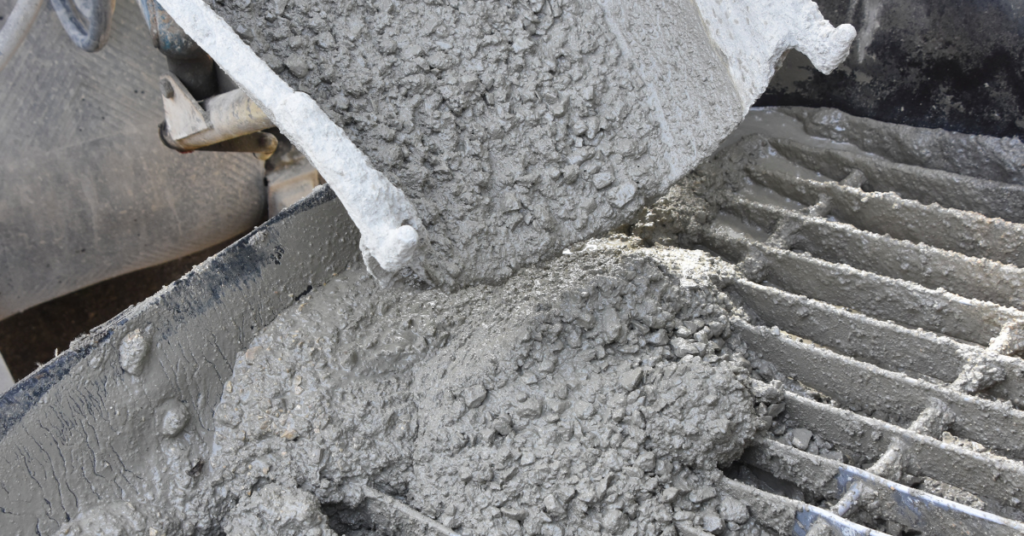
    Site-mixed concrete is prepared manually on construction sites using cement, sand, aggregates, and water. While commonly used in small-scale projects, it poses several safety risks.

    a. Inconsistent Mix Proportions

    Manual measurement leads to inaccurate ratios.
    Supervisors often rely on “eye measurements,” causing:

    • Weak mixes
    • Low compressive strength
    • Uneven setting times

    This variability puts the entire structure at risk.

    b. Uncontrolled Raw Material Quality

    Sand quality, aggregate size, and water purity vary from site to site.
    Common issues include:

    • Organic impurities
    • Clay, dust, or silt in sand
    • Oversized or uneven aggregates

    These impurities reduce bonding and create internal weaknesses.

    c. Weather-Dependent Mixing

    Rain, humidity, or extreme heat affects the mix water ratio, leading to:

    • Over-wet concrete (weak strength)
    • Fast setting (poor finish)
    • Heat cracks

    RMC plants, in contrast, operate in controlled environments.

    d. Labour Dependency

    Concrete quality depends heavily on workers’ skill level.
    Human error is common and hard to standardize.

    e. Lack of Testing and Certification

    Site-mixed concrete rarely undergoes lab testing, making it impossible to guarantee actual strength.

    4. Why Ready Mix Concrete Is a Safer Alternative
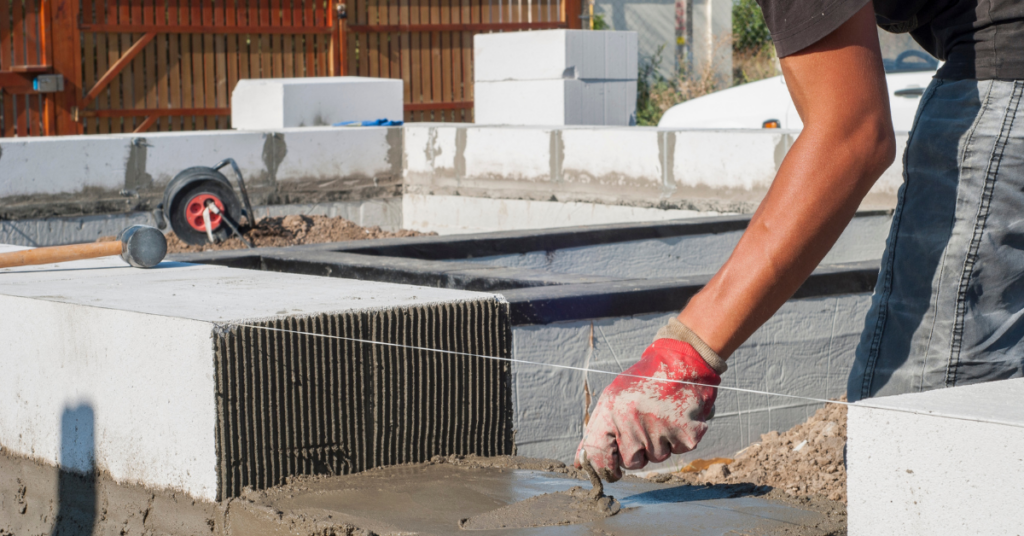
    Ready Mix Concrete is produced in automated batching plants using precise measurements and high-quality raw materials. This results in superior reliability for any type of project.

    a. Scientifically Controlled Mix Design

    Every RMC batch follows a certified mix design created by engineers.
    This ensures:

    • Correct water-cement ratio
    • Accurate aggregate proportions
    • Target strength achievement (M20–M80)

    Consistency = predictable performance = safer structures.

    b. High-Quality Raw Materials

    RMC plants use:

    • Graded aggregates
    • Clean M-sand
    • Certified cement
    • Portable water

    Each material is tested before use, eliminating impurities and ensuring structural strength.

    c. Automation & SCADA Technology

    Aparna RMC uses SCADA-controlled batching plants where computers measure and mix materials with perfect accuracy.
    This reduces human error and ensures uniformity.

    d. Better Workability & Faster Construction

    RMC arrives ready to use.
    Benefits include:

    • Faster pouring
    • Reduced labour
    • Less wastage
    • Higher productivity

    Speed improves safety because delays and rushed work often lead to mistakes.

    e. Regular Testing for Strength & Durability

    Aparna RMC conducts:

    • Slump tests
    • Compressive strength tests
    • Cube tests

    This guarantees that every batch meets national standards (BIS, ISO).

    f. Superior Durability Over Time

    RMC minimizes the risk of:

    • Structural cracks
    • Water seepage
    • Corrosion of reinforcement
    • Premature ageing

    This ensures long-term safety for buildings and reduces maintenance costs.

    5. How Aparna RMC Ensures Superior Safety & Reliability

    Aparna RMC stands out as a leader because of its strict safety-first approach.

    a. 36+ State-of-the-Art Plants

    Strategically placed RMC plants allow quick delivery and fresh concrete supply.

    b. Automated, Precision-Controlled Batching

    SCADA systems ensure error-free mixing and perfect consistency.

    c. Wide Range of Concrete Grades (M20–M80)

    Suitable for everything from small buildings to skyscrapers and infrastructure.

    d. Specialized Concrete Solutions

    • High-performance concrete
    • Self-compacting concrete
    • Fibre-reinforced concrete
    • Temperature-controlled mixes

    e. Skilled Technical Support

    Aparna engineers guide clients on the correct grade, mix, and pouring technique.

    f. Quality Testing at Every Stage

    From raw materials to finished concrete, every input is rigorously tested.

    6. Checklist: When to Choose Ready Mix Concrete

    You should ALWAYS choose RMC if your project involves:

    ✔ Multi-storey buildings
    ✔ Infrastructure projects
    ✔ Foundations and slabs
    ✔ Large pours requiring consistency
    ✔ Areas needing high durability
    ✔ Time-sensitive construction schedules
    ✔ Compliance with BIS/ISO standards

    RMC is now the safest and most dependable choice for all modern construction.

    7. Conclusion 

    Concrete quality directly impacts the safety and lifespan of a building. While site-mixed concrete may seem convenient, its unpredictability and inconsistency pose serious structural risks. Ready Mix Concrete, especially from trusted suppliers like Aparna RMC, ensures precision, performance, and long-term durability.

    With advanced batching technology, trained engineers, certified materials, and strict quality control, Aparna RMC delivers concrete that meets the highest safety standards — protecting your project today and for decades to come.

    👉 Build safer. Build stronger. Choose Aparna RMC for your next project.

    8. FAQs

    Q1: Is RMC stronger than site-mixed concrete?

    Yes. RMC is scientifically designed and tested, ensuring higher compressive strength.

    Q2: Does RMC reduce construction time?

    Absolutely. It comes ready to pour, reducing labour and speeding up project timelines.

    Q3: Can RMC be used for small residential projects?

    Yes. Aparna offers custom mixes suitable for homes, villas, and small structures.
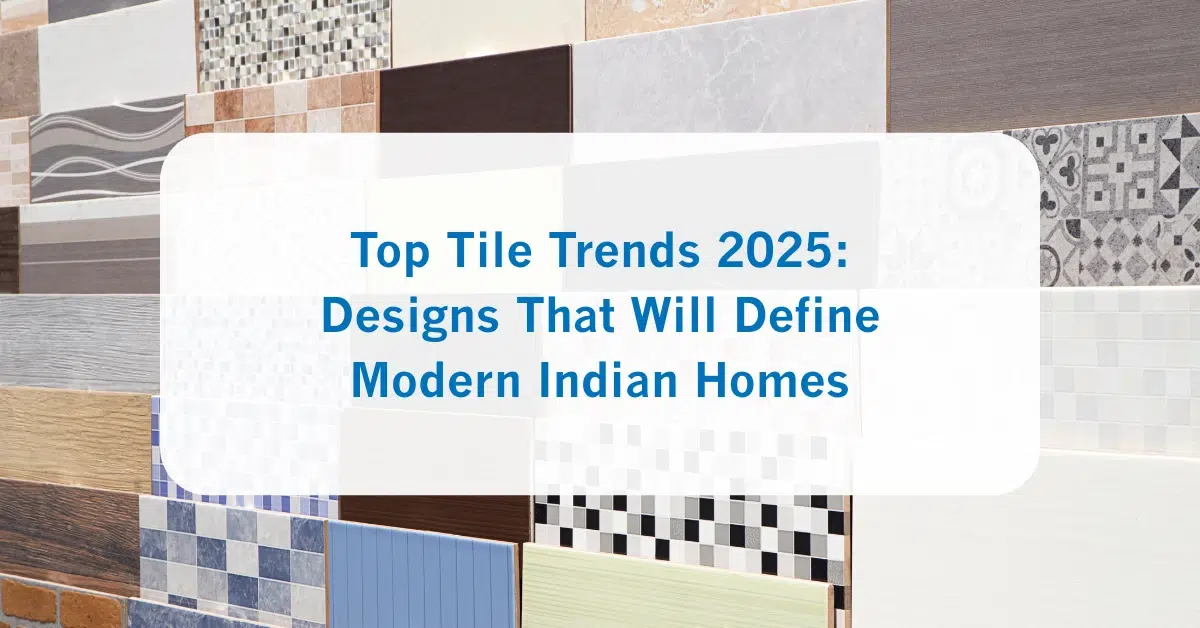
  • Top Tile Trends 2025: Designs That Will Define Modern Indian Homes

    Top Tile Trends 2025: Designs That Will Define Modern Indian Homes

    1. Introduction

    The world of home interiors is evolving rapidly, and tiles continue to play a central role in shaping the look and feel of modern Indian homes. With advancements in digital printing, texture technology, and sustainable manufacturing, homeowners now have access to tile designs that are more luxurious, durable, and expressive than ever before.

    As we move into 2025, interior design is leaning towards minimalism, natural textures, soft tones, and functional beauty. Tiles are no longer just flooring materials—they’re statements that define lifestyle, personality, and aesthetic identity.

    This blog explores the top tile trends of 2025 and how Vitero Tiles is leading the movement with cutting-edge styles and premium materials perfect for Indian homes.

    2. Large-Format Tiles for Seamless Luxury

    Large-format tiles (4×2, 6×4, 8×4 ft) are growing in popularity due to their:

    • Minimal grout lines
    • Spacious visual appeal
    • Premium, hotel-like finish

    Why they’re trending in 2025:

    • Ideal for open-plan living
    • Perfect for modern and luxury homes
    • Give rooms a “continuous flow” without breaks

    Where to use:
    Living rooms, dining areas, bedrooms, commercial spaces

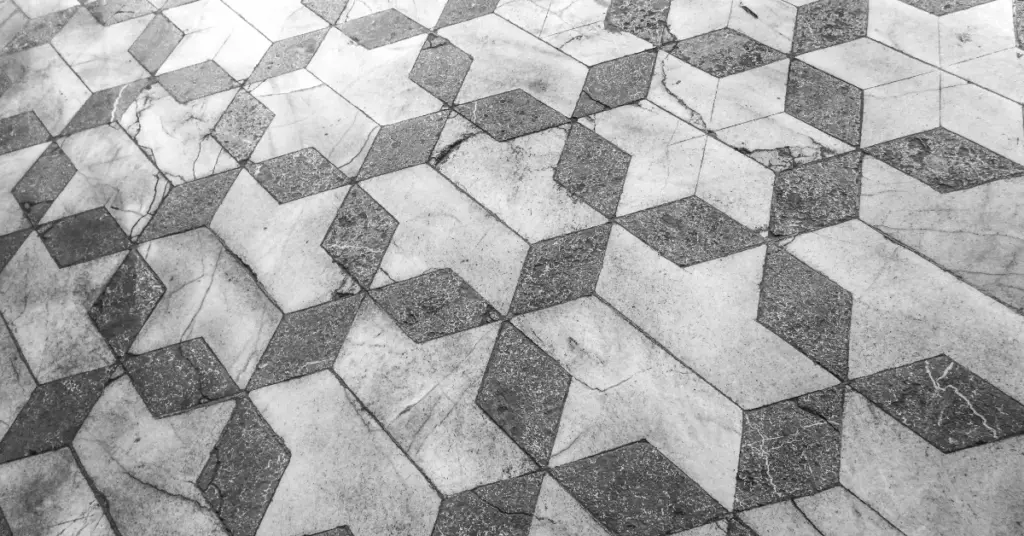
    3. Stone-Look & Marble-Look Tiles

    Stone-Look & Marble-Look Tiles

    Nature-inspired tiles are taking over 2025, especially marble-look and stone-look designs.

    Why they’re in demand:

    • Offer luxury at an affordable price
    • Require zero polishing
    • Resistant to stains and scratches
    • Bring natural warmth into modern homes

    Popular styles:

    • Carrara marble
    • Travertine
    • Sandstone
    • Onyx patterns

    Best for:
    Living rooms, hallways, wall panels, feature walls

    4. Textured & 3D Surfaces

    2025 is embracing textures—tiles that you can see and feel.

    Popular textures this year:

    • 3D geometric patterns
    • Slate and natural rock finishes
    • Matte-rustic surfaces
    • Ribbed or grooved textures

    These add depth, drama, and dimensional beauty to walls and floors.

    Best use cases:

    • Accent walls
    • Bathroom walls
    • Living room focal areas
    • Office reception zones

    5. Warm Minimalist Shades

    Warm Minimalist Shades

    The design trend is shifting away from bold colours and toward soft, natural, earthy tones.

    Colours dominating 2025:

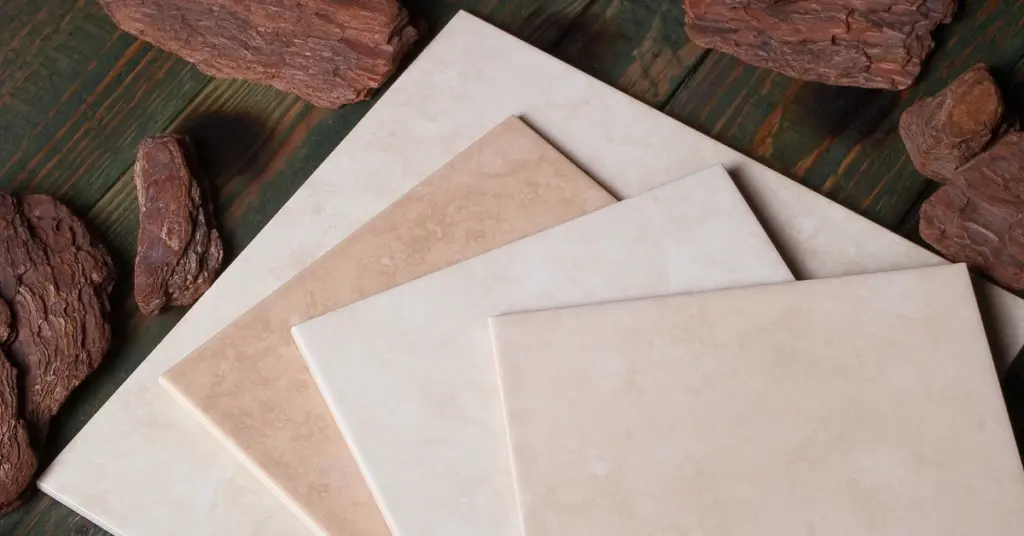
    • Beige
    • Warm greys
    • Taupe
    • Coffee brown
    • Soft ivory
    • Clay and terracotta tones

    These shades create calm, grounding, harmonious spaces—ideal for modern Indian homes.

    6. Terrazzo & Pattern Revival

    Retro is making a comeback in a contemporary way.

    What’s trending:

    • Soft-tone terrazzo
    • Minimalist geometric patterns
    • Modern Moroccan motifs
    • Italian-inspired speckle tiles

    These patterns add character while maintaining subtle elegance.

    Perfect for:
    Balconies, foyers, kitchens, creative spaces, cafés

    7. Anti-Skid, Functional & Safe Tiles

    Indian homeowners are prioritizing safety and practicality.

    Trending functionalities in 2025:

    • Anti-skid bathroom tiles
    • Germ-free nano-coated tiles
    • Stain-resistant kitchen tiles
    • High-grip outdoor tiles

    These combine aesthetics with comfort—especially important for homes with seniors or children.

    8. Why Tiles Are the Center of Modern Interior Design in 2025

    Tiles are dominating 2025 interior trends because they offer:

    • Versatility in colours and textures
    • Long lifespan
    • Easy maintenance
    • Resistance to moisture, stains, and heavy wear
    • Compatibility with modern architectural styles
    • Hygienic, low-VOC living

    From floors to walls and countertops to balconies, tiles are now the defining design element in every room.

    9. How Vitero Tiles Leads the 2025 Tile Trends

    Vitero Tiles has emerged as a trendsetter with collections inspired by global design movements and crafted to suit Indian lifestyles.

    a. Innovation in Digital Printing

    Ultra-realistic marble, stone, and wood finishes with Italian digital printing.

    b. Large-Format Luxury Collections

    Premium slabs offering seamless modern elegance.

    c. Extensive Texture Range

    Matte, glossy, satin, 3D, stone-finish — all manufactured with precision.

    d. Durable, Non-Porous, Long-Lasting

    Perfect for homes seeking beauty + function.

    e. Eco-Friendly Manufacturing

    Low-VOC, energy-efficient kilns, water recycling systems, and sustainable material usage.

    f. Designed for Indian Homes

    Slip-resistant, stain-resistant, heat-resistant options for kitchens, bathrooms, and outdoors.

    Vitero blends technology, design, and durability to deliver tiles made for timeless style and everyday practicality.

    10. Designer Tips for Using 2025 Tile Trends

    ✔ Choose large-format tiles for small rooms—they make the space look bigger.

    ✔ Use textured tiles for accent walls to add character without clutter.

    ✔ Combine warm minimal tones with marble-look tiles for a serene aesthetic.

    ✔ Use anti-skid tiles in bathrooms and balconies for safety.

    ✔ Mix patterns thoughtfully—use them as highlights, not the main flooring.

    11. Checklist: How to Pick Trend-Ready Tiles for 2025

    Use this checklist before purchasing tiles:

    🔲 Does the tile match your home’s aesthetic theme?
    🔲 Is it suitable for high-traffic or low-traffic areas?
    🔲 Have you selected the right finish (matte/glossy/textured)?
    🔲 Is the tile easy to maintain?
    🔲 Is it slip-resistant where required?
    🔲 Does it contribute to a healthier home environment?

    12. Conclusion

    2025 is bringing in a fresh, elegant, and minimalist wave of tile designs that focus on natural textures, soft colours, large formats, and luxurious finishes. Whether you’re renovating your home or designing a new space, these tile trends will help you create modern, functional, and timeless interiors.

    With its trend-setting collections, responsible manufacturing, and premium designs, Vitero Tiles stands at the forefront of the 2025 tile revolution — helping homeowners bring global style and long-lasting quality into their living spaces.

    Upgrade your home with Vitero Tiles — where style, innovation, and durability meet

    13. FAQs

    Q1. Which tiles are most popular for living rooms in 2025?

    Large-format marble-look tiles are the top choice this year.

    Q2. Are textured tiles suitable for floors?

    Yes, textured tiles are great for floors in bathrooms, balconies, and outdoor spaces to ensure grip.

    Q3. What colours are trending in 2025?

    Warm neutrals like beige, taupe, grey, and soft clay tones.

    Q4. Are these trends suitable for Indian homes?

    Absolutely — they’re designed for Indian climate, lifestyle, and long-term durability.

  • How Aparna RMC and Vitero Tiles Define Modern Construction

    How Aparna RMC and Vitero Tiles Define Modern Construction

    1. Introduction

    In construction, strength and beauty must go hand in hand. A strong foundation ensures stability, while refined finishes define a space’s character. That’s where Aparna RMC and Vitero Tiles come together — representing the perfect fusion of durability and design.

    With decades of expertise in Ready Mix Concrete (RMC) and premium vitrified tiles, Aparna Group has redefined what it means to build quality spaces. Whether it’s a skyscraper, a residential tower, or a luxury commercial project, Aparna RMC provides the backbone while Vitero Tiles add the finishing touch.

    In this blog, we’ll explore how these two trusted brands collaborate to shape the future of India’s construction and interior landscape.

    2. The Strength Behind Every Structure: Aparna RMC

    a. Precision Meets Performance

    At the heart of every lasting building lies the strength of concrete. Aparna RMC ensures this through SCADA-controlled batching systems, guaranteeing uniform quality across every mix.

    What sets it apart:

    • Mix grades from M20 to M80
    • Special concretes like self-compacting, fiber-reinforced, and temperature-controlled mixes
    • On-time delivery through 36+ plants and 350+ transit mixers

    b. Sustainability That Matters

    Modern construction demands eco-conscious solutions. Aparna RMC integrates GGBS, fly ash, and M-sand in its mixes to minimize environmental impact — aligning strength with sustainability.

    Eco Advantage:

    • Reduced CO₂ emissions
    • Recycled materials for green building compliance
    • Optimized water usage and waste control

    3. The Beauty That Completes Every Space: Vitero Tiles

    a. Timeless Elegance in Every Tile

    Vitero Tiles combine technology, artistry, and durability to bring designs that transform interiors. Manufactured using Italian machinery and advanced nano-polish technology, each tile offers elegance that endures.

    Features that stand out:

    • Scratch and stain-resistant surfaces
    • Anti-slip finishes for safety
    • Wide range of designs, sizes, and textures
    • Ideal for both residential and commercial spaces

    b. Sustainable Design for Modern Spaces

    Just like Aparna RMC, Vitero Tiles embrace eco-friendly manufacturing. From energy-efficient kilns to water recycling systems, every step reflects a commitment to a greener tomorrow.

    Sustainability Highlights:

    • Use of low-emission raw materials
    • Recycled waste utilization
    • Zero-waste water management practices

    4. When Strength Meets Style: The Perfect Partnership

    When Aparna RMC’s strength meets Vitero’s aesthetics, the result is architectural harmony — buildings that are structurally sound, visually stunning, and environmentally responsible.

    How this partnership elevates projects:

    • End-to-End Excellence: From foundations (RMC) to finishes (tiles), Aparna Group delivers complete construction solutions.
    • Seamless Quality Control: Both brands operate under unified quality systems ensuring precision from production to installation.
    • Design Meets Durability: Builders enjoy the freedom to design ambitiously, backed by materials that perform under pressure.
    • Sustainability Synergy: Both products contribute to IGBC and GRIHA green building certifications.

    5. Checklist: Why Choose Aparna RMC and Vitero Tiles Together

    ✅ For projects that demand structural reliability and aesthetic refinement
    ✅ To ensure eco-friendly and low-maintenance solutions
    ✅ When aiming for premium, long-lasting finishes
    ✅ To collaborate with a single trusted partner for both construction and interiors

    6. How Aparna Group Sets the Benchmark

    Integrated Strength: Aparna Group’s vertical integration ensures superior control over materials — from concrete to tiles.

    Innovation Focus: Constant R&D in concrete formulations and tile manufacturing ensures world-class performance.

    Trusted by Icons: Chosen for landmark projects like Hyderabad Metro, RGIA Airport, IT parks, and luxury housing communities.

    Customer-Centric Vision: Every solution is backed by expert technical support, timely delivery, and a commitment to excellence.

    7. Conclusion

    Modern construction is not just about building structures — it’s about creating experiences that last. With Aparna RMC’s robust foundations and Vitero Tiles’ stunning designs, every project embodies precision, elegance, and sustainability.
    Together, they represent the perfect partnership between engineering excellence and artistic vision — shaping India’s architectural future, one project at a time.

    👉 Build with confidence and style.
    Explore Aparna RMC and Vitero Tiles today to experience the strength of synergy.

    8. FAQs

    Q1: Can I use both Aparna RMC and Vitero Tiles for residential projects?
    Absolutely. Both brands offer customizable solutions ideal for homes, apartments, and villas.

    Q2: How do these products support green building certifications?
    Aparna RMC uses eco-friendly raw materials, and Vitero Tiles follow sustainable production, supporting IGBC and GRIHA guidelines.

    Q3: Are Vitero Tiles durable for high-traffic areas?
    Yes. Vitero’s vitrified tiles are engineered for heavy footfall, making them ideal for malls, offices, and public spaces.

  • The Sustainable Duo: How Aparna RMC and Vitero Tiles are Building a Greener Future

    The Sustainable Duo: How Aparna RMC and Vitero Tiles are Building a Greener Future

    1. Introduction

    The global construction industry is undergoing a massive transformation — one that prioritizes sustainability alongside strength and aesthetics. In India, where urbanization is accelerating faster than ever, the demand for eco-friendly building materials has never been higher.

    Two names have consistently set benchmarks in this green revolution: Aparna RMC and Vitero Tiles. Together, they represent the new face of responsible construction — where durability meets design, and innovation meets environmental care.

    This blog explores how these two industry leaders are not only shaping skylines but also protecting the planet through their sustainable practices, materials, and manufacturing processes.

    2. The Sustainability Imperative in Modern Construction

    Today’s builders and architects are redefining what it means to build responsibly. It’s no longer just about cost and speed — it’s about the carbon footprint, energy efficiency, and life-cycle performance of every material used.

    According to the United Nations Environment Programme (UNEP), buildings and construction are responsible for nearly 40% of global CO₂ emissions. This reality has made sustainability not just a choice but a necessity.

    Here’s where Aparna RMC and Vitero Tiles stand out — by embedding sustainability into every stage of their production and product lifecycle.

    3. Aparna RMC: The Foundation of Green Building

    a. Eco-Friendly Raw Materials

    Aparna RMC leads the shift toward low-carbon concrete by incorporating sustainable materials such as:

    • GGBS (Ground Granulated Blast Furnace Slag) – reduces the need for cement, lowering CO₂ emissions.
    • Fly Ash – a by-product of thermal plants, reused to create high-strength, eco-friendly mixes.
    • M-Sand (Manufactured Sand) – replaces river sand, protecting natural resources.

    These materials not only minimize environmental harm but also enhance concrete strength and durability.

    b. Smart Production Practices

    Every Aparna RMC plant operates on SCADA-controlled batching technology, ensuring zero waste, accurate proportioning, and reduced energy consumption.

    By adopting closed-loop water recycling and dust collection systems, Aparna minimizes industrial waste and air pollution — proving that industrial-scale production can still be sustainable.

    c. Supporting Green Building Certifications

    Aparna RMC’s eco-friendly mixes are widely used in IGBC and GRIHA-certified projects, helping developers achieve higher sustainability ratings without compromising on performance.

    Key advantage: Aparna’s concrete mixes can reduce embodied carbon by up to 20% compared to conventional site-mixed concrete.

    4. Vitero Tiles: Sustainability with Style

    a. Low-Impact Manufacturing Process

    Vitero Tiles are produced using state-of-the-art Italian technology that emphasizes efficiency at every stage.
    From raw material selection to kiln firing, the entire process is optimized to reduce energy usage and lower emissions.

    How Vitero ensures sustainable production:

    • Uses energy-efficient kilns to cut fuel consumption.
    • Implements zero-waste water recycling systems.
    • Reuses process waste and broken tiles in manufacturing.

    The result? Tiles that are not only beautiful but also built with respect for the environment.

    b. Eco-Friendly Materials and Finishes

    Each Vitero tile is crafted using responsibly sourced materials and low-VOC glazes, ensuring healthier indoor air quality.
    The company’s nano-polish and digital printing technologies also use fewer chemicals and pigments, reducing environmental impact.

    Bonus: Vitero’s vitrified tiles are long-lasting and low maintenance, which means fewer replacements — and less waste in the long run.

    c. Promoting Green Interiors

    Sustainability isn’t just about how something is made — it’s also about how it performs.
    Vitero Tiles offer several environmental performance benefits, including:

    • High solar reflectance, reducing indoor heat absorption.
    • Low water absorption, extending tile lifespan.
    • Slip-resistant textures, promoting safety in public and residential spaces.

    Together, these features make Vitero Tiles an essential part of eco-friendly architecture.

    5. Building a Greener Future Together

    The collaboration between Aparna RMC and Vitero Tiles demonstrates how sustainability can be achieved through vertical integration — controlling quality and responsibility from foundation to finish.

    a. Reduced Carbon Footprint Across the Chain

    • Aparna RMC lowers embodied carbon at the structural level.
    • Vitero Tiles maintain energy efficiency at the aesthetic level.
    • Together, they reduce environmental impact across the entire building life cycle.

    b. End-to-End Sustainable Ecosystem

    By combining concrete and tile solutions under one brand family, Aparna Group ensures a streamlined, sustainable supply chain — from raw material sourcing to delivery and installation.

    c. Driving India’s Green Building Movement

    With the growing adoption of IGBC-certified projects, Aparna Group plays a critical role in helping developers meet sustainability targets while maintaining cost efficiency and aesthetic appeal.

    6. Checklist: Why Choose Aparna RMC and Vitero Tiles for Sustainable Construction

    ✅ Looking to reduce your project’s carbon footprint?
    ✅ Need eco-friendly materials that meet IGBC or GRIHA standards?
    ✅ Want durable, long-lasting products that reduce maintenance and replacement costs?
    ✅ Prefer working with a single integrated supplier for both concrete and tiles?

    If you answered yes, Aparna RMC and Vitero Tiles are your go-to partners for sustainable, future-ready construction.

    7. How Aparna Group Sets the Standard

    Innovation with Responsibility:
    Aparna Group constantly invests in R&D to create new mixes, finishes, and manufacturing methods that lower environmental impact.

    Proven Expertise:
    With decades of experience in concrete and tile manufacturing, Aparna delivers solutions trusted by engineers, architects, and builders across India.

    Nationwide Presence:
    From Hyderabad and Bengaluru to Mumbai and Chennai, Aparna’s 36+ RMC plants and widespread Vitero dealer network ensure green materials are always within reach.

    Landmark Contributions:
    Aparna products have contributed to India’s most sustainable infrastructures — from metro projects to smart cities and energy-efficient housing developments.

    8. Conclusion

    Sustainability isn’t a trend — it’s the foundation of tomorrow’s construction industry. As India moves toward greener and smarter infrastructure, the partnership between Aparna RMC and Vitero Tiles stands as a benchmark in eco-friendly innovation.

    From low-carbon concrete to energy-efficient tiles, these two brands are redefining how structures are built — stronger, cleaner, and more beautiful.

    👉 Build responsibly. Choose Aparna RMC and Vitero Tiles — where every product supports your sustainability goals without compromising on performance or design.

    9. FAQs

    Q1: What makes Aparna RMC and Vitero Tiles sustainable?
    Both brands use eco-friendly raw materials, energy-efficient production systems, and water recycling to minimize environmental impact.

    Q2: Are these materials suitable for green building certifications?
    Yes, both products support IGBC and GRIHA-certified projects through sustainable design and reduced carbon output.

    Q3: Can sustainable materials also be stylish and durable?
    Absolutely. Vitero Tiles combine elegant designs with long-lasting strength, while Aparna RMC provides structural reliability with environmental consciousness.

  • From Foundation to Finish: How Aparna RMC and Vitero Tiles Shape Modern Architecture

    From Foundation to Finish: How Aparna RMC and Vitero Tiles Shape Modern Architecture

    1. Introduction

    Architecture today is no longer just about creating structures; it’s about crafting experiences that combine strength, beauty, and sustainability. The modern skyline of India — filled with high-rises, tech parks, and luxury spaces — is a reflection of how engineering precision and design innovation work together.

    At the core of this transformation stand two leading forces from the Aparna Group — Aparna RMC and Vitero Tiles. While Aparna RMC lays the foundation with unmatched structural reliability, Vitero Tiles elevate the finish with timeless elegance and superior design.

    Together, they form a complete construction ecosystem that defines modern architecture — strong at its core, refined in its appearance, and responsible in its environmental footprint.

    2. The Foundation of Modern Construction: Aparna RMC

    a. Strength You Can Build On

    Every great structure begins with a solid foundation, and Aparna RMC ensures just that. With advanced batching plants and cutting-edge automation, each mix of concrete is produced under strict quality control.

    Core Strengths of Aparna RMC:

    • Mix designs ranging from M20 to M80 for varied project needs
    • SCADA-controlled systems for consistent mix quality
    • Self-compacting, fiber-reinforced, and temperature-controlled concretes
    • Strategic plant network across Hyderabad, Bengaluru, Chennai, Mumbai, and Vizag ensuring timely delivery

    Whether it’s a skyscraper, bridge, or residential complex — Aparna RMC ensures the foundation never fails.

    b. Building Responsibly with Green Concrete

    Modern architecture demands not only strength but also sustainability. Aparna RMC integrates eco-conscious materials like GGBS, fly ash, and M-sand to minimize environmental impact while enhancing durability.

    Eco Highlights:

    • 20% reduction in embodied carbon
    • Energy-efficient batching operations
    • Closed-loop water recycling and minimal waste generation

    Aparna’s approach to green concrete perfectly aligns with India’s push toward IGBC and GRIHA-certified construction standards.

    3. The Finishing Touch of Modern Design: Vitero Tiles

    a. Design That Defines Spaces

    Aparna Group’s tile division, Vitero Tiles, complements the strength of RMC with a layer of visual excellence. Known for its premium vitrified tiles, Vitero transforms spaces with designs that blend aesthetics, functionality, and sustainability.

    Distinctive Features of Vitero Tiles:

    • Manufactured using Italian machinery for world-class precision
    • Nano-polish and digital printing for superior finishes
    • Scratch, stain, and slip-resistant properties
    • Available in a range of sizes, textures, and finishes

    From minimalist modern homes to expansive commercial interiors, Vitero’s collection offers endless possibilities for designers and architects.

    b. Sustainable Production for a Sustainable Future

    Every Vitero tile is a statement of eco-responsibility. The company’s state-of-the-art production facility follows energy-efficient, zero-waste, and water-recycling practices, ensuring minimal environmental impact.

    Sustainability Practices Include:

    • Use of recycled materials and waste reprocessing
    • Energy-efficient kilns that lower fuel consumption
    • Zero liquid discharge systems for water conservation
    • Low-VOC glazes for healthier indoor air

    The result — tiles that not only beautify spaces but also contribute to a greener tomorrow.

    4. Where Strength Meets Style: Aparna RMC and Vitero Tiles Together

    The collaboration between Aparna RMC and Vitero Tiles represents a complete construction-to-design synergy. While RMC provides the engineering backbone, Vitero brings artistic finesse — together, they ensure every project is built to perform and designed to inspire.

    a. End-to-End Construction Excellence

    From the first pour of concrete to the final tile installation, Aparna Group ensures seamless quality and reliability.
    This integration allows architects, contractors, and developers to source both structural and finishing materials from one trusted brand — simplifying procurement and improving coordination.

    b. Shared Commitment to Innovation

    Both Aparna RMC and Vitero Tiles invest heavily in research and technology.

    • RMC leverages digital batching, IoT sensors, and automated quality checks.
    • Vitero employs robotics, advanced printing, and high-precision polishing systems.

    This shared innovation ensures every building stands as a symbol of modern engineering excellence.

    c. Aesthetic Versatility Meets Structural Integrity

    Aparna RMC enables bold architectural forms through high-strength, self-compacting concretes — supporting the artistic freedom that Vitero Tiles bring through design diversity.

    In short: Aparna builds the form, Vitero perfects the finish.

    5. The Role of Aparna Group in Redefining Modern Architecture

    a. Integrated Vision

    Aparna Group’s vertically integrated model ensures total quality control — from raw material sourcing to final installation. This reduces supply chain dependency and ensures timely, reliable delivery across India.

    b. Trusted Across Landmark Projects

    Aparna products have powered some of India’s most iconic developments — from Hyderabad Metro Rail and Rajiv Gandhi International Airport to luxury gated communities, hospitals, and IT parks.

    c. Sustainability at Scale

    Both brands actively contribute to India’s Green Building Movement. Aparna’s RMC and Vitero products are certified and recommended for IGBC and GRIHA-rated projects, empowering architects to design responsibly without compromising beauty or performance.

    6. Checklist: Why Choose Aparna RMC and Vitero Tiles Together

    ✅ Comprehensive Solutions: From foundation strength to surface elegance, both needs are met under one trusted group.
    ✅ Sustainable Innovation: Both brands adopt eco-friendly materials and energy-efficient processes.
    ✅ Proven Expertise: Decades of experience in large-scale infrastructure and design-driven projects.
    ✅ Nationwide Reach: Seamless supply and support network across multiple Indian cities.
    ✅ Assured Quality: ISO-certified processes and SCADA automation ensure unmatched precision.

    7. How Aparna Group Sets the Standard

    1. Unified Quality Systems:
    All Aparna manufacturing units operate with centralized quality monitoring, ensuring consistent excellence across RMC and tiles.

    2. Research-Driven Development:
    Ongoing innovation in mix design, material engineering, and tile aesthetics keeps Aparna ahead of industry trends.

    3. Sustainable Promise:
    Both RMC and Vitero contribute to lower emissions, reduced waste, and greener construction outcomes.

    4. Customer-Centric Philosophy:
    Aparna’s project support teams work closely with architects and engineers — from planning to finishing — ensuring optimal material selection and flawless execution.

    5. Future-Ready Vision:
    With automation, AI-enabled production, and a focus on renewable energy usage, Aparna Group continues to pioneer the next generation of construction excellence.

    8. Conclusion

    Modern architecture demands more than just materials — it demands a partnership built on trust, innovation, and sustainability.
    With Aparna RMC providing strength from the ground up and Vitero Tiles offering beauty from the inside out, every structure becomes a masterpiece of engineering and design.

    Together, they embody “From foundation to finish” — a philosophy that captures the essence of modern Indian construction: resilient, responsible, and refined.

    👉 Build smart, build elegant, build with Aparna.
    Explore Aparna RMC for strong foundations and Vitero Tiles for stunning finishes — and experience the harmony of form and function.

    9. FAQs

    Q1: How do Aparna RMC and Vitero Tiles complement each other in projects?
    Aparna RMC provides the durable structural base, while Vitero Tiles add aesthetic appeal — ensuring complete construction and design harmony.

    Q2: Are both brands suitable for large and small-scale projects?
    Yes. Both Aparna RMC and Vitero Tiles offer solutions tailored to residential, commercial, and infrastructure projects.

    Q3: How do these brands support sustainable architecture?
    By using recycled materials, energy-efficient manufacturing, and low-carbon processes, both brands actively reduce environmental impact and support green certification programs.

  • Beyond Strength: The Hidden Benefits of Ready Mix Concrete

    Beyond Strength: The Hidden Benefits of Ready Mix Concrete

    1. Introduction

    When people think of concrete, strength and durability often come to mind. But modern Ready Mix Concrete (RMC) is more than just a structural material — it’s a technology-driven solution that enhances efficiency, sustainability, and even the aesthetics of today’s buildings.
    In India’s fast-evolving construction landscape, developers and engineers are turning to RMC not only for its reliability but also for its ability to reduce waste, speed up timelines, and deliver superior quality across projects of all scales.

    This blog explores the lesser-known advantages of Ready Mix Concrete and how it’s redefining modern construction standards.

    2. Beyond Strength: Why Ready Mix Concrete Stands Out

    a. Consistency and Precision

    Unlike site-mixed concrete, RMC is produced in automated batching plants using computerized controls.
    This ensures uniform composition, accurate water-cement ratios, and consistency in every batch — essential for structural integrity and long-term durability.

    Key Benefit: Reduced variability means fewer cracks, improved surface finish, and lower maintenance over time.

    b. Time Efficiency

    With on-demand delivery and ready-to-pour quality, RMC drastically reduces mixing time at the site.
    In urban projects where deadlines are tight, this efficiency helps speed up construction schedules without compromising quality.

    Real-world Impact: Faster project completion and significant savings on labor costs.

    c. Environmental Sustainability

    Modern RMC plants use eco-friendly raw materials such as M-sand, fly ash, and GGBS, reducing the carbon footprint.
    By controlling mix proportions and minimizing wastage, Ready Mix Concrete contributes to green building certifications like IGBC and GRIHA.

    Fun Fact: Using RMC can lower CO₂ emissions by up to 15% compared to conventional mixing methods.

    d. Cost Optimization

    While RMC might seem costlier upfront, it saves significantly in the long run by:

    • Reducing material wastage
    • Minimizing labor requirements
    • Lowering repair and rework expenses

    Over an entire project lifecycle, these savings can be substantial — making RMC the smarter financial choice.

    e. Design and Aesthetic Flexibility

    Architects and designers now use specialty concrete mixes for decorative finishes, polished floors, and exposed surfaces.
    RMC supports these applications with consistent texture, color, and finish quality, bridging functionality with aesthetics.

    3. Checklist: When Should You Choose Ready Mix Concrete?

    • For projects demanding speed and precision
    • When space constraints limit on-site mixing
    • To achieve sustainable and eco-certified construction
    • For architectural or aesthetic concrete designs
    • In regions with strict quality and safety standards

    4. How Aparna RMC Sets the Standard

    Aparna RMC is redefining the concrete industry with advanced production technology, sustainability practices, and an unbroken commitment to quality.

    Automation & Quality Control:
    All mixes are produced through SCADA-controlled batching systems ensuring precision in every pour.

    Diverse Range of Mixes:
    From standard M20–M80 to self-compacting, fiber-reinforced, temperature-controlled, and green concrete solutions.

    Proven Experience:
    Delivered concrete to major projects including Hyderabad Metro Rail, RGIA Airport, and prestigious IT parks across South India.

    Sustainability at Core:
    Use of recycled aggregates, M-sand, and GGBS ensures reduced carbon footprint while maintaining high structural integrity.

    Nationwide Network:
    36+ state-of-the-art plants and 350+ transit mixers ensure on-time delivery across multiple cities — Hyderabad, Bangalore, Chennai, Mumbai, and Visakhapatnam.

    5. Conclusion

    Ready Mix Concrete is not just about strength — it’s about smarter, faster, and greener construction.
    With benefits like precision batching, sustainability, and design adaptability, RMC continues to shape India’s modern skylines.
    And with its advanced technology and proven expertise, Aparna RMC remains a trusted partner for engineers and developers nationwide.

    👉 Looking for a reliable RMC supplier near you?
    Get in touch with Aparna RMC today for a free consultation and custom mix solutions for your next project.

    6. FAQs

    Q1: What makes Ready Mix Concrete different from site-mixed concrete?
    RMC is manufactured in controlled environments ensuring consistent quality, whereas site-mixed concrete varies in proportion and quality.

    Q2: Is RMC suitable for small residential projects?
    Yes, Aparna RMC caters to both small and large-scale projects, offering customized mixes for individual requirements.

    Q3: Does using RMC contribute to green building certification?
    Absolutely. Aparna RMC uses eco-friendly materials like fly ash and GGBS, supporting IGBC and GRIHA-certified projects.

  • Thermal Comfort: How Concrete & Tiles Boost Energy Efficiency

    Thermal Comfort: How Concrete & Tiles Boost Energy Efficiency

    Introduction: Beyond Aesthetics — Why Comfort Matters

    When we imagine comfort at home, we think of elegant interiors, cool floors, or cozy corners — but true comfort begins beneath the surface. A thermally balanced home isn’t just about how it looks; it’s about how it feels. Spaces that stay cool in summer and warm in winter offer higher comfort, lower energy bills, and a smaller environmental footprint.

    The secret lies in pairing the right flooring tiles with the right concrete foundation. With Vitero Tiles and Aparna RMC’s advanced concrete mixes, builders and homeowners can design energy-smart homes that naturally regulate indoor temperatures — reducing dependence on air conditioning and heating.

    Understanding Thermal Comfort in Homes

    Thermal comfort refers to how pleasant and stable the indoor temperature feels. It depends on factors like:

    • Material properties: tiles, concrete, insulation
    • Building orientation: sunlight exposure
    • Ventilation and air circulation

    Materials such as tiles and concrete play a critical role — they absorb, store, and release heat at different rates, directly influencing a home’s cooling and heating efficiency.

    Vitero Tiles: Cool Underfoot, Smart for Homes

    Tiles are more than decorative finishes; they’re active participants in thermal regulation. The right tile surface can significantly improve indoor comfort while lowering energy use.

    How Vitero Tiles Improve Comfort

    1. Low Heat Retention

    • Vitrified tiles don’t trap excess heat, keeping surfaces cool underfoot.
    • Perfect for tropical climates with prolonged summers.

    2. Surface Reflectivity

    • Light-colored finishes reflect sunlight, minimizing indoor heat absorption.
    • Darker tones can be used in cooler regions to retain warmth.

    3. Durability with Functionality

    • Unlike wooden or laminate flooring, vitrified tiles remain stable under temperature fluctuations and resist warping.

    Example: In a Hyderabad villa, Vitero’s light-toned vitrified tiles helped maintain indoor temperatures 2–3°C cooler during summer, reducing air-conditioning use and power bills.

    Aparna RMC: Concrete That Regulates Climate

    Concrete isn’t just structural — it’s a natural thermal mass material that absorbs and stores heat during the day, releasing it slowly at night. This moderating effect stabilizes indoor temperatures and enhances comfort.

    Aparna RMC’s Role in Energy Efficiency

    1. High Thermal Mass

    • Absorbs heat in the day and releases it gradually at night.
    • Prevents overheating in hot climates and helps maintain equilibrium indoors.

    2. Specialized Mixes

    • Temperature-controlled concrete minimizes thermal cracking.
    • Porous concrete for outdoor spaces enhances insulation and reduces surface heat buildup.

    3. Sustainability Factor

    • Aparna’s Green Concrete uses SCMs like fly ash and GGBS to cut CO₂ emissions.
    • Improves a building’s overall energy performance and sustainability rating.

    Case Study: A commercial office in Chennai implemented Aparna’s temperature-controlled RMC foundation with vitrified flooring. The result — 15% reduction in cooling energy costs, confirmed through post-occupancy energy audits.

    Tiles + Concrete = Energy-Smart Homes

    When chosen wisely, tiles and concrete work together to regulate heat flow and maintain consistent indoor comfort.

    In Hot Climates

    • Light vitrified tiles reflect sunlight, while concrete absorbs and releases excess heat gradually — keeping interiors cool through the day.

    In Cold Climates

    • Darker tiles absorb solar warmth during the day, with concrete’s thermal mass releasing that heat at night to maintain cozy interiors.

    This synergy helps:

    • Lower energy bills
    • Minimize carbon footprint
    • Maintain year-round comfort naturally

    Benefits for Homeowners, Builders & Architects

    Homeowners

    Enjoy reduced energy costs, consistent comfort, and healthier indoor environments.

    Builders & Developers

    Projects with thermally efficient materials achieve higher green ratings under LEED, IGBC, and GRIHA certifications.

    Architects & Designers

    Gain flexibility to design spaces that look elegant, function intelligently, and support sustainability goals.

    FAQs About Thermal Comfort and Energy Efficiency

    Q1. Can tiles really affect home cooling?
    Yes. Tiles with reflective finishes reduce heat absorption, making floors cooler — especially beneficial in tropical or high-sunlight zones.

    Q2. How does concrete contribute to energy savings?
    Concrete’s thermal mass evens out temperature swings, minimizing the need for mechanical cooling or heating systems.

    Q3. Do I need special tiles and concrete for energy efficiency?
    Not necessarily. Even standard vitrified tiles and quality RMC improve efficiency, but Vitero Tiles and Aparna Green Concrete deliver the best results.

    Q4. Will this concept work in apartments as well as villas?
    Yes. Both independent homes and multi-storey buildings benefit from thermally balanced flooring when designed with the right material combinations.

    Conclusion: Comfort That Lasts, Energy That Saves

    Thermal comfort is no longer a luxury — it’s a sustainability essential. By combining Vitero’s energy-reflective tiles with Aparna RMC’s climate-responsive concrete, homeowners can create spaces that feel better and perform smarter.

    A comfortable home shouldn’t come at the cost of higher energy use. With thoughtful material choices, you can build for beauty, durability, and efficiency — all at once.

    👉 Explore Aparna RMC’s Thermal Concrete Solutions to make your next home project cooler, smarter, and more sustainable.

  • Sustainable Tile & Concrete: From Factory Floor to Finish

    Sustainable Tile & Concrete: From Factory Floor to Finish

    Introduction: The Journey of Every Building Material

    When you walk across a perfectly laid floor or enter a solid concrete structure, it’s easy to admire the finished space — but few realize the story behind it. Every tile, every slab of concrete, begins its life in a factory where design meets technology and sustainability.

    Both Vitero Tiles and Aparna RMC, part of the Aparna Group, exemplify this balance. Through eco-conscious production practices, they deliver building materials that are durable, beautiful, and environmentally responsible. Together, they’re redefining how India builds — from factory to floor.

    Vitero Tiles: Crafting Sustainability into Design

    Vitero Tiles are produced at one of India’s most advanced manufacturing units — the Peddapuram plant, designed to combine efficiency, innovation, and ecological responsibility. The brand’s commitment to sustainability extends beyond design, influencing every stage of production.

    Key Sustainable Practices at Vitero

    1. Energy Efficiency

    • Modern kilns with heat-recovery systems minimize fuel use.
    • High-efficiency machinery optimizes power consumption during every production cycle.

    2. Water Conservation

    • Closed-loop recycling systems reuse water in polishing and cutting.
    • Reduced wastage ensures large-scale, eco-friendly production.

    3. Waste Management

    • Broken or defective tiles are recycled back into raw materials.
    • Adopts a zero-waste philosophy, reducing landfill contribution.

    4. GreenPro Certification

    • Vitero Tiles carry GreenPro certification, validating their eco-friendly design and responsible sourcing.
    • Builders and architects can confidently choose them for sustainable projects.

    Example: In large residential complexes, switching to GreenPro-certified tiles has been shown to improve IGBC or LEED scores, increasing both environmental performance and project value.

    Aparna RMC: Reinventing Concrete with Sustainability

    Concrete forms the structural heart of every building — yet conventional cement production contributes heavily to global CO₂ emissions. Aparna RMC is changing that narrative through technology, innovation, and green engineering.

    Aparna’s Sustainable Manufacturing Practices

    1. Supplementary Cementitious Materials (SCMs)

    • Uses fly ash, GGBS, and silica fume to replace a portion of cement.
    • This substitution significantly reduces carbon emissions while improving long-term durability.

    2. Automated Batching Plants

    • Fully computerized systems ensure precision in every mix.
    • Prevents raw material wastage and overuse of cement, enhancing both quality and sustainability.

    3. Efficient Logistics

    • Optimized fleet management cuts fuel use and emissions.
    • RMC plants are strategically located near major project sites, reducing transportation distances.

    4. Durability as Sustainability

    • Long-lasting mixes mean fewer repairs and reconstructions, conserving energy and resources over the life of the structure.

    Case Study: In a Hyderabad IT park, Aparna RMC’s eco-friendly concrete reduced embodied carbon by 25%, while delivering higher compressive strength than conventional mixes.

    The Synergy: Tiles & Concrete as Sustainable Partners

    When Vitero’s eco-friendly tiles meet Aparna’s sustainable concrete, the result is a high-performance system that’s both aesthetic and responsible.

    Combined Advantages

    • Durability: Floors that withstand years of wear and tear.
    • Eco-Conscious: Lower carbon footprint across both materials.
    • Value-Enhancing: Improved project sustainability ratings (LEED, IGBC, GRIHA).

    This synergy is particularly powerful for:

    • Green-certified offices — where sustainable materials are now mandatory.
    • Premium residences — offering luxury with conscience.
    • Public infrastructure — airports, hospitals, and malls that demand longevity and low maintenance.

    Why Manufacturing Transparency Matters

    Today’s customers — from homeowners to corporate developers — expect accountability. They want to know:

    • Where was this material made?
    • How was it manufactured?
    • What impact does it have on the planet?

    By openly sharing their sustainable production methods, Vitero Tiles and Aparna RMC foster trust, transparency, and leadership in India’s green construction movement. Their factories aren’t just production units — they’re proof that sustainability and strength can coexist.

    FAQs About Sustainable Tile and Concrete Manufacturing

    Q1. How does Green Concrete differ from normal RMC?
    Green concrete replaces a portion of cement with by-products like fly ash or GGBS, cutting CO₂ emissions without compromising strength or performance.

    Q2. Are eco-friendly tiles more expensive than regular tiles?
    Not necessarily. While slightly higher in initial cost, their long lifespan, durability, and contribution to sustainability ratings make them more economical in the long run.

    Q3. Can sustainable tiles and concrete be used in small-scale projects?
    Yes. Both homeowners and developers can benefit. Aparna RMC offers custom concrete mixes for everything from independent villas to mega infrastructure projects.

    Q4. Does sustainable manufacturing affect product quality?
    On the contrary. Advanced recycling, automation, and waste-reduction enhance quality, consistency, and finish across every batch.

    Conclusion: From Factory to Floor, the Future is Sustainable

    The construction industry’s future depends on responsible manufacturing. With Vitero Tiles leading sustainable surface innovation and Aparna RMC redefining eco-friendly concrete production, the journey from factory to floor is now greener than ever.

    Every project — residential, commercial, or industrial — benefits when sustainability is built into every layer. It’s not just about creating strong structures; it’s about building a stronger planet.

    👉 Learn more about Aparna RMC’s Green Concrete Solutions

  • Quality RMC: The Secret to Stronger Vitrified Tile Floors

    Quality RMC: The Secret to Stronger Vitrified Tile Floors

    Introduction: Why the Base Matters More Than You Think

    When it comes to flooring, most people focus on tiles, finishes, and colors. But professionals know — the real strength of any floor lies beneath. Without a strong and consistent concrete base, even the most beautiful vitrified tile flooring can develop cracks, uneven surfaces, or moisture-related damage.

    This is where the combination of Aparna RMC’s high-quality ready-mix concrete and Vitero’s premium vitrified tiles sets a new standard. Together, they ensure a flooring system that is not just elegant but also engineered for long-term performance.

    Why Vitrified Tiles Need a Reliable Foundation

    Vitrified tiles are a popular choice for modern homes and commercial spaces due to their strength, aesthetics, and low maintenance. However, these benefits hold up only when installed over a solid, uniform base.

    The Advantages of Vitrified Tiles

    • Low Porosity: Naturally resistant to water absorption.
    • High Durability: Withstands heavy footfall and furniture loads.
    • Aesthetic Versatility: Available in marble, wood, and stone finishes.

    Why the Base Matters

    Even the best tiles can fail without a proper foundation:

    • Unevenness in the subfloor leads to cracks or hollow sounds.
    • Moisture Seepage through poor-quality concrete can cause tiles to debond.
    • Weak Subfloors are unable to bear heavy traffic in commercial areas.

    Simply put, vitrified tiles are the crown of your flooring — but their brilliance lasts only when they’re supported by a strong, well-engineered RMC base.

    Aparna RMC: The Foundation Expert

    With over two decades of experience, Aparna RMC is recognized as one of India’s most trusted names in ready-mix concrete. Its automated production systems and strict quality control ensure unmatched consistency and reliability for all flooring applications.

    1. Consistency Through Automation

    • Automated batching plants ensure the same perfect mix every time.
    • Eliminates weak spots and inconsistencies common with on-site manual mixing.

    2. Superior Strength & Load Bearing

    • Designed to achieve higher compressive strength.
    • Ideal for flooring in living rooms, commercial lobbies, and retail spaces with heavy usage.

    3. Moisture and Shrinkage Control

    • Special admixtures prevent shrinkage cracks and reduce water permeability.
    • Keeps tiles firmly bonded, minimizing long-term maintenance issues.

    4. Custom Mix Designs

    • Specific concrete grades designed for residential, high-rise, or commercial flooring needs.
    • Ensures tiles rest on a foundation tailored for each project’s structural demands.

    Real-World Applications: Where RMC + Tiles Make a Difference

    Residential Homes

    Families enjoy smooth, crack-free floors that last for decades. Aparna RMC’s moisture-resistant mixes prevent dampness under bathroom and kitchen tiles, ensuring lasting beauty and hygiene.

    Commercial Complexes

    Showrooms, offices, and malls face continuous foot traffic and heavy furniture loads. Vitero vitrified tiles combined with Aparna’s high-strength RMC provide long-term durability without compromising on design.

    Public Infrastructure

    From airports to hospitals and metro stations, flooring must balance hygiene, aesthetics, and endurance. High-grade RMC foundations make vitrified tiles capable of withstanding extreme stress and traffic loads.

    The Hidden Cost of Ignoring Quality Concrete

    Using lower-grade or site-mixed concrete might seem like a cost-saving choice — but it often leads to long-term problems:

    • Cracks appearing within months.
    • Hollow sounds and loose tiles.
    • Higher maintenance and repair costs.

    By investing in premium RMC, builders and homeowners save money over time. A durable base not only extends the lifespan of flooring but also preserves the visual appeal of vitrified tiles for years.

    FAQs About RMC and Tile Flooring

    Q1. Can I use normal site-mixed concrete for tile flooring?
    You can, but it’s risky. Site-mixed concrete lacks consistency and strength. RMC ensures uniform quality and eliminates chances of tile debonding or cracking.

    Q2. What RMC grade is ideal for residential tile flooring?
    Typically, M20–M25 grade concrete works best for homes. For commercial or industrial projects, higher grades may be required depending on load conditions.

    Q3. Will using Aparna RMC increase my construction cost?
    While slightly higher in initial cost, the savings from lower maintenance, fewer repairs, and longer flooring life make it the smarter investment overall.

    Conclusion: Beauty Begins with the Base

    A visually stunning vitrified tile floor is only as strong as the foundation beneath it. With Vitero Tiles’ design excellence and Aparna RMC’s superior concrete quality, you get flooring that’s elegant, durable, and built to last.

    So, when planning your next project, don’t just focus on the finish — focus on the foundation. Choose Aparna RMC for tile installations that stay flawless for decades.

    Explore more about Aparna RMC’s Flooring Solutions

  • Eco Flooring: Green Tiles with Sustainable Concrete

    Eco Flooring: Green Tiles with Sustainable Concrete

    Introduction: Why Green Matters in Construction

    Today’s construction industry is shifting toward sustainability. With growing concerns over climate change, urban heat, and carbon emissions, builders and homeowners alike are seeking ways to make every aspect of construction more eco-conscious. Flooring — one of the largest and most visible components of any space — offers a huge opportunity to make a difference.

    Eco-friendly flooring not only enhances aesthetics but also minimizes environmental impact through sustainable materials and processes. This is where Vitero Tiles and Aparna RMC’s Green Concrete come together — combining design, strength, and sustainability to redefine modern flooring.

    What Makes Vitero Tiles Eco-Friendly?

    Vitero Tiles stand out as a pioneer in sustainable surface solutions. They are GreenPro-certified, which means their eco-friendly credentials are verified through rigorous sustainability standards.

    Key Sustainable Practices

    • Reduced Carbon Footprint: High-efficiency kilns in Vitero’s plants use less fuel and energy, cutting down CO₂ emissions.
    • Water Conservation: Advanced recycling systems ensure minimal water waste during production.
    • Waste Management: Reprocessed raw material waste reduces landfill generation.
    • Durability = Sustainability: Long-lasting vitrified tiles lower the need for replacements, minimizing resource use.

    Example: In residential projects, switching to GreenPro-certified tiles has been shown to reduce lifecycle carbon emissions by up to 30% compared to traditional ceramic tiles.

    The Role of Concrete in Sustainable Flooring

    Tiles alone can’t create a sustainable floor — the foundation beneath matters equally. That’s where Aparna RMC’s Green Concrete makes the difference.

    By integrating advanced materials and smart mix designs, it delivers the strength of concrete while lowering its environmental footprint.

    How Green Concrete Helps the Planet

    • Supplementary Cementitious Materials (SCMs): Uses fly ash, slag, and silica fume to replace part of the cement — reducing CO₂ emissions significantly.
    • Optimized Mix Designs: Computer-controlled batching plants ensure precise mixes with minimal raw material waste.
    • Reduced Heat Island Effect: Concrete mixes can reflect more sunlight, keeping buildings cooler naturally.
    • Longer Life Span: Durable compositions reduce repair frequency and resource consumption.

    Case Study: In a Hyderabad commercial project, Aparna RMC’s sustainable concrete reduced embodied carbon by 20%, while maintaining superior compressive strength for heavy tile flooring.

    Tiles + Concrete: The Perfect Green Combination

    When Vitero Tiles and Aparna RMC’s Green Concrete are used together, the result is a truly eco-friendly flooring system that balances surface beauty with structural sustainability.

    Dual Benefits

    • Surface Sustainability: Tiles that resist water absorption, reduce maintenance, and are toxin-free.
    • Structural Sustainability: Concrete bases with reduced carbon content and increased durability.

    This sustainable combination is ideal for:

    • Green-certified buildings (LEED, IGBC, GRIHA)
    • Residential projects seeking energy efficiency
    • Commercial spaces aiming to enhance their CSR profile

    How It Benefits Homeowners & Businesses

    For Homeowners

    Eco-friendly flooring creates healthier indoor environments. Vitero Tiles are antibacterial and low in VOC emissions, while Aparna RMC’s concrete ensures durability with sustainability — giving you floors that last longer and perform better.

    For Builders & Developers

    Projects featuring green flooring solutions stand out in the market. They not only achieve better sustainability ratings but also appeal to eco-conscious buyers and may even qualify for green building incentives.

    For Architects & Designers

    Pairing GreenPro-certified tiles with sustainable concrete offers a practical and aesthetic choice. It simplifies sustainable design without compromising on visual appeal or structural performance.

    FAQs About Eco-Friendly Flooring

    Q1. Are GreenPro tiles more expensive than regular tiles?
    Not much. While eco-friendly tiles may have a small upfront premium, their longer life and lower maintenance make them cost-effective over time.

    Q2. How is Green Concrete different from normal concrete?
    It replaces part of the cement with industrial by-products like fly ash or slag — reducing CO₂ emissions and improving overall mix performance.

    Q3. Can Green Concrete be used in small homes?
    Absolutely! Aparna RMC offers tailored sustainable mixes suitable for everything from small residential projects to large-scale developments.

    Conclusion: Building for the Future

    Eco-friendly flooring is more than a design choice — it’s a statement of responsibility. By choosing Vitero’s sustainable tiles and Aparna RMC’s Green Concrete, you’re not just creating a beautiful space but also contributing to a greener future.

    If you’re planning your next residential, commercial, or office project, now is the time to step into sustainability — one tile and one concrete mix at a time.👉 Learn more about Aparna RMC’s Concrete Solutions