Aparna RMC

Category: Blog

  • What Happens When Concrete Fails? Real Site Mistakes That Cost Crores

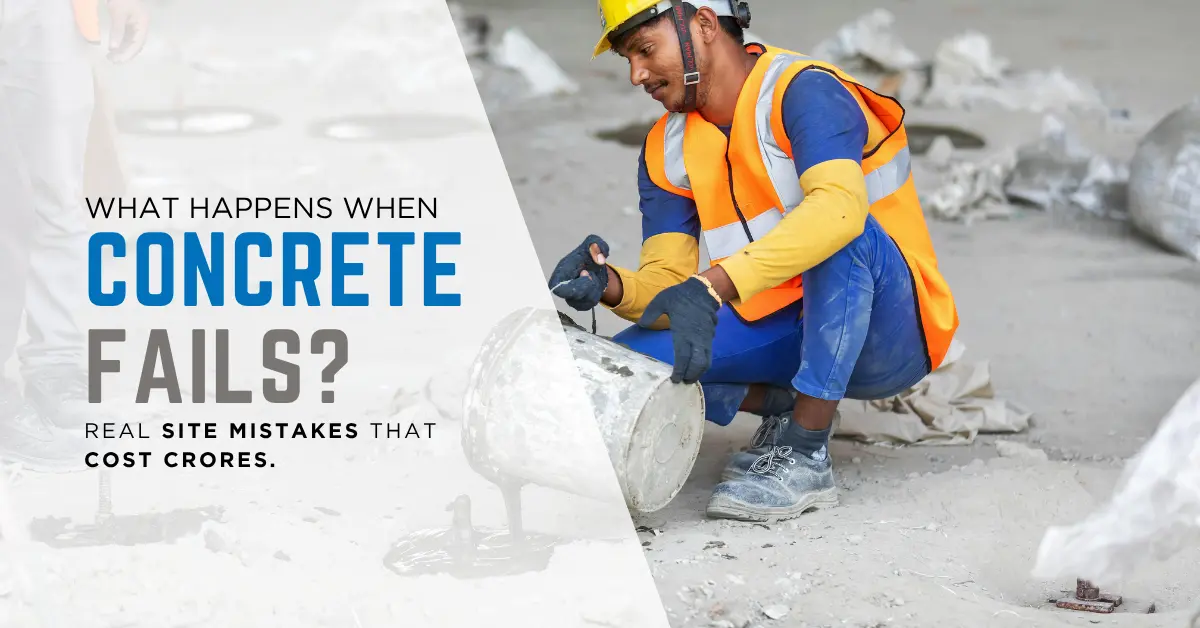
    What Happens When Concrete Fails? Real Site Mistakes That Cost Crores

    1. Introduction

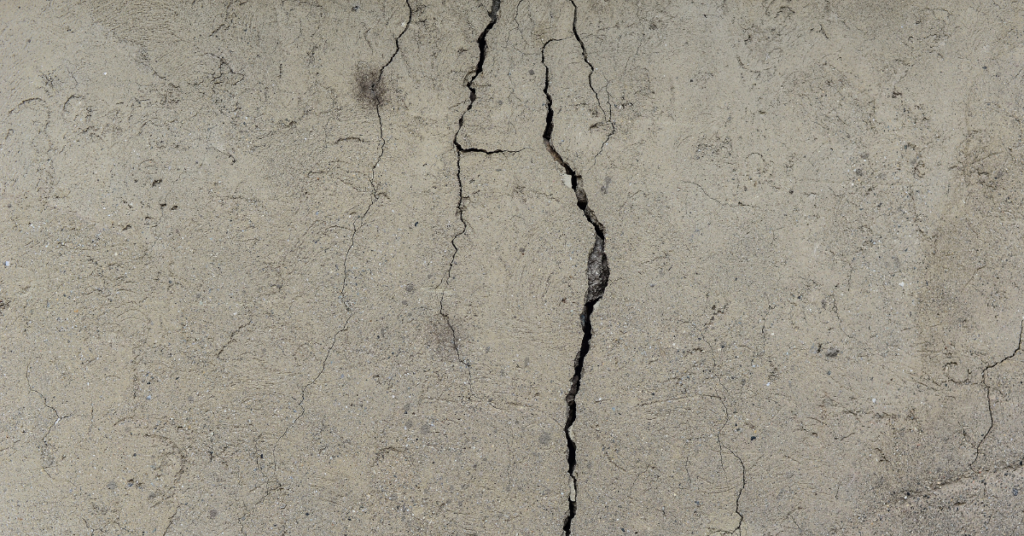
    Concrete failure doesn’t announce itself. It shows up weeks later — a crack snaking through a load-bearing column, a slab that buckles under weight, a structure that fails its cube test three floors too late. And by then, the cost isn’t just about replacing material. It’s demolition, rework, delay penalties, and in serious cases, legal liability that follows a contractor for years.

    Here’s the part nobody wants to say out loud: most of these failures were avoidable. They trace back to decisions made before the first pour ever started. Understanding where those decisions go wrong — and what they end up costing — is the first step to making sure your project doesn’t become one of these statistics.

    This blog walks through the five most common concrete failure points on Indian construction sites, what they actually cost when things go wrong, and how sourcing ready mix concrete from a properly quality-controlled plant takes most of these risks off the table before they even begin.

    2. Why Concrete Fails: It Starts Before the Mix Arrives

    When something goes wrong with concrete, the instinct is to blame the material — to assume the batch was bad or the supplier cut corners. In reality, it’s almost always a process failure. Poor specification, incorrect water-cement ratios, delayed placement, skipped curing, and no quality testing account for the overwhelming majority of structural concrete failures you’ll find on Indian construction sites.

    The material is rarely the villain. The decisions around it are. India’s construction sector loses thousands of crores every year to structural rework — and a significant chunk of that is entirely preventable.

    3. Mistake 1: Specifying the Wrong Concrete Grade

    This is the most expensive mistake in Indian construction, and it happens more often than most people in the industry want to admit.

    Every structural element has a minimum concrete grade requirement. Your structural engineer specifies it in the drawings — M20 for a residential slab, M25 for beams and columns in a commercial building, M30 and above for bridges, flyovers, and high-load infrastructure. Those numbers represent the minimum compressive strength that the element needs to safely carry its loads across the entire life of the structure.

    When a contractor substitutes M20 concrete for a column specified at M25, the difference — 20 MPa versus 25 MPa — looks small on paper. In a multi-storey structure, it isn’t. Columns carry cumulative load. Every floor added above multiplies the stress on the columns below. A grade shortfall in the lower floors of a high-rise doesn’t fail immediately. It shows up years later through slow cracking, surface spalling, or a structural audit that forces expensive remediation while the building is fully occupied.

    Remediation costs on a mid-size residential project for a single incorrectly graded floor can run ₹15–25 lakh before penalty clauses are even factored in. Matching the concrete grade to the structural specification isn’t a preference — it’s the foundation of everything else. Aparna RMC supplies ready mix concrete from M30 to M80, with every batch produced to the exact grade specified.

    4. Mistake 2: Altering the Water-Cement Ratio on Site
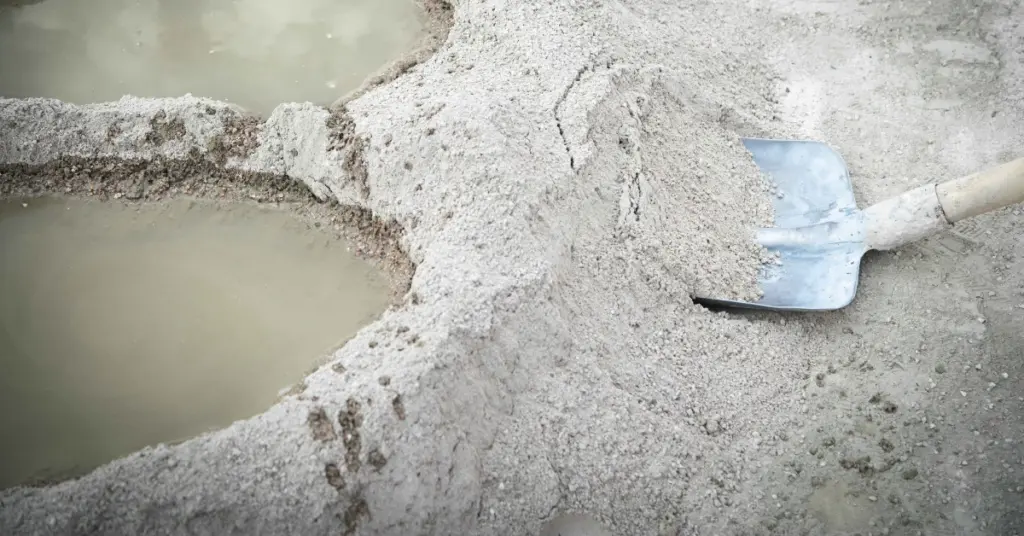
    Mistake 2_ Altering the Water-Cement Ratio on Site

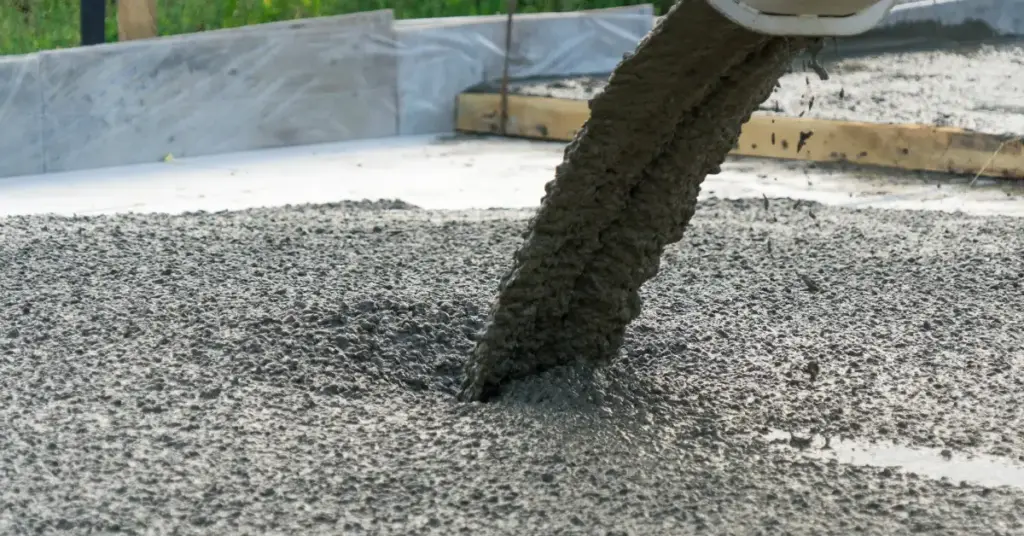
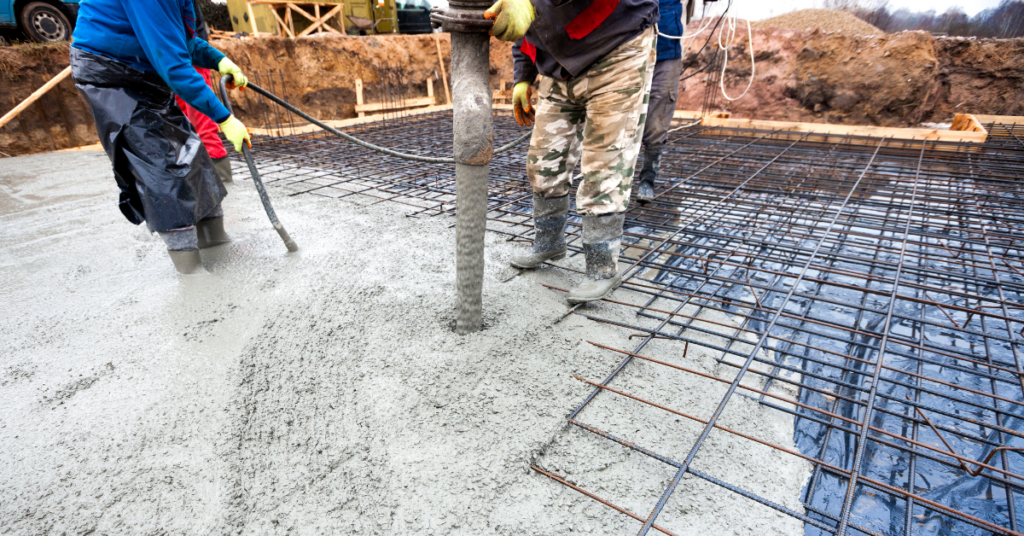
    Ifwrong grade specification is the most expensive mistake, incorrect water addition is the most common. Concrete stiffens during transit — especially in Indian summer temperatures that push past 40°C. When the transit mixer arrives, and the mix has started to lose workability, the instinct is to add water. It restores slump, makes the concrete easier to place, and saves time. It also fundamentally compromises the structural outcome.

    The water-cement ratio is the most critical variable in concrete mix design. Every litre of water added beyond the designed ratio dilutes the cement paste, increases porosity, and reduces the final compressive strength of the hardened concrete. A mix batched for M25 strength, watered down at the pour point, may cure at M20 or below — invisible to the eye, undetectable without testing, sitting in the structure until something exposes it.

    In a ready-mix concrete plant, the water-cement ratio is set during mix design and controlled through automated batching. What leaves the plant is what the structure receives. There’s no on-site variable left to introduce.

    5. Mistake 3: Transit Delays and Placement Timing

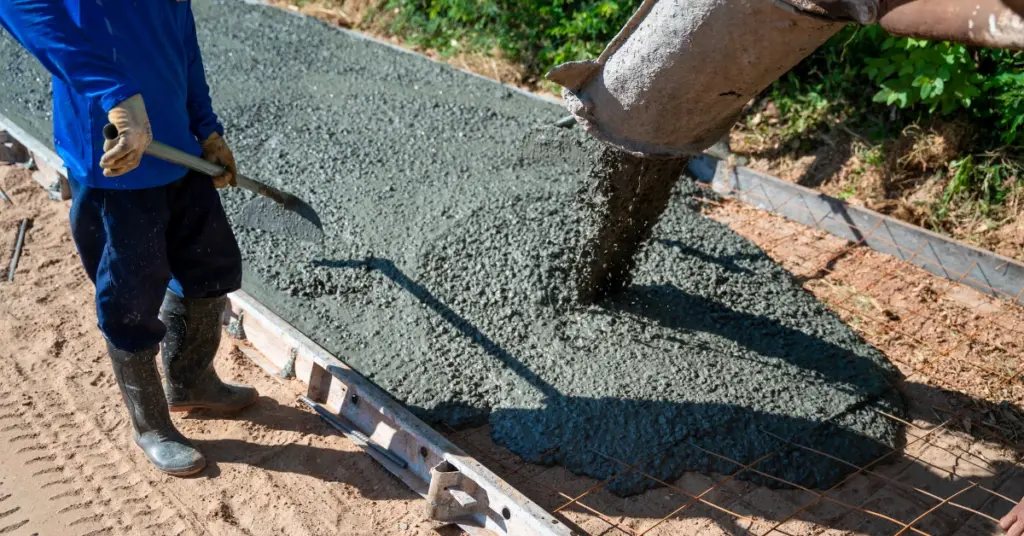
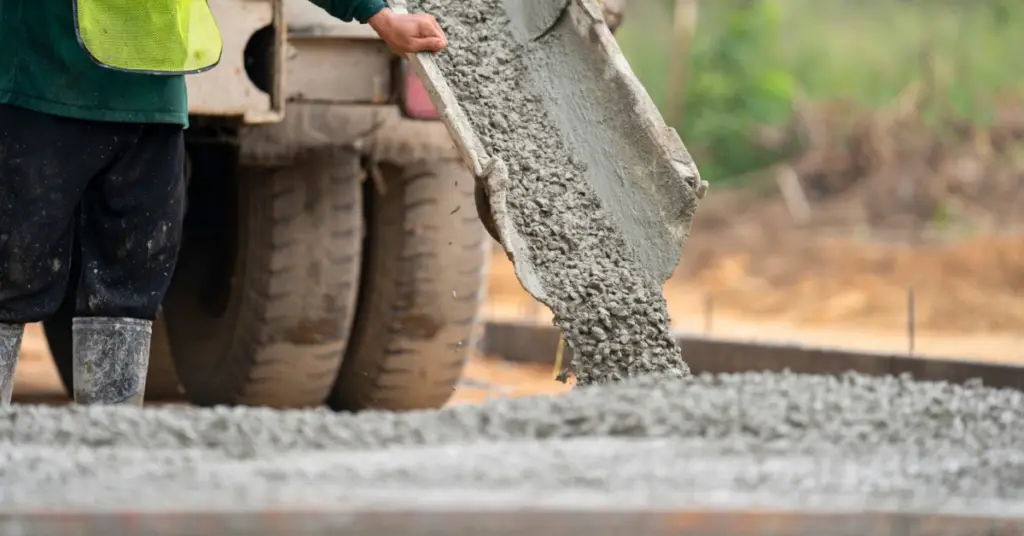
    Ready-mix concrete has a working window from the moment batching is complete. Under standard conditions, that window is around 90 minutes. In the Indian summer, it shrinks significantly.

    When concrete sits in transit longer than it should, one of two things happens. Either the mix stiffens past placeable consistency, leading to inadequate compaction and air voids. Or water gets added to restore workability — taking you straight back to Mistake 2.

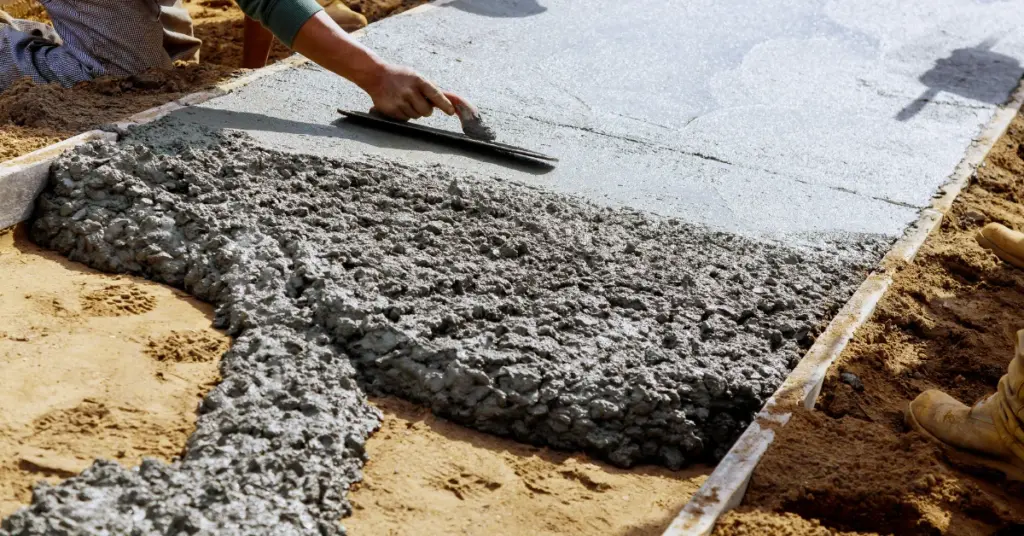
    The most visible consequence is honeycombing — those pockets and surface voids that appear on columns and walls when formwork comes off. It looks cosmetic. It isn’t. It indicates incomplete compaction and compromised load-bearing capacity. Proximity to an RMC plant isn’t a convenience factor — it’s a structural quality factor. Aparna RMC’s wide network across five states is built around exactly this principle.

    6. Mistake 4: Skipping or Shortcutting Curing

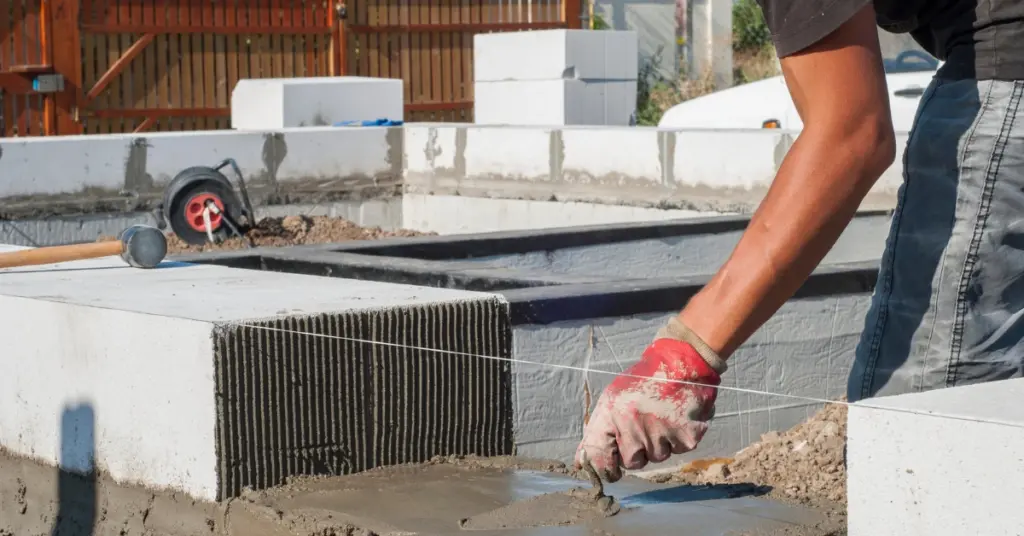
    Concrete doesn’t dry — it cures. This is one of the most misunderstood aspects of construction on Indian sites, and the consequences of confusing the two are serious.

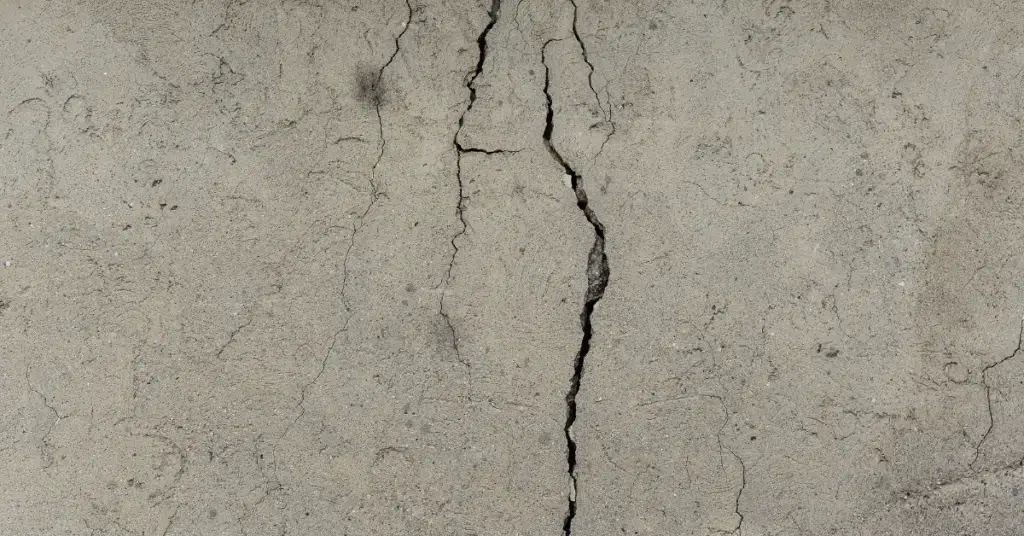
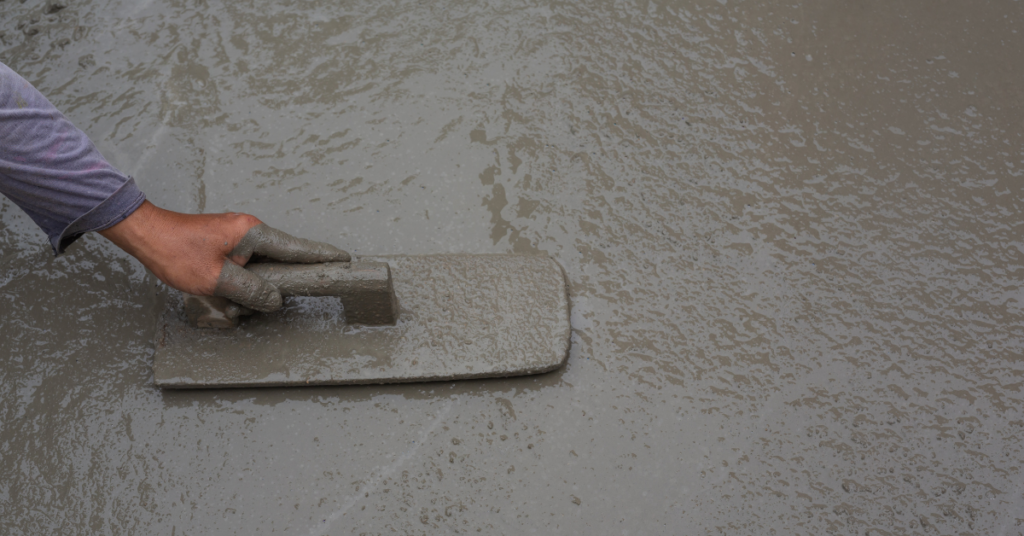
    Curing is the ongoing chemical reaction between cement and water — hydration — that builds compressive strength over time. When freshly poured concrete is left exposed to direct sun and dry air without protective measures, surface moisture evaporates faster than the interior can replace it. The result is a thermal and moisture gradient through the slab depth — surface cracking, reduced hardness, and long-term durability loss that only shows up later.

    Minimum curing practice means keeping the concrete surface continuously moist for at least seven days. For mass concrete pours — raft foundations, thick bridge decks — temperature control concrete formulated to manage internal heat build-up is the right specification. Skipping curing doesn’t show up on the day. It shows up at the 28-day cube test, or years later, when the structure starts deteriorating from the surface inward.

    7. Mistake 5: No Quality Testing at Any Stage
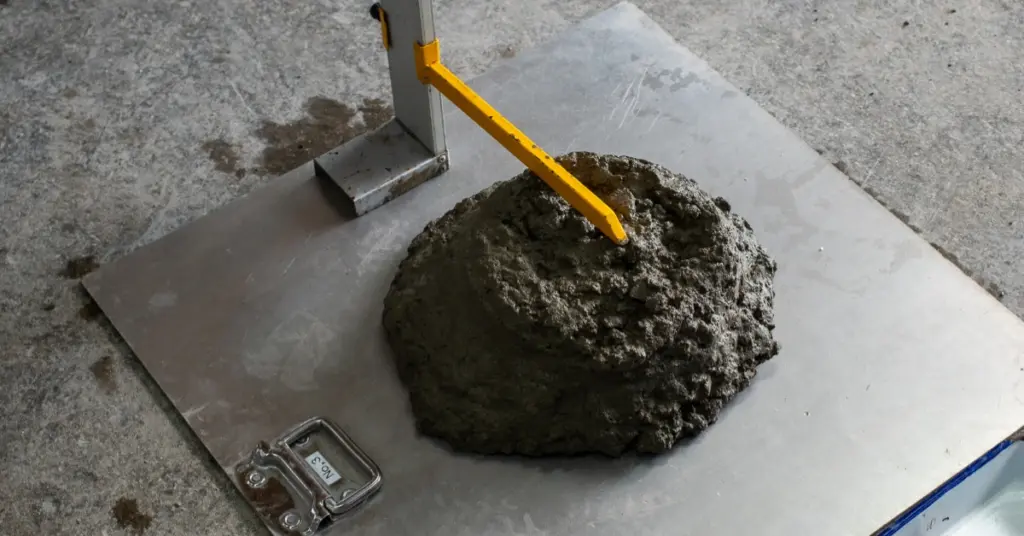
    No Quality Testing at Any Stage

    This is simultaneously the most avoidable and the most frequently skipped step on smaller Indian construction projects. Contractors managing individual house builds or tight commercial timelines often skip cube testing entirely — because it adds time and cost. What it removes is the only objective confirmation that the concrete poured into your structure actually meets the grade you specified.

    IS 456 — India’s standard code for reinforced concrete — requires compressive strength testing at both 7 days and 28 days for all structural concrete. If the 7-day results are low, you know before the next floor goes up. If you skip testing, you find out during a structural audit with three more floors sitting above the problem.

    Aparna RMC supplies concrete with full batch documentation and plant-level quality testing before dispatch. Every load is produced under ISO 9001:2015-certified processes and tested against grade specification before it leaves the plant.

    8. What Concrete Failure Actually Costs

    To frame this in real terms, a failed ground-floor slab on a mid-size residential project in Hyderabad means breaking out and disposing of the failed concrete, re-shuttering, re-ordering, re-pouring, and re-curing. Direct material and labour cost on a 2,000 sq ft floor: ₹10–18 lakh. Add contractual delay penalties, subcontractor idle time, and the cascading effect on every trade scheduled above that floor — and the total exposure on a single failure easily crosses ₹25–40 lakh.

    None of this is unusual. It happens on Indian construction sites regularly, across every project scale. And in almost every documented case, the cause is one of the five mistakes above — wrong grade, altered water ratio, delayed placement, skipped curing, or absent testing. Fix all five, and concrete failure becomes the exception rather than the routine.

    9. The Highest-Impact Decision You Can Make

    The single change that takes the most risk off the table in one move is sourcing from a ready mix concrete supplier with documented, certified quality controls — rather than batching on site or sourcing from an unverified plant. When the concrete mix design is fixed and documented, the water-cement ratio is controlled at the plant, transit logistics are managed, and every batch is tested before it leaves — most of the structural failure risk disappears before the truck even reaches your site.

    10. Before Your Next Pour — Checklist

    ●      Confirm the concrete grade matches the structural drawings for every element

    ●      Brief the pour crew: no water additions to the mix on site under any circumstances

    ●      Verify transit time from plant to site stays within the working window

    ●      Assign responsibility for cube sampling at the point of pour

    ●      Plan curing schedule before the first load arrives — not after

    ●      Request batch certificates from your ready-mix concrete supplier for every load

    11. Conclusion

    Concrete failure isn’t bad luck. It’s the predictable outcome of skipping steps that exist for structural reasons. Every one of the five mistakes above is preventable — with the right specification, the right supplier, and the right site practices. Aparna RMC delivers ready mix concrete with SCADA-controlled batching, batch-certified quality, and technical support across its plants in five states, so the variables that cause failure are managed at the source, not left to chance on your site.

    Planning your next pour? Talk to Aparna RMC before you specify. Get a quote at aparnarmc.com/get-quote or use the RMC Calculator at aparnarmc.com/rmc-calculator to estimate your requirement today.

    12. FAQs

    Q1: What is the most common cause of concrete failure on Indian construction sites?

    More often than not, it comes down to the water-cement ratio. Water added on site to restore workability reduces compressive strength and can quietly drop a pour below its specified grade — with no visible sign until cube testing or, worse, structural failure. It’s one of those things that’s easy to prevent once you know the risk.

    Q2: How do I know if the ready-mix concrete delivered to my site is the grade I ordered?

    Request a batch certificate with every delivery and run on-site slump testing and cube sampling at the point of pour. A reliable RMC supplier will provide batch documentation as a matter of standard practice — if they don’t, that’s worth noting.

    Q3: Can a cold joint in a slab be repaired after the fact?

    Cold joints can be treated with bonding agents and patch repairs, but these methods don’t restore the monolithic strength of a continuous pour. Prevention — maintaining delivery cadence and avoiding mid-pour gaps — is the only approach that actually works.

    Q4: How long does concrete need to cure before the next floor can proceed?

    Under IS 456, formwork on structural slabs should not be struck before 14 days, and the structure should reach at least 75% of its 28-day design strength before the next floor is loaded. Always confirm stripping times with your structural engineer based on the specific grade and span.
  • How Concrete Quality Impacts Construction Speed and Project Timelines

    How Concrete Quality Impacts Construction Speed and Project Timelines

    1. Introduction 

    Construction projects operate under strict deadlines, where delays can lead to increased costs, scheduling conflicts, and operational challenges. While project management and labour coordination play important roles, one often overlooked factor influencing project timelines is concrete quality in construction projects. Poor-quality concrete can cause placement difficulties, structural defects, and rework, all of which slow down progress.

    Modern projects rely on Ready Mix Concrete efficiency to maintain consistent quality and predictable performance. With engineered mixes and controlled production processes, high-quality concrete helps construction teams work faster without compromising structural reliability.

    In this blog, we explore how concrete quality influences construction speed and how Aparna RMC supports faster construction concrete solutions through reliable RMC supply and advanced production systems.

    2. Why Concrete Quality Affects Construction Timelines

    Concrete is used at multiple stages of construction, including foundations, columns, beams, slabs, and structural cores. If the concrete quality is inconsistent or unreliable, these stages may experience delays.

    High concrete quality in construction projects ensures:

    • Smooth placement and finishing
    • Faster structural progress
    • Reduced need for repairs or rework
    • Faster Curing Time
    • Reduced Voids
    • Consistency

    When quality is compromised, construction teams may need additional time to correct issues.

    3. Problems Caused by Poor Concrete Quality

    Problems Caused by Poor Concrete Quality

    a. Rework, Repairs & Structural Quality Concerns

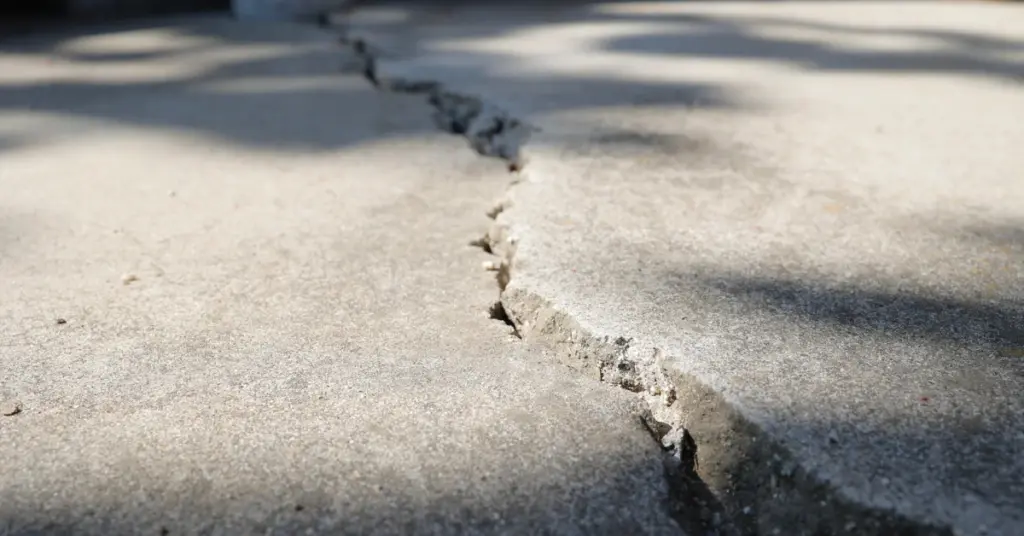
    Low-quality concrete can lead to issues like cracks, honeycombing, cold joints, poor bonding with reinforcement, rebar corrosion, and reduced compressive strength. These defects affect structural safety and durability, often requiring rework, repairs, or additional testing—ultimately delaying project timelines.

    b. Delayed Setting or Improper Workability

    Concrete with inconsistent workability may take longer to place and finish, reducing site productivity.

    c. Surface and Durability Issues

    Scaling and Spalling – Surface peeling or flaking due to poor quality or environmental exposure

    Cracking – Surface and internal cracks caused by shrinkage, stress, or inconsistent mix

    Dusting/Chalking – Formation of a powdery surface layer due to weak or improperly finished concrete

    All these factors reduce Ready Mix Concrete efficiency and impact project progress.

    4. How High-Quality Concrete Supports Faster Construction

    When concrete quality is reliable, construction teams can work more efficiently.

    Benefits include:

    • Faster placement and compaction
    • Reduced waiting time between pours
    • Improved finishing quality
    • Fewer construction defects
    • Reduced rework Increased structural efficiency 

    Using faster construction concrete allows projects to maintain steady momentum.

    5. Role of Reliable RMC Supply in Construction Efficiency

    A dependable, reliable RMC supply ensures that concrete arrives at the site exactly when needed.

    Efficient supply helps:

    • Maintain continuous construction cycles
    • Avoid labour downtime
    • Prevent cold joints between pours
    • Enhanced Site Management
    • Cost Savings and Reduced Wastage
    • Consistent Quality and Durability
    • Logistical Reliability
    • Accelerated Timelines

    Consistent supply is essential for maintaining project schedules.

    6. How Aparna RMC Supports Faster Construction

    How Aparna RMC Supports Faster Construction

    a. Engineered Mix Designs for Efficiency

    Aparna RMC develops mixes that optimise workability and strength, helping achieve Ready Mix Concrete efficiency during placement.

    b. Automated Batching Systems

    Automation ensures precise mix proportions, improving consistency and reducing the chances of defects that could slow construction.

    c. Strong Logistics and Fleet Network

    Through efficient logistics planning, Aparna ensures reliable RMC supply for projects, helping maintain continuous construction operations.

    d. Quality Monitoring and Testing

    Regular testing ensures that each batch meets structural requirements, reducing the risk of rework or delays.

    7. Impact on Developers and Contractors

    Using high-quality concrete improves project outcomes by:

    • Reducing construction delays
    • Improving labour productivity
    • Lowering the risk of defects
    • Enhancing project planning accuracy

    These benefits help developers meet deadlines and manage costs effectively.

    8. Importance of Ready Mix Concrete Efficiency in Modern Projects

    Modern construction relies on efficient workflows and tight schedules. Ready Mix Concrete efficiency ensures that material supply aligns with project demands, enabling faster execution without compromising structural safety.

    9. Checklist: Choosing Concrete That Supports Faster Construction

    Before selecting a supplier, ensure:

    🔲 High concrete quality in construction projects
    🔲 Proven Ready Mix Concrete efficiency
    🔲 Reliable RMC supply network
    🔲 Automated batching and quality control
    🔲 Experience supporting large construction projects

    Aparna RMC meets all these requirements.

    10. Conclusion

    Construction speed depends on more than just manpower and planning — it also relies on the quality and reliability of building materials. High concrete quality in construction projects enables smoother placement, reduces defects, and helps teams maintain steady progress. Through engineered mixes, efficient production systems, and reliable RMC supply, Aparna RMC supports faster construction concrete solutions that keep projects on schedule.

    By improving Ready Mix Concrete efficiency, Aparna helps developers and contractors achieve faster project completion without compromising structural performance.

    Choose Aparna RMC to keep your construction projects moving forward with confidence.

    11. FAQs

    Q1: How does concrete quality affect construction speed?
    High-quality concrete reduces defects and rework, allowing projects to progress faster. It also ensures optimal curing times and reduces on-site labor requirements, improving overall construction efficiency.

    Q2: What is Ready Mix Concrete efficiency?
    It refers to the ability to produce and deliver consistent, factory-batched concrete that supports smooth construction operations. Efficiency includes increased speed, consistent quality, less labor, and lower material waste, all achieved by using factory-batched concrete.

    Q3: How does Aparna RMC ensure reliable supply?
    Through automated production, strong logistics planning, and continuous quality monitoring.

  • The Science of Concrete Bonding: Why Adhesion Matters for Structural Strength

    The Science of Concrete Bonding: Why Adhesion Matters for Structural Strength

    1. Introduction

    Concrete is often seen as a material that simply bears loads, but its true strength lies in how well it bonds internally and with other structural elements. One of the most critical yet overlooked factors in construction is concrete bonding strength — the ability of concrete to adhere to itself and to reinforcement materials like steel.

    Without proper bonding, even high-strength concrete can fail to perform as expected. Cracks, slippage, and reduced load transfer are common issues when adhesion is weak. This is why modern construction relies on engineered Ready Mix Concrete that ensures strong internal cohesion and effective bonding with reinforcement.

    In this blog, we explore the science behind concrete adhesion, its role in structural performance, and how Aparna RMC ensures a reliable bond between concrete and steel for long-lasting structures.

    2. What Is Concrete Bonding Strength?

    Concrete bonding strength refers to the ability of concrete to:

    • Adhere to reinforcement steel
    • Bond with previously placed concrete layers
    • Maintain internal cohesion within the mix

    This bonding is essential for transferring loads efficiently across structural elements and ensuring overall stability.

    3. Why Bonding Is Critical for Structural Performance

    Concrete alone is strong in compression, while steel reinforcement handles tensile forces. The bond between concrete and steel ensures these two materials work together as a single unit.

    Strong bonding helps achieve:

    • Effective load transfer
    • Structural stability
    • Resistance to cracking
    • Improved durability

    Without proper concrete adhesion, the structure may develop weak zones that compromise safety.

    4. Factors That Influence Concrete Bonding Strength

    a. Surface Condition of Reinforcement

    Clean, roughened steel surfaces improve the bond between concrete and steel, allowing better grip and load transfer.

    b. Water–Cement Ratio

    An incorrect ratio can reduce concrete bonding strength by affecting the density and cohesion of the mix.

    c. Compaction and Placement

    Proper compaction removes air voids and ensures strong concrete adhesion throughout the structure.

    d. Workability of Concrete

    A well-designed mix improves flow and ensures concrete fully surrounds reinforcement, strengthening the bond.

    5. Bonding Between Layers of Concrete

    Bonding is not only important between concrete and steel but also between different layers of concrete.

    Poor bonding between layers can lead to:

    • Cold joints
    • Weak structural connections
    • Reduced load transfer

    Maintaining concrete bonding strength ensures seamless integration between pours.

    6. Common Problems Caused by Weak Concrete Bonding

    Common Problems Caused by Weak Concrete Bonding

    When bonding is compromised, structures may face:

    • Cracks along reinforcement lines
    • Separation between concrete layers
    • Reduced structural strength
    • Increased water penetration
    • Premature deterioration

    These issues directly affect structural concrete performance.

    7. How Ready Mix Concrete Improves Bonding Strength

    Using engineered Ready Mix Concrete improves concrete adhesion through:

    • Controlled mix proportions
    • Uniform material distribution
    • Consistent workability
    • Better compaction properties

    These factors ensure strong bonding within the concrete matrix and with reinforcement.

    8. How Aparna RMC Ensures Strong Concrete Bonding

    a. Optimised Mix Design

    Aparna RMC develops mixes that enhance concrete bonding strength by maintaining the right balance of materials.

    b. Precise Batching and Consistency

    Automated systems ensure uniform mix quality, supporting consistent concrete adhesion across batches.

    c. Workability Control

    Aparna ensures proper workability so that concrete flows around reinforcement and creates a strong bond between concrete and steel.

    d. Continuous Quality Monitoring

    Regular testing ensures that concrete meets performance standards, supporting long-term structural concrete performance.

    9. Benefits of Strong Concrete Bonding

    Benefits of Strong Concrete Bonding

    Maintaining high concrete bonding strength provides:

    • Improved structural integrity
    • Better load distribution
    • Reduced cracking
    • Enhanced durability
    • Longer service life

    These benefits are essential for safe and reliable construction.

    10. Checklist: Ensuring Proper Concrete Bonding

    Before selecting an RMC supplier, ensure:

    🔲 Optimised mix design for bonding strength
    🔲 Consistent workability and compaction
    🔲 Proper quality control processes
    🔲 Reliable Ready Mix Concrete supply
    🔲 Technical support for site execution

    Aparna RMC meets all these requirements.

    11. Conclusion 

    Concrete bonding is a fundamental aspect of structural performance that is often overlooked. Strong concrete bonding strength ensures effective load transfer, reduces cracking, and enhances durability. By delivering engineered mixes with controlled workability and consistent quality, Aparna RMC ensures reliable concrete adhesion and a strong bond between concrete and steel in every project.

    For builders and engineers aiming to achieve high structural concrete performance, focusing on bonding is just as important as strength.

    Choose Aparna RMC for concrete solutions that hold your structure together with strength and precision.

    12. FAQs

    Q1: What is concrete bonding strength?
    It refers to the ability of concrete to firmly adhere to reinforcement (steel) and maintain strong internal cohesion. Good bonding ensures that the concrete and steel act together as a single, stable unit.

    Q2: Why is the bond between concrete and steel important?
    A strong bond allows effective load transfer between concrete and reinforcement, ensuring structural stability. It also helps prevent slippage, cracks, and long-term structural failure.

    Q3: How does Aparna RMC improve concrete adhesion?
    Aparna RMC enhances adhesion through optimised mix designs, precise batching, and controlled workability. This ensures better bonding with reinforcement, improved strength, and long-term durability.

  • Why Concrete Consistency Matters More Than Concrete Strength

    Why Concrete Consistency Matters More Than Concrete Strength

    1. Introduction 

    When discussing construction materials, strength is often the first property people think about. While compressive strength is important, it is not the only factor that determines the performance of a structure. In reality, concrete consistency plays an equally critical role in ensuring long-term structural reliability. Even high-strength concrete can lead to structural issues if its properties vary from one batch to another.

    Consistency ensures that concrete behaves uniformly throughout the structure, allowing loads to be distributed evenly across foundations, beams, slabs, and columns. Without this uniformity, weak zones may develop, compromising durability and safety.

    In this blog, we explore why consistent Ready Mix Concrete is essential for modern construction and how Aparna RMC maintains concrete batch uniformity to deliver dependable structural concrete reliability for every project.

    2. Understanding Concrete Consistency

    Concrete consistency refers to the ability to produce concrete batches with uniform properties such as strength, workability, and durability.

    Consistency ensures that each batch of concrete behaves similarly during:

    • Placement and compaction

    Concrete is poured into formwork and compacted using vibrators to remove air gaps. This ensures a dense, uniform structure with better strength and no voids.

    • Setting and curing

    Concrete starts hardening after placement. Proper curing (keeping it moist) is essential to prevent cracks and help it gain full strength and durability.

    • Load-bearing over time

    As concrete cures, it gradually gains strength—reaching most of its capacity in 28 days—allowing it to safely support structural loads over time.

    Maintaining this uniformity is critical for achieving reliable structural performance.

    3. Why Strength Alone Is Not Enough

    A structure may require a certain strength grade, but strength alone does not guarantee performance. If batches vary in composition, even high-grade concrete may create weak areas.

    Lack of concrete batch uniformity can cause:

    • Uneven load distribution
    • Cracking in structural elements
    • Reduced bonding with reinforcement
    • Long-term durability issues

    Consistency ensures the structure acts as a unified system rather than separate segments.

    4. How Inconsistent Concrete Affects Structures

    Common Problems Caused by Weak Concrete Bonding

    a. Weak Zones in Structural Elements

    Variations in mix proportions (cement, water, aggregates) can create non-uniform concrete, where some sections are stronger and others weaker. These weak zones become vulnerable points in beams, slabs, and columns.

    Durability & Long-term Effects:

    Weak areas are more prone to moisture penetration, corrosion of reinforcement, and faster deterioration over time.

    Maintenance:

    Requires frequent inspections, patch repairs, or strengthening treatments, increasing maintenance effort and cost.

    b. Increased Cracking

    Differences in mix quality can lead to uneven shrinkage and strength gain, causing internal stress within the structure. This results in visible cracks on surfaces and within elements.

    Durability & Long-term Effects:

    Cracks can lead to steel reinforcement corrosion, leakage issues, and progressive weakening of the structure.

    Maintenance:

    Needs crack filling, sealing, or waterproofing treatments, and if ignored, may require major structural repairs later.

    c. Reduced Structural Reliability

    When concrete properties are inconsistent, structural elements may not behave as expected under load, leading to unpredictable performance.

    Durability & Long-term Effects:

    Over time, inconsistent concrete can cause fatigue, reduced lifespan, and higher vulnerability to environmental stresses like temperature changes and weathering.

    Maintenance:

    Requires continuous monitoring, structural audits, and sometimes reinforcement or retrofitting to ensure safety.

    This directly impacts structural concrete reliability.

    5. Importance of Consistent Ready Mix Concrete in Large Projects

    Large construction projects require thousands of cubic meters of concrete. Maintaining consistent Ready Mix Concrete across all pours ensures that every structural element performs as expected.

    Consistency helps achieve:

    • Uniform strength throughout the structure
    • Reduced construction defects
    • Better durability over time
    • Efficiency & Faster Timelines 
    • Optimal Workability 
    • Cost Savings 
    • Project Management & Safety

    6. Factors That Influence Concrete Consistency

    Several elements determine whether concrete remains consistent across batches.

    a. Accurate Material Proportioning

    Precise measurement of cement, aggregates, water, and admixtures is essential. Maintaining the correct water–cement ratio is especially critical, as it directly affects strength, workability, and durability.

    b. Quality of Raw Materials

    Uniform quality of cement, aggregates, and water ensures stable concrete properties. Variations in material quality can lead to inconsistent performance and strength differences.

    c. Controlled Mixing Process

    Automation and computerized batching help maintain uniformity by reducing manual errors. A consistent mixing process ensures every batch has the same composition and performance.

    d. Temperature & Weather Conditions

    External factors like temperature, humidity, and weather significantly influence concrete behavior. High temperatures can cause faster setting and reduced workability, while cold or humid conditions can slow down the process and affect strength development.

    These factors together ensure that concrete remains uniform, reliable, and suitable for high-quality construction.

    7. How Aparna RMC Maintains Concrete Consistency

    a. Automated Batching Systems

    Aparna RMC uses advanced automated systems to ensure precise material measurement and mixing.

    b. Standardised Mix Designs

    Each mix is designed to maintain concrete consistency across multiple batches and projects.

    c. Continuous Quality Monitoring

    Regular testing, supported by IoT-enabled systems, monitors parameters like temperature and mix consistency in real time, ensuring accurate, consistent, and high-quality concrete.

    d. Skilled Technical Teams

    Experienced engineers monitor production processes to maintain structural concrete reliability.

    e. GPS enabled Delivery 

    Real-time tracking ensures timely delivery, better coordination, and maintained concrete quality.

    8. Benefits of Consistent Ready Mix Concrete

    Benefits of Consistent Ready Mix Concrete

    Using consistent Ready Mix Concrete offers several advantages:

    • Improved structural strength
    • Better crack resistance
    • Enhanced durability
    • Reduced maintenance costs
    • Reliable construction outcomes

    These benefits help builders achieve safer and longer-lasting structures.

    9. Checklist: Ensuring Concrete Consistency

    Before selecting a concrete supplier, ensure:

    🔲 Proven concrete consistency across batches
    🔲 Automated batching systems
    🔲 Standardised mix designs
    🔲 Continuous quality testing
    🔲 Experience delivering consistent Ready Mix Concrete

    Aparna RMC meets all these requirements.

    10. Conclusion 

    While strength is an essential property of concrete, concrete consistency is equally important for ensuring structural performance and long-term durability. Without uniformity across batches, even high-strength concrete may create weak zones that compromise the structure. By delivering consistent Ready Mix Concrete with precise batching and strict quality control, Aparna RMC ensures reliable concrete batch uniformity and dependable structural concrete reliability for every project.

    For builders and developers who prioritise quality and long-term performance, consistency in concrete supply is a key factor in successful construction.

    Choose Aparna RMC for consistent concrete solutions that strengthen every structure.

    11. FAQs

    Q1: What is concrete consistency?
    It refers to producing concrete batches with uniform properties such as strength and workability.

    Q2: Why is consistency important in Ready Mix Concrete?
    Consistency ensures uniform strength and performance across all batches, preventing defects like cracks and weak zones. It also improves durability, reduces maintenance, and ensures safe, long-lasting structures.

    Q3: How does Aparna RMC maintain concrete batch uniformity?
    Through automated batching, standardised mix designs, and continuous quality testing, supported by GPS-enabled delivery and IoT-enabled quality control for real-time monitoring and consistent performance.

  • Why Timing Matters in Concrete: The Science Behind Perfect Concrete Delivery

    Why Timing Matters in Concrete: The Science Behind Perfect Concrete Delivery

    1. Introduction 

    In construction, timing is everything. From scheduling labour to coordinating materials, every step must align to keep projects running smoothly. One of the most critical yet often underestimated factors is the timing of concrete delivery. Unlike many other construction materials, concrete begins reacting chemically the moment water is added to cement. This process, known as hydration, starts immediately and affects the material’s workability and strength development.

    Because of this, delays in transportation or poor planning can significantly impact the quality of concrete used on site. Ensuring a fresh concrete supply at the right moment is essential for achieving proper placement, compaction, and finishing.

    In this blog, we explore the science behind Ready Mix Concrete delivery and how Aparna RMC ensures precise RMC logistics efficiency to deliver concrete exactly when projects need it.

    2. Why Concrete Delivery Timing Is Critical

    Why Concrete Delivery Timing Is Critical

    Concrete is a time-sensitive material. Once mixed, it begins to set and gradually loses workability. This means that concrete delivery timing directly influences how easily concrete can be placed and finished.

    Proper timing ensures:

    • Smooth placement and compaction
    • Strong bonding with reinforcement
    • Uniform structural performance
    • Reduced risk of defects

    If concrete arrives too late or too early, it can disrupt the entire construction process.

    3. What Happens When Concrete Delivery Is Delayed

    Delays in Ready Mix Concrete delivery can create several problems on site.

    a. Loss of Workability

    As time passes, concrete begins to stiffen. This makes it difficult to pour and compact properly.

    b. Increased Risk of Cold Joints

    If a fresh batch arrives late while the previous pour has already begun setting, cold joints may form. These weak points reduce structural integrity.

    c. Poor Surface Finish

    Late deliveries can cause inconsistent finishing and visible defects on slabs and surfaces.

    d. Reduced Structural Strength

    Extended delays may alter the water–cement balance, affecting overall strength and durability.

    e. Impact on Project Efficiency & Cost

    Delays can slow down construction schedules, increase labor idle time, and may even require rework or additional material usage. This ultimately leads to higher project costs and reduced overall efficiency.

    4. The Science Behind Fresh Concrete Supply

    Concrete undergoes chemical reactions immediately after mixing. During this period, maintaining a fresh concrete supply is essential.

    Key factors influencing freshness include:

    • Time between batching and placement
    • Temperature during transport
    • Continuous mixing inside transit mixers
    • Controlled water–cement ratio

    Efficient delivery planning ensures that concrete reaches the site within its optimal working window.

    5. Role of Logistics in Ready Mix Concrete Delivery

    Efficient RMC logistics ensures that concrete arrives at the right place and time. Since concrete has a limited working time—typically within 90 minutes from when water is added to the mix—timely delivery becomes critical to maintain its quality and performance.

    A well-managed logistics system includes:

    • Accurate dispatch scheduling
    • Coordinated fleet movement
    • Real-time tracking of vehicles
    • Backup planning for high-demand projects

    These elements allow projects to maintain uninterrupted concrete pouring.

    6. How Aparna RMC Ensures Precise Concrete Delivery Timing

    How Aparna RMC Ensures Precise Concrete Delivery Timing

    a. Advanced Dispatch Planning

    Aparna RMC coordinates production and transportation schedules to maintain precise concrete delivery timing for each project.

    b. Strategically Located Batching Plants

    Multiple plant locations reduce travel distance, helping maintain a fresh concrete supply for nearby projects.

    c. GPS-Enabled Fleet Monitoring

    Aparna uses real-time tracking to monitor transit mixers and optimise delivery routes.

    d. Continuous Drum Rotation During Transport

    Transit mixers keep the concrete moving, preserving workability and ensuring consistent quality upon arrival.

    7. Benefits of Efficient Ready Mix Concrete Delivery

    Properly managed Ready Mix Concrete delivery offers several advantages:

    • Improved construction efficiency
    • Reduced risk of cold joints
    • Better concrete compaction
    • Consistent structural performance
    • Faster construction timelines

    These benefits help projects stay on schedule while maintaining quality standards.

    8. Why Fresh Concrete Supply Matters for Large Projects

    Large construction projects often require continuous pouring for slabs, foundations, and structural elements.

    Without a fresh concrete supply, these pours may be interrupted, causing:

    • Structural inconsistencies
    • Weak bonding between layers
    • Delays in construction schedules

    Reliable delivery ensures uninterrupted construction operations.

    9. Checklist: Ensuring Reliable Concrete Delivery

    Before selecting an RMC supplier, ensure:

    🔲 Strong fleet and logistics network
    🔲 Reliable Ready Mix Concrete delivery systems
    🔲 Efficient dispatch coordination
    🔲 Real-time vehicle monitoring
    🔲 Experience handling large pours
    🔲 Commitment to timely concrete delivery

    Aparna RMC meets all these requirements.

    10. Conclusion 

    Concrete is one of the few construction materials where timing directly influences performance. Proper concrete delivery timing ensures that concrete reaches the site with the right workability, allowing engineers and contractors to achieve optimal structural results. Through advanced dispatch systems, coordinated fleet management, and efficient Ready Mix Concrete delivery, Aparna RMC ensures reliable fresh concrete supply for projects of every scale.

    By maintaining high RMC logistics efficiency, Aparna supports faster construction and better structural quality.

    Choose Aparna RMC for timely concrete delivery that keeps your projects moving forward.

    11. FAQs

    Q1: Why is concrete delivery timing important?
    Because concrete begins setting immediately after mixing, timely delivery ensures proper placement and compaction. The timing of delivery directly impacts the material’s workability, structural strength, and the overall efficiency of the construction site.

    Q2: How does Ready Mix Concrete delivery maintain freshness?
    Transit mixers continuously rotate the drum to keep concrete workable during transportation.

    In addition to this:

    Time Control & Logistics

    Efficient scheduling and delivery planning ensure that concrete reaches the site within the required time frame, maintaining its workability.

    Chemical Additives (Admixtures)

    Special admixtures are added to control setting time, improve workability, and retain the concrete’s quality during transportation.

    Together, these measures ensure that the concrete arrives fresh, workable, and ready for proper placement.

    Q3: How does Aparna RMC ensure fresh concrete supply?
    Through strategic plant locations, efficient logistics planning, and GPS-enabled fleet management.

    In addition to this:

    Automated & Computerized Batching Plants

    Using advanced Schwing-Stetter technology, batching is precise, consistent, and minimizes human error.

    Rigorous Quality Control Checks

    Regular tests such as slump tests are conducted to ensure the right workability and consistency of concrete before dispatch.

    These practices ensure that the concrete delivered is fresh, uniform, and meets the highest quality standards at every stage.

  • From Foundation to Finish: How Concrete Quality Shapes the Entire Building

    From Foundation to Finish: How Concrete Quality Shapes the Entire Building

    1. Introduction

    Every building tells a story — and that story begins long before walls rise or finishes are applied. The true performance of a structure is determined by one critical factor that runs from the ground up: concrete quality in construction. From foundations and columns to slabs and structural cores, concrete influences strength, durability, safety, and long-term maintenance.

    While finishes may define aesthetics, it is concrete that defines how a building performs over decades. Poor-quality concrete can lead to cracks, seepage, corrosion, and frequent repairs, while high-quality concrete ensures structural stability and longevity. This is why modern projects rely on durable Ready Mix Concrete rather than inconsistent site-mixed solutions.

    In this blog, we explore how concrete quality impacts every stage of a building’s lifecycle and how Aparna RMC delivers concrete solutions that support long-lasting buildings from foundation to finish.

    2. Why Concrete Quality Matters Across the Entire Structure

    From Foundation to Finish: How Concrete Quality Shapes the Entire Building

    Concrete is the backbone of structural systems. Its quality directly affects:

    • Load-bearing capacity
    • Crack resistance
    • Durability and service life
    • Safety and performance under stress
    • Maintenance requirements

    Using high-quality concrete from the start ensures the structure behaves as a single, integrated system rather than a collection of weak zones.

    3. Foundation Stage: Where Concrete Quality Begins

    a. Importance of Strong Foundations

    Foundations transfer loads from the building to the soil. Any weakness here affects the entire structure.

    High-quality concrete ensures:

    • Uniform load distribution
    • Resistance to soil moisture
    • Long-term stability

    Poor foundation concrete can result in settlement, cracking, and structural distress.

    b. Role of Ready Mix Concrete in Foundations

    Using durable Ready Mix Concrete ensures consistent strength, controlled setting time, and reduced permeability — all essential for foundation performance.

    4. Columns, Beams, and Structural Framework

    a. Structural Strength Depends on Concrete Consistency

    Columns and beams carry vertical and horizontal loads. Variations in concrete quality can cause:

    • Uneven stress distribution
    • Micro-cracking
    • Reduced load-bearing capacity

    Consistent concrete quality in construction ensures uniform structural behaviour.

    b. Bonding with Reinforcement

    High-quality concrete forms strong bonds with steel reinforcement, improving structural integrity and resistance to corrosion.

    5. Slabs and Floors: Performance Under Daily Use

    Slabs experience constant live loads and movement.

    Good concrete quality ensures:

    • Crack resistance
    • Smooth finishing
    • Reduced deflection
    • Long-term durability

    Using structural strength concrete minimises surface damage and maintenance needs.

    6. Concrete Quality and Durability Over Time

    Durability determines how well a building withstands environmental exposure.

    High-quality concrete offers:

    • Low permeability
    • Resistance to moisture ingress
    • Protection against corrosion
    • Reduced chemical attack

    This directly supports long-lasting buildings with lower lifecycle costs.

    7. How Ready Mix Concrete Improves Overall Building Quality

    From Foundation to Finish: How Concrete Quality Shapes the Entire Building

    Ready Mix Concrete enhances building performance by offering:

    • Accurate mix proportions
    • Uniform strength across pours
    • Controlled water–cement ratio
    • Predictable setting behaviour

    These factors make durable Ready Mix Concrete the preferred choice for modern construction.

    8. How Aparna RMC Ensures Consistent Concrete Quality

    a. Engineered Mix Designs

    Aparna RMC develops mix designs based on structural requirements, exposure conditions, and durability needs.

    b. Automated Batching and Quality Control

    Automation ensures precise proportioning and consistency across every batch, strengthening concrete quality in construction.

    c. Continuous Testing and Monitoring

    Aparna conducts regular strength and workability tests to ensure performance standards are met.

    d. Technical Support at Site

    Technical guidance helps ensure concrete is placed, compacted, and cured correctly to maintain quality from plant to project.

    9. Impact of Concrete Quality on Maintenance and Lifecycle Costs

    Buildings constructed with high-quality concrete experience:

    • Fewer cracks and defects
    • Reduced water seepage
    • Lower repair frequency
    • Longer service life

    This makes quality concrete a cost-effective investment rather than an expense.

    10. Checklist: Ensuring Concrete Quality from Start to Finish

    Before selecting a concrete supplier, ensure:

    🔲 Consistent concrete quality across pours
    🔲 Durable Ready Mix Concrete solutions
    🔲 Automated batching and testing
    🔲 Low-permeability mix options
    🔲 Technical expertise and support
    🔲 Proven experience across project types

    Aparna RMC meets all these criteria.

    11. Conclusion

    Concrete quality is the foundation of every strong, safe, and durable building. From the first foundation pour to the final slab, the performance of concrete influences structural strength, durability, and long-term maintenance. By using durable Ready Mix Concrete with consistent quality and engineered precision, builders can ensure long-lasting buildings that perform reliably over time.

    With its focus on automation, testing, and technical expertise, Aparna RMC delivers concrete solutions that shape building performance from foundation to finish.

    Choose Aparna RMC for concrete quality that supports your structure at every stage.

    12. FAQs

    Q1: Why is concrete quality important in construction?
    Because it affects structural strength, durability, and long-term maintenance.

    Q2: How does Ready Mix Concrete improve building quality?
    It provides consistent strength, accurate proportions, and reliable performance by reducing human errors, which results in higher strength, greater durability, and load-bearing capacity, and fewer cracks. 

    Q3: How does Aparna RMC ensure durable concrete?
    Through engineered mix designs, automated batching, and continuous quality monitoring.

  • How Precision in Concrete Mixing Impacts Structural Performance

    How Precision in Concrete Mixing Impacts Structural Performance

    1. Introduction 

    Concrete may look uniform once placed, but its structural performance depends heavily on what happens before it reaches the site. One of the most critical factors in determining strength, durability, and long-term reliability is concrete mixing precision. Even small variations in water content, aggregate proportions, or admixture dosage can significantly impact how concrete behaves under load.

    In modern construction, accuracy in mix proportioning is not optional — it is essential for predictable performance. This is where accurate concrete mix design and automated production processes make a difference.

    In this blog, we explore how precision in concrete mixing influences structural outcomes and how Aparna RMC uses advanced systems to ensure Ready Mix Concrete consistency in every batch delivered.

    2. Why Concrete Mixing Precision Matters

    Concrete is a carefully balanced combination of cement, aggregates, water, and admixtures. Each ingredient plays a specific role.

    When concrete mixing precision is maintained, the result is:

    • Uniform strength
    • Reliable workability
    • Improved durability
    • Reduced cracking

    When precision is lost, structural performance becomes unpredictable.

    3. Key Factors Affected by Mixing Accuracy

    a. Water–Cement Ratio

    The water–cement ratio is one of the most important parameters in concrete design.

    Too much water:

    • Reduces strength
    • Increases shrinkage
    • Raises permeability

    Too little water:

    • Reduces workability
    • Makes placement difficult

    An accurate concrete mix ensures this ratio stays within “the” designed limits.

    b. Aggregate Proportioning

    Aggregates make up the bulk of concrete volume. Incorrect grading or quantity can lead to:

    • Segregation
    • Voids
    • Weak bonding
    • Reduced structural strength

    c. Admixture Dosage

    Admixtures control setting time, workability, and strength development. Incorrect dosage can disrupt hydration and lead to performance issues.

    4. Structural Risks Caused by Poor Mixing Precision

    Lack of concrete mixing precision can cause:

    • Inconsistent compressive strength
    • Cracking due to shrinkage
    • Uneven load distribution
    • Increased permeability
    • Reduced lifespan of the structure

    These problems often surface years after construction, leading to expensive repairs.

    5. Role of Automation in Achieving Precision

    Manual batching introduces variability, but automated systems ensure accuracy.

    a. SCADA Batching System

    A SCADA batching system uses computer-controlled sensors and software to measure and mix materials precisely.

    Benefits include:

    • Exact proportioning
    • Repeatable mix quality
    • Reduced human error
    • Consistent performance across batches

    6. How Aparna RMC Ensures Mixing Precision

    a. Use of Advanced SCADA Batching Systems

    Aparna RMC uses automated batching technology to maintain Ready Mix Concrete consistency and deliver an accurate concrete mix every time.

    b. Continuous Calibration of Equipment

    Batching equipment is regularly calibrated to maintain measurement accuracy.

    c. Real-Time Moisture Monitoring

    Aggregate moisture levels are monitored and adjusted to maintain “the” correct water content in the mix.

    d. Standardised Mix Designs

    Aparna follows strict mix design protocols, ensuring that each batch meets performance requirements.

    7. Impact of Precision on Structural Performance

    Maintaining concrete mixing precision leads to:

    • Higher compressive strength
    • Improved bonding with reinforcement
    • Reduced cracking
    • Lower permeability
    • Enhanced durability
    • Longer structural lifespan

    These benefits directly translate into safer and more reliable buildings.

    8. Why Ready Mix Concrete Consistency Matters in Large Projects

    Large projects require thousands of cubic meters of concrete. Without Ready Mix Concrete consistency, different sections of the structure may behave differently under load.

    Precision ensures uniform strength and performance across all structural elements.

    9. Checklist: Ensuring Mixing Precision in Concrete Supply

    Before selecting an RMC supplier, ensure:

    🔲 Automated SCADA batching system
    🔲 Regular equipment calibration
    🔲 Moisture monitoring systems
    🔲 Standardised mix designs
    🔲 Continuous quality testing
    🔲 Proven track record of consistency

    Aparna RMC meets all these criteria.

    10. Conclusion 

    Structural performance depends not only on concrete grade but also on concrete mixing precision. Even small deviations in proportions can lead to long-term strength and durability issues. By using advanced automation, strict quality control, and carefully engineered mix designs, Aparna RMC ensures Ready Mix Concrete consistency and delivers an accurate concrete mix for every project.

    For builders and engineers seeking reliable structural performance and reduced lifecycle risks, precision in concrete production is essential.

    Choose Aparna RMC for concrete engineered with precision and built for lasting strength.

    11. FAQs

    Q1: Why is concrete mixing precision important?
    It ensures consistent strength, durability, and predictable structural performance.

    Q2: What is a SCADA batching system?
    It is an automated system that precisely measures and mixes concrete ingredients.

    Q3: How does Aparna RMC maintain Ready Mix Concrete consistency?
    Through automated batching, equipment calibration, and continuous quality monitoring.

  • What Your Concrete Supplier Says About Your Project Quality

    What Your Concrete Supplier Says About Your Project Quality

    1. Introduction 

    Every construction project reflects the decisions made behind the scenes — from design and planning to material selection. One of the most important yet often overlooked decisions is choosing a concrete supplier. The quality, reliability, and expertise of your Ready Mix Concrete partner directly influence structural safety, durability, and project timelines.

    Concrete forms the backbone of any building, and inconsistencies in its supply can lead to long-term performance issues. A dependable supplier ensures not just timely delivery but also Ready Mix Concrete quality that meets engineering standards.

    In this blog, we explore how the choice of a concrete supplier reflects your commitment to quality and how Aparna RMC stands out as a reliable RMC supplier known for consistency, precision, and structural performance.

    2. Why Your Concrete Supplier Matters More Than You Think

    Concrete is used in foundations, slabs, beams, columns, and structural elements. If its quality varies, the entire structure may suffer.

    When choosing a concrete supplier, you are deciding on:

    • Strength consistency
    • Workability control
    • Delivery reliability
    • Long-term durability

    A weak or inconsistent supply chain can compromise even the best structural design.

    3. The Link Between Supplier Capability and Structural Performance

    A strong supplier ensures:

    a. Consistent Concrete Strength

    Uniform strength across pours prevents weak zones and structural imbalance.

    b. Reliable Workability

    Controlled slump ensures proper compaction and finishing, reducing defects.

    c. Predictable Setting Time

    This avoids cold joints and construction delays.

    These factors define Ready Mix Concrete quality and directly impact building performance.

    4. Risks of Choosing the Wrong Concrete Supplier

    Selecting an unreliable supplier can lead to:

    • Variations in mix proportions
    • Delayed deliveries
    • Reduced strength performance
    • Increased cracking and seepage
    • Higher maintenance costs

    Poor supplier performance often becomes visible only after construction is complete — when repairs are expensive and disruptive.

    5. What Defines a Reliable RMC Supplier

    A reliable RMC supplier offers more than just material delivery.

    Key qualities include:

    • Automated batching systems
    • Standardised mix designs
    • Regular quality testing
    • Strong logistics network
    • Technical support for site teams

    These factors ensure “a” consistent and dependable concrete supply.

    6. How Aparna RMC Reflects Project Quality

    When builders choose Aparna RMC, they signal a commitment to construction excellence.

    a. Focus on Ready Mix Concrete Quality

    Aparna RMC follows strict quality control processes, ensuring that every batch meets required strength and performance standards.

    b. Consistency Across Batches

    Through automated systems and precise proportioning, Aparna ensures concrete consistency for large and small pours alike.

    c. Strong Logistics and Timely Delivery

    Timely supply prevents delays and helps maintain project timelines without compromising quality.

    d. Technical Expertise

    Aparna provides technical guidance to help project teams choose the right mix and apply best practices during placement and curing.

    7. Concrete Consistency: A Sign of Professional Project Execution

    Consistent concrete is a hallmark of well-managed construction. It ensures:

    • Even load distribution
    • Reduced cracking
    • Long-term durability
    • Better structural performance

    Working with a reliable RMC supplier like Aparna RMC demonstrates a commitment to professional standards.

    8. How Supplier Choice Impacts Project Reputation

    Projects built with consistent, high-quality materials face fewer complaints and lower maintenance demands. This improves:

    • Client trust
    • Brand reputation
    • Future project opportunities

    Thus, choosing a concrete supplier is not just a technical decision — it is a business decision.

    9. Checklist: How to Choose the Right Concrete Supplier

    Before finalising a supplier, check:

    🔲 Proven Ready Mix Concrete quality
    🔲 Automated batching and testing
    🔲 Strong fleet and logistics support
    🔲 Consistent supply record
    🔲 Technical assistance
    🔲 Experience across project types

    Aparna RMC fulfils all these criteria.

    10. Conclusion 

    The quality of your concrete supplier reflects the quality of your project. From structural strength to construction timelines and long-term durability, every aspect depends on “a” consistent and reliable concrete supply. By choosing a concrete supplier known for performance and precision, builders reduce risks and enhance project outcomes.

    With its focus on Ready Mix Concrete quality, dependable operations, and technical expertise, Aparna RMC stands out as a reliable RMC supplier trusted across residential, commercial, and infrastructure projects.

    Partner with Aparna RMC to ensure your project stands for strength, safety, and reliability.

    11. FAQs

    Q1: Why is choosing a concrete supplier so important?
    Because concrete quality and delivery consistency directly impact structural safety and durability.

    Q2: What makes a reliable RMC supplier?
    Automated batching, consistent quality control, strong logistics, and technical support.

    Q3: How does Aparna RMC ensure Ready Mix Concrete quality?
    Through precise batching, continuous testing, and strict quality monitoring processes.

  • Why Concrete Is the Most Underrated Technology in Modern Construction

    Why Concrete Is the Most Underrated Technology in Modern Construction

    1. Introduction

    When people think about technology in construction, they often imagine automation, smart equipment, or digital tools. Rarely does modern construction concrete come to mind. Yet, concrete is one of the most advanced and essential technologies shaping today’s buildings, bridges, metros, and high-rise structures.

    Unlike traditional perceptions, concrete is no longer just a mix of cement, sand, and aggregates. Today, it is a highly engineered material designed to meet precise structural, environmental, and performance demands. Through Ready Mix Concrete technology, builders can achieve consistency, durability, and efficiency at a scale that was once impossible.

    In this blog, we explore why concrete deserves to be recognised as a core construction technology and how Aparna RMC delivers advanced concrete solutions that power modern infrastructure and real estate development.

    2. Concrete: More Than Just a Building Material

    Concrete has evolved from a basic construction material into a highly engineered system. Today’s modern construction concrete is designed using scientific mix proportions, chemical admixtures, and automated production processes.

    This evolution has transformed concrete into a performance-driven technology that influences structural strength, construction speed, and long-term durability.

    3. How Concrete Became a Construction Technology

    Several innovations have turned traditional concrete into a modern technological solution.

    a. Engineered Mix Designs

    Concrete today is formulated based on:

    • Structural load requirements
    • Environmental exposure
    • Workability needs
    • Durability expectations

    These engineered concrete formulations ensure the material behaves predictably under various conditions.

    b. Use of Chemical Admixtures

    Modern concrete includes admixtures that modify its properties. These allow:

    • Controlled setting time
    • Improved workability
    • Enhanced strength gain
    • Reduced cracking

    This makes advanced concrete solutions adaptable to different project requirements.

    c. Automated Production Systems

    Manual batching has largely been replaced by Ready Mix Concrete technology, where computer-controlled systems measure and mix materials with precision.

    This automation reduces human error and ensures uniformity across thousands of cubic meters of concrete.

    4. The Technological Role of Concrete in Modern Structures

    Concrete technology enables structures that were once considered impossible.

    a. Enabling High-Rise Construction

    Skyscrapers rely on high-performance modern construction concrete to support vertical loads, wind forces, and long service life.

    b. Supporting Infrastructure Development

    Metro rail corridors, bridges, and flyovers demand concrete that offers:

    • High strength
    • Durability under stress
    • Resistance to environmental exposure

    These projects depend heavily on advanced concrete solutions.

    c. Faster Construction Timelines

    With Ready Mix Concrete technology, concrete arrives ready to use, improving construction speed and reducing labour dependency.

    5. Precision: The Core of Concrete Technology

    One of the key reasons concrete qualifies as a technology is precision.

    a. Accurate Proportioning

    The water–cement ratio, aggregate grading, and admixture dosage must be exact. Even small deviations can affect performance.

    Concrete mixing precision ensures the final structure meets design expectations.

    b. Consistency Across Batches

    Large projects require thousands of cubic meters of concrete. Consistency ensures every part of the structure behaves uniformly under load.

    6. How Aparna RMC Brings Technology Into Concrete

    Aparna RMC integrates multiple layers of technology into its operations.

    a. SCADA-Controlled Batching

    Using Ready Mix Concrete technology, Aparna employs automated SCADA systems that:

    • Ensure precise material measurement
    • Maintain consistent mix quality
    • Eliminate manual estimation errors

    b. Advanced Quality Monitoring

    Every batch undergoes workability and strength testing to ensure consistent performance on site.

    c. Customised Concrete Solutions

    Aparna develops advanced concrete solutions tailored to project requirements, whether for high-rise buildings, infrastructure, or industrial structures.

    7. Why Concrete Technology Matters for Builders

    Recognising concrete as a technology rather than a basic material helps builders achieve:

    • Greater structural reliability
    • Improved construction efficiency
    • Reduced risk of defects
    • Better long-term durability
    • Predictable performance

    These benefits directly impact project success and lifecycle costs.

    8. Concrete as a Foundation for Future Construction

    As buildings become taller and designs more complex, reliance on modern construction concrete will continue to grow. Innovations in mix design, automation, and testing will further strengthen its role as a core construction technology.

    9. Checklist: Identifying a Technology-Driven Concrete Supplier

    Before choosing a supplier, ensure they provide:

    🔲 Automated batching systems
    🔲 Engineered mix designs
    🔲 Consistent quality control
    🔲 Advanced testing procedures
    🔲 Ability to customise solutions
    🔲 Technical expertise and support

    Aparna RMC meets all these requirements.

    10. Conclusion 

    Concrete is no longer just a building material — it is one of the most important technologies driving modern construction. From high-rise towers to major infrastructure, modern construction concrete enables strength, efficiency, and durability at scale. Through Ready Mix Concrete technology, builders can achieve consistent, high-performance results that were once difficult to guarantee. 

    With its focus on automation, quality control, and advanced concrete solutions, Aparna RMC brings engineering precision to every batch of concrete delivered.

    Choose Aparna RMC to experience concrete as a true construction technology.

    11. FAQs

    Q1: Why is concrete considered a construction technology today?
    Because modern concrete uses engineered mix designs, automation, and testing to ensure predictable performance.

    Q2: How does Ready Mix Concrete technology improve quality?
    It ensures precise proportioning, consistent batching, and controlled production.

    Q3: Can Aparna RMC provide customised concrete solutions?
    Yes, Aparna RMC develops advanced concrete solutions tailored to specific project needs.

  • The Hidden Role of Concrete in Reducing Building Maintenance Costs

    The Hidden Role of Concrete in Reducing Building Maintenance Costs

    1. Introduction

    When construction budgets are planned, most of the focus is placed on initial material and execution costs. However, the true cost of a building is determined over its entire lifespan, not just at the time of construction. Frequent repairs, structural cracks, seepage, corrosion, and premature deterioration can significantly increase long-term maintenance expenses.

    One of the most overlooked factors influencing maintenance costs is concrete quality. Poorly designed or inconsistent concrete may meet short-term requirements but often leads to recurring repairs and reduced durability. This is why modern construction relies on engineered Ready-Mix Concrete (RMC) to ensure predictable performance and long-term value.

    In this blog, we explore how concrete quality directly impacts maintenance costs and how Aparna RMC helps builders reduce long-term expenses through durable, high-performance concrete solutions.

    2. Why Maintenance Costs Escalate in Buildings

    Maintenance issues usually begin small and grow over time. Common causes include:

    • Cracks in slabs, beams, and columns
    • Water seepage through concrete
    • Corrosion of steel reinforcement
    • Surface deterioration
    • Repeated patch repairs

    These issues often originate from poor concrete quality, incorrect mix proportions, or inconsistent execution during construction.

    3. How Concrete Quality Influences Maintenance Requirements

    Concrete acts as the first line of defence against environmental exposure, load stress, and time.

    High-quality concrete offers:

    • Dense internal structure
    • Low permeability
    • Strong bonding with reinforcement
    • Uniform load distribution

    Low-quality concrete, on the other hand, allows moisture ingress, accelerates corrosion, and weakens structural elements — leading to frequent repairs.

    4. Common Concrete-Related Issues That Increase Maintenance Costs

    The Hidden Role of Concrete in Reducing Building Maintenance Costs

    a. Cracking Due to Shrinkage and Inconsistency

    Inconsistent water–cement ratios and improper curing lead to cracks.

    Impact:

    • Water ingress
    • Aesthetic damage
    • Repeated crack-filling repairs

    b. Seepage and Moisture Penetration

    Porous concrete allows water to pass through.

    Impact:

    • Dampness
    • Mold growth
    • Damage to finishes and interiors

    c. Corrosion of Reinforcement Steel

    Moisture and chemicals reach steel through permeable concrete.

    Impact:

    • Expansion and cracking
    • Structural weakening
    • Expensive rehabilitation work

    d. Surface Wear and Deterioration

    Low-strength concrete deteriorates faster under traffic and load.

    Impact:

    • Frequent resurfacing
    • Reduced service life

    5. How Ready-Mix Concrete Helps Reduce Maintenance Costs

    Ready-Mix Concrete is engineered to minimise variability and improve durability.

    Key advantages include:

    • Accurate mix proportions
    • Controlled water–cement ratio
    • Uniform strength across pours
    • Better compaction and finish
    • Reduced permeability

    These factors directly reduce long-term maintenance requirements.

    6. How Aparna RMC Designs Concrete for Long-Term Durability

    a. Optimised Mix Designs

    Aparna RMC designs concrete mixes based on:

    • Structural requirements
    • Environmental exposure
    • Load conditions
    • Desired durability

    This ensures concrete performs reliably over decades.

    b. Use of Supplementary Materials

    Aparna integrates materials that:

    • Reduce permeability
    • Improve durability
    • Enhance long-term strength

    This results in concrete that resists water ingress and chemical attack.

    c. SCADA-Controlled Batching

    Automation ensures:

    • Precise material proportioning
    • Consistent quality across batches
    • Elimination of manual errors

    Consistency plays a key role in reducing future defects.

    d. Rigorous Quality Testing

    Aparna conducts:

    • Slump tests
    • Strength testing
    • Durability checks (where required)

    This verifies that concrete meets performance expectations before reaching the site.

    7. Role of Concrete in Reducing Lifecycle Costs

    The Hidden Role of Concrete in Reducing Building Maintenance Costs

    While high-quality concrete may appear marginally higher in initial cost, it significantly reduces:

    • Repair frequency
    • Structural rehabilitation
    • Waterproofing failures
    • Long-term maintenance budgets

    Over a building’s lifespan, durable concrete results in substantial cost savings.

    8. Benefits for Builders and Property Owners

    Using high-quality RMC from Aparna delivers:

    • Fewer structural complaints
    • Reduced post-handover repairs
    • Longer service life
    • Lower ownership costs
    • Higher property value
    • Improved client satisfaction

    These benefits strengthen both project economics and brand reputation.

    9. Checklist: Choosing Concrete That Minimises Maintenance

    Before selecting an RMC supplier, ensure:

    1. Low-permeability concrete options
    2. Automated batching systems
    3. Consistent quality across pours
    4. Proven durability performance
    5. Technical support for mix selection
    6. Experience across diverse project types

    Aparna RMC meets all these criteria.

    10. Conclusion

    Building maintenance costs are often determined long before occupants move in — during the concrete selection stage. Poor-quality concrete leads to cracks, seepage, corrosion, and recurring repairs that increase long-term expenses. By delivering engineered Ready-Mix Concrete with consistent quality, low permeability, and high durability, Aparna RMC helps builders significantly reduce maintenance costs over a structure’s lifespan.

    For projects that aim to deliver long-term value and reliability, choosing the right concrete partner is essential.

    Choose Aparna RMC for concrete solutions that protect your investment long after construction is complete.

    11. FAQs

    Q1: Does better concrete really reduce maintenance costs?
    Yes. Durable, low-permeability concrete minimises cracking, seepage, and corrosion.

    Q2: Is high-quality RMC more expensive?
    While initial costs may be slightly higher, long-term maintenance savings are substantial.

    Q3: Can Aparna RMC customise concrete for durability needs?
    Yes. Mix designs are tailored based on project exposure and performance requirements.