Aparna RMC

Category: Blog

  • The First 24 Hours of Concrete: Why This Period Decides a Structure’s Future

    The First 24 Hours of Concrete: Why This Period Decides a Structure’s Future

    1. Introduction 

    The performance of concrete over decades is often decided within the first 24 hours after placement. While concrete may appear solid once poured, it undergoes complex chemical and physical changes during its early age. Any disturbance during this period — improper curing, temperature fluctuations, excess moisture loss, or poor handling — can permanently affect strength, durability, and crack resistance.

    In modern construction, where timelines are tight and structures are expected to last longer with minimal maintenance, controlling early-age concrete behaviour is critical. This is why engineered Ready-Mix Concrete (RMC) plays a vital role in ensuring predictable performance during the most sensitive phase of concrete life.

    In this blog, we explain why the first 24 hours are crucial and how Aparna RMC ensures concrete develops the right strength and durability from the very beginning.

    2. What Happens to Concrete in the First 24 Hours

    Once concrete is placed, it does not simply “dry” — it hydrates. Cement reacts with water, forming bonds that give concrete its strength.

    During the first 24 hours:

    • Initial setting begins
    • Heat of hydration is released
    • Early strength development starts
    • Internal bonding structure forms

    Any disruption during this stage can lead to irreversible damage in the concrete matrix.

    3. Why the First 24 Hours Are So Critical

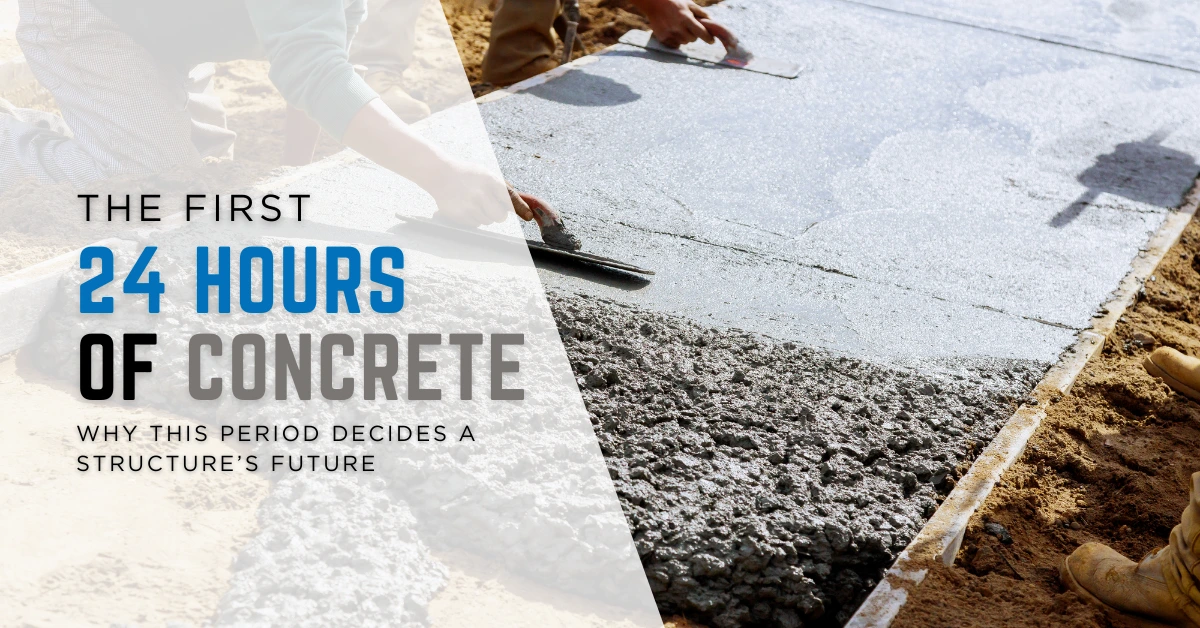
    The First 24 Hours of Concrete_ Why This Period Decides a Structure’s Future

    Early-age concrete is highly vulnerable. Problems during this window may not be visible immediately but often appear months or years later.

    Key risks include:

    • Plastic shrinkage cracking
    • Thermal cracking
    • Reduced compressive strength
    • Poor bonding with reinforcement
    • Increased permeability

    Proper control during this period ensures concrete reaches its designed performance level.

    4. Common Early-Age Concrete Problems

    a. Rapid Moisture Loss

    High temperatures, wind, or dry conditions can cause surface moisture to evaporate too quickly.

    Impact:

    • Plastic shrinkage cracks
    • Weak surface layers
    • Reduced durability

    b. Temperature Variations

    Sudden temperature changes affect hydration.

    Impact:

    • Uneven strength gain
    • Thermal stress
    • Internal cracking

    c. Improper Handling or Delays

    Delays in placing or finishing concrete disturb early bonding.

    Impact:

    • Segregation
    • Honeycombing
    • Reduced load-bearing capacity

    5. Role of Ready-Mix Concrete in Early-Age Performance

    Ready-Mix Concrete is specifically designed to control early-age behaviour.

    Benefits include:

    • Precise water–cement ratio
    • Controlled setting time
    • Uniform workability
    • Predictable strength development

    Aparna RMC engineers mixes that remain stable and workable during the first 24 hours, reducing risks at “the” site.

    6. How Aparna RMC Controls Early-Age Concrete Performance

    a. Optimised Mix Design

    Aparna RMC designs mixes based on:

    • Ambient temperature
    • Pour size
    • Structural requirements
    • Setting time needs

    This ensures balanced hydration and controlled strength gain.

    b. Controlled Setting Through Admixtures

    Admixtures are used to:

    • Prevent rapid setting in hot weather
    • Maintain workability
    • Reduce early shrinkage

    This allows proper placement and finishing without compromising strength.

    c. Temperature-Controlled Concrete for Large Pours

    For raft foundations and mass concrete, Aparna supplies:

    • Temperature-controlled concrete
    • Optimised cement content

    This reduces heat build-up and prevents thermal cracking during the first 24 hours.

    7. Importance of Proper Curing in the First 24 Hours

    Curing is essential to retain the moisture needed for hydration.

    Without proper curing:

    • Concrete loses strength
    • Surface cracks develop
    • Long-term durability reduces

    Aparna RMC provides technical guidance on curing methods suitable for different site conditions, ensuring early-age concrete protection.

    8. Role of Technology in Early-Age Quality Control

    a. SCADA-Controlled Batching

    Automation ensures:

    • Accurate water content
    • Uniform batch quality
    • Consistent setting behaviour

    b. Continuous Quality Monitoring

    Aparna conducts:

    • Slump checks before dispatch
    • Temperature monitoring
    • Early-age strength tracking

    These checks ensure early performance aligns with design expectations.

    c. Timely Delivery Through GPS-Enabled Fleet

    Fresh concrete delivery is critical during early-age handling. Aparna’s GPS-enabled fleet ensures:

    • Minimal transit delays
    • Consistent workability at “the” site
    • Reduced risk of premature setting

    9. Long-Term Impact of Proper Early-Age Control
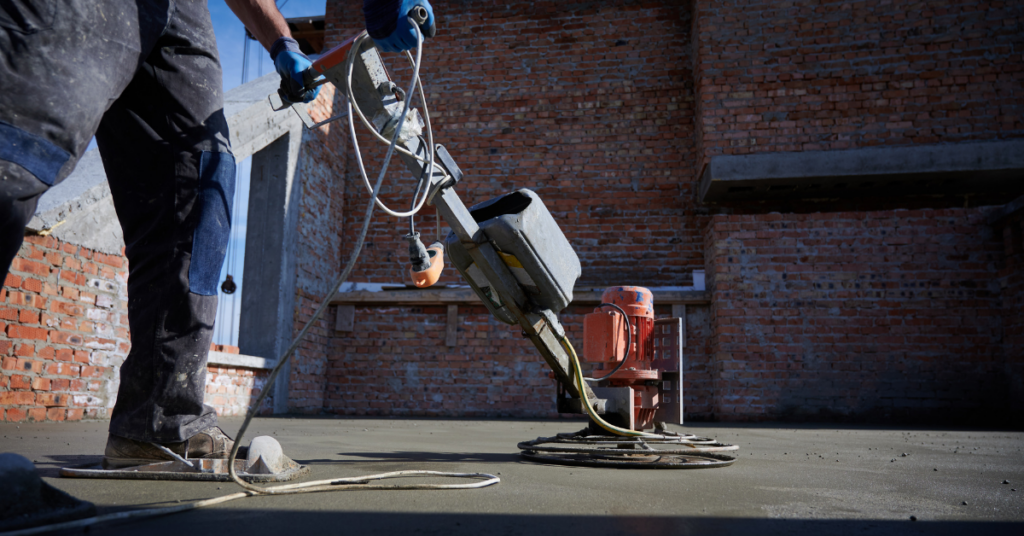
    The First 24 Hours of Concrete_ Why This Period Decides a Structure’s Future

    When the first 24 hours are well managed, structures benefit from:

    • Higher final strength
    • Reduced cracking
    • Improved durability
    • Lower permeability
    • Longer service life
    • Reduced maintenance costs

    Early-age control directly impacts structural reliability for decades.

    10. Checklist: Protecting Concrete in the First 24 Hours

    Before and after placing concrete, ensure:

    1. Correct mix design for site conditions
    2. Controlled setting time
    3. Protection from excessive heat or rain
    4. Proper curing initiation
    5. Continuous monitoring during “the” early hours
    6. Technical support from “the” RMC supplier

    Aparna RMC supports all these requirements.

    11. Conclusion

    The first 24 hours of concrete placement play a defining role in determining a structure’s strength, durability, and long-term performance. Early-age cracks, improper hydration, or temperature stress can permanently weaken concrete. Through engineered mix designs, temperature control, automation, and strict quality monitoring, Aparna RMC ensures concrete performs optimally during this critical window.

    For construction that demands reliability from day one to decades ahead, Aparna RMC delivers concrete solutions built for early-age control and lasting strength.

    Choose Aparna RMC for concrete engineered to perform from the very first hour.

    12. FAQs

    Q1: Why are the first 24 hours of concrete so important?
    Because hydration and early strength development occur during this period, influencing long-term durability.

    Q2: Can early-age cracks affect structural safety?
    Yes. Early cracks can reduce strength and increase permeability over time.

    Q3: How does Aparna RMC manage early-age concrete risks?
    Through optimised mix designs, controlled settings, temperature management, and technical support.
  • How Ready-Mix Concrete Enables Greater Design Freedom for Modern Architecture

    How Ready-Mix Concrete Enables Greater Design Freedom for Modern Architecture

    1. Introduction 

    Modern architecture is no longer limited to simple forms and repetitive layouts. Today’s buildings feature open floor plans, longer spans, slimmer columns, curved elements, and bold structural expressions. Achieving such architectural freedom requires materials that offer not just strength, but also predictable performance and flexibility in execution.

    Concrete plays a crucial role in turning architectural vision into reality. However, traditional site-mixed concrete often restricts design possibilities due to inconsistency and limited control. This is why architects and engineers increasingly rely on engineered Ready-Mix Concrete (RMC).

    In this blog, we explore how Ready-Mix Concrete enables greater architectural design freedom and how Aparna RMC supports innovative, complex, and future-ready building designs without compromising safety or durability.

    2. Why Architecture Demands More from Concrete Today

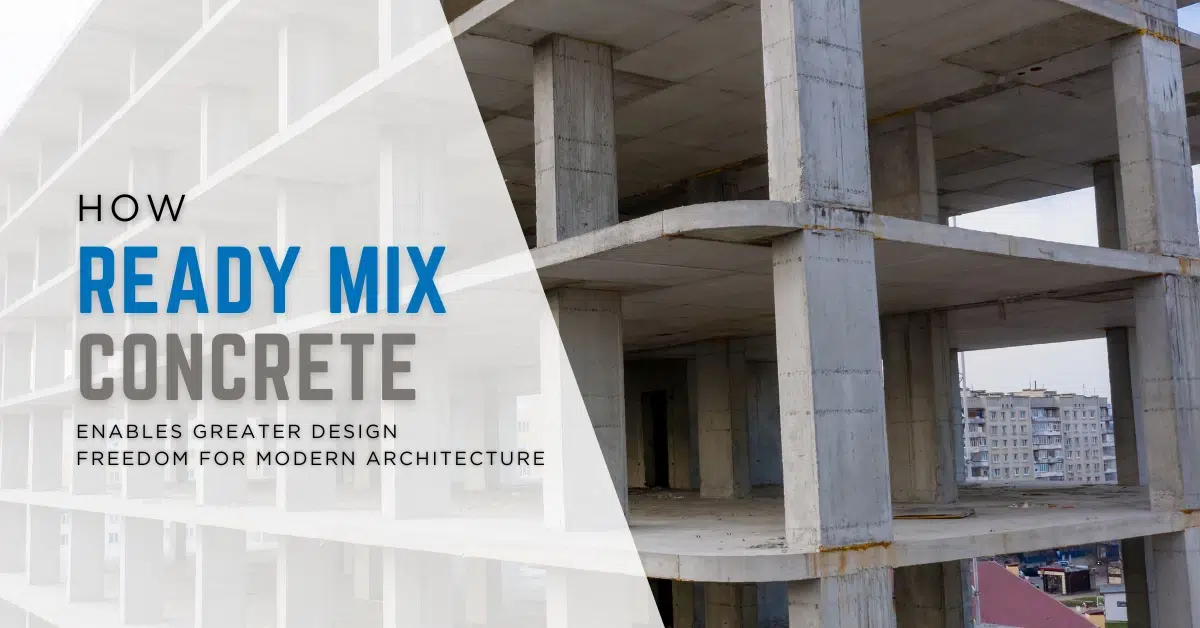
    How Ready-Mix Concrete Enables Greater Design Freedom for Modern Architecture

    Modern architectural designs demand concrete that can support:

    • Longer spans and open layouts
    • Slimmer columns and thinner slabs
    • Complex geometries and curves
    • Cantilevers and floating elements
    • Exposed concrete finishes

    Such designs place higher demands on concrete performance, precision, and consistency.

    3. Limitations of Traditional Concrete in Architectural Design

    Site-mixed concrete often limits design freedom due to:

    • Variations in strength across pours
    • Inconsistent workability
    • Difficulty in achieving complex shapes
    • Higher risk of surface defects
    • Limited control over finish quality

    These constraints force architects to simplify designs or add unnecessary structural elements.

    4. How Ready-Mix Concrete Expands Design Possibilities

    Ready-Mix Concrete removes many of these limitations through engineered precision.

    Key advantages include:

    • Consistent strength across large spans
    • Predictable setting and finishing behaviour
    • Superior surface quality for exposed concrete
    • Ability to support complex formwork
    • Uniform performance across multiple pours

    This enables architects to design freely while engineers maintain structural safety.

    5. Role of Concrete Strength and Consistency in Design Freedom

    Design freedom depends heavily on concrete reliability.

    High-strength concrete enables:

    • Reduced column sizes
    • Longer beam spans
    • More usable floor space
    • Lightweight structural aesthetics

    Consistency ensures that these design benefits are achieved without compromising performance.

    6. How Aparna RMC Supports Architectural Innovation

    a. Customised Mix Designs

    Aparna RMC develops mix designs based on:

    • Structural complexity
    • Architectural intent
    • Exposure conditions
    • Finish requirements

    This ensures concrete supports both design and performance goals.

    b. High-Strength and High-Performance Concrete

    Aparna supplies concrete grades suitable for:

    • Slender structural elements
    • High-rise buildings
    • Long-span slabs
    • Special architectural features

    These mixes provide the strength needed for modern design concepts.

    c. Controlled Workability for Complex Formwork

    Engineered workability ensures concrete:

    • Flows easily into complex moulds
    • Reduces voids and honeycombing
    • Delivers smooth surface finishes

    This is critical for architectural concrete applications.

    7. Supporting Exposed and Aesthetic Concrete Finishes

    Many modern designs use exposed concrete as a finish.

    Aparna RMC supports this through:

    • Uniform colour and texture
    • Reduced surface defects
    • Controlled setting behaviour
    • Consistent compaction properties

    This allows architects to use concrete as both a structural and aesthetic element.

    8. Role of Technology in Architectural Concrete

    a. SCADA-Controlled Batching

    SCADA-based automation ensures:

    • Accurate mix proportions
    • Repeatable performance
    • Uniform quality across pours

    b. Quality Monitoring and Testing

    Aparna conducts:

    • Slump control
    • Strength verification
    • Finish quality checks

    This ensures concrete meets architectural expectations.

    c. Timely and Coordinated Supply

    Architectural pours often require precise timing. Aparna’s logistics support:

    • Continuous pours
    • Consistent workability
    • Seamless execution

    9. Benefits for Architects, Builders, and Developers

    Using Aparna RMC enables:

    • Greater design flexibility
    • Reduced structural compromises
    • Improved space utilisation
    • Better finish quality
    • Faster project execution
    • Higher client satisfaction

    These benefits help transform architectural vision into reality.

    10. Checklist: Choosing Concrete for Design-Driven Projects

    Before selecting concrete for architectural projects, ensure:

    🔲 Consistent strength across pours
    🔲 Customised mix designs
    🔲 High-quality surface finish capability
    🔲 Reliable workability control
    🔲 Technical coordination support
    🔲 Proven experience in complex projects

    Aparna RMC meets all these criteria.

    11. Conclusion

    Architectural innovation depends on materials that offer both strength and flexibility. Ready -Mix Concrete enables architects to push boundaries by supporting longer spans, complex forms, and refined finishes with confidence. Through customised mix designs, high-performance concrete, and precise quality control, Aparna RMC empowers modern architecture without compromising safety or durability.

    For projects that demand creativity, precision, and performance, Aparna RMC delivers concrete solutions that turn ambitious designs into enduring structures.

    Choose Aparna RMC to build architecture without limits.

    12. FAQs

    Q1: Can concrete support complex architectural designs?
    Yes. Engineered Ready-Mix Concrete enables complex forms and long spans reliably.

    Q2: Does high-strength concrete affect design flexibility?
    It enhances flexibility by allowing slimmer structural elements and open spaces.

    Q3: Does Aparna RMC work with architects during planning?
    Yes. Aparna provides technical support to align concrete performance with design intent.

  • Concrete for Extreme Conditions: How Aparna RMC Performs in Heat, Rain, and Heavy Loads

    Concrete for Extreme Conditions: How Aparna RMC Performs in Heat, Rain, and Heavy Loads

    1. Introduction 

    Construction in India rarely happens under ideal conditions. Projects must withstand extreme heat, heavy monsoons, fluctuating humidity, and high structural loads — all of which place immense stress on concrete performance. When concrete is not designed for these conditions, it can lead to cracking, loss of strength, durability issues, and long-term structural damage.

    This is why modern construction demands engineered Ready-Mix Concrete (RMC) that can adapt to environmental and structural challenges. Aparna RMC has developed specialised concrete solutions that perform reliably in extreme conditions, ensuring strength, workability, and durability regardless of external stresses.

    In this blog, we explore how Aparna RMC designs and delivers concrete that performs consistently in heat, rain, and heavy-load environments.

    2. Why Extreme Conditions Are a Challenge for Concrete

    Concrete performance is highly sensitive to environmental and loading conditions. Extreme factors can disrupt hydration, weaken bonding, and reduce long-term durability.

    Key challenges include:

    • Rapid moisture loss in hot weather
    • Excess water during monsoons
    • Thermal cracking in large pours
    • Increased stress from heavy loads
    • Corrosion risks in aggressive environments

    Without proper mix design and quality control, these factors can severely compromise structural integrity.

    3. Concrete Performance in High-Temperature Conditions

    a. Challenges of Hot Weather Concreting

    In high temperatures, concrete tends to:

    • Lose moisture rapidly
    • Set faster than desired
    • Develop plastic shrinkage cracks
    • Lose workability before placement

    These issues are common in summer months and heat-intensive regions.

    b. How Aparna RMC Adapts Concrete for Heat

    Aparna RMC uses several strategies to ensure optimal performance in hot conditions:

    • Controlled water–cement ratio to prevent rapid evaporation
    • Use of retarders to slow down the setting time
    • Temperature-controlled batching for large pours
    • Continuous moisture monitoring of aggregates

    These measures ensure concrete remains workable and achieves target strength even under extreme heat.

    4. Concrete Performance During Monsoons and High Moisture Conditions

    a. Challenges of Monsoon Concreting

    Rain and high humidity can cause:

    • Excess water entering the mix
    • Reduced strength due to dilution
    • Segregation of aggregates
    • Delayed setting and finishing issues

    Uncontrolled moisture is one of the biggest risks during monsoon construction.

    b. Aparna RMC’s Monsoon-Ready Concrete Solutions

    To counter these challenges, Aparna RMC implements:

    • Moisture correction systems in batching plants
    • Precise adjustment of water content
    • Use of admixtures to maintain strength
    • Protected material storage at plants

    These controls ensure consistent concrete quality even during heavy rainfall.

    5. Concrete Under Heavy Structural Loads

    a. Why Heavy Loads Demand Special Concrete

    Structures—such as high-rise buildings, bridges and flyovers, industrial floors, and infrastructure are subjected to continuous and dynamic loads. Concrete used here must offer high compressive strength, low permeability, and long-term durability.

    b. Aparna RMC’s High-Strength Concrete Solutions

    Aparna RMC supplies high-strength grades from M40 to M80, engineered to handle heavy loads without compromise.

    Key features include:

    • High compressive strength
    • Enhanced bonding with reinforcement
    • Reduced permeability
    • Improved resistance to cracking

    These mixes ensure safe load transfer and structural stability over decades

    6. Managing Thermal Stress in Large Concrete Pours

    “Large pours,” such as raft foundations and bridge decks, generate significant heat due to cement hydration.

    Risks include:

    • Thermal cracking
    • Internal stress development
    • Reduced durability

    Aparna RMC’s Solutions:

    • Temperature-controlled concrete
    • Optimised cement content
    • Use of supplementary materials to reduce “the” heat of hydration
    • Controlled pour sequencing

    These practices minimise thermal stress and enhance long-term performance.

    7. Role of Technology in Extreme-Condition Concrete

    Technology plays a key role in managing concrete performance.

    a. SCADA-Controlled Batching

    A “SCADA”-based automation ensures:

    • Precise proportioning
    • Accurate moisture correction
    • Uniform quality across batches

    b. Continuous Quality Testing

    Aparna conducts:

    • Slump tests
    • Temperature checks
    • Strength testing at different curing stages

    This ensures that concrete meets design requirements despite environmental challenges.

    c. GPS-Enabled Logistics

    Timely delivery is crucial in extreme conditions. Aparna’s GPS-enabled fleet ensures:

    • Reduced transit time
    • Fresh concrete at “the site”
    • Minimal loss of workability

    8. Benefits of Using Aparna RMC for Extreme Conditions

    Builders and engineers benefit from:

    • Reduced cracking and shrinkage
    • Improved durability in harsh climates
    • Consistent strength performance
    • Lower maintenance costs
    • Safer structures under heavy loads
    • Reliable construction timelines

    These advantages make Aparna RMC a trusted partner for challenging projects.

    9. Checklist: Choosing Concrete for Extreme Conditions

    Before selecting concrete for challenging environments, ensure:

    🔲 Weather-adapted mix designs
    🔲 Automated batching with moisture control
    🔲 High-strength grades for heavy loads
    🔲 Temperature-controlled solutions for large pours
    🔲 On-site technical support
    🔲 Proven experience in extreme conditions

    Aparna RMC meets all these requirements.

    10. Conclusion

    Extreme conditions demand more than standard concrete — they require engineered solutions designed for performance under stress. Whether it’s scorching heat, heavy rainfall, or massive structural loads, Aparna RMC delivers concrete that adapts, performs, and endures. Through advanced mix designs, automation, and rigorous quality control, Aparna ensures reliable concrete performance across all environments.

    For projects where conditions are tough and expectations are high, Aparna RMC provides the confidence to build safely and sustainably.

    Choose Aparna RMC for concrete engineered to perform under extreme conditions.

    11. FAQs

    Q1: Can concrete be poured during extreme heat or rain?
    Yes, concrete can be poured during extreme heat or rain when proper precautions are taken. Aparna RMC uses specialized mix designs, controlled pouring methods, and protective measures to ensure durability, strength, and long-term performance.

    Q2: Which concrete grades are suitable for heavy-load structures?
    For heavy-load structures, higher-strength concrete grades like M40 and above are generally recommended. The exact grade depends on structural design, load conditions, durability needs, and specific engineering and safety requirements.

    Q3: How does Aparna RMC prevent cracking in large pours?
    Aparna RMC prevents cracking in large concrete pours by using temperature-controlled mixes, optimized cement content, controlled hydration processes, proper curing practices, and carefully planned placement techniques to reduce thermal stress.

  • Why Consistent Concrete Supply Is Critical for Structural Strength

    Why Consistent Concrete Supply Is Critical for Structural Strength

    1. Introduction 

    In construction, strength is not determined by a single concrete pour — it is built through consistency across every stage of the structure. Even when the correct concrete grade is used, variations between batches or interruptions in supply can compromise structural integrity. In “large projects,” especially, consistent Ready Mix Concrete (RMC) supply plays a crucial role in achieving uniform strength, durability, and long-term performance.

    Inconsistent concrete can lead to weak joints, cracks, and uneven load transfer — issues that may not be visible immediately but emerge over time. This is why leading builders and engineers rely on trusted RMC partners like Aparna RMC, known for maintaining uniformity, precision, and uninterrupted supply across projects of all scales.

    This blog explains why consistency in concrete supply matters and how Aparna RMC ensures structural strength from foundation to finish.

    2. What Does Consistent Concrete Supply Mean?

    Consistent concrete supply refers to the ability to deliver uniform concrete quality, strength, and workability across multiple pours — without variation between batches.

    This includes consistency in:

    • Mix proportions
    • Strength grade
    • Workability (slump)
    • Setting time
    • Raw material quality
    • Delivery timing

    When concrete consistency is maintained, the structure behaves as a single, unified system rather than separate segments.

    3. How Inconsistent Concrete Affects Structural Strength

    Even small variations in concrete quality can create long-term structural problems.

    a. Formation of Cold Joints

    Cold joints occur when fresh concrete is poured over concrete that has already begun to set.

    Impact:

    • Weak bonding between layers
    • Reduced load transfer
    • Increased risk of cracking and leakage

    Consistent and uninterrupted supply helps prevent cold joints in slabs, beams, columns, and foundations.

    b. Uneven Load Distribution

    When different sections of a structure have varying strength levels, loads are not distributed evenly.

    Result:

    • Stress concentration
    • Micro-cracks
    • Reduced overall load-bearing capacity

    Uniform RMC supply ensures that every part of the structure performs equally under load.

    c. Differential Shrinkage and Cracking

    Inconsistent water–cement ratios between batches lead to different shrinkage rates.

    This causes:

    • Surface cracks
    • Structural cracks
    • Poor finish quality

    Aparna RMC maintains precise water-cement ratios through automated batching.

    d. Reduced Durability Over Time

    Variations in concrete quality increase:

    • Water permeability
    • Steel reinforcement corrosion
    • Long-term maintenance requirements

    Consistency is essential for achieving durability over decades.

    4. Why Consistency Is More Critical in Large Projects

    Large-scale projects such as: High-rise buildings Infrastructure works Industrial facilities Commercing with Many large-scale projects require continuous concrete pours over extended periods. 

    In such projects:

    • Hundreds or thousands of cubic meters are poured
    • Multiple structural elements are cast simultaneously
    • Even minor inconsistencies multiply into major risks

    This makes consistent RMC supply non-negotiable for large developments.

    5. How Ready Mix Concrete Ensures Consistency

    Ready Mix Concrete is specifically designed to eliminate the variability seen in site-mixed concrete.

    Key reasons RMC ensures consistency:

    • Centralised production in controlled environments
    • Standardised mix designs
    • Automated batching systems
    • Continuous quality testing
    • Uniform raw material sourcing

    Aparna RMC strengthens these advantages with advanced technology and strong operational discipline.

    6. How Aparna RMC Maintains Consistent Concrete Supply

    Aparna RMC has built its reputation around uniform quality and dependable supply.

    a. SCADA-Controlled Batching Systems

    All Aparna plants use automated SCADA systems that ensure:

    • Accurate material measurement
    • Uniform mix proportions
    • Consistent strength across batches
    • Zero manual estimation

    This eliminates human error and batch-to-batch variation.

    b. Standardised Mix Designs Across Plants

    Aparna follows centralised mix design protocols to ensure:

    • The same grade performs identically across locations
    • Uniform workability and strength
    • Reliable results across multiple pours

    This is critical for projects supplied from more than one plant.

    c. Stringent Raw Material Quality Control

    Consistency begins with raw materials.

    Aparna ensures:

    • Certified cement sources
    • Graded aggregates
    • Clean M-sand
    • Controlled moisture levels

    Materials are tested regularly to maintain uniform input quality.

    d. Strong Plant Network for Uninterrupted Supply

    With 36+ strategically located plants, Aparna ensures:

    • Shorter delivery distances
    • Fresh concrete at “the” site
    • No gaps in supply during large pours

    Multiple plants can support a single project to maintain continuity.

    e. Large Fleet & Dispatch Coordination

    Aparna’s fleet of 350+ transit mixers and pumps allows:

    • Continuous delivery cycles
    • Backup vehicles during peak demand
    • Smooth flow of concrete to “the” site

    Dedicated dispatch teams coordinate timing to avoid interruptions.

    f. Real-Time Quality Monitoring

    Aparna conducts:

    • Slump tests before dispatch
    • Strength testing at set intervals
    • Temperature and moisture monitoring

    This ensures consistency not just in production, but also in performance at “the” site.

    7. Benefits of Consistent Concrete Supply for Builders

    Maintaining uniform concrete quality delivers multiple advantages:

    • Improved structural safety
    • Better load transfer
    • Reduced cracking and seepage
    • Enhanced durability
    • Faster construction timelines
    • Lower maintenance costs
    • Better finishing quality

    These benefits directly impact project success and long-term value.

    8. Site-Mixed Concrete vs Consistent RMC Supply

    AspectSite-Mixed ConcreteAparna RMC
    Mix accuracyVariableHighly precise
    Batch consistencyInconsistentUniform
    Risk of cold jointsHighMinimal
    Strength reliabilityUncertainVerified
    Supply continuityLimitedAssured
    Quality testingRareMandatory

    9. Checklist: How to Ensure Concrete Consistency on Your Project

    Before choosing an RMC supplier, confirm with “that they provide”

    🔲 Automated batching systems
    🔲 Standardised mix designs
    🔲 Multiple plants for backup supply
    🔲 Large fleet availability
    🔲 Regular quality testing
    🔲 Technical coordination with site teams

    “Aparna RMC meets every one of these criteria” with “Aparna RMC consistently fulfills each of these critical benchmarks.

    10. Conclusion

    Structural strength depends not just on concrete grade, but on consistency across every pour. Inconsistent concrete can weaken joints, reduce load-bearing capacity, and shorten a building’s lifespan. By delivering uniform quality, uninterrupted supply, and precision-controlled mixes, Aparna RMC ensures that structures perform as designed — today and decades into the future.

    For projects where strength, safety, and durability matter, “a” consistent Ready Mix Concrete supply is essential.

    Choose Aparna RMC for concrete that delivers consistency you can build on.

    11. FAQs

    Q1: Why is consistent concrete supply important in slabs and foundations?
    It prevents cold joints and ensures uniform load transfer.

    Q2: Can inconsistent concrete cause cracks later?
    Yes. Variations in strength and shrinkage often lead to cracking over time.

    Q3: How does Aparna RMC ensure batch uniformity?
    Through SCADA automation, standardised mix designs, and continuous testing.

  • What Happens Inside a Ready Mix Concrete Plant? A Step-by-Step Guide

    What Happens Inside a Ready Mix Concrete Plant? A Step-by-Step Guide

    1. Introduction 

    Ready Mix Concrete may look simple when it arrives at a construction site, but behind every cubic meter lies a highly controlled, technology-driven production process. Unlike site-mixed concrete, which depends on manual labour and variable conditions, Ready Mix Concrete is manufactured in specialised plants designed for accuracy, consistency, and efficiency.

    Understanding what happens inside a Ready Mix Concrete plant helps builders, engineers, and developers appreciate why RMC offers superior quality, safety, and performance. Aparna RMC operates some of the most advanced batching plants in the region, ensuring that every batch meets strict quality and strength standards.

    In this blog, we take you through a step-by-step journey inside an Aparna RMC plant, explaining how raw materials are transformed into high-performance concrete ready for modern construction.

    2. Step 1: Raw Material Selection and Storage

    Everything starts with high-quality raw materials. Aparna RMC follows strict guidelines for sourcing and storing materials.

    Key materials used:

    • Cement
    • Coarse aggregates
    • Fine aggregates (M-sand)
    • Water
    • Admixtures

    Why this step matters:

    Poor-quality raw materials directly reduce concrete strength and durability. Aparna ensures materials are sourced only from approved suppliers and stored in controlled conditions to prevent contamination.

    3. Step 2: Raw Material Testing & Quality Verification

    Before materials enter production, they undergo rigorous testing.

    Tests conducted include:

    • Cement fineness and setting time
    • Aggregate grading and moisture content
    • Sand cleanliness and particle size
    • Water chemical purity

    This step ensures that only certified materials are used, eliminating inconsistencies at the foundation level.

    4. Step 3: Accurate Weighing Through SCADA Automation

    Once approved, materials are fed into the batching system.

    SCADA-controlled batching ensures:

    • Precise measurement of cement, aggregates, and water
    • Correct water–cement ratio
    • Zero manual estimation
    • Repeatable accuracy for every batch

    Automation is one of the biggest advantages of Aparna RMC, ensuring uniform concrete quality across thousands of batches.

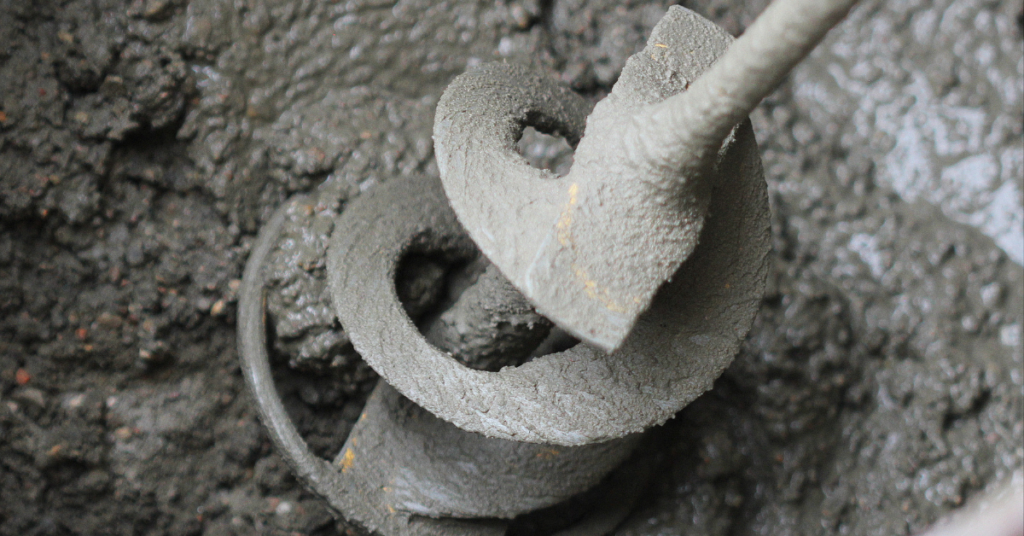
    5. Step 4: Mixing Process

    Ready Mix Concrete plant process3

    After weighing, materials are transferred to high-capacity mixers.

    What happens during mixing:

    • Cement coats aggregates evenly
    • Water activates hydration
    • Admixtures improve workability, strength, or setting time

    Why controlled mixing is critical:

    Improper mixing can lead to weak zones, segregation, or inconsistent strength. Aparna’s mixers ensure thorough blending within controlled time cycles.

    6. Step 5: Fresh Concrete Quality Checks

    Ready Mix Concrete plant process3

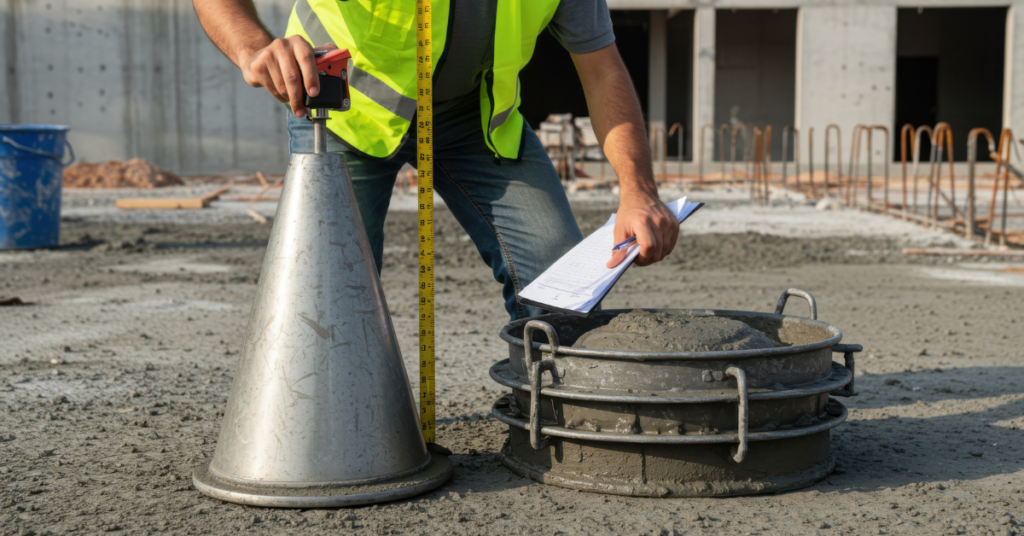
    Before dispatch, fresh concrete is tested for consistency and workability.

    Common checks include:

    • Slump test
    • Temperature monitoring
    • Visual inspection

    These checks confirm that concrete can be placed and compacted correctly at the site.

    7. Step 6: Dispatch Planning and Scheduling

    Concrete has a limited working time, making dispatch planning crucial.

    Aparna RMC ensures:

    • Accurate scheduling based on site demand
    • Continuous supply for large pours
    • Coordination with site engineers
    • Optimised delivery routes

    Each delivery is planned to minimise waiting time and maintain concrete quality.

    8. Step 7: Loading into Transit Mixers

    Once approved, concrete is loaded into transit mixers.

    Why transit mixers matter:

    • Continuous drum rotation prevents segregation
    • Maintains uniform consistency during travel
    • Protects concrete from setting prematurely

    Aparna’s well-maintained fleet ensures smooth transportation from plant to site.

    9. Step 8: GPS Tracking and Delivery Monitoring

    Aparna RMC uses GPS-enabled vehicles to track deliveries in real time.

    Benefits of GPS tracking:

    • Live location updates
    • Better coordination with site teams
    • Route optimisation
    • Reduced delivery delays

    This level of visibility ensures concrete arrives fresh and on time.

    10. Step 9: Site-Level Support and Pour Coordination

    Aparna’s responsibility doesn’t end at dispatch.

    On-site support includes:

    • Technical guidance during pouring
    • Pump coordination
    • Workability adjustments if required
    • Quality checks at “the” site

    This hands-on approach ensures concrete performs as intended.

    11. Step 10: Strength Testing & Documentation

    After placement, concrete cubes are tested at:

    • 7 days
    • 14 days
    • 28 days

    These tests verify that the concrete achieves the required strength grade.

    Why documentation matters:

    Test records provide proof of quality and compliance with IS/BIS standards.

    12. How Aparna RMC Maintains Consistency Across All Plants

    With multiple plants in operation, Aparna ensures uniform standards through:

    • Centralised quality protocols
    • Standardised mix designs
    • Regular audits
    • Skilled technical teams
    • Continuous system calibration

    This ensures consistency regardless of location.

    13. Why This Process Makes RMC Superior to Site-Mixed Concrete

    Compared to site mixing, RMC offers:

    • Controlled production environment
    • Accurate proportioning
    • Reliable strength
    • Faster construction
    • Reduced wastage
    • Improved structural safety

    Aparna’s step-by-step controlled process eliminates guesswork from concrete production.

    14. Checklist: What a High-Quality RMC Plant Must Have

    Before choosing an RMC supplier, ensure the plant has:

    🔲 Automated batching systems
    🔲 Raw material testing facilities
    🔲 Slump and strength testing protocols
    🔲 GPS-enabled fleet
    🔲 Dispatch planning team
    🔲 On-site technical support

    Aparna RMC meets all these criteria.

    15. Conclusion 

    A Ready Mix Concrete plant is a hub of precision, technology, and quality control. From raw material testing to automated batching, controlled mixing, and real-time delivery monitoring, every step plays a critical role in ensuring concrete performance. Aparna RMC’s systematic and transparent production process guarantees consistency, strength, and durability in every batch delivered.

    By understanding what happens inside an RMC plant, builders can make informed choices and trust Aparna RMC as a reliable partner for safe, efficient, and high-quality construction.

    Choose Aparna RMC — engineered precision from plant to project.

    16. FAQs

    Q1: How is RMC different from site-mixed concrete?
    RMC is produced in controlled plants using automation and testing, ensuring higher consistency.

    Q2: Does Aparna RMC test every batch?
    Yes. Slump tests and strength testing are part of Aparna’s standard quality process.

    Q3: How does Aparna ensure fresh concrete delivery?
    Through optimised dispatch planning, GPS tracking, and nearby batching plants.

  • The Role of Ready Mix Concrete in Modern Infrastructure Projects

    The Role of Ready Mix Concrete in Modern Infrastructure Projects

    1. Introduction 

    India’s infrastructure landscape is evolving at an unprecedented pace. From metro rail corridors and express highways to airports, bridges, and smart cities, modern infrastructure projects demand materials that deliver strength, speed, and long-term durability. At the heart of these developments lies Ready Mix Concrete (RMC) — a material that has become indispensable for large-scale, high-performance construction.

    Unlike traditional site-mixed concrete, RMC offers precision, consistency, and reliability, making it ideal for infrastructure projects where safety and timelines are non-negotiable. Aparna RMC, with its advanced batching technology, large production capacity, and proven expertise, plays a vital role in supporting India’s infrastructure growth.

    This blog explores how Ready Mix Concrete enables modern infrastructure projects and why Aparna RMC is a trusted partner for complex, large-scale construction.

    2. Why Infrastructure Projects Demand Specialized Concrete

    Infrastructure projects operate under extreme conditions and “high-performance”

     requirements. Concrete used in such projects must withstand:

    • Heavy and continuous loads
    • Harsh environmental exposure
    • Long service life (50–100 years)
    • High traffic and vibration
    • Strict safety and quality regulations

    Any compromise in concrete quality can lead to structural damage, frequent repairs, or safety risks. This makes engineered Ready Mix Concrete the preferred choice for infrastructure development.

    3. Key Advantages of Ready Mix Concrete in Infrastructure Construction

    a. Consistent Quality Across Large Volumes

    Infrastructure projects require thousands of cubic meters of concrete. RMC ensures uniform strength and performance across every batch, eliminating variability that can weaken structures.

    b. Faster Construction Timelines

    With RMC arriving ready to pour, infrastructure projects benefit from:

    • Faster casting cycles
    • Reduced on-site labour
    • Continuous pouring for large sections
    • Minimal delays

    Speed is critical in public infrastructure where delays impact economic growth and public convenience.

    c. High-Strength and High-Performance Mixes

    Infrastructure structures often require “higher grades”, such as M40 to M80, along with special properties like:

    • Low permeability
    • High durability
    • Crack resistance
    • Temperature control

    Aparna RMC designs and supplies such advanced mixes with precision.

    d. Improved Safety and Structural Reliability

    Automated batching and rigorous testing ensure that RMC meets strict engineering standards, reducing the risk of structural failures.

    4. Applications of Ready Mix Concrete in Infrastructure Projects

    Ready Mix Concrete plays a central role across multiple infrastructure segments.

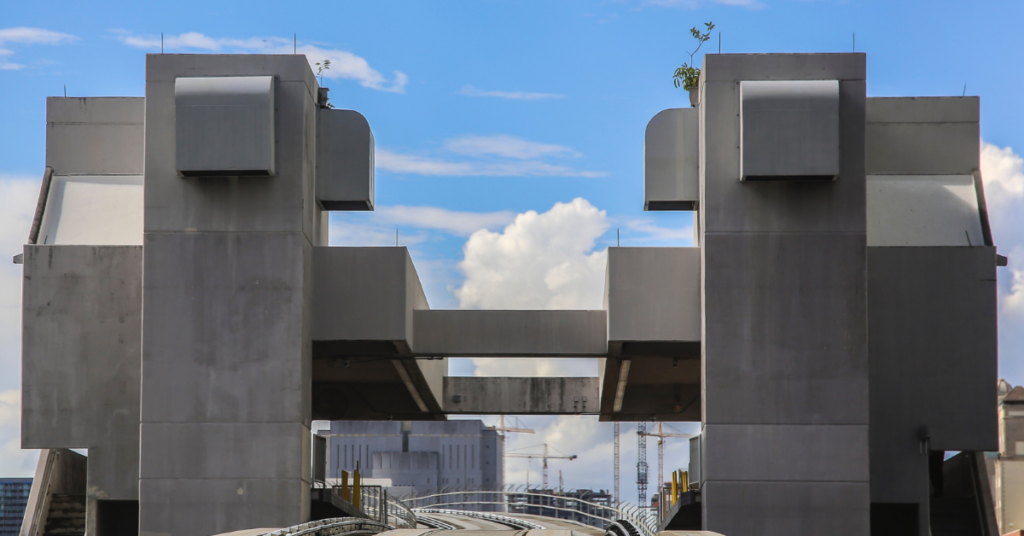
    a. Metro Rail & Railway Projects

    Used for:

    • Pillars and viaducts
    • Station buildings
    • Platforms
    • Tunnels and retaining walls

    These structures demand high-strength, durable concrete with long service life.

    b. Highways, Flyovers & Bridges

    RMC is used in:

    • Bridge decks
    • Girders and piers
    • Ramps and flyovers
    • Road pavements

    Concrete must resist dynamic loads, weather exposure, and heavy traffic.

    c. Airports & Runways

    Airports require concrete with:

    • High load-bearing capacity
    • Resistance to abrasion
    • Long-term durability

    RMC ensures precise mix designs suitable for aviation infrastructure.

    d. Water & Utility Infrastructure

    Used in:

    • Water treatment plants
    • Drainage systems
    • Reservoirs
    • Underground utilities

    Low permeability and chemical resistance are essential here.

    5. Challenges in Infrastructure Concreting — and How RMC Solves Them

    Infrastructure projects face multiple challenges:

    ChallengeHow RMC Helps
    Large concrete volumesContinuous, consistent supply
    Tight timelinesFaster production and placement
    Environmental exposureDurable, Low-permeability mixes
    Quality complianceStandardised testing & certification
    Remote locationsMobile logistics & plant 

    Aparna RMC addresses these challenges through planning, technology, and execution excellence.

    6. How Aparna RMC Supports Infrastructure Development

    Aparna RMC has built its operations around the needs of large-scale projects.

    a. Advanced SCADA-Controlled Batching Plants

    Automation ensures:

    • Precise mix proportions
    • Consistent quality
    • Reduced wastage
    • Faster production cycles

    b. Wide Network of Strategically Located Plants

    With 36+ plants across major regions, Aparna ensures:

    • Shorter delivery distances
    • Fresh concrete supply
    • Reduced transit delays

    c. High-Capacity Fleet & Equipment

    Aparna operates:

    • 350+ transit mixers
    • Concrete pumps and boom placers

    This allows “an” uninterrupted supply for large and continuous pours.

    d. Specialised Infrastructure Mix Designs

    Aparna provides:

    • High-strength concrete (M40–M80)
    • Self-compacting concrete
    • Temperature-controlled concrete
    • High-performance concrete

    These mixes are engineered to meet project-specific requirements.

    e. Dedicated Technical & Quality Teams

    Aparna’s experts support:

    • Mix selection
    • Pour planning
    • Quality control
    • On-site troubleshooting

    This partnership approach ensures smooth project execution.

    7. Benefits of Using Aparna RMC for Infrastructure Projects

    Developers and government agencies benefit from:

    • Improved construction speed
    • Lower lifecycle maintenance costs
    • Enhanced structural safety
    • Compliance with IS/BIS standards
    • Reduced environmental impact
    • Predictable project timelines

    These benefits make Aparna RMC a preferred choice for infrastructure construction.

    8. Checklist: What Infrastructure Projects Need from an RMC Supplier

    Before choosing an RMC partner, ensure they offer:

    🔲 High-strength concrete grades
    🔲 Automated batching systems
    🔲 Large fleet capacity
    🔲 Experience with infrastructure projects
    🔲 Strong quality testing protocols
    🔲 Technical support at “the” site

    Aparna RMC checks every requirement.

    9. Conclusion 

    Modern infrastructure demands materials that can deliver strength, consistency, and durability at scale. Ready Mix Concrete has become the backbone of infrastructure development by enabling faster construction, improved safety, and long-lasting performance. With advanced technology, wide plant coverage, and deep project expertise, Aparna RMC plays a critical role in shaping India’s infrastructure landscape.

    From metro corridors to highways and airports, Aparna RMC supports nation-building projects with concrete solutions engineered for performance and reliability.

    Partner with Aparna RMC for infrastructure concrete that stands the test of time.

    10. FAQs

    Q1: Why is RMC preferred for infrastructure projects?
    Because it offers consistent quality, faster execution, and high-strength performance.

    Q2: Can Aparna RMC handle large-volume infrastructure pours?
    Yes. Multiple plants and a large fleet enable continuous, high-volume supply.

    Q3: Does Aparna RMC offer customised mixes for infrastructure?
    Yes. Mixes are designed based on load, environment, and project specifications.

  • How Quality Testing in Ready Mix Concrete Prevents Structural Failures

    How Quality Testing in Ready Mix Concrete Prevents Structural Failures

    1. Introduction 

    Structural failures in buildings are rarely sudden accidents — they are often the result of compromised material quality, poor testing, or inconsistent concrete strength. In a country like India, where construction spans diverse climates, soil conditions, and structural demands, ensuring concrete quality is critical.

    This is why quality testing in Ready Mix Concrete (RMC) plays such a vital role in modern construction. From verifying raw materials to checking strength after curing, testing ensures that concrete performs exactly as designed.

    Aparna RMC follows a strict quality control and testing framework at every stage of production to eliminate risks, prevent failures, and deliver safe, durable structures. This blog explains how quality testing in RMC protects buildings from long-term structural issues and why it is non-negotiable in today’s construction industry.

    2. What Is Structural Failure and Why Does It Occur?

    Structural failure refers to the inability of a structure to safely carry loads over time. Common causes include:

    • Use of poor-quality concrete
    • Incorrect mix proportions
    • Inconsistent strength across pours
    • Lack of testing and certification
    • Improper curing
    • Environmental exposure (heat, moisture, chemicals)

    Many of these issues can be prevented through systematic testing — which is where RMC quality control becomes essential.

    3. Why Quality Testing Is Critical in Ready Mix Concrete

    Unlike site-mixed concrete, RMC is produced in controlled environments where testing is an integral part of the process.

    Key objectives of concrete testing:

    • Confirm strength and durability
    • Ensure mix consistency
    • Detect defects early
    • Comply with IS and BIS standards
    • Reduce long-term maintenance and repair costs

    Quality testing ensures that concrete used today remains strong and reliable decades later.

    4. Types of Quality Tests Performed in Ready Mix Concrete

    Aparna RMC follows multiple testing stages to ensure concrete reliability.

    a. Raw Material Testing

    Before production begins, all incoming materials are tested.

    Materials tested include:

    • Cement (fineness, setting time, strength)
    • Aggregates (grading, shape, moisture content)
    • M-sand (particle size, cleanliness)
    • Water (chemical purity)

    Why it matters:
    Defective raw materials weaken bonding and reduce final strength.

    b. Slump Test (Workability Test)

    The slump test checks the workability and consistency of fresh concrete.

    Benefits:

    • Ensures easy placement and compaction
    • Prevents honeycombing
    • Maintains uniformity across batches

    Aparna RMC conducts slump tests for every batch before dispatch.

    c. Cube Compressive Strength Test

    Concrete cubes are cast and tested at:

    • 7 days
    • 14 days
    • 28 days

    This confirms whether the concrete achieves its target grade strength (M20–M80).

    Why this is critical:
    Compressive strength is the primary indicator of structural safety.

    d. Moisture and Temperature Monitoring

    Concrete properties change with temperature and moisture.

    Aparna RMC continuously monitors:

    • Aggregate moisture
    • Ambient temperature
    • Concrete temperature during dispatch

    This ensures mix adjustments are made to maintain performance in all weather conditions.

    e. Durability & Performance Testing (Where Required)

    For infrastructure and high-performance projects, Aparna conducts additional tests such as:

    • Water permeability tests
    • Chloride penetration tests
    • Sulphate resistance checks

    These tests ensure long-term durability in aggressive environments.

    5. How Quality Testing Prevents Structural Failures

    Quality testing directly protects structures in multiple ways:

    ✔ Prevents under-strength concrete

    ✔ Ensures uniform load distribution

    ✔ Avoids cracks and seepage

    ✔ Improves bond with reinforcement

    ✔ Enhances durability against corrosion

    ✔ Reduces risk of premature deterioration

    Each test acts as a checkpoint that prevents defects from entering the structure.

    6. Aparna RMC’s Quality Assurance Framework

    Aparna RMC follows a multi-layered quality control system designed to eliminate risk at every stage.

    a. SCADA-Controlled Batching

    Automation ensures:

    • Accurate mix proportions
    • Consistent water-cement ratio
    • Zero human error

    This forms the foundation of quality consistency.

    b. In-House Laboratories

    Aparna operates in-house testing labs to:

    • Conduct real-time testing
    • Track strength development
    • Maintain detailed quality records

    c. Experienced Quality Engineers

    Trained professionals monitor:

    • Raw material compliance
    • Batch quality
    • On-site performance

    They also guide customers on proper handling and curing.

    d. Compliance with IS & BIS Standards

    All testing procedures align with:

    • IS 456
    • IS 10262
    • BIS specifications

    This ensures national code compliance for every project.

    7. Impact of Poor Testing: What Happens When Quality Is Ignored

    When quality testing is skipped or poorly executed, projects face:

    • Structural cracks
    • Reduced load-bearing capacity
    • Water leakage
    • Corrosion of steel reinforcement
    • Increased maintenance costs
    • Reduced building lifespan
    • Safety risks to occupants

    Testing is not an added cost — it is risk prevention.

    8. Checklist: How to Identify a Quality-Focused RMC Supplier

    Before selecting an RMC supplier, ask:

    🔲 Do they test raw materials regularly?
    🔲 Do they conduct slump and cube tests for every batch?
    🔲 Are batching systems automated?
    🔲 Do they have in-house laboratories?
    🔲 Do they comply with IS/BIS standards?
    🔲 Do they provide technical support at the site?

    Aparna RMC meets all these quality benchmarks.

    9. Conclusion 

    Quality testing is the backbone of safe and durable construction. It ensures that Ready Mix Concrete performs as designed, prevents hidden defects, and protects structures from long-term failure. By implementing rigorous testing protocols, automated batching, and continuous monitoring, Aparna RMC delivers concrete that builders and engineers can trust.

    From residential buildings to large infrastructure projects, Aparna’s commitment to quality testing ensures stronger structures, lower maintenance costs, and enhanced safety for generations.

    Choose Aparna RMC — where quality is tested, verified, and guaranteed.

    10. FAQs

    Q1: How often is concrete tested in RMC plants?
    Concrete is tested for every batch through slump tests and strength tests at set intervals.

    Q2: Does quality testing increase project cost?
    No. It reduces long-term repair and maintenance costs significantly.

    Q3: Can quality-tested RMC be used for small projects?
    Yes. Aparna RMC provides the same quality standards for projects of all sizes.

  • Understanding M20 to M80: Which Concrete Grade Is Right for Your Project?

    Understanding M20 to M80: Which Concrete Grade Is Right for Your Project?

    1. Introduction

    Choosing the right concrete grade is one of the most important decisions in any construction project. Each grade—from M20 to M80—has a specific purpose, strength level, and application. Using a lower-grade concrete in a high-load structure can compromise safety, while using a higher grade unnecessarily can increase costs.

    With rapid urban growth and complex structural designs, builders need accurate, reliable concrete that meets engineering requirements. This is where Aparna RMC plays a crucial role by providing a complete range of high-quality concrete grades backed by stringent testing, SCADA-controlled batching, and expert guidance.

    In this blog, we break down what each grade means, where it should be used, and how Aparna RMC ensures the right concrete reaches your project every time.

    2. What Does “M20, M30, M40…” Mean?

    Concrete grades are denoted as MXX, where M stands for Mix and the number indicates the compressive strength in MPa (Mega Pascals) after 28 days of curing.

    Example:

    • M20 means the concrete can withstand 20 MPa of pressure
    • M80 means the concrete can withstand 80 MPa

    Higher grades = greater strength and durability.

    3. Why Choosing the Correct Grade Matters

    Using the correct grade ensures:

    • Structural safety
    • Load-bearing capacity
    • Crack resistance
    • Long-term durability
    • Compliance with IS codes

    Wrong grade selection may result in:

    • Structural failure
    • Increased repair cost
    • Shortened lifespan of the building

    4. Overview of Concrete Grades from M20 to M80

    Below is a simplified breakdown of each grade, its strength, and best applications.

    a. M20 – Ideal for Small to Medium Residential Work

    Strength: 20 MPa
    Applications:

    • Residential slabs
    • Footpaths
    • Small foundations
    • Non-load-bearing structures

    Why choose M20:
    Affordable, safe for small-scale construction, good workability.

    b. M25 – Standard Grade for General Construction

    Strength: 25 MPa
    Applications:

    • RCC columns
    • Beams
    • Residential floors
    • Basements
    • Light commercial buildings

    Why choose M25:
    Most commonly used grade for stable structures.

    c. M30 – Medium-Strength Concrete for Higher Loads

    Strength: 30 MPa
    Applications:

    • Multi-storey buildings
    • Commercial floors
    • Parking structures
    • Water tanks

    Why choose M30:
    Better crack resistance and longevity compared to M20–M25.

    d. M35 – For Heavy Residential & Commercial Structures

    Strength: 35 MPa
    Applications:

    • Raft foundations
    • High-rise slabs
    • Industrial floors
    • Precast elements

    Why choose M35:
    Higher durability with improved structural integrity.

    e. M40 – For High-Rise and Infrastructure Projects

    Strength: 40 MPa
    Applications:

    • Metro stations
    • Bridges
    • Heavy-duty industrial buildings
    • High-rise columns

    Why choose M40:
    High load-bearing capacity and reduced permeability.

    f. M50 – High-Strength Concrete for Complex Engineering

    Strength: 50 MPa
    Applications:

    • Long-span bridges
    • High-rise towers
    • Deep foundations
    • Dams
    • Airports

    Why choose M50:
    Withstands extreme loads and environmental stress.

    g. M60 – High-Performance Concrete

    Strength: 60 MPa
    Applications:

    • Skyscrapers
    • Structural cores
    • Prestressed concrete
    • Heavy-load structures

    Why choose M60:
    Superior strength, durability, and crack resistance.

    h. M70 – Ultra High Strength Concrete

    Strength: 70 MPa
    Applications:

    • Specialized infrastructure
    • Mega civil structures
    • High-rise shear walls
    • Special foundation requirements

    Why choose M70:
    Used for demanding engineering environments.

    i. M80 – Ultra High-Performance Concrete

    Strength: 80 MPa
    Applications:

    • Tallest high-rise towers
    • Signature bridges
    • Metro pillars and viaducts
    • Projects requiring maximum strength

    Why choose M80:
    Best suited for projects that require exceptional load-bearing performance and minimal maintenance.

    5. Factors to Consider When Selecting the Right Grade

    Choosing the right concrete grade depends on several key factors:

    ✔ Structural load requirements

    ✔ Soil condition

    ✔ Type of building (residential, commercial, industrial)

    ✔ Height of the structure

    ✔ Environmental exposure

    ✔ Design specifications from structural engineers

    Aparna RMC’s technical team helps builders choose the correct grade based on IS codes and project needs.

    6. How Aparna RMC Ensures Grade Accuracy & Performance

    Aparna RMC is known for delivering precise, high-quality concrete grades due to the following strengths:

    a. SCADA-Controlled Batching for Precision

    Automated batching ensures:

    • Perfect water-cement ratio
    • Accurate proportioning of aggregates
    • Zero human error

    This guarantees grade consistency from batch to batch.

    b. Raw Material Testing

    Every ingredient is tested for:

    • Purity
    • Strength
    • Sizing
    • Moisture content

    Only certified materials enter the mix.

    c. On-Site Technical Support

    Aparna provides engineers to guide:

    • Pouring techniques
    • Workability adjustments
    • Admixture recommendations

    This ensures the grade performs exactly as expected.

    d. Comprehensive Lab Testing

    Concrete undergoes:

    • Slump tests
    • Cube tests
    • Compression tests

    This verifies that M20 is truly M20, M40 is truly M40, and so on.

    e. Custom Mix Designs

    Aparna offers tailored mixes based on:

    • Weather
    • Project type
    • Pumping distance
    • Setting time requirements

    7. Checklist: Which Grade Should You Choose?

    Use this quick guide:

    ✔ Residential homes: M20–M30

    ✔ Low-rise commercial: M25–M35

    ✔ High-rise buildings: M30–M50

    ✔ Bridges & metros: M40–M70

    ✔ Skyscrapers & mega projects: M60–M80

    ✔ Heavy load structures: M40+

    For best results, always follow your structural engineer’s recommendations.

    8. Conclusion 

    Concrete grade selection is a critical decision that directly impacts a structure’s strength, durability, and safety. Understanding the differences between grades M20 to M80 helps builders make informed choices based on design, load, and project requirements. With advanced SCADA-controlled batching, rigorous testing, and expert technical support, Aparna RMC consistently delivers concrete that meets precise strength standards and ensures long-term structural performance.

    👉 Choose Aparna RMC for accurate, high-quality concrete grades engineered for every project need.

    9. FAQs

    Q1: What is the most commonly used concrete grade?

    M25 and M30 are widely used for general RCC work.

    Q2: Which grade is best for high-rise buildings?

    M40 to M60 is usually recommended depending on design requirements.

    Q3: Does Aparna RMC offer customized mix designs?

    Yes. Aparna provides project-specific designs tailored to structural and environmental needs.

  • Sustainable Construction Starts with Concrete: Aparna RMC’s Green Practices Explained

    Sustainable Construction Starts with Concrete: Aparna RMC’s Green Practices Explained

    1. Introduction 

    Sustainability in construction is no longer optional — it’s a necessity. As cities expand and infrastructure demands rise, the construction industry must prioritise materials and methods that reduce environmental impact while maintaining long-term structural durability. Concrete, being the world’s most widely used building material, plays a major role in achieving sustainability goals.

    This is where Aparna RMC sets a new benchmark. By adopting environmentally responsible manufacturing processes, using green materials, reducing waste, and supporting eco-friendly construction practices, Aparna RMC contributes significantly to India’s sustainability objectives.

    In this blog, we explore how Aparna RMC leads the green construction movement, ensuring that every cubic meter of concrete supports a cleaner, stronger, and more responsible future.

    2. Understanding Sustainable Concrete

    Sustainable concrete refers to mixes designed to minimise environmental impact across their entire lifecycle — from production and transportation to durability and disposal.

    Key sustainability parameters include:

    • Reduced carbon emissions
    • Optimised raw material usage
    • Recycled components
    • Enhanced durability (longer structural lifespan)
    • Lower energy consumption during manufacturing

    Aparna RMC’s approach to sustainable concrete aligns with global green building standards such as IGBC, GRIHA, and LEED

    3. Aparna RMC’s Green Materials & Mix Innovations

    One of the most effective ways to reduce the carbon footprint of concrete is by using eco-friendly raw materials. Aparna RMC integrates several sustainable alternatives into its concrete formulations.

    a. Use of GGBS (Ground Granulated Blast Furnace Slag)

    GGBS replaces a portion of cement — the most energy-intensive component in concrete.
    Benefits:

    • Lower carbon emissions
    • Reduced heat of hydration
    • Higher long-term durability

    b. Fly Ash-Based Concrete

    Fly ash, a by-product of thermal power plants, is used as a supplementary cementitious material.
    Advantages:

    • Improved workability
    • Lower permeability
    • Increased durability against chemicals

    c. M-Sand (Manufactured Sand)

    Instead of river sand — which contributes to erosion and ecological imbalance — Aparna uses M-sand.
    Benefits:

    • Consistent gradation
    • Environmentally sustainable
    • Better bonding and reduced voids

    d. Recycled Aggregates in Select Mixes

    Where feasible, Aparna integrates recycled aggregates, reducing natural resource consumption.

    4. Energy-Efficient Batching and Production

    Aparna RMC’s batching plants are designed with sustainability in mind.

    a. SCADA-Controlled Batching for Zero Waste

    Automation reduces wastage by ensuring:

    • Accurate mix proportions
    • Optimised use of raw materials
    • Minimal rejection of batches

    This leads to lower carbon footprint per cubic meter of concrete produced.

    b. Closed-Loop Water Recycling

    Water used for washing mixers and machinery is recycled through sedimentation tanks.
    This reduces freshwater consumption significantly across plants.

    c. Dust Collection and Air Quality Systems

    Aparna batching plants use dust extractors and bag filters, preventing air pollution and ensuring cleaner plant environments.

    d. Energy-Efficient Machinery

    High-efficiency motors, mixers, and conveyor systems minimise electricity usage during operations.

    5. Reducing Waste Across the Supply Chain

    Aparna RMC implements strict waste management practices to ensure efficient use of materials and energy.

    a. Optimised Dispatch Planning

    GPS-enabled fleet tracking reduces fuel usage by optimising travel routes and delivery cycles.

    b. On-Site Quality Control to Prevent Rejections

    Each batch is tested before dispatch, reducing chances of site rejections and wastage.

    c. Durable Concrete = Lower Lifecycle Waste

    Long-lasting concrete reduces:

    • Repairs
    • Rehabilitation work
    • Material replacements

    This significantly cuts long-term environmental impact.

    6. Supporting IGBC & GRIHA-Certified Projects

    Aparna RMC’s sustainable mixes are widely used in green buildings, and help developers earn points in categories such as:

    • Material Resource Efficiency
    • Energy Optimization
    • Water Conservation
    • Waste Management
    • Heat Island Reduction

    Aparna concrete’s durability, reduced permeability, and eco-friendly components make it ideal for green-certified projects such as:

    • Commercial complexes
    • Residential communities
    • IT parks
    • Industrial facilities

    7. Green Concrete Solutions from Aparna RMC

    Aparna offers several specialised mixes specifically engineered for sustainability:

    a. Low-Carbon Concrete

    Reduced cement content without compromising strength.

    b. High-Durability Concrete

    Designed to last longer in harsh environments, reducing lifecycle cost.

    c. Temperature-Controlled Concrete

    Used in large pours to prevent thermal cracking and material wastage.

    d. Self-Compacting Concrete (SCC)

    Requires no vibration, reducing energy and labour consumption.

    e. High-Performance Concrete (HPC)

    Improved durability means fewer repairs over time.

    8. How Aparna RMC Ensures Sustainability Beyond Materials

    Sustainability is not just about the product — it’s about the entire philosophy.

    a. Efficient Logistics Network

    36+ plants across cities ensure shorter delivery distances, reducing carbon emissions.

    b. Training and Awareness for Construction Teams

    Aparna’s technical experts educate clients on:

    • Optimal concrete usage
    • Proper curing techniques
    • Reducing wastage at site

    c. Long-Term Structural Health Focus

    Better quality concrete = fewer repairs = reduced resource consumption over decades.

    9. Checklist: What Makes Concrete Truly Sustainable?

    Before selecting sustainable concrete, ensure the supplier provides:

    🔲 Supplementary cementitious materials (GGBS, fly ash)
    🔲 Energy-efficient batching systems
    🔲 Water recycling mechanisms
    🔲 Low material wastage
    🔲 Rigorous quality testing
    🔲 Durable mixes with long life
    🔲 Technical support for optimal usage

    Aparna RMC meets all these criteria.

    10. Conclusion 

    Sustainable construction begins with choosing the right concrete — one that delivers strength while reducing environmental impact. With advanced production systems, eco-friendly raw materials, recycled components, and efficient logistics, Aparna RMC is leading the sustainability transition in India’s concrete industry.

    From residential towers to major infrastructure, Aparna’s green concrete solutions help developers build responsibly, efficiently, and in alignment with modern environmental standards.

    👉 Choose Aparna RMC for concrete that supports both structural strength and a greener tomorrow.

    11. FAQs

    Q1: What makes concrete sustainable?

    Using eco-friendly materials, reducing cement content, and improving durability.

    Q2: How does Aparna RMC support green building certifications?

    By supplying mixes with GGBS, fly ash, M-sand, and optimised energy usage.

    Q3: Are sustainable mixes more expensive?

    Not necessarily. Long-term savings from durability and reduced repairs outweigh initial costs.

  • How Aparna RMC Ensures On-Time Delivery for Large Construction Project

    How Aparna RMC Ensures On-Time Delivery for Large Construction Project

    1. Introduction

    On-time delivery is one of the most critical factors in construction. Even a single delayed concrete batch can halt work across an entire project, increase labour costs, and disrupt the timeline for other activities. Whether it’s a metro rail, commercial tower, industrial facility, or residential development, timely and consistent concrete supply is essential for maintaining structural quality and execution speed.

    This is where Aparna RMC sets itself apart. With one of India’s largest and most technologically advanced RMC networks, Aparna ensures timely delivery through strategic plant placement, robust fleet management, automated operations, and a strong commitment to reliability.

    In this blog, we explore how Aparna RMC guarantees on-time delivery and why developers, contractors, and infrastructure leaders trust Aparna for uninterrupted construction progress.

    2. Why Timely Delivery of RMC Matters

    Concrete has a limited workability window, meaning it must be delivered and poured within a specific timeframe to maintain strength and consistency. Delays in supply can lead to:

    • Wastage of concrete
    • Poor compaction and honeycombing
    • Structural weaknesses
    • Increased labour and equipment costs
    • Interrupted workflow for shuttering, reinforcement, and curing teams

    Large projects often operate like a chain — when one link slows down, the entire timeline gets affected. This makes punctual RMC delivery a necessity, not a luxury.

    3. Key Challenges in Delivering Concrete on Time (Industry-Wide)

    Before understanding how Aparna solves the issue, it’s important to recognize common delivery challenges faced in the RMC industry:

    a. Traffic and Urban Congestion

    Metro cities like Hyderabad, Bangalore, and Chennai face unpredictable traffic, delaying transit mixers.

    b. Distance Between Plant and Site

    Longer travel times reduce concrete workability.

    c. Inadequate Fleet Size

    Small suppliers cannot meet peak demand or large pouring requirements.

    d. Weather Conditions

    Rain, heat, and humidity affect travel efficiency and concrete performance.

    e. Unpredictable Site Requirements

    Sites may need sudden additional volumes or changes in pour plans.

    Aparna RMC addresses all these challenges with advanced planning, technology, and operational excellence.

    4. How Aparna RMC Ensures On-Time Delivery — Every Time

    Here are the systems and processes that make Aparna one of India’s most reliable RMC suppliers.

    a. 36+ Strategically Located Batching Plants

    Aparna RMC has built a wide network of 36+ plants across major cities, ensuring:

    • Shorter travel distance
    • Lower transit time
    • Fresh concrete every time
    • Quick response for urgent site requirements

    These plants are located near key construction hubs, allowing delivery routes to remain efficient even during peak hours.

    b. Massive Fleet Strength: 350+ Transit Mixers and Pumps

    Aparna operates one of the largest fleets in South India, including:

    • Transit mixers
    • Concrete pumps
    • Boom placers

    Why this matters:

    ✔ Adequate fleet ensures uninterrupted supply
    ✔ Large alloted fleet for large pours
    ✔ Backup vehicles available for emergencies
    ✔ Faster cycle time between plant and site

    This fleet strength enables Aparna to handle multiple large projects simultaneously.

    c. SCADA-Controlled Batching for Zero Delays in Production

    Every Aparna plant uses SCADA automation, which ensures:

    • Fast and accurate material measurement
    • No manual dependency
    • Rapid batching cycles
    • Precise mixing without delays

    This leads to faster dispatching and fewer production bottlenecks.

    d. GPS-Enabled Transit Mixers for Real-Time Tracking

    Aparna uses GPS across its fleet to track:

    • Live vehicle location
    • Route optimization
    • Expected arrival time
    • Traffic deviations
    • Delivery efficiency

    This helps clients monitor delivery status and helps Aparna’s fleet managers take immediate action if delays occur.

    e. Dedicated Logistics & Dispatch Team

    Each Aparna plant has a professional dispatch and logistics team responsible for:

    • Scheduling deliveries
    • Communicating with site engineers
    • Assigning vehicles
    • Handling large pours
    • Coordinating with batching operators

    Their experience ensures smooth operational flow and timely dispatch.

    f. Multiple Plants for High-Volume Projects

    Large sites often require continuous pouring for:

    • Raft foundations
    • Slabs
    • Columns and beams
    • High-strength concrete pours

    Aparna coordinates multi-plant supply to support such high-volume demands.

    Example: A single high-rise project may receive simultaneous deliveries from 2–3 Aparna plants to maintain uninterrupted flow.

    g. Standby Vehicles & Redundancy Planning

    Aparna prepares backup plans for critical pours:

    • Standby transit mixers
    • Reserve pumping equipment
    • Extra manpower support

    This ensures that even unexpected issues do not affect delivery timelines.

    h. Weather-Adaptive Planning

    Weather impacts concrete delivery, especially in monsoons. Aparna uses:

    • Weather forecasting tools
    • Moisture adjustments
    • Retarders or accelerators when required

    This ensures the concrete maintains workability even in extreme conditions.

    i. Strong Communication With Site Teams

    Aparna RMC works closely with:

    • Project managers
    • Site engineers
    • Pouring contractors
    • Quality inspectors

    This collaboration ensures:

    ✔ Accurate demand forecasting
    ✔ Early dispatch scheduling
    ✔ Smooth pouring operations
    ✔ Zero wastage

    5. Why On-Time Delivery Improves Project Efficiency

    By ensuring punctual supply, Aparna RMC helps developers achieve:

    • Reduced labour idle time
    • Faster casting cycles
    • Optimized shuttering and reinforcement schedules
    • Better quality finishes
    • No need for rework due to delayed setting
    • Higher productivity per day

    Timely RMC delivery directly translates into faster project completion and lower overall cost.

    6. How Aparna RMC Stands Apart From Other Suppliers

    ✔ Largest integrated RMC network in South India

    ✔ Automated SCADA batching systems

    ✔ Massive fleet availability

    ✔ Highest-grade quality control

    ✔ Rapid dispatch coordination

    ✔ Experience with metro, airport, and large infrastructure projects

    Aparna is trusted by top builders because of its reliability and strong supply-chain capability.

    7. Checklist: What to Look for in a Reliable RMC Supplier

    Before choosing an RMC partner, ask:

    🔲 Do they have multiple plants near the site?
    🔲 Do they have a large fleet to meet peak demand?
    🔲 Is batching automated?
    🔲 Are their deliveries GPS tracked?
    🔲 Do they provide technical support?
    🔲 Do they have experience with large-scale pours?

    Aparna RMC checks every box.

    8. Conclusion

    Timely concrete delivery is essential for keeping construction projects on schedule, maintaining quality, and ensuring structural strength. With advanced batching technology, a wide plant network, GPS-enabled fleet, and experienced logistics teams, Aparna RMC consistently delivers concrete exactly when it is needed.

    From small residential projects to large infrastructure developments, Aparna ensures reliability at every step — helping developers build faster, safer, and more efficiently.

    👉 Choose Aparna RMC for uninterrupted construction progress and dependable delivery you can trust.

    9. FAQs

    Q1: How does Aparna RMC ensure delivery timelines in congested city areas?

    Through GPS-tracked vehicles, optimized routing, and strategically placed plants.

    Q2: Can Aparna handle large continuous pours?

    Yes, multiple plants and a large fleet allow seamless supply for big pours.

    Q3: Does Aparna adjust mixes for weather conditions?

    Yes, admixtures and mix designs are modified to maintain workability.