Aparna RMC

Category: Media

  • India’s Concrete Shift: Why The Future Of Construction Lies In Ready-Mix Not Hand-Mix

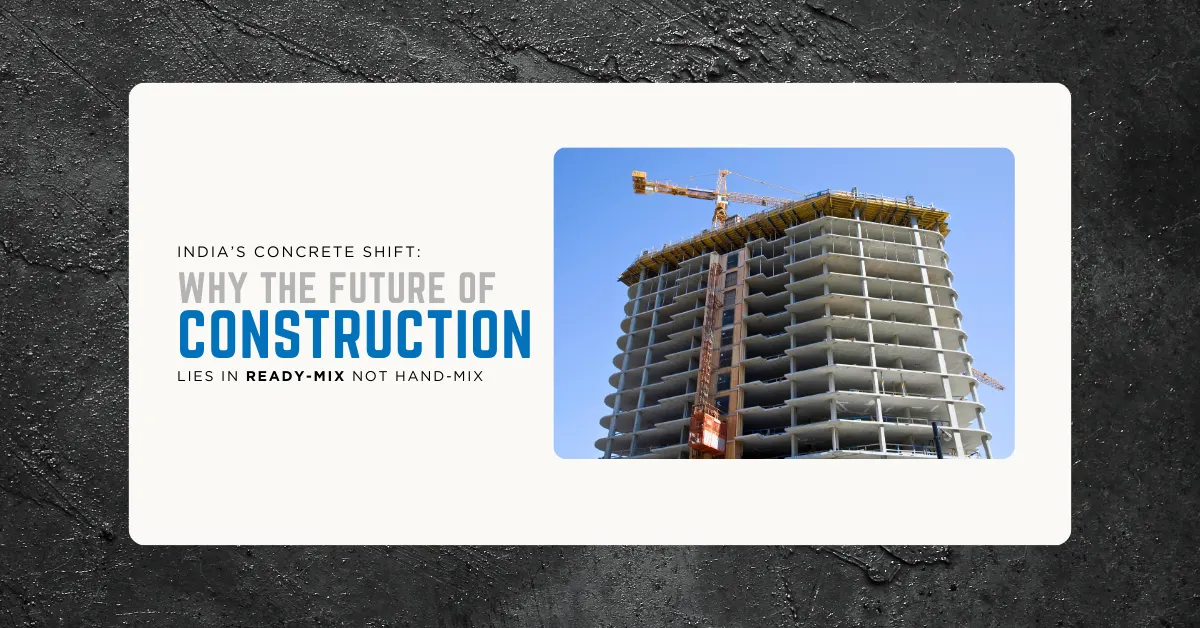
    India’s Concrete Shift: Why The Future Of Construction Lies In Ready-Mix Not Hand-Mix

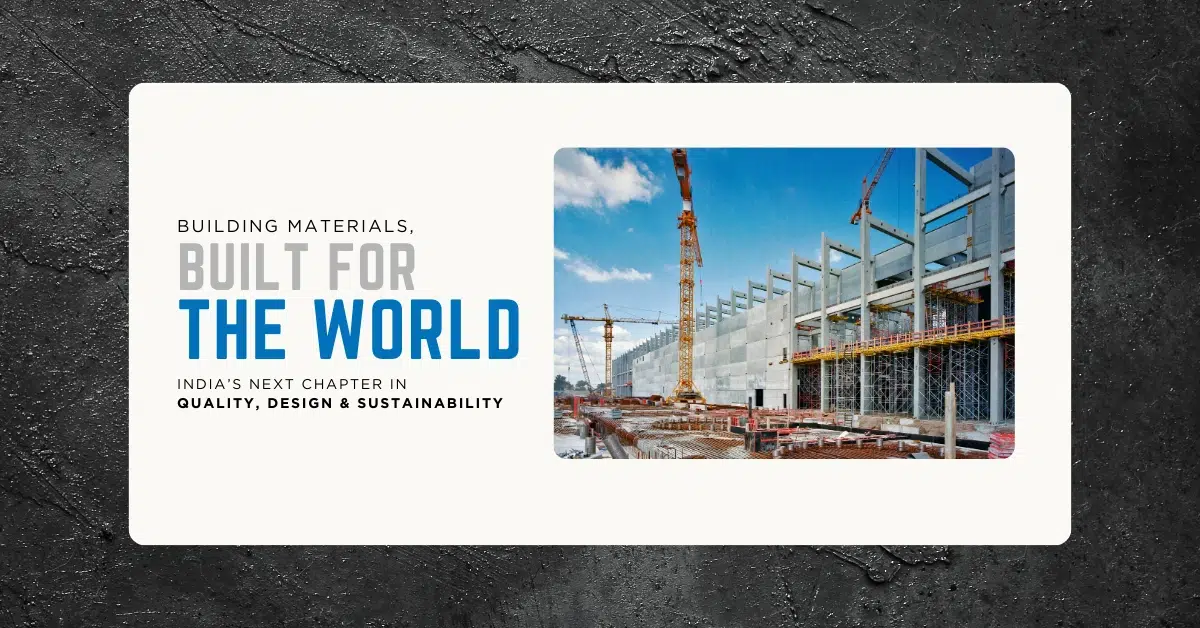
    Building Materials, Built for the World India’s Next Chapter in Quality, Design & Sustainability

    A deep-dive RealtyNXT exclusive by Aparna Reddy on the rise of ready-mix concrete and its impact on India’s fast-growing infrastructure ecosystem.

    India’s construction industry is entering a transformative era, driven by unprecedented urban expansion, ambitious national infrastructure programmes, and the rapid rise of complex large-scale projects. From metro rail networks and logistics corridors to data centres, sustainable housing, and next-generation industrial hubs, the country is building faster and smarter than ever before. This momentum demands construction practices that prioritise precision, speed, and long-term durability qualities that traditional methods like hand-mixed concrete increasingly struggle to deliver.

    For decades, hand-mixed concrete supported the bulk of India’s construction activity. It offered simplicity, easy accessibility, and reasonable efficiency at a time when projects were smaller and timelines less stringent. However, as India’s development ambitions grew, so did the limitations of on-site manual mixing. Uncontrolled variations in mix ratios, inconsistent material quality, and inaccurate water measurements often resulted in structural weaknesses, higher wastage, and project delays. In today’s environment where infrastructure must meet global performance standards and withstand climate stresses such inconsistencies are no longer are no longer aligned with modern construction standards.

    This is where ready-mix concrete (RMC) has reshaped the industry. Produced in automated batching plants, RMC ensures precise mix proportions and strict adherence to quality parameters. The use of advanced admixtures, calibrated equipment, and controlled processes enhances strength, durability, and workability far beyond what manual methods can achieve. As projects become more complex and technically demanding, this level of consistency has become indispensable across applications from high-rise towers and transport corridors to tunnels, bridges, and industrial clusters.

    The benefits of RMC extend well beyond material quality. Its predictable performance significantly reduces rework, streamlines workflows, and helps developers maintain tighter control over timelines and budgets. In an era where speed-to-delivery is crucial, this ability to accelerate execution directly strengthens overall project efficiency.

    Evolving labour dynamics further reinforce the industry’s shift toward mechanised solutions. With skilled labour availability fluctuating and wage costs rising, developers are prioritising methods that minimise manual intervention. By reducing on-site mixing and repetitive handling, RMC enables construction teams to focus on core structural tasks, ensuring both productivity and quality from the outset.

    Sustainability, which has become central to India’s construction agenda, adds yet another dimension to RMC’s relevance. Automated production optimises cement and aggregate usage, supports the integration of supplementary materials like fly ash and GGBS, and significantly reduces dust, noise, and on-site waste. These gains make RMC a natural fit for cities striving to balance rapid development with environmental responsibility.

    The country’s shift from hand-mixed to ready-mix concrete is more than a technological evolution; it reflects a wider commitment to engineering excellence, resilience, and future-ready urban development. By enabling stronger, safer, and more sustainable structures, RMC is helping shape the next chapter of India’s infrastructure growth laying the foundation for a smarter, more resilient built environment.

    DISCLAIMER: The views expressed are solely of the author and RealtyNXT.com does not necessarily subscribe to it. RealtyNXT.com shall not be responsible for any damage caused to any person/organisation directly or indirectly.

    Source link: https://realtynxt.com/realtyguru/2025-11-27/indias-construction-boom-outgrows-hand-mixed-concrete-as-rmc-becomes-the-new-standard-realtynxt-exclusive

  • How Ready Mix Concrete Strengthens Climate Resilient Cities

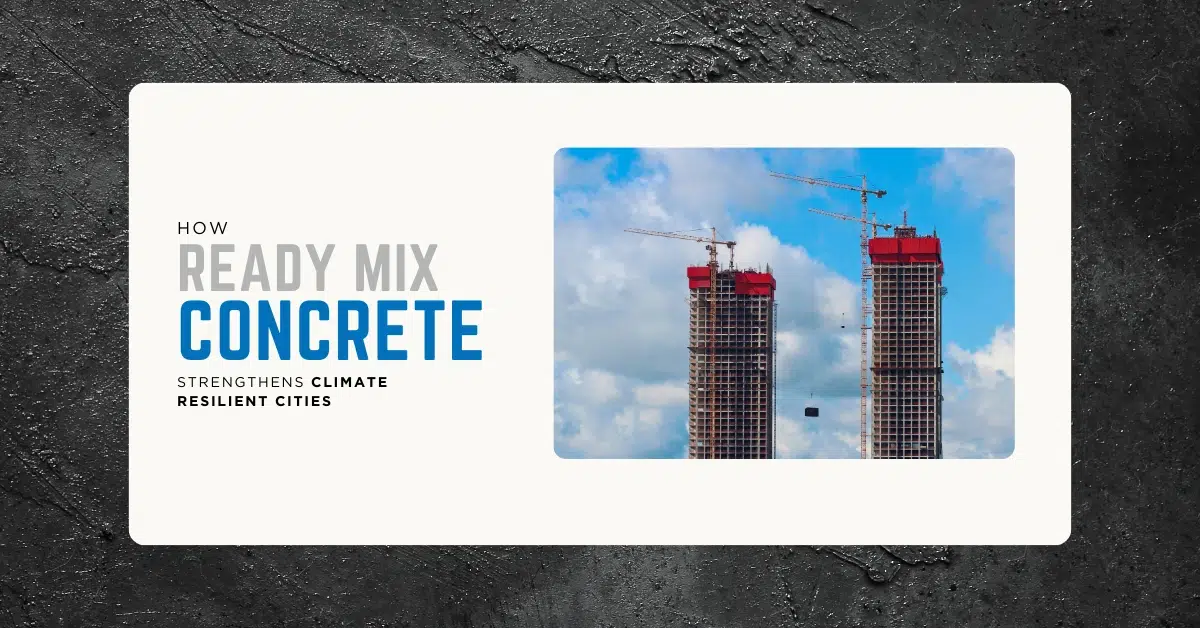
    How Ready Mix Concrete Strengthens Climate Resilient Cities

    Building Materials, Built for the World India’s Next Chapter in Quality, Design & Sustainability

    Aparna Reddy, Executive Director of Aparna Enterprises Ltd, drives the company’s growth through strategic diversification and operational excellence. Under her leadership, the firm has expanded into high-quality building materials, including VITERO tiles and OKOTECH uPVC profiles. With expertise spanning finance, marketing, and IT, Aparna combines engineering insight and business acumen from ISB to position Aparna Enterprises as an innovation-led industry leader.

    Below are her excerpts highlighting insights on sustainable construction, quality-first RMC, and its role in shaping India’s resilient infrastructure future.

    India stands at a pivotal crossroads. As the fourth-largest economy, with a $10 trillion ambition on the horizon, the nation’s development trajectory is increasingly defined by infrastructure-led growth. While technology, digitisation, and policy reforms often take centre stage, it is time we draw equal attention to the materials shaping the very foundations of our cities, materials like Ready-Mix Concrete (RMC), which, when prioritised with a quality-first lens, can be transformative in building future-ready, climate-resilient urban ecosystems.

    Infrastructure As The Strategic Driver Of Industrial Growth

    India’s manufacturing journey has come a long way since liberalisation. We have shifted from rudimentary production models to advanced, automated, and sustainable systems. Initiatives such as Make in India, Production-Linked Incentives (PLI), and Atmanirbhar Bharat have spurred industrial upgrades and helped position India as a reliable manufacturing alternative in global supply chains. In this evolving industrial narrative, infrastructure is not merely an enabler, it is a strategic driver. With over ₹11 lakh crore allocated toward capital expenditure in the Union Budget 2025–26, the Government of India is signalling continued momentum through mega projects like PM Gati Shakti, Bharatmala, and the National Infrastructure Pipeline. The scale and pace of development now demand construction materials that offer consistency, durability, and speed – making RMC indispensable.

    Building Climate Resilient Cities With Quality First RMC

    Unlike conventional site-mixed concrete, RMC is manufactured in controlled environments using calibrated materials, precision batching, and stringent quality control. This ensures superior strength, minimal waste, and faster project execution, all vital in an era where construction timelines are tightening and performance benchmarks are rising. However, RMC adoption in India remains relatively low, only about 35 percent compared to over 70 percent in developed countries such as the US, South Korea, and China. Bridging this gap offers a tangible opportunity. Even a 15–20 percent increase in usage could reduce construction timelines by up to 20 percent, cut material wastage by 30 percent, and improve long-term structural reliability, especially crucial in high-density urban environments.

    India’s cities today are increasingly vulnerable to the effects of climate change, be it flooding, extreme heat, or resource stress. Quality-first RMC plays a critical role in building urban infrastructure that is not only strong but adaptive. Advances in green RMC production, including the use of low-clinker cement, recycled water, fly ash, slag, and admixtures, significantly reduce the carbon footprint. Cutting-edge variants such as carbon-cured and self-healing concrete are also entering the mainstream, directly supporting India’s net-zero commitments by 2070. Importantly, quality-controlled RMC ensures long-term durability, reducing the frequency of repair and reconstruction, and thereby lowering the lifecycle emissions of infrastructure projects. It is a critical lever in delivering infrastructure that is resilient, low-impact, and aligned with global climate goals.

    While the benefits of quality-first RMC are clear, challenges persist. Fragmented supply chains, inconsistent quality control, limited awareness among smaller contractors, and skilled manpower shortages have slowed widespread adoption, particularly in Tier 2 and 3 cities where growth is accelerating. The solution lies in a coordinated approach. Policy standardisation, mandatory quality certifications, and digital traceability tools can greatly improve accountability. Institutions like the Construction Skill Development Council of India (CSDCI) are already enabling knowledge transfer and upskilling for workers across the construction value chain. Such efforts must be scaled and integrated with both government and private sector infrastructure mandates. Moreover, incentives and tax benefits for sustainable construction materials, much like those seen in renewable energy can further drive adoption. A unified push across public infrastructure tenders, smart city initiatives, and private real estate can mainstream quality-first RMC as the industry norm.

    Also Read: The Role of Indian Cement Industry in Achieving India’s Climate Goals

    From Innovation To Industry Imperative

    By 2030, India’s urban population will cross 500 million. Our cities will demand infrastructure that delivers on all fronts – speed, strength, sustainability, and scale. RMC, with its inherent advantages, must be seen not merely as a material, but as a critical enabler of India’s developmental goals.This is not just about concrete. It is about the mindset of quality over expediency. It is about making choices that enhance structural safety, optimise resources, and future-proof our cities. The adoption of quality-first RMC should no longer be seen as an innovation, it must become an industry-wide imperative.

    As India builds its next-generation logistics corridors, manufacturing zones, and climate-smart cities, Ready-Mix Concrete stands at the heart of this transformation. With a renewed focus on standards, sustainability, and scale, RMC will help define a resilient, competitive, and globally respected India.

    Source link: https://www.theindustryoutlook.com/services-and-consulting/industry-experts/how-ready-mix-concrete-strengthens-climate-resilient-cities-nwid-15061.html

  • How next generation building materials can help reduce urban pollution levels

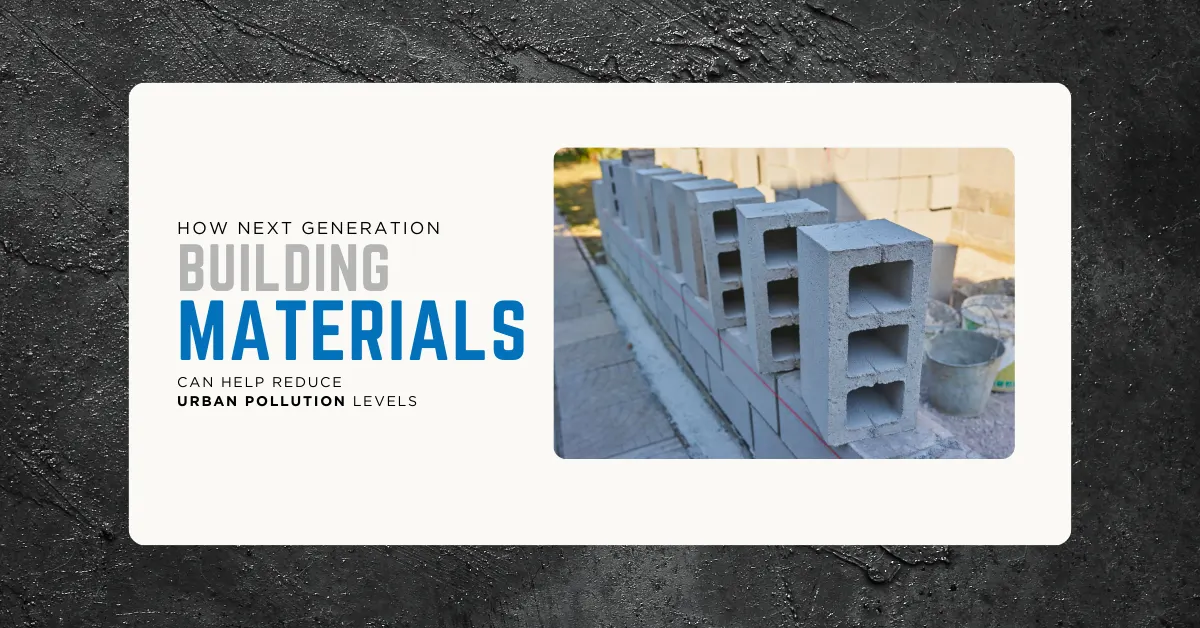
    How next generation building materials can help reduce urban pollution levels

    Cities are living reflections of human progress, innovation, and ambition. Yet today, they are also facing the consequences of rapid growth, rising pollution, increasing heat, and mounting environmental pressures that affect the health and well-being of their residents. As urban areas expand and densify, the materials that form their foundations are no longer neutral bystanders. They play a decisive role in shaping energy consumption, air quality, and the overall sustainability of urban ecosystems.

    Traditional construction materials, while structurally reliable, often trap heat, increase energy demand, and contribute quietly but significantly to pollution. The approach to urban construction must evolve as modern cities can no longer rely on materials that simply support structures, they must adopt solutions that combine strength, durability, and environmental intelligence. By integrating materials that actively reduce emissions, improve air quality, conserve energy, and enhance resilience, cities can transform the built environment from a source of environmental strain into a driver of sustainable, healthy, and future-ready urban living.

    The urban pollution challenge: Why building materials matter

    The surfaces that define cities- buildings, pavements, roads, and public infrastructure directly influence environmental conditions. Conventional materials absorb and store heat, contributing to the urban heat island effect and increasing the energy required to cool indoor spaces. This, in turn, drives higher electricity consumption and emissions, which cumulatively affect air quality and climate conditions. When thousands of buildings behave similarly, their combined environmental impact becomes significant. In contrast, next-generation building materials challenge this trend. Engineered with sustainability in mind, these materials reduce heat absorption, lower energy consumption, and even neutralize certain pollutants. When implemented at scale, they allow cities to address pollution passively and continuously, turning infrastructure into a quiet yet powerful tool for environmental improvement.

    A shift toward smarter, sustainable construction materials

    As urban development accelerates, the construction sector is experiencing a strategic shift toward high-performance, sustainable materials. Progressive building material companies in India are pioneering innovations across categories such as green concrete, specialized concrete mixes, energy-efficient windows and façades, durable tiles, and galvanized steel profiles.

    Sustainable concrete is one of the most transformative advancements in this space. Low-carbon concrete, incorporating supplementary materials like fly ash and GGBS, reduces cement consumption, lowers carbon emissions, and improves durability and thermal performance making it ideal for large-scale urban projects. Advanced variants, including fibre-reinforced, self-compacting, and porous concrete, further enhance efficiency. Porous concrete, in particular, allows groundwater recharge and reduces surface runoff, helping cities manage both heat and water stress simultaneously. Beyond concrete, innovations in building components are redefining sustainability standards. High-performance uPVC and aluminium window systems with recyclable, lead-free profiles reduce heat transfer and improve energy efficiency. Modern vitrified tiles minimize water absorption, extend lifecycles, and help maintain cooler indoor temperatures. Galvanized steel reinforcements and sections enhance structural strength, resist corrosion, and reduce lifecycle emissions associated with frequent maintenance or replacements.

    How next-generation materials reduce urban pollution

    Next-generation materials improve environmental performance through multiple interconnected mechanisms. High-reflectance paints and cool surfaces reflect sunlight, reducing heat absorption and easing the burden on cooling systems, which lowers energy consumption and emissions.

    Photocatalytic concrete, infused with titanium dioxide, actively breaks down harmful pollutants such as nitrogen oxides (NOx), volatile organic compounds (VOCs), and particulate matter. In high-traffic urban zones, these materials create cleaner microenvironments around buildings and public pathways.

    Energy-efficient windows and façade systems stabilize indoor temperatures, reducing reliance on air-conditioning, a major driver of urban energy demand. Airtight designs also limit dust infiltration, improving indoor air quality. Meanwhile, durable and recyclable materials extend product lifecycles, reducing the need for replacements and cutting emissions linked to manufacturing, logistics, and construction activities.

    Economic and health benefits of sustainable materials

    The adoption of advanced building materials offers tangible economic and health advantages. While sustainable materials may have higher upfront costs, they deliver long-term value by reducing energy bills and minimizing maintenance and repair expenses. Superior durability translates into better returns on investment for homeowners, developers, and municipal authorities. From a health perspective, improved air quality and reduced heat exposure significantly enhance urban well-being. Cooler, cleaner indoor environments improve comfort, productivity, and reduce respiratory illnesses. Cleaner surroundings around public infrastructure also decrease pollution-related health risks, lowering the overall burden on healthcare systems.

    Implementation pathways for cities and builders

    The widespread adoption of next-generation materials requires strong institutional support and collaboration across the construction ecosystem. Governments can encourage uptake through tax incentives, subsidies, and fast-track approvals for green-certified projects. Municipal authorities can lead by example by incorporating advanced materials into public infrastructure, influencing private developers to follow suit.

    Certification systems such as IGBC (Indian Green Building Council), LEED (Leadership in Energy and Environmental Design), andBREEAM (Building Research Establishment Environmental Assessment Method) provide performance benchmarks that guide builders and enable informed choices. Equally important is capacity building; training contractors, architects, and engineers to use advanced materials effectively ensures that their intended environmental benefits are realized. Public-private partnerships can accelerate pilot projects, foster knowledge sharing, and develop solutions tailored to local urban contexts.

    The road ahead: Materials that build a cleaner future

    The future of sustainable construction lies in deeper material innovation. Emerging technologies like carbon-sequestering concrete, algae-based bio-façades, graphene-enhanced composites, and self-healing materials represent a shift from reducing environmental harm to actively reversing it.

    Urban pollution is inseparable from the way cities are built. By embracing next-generation materials from green concrete and specialized mixes to energy-efficient windows, advanced façades, durable tiles, and galvanized steel profiles cities can transform construction from a source of strain into a powerful tool for environmental improvement. These materials reduce heat, improve air quality, conserve energy, and enhance public health. As urban populations continue to rise, adopting sustainable building materials is no longer simply an environmental choice; it is a strategic imperative. Cities that embrace this transition will not only build stronger structures but also foster cleaner, healthier, and more resilient urban environments for generations to come.

    by Aparna Reddy, Executive Director, Aparna Enterprises Ltd.

    Source Link: https://www.epcworld.in/how-next-generation-building-materials-can-help-reduce-urban-pollution-levels/

  • Shaping India’s Urban Evolution: A Transformative Decade For Building Materials

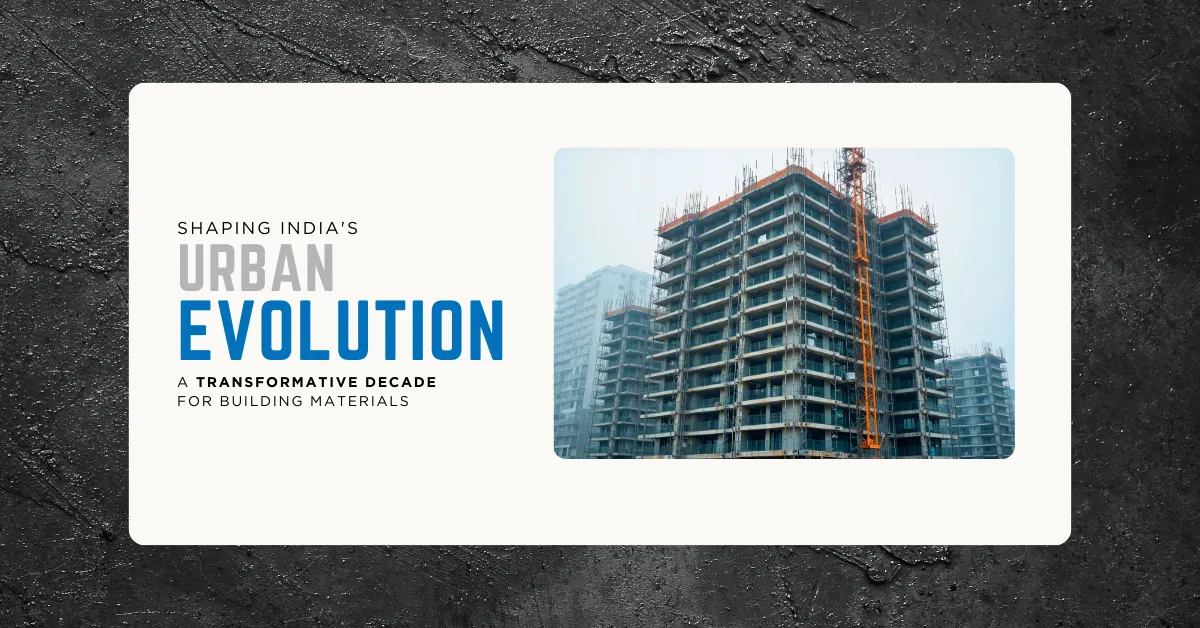
    Shaping India’s Urban Evolution: A Transformative Decade For Building Materials

    India’s real estate sector is on the brink of a historic transformation. With market projections estimating a rise from USD 200 billion in 2021 to a staggering USD 1 trillion by 2030, the sector is poised to contribute nearly 13 per cent to the nation’s GDP. This exceptional trajectory is being fuelled by rapid economic growth, accelerated urbanisation, changing demographics, and strong government impetus on infrastructure. Amid this dynamic landscape, the construction and building materials industry stands as a central pillar, both a catalyst and a beneficiary of this transformation.

    Opportunities in a Growing Landscape
    The ongoing evolution of India’s real estate market is unlocking a spectrum of opportunities for material suppliers. One of the most promising areas is the growth in Tier 2 and 3 cities. Government-led schemes such as Pradhan Mantri Awas Yojana (PMAY) and Smart Cities Mission are driving construction demand beyond metro cities. For suppliers, this translates into the need to scale up, build regional supply chains, and customise offerings to suit diverse regional requirements.

    Another significant opportunity is the growing demand for sustainable construction. Developers are increasingly opting for eco-friendly materials such as fly ash bricks, recycled aggregates, low-carbon cement, and thermally insulating blocks. This is a response to both consumer awareness and stricter environmental regulations. Material suppliers who invest in R&D and align with green certification standards like IGBC, GRIHA, or LEED will be better positioned to lead.

    Additionally, India is seeing the premiumisation of urban housing. With higher disposable incomes and aspirational home buyers, developers are focusing on high-end materials such as luxury tiles, energy-efficient windows, and smart home-compatible products. The rise in high-value residential project launches across top Indian cities further underscores this shift.

    Simultaneously, massive public investment through programs like the National Infrastructure Pipeline (NIP) and Gati Shakti is expected to inject trillions of rupees into national infrastructure. This will fuel long-term demand for cement, concrete, steel, and a host of other building materials, offering a stable growth pathway for manufacturers and distributors alike.

    Navigating Key Industry Challenges
    While opportunities abound, the sector is not without its challenges. Chief among them is raw material price volatility. The cost of inputs like steel, fuel, and cement can swing drastically based on global and domestic factors. For suppliers, this necessitates flexible procurement strategies and a move towards backward integration where possible.

    Logistics is another pressing challenge. As the market expands geographically, timely and cost-effective distribution becomes complex. To mitigate this, firms need to invest in advanced warehousing, last-mile delivery networks, and digital supply chain solutions.

    Regulatory compliance and product standardisation are also growing concerns. As the industry moves towards stricter quality control and sustainability norms, suppliers must constantly upgrade their manufacturing processes to stay ahead. Certifications are increasingly becoming not just value-adds but entry-level expectations.

    Finally, the adoption of digital technologies remains uneven. While tools like Building Information Modelling (BIM), ERP systems, and AI-based construction analytics are available, their integration into daily operations is still limited. Bridging this digital gap is essential for increasing productivity and maintaining competitiveness.

    The Role of Material Science and Innovation
    Material science continues to play a pivotal role in this transformative phase. Advanced materials that are more durable, energy-efficient, and adaptable to various climatic conditions are redefining construction. Heat-reflective roof tiles, moisture-resistant cement, and engineered uPVC doors and windows are just a few innovations contributing to sustainable urbanisation.

    Manufacturers who embrace modular construction and prefabrication are also finding favour. These methods reduce project timelines, improve quality control, and lower environmental impact, crucial factors in today’s fast-paced real estate sector.

    Future-Proofing India’s Built Environment
    To meet the evolving needs of developers and end-users, building material suppliers must shift from being mere vendors to strategic partners. This means offering end-to-end support, from design consultation to on-site execution, while ensuring product quality and consistency. Equally important is aligning with emerging real estate trends such as co-living spaces, green buildings, and smart cities. Each of these requires a new set of materials, technologies, and compliance standards.

    The next decade offers immense potential for stakeholders in the building materials ecosystem. As India urbanises at an unprecedented pace, the onus lies on suppliers to scale sustainably, innovate continuously, and adapt proactively. With a clear focus on quality, sustainability, and future readiness, companies in this sector can become key enablers of India’s urban growth story.

    By staying agile, investing in innovation, and responding to ground realities, building material manufacturers can position themselves not just as participants but as architects of India’s transformative urban journey.

    Disclaimer: The views expressed in this article are those of the author and do not necessarily reflect the views of the publication.

    Source Links: https://www.businessworld.in/article/shaping-india-s-urban-evolution-a-transformative-decade-for-building-materials-580342

  • Building Materials, Built for the World: India’s Next Chapter in Quality, Design & Sustainability

    Building Materials, Built for the World: India’s Next Chapter in Quality, Design & Sustainability

    Building Materials, Built for the World India’s Next Chapter in Quality, Design & Sustainability

    As India steps into its Amrit Kaal, the transformative 25-year journey leading up to the centenary of independence, the nation’s growth blueprint is clear: create infrastructure that is not just vast in scale, but exceptional in quality, future-ready in design, and sustainable at its core. From 100 smart cities and high-speed rail corridors to industrial hubs, logistics parks, and climate-resilient urban networks, the scale of ambition is unprecedented. This is not merely construction; it is the deliberate shaping of a new India that can stand shoulder-to-shoulder with the most advanced economies in the world. India’s aspirations to become a $10 trillion economy are closely tied to its ability to execute infrastructure at speed, scale, and sustainability. The ₹11 lakh crore capital expenditure allocation in the Union Budget 2025–26, alongside landmark programmes like PM Gati Shakti, Bharatmala, and the National Infrastructure Pipeline, reflects this urgency. But the real measure of progress lies not in the kilometres built or projects completed, it lies in whether we build infrastructure that will endure for generations, deliver operational efficiency, and adapt to changing climate realities.

    The building materials sector is at the heart of this transformation. Once seen as a peripheral contributor, it is now a strategic enabler of national competitiveness. Today, the idea of “quality” in building materials goes far beyond sheer strength or cost efficiency. It is about creating solutions that conserve energy, last longer, withstand climate stresses, and adapt to the unique conditions of each region. From precision-engineered Ready-Mix Concrete (RMC) that accelerates construction timelines, to large-format tiles that improve hygiene and durability, to cool-roof and high-performance façade systems that combat heat stress, these innovations are setting new benchmarks. By embedding such advanced materials into every project, India is not just building faster, it is building smarter and more sustainably for the long term.

    India’s architectural heritage, has always reflected an intuitive understanding of local climate and materials. The need of the hour is to replicate this harmony using cutting-edge science, AI-led design simulations, and climate-resilient engineering. Bioclimatic design principles, enhanced with modern materials and smart sensors, are enabling energy efficiency and occupant comfort. AI and Machine Learning are optimising concrete mixes for site-specific needs, predicting material performance, and minimising waste through generative design.

    Building Information Modelling (BIM) and digital twins allow architects, engineers, and developers to visualise entire projects before a single brick is laid, reducing design errors, streamlining collaboration, and improving lifecycle asset management. Supply chains are also undergoing a digital revolution. QR-coded traceability, blockchain-enabled quality certifications, and real-time inventory monitoring ensure transparency and accountability, critical factors for large-scale infrastructure projects. India’s geographic and climatic diversity demands a context-sensitive approach to material innovation. Moisture-resistant products for coastal regions, heat-reflective surfaces for central plains, and impact-resistant solutions for seismic zones are becoming the norm. This regional R&D approach allows Indian manufacturers to meet global quality benchmarks while remaining deeply relevant to local needs.

    Such innovation is not only enhancing domestic projects but also strengthening India’s position as a trusted supplier in global construction supply chains, a competitive advantage in a post-tariff, globalised market. Government frameworks such as GRIHA, IGBC, and the Energy Conservation Building Code (ECBC) are aligning infrastructure goals with sustainability imperatives. Public-private partnerships, combined with academic research, are accelerating advancements in green materials, circular construction, and workforce upskilling. At Aparna Unispace, these learnings translate into interiors that blend global design, sustainable materials, and uncompromising quality, offering solutions that are both environmental friendly and contemporary.  Yet, the road ahead requires coordinated action: standardised quality benchmarks, mandatory certifications, incentives for sustainable material adoption, and climate resilience built into all public and private infrastructure tenders.

    By 2030, over 500 million Indians will live in cities. Meeting their needs will require infrastructure that delivers on speed, strength, sustainability, and scale. This is not just about constructing buildings; it is about constructing a resilient legacy. For stakeholders across the ecosystem, architects, developers, policymakers, and manufacturers, the mandate is clear: we must elevate quality as the non-negotiable foundation, harness innovation to optimise resources and performance, and embed responsibility into every project to ensure longevity and climate resilience.Today, India has the opportunity to redefine what building materials can achieve, not just for the domestic market, but for the world. The choices we make today will determine whether we build infrastructure that merely meets demand, or infrastructure that inspires confidence, competitiveness, and pride for generations to come.

    Source Link:
    https://interiorsndecor.com/building-materials-built-for-the-world-indias-next-chapter-in-quality-design-sustainability/

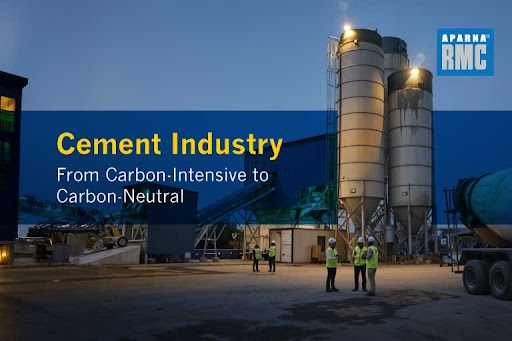
  • Cement Industry From Carbon-Intensive to Carbon-Neutral

    Cement Industry From Carbon-Intensive to Carbon-Neutral

    The Cement Industry is embarking on a Net Zero pathway, aiming for a 25% reduction in CO2 emissions by 2030 and a full decarbonization by 2050, driven by technological innovations, use of alternative raw materials, and circular economy principles.

    As the world steps up its efforts to combat climate change, industries contributing significantly to global greenhouse gas (GHG) emissions, like cement, face immense pressure to transition toward sustainability. Responsible for about 8% of global CO2 emissions, the cement industry is at the forefront of this transformation. While cement production remains essential for modern infrastructure, the challenge now is to find greener ways of producing it. As a response, the sector is embarking on a Net Zero pathway, aiming for a 25% reduction in CO2 emissions by 2030 and a full decarbonization by 2050, driven by technological innovations, use of alternative raw materials, and circular economy principles. This path is reshaping the cement industry, making it more sustainable while continuing to meet global infrastructure demands.

    One of the most effective strategies has been the adoption of alternative raw materials. Traditionally, cement production relies heavily on limestone, contributing significantly to emissions. However, by integrating clinker substitutes such as fly ash, Ground Granulated Blast Furnace Slag (GGBFS), and calcined clay, the industry has reduced its CO2 footprint. These materials, sourced from industrial waste like coal power plants and steel production, fit within the framework of the circular economy. Not only do they help minimize new resource consumption, but they also reduce the overall environmental impact of cement manufacturing.

    This shift toward alternative materials is particularly visible in the ready-mix concrete (RMC) sector. Here, eco-friendly materials like fly ash and GGBFS are increasingly being adopted, ensuring that these solutions align with the industry’s sustainability objectives without compromising on performance. Through these innovations, companies are leading the charge toward a greener future while maintaining high-quality standards.

    Energy consumption has long been a significant challenge for the cement industry, with production being highly energy-intensive. Traditionally reliant on fossil fuels such as coal, the industry is now rapidly transitioning to renewable energy sources like solar and wind. Additionally, alternative fuels such as biomass, municipal waste, and used tires are gaining traction, further reducing dependence on fossil fuels and lowering overall emissions. Within the broader concrete production sector, similar strides are being made to incorporate renewable energy into operations. These changes highlight the cement industry’s ongoing efforts to reduce its environmental impact while maintaining operational efficiency.

    Energy optimization is another critical area of focus. Technologies such as waste heat recovery systems, which convert excess heat from the production process into electricity, have proven highly effective. Moreover, the adoption of pre-calciners and pre-heaters has drastically improved the thermal efficiency of clinker production, cutting down on energy consumption during the most energy-intensive phase of cement manufacturing. These technological innovations are driving significant improvements in energy efficiency, not just in cement production but across the construction materials industry as a whole.

    The transport of cement and related materials also accounts for a significant share of industry emissions. Diesel powered trucks are still widely used, but the shift toward greener options, such as rail and waterway transportation, is gaining momentum. Some manufacturers are also investing in more eco-friendly vehicle fleets powered by compressed natural gas (CNG) and electric engines, further reducing emissions within the supply chain.

    Water conservation is emerging as another important focus area for the cement sector. Cement production has traditionally been a water intensive process, but with growing concerns around water scarcity, manufacturers are adopting technologies like rainwater harvesting, air-cooled condensers, and water recycling systems to reduce usage and promote sustainability across their operations.

    Another area showing promise is digitalization. Through advanced data analytics and automation, manufacturers can monitor real-time data on energy usage, emissions, and resource consumption. This allows for quick, efficient adjustments to production processes, optimizing efficiency and minimizing waste.

    The construction sector, particularly readymix concrete, plays a critical role in supporting the cement industry’s sustainability efforts. By integrating advanced technologies and adopting green strategies, these companies contribute to the overall industry’s Net Zero ambitions and a sustainable future. While the road to reducing cement industry emissions presents numerous challenges, the opportunities for innovation and collaboration are immense. With ongoing technological advancements, policy support, and a commitment from across the sector, the cement industry is well-positioned to lead the journey toward a Net Zero future.

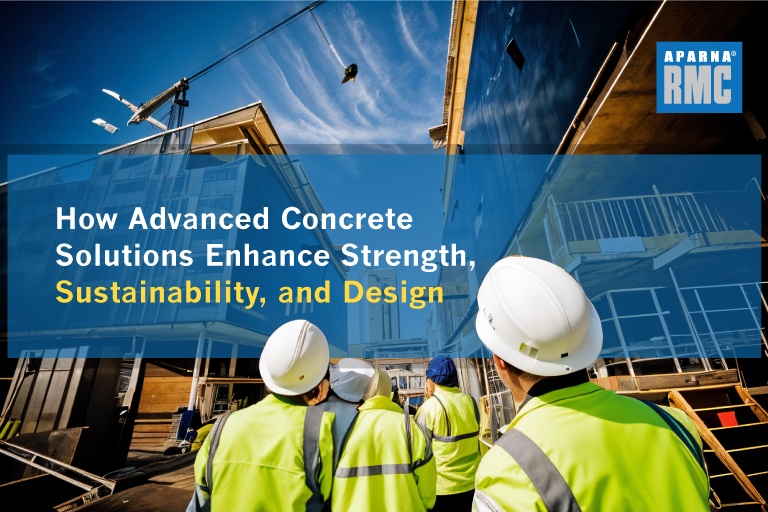
  • How Advanced Concrete Solutions Enhance Strength, Sustainability, and Design

    How Advanced Concrete Solutions Enhance Strength, Sustainability, and Design

    How Advanced Concrete Solutions Enhance Strength, Sustainability, and Design

    In the dynamic world of modern construction, the demand for specialized and diverse concrete solutions has reached new heights. Architects and construction experts are increasingly relying on advanced ready-mix concrete types to address the specific needs of various projects. These solutions not only bolster the strength and durability of structures but also elevate their aesthetic appeal and contribute to environmental sustainability.

    High-grade concrete is indispensable for critical structural elements such as columns, beams, and foundations. Renowned for its exceptional strength and durability, this concrete is ideal for demanding applications like girders in bridges and railways, ensuring the longevity and stability of essential infrastructure. By opting for high-grade concrete, architects can design robust structures that stand the test of time.

    Incorporating coloured concrete into a project brings a unique combination of visual appeal and structural integrity. Available in a broad spectrum of hues, this type of concrete is perfect for enhancing spaces like basements, pathways, and flooring surfaces. It not only adds aesthetic value but also guarantees long-lasting durability. Architects can utilize colored concrete to introduce distinctive design elements while maintaining the strength and reliability of traditional concrete. Stamped concrete further transforms outdoor spaces by merging vibrant colours with exceptional durability. It’s an ideal choice for creating visually striking and resilient areas such as patios, driveways, and walkways. This innovative material allows construction experts to craft unique, enduring designs that significantly enhance the overall appeal of any project.

    High-volume fly ash concrete and Ground Granulated Blast Furnace Slag (GGBS) concrete are increasingly recognized for their superior resistance to chloride and sulfate attacks, significantly extending the lifespan of structures. These eco-friendly options make use of industrial by-products, thereby reducing carbon emissions and minimizing the heat of hydration, making them ideal for sustainable construction projects. By incorporating these materials, architects and builders can meet the rising demand for green building practices while ensuring the longevity and durability of their projects.

    Lightweight concrete offers a practical solution for reducing dead loads and improving insulation properties, making it especially suitable for non-structural applications where weight reduction is crucial. Its excellent insulation capabilities also contribute to energy efficiency, making lightweight concrete an attractive option for architects and engineers focused on enhancing the sustainability and functionality of their designs.

    In industrial settings, slab concrete is specifically engineered to withstand heavy loads, resist cracking, and endure wear and tear. This low-maintenance solution is perfect for areas exposed to high foot traffic, heavy machinery, and forklifts, ensuring durable and long-lasting industrial floors. Construction experts can rely on slab concrete to deliver robust and resilient flooring solutions that meet the rigorous demands of industrial environments.

    Self-compacting concrete represents a significant leap forward in construction technology. Its unique properties allow it to flow and spread effortlessly without the need for mechanical vibration, making it ideal for use in congested areas where traditional methods are challenging to apply. This innovative material reduces noise, labour, and equipment needs while ensuring a smooth and consistent finish. Architects and builders can leverage self-compacting concrete to streamline construction processes, particularly in complex and densely populated sites.

    Building on this innovation, smart dynamic concrete—an advanced form of self-compacting concrete—offers enhanced strength and durability. It is particularly effective for intricate structures and crowded spaces where conventional placement methods are difficult. This advanced material facilitates efficient and seamless construction, enabling architects and engineers to push the boundaries of design and functionality.

    Fiber-reinforced concrete takes structural integrity to the next level by incorporating fibrous materials. Varieties such as Elasticrete with polypropylene fibers and DuctiCrete with steel fibers offer significant benefits, including improved impact strength, crack resistance, and enhanced mix cohesiveness. Polypropylene fibers are ideal for projects requiring a cohesive and resilient mix, while steel fibers are better suited for heavy-duty applications like pavements and industrial floors, providing higher flexural strength, toughness, and impact resistance. By leveraging fiber-reinforced concrete, construction experts can deliver projects that are both durable and adaptable to various demands.

    Temperature controlled concrete is specifically engineered to regulate heat and maintain optimal workability, making it ideal for mass concreting and radiation-resistant applications. This type of concrete ensures consistent performance and durability, even in extreme weather conditions, making it a reliable choice for challenging environments. Architects and builders can depend on temperature-controlled concrete to maintain the integrity and quality of large-scale projects, even under harsh conditions.

    By integrating these specialized concrete solutions into their projects, architects and construction experts can not only meet the precise demands of modern construction but also significantly enhance the overall quality, sustainability, and aesthetic appeal of their designs. Whether it’s creating robust infrastructure, designing visually stunning outdoor spaces, or addressing the stringent requirements of industrial settings, these advanced concrete types provide the essential tools for achieving exceptional results in today’s construction landscape

    Source link : https://constructionnarchitecture.com/mr-t-chandra-sekhar-the-director-technical-at-aparna-enterprises-ltd-ael/

  • How Technology is Transforming the Building Materials Industry

    How Technology is Transforming the Building Materials Industry

    Authored by Chandra Sekhar, the Director Technical at Aparna Enterprises Ltd (AEL)

    In the modern construction landscape, the integration of advanced technologies in the production and distribution of building materials has become essential. The demand for higher quality, sustainability, and efficiency has driven the industry to adopt cutting-edge solutions at every stage of operations. From acquiring raw materials to delivering exceptional post-sales support, technology is transforming how building materials are manufactured, packaged, distributed, and utilized.

    It all begins with the acquisition of raw materials, where technology plays a crucial role in ensuring quality and consistency. By leveraging data analytics and Internet of Things (IoT) devices, companies can monitor and analyze material properties in real-time, ensuring that only the best inputs are selected for production. This meticulous approach not only enhances the durability of the final products but also promotes sustainability by reducing waste and optimizing resource use. Whether selecting components for high-performance windows and doors or sourcing materials for robust concrete mixes, technology sets new benchmarks for quality and efficiency.

    Once raw materials are secured, the focus shifts to manufacturing, where the real magic happens. In today’s advanced production facilities, automation and precision engineering are at the heart of efficient manufacturing processes. Robotics and CNC (Computer Numerical Control) machines ensure that every product meets exacting standards, reducing errors and significantly accelerating production timelines. For instance, advanced digital printing technologies are used to create detailed and aesthetically appealing designs on tiles, ensuring both beauty and durability. Across various product lines, these technologies enable the creation of high-quality building materials that meet the demands of modern architecture.

    In the realm of ready-mix concrete (RMC), technological advancements have revolutionized how materials are mixed and controlled. Automated systems now allow for precise mix designs, ensuring that concrete meets the specific requirements of each project. This accuracy enhances the strength and durability of the final structure, while the incorporation of sustainable practices such as using recycled materials and energy-efficient methods reflects a broader commitment to environmental stewardship. The adoption of these innovations is driving the industry towards greener, more sustainable practices that are essential for the future.

    Packaging, often overlooked, has evolved significantly with the advent of smart solutions that go beyond aesthetics. Recyclable materials, intelligent monitoring systems, and modular designs now play a crucial role in reducing environmental impact and ensuring products arrive in perfect condition. These innovations not only enhance brand reputation, especially in B2B sales but also contribute to more efficient and sustainable logistics.

    Distribution, another key component of the supply chain, has also been transformed by technology. The integration of GPS tracking and real-time logistics management systems has made it possible to optimize the transportation of building materials from factories to construction sites. For products like ready-mix concrete, where timing and material integrity are paramount, GPS-enabled logistics systems guarantee that the product reaches its destination in optimal condition, ready for immediate use.

    As the supply chain progresses, technology continues to play a pivotal role in the sales process. Digital platforms have become essential in enhancing customer engagement and experience. Virtual showrooms and augmented reality (AR) tools allow customers to visualize products within their own spaces, making informed and personalized decisions. These digital tools have transformed how customers select finishes for windows, doors, tiles, and other building materials, offering a more interactive and streamlined purchasing experience. The result is a more efficient sales process that can reach a wider audience without the need for extensive physical showrooms.

    In today’s world post-sales support has evolved into a critical component of the customer journey, with digital platforms enabling more efficient and effective service. Customers can now track their orders, schedule installations, and troubleshoot issues remotely, ensuring that they receive timely and accurate assistance. In scenarios where precision and fit are crucial, such as with modular kitchens or custom windows, a robust post-sales support system is vital for customer satisfaction. Digital tools empower service teams to quickly diagnose and resolve issues, minimizing downtime and enhancing the overall customer experience.

    The integration of advanced technologies in the building materials industry goes beyond boosting efficiency and sustainability—it’s about revolutionizing the entire customer experience. From the acquisition of raw materials to outstanding post-sales support, every stage of the supply chain is being transformed by innovations that prioritize quality, speed, and environmental responsibility. As the industry evolves, these technologies will become even more crucial in shaping the future of construction, delivering materials that are not only of superior quality but also perfectly aligned with the shifting demands of a dynamic world.

    By embracing emerging technologies at each step, the companies are not only meeting the demands of today’s market but are also paving the way for a more sustainable and customer-focused future. As these technologies continue to develop, they will undoubtedly open new doors and set higher standards for the entire industry.

    Source Link: https://www.adgully.com/how-technology-is-transforming-the-building-materials-industry-151452.html

  • Post-Budget Reaction Quote from Ms. Aparna Reddy, Executive Director, Aparna Enterprises Ltd.

    Post-Budget Reaction Quote from Ms. Aparna Reddy, Executive Director, Aparna Enterprises Ltd.

    Ms Aparna Reddy_Executive Director Aparna Enterprises Ltd

    The 2024-25 budget presents a promising roadmap for India’s growth, with a strong focus on infrastructure development in both rural and urban areas. The record-breaking allocation of ₹11,11,111 crore for capital expenditure (3.4% of GDP) signifies a strong commitment from the central government in this area. The budget also encourages private sector participation in infrastructure development. Initiatives like viability gap funding and enabling policies create a supportive environment for companies to contribute their expertise and resources in the infrastructure, housing, and building materials sectors. This renewed emphasis on infrastructure, particularly in rural areas through PMGSY Phase IV, will accelerate the infrastructure works in these regions. We believe that the improved connectivity in rural areas, connecting 25,000 habitations, will create a significant demand for roads, bridges, and power grids etc. This will drive activity for construction companies and create a ripple effect throughout the building materials industry, with increased demand for cement, steel, and other essential materials. Furthermore, improved rural connectivity will act as a catalyst for housing demand. Easier access to markets and services will incentivize people to build new homes or renovate existing ones, leading to increased demand for housing materials and construction services.

    Beyond this, the investment of ₹10 lakh crore to address the housing needs of the urban poor and middle class under PM Awas Yojna Urban 2.0 will spur growth in the real estate industry and the demand for construction materials.

    By focusing on overall infrastructure development, this year’s budget presents a strategic opportunity for India’s economic growth and strong steps to realise the dream of a developed India @ 2047. 

    Publication: Construction Technology

    Source Link: https://www.constructiontechnology.in/newsdetail/key-quotes-on-indias-post-budget-2024-raction

  • Ready-Mix Concrete: Advancing Sustainable Construction

    Ready-Mix Concrete: Advancing Sustainable Construction

    A coordinated approach by the government, industry stakeholders, and regulatory bodies is needed to overcome challenges, implement necessary changes, and propel the RMC sector towards further growth such that RMC continues to play a vital role in India’s infrastructure development and economic growth.

    T Chandra Sekhar, Director – Technical, Aparna Enterprises Limited

    The construction industry has undergone significant changes recently, shifting towards sustainable materials. With increasing awareness of climate change and environmental issues, consumers, developers, and policymakers seek eco-friendly solutions to minimize carbon footprints. Market research indicates that the demand for sustainable construction materials is expected to exceed $365 billion by 2027 due to enhanced legal provisions, health-conscious customers, and environmental awareness.

    Advancements in green building materials represent a leap toward a more eco-friendly construction sector. Products such as green concrete use recycled materials like fly ash, slag/GGBS, and silica fume to reduce cement usage, a known carbon dioxide emitter. Manufactured Sand (M-Sand), made from crushed hard stones, is another innovative product that replaces natural sand, proving both economical and environmentally friendly. This product is being widely used in Indian metropolitan cities like Delhi, Mumbai, Chennai, Kolkata, Bangalore, Hyderabad, and Pune, where real estate is booming.

    Recycled metals and plastics are now being commonly used. Metals like steel, copper, and aluminium are being melted down and re-formed into new products, saving raw material and energy. Solar-active buildings are incorporating solar panels into architectural facades, making buildings net energy producers.

    Sustainable Measures in Producing Quality RMC

    The advent of ready-mix concrete (RMC) has revolutionized sustainable and environmentally conscious construction projects. By incorporating industrial wastes like fly ash and slag into the blend, cement usage is minimized, reducing environmental impact. RMC comes pre-mixed, eliminating the need for extra mixing on-site, which decreases labour costs and shortens construction time. This not only helps in meeting project timelines but also reduces the ecological footprint associated with long construction periods.

    Centralized RMC production allows for efficient use of recycled materials and resources. Quality control is crucial to ensuring RMC meets the challenges of large commercial projects. The process starts with testing materials such as cement, aggregates, water, and admixtures for strength, purity, and gradation. Additional quality control measures include plant and field control, new equipment evaluation, concrete mixture optimization, research and development testing, specification review, concrete performance evaluation, and failure analysis and prevention.

    RMC – A Game Changer in Construction Industry

    India’s burgeoning demand for infrastructure necessitates efficient and reliable construction materials, making RMC indispensable. Its efficiency, quality control, consistency, and time efficiency accelerate infrastructure development. Its use reduces wastage, enhances durability, and ensures superior consistency in large-scale construction projects.

    Modern RMC plants use advanced technologies to minimize their environmental impact, along with efficient water usage, dust control measures, and use of recycled materials. This supports India’s environmental objectives and fosters economic progress through sustainable construction practices.

    RMC’s adaptability, efficiency, and eco-friendliness in meeting diverse requirements makes it vital across commercial, infrastructure, and industrial sectors, from bridges and dams to roads and multi-storey buildings. The rising number of new RMC plants, particularly in tier II and III cities, highlights their growing demand beyond metropolitan areas.

    Key Challenges and Solutions

    RMC manufacturers face several challenges, especially in metro cities. These include traffic regulations, supply chain disruptions, competition from smaller players, logistical limitations, machine breakdowns, and environmental regulations. Addressing these challenges requires implementing risk management techniques, quality control practices, logistical efficiency, and environmental consciousness.

    A significant issue in the RMC sector is the lack of skilled manpower. To address this, plant owners need to implement extensive training programs to equip personnel with the expertise in concrete technology, quality control, equipment operation, safety protocols, and customer service. Skilling the personnel will lead to enhanced productivity, efficiency, and sustainability, driving the RMC sector’s growth and success.

    Strengthening the RMC Industry: Government Policies and Regulatory Framework

    Government policies and regulations play a crucial role in shaping the RMC sector in India. Efforts to promote RMC in infrastructure projects and smart city missions have significantly boosted the industry. However, further regulatory amendments are needed to simplify the framework, provide financial and tax incentives, and improve infrastructure. Investing in sustainability, research, and technology is essential to enhance RMC’s longevity and ensure a continuous supply of high-quality aggregates.

    By addressing challenges, fostering innovation, and leveraging government support, the RMC industry can significantly contribute to a prosperous and sustainable future for India.

    (Source Link: https://www.nbmcw.com/product-technology/construction-chemicals-waterproofing/concrete-admixtures/ready-mix-concrete-advancing-sustainable-construction.html )